GORAN POTKONJAK
Photography
Self-Portrait with Salmon Packaging, 2026
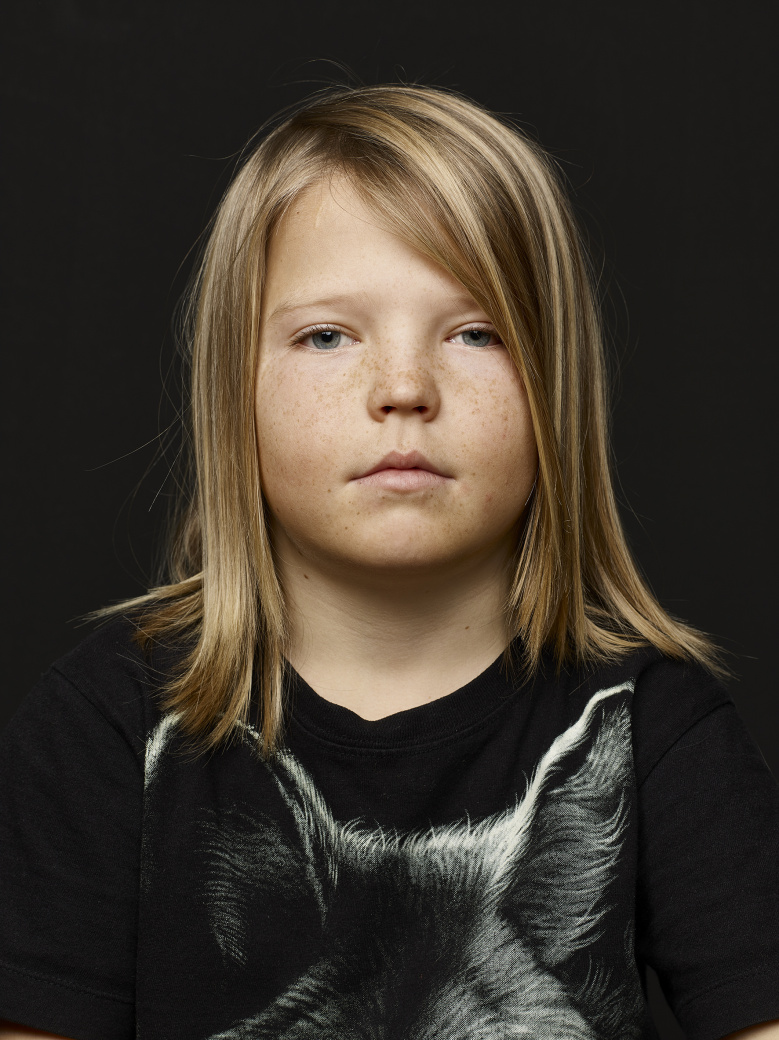
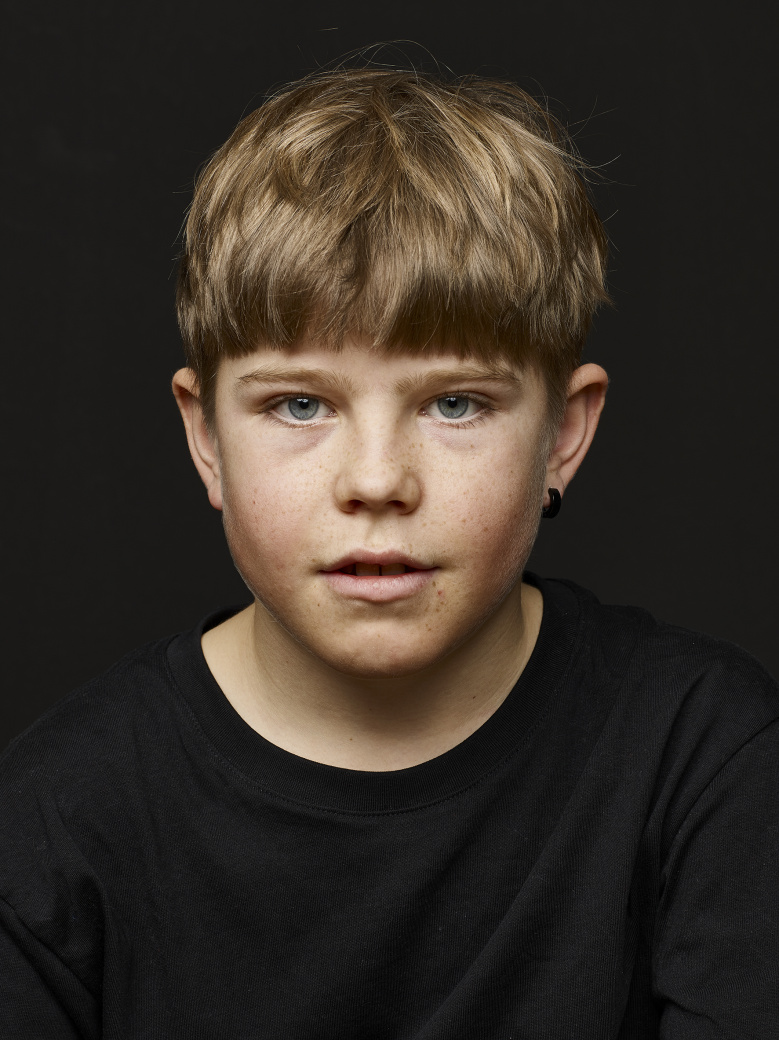
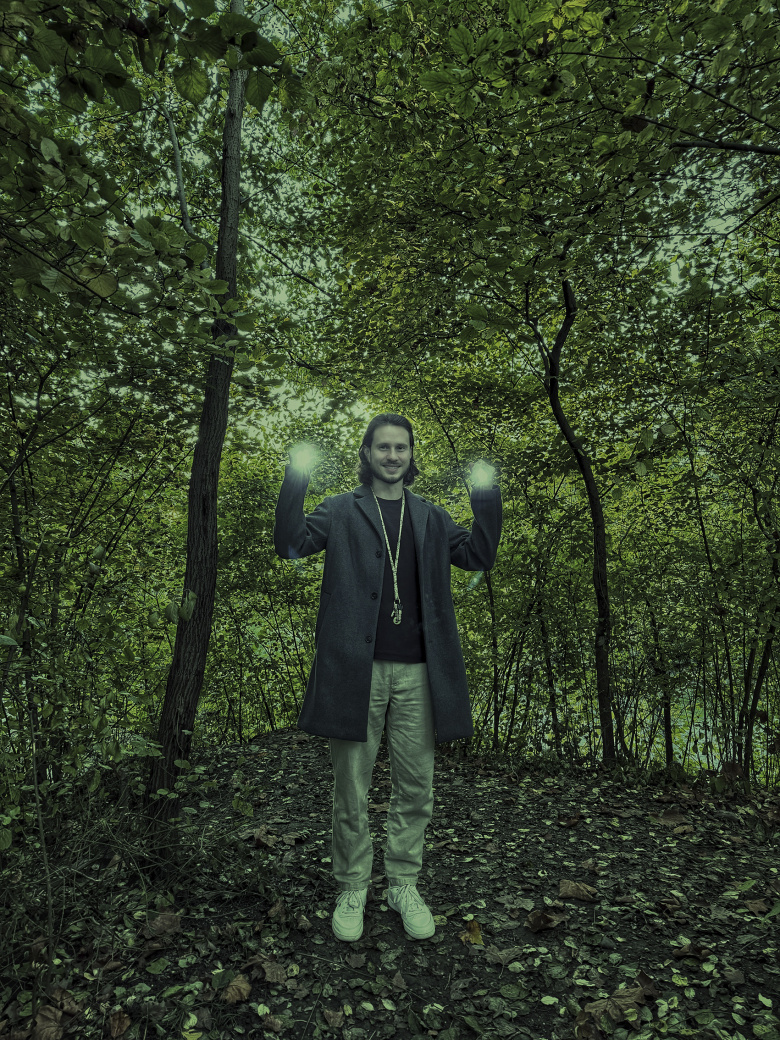
Elias Ocloo, January 2025
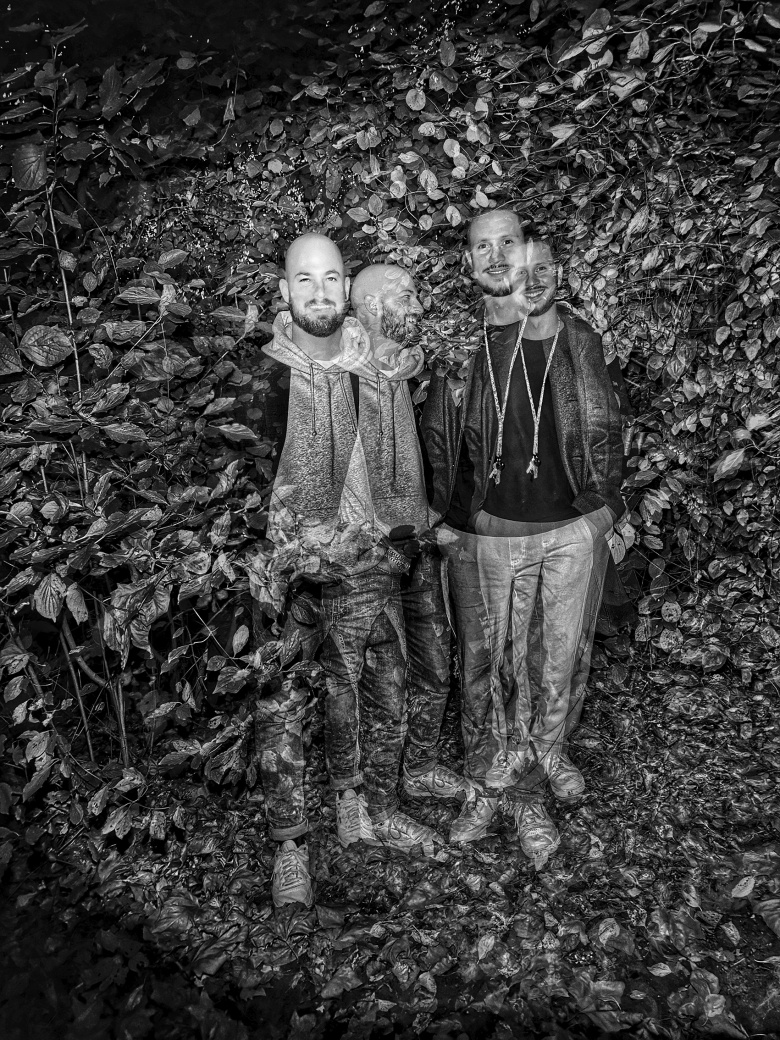
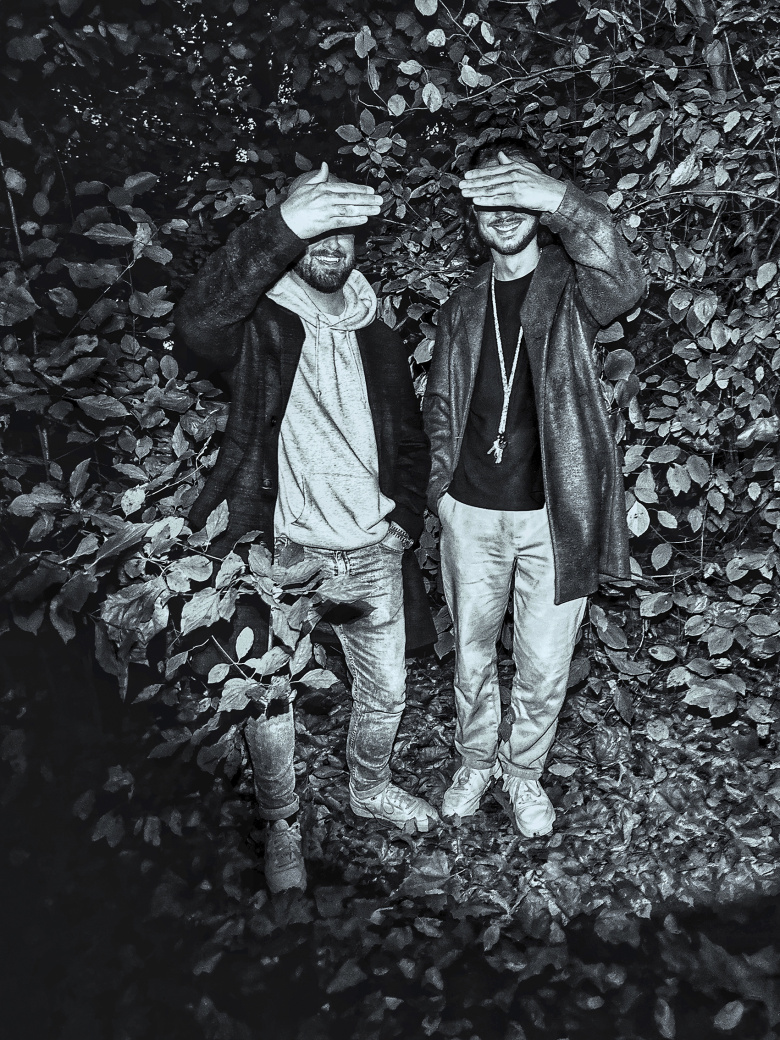
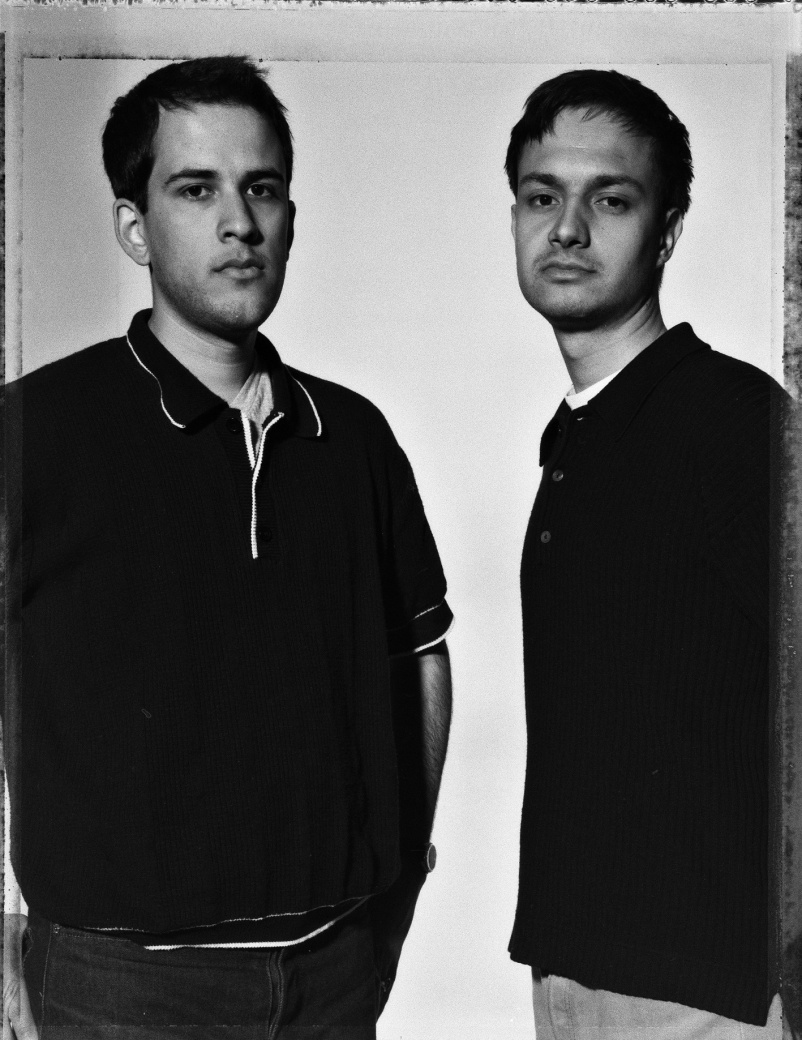
Niculin & Laurin, December 2024
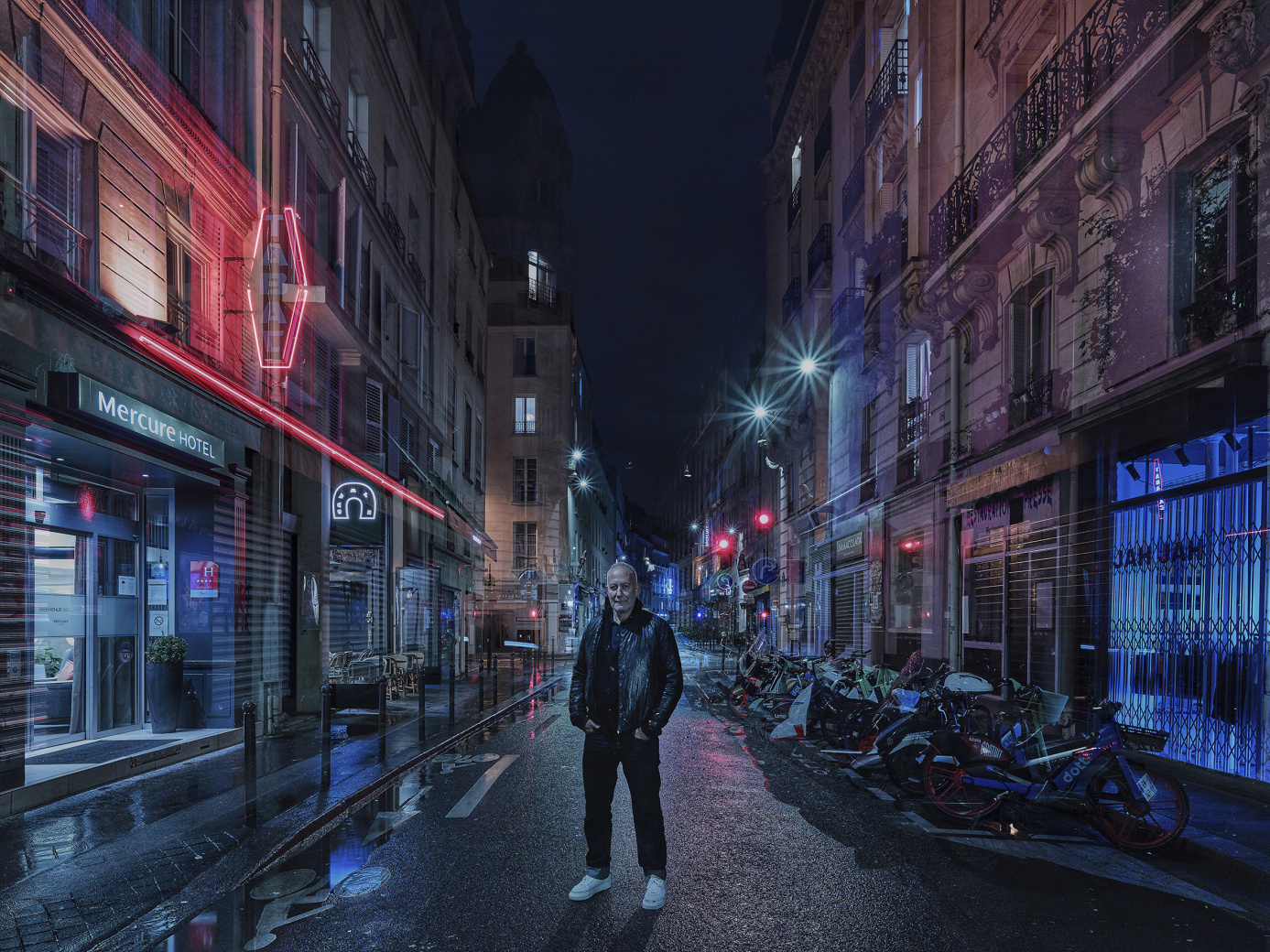
Nadav Kander, Paris, November 2023
Paris, November 2023
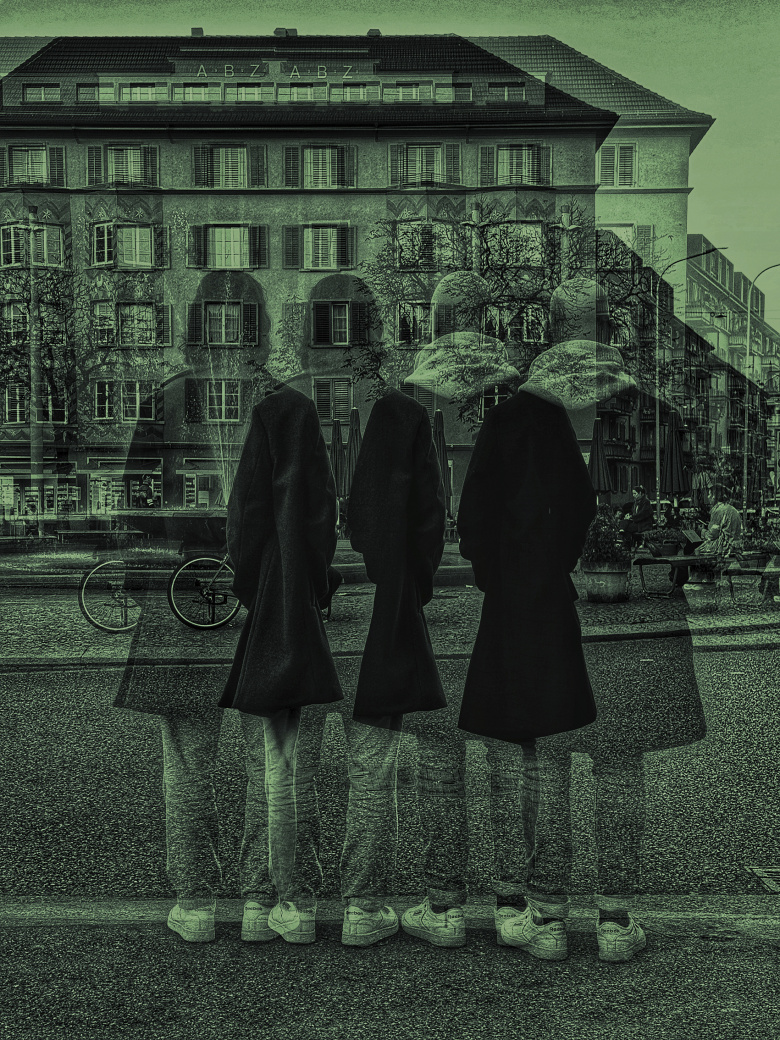
Aimone Bonucci after Irvin Heller
GALLI | RUDOLF Architekten, 14.3.2005
Yvonne Rudolf & Andreas Galli
LUCA ZANIER, 1966-2023
Saturday, 1.5.2004, 18:29
Rene Oertli
Saturday, 27.3.2004, 11:57
ETH | IPZ, September 2023
Formula Student Switzerland | Geschinen, Wallis, July 2023
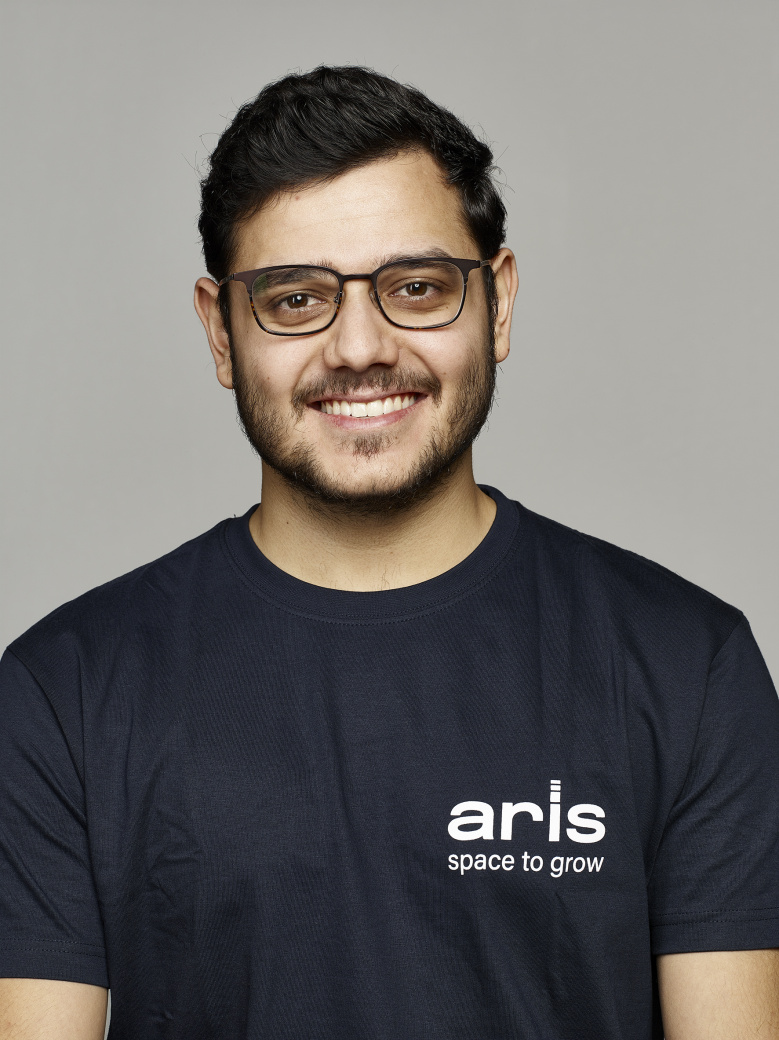
ARIS | Akademische Raumfahrt Initiative Schweiz, BERNOULLI Team, November 2022
Gabriel Sanchez-Blanco Repgen
ARIS, BUSINESS Team, 2022
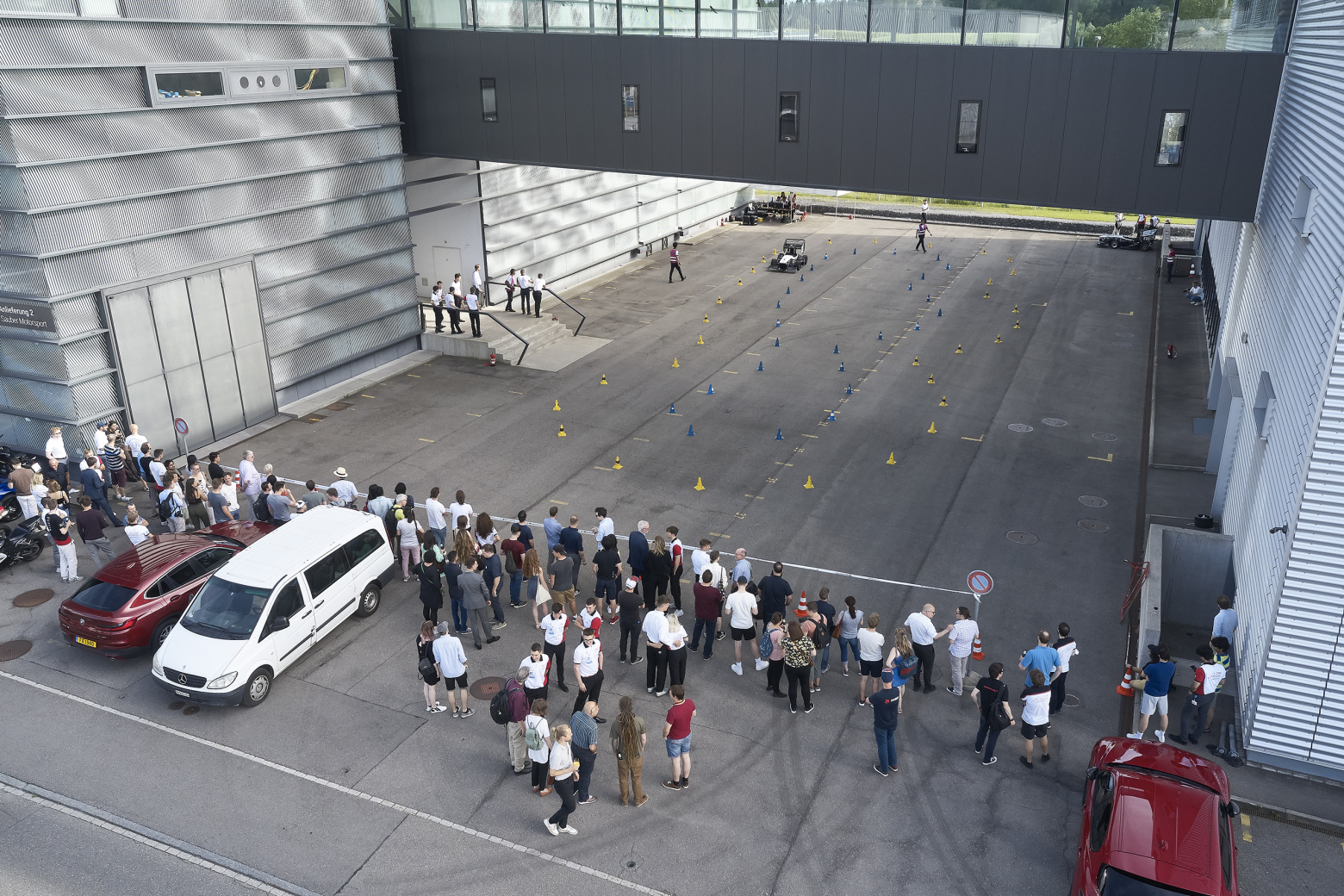
Formula Student Switzerland | Innovationspark Zürich, Dübendorf, July 2022
ETH | AMZ, Sauber Technologies | Hinwil, June 2022
HUSISTEIN & PARTNER ARCHITECTS, Portraits 2022
HUSISTEIN & PARTNER ARCHITECTS, Portraits 2021
ARGOS | Advanced Rocketry Group Of Switzerland, Val de Ruz | Ne, March 2022
ARIS, Val de Ruz, March 2022
ARIS | Akademische Raumfahrtsinitiative Schweiz, Dübendorf, March 2022
Spital Limmattal, Februar 2021
Stettbacher Signal Processing, August 2020
TERRESTA, iPhone Architectural Photography Workshop, 25/26.8.2020
Stettbacher Signal Processing, Portraits, May 2020
HUSISTEIN & PARTNER, Portraits 2019
Limmattal Spital, 22.11.2018
Stiafen Furger, Leiter Rettungsdienst Limmattall Spital
Limmattal Spital, 25.10.2018
Limmattal Spital, Urdorf, 22.8.2018
Frau Dr. med. Franziska Grafen
Moiré: Marc Kappeler / Dominik Huber / Simon Trüb, 23.1.2018
Portrait series for Husistein & Partner, July 2017
BREGENZ, VORALBERG, AUSTRIA, 8.1.2017
With Najem Wali: Die Balkanroute / Fluch und Segen der Jahrtausende
Polykastro, Kilkis, Greece, 4.7.2016
«VELIMIR ILIŠEVIĆ / ZWISCHEN HALT UND NEUBEGIN»
Velimir Ilišević, Stein am Rhein, 25.5.2016
Velimir Ilišević, Stein am Rhein, 16.5.2016
Velimir Ilišević, Stein am Rhein, 12.4.2016
Goran Potkonjak – Stein am Rhein
Die Porträtserie Stein am Rhein, 2016, von Goran Potkonjak entstand anlässlich der Ausstellung «Velimir Ilišević. Zwischen Halt und Neubeginn» im Museum zu Allerheiligen, Schaffhausen 2016/17. Die Fotoserie ist mehr als eine Reihe von Porträts des in der Kleinstadt am Rhein im Kanton Schaffhausen lebenden Künstlers Velimir Ilišević. Es sind einerseits Bildnisse des Freundes und Kollegen Velimir Ilišević, andererseits funktionieren sie auch als Landschaftsbilder und mit der Wahl der Schwarz-Weiss-Fotografie zudem als Stimmungsbilder. Entstanden sind diese bei mehreren Spaziergängen im Frühjahr 2016. Als Hintergrund waren stets der Rhein, die dortige Auenlandschaft sowie die charakteristischen Bauten der Region im Bild.
Haupt-Figur ist Velimir Ilišević; der Zeichner und Maler stammt aus Bosnien, wo er 1965 geboren wurde. Mit 24 Jahren lässt er sich in der nördlichen Schweiz im Kanton Schaffhausen nieder. Verbindet sich seine erste Lebenszeit mit der Sana, ein Fluss im Nordwesten Bosniens, ist seit 1989 der Rhein prägend für sein Leben und die Atmosphäre seiner neuen Heimat. Der Fluss ist immer wieder auch Thema seiner Malerei. Dieses wichtige Thema Iliševićs nimmt Goran Potkonjak mit seiner Fotoserie auf und übersetzt es in die eigene Bildsprache. Der Fluss ist auf etlichen Fotos als Hintergrund und Erzeuger von Stimmungen zu sehen. Die Wasseroberflächen erscheinen je verschieden – mal bewegt, mal ruhig und spiegelnd.
So wie Velimir Ilišević in seinem malerischen Werk immer wieder die Kunstgeschichte zum Thema macht, sich mit den Errungenschaften und der Geschichte der malenden Kollegen vertraut macht, indem er sie selbst erprobt, so sind auch in den Fotografien von Goran Potkonjak Elemente der Fotografie- und Kunstgeschichte zu erkennen: Stein am Rhein – 25. Mai 2016zeigt das nur verschwommen zu erkennende Kopfprofil Velimir Iliševićs, ganz so, als ob er auf Henri Cartier-Bresson, berühmte Sequenz von Fotos anspielte, die dieser von Alberto Giacomettis während der Einrichtung einer Ausstellung im Galerie Maeght 1961 machte. Hier wie dort ist der Künstler zu erkennen, doch schiebt sich zugleich etwas Anderes in den Vordergrund. Der Künstler verschwindet hinter seinem Werk oder, wie im Fall Iliševićs, hebt das Foto zugleich eine Landschaft heraus.
Das gilt auch bei einem weiteren Beispiel aus der Serie: Stein am Rhein – 16. Mai 2016. Der Protagonist stapft durch den Wald. Die Lichtführung ist so gewählt, dass er weitgehend im Dunkel bleibt – hinter ihm ist eine Rodung, die in helles Licht getaucht ist. Die mit Zuversicht und in Zukunftsgläubigkeit schreitende Figur ist in einer anderen Umgebung und doch – sie ist sehr ähnlich der Haltung, wie sie Joseph Beuys einnimmt auf seinem berühmt gewordenen Poster La rivoluzione siamo noi, das er 1972 publizierte.
So verschränken sich die tatsächlichen Absichten und die möglichen Assoziationen im Werk von Goran Potkonjak und Velimir Ilišević.
©Matthias Fischer
VELIMIR ILIŠEVIĆ
July 2012, Stein am Rhein
Max Dudler & Matthias Meier, Allreal Head Office, 7.4.2016
Miljenko Jergović, Mala Mlaka / Zagreb, 11.3.2015
Markus Leto Meyle, Uster, 2015
MOIRÉ
Marc Kappeler, Ruth & Dominik
Musikszene Schweiz, Book, 2012
Jürg Kienberger, St. Louis, France
Pater Roman Bannwart, Einsiedeln
Pater Urban Federer, Einsiedeln
Veit F. Stauffer, 13.11.2008, Zurich
Alexander Pereira, Zürich
Claude Nobs, Le Picotin chalet, Caux
Gianni Vattimo, around 2003
Gianni Vattimo (1936–2023) was an influential Italian philosopher known for his contributions to
postmodern philosophy, hermeneutics, and political thought. He was closely associated with the
concept of "weak thought" (pensiero debole), which challenges traditional notions of strong,
absolute truths in favor of more pluralistic, relativistic approaches.
Key Aspects of Vattimo's Thought:
-
Weak Thought: Vattimo argued against the idea of universal, objective truth, suggesting instead that truth is contingent, historically situated, and interpreted through cultural and linguistic frameworks. This idea aligns with his broader postmodern critique of metaphysics.
-
Hermeneutics: Influenced by the works of Friedrich Nietzsche, Martin Heidegger, and Hans-Georg Gadamer, Vattimo emphasized the role of interpretation in understanding reality. He believed that all understanding is interpretative and that meaning is always mediated by history and culture.
-
Politics and Religion: Vattimo was also known for his engagement with political and religious themes. He advocated for a form of "weak religion," which moves away from dogmatic beliefs toward a more interpretative, open-ended spirituality. Politically, he was associated with leftist thought and was critical of traditional authoritarian structures.
-
Postmodernity: Vattimo saw postmodernity as an era characterized by the collapse of grand narratives and the rise of pluralism and relativism. He viewed this as an opportunity for greater freedom and creativity, although it also posed challenges for political and social coherence.
David Albahari, 7.4.2003
David Albahari (1948–2023) was a Serbian writer, novelist, and translator known for his work in postmodern literature, particularly his contributions to Serbian and Yugoslavian literature. He was of Jewish descent and often explored themes related to identity, memory, the Holocaust, and the complexities of the post-Yugoslavian landscape in his works.
Key Aspects of Albahari's Life and Work:
PORTRAIT | detail, July 6th, 2003
"Homo Faber" von Max Frisch, Regie Stefan Pucher / detail
Hans Josephsohn, March 7th, 2003
Hans Josephsohn (1920–2012) was a Swiss sculptor known for his distinctive figurative works, primarily in bronze. Born in Königsberg, East Prussia (now Kaliningrad, Russia), Josephsohn fled to Switzerland in 1938 to escape Nazi persecution due to his Jewish heritage. He initially studied under sculptor Otto Müller in Zurich and gradually developed his own style, characterized by rough, expressive forms that captured the essence of human presence and experience.
Josephsohn's sculptures often focus on the human figure, ranging from busts to full-length figures, and are noted for their heavy, almost archaic appearance. His work emphasizes the materiality of the medium, with surfaces that retain the texture of the sculpting process. Rather than aiming for detailed realism, Josephsohn was more concerned with the broader emotional and existential qualities of the human form.
Despite his significant contribution to 20th-century sculpture, Josephsohn remained relatively unknown for much of his life, gaining wider recognition only in his later years. His work has been exhibited internationally, and his legacy continues to influence contemporary sculptors and painters.
The Wedding
Karin & Carlo | Nina & Anatol
Paul Parin, 25.5.2004, Zürich
The Pages
Four sisters, 21.10.2007.
Hautzinger & Hinteregger, 2006
my fathers watch, glasses and gloves, 31.7.2005.
William Forsythe, 15.10.2005
William Forsythe is an influential American choreographer and dancer, renowned for his work in contemporary ballet. Born on December 30, 1949, in New York City, Forsythe is recognized for his innovative approach to classical ballet, pushing the boundaries of traditional forms and integrating them with modern dance.
Forsythe began his dance career with the Joffrey Ballet and later joined the Stuttgart Ballet in Germany, where he started choreographing. He became the artistic director of the Frankfurt Ballet in 1984, a position he held until 2004. During his tenure, Forsythe revolutionized the ballet world with his experimental works, which combined complex physicality, innovative use of space, and interdisciplinary elements like technology and visual arts.
Some of his most famous works include In the Middle, Somewhat Elevated (1987), Artifact (1984), and The Second Detail (1991). After the Frankfurt Ballet, he founded The Forsythe Company in 2005, continuing to create groundbreaking work until its disbandment in 2015.
Forsythe's influence extends beyond choreography; he has also been a significant figure in dance education, developing tools like the "Improvisation Technologies" system to teach dancers and choreographers.
His work is characterized by its intellectual rigor, physical intensity, and a deep exploration of the possibilities of movement. Forsythe's contributions have made him one of the most important figures in the evolution of contemporary dance and ballet.
Toni Kitanovski, 29.7.2004, Skopje
Paul, Zürich / Hong Kong, 1997
PORTRAITS, 1987-2010
Ljiljana Petrović Buttler
CIE. SANS FILTRE, Violetta Spataro & Marco Maria Ghiò
David Albahari, 2003, Zürich
BALKAN BEATS BERLIN, Robert Šoko, Berlin
Miljenko Jergović, November 2013, Basel
Emir Kusturica, Rote Fabrik / Zürich, 2003
Richard Reich School Project
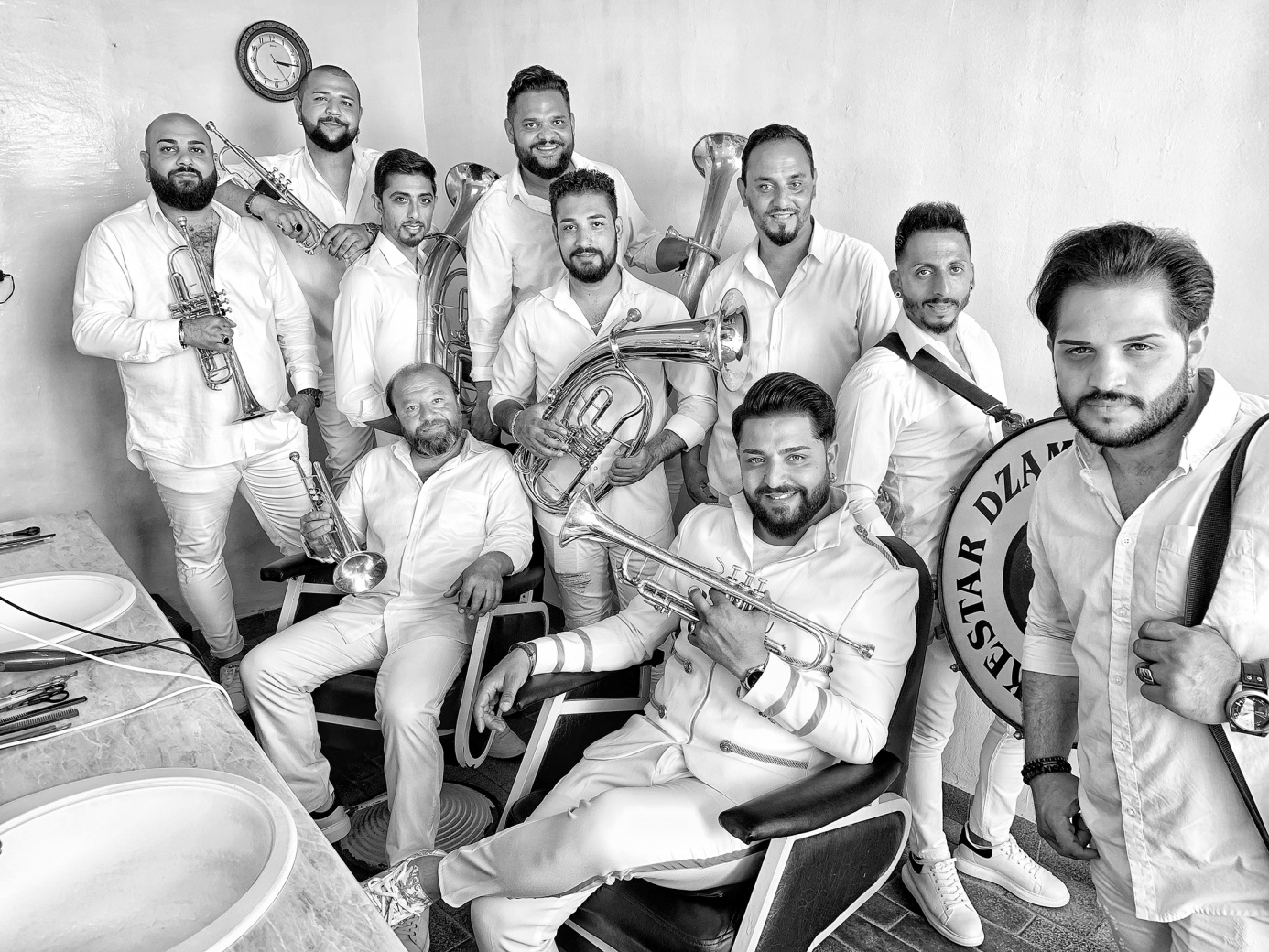
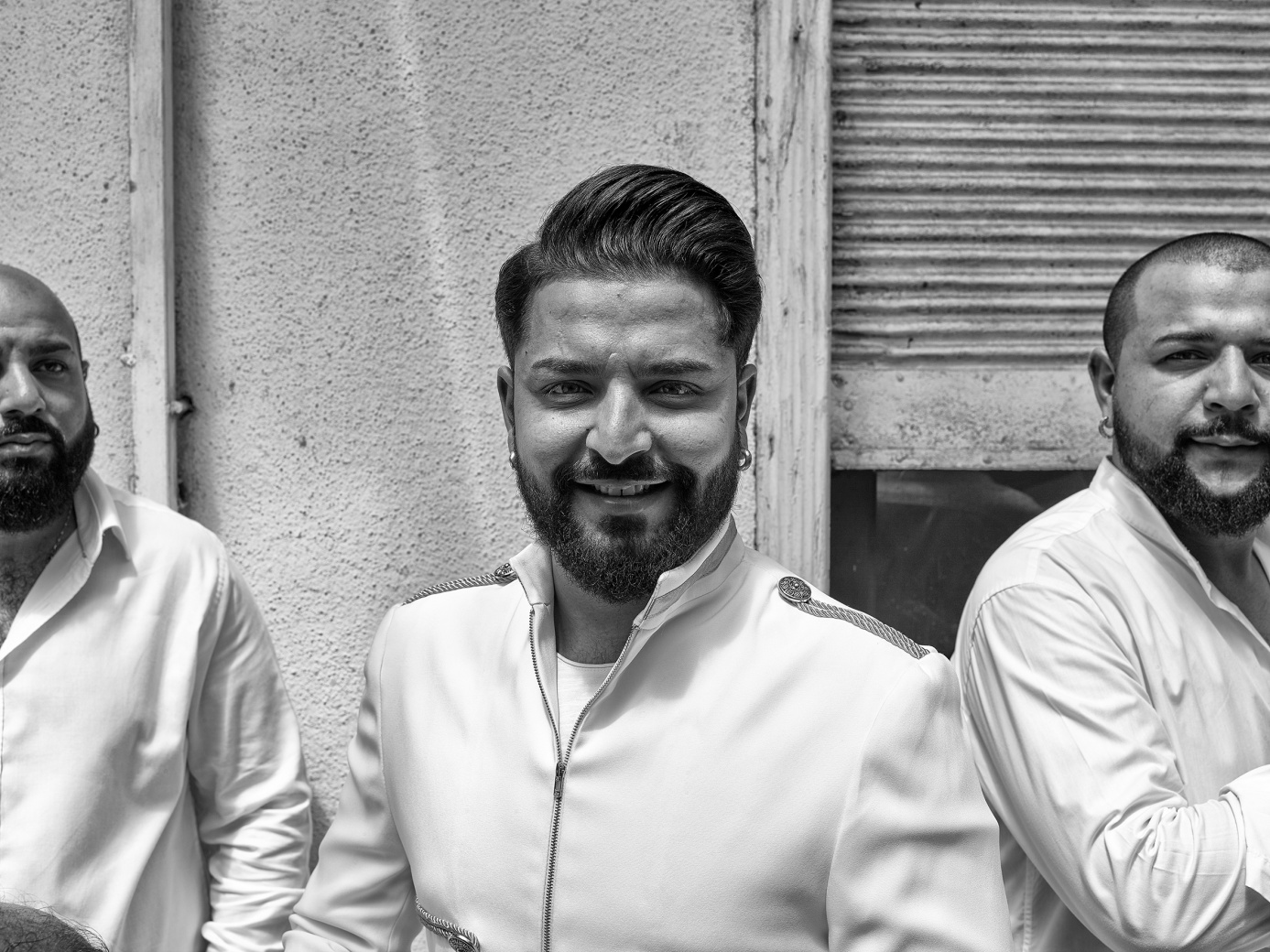
Goran Bregović and his Wedding and Funeral Band