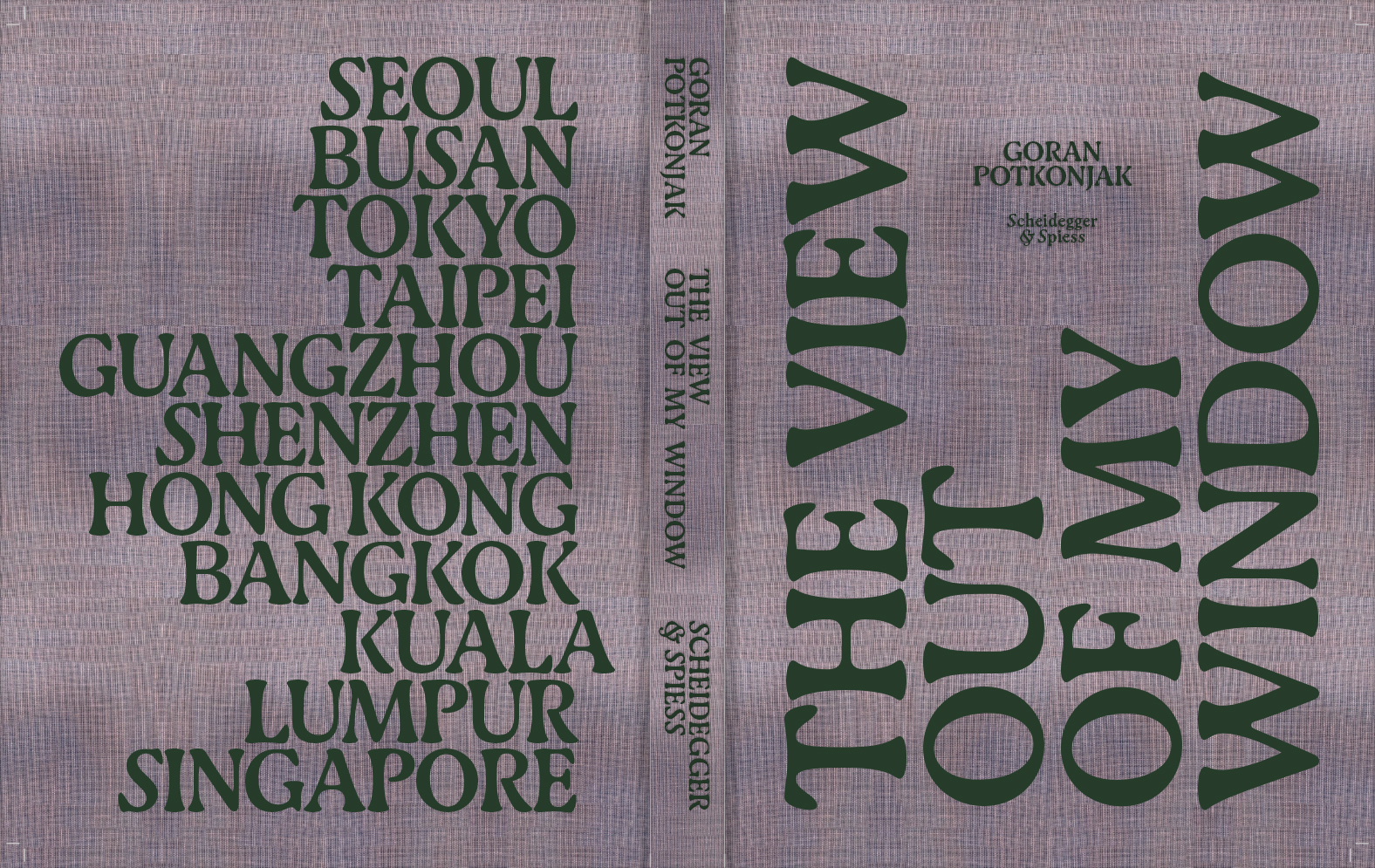
THE VIEW OUT OF MY WINDOW
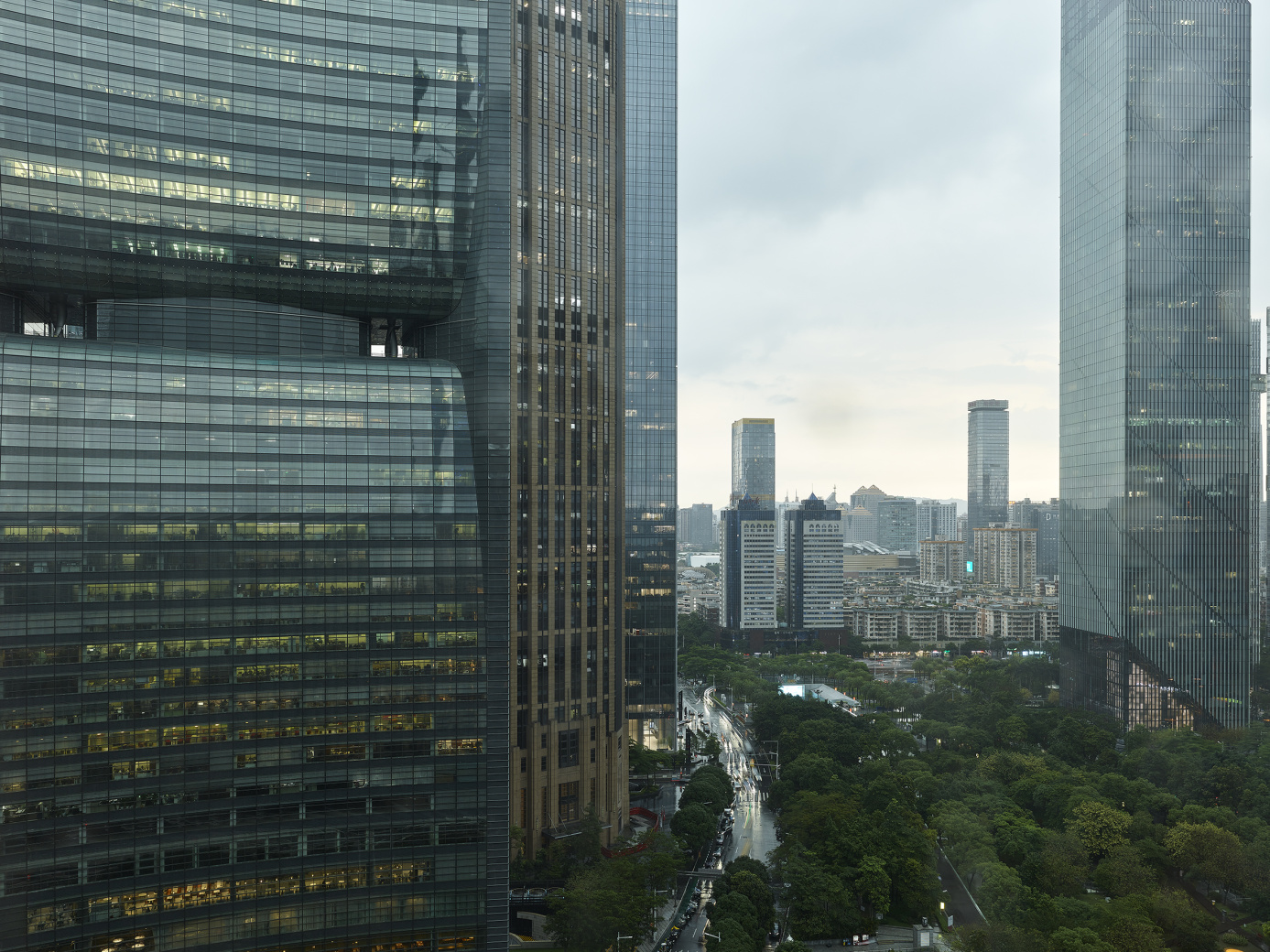
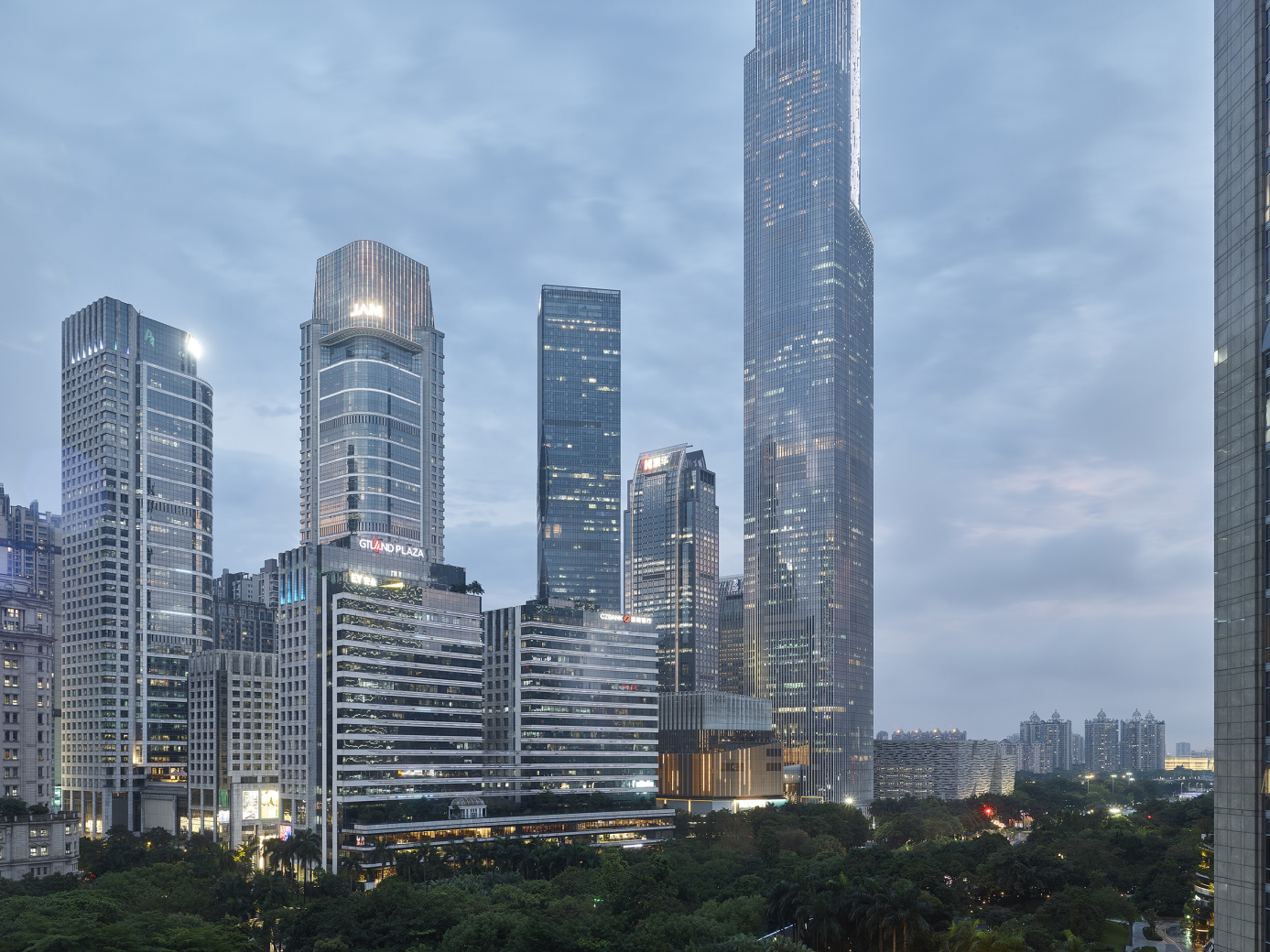
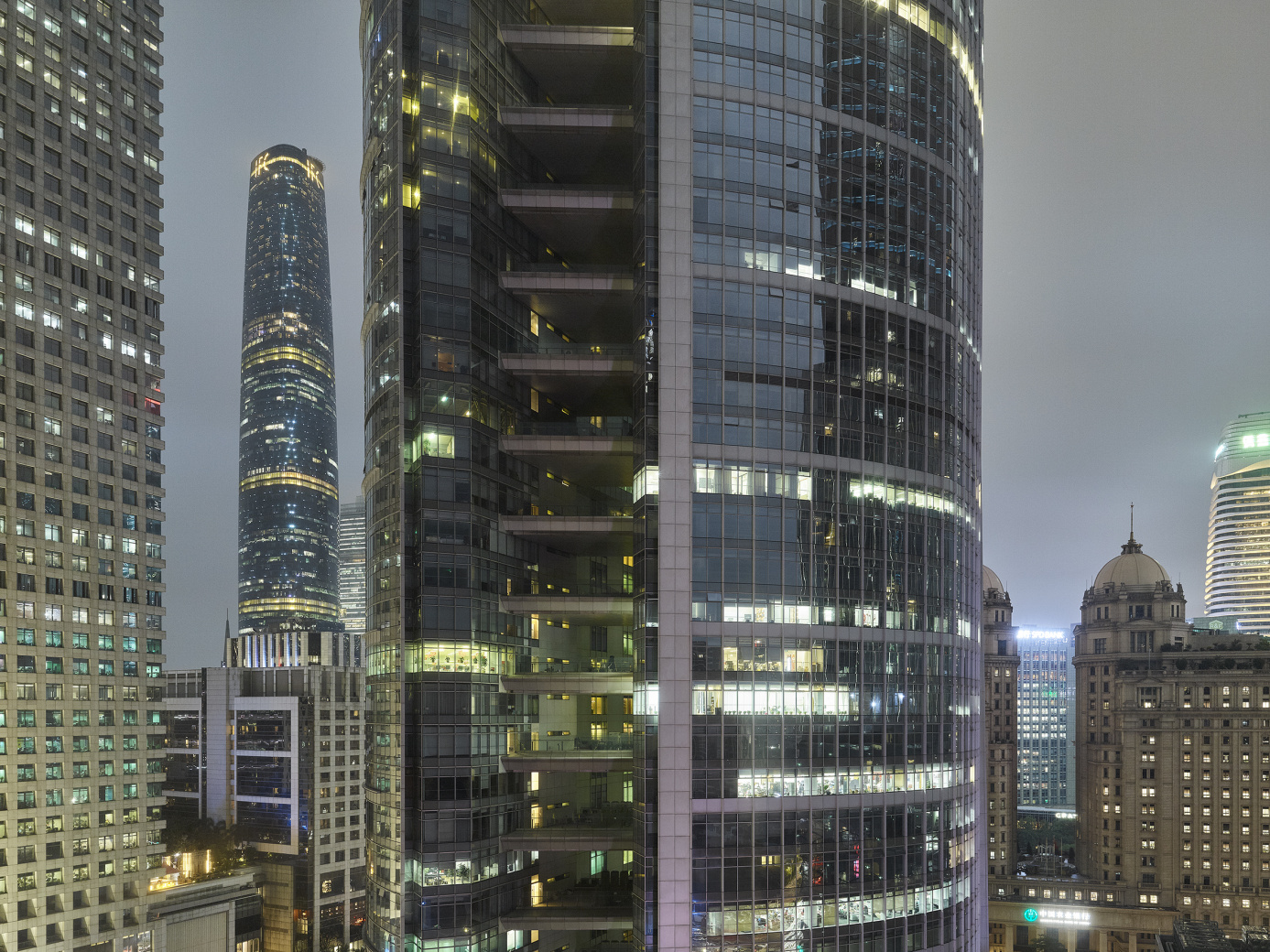
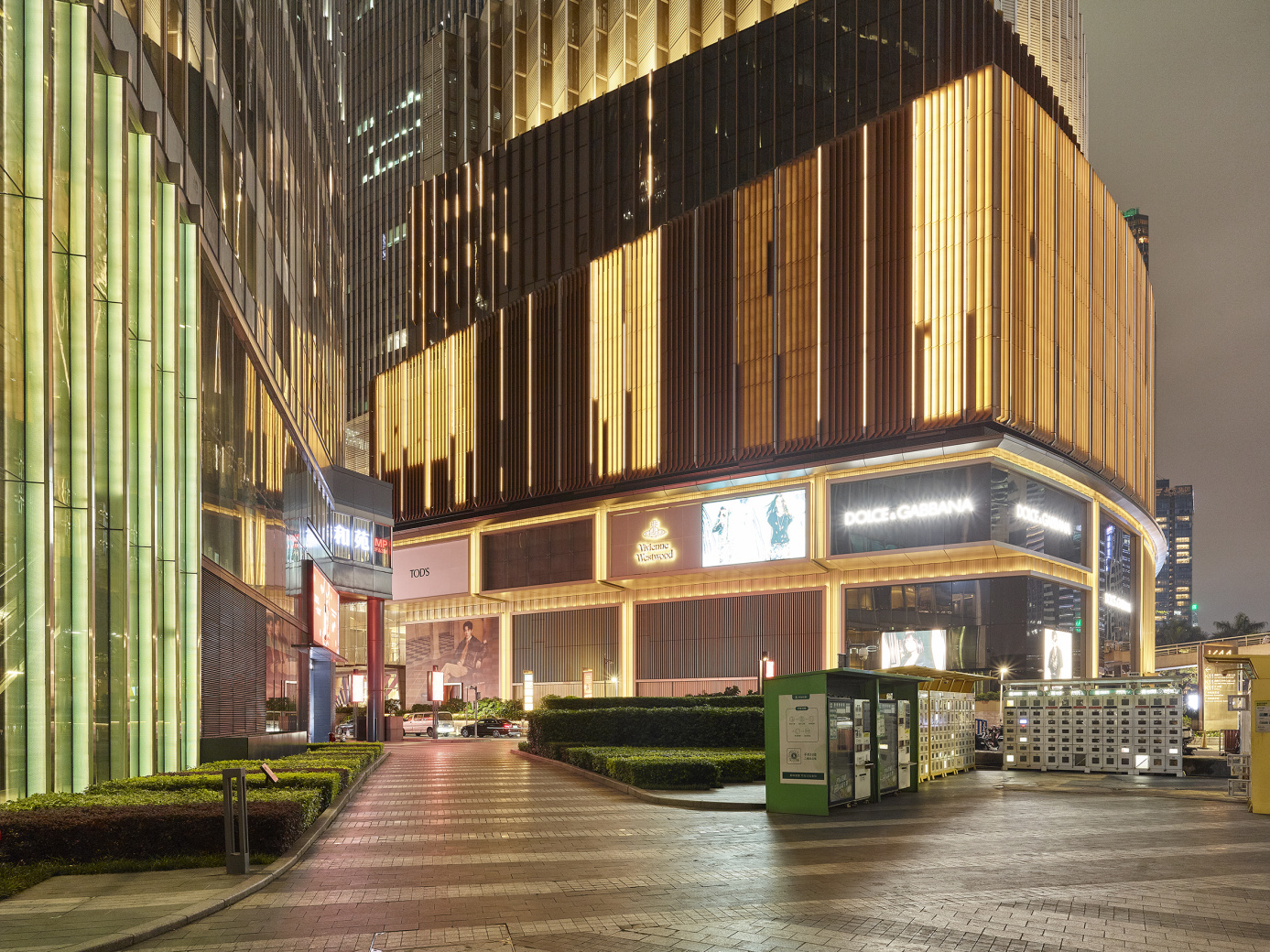
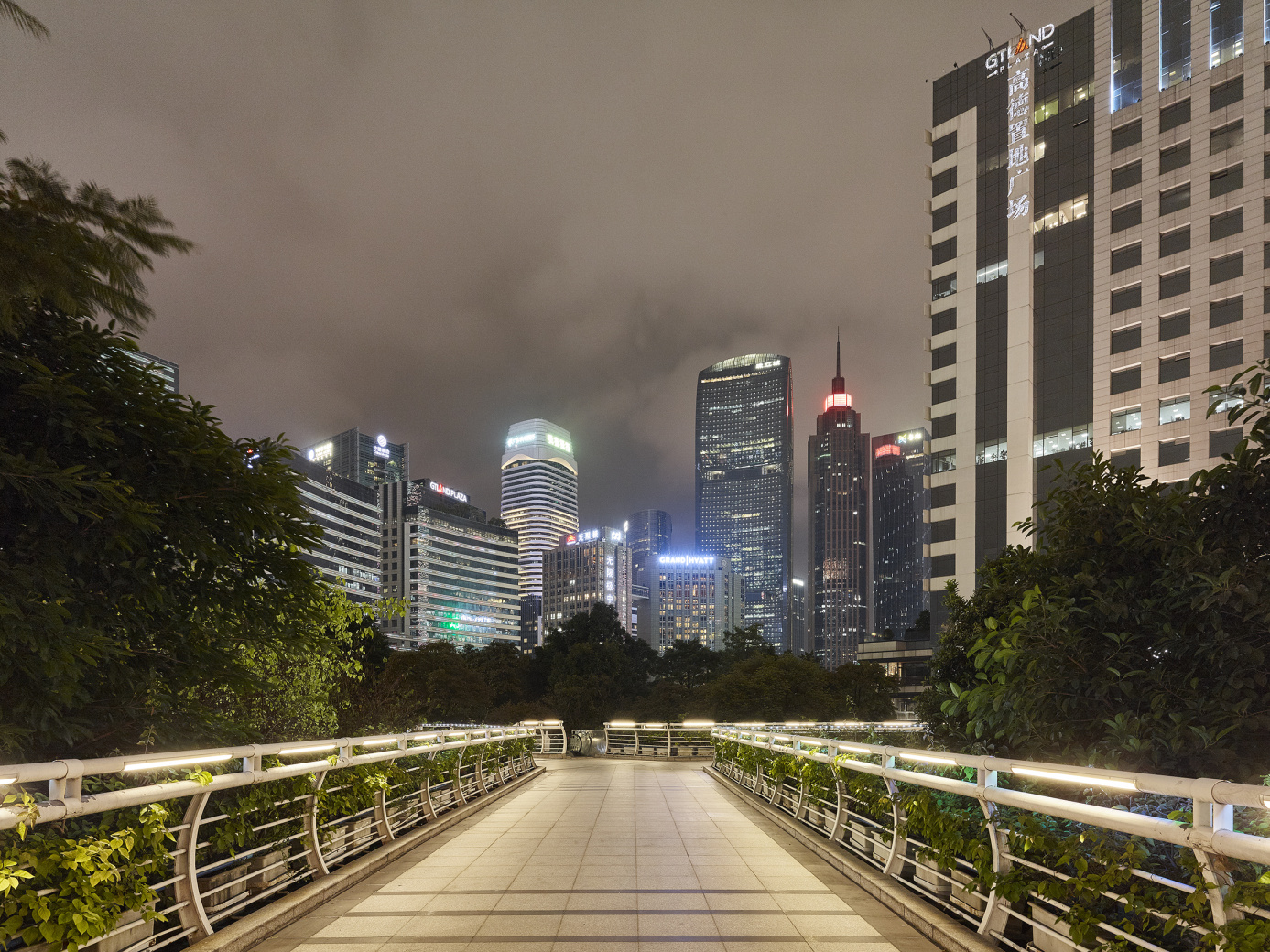
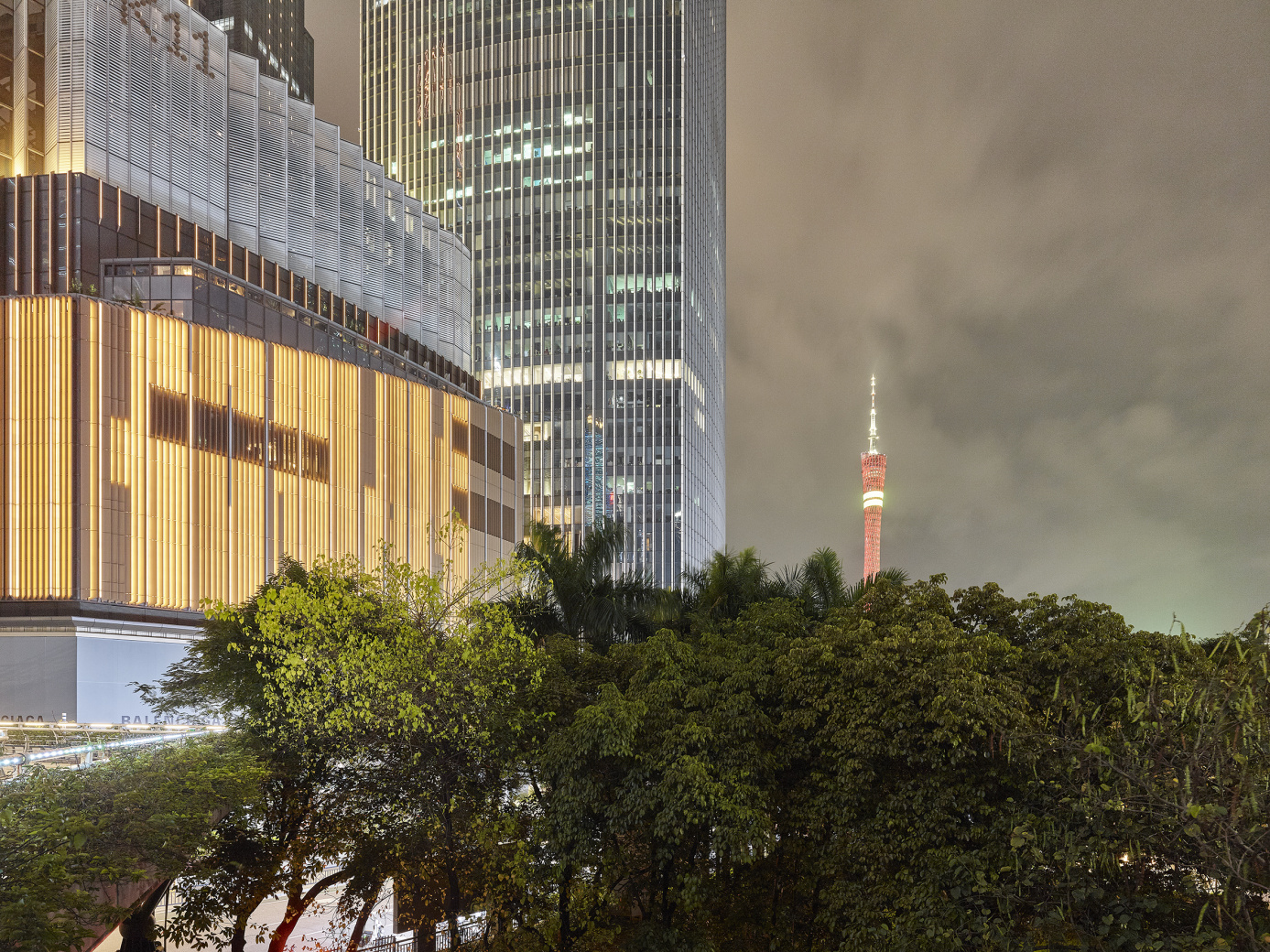
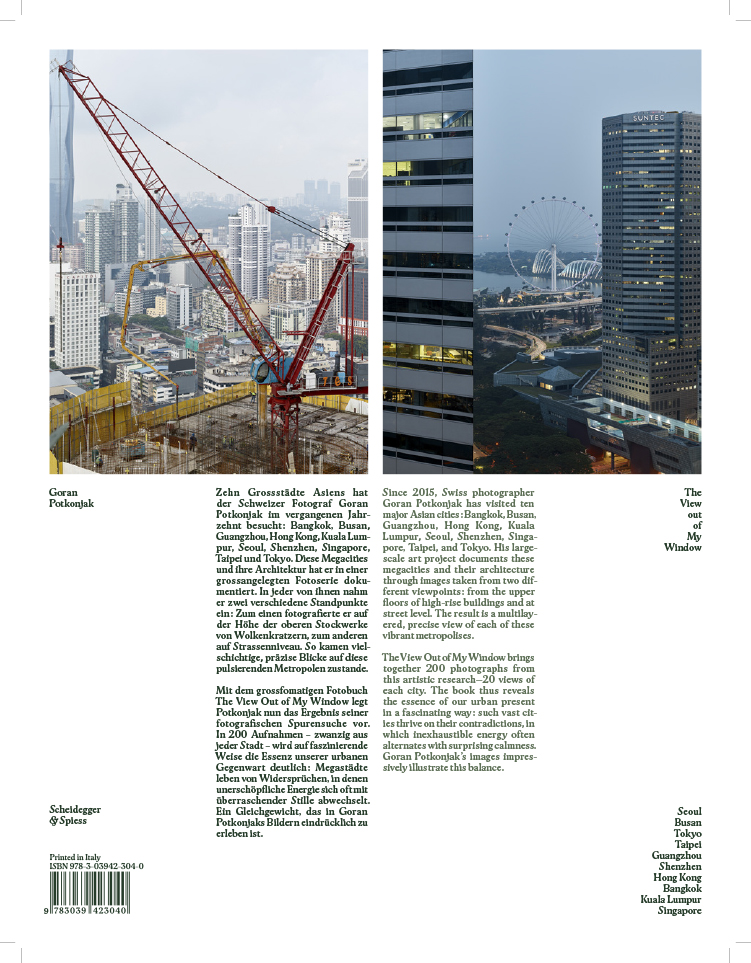
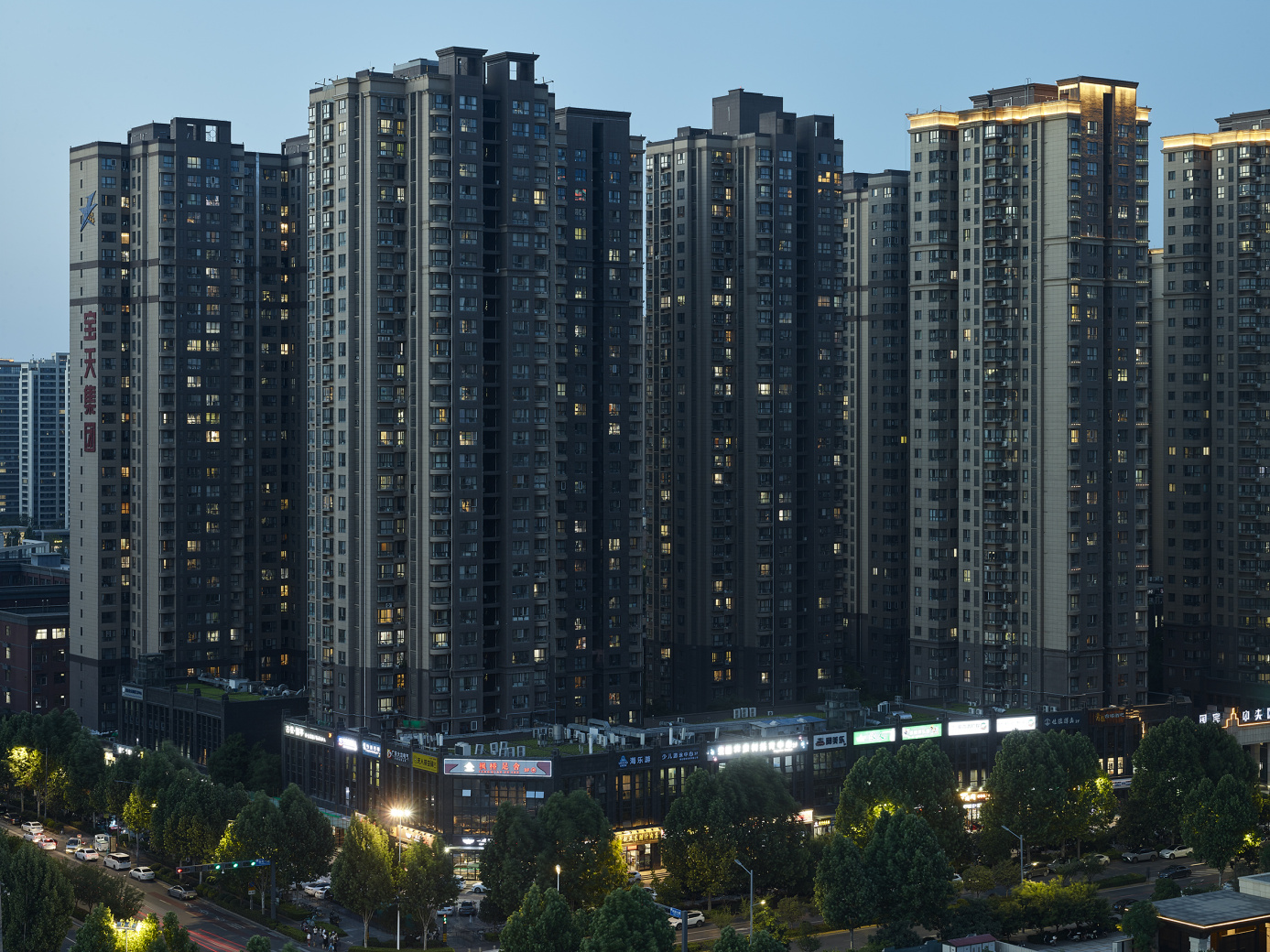
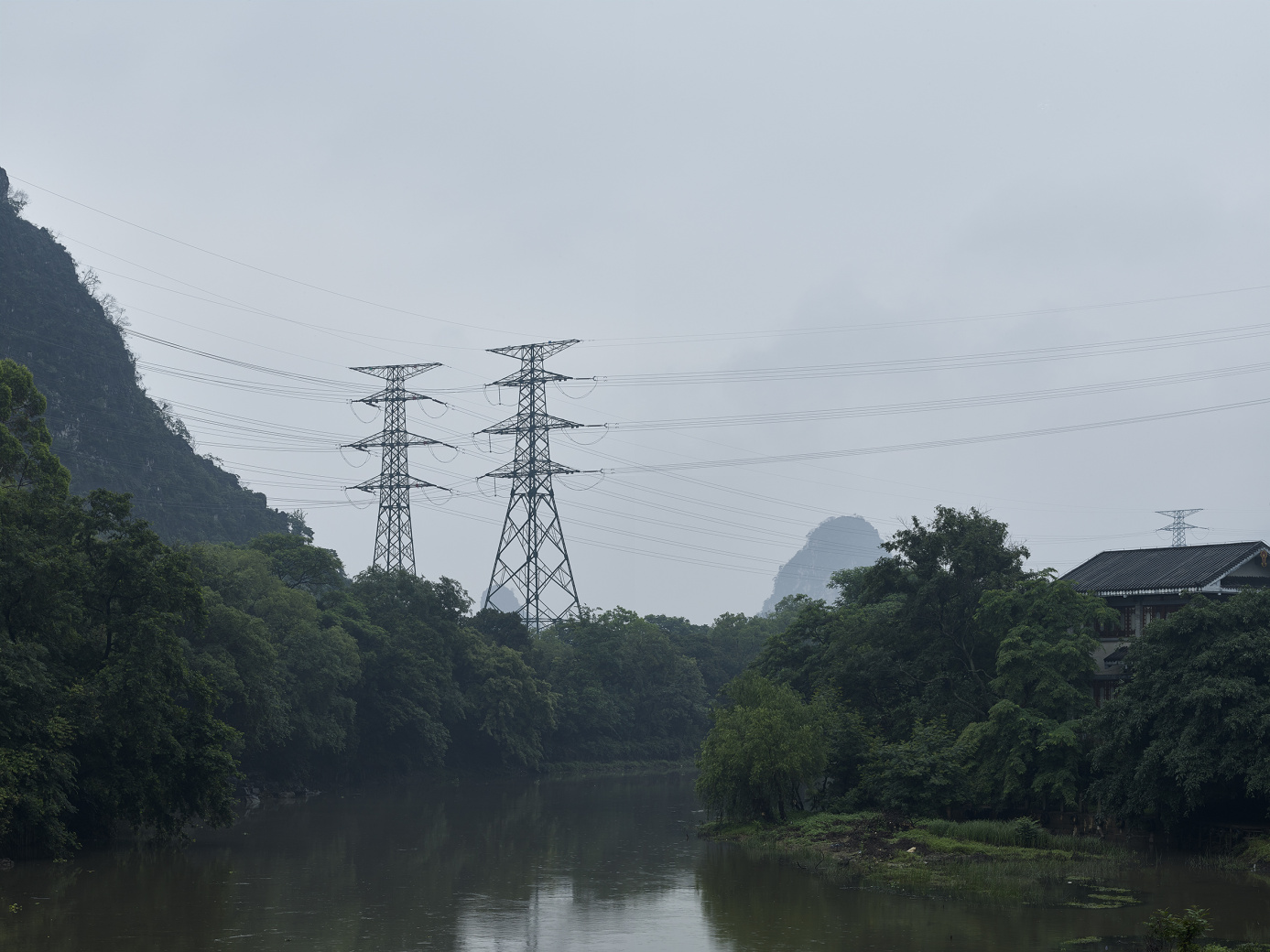
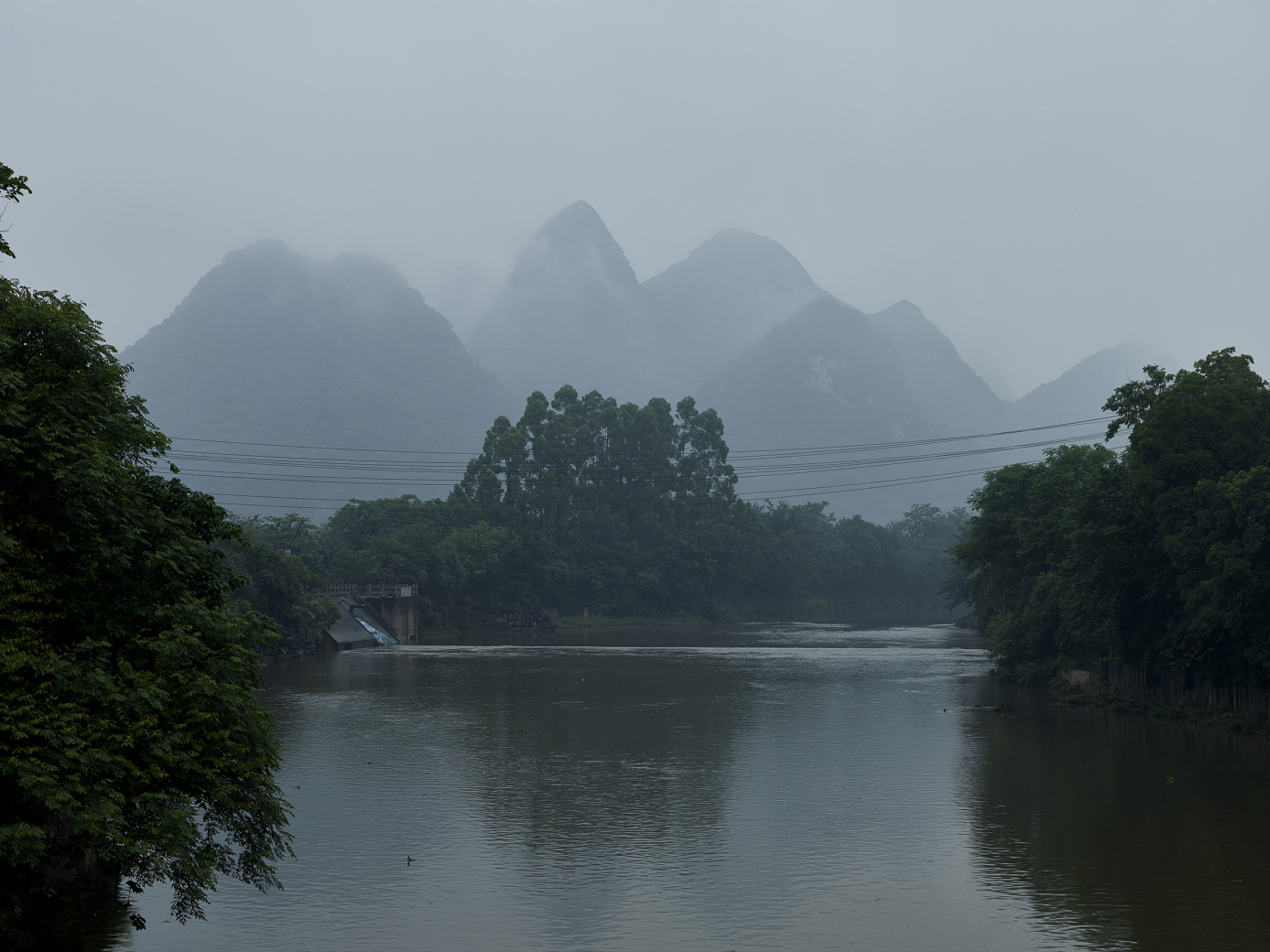
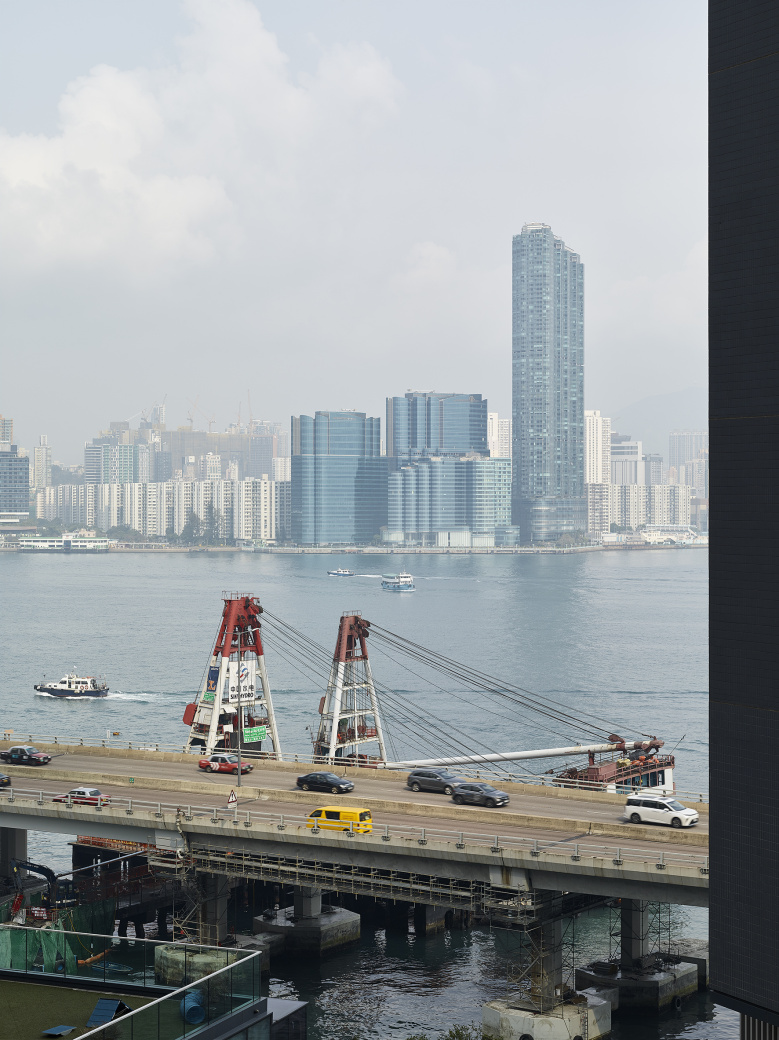
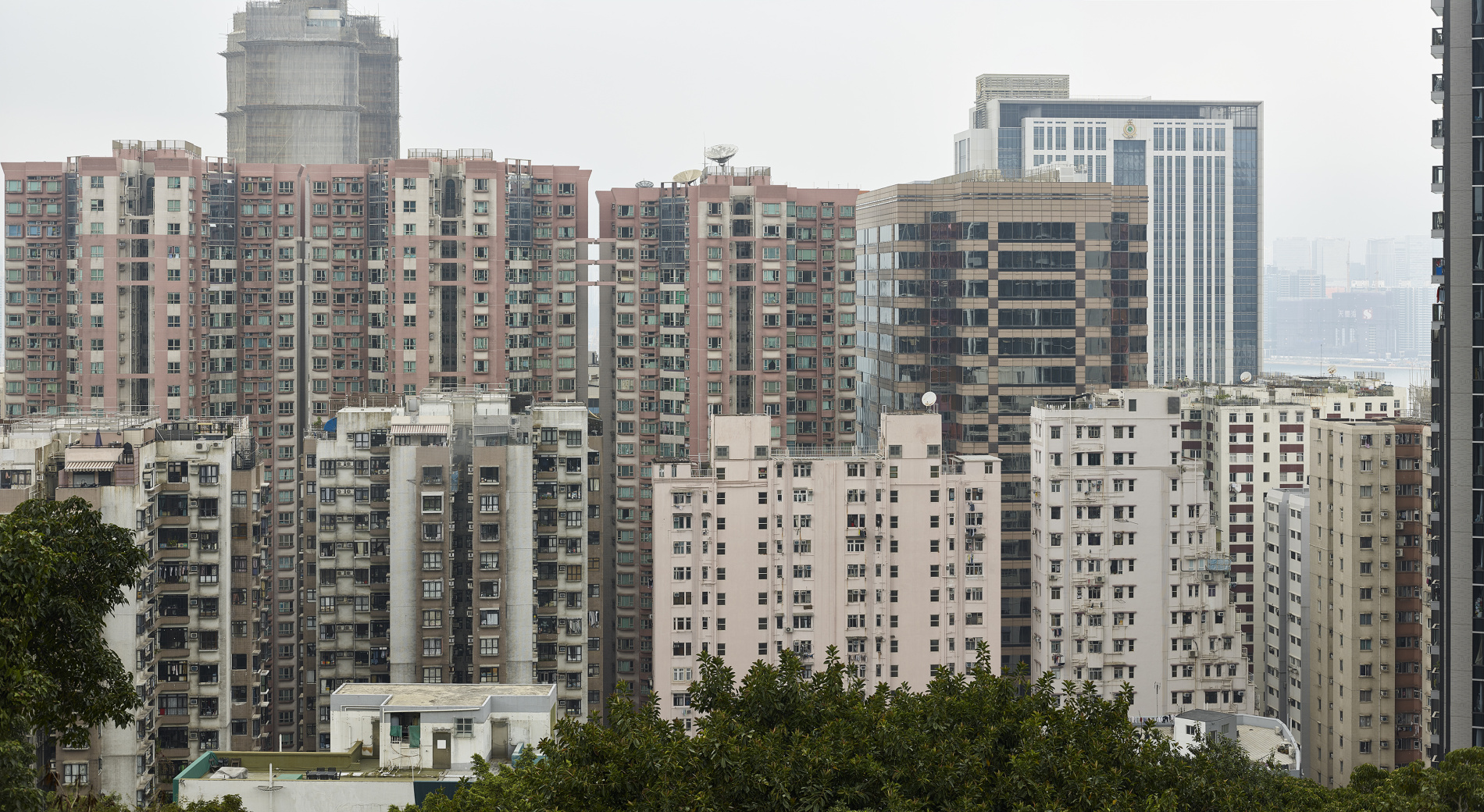
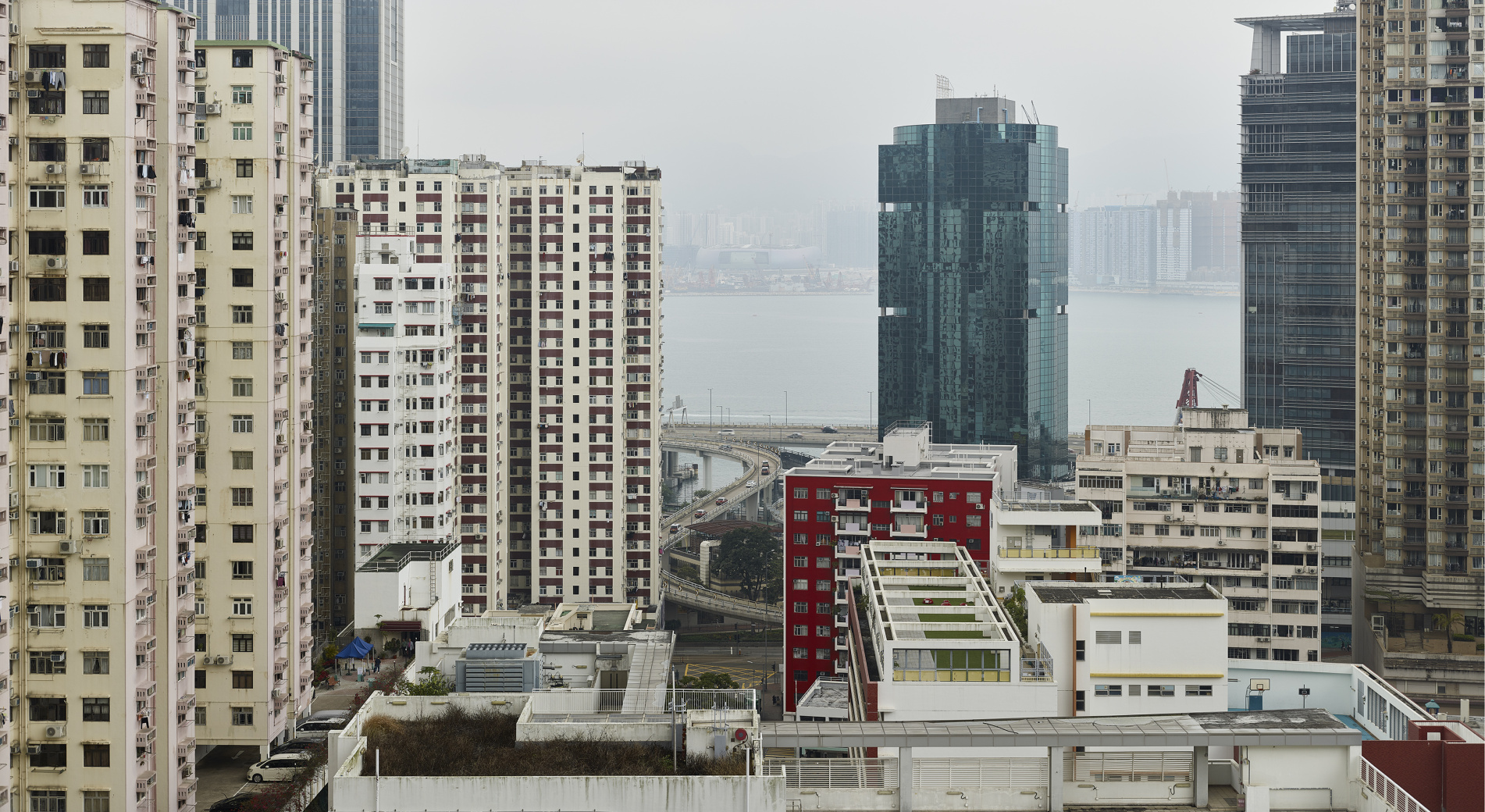
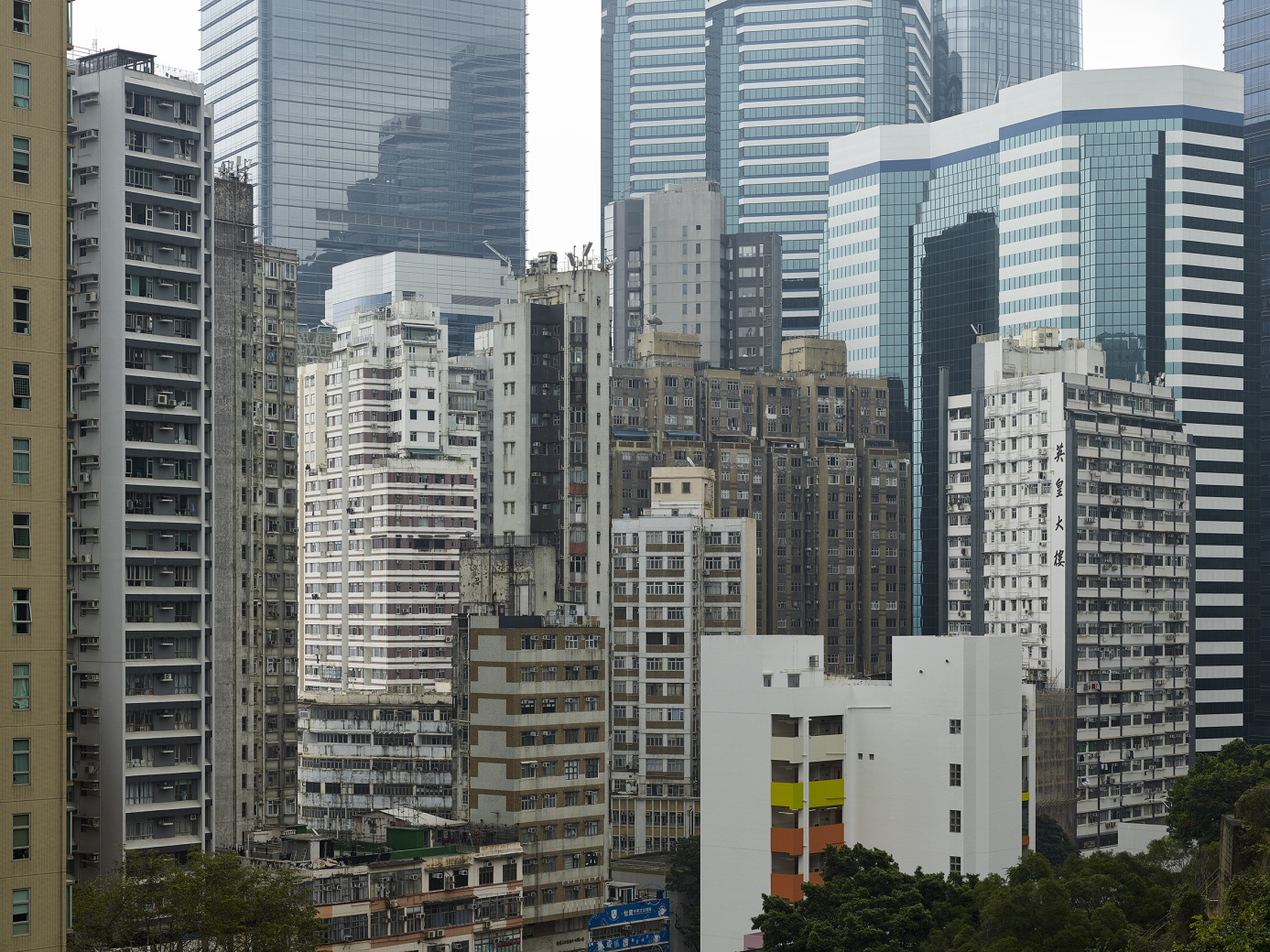
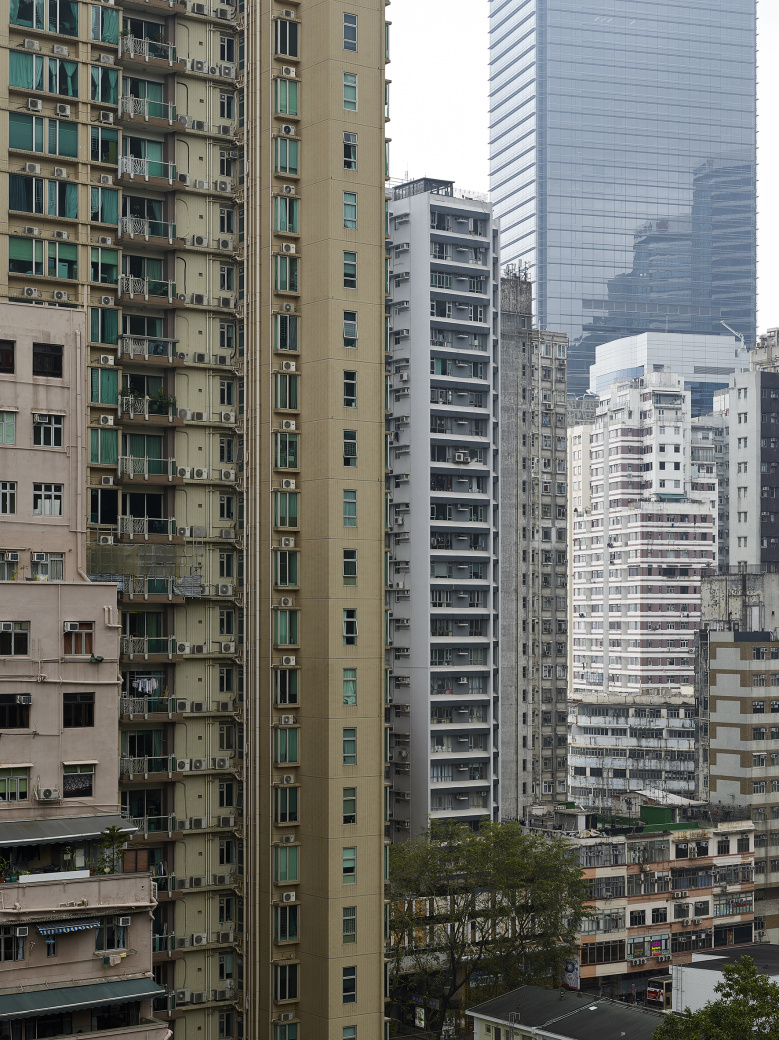
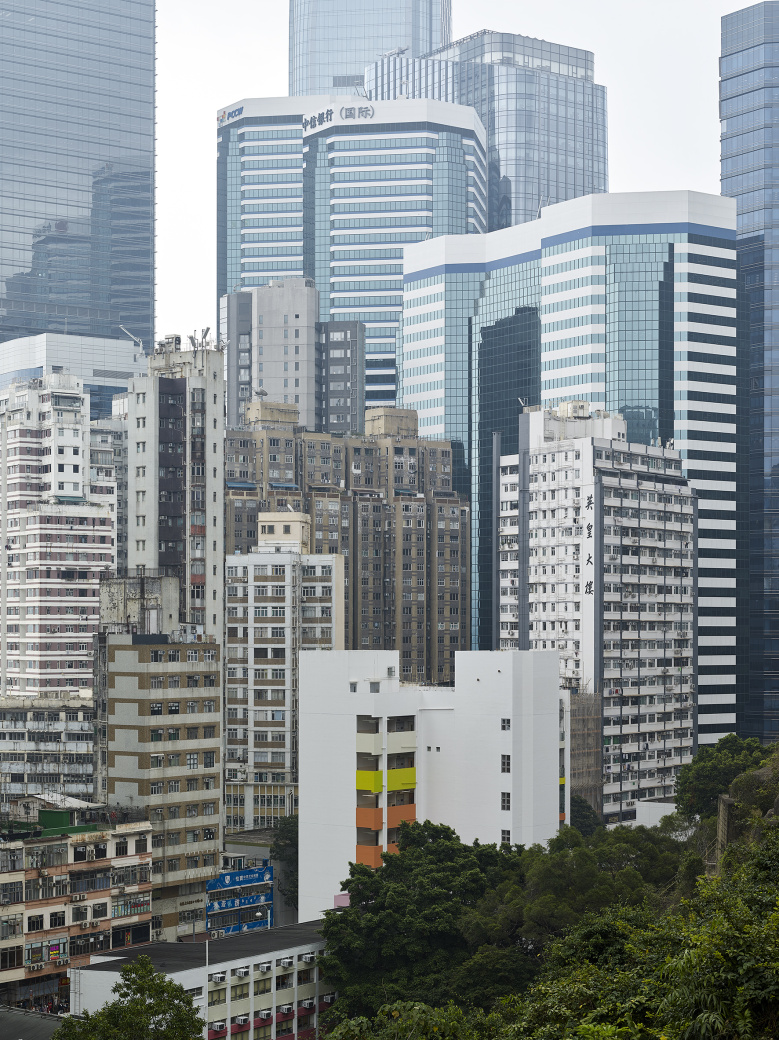
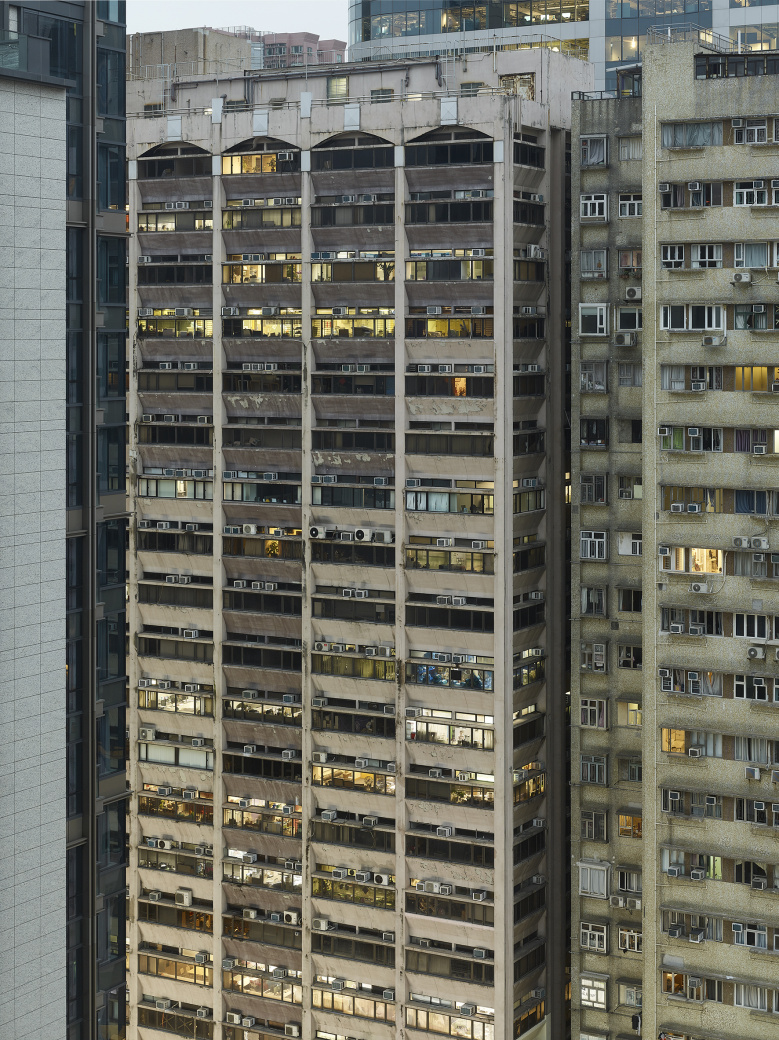
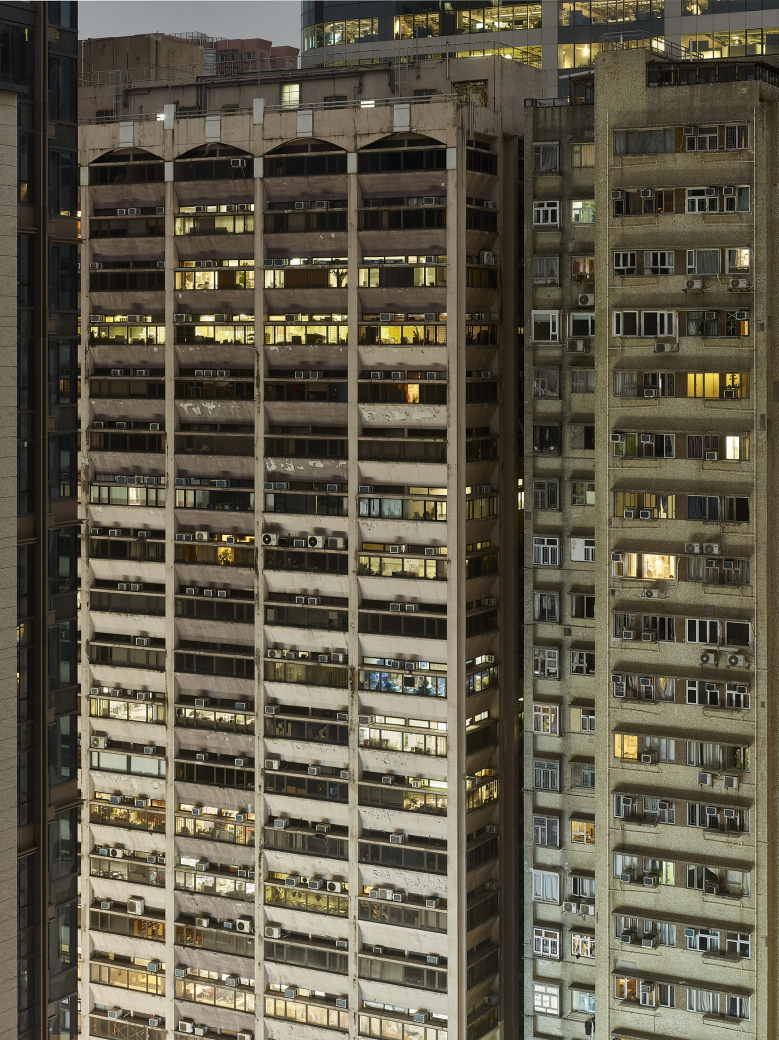
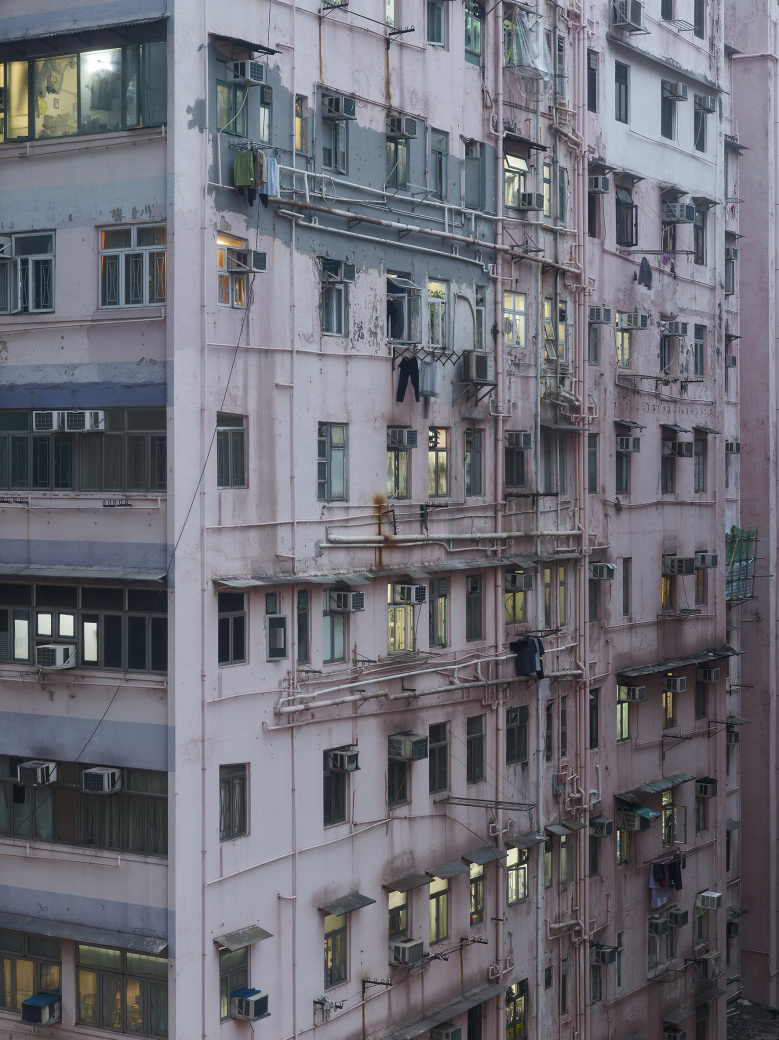
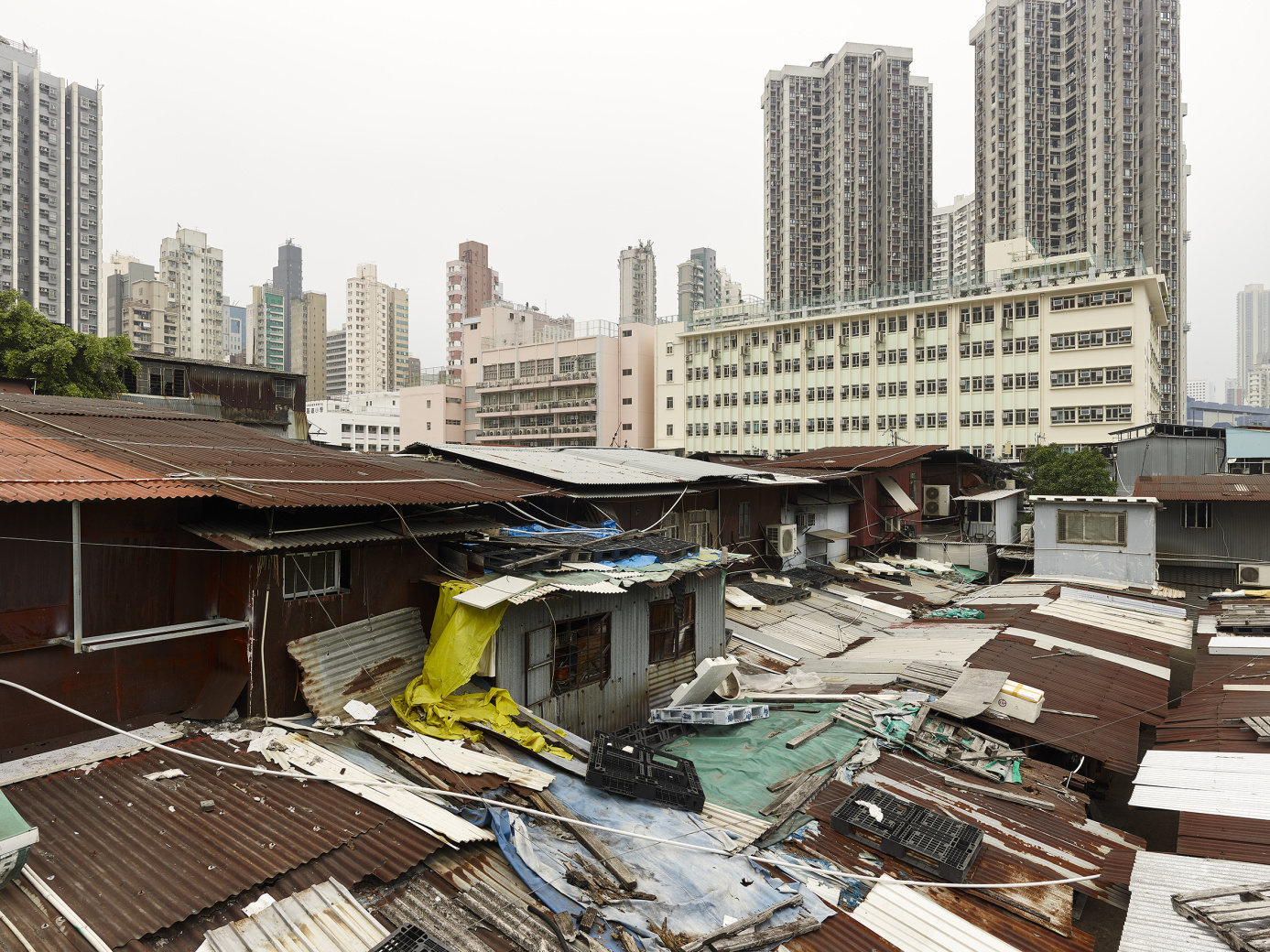
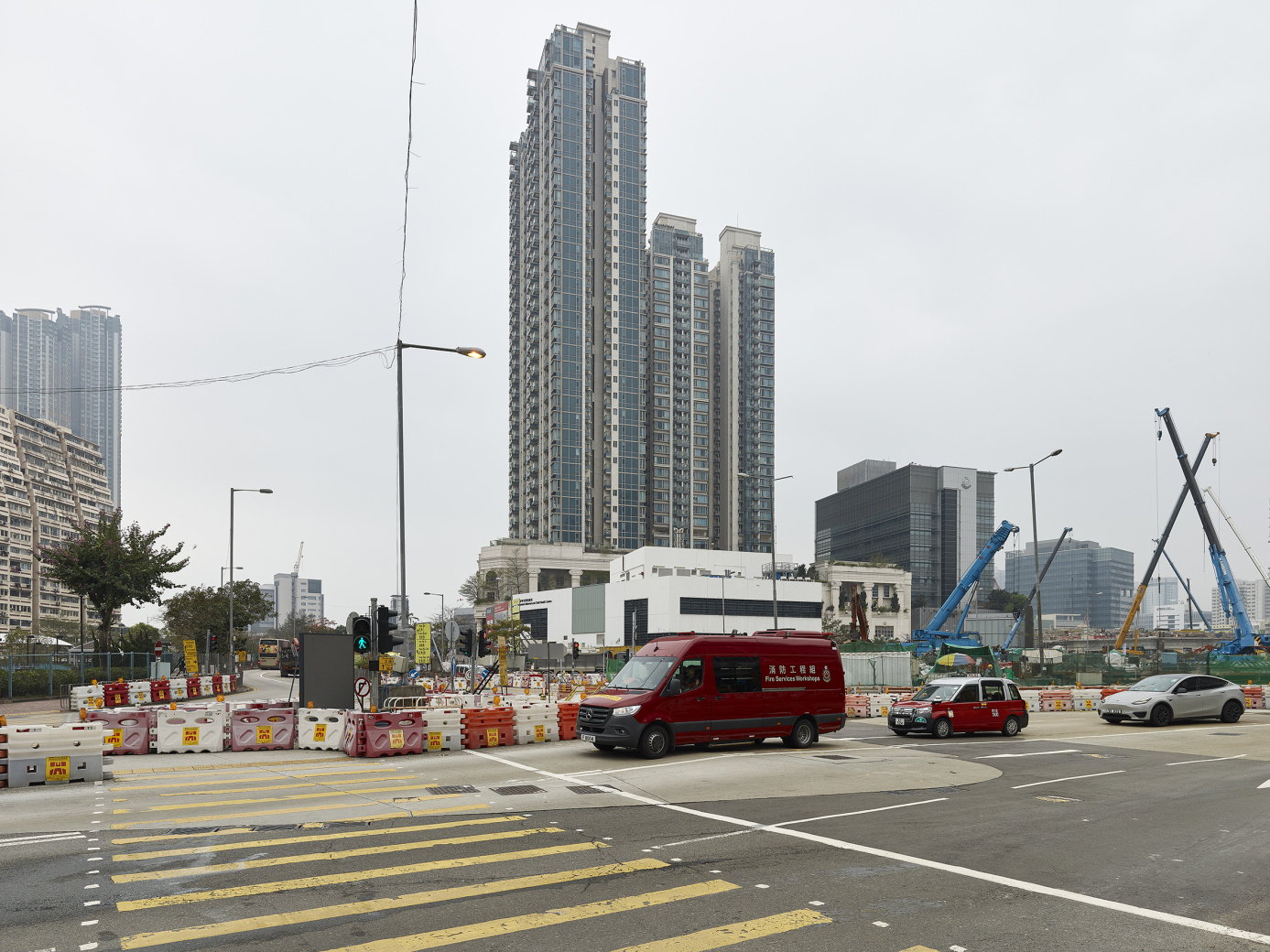
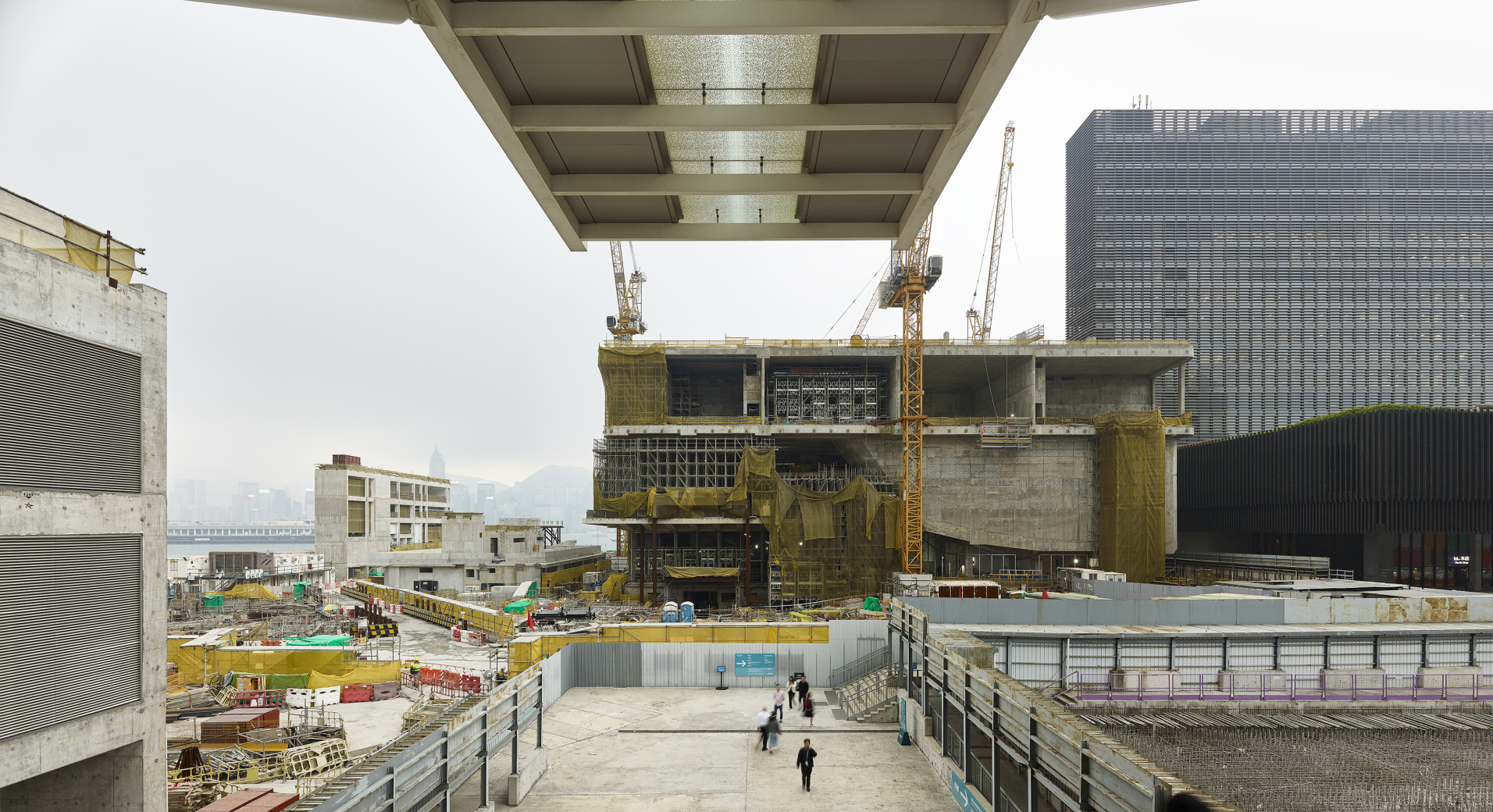
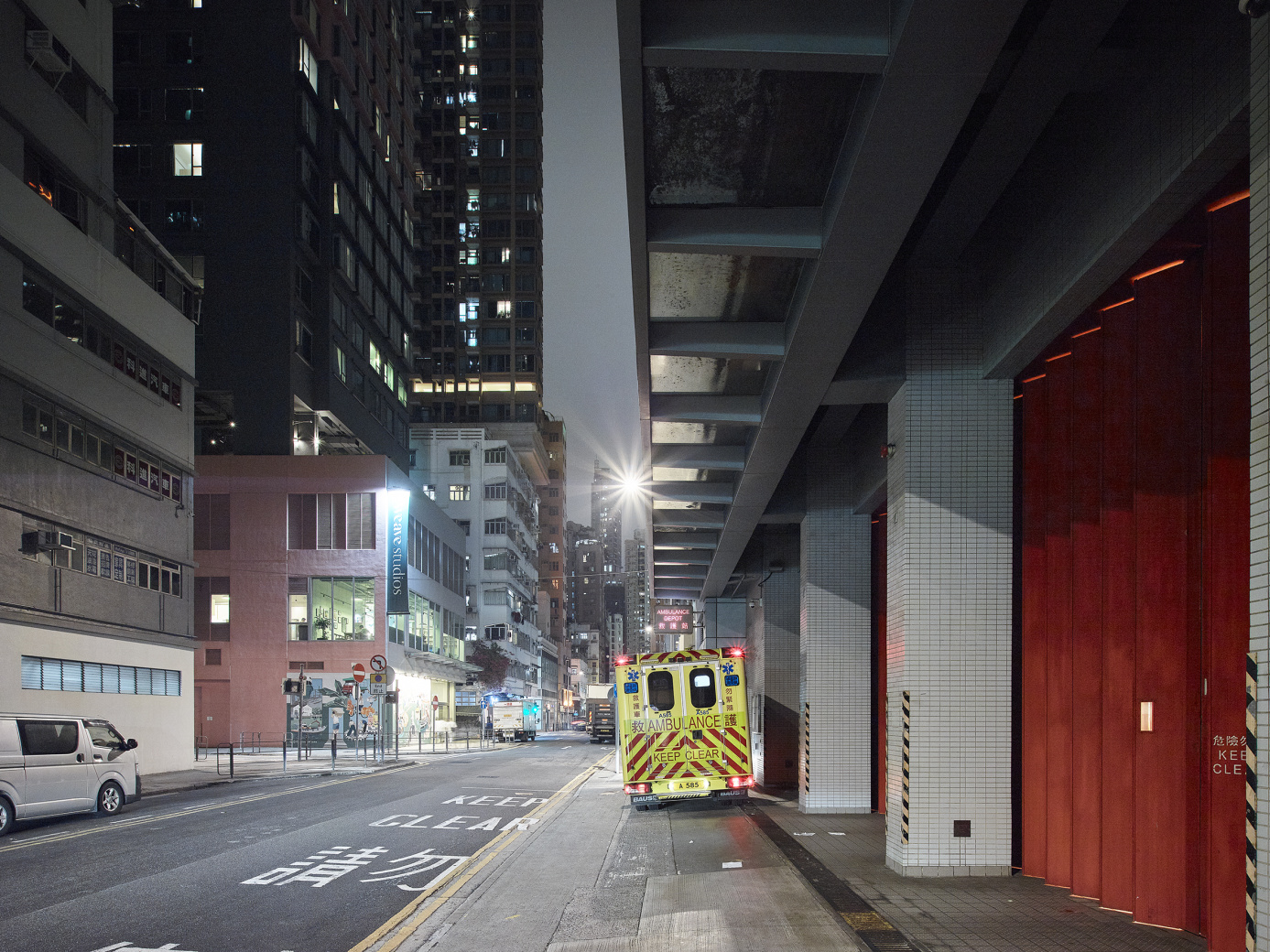
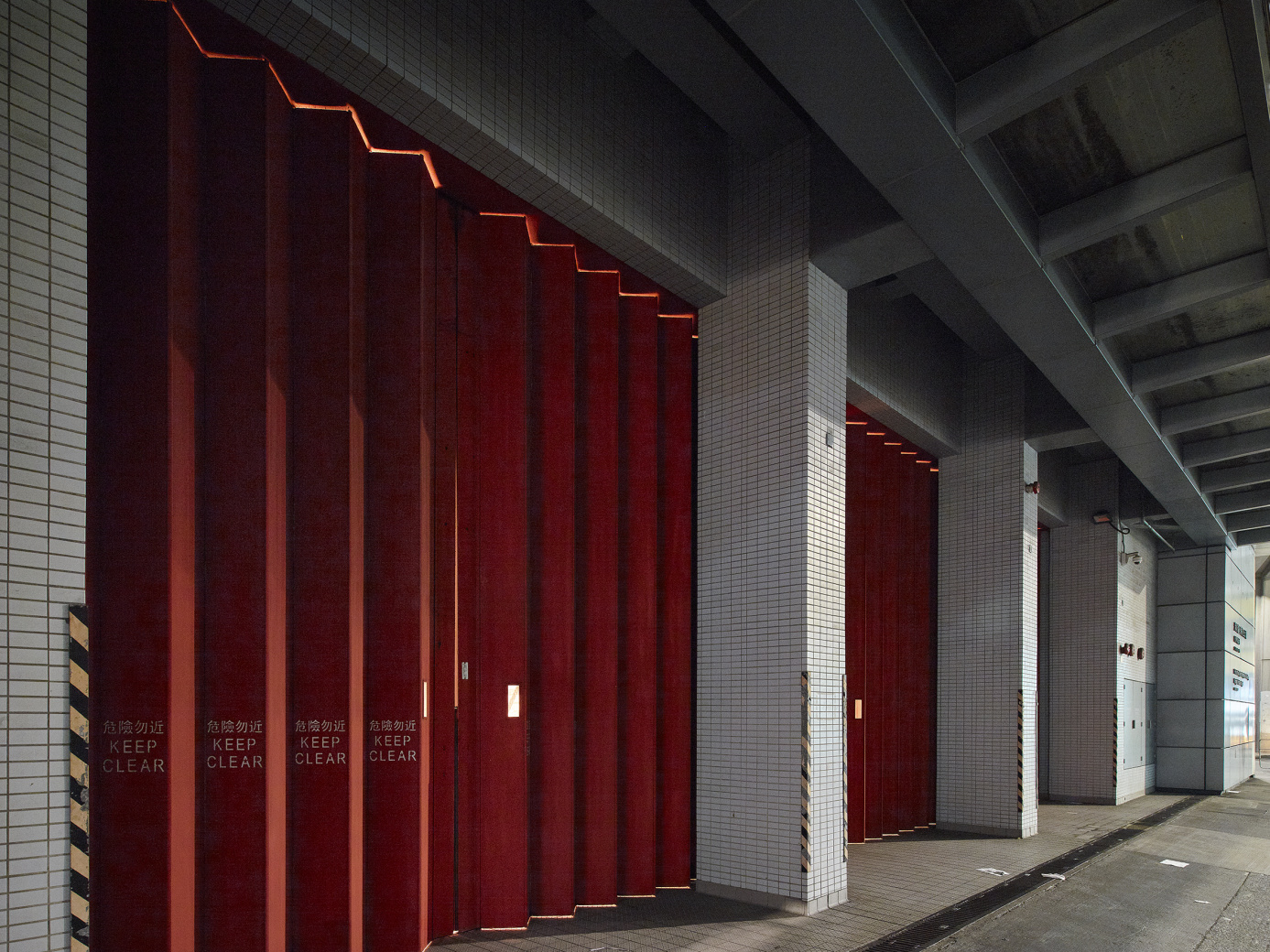
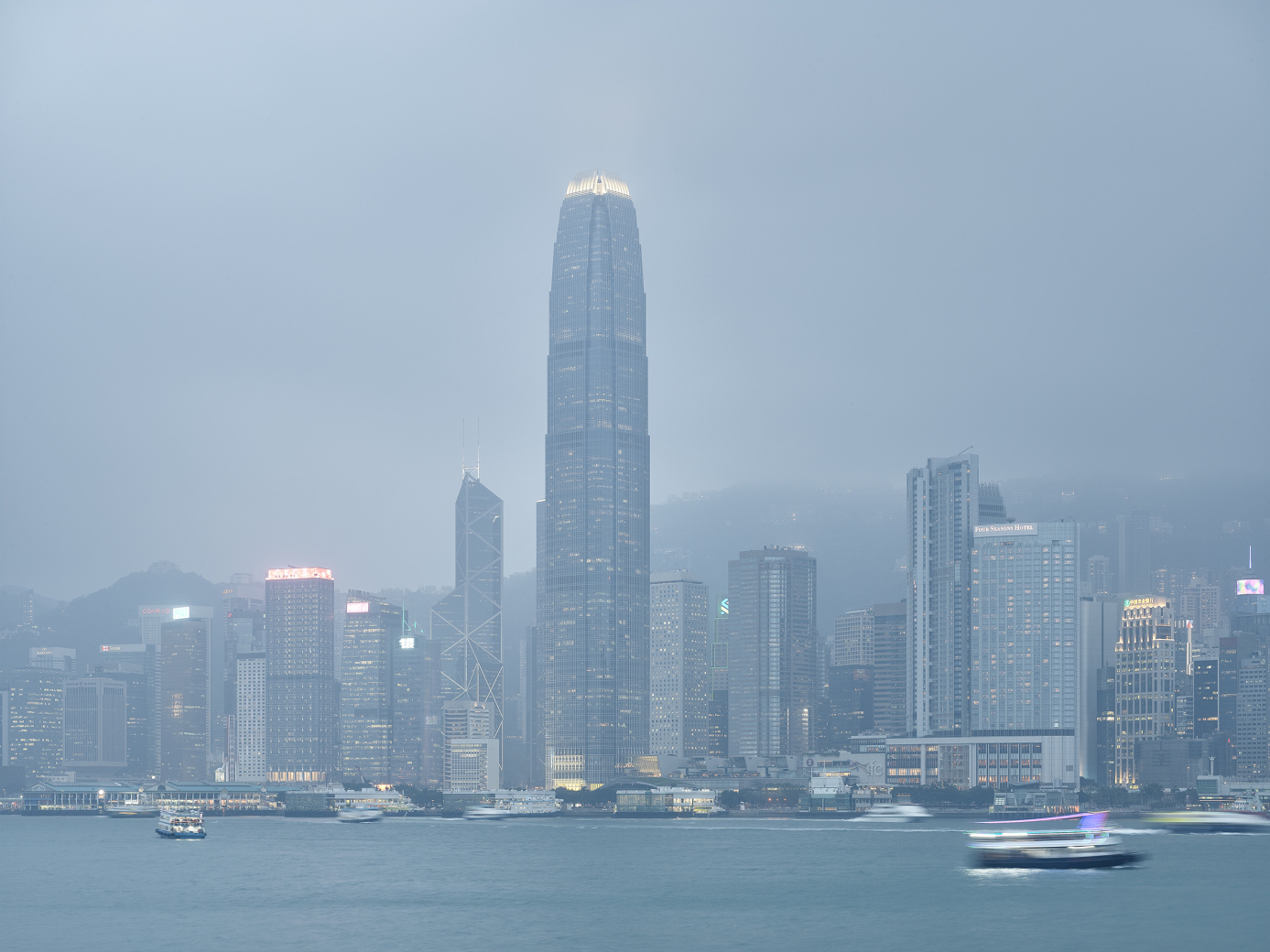
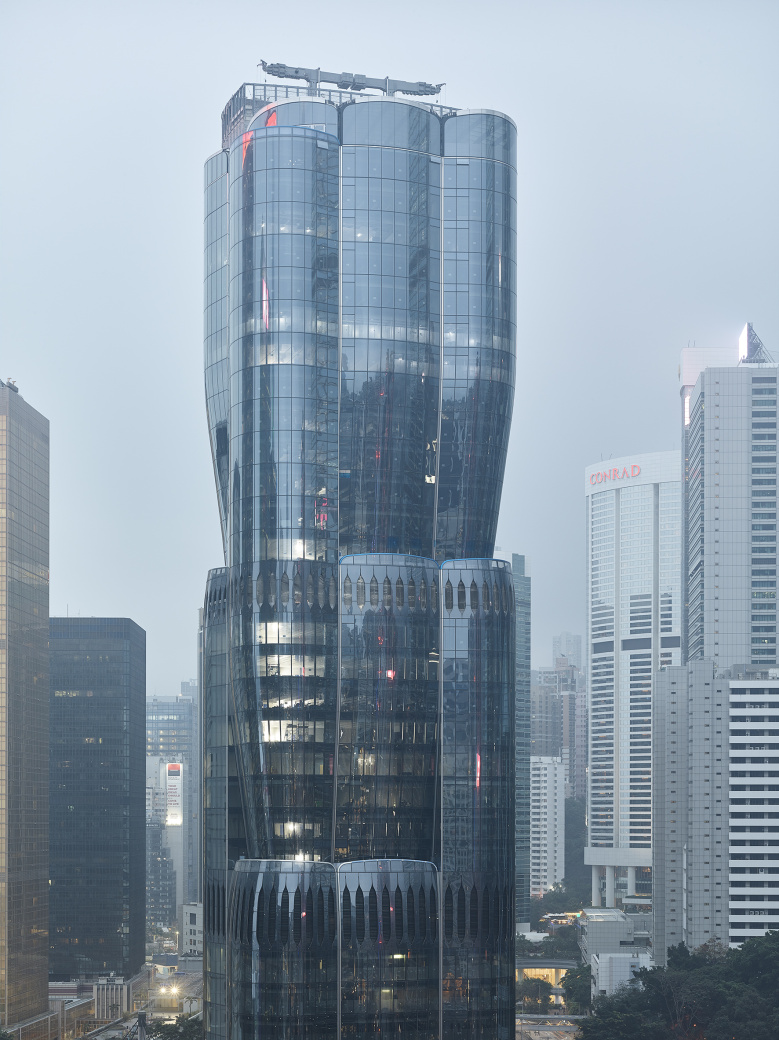
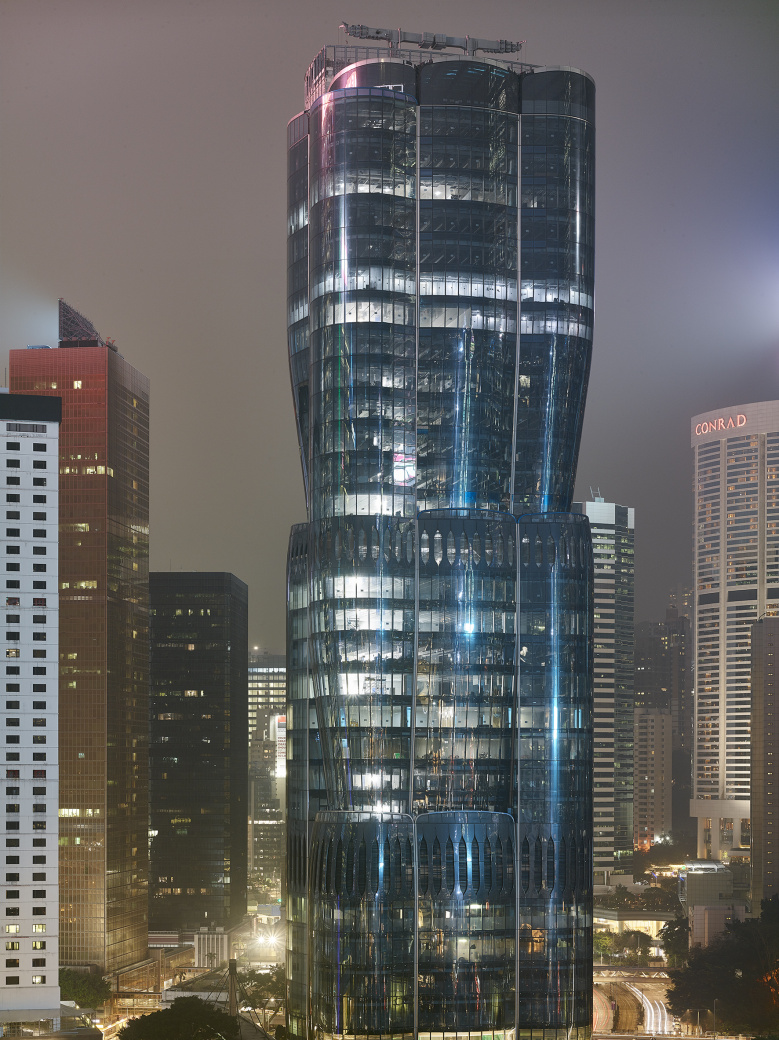
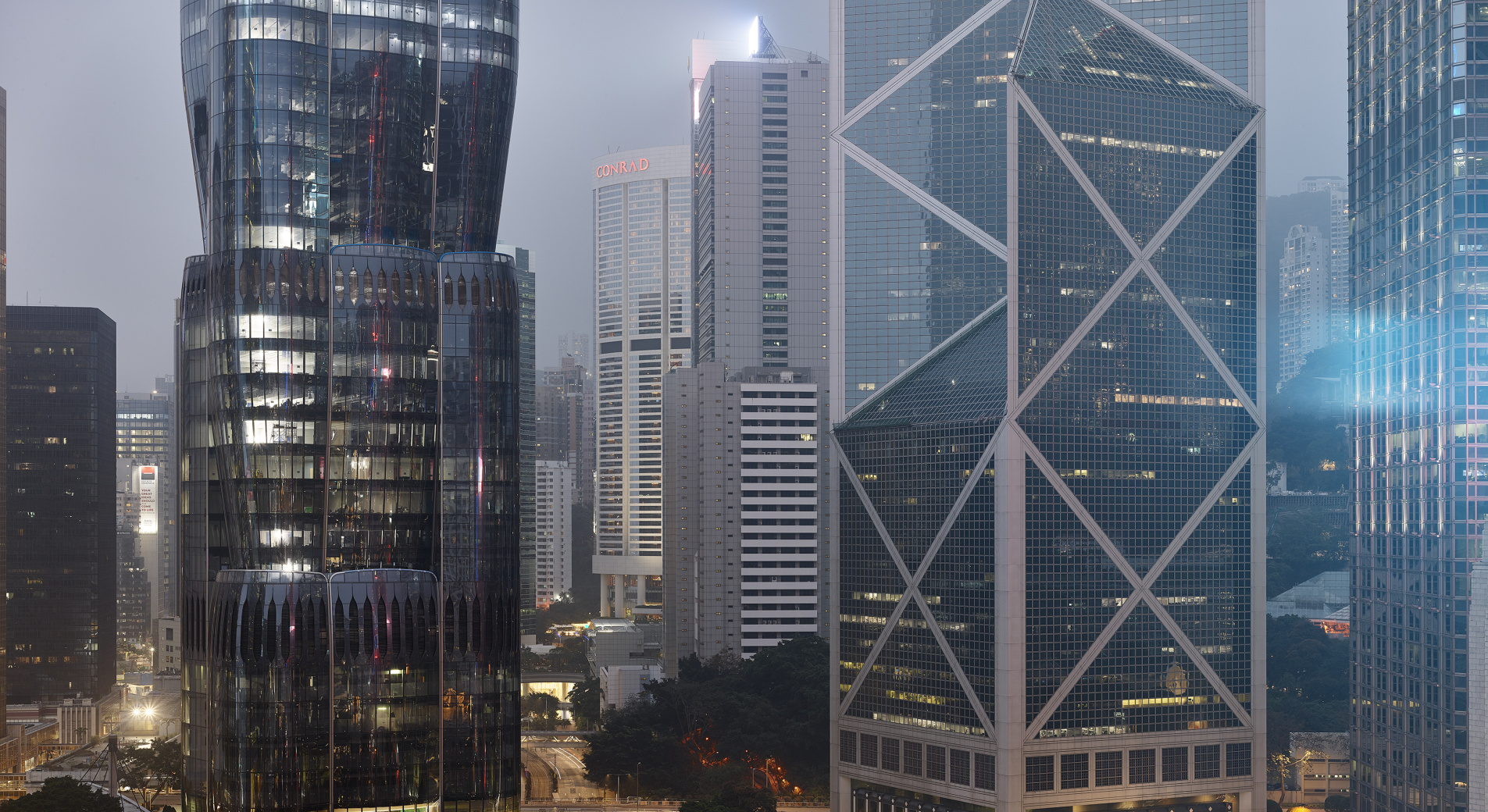
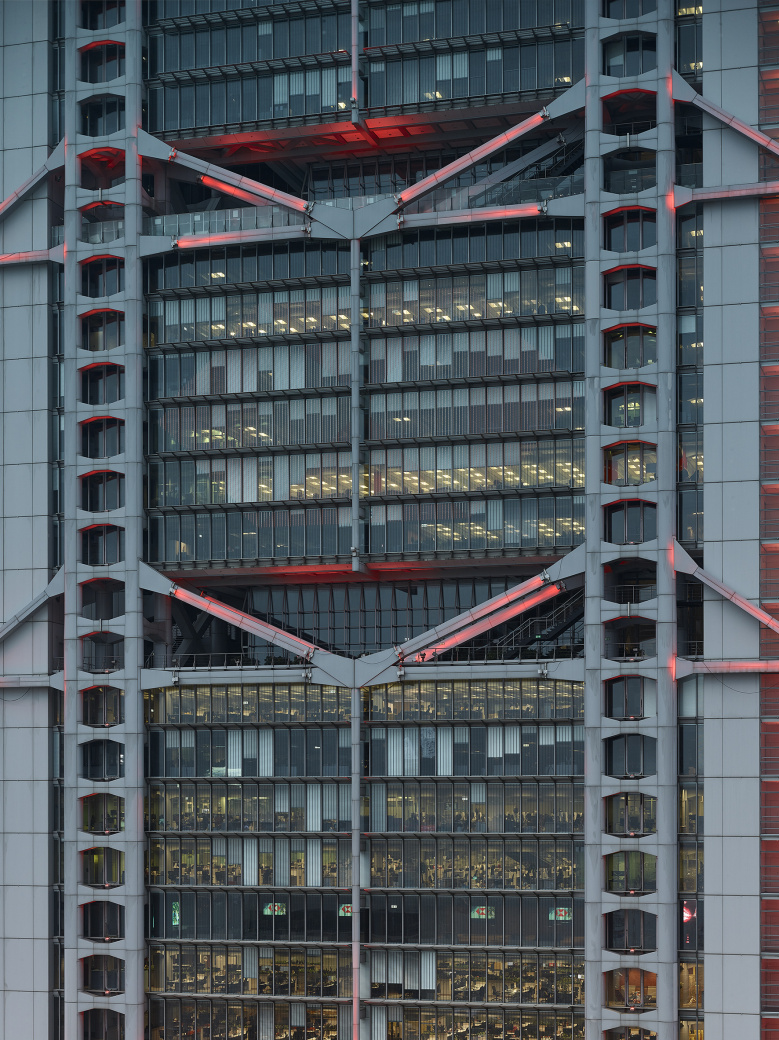
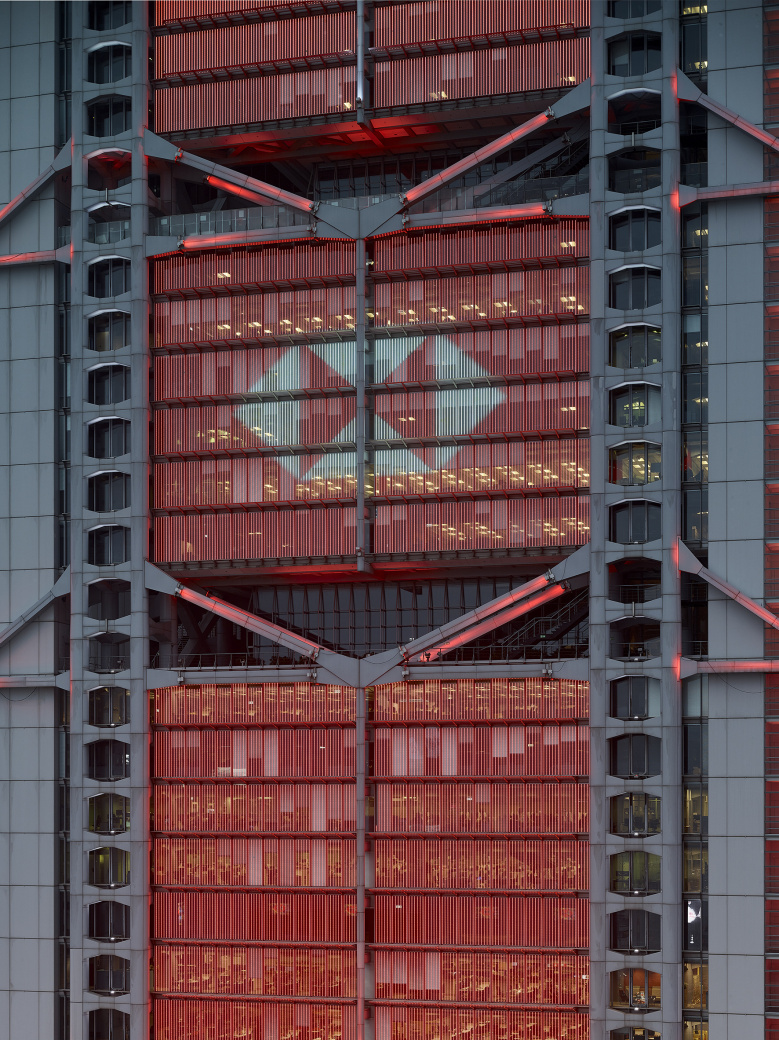
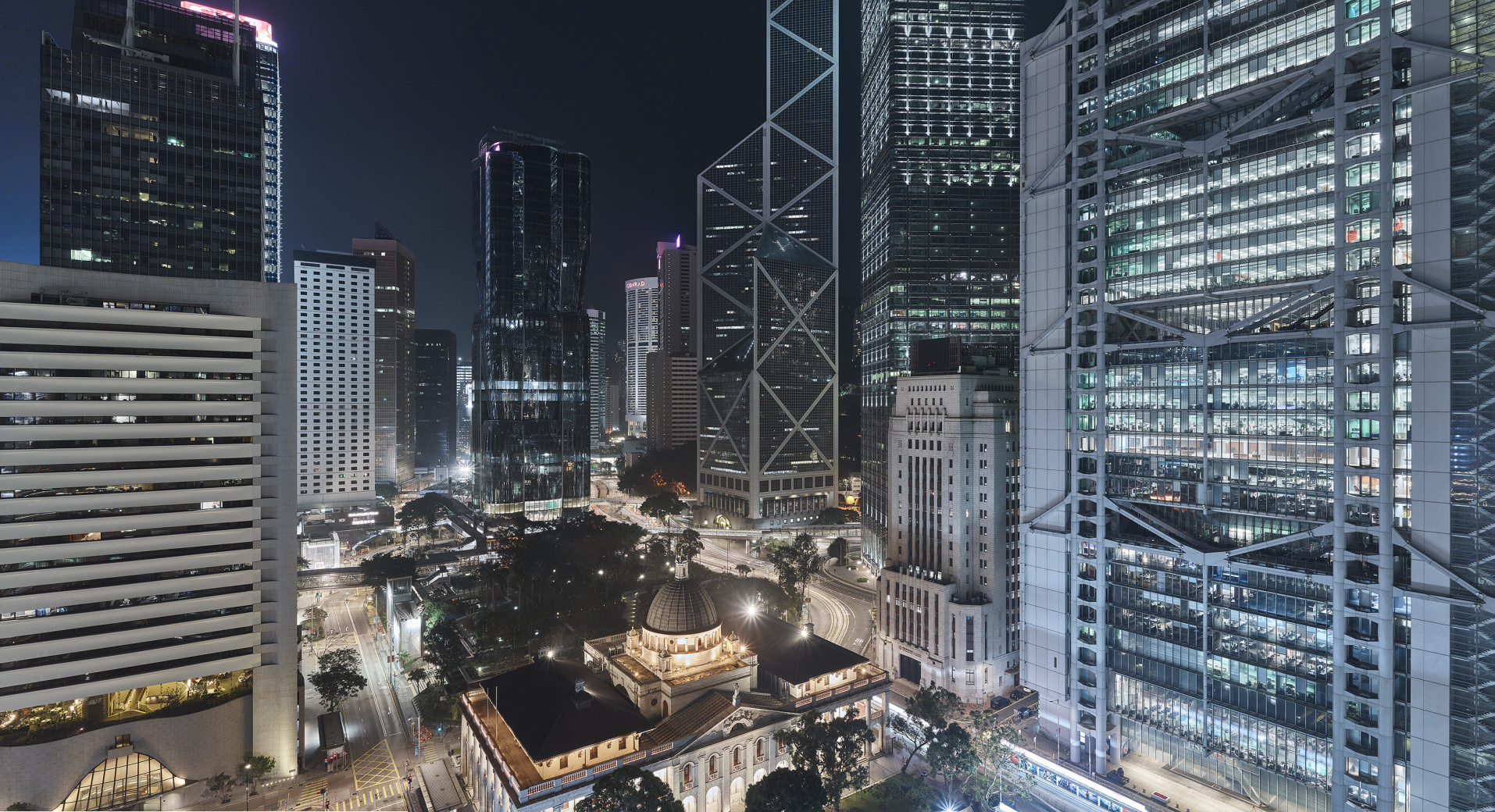
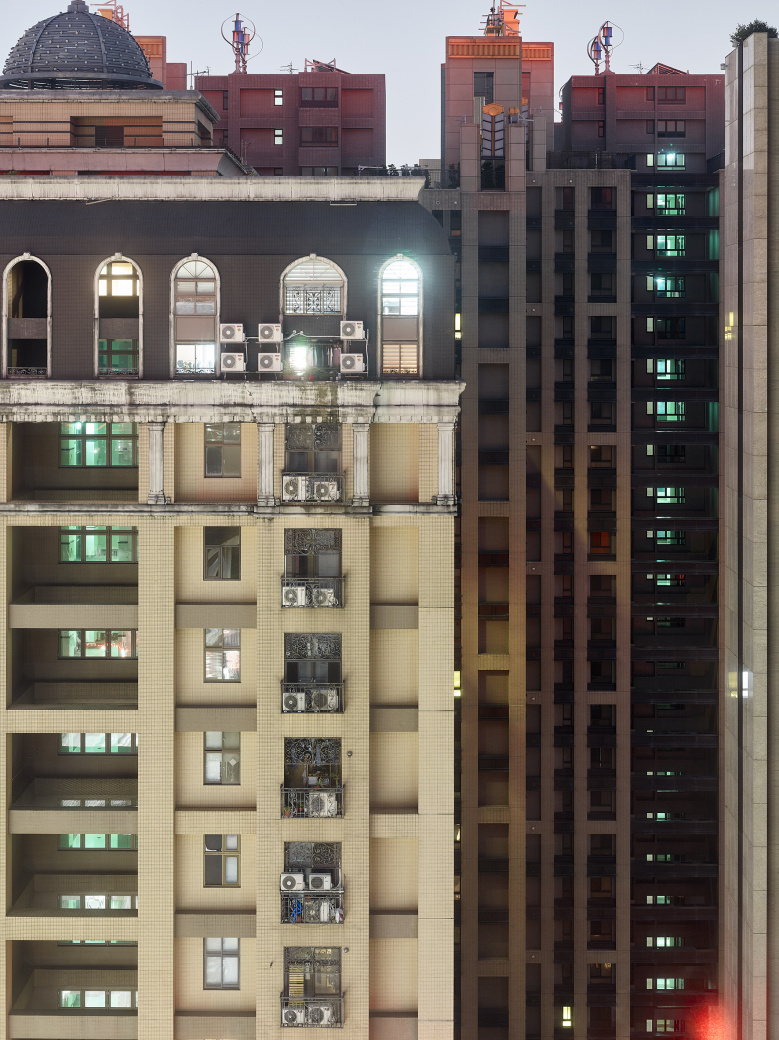
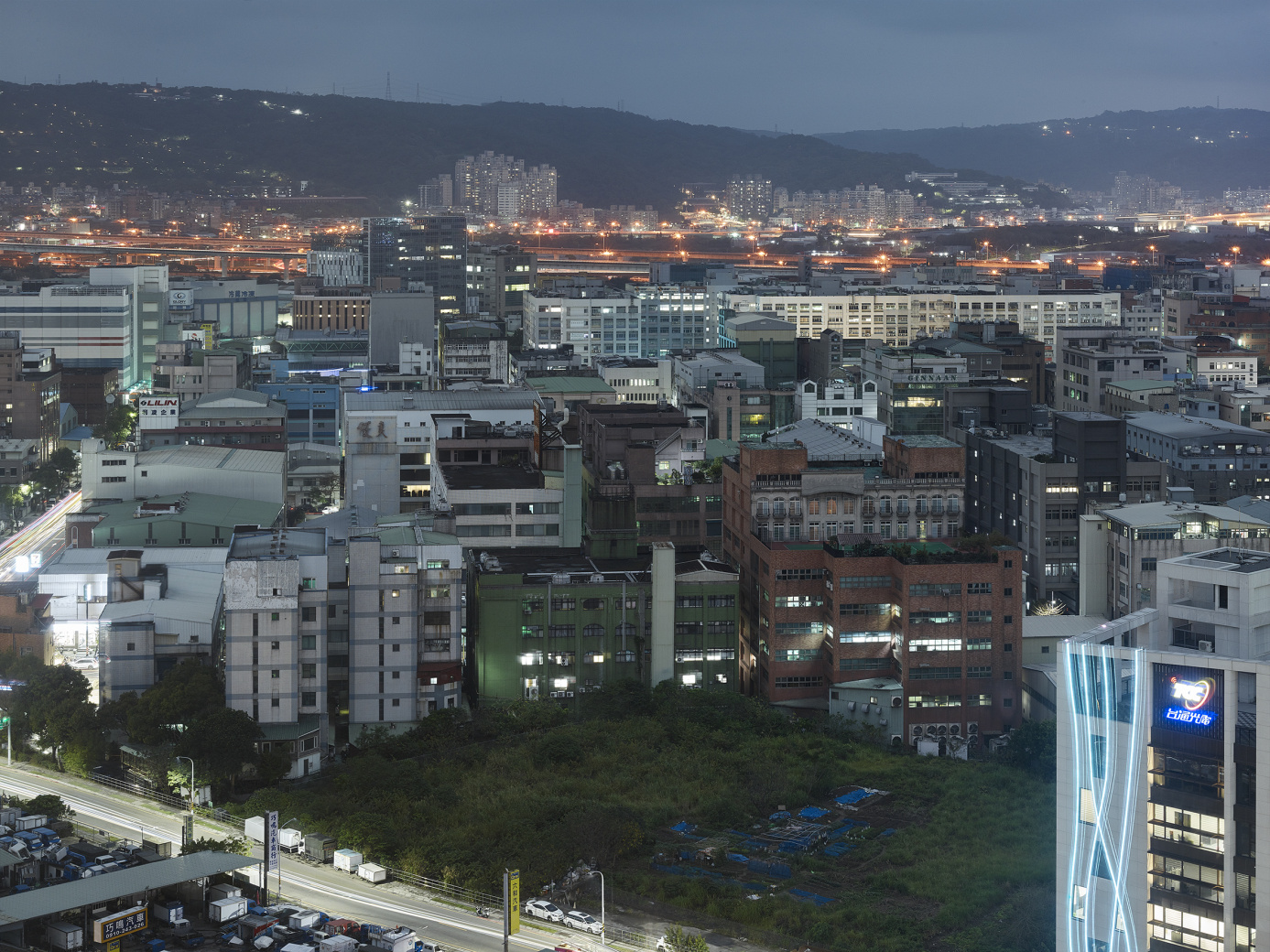
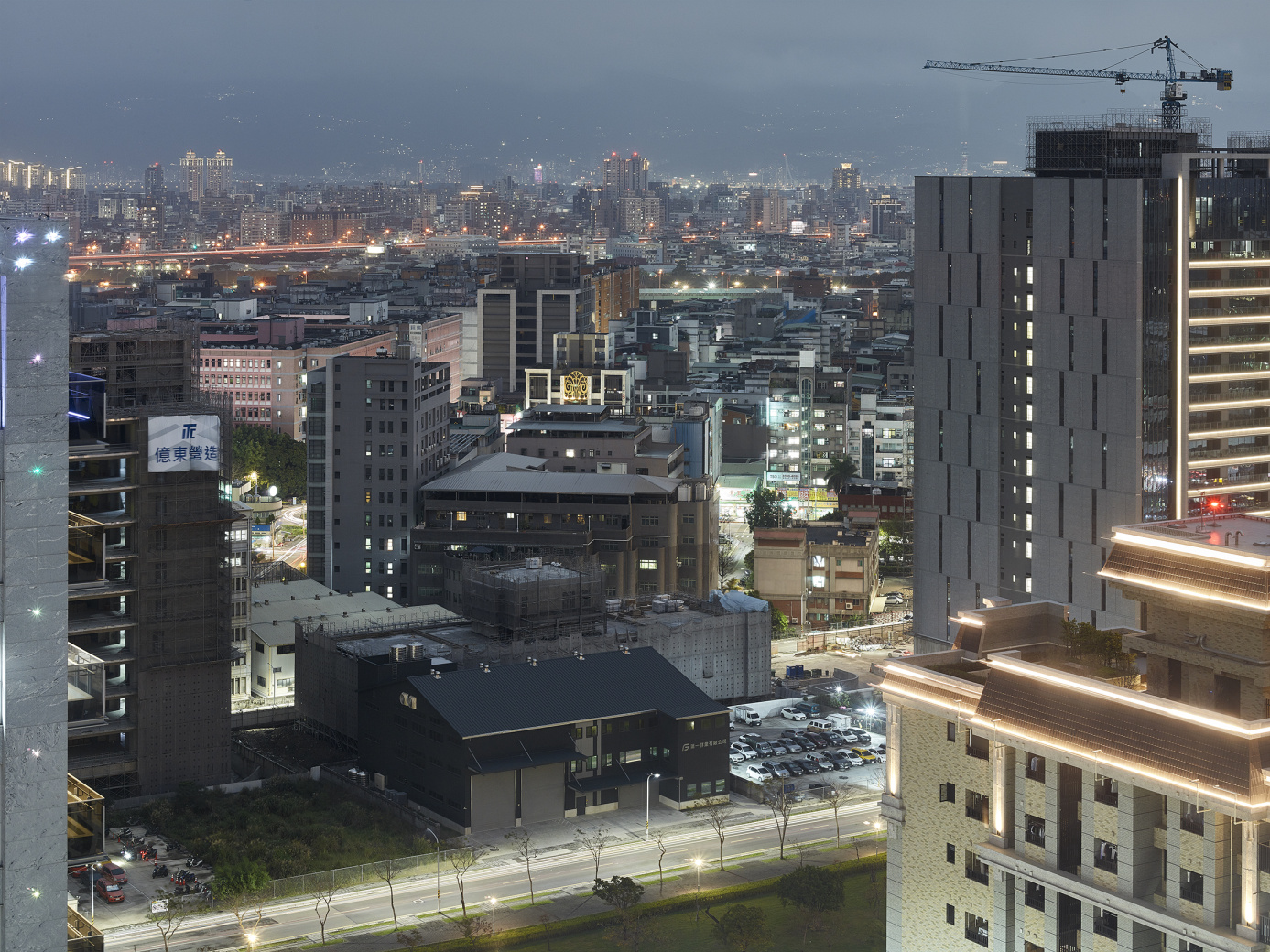
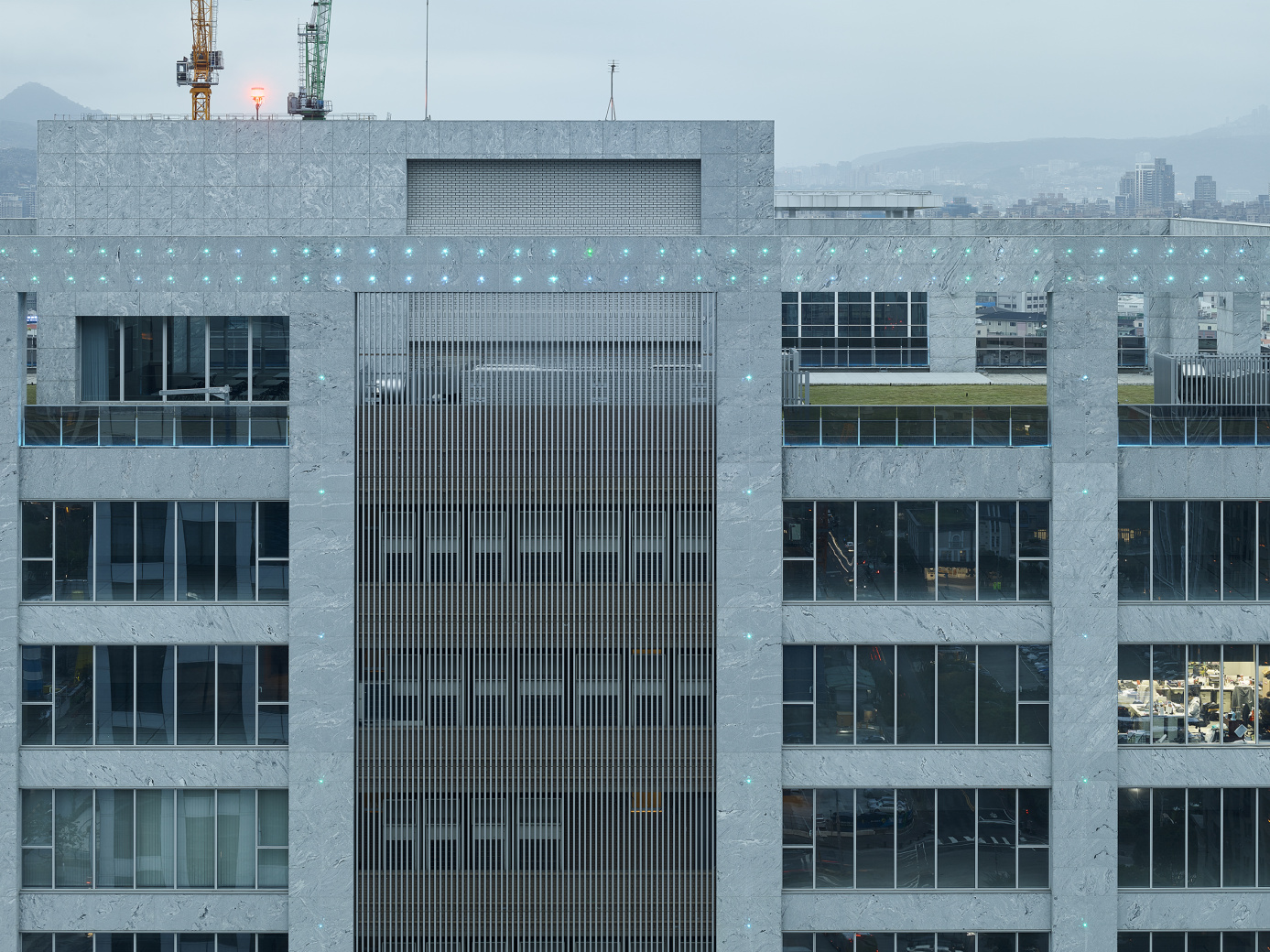
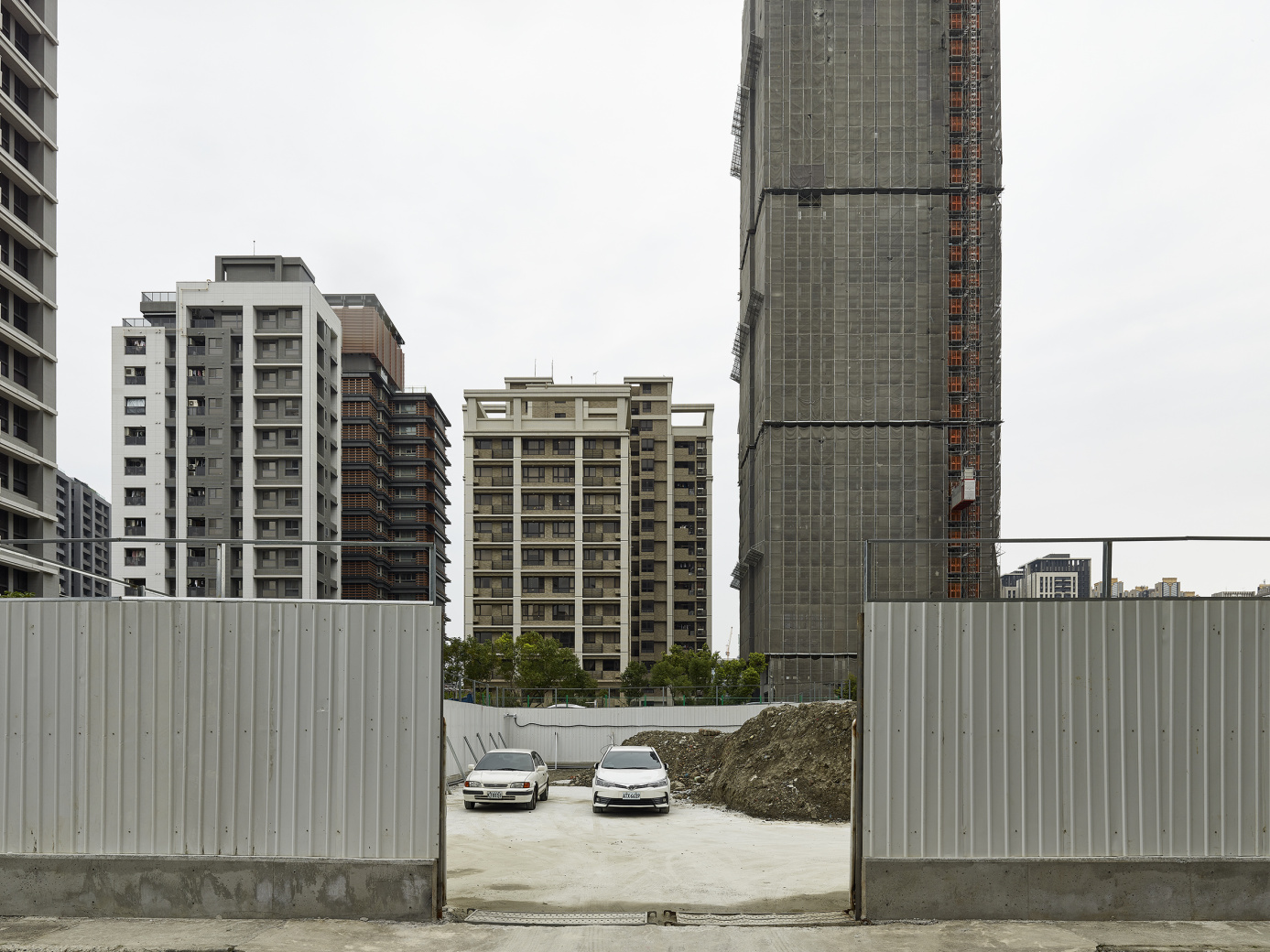
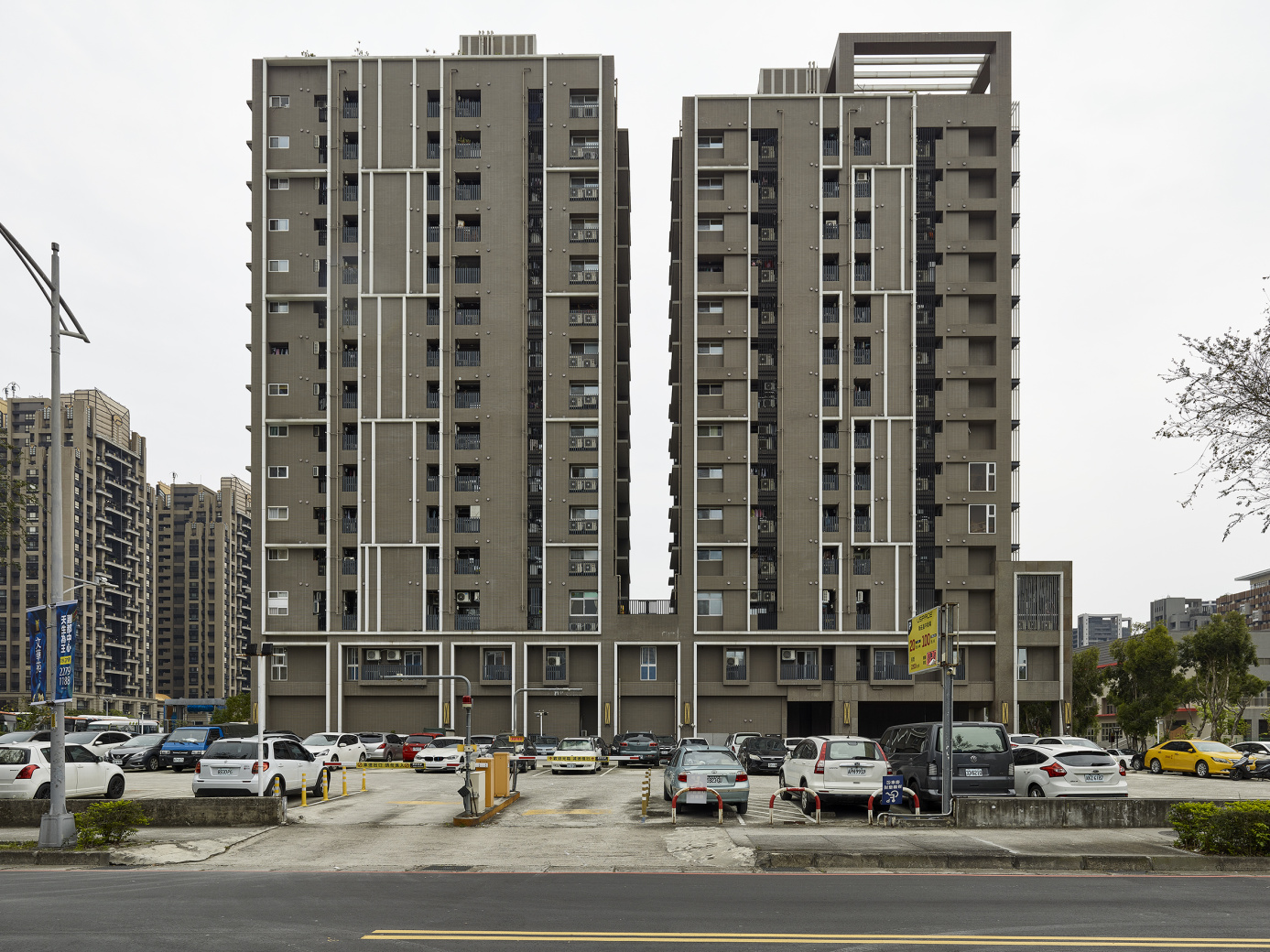
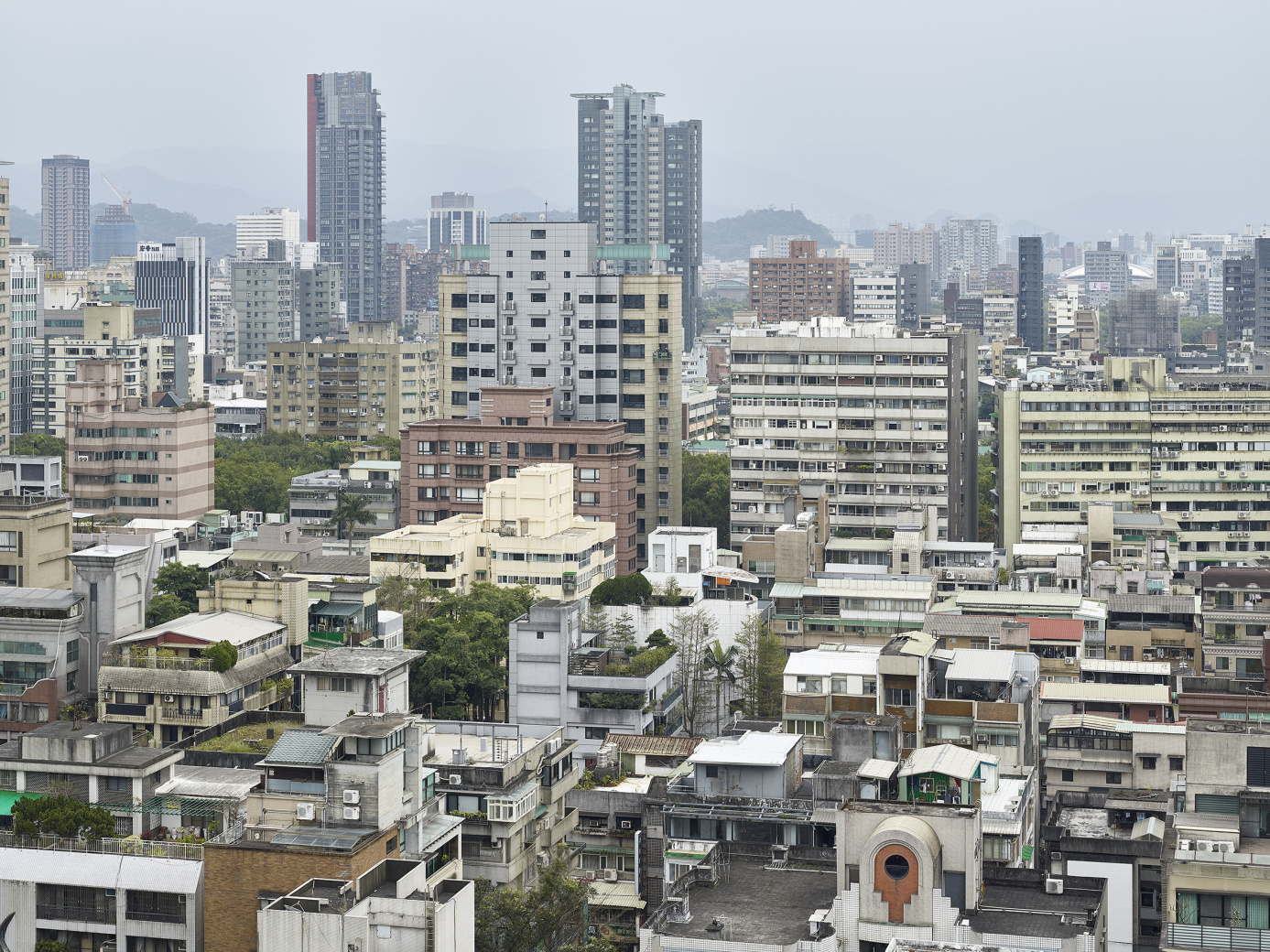
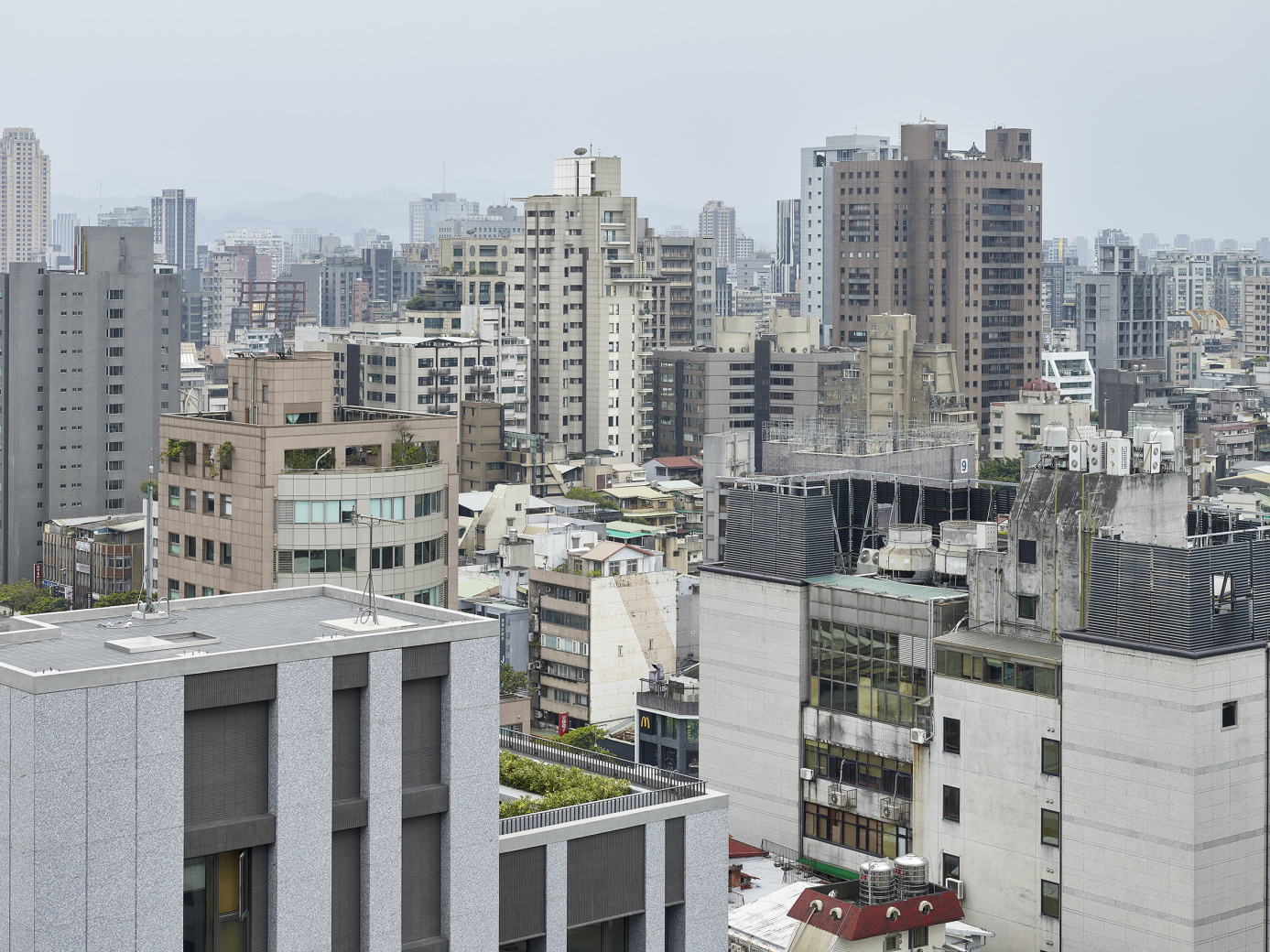
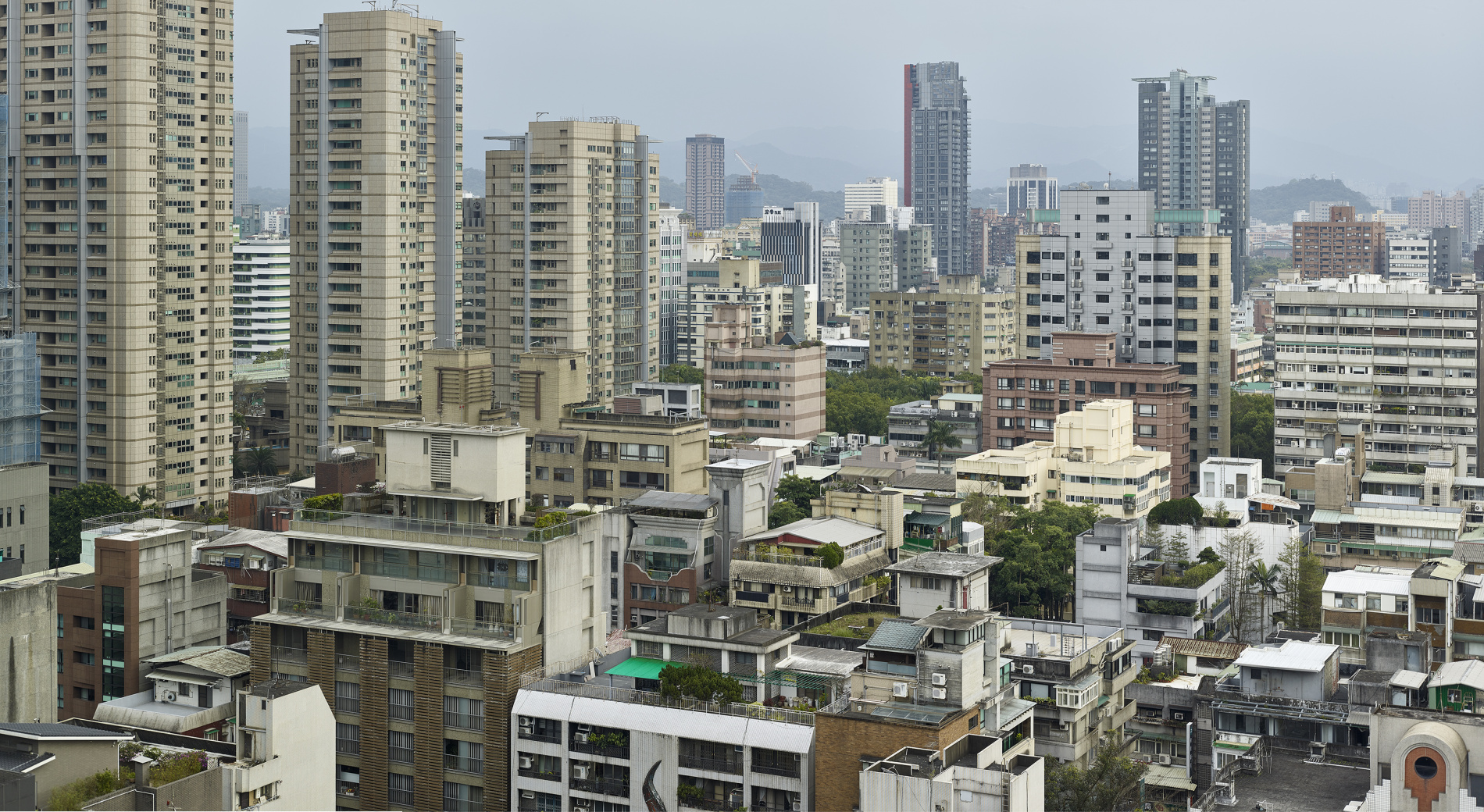
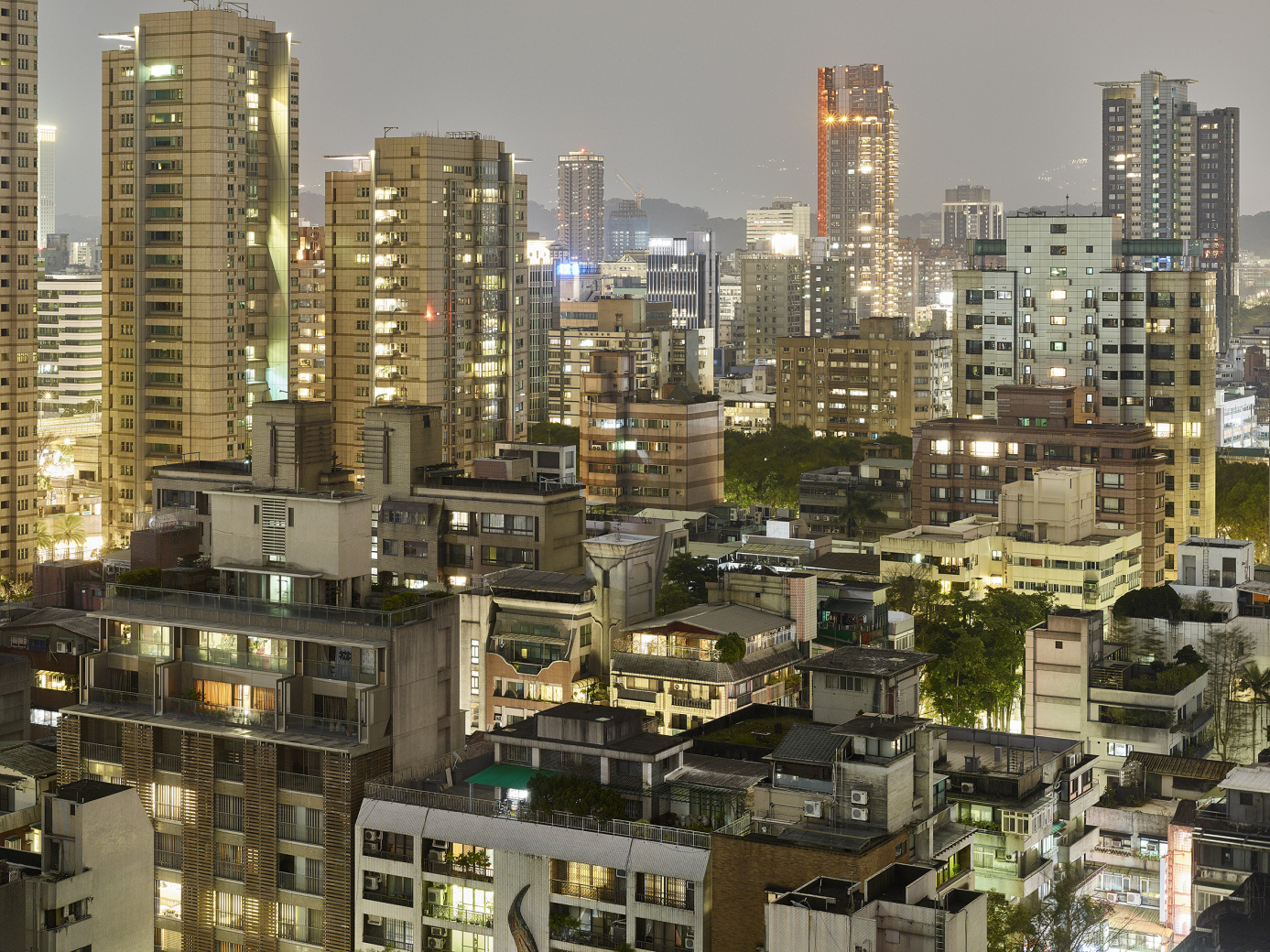
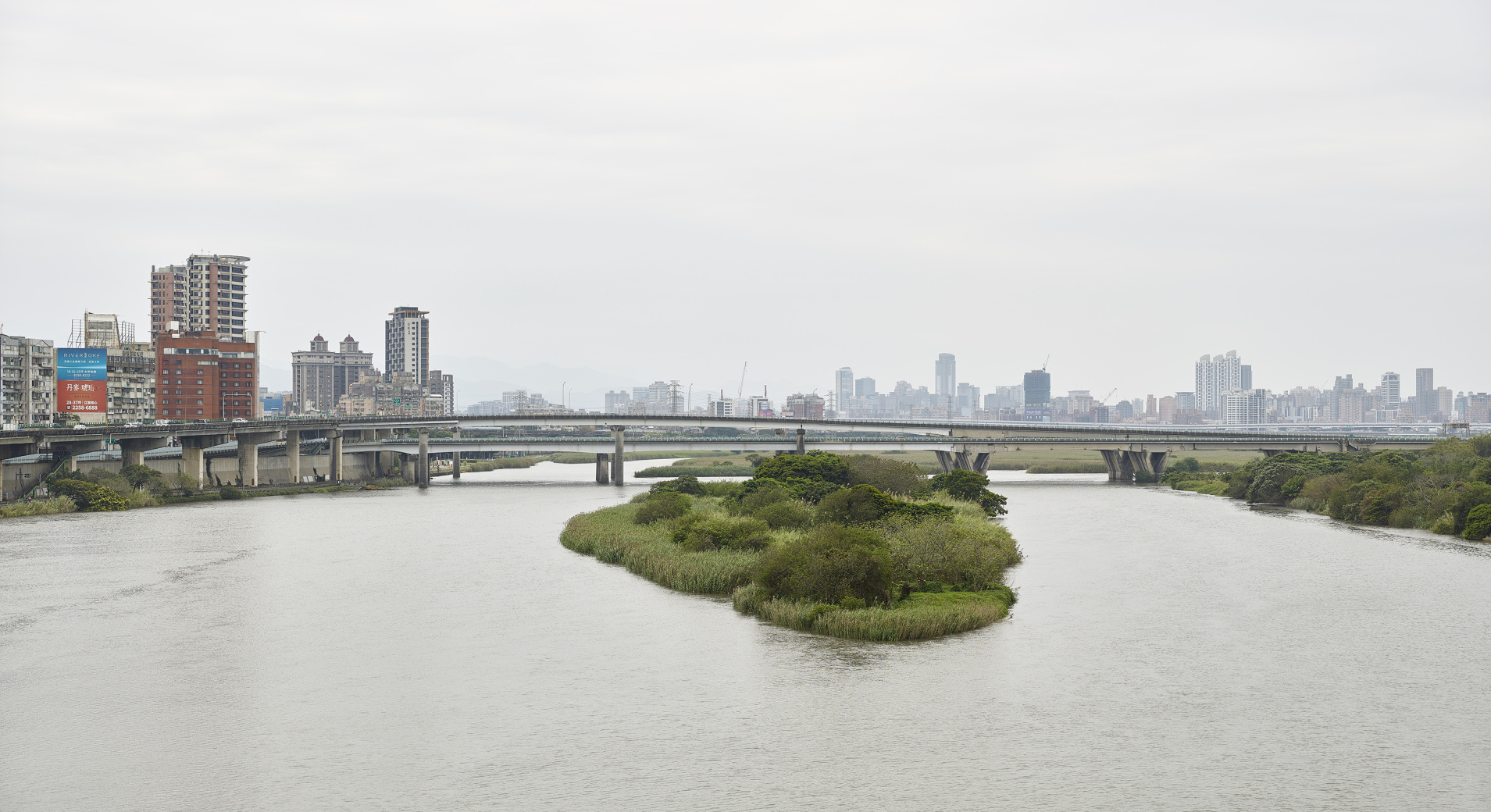
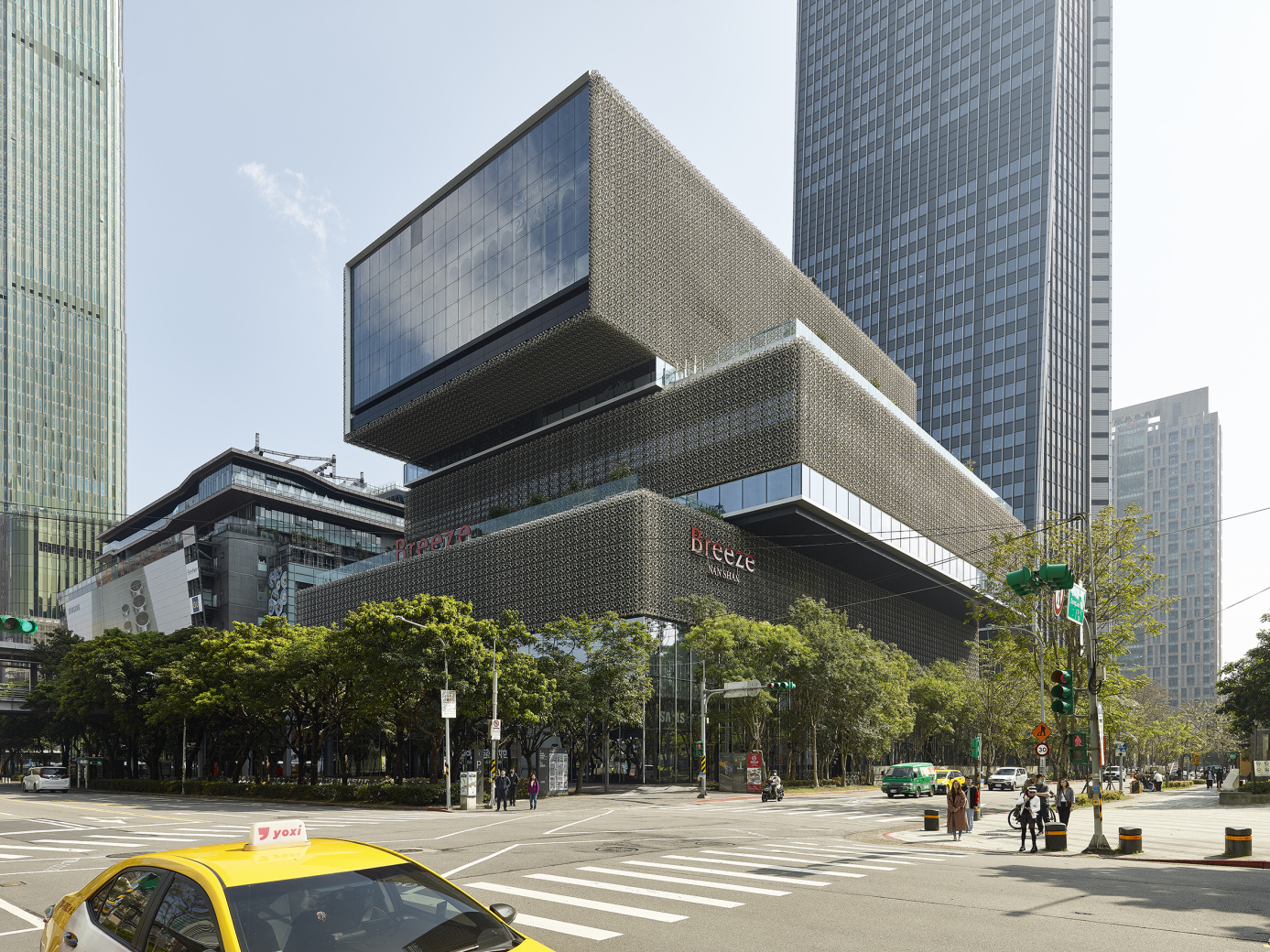
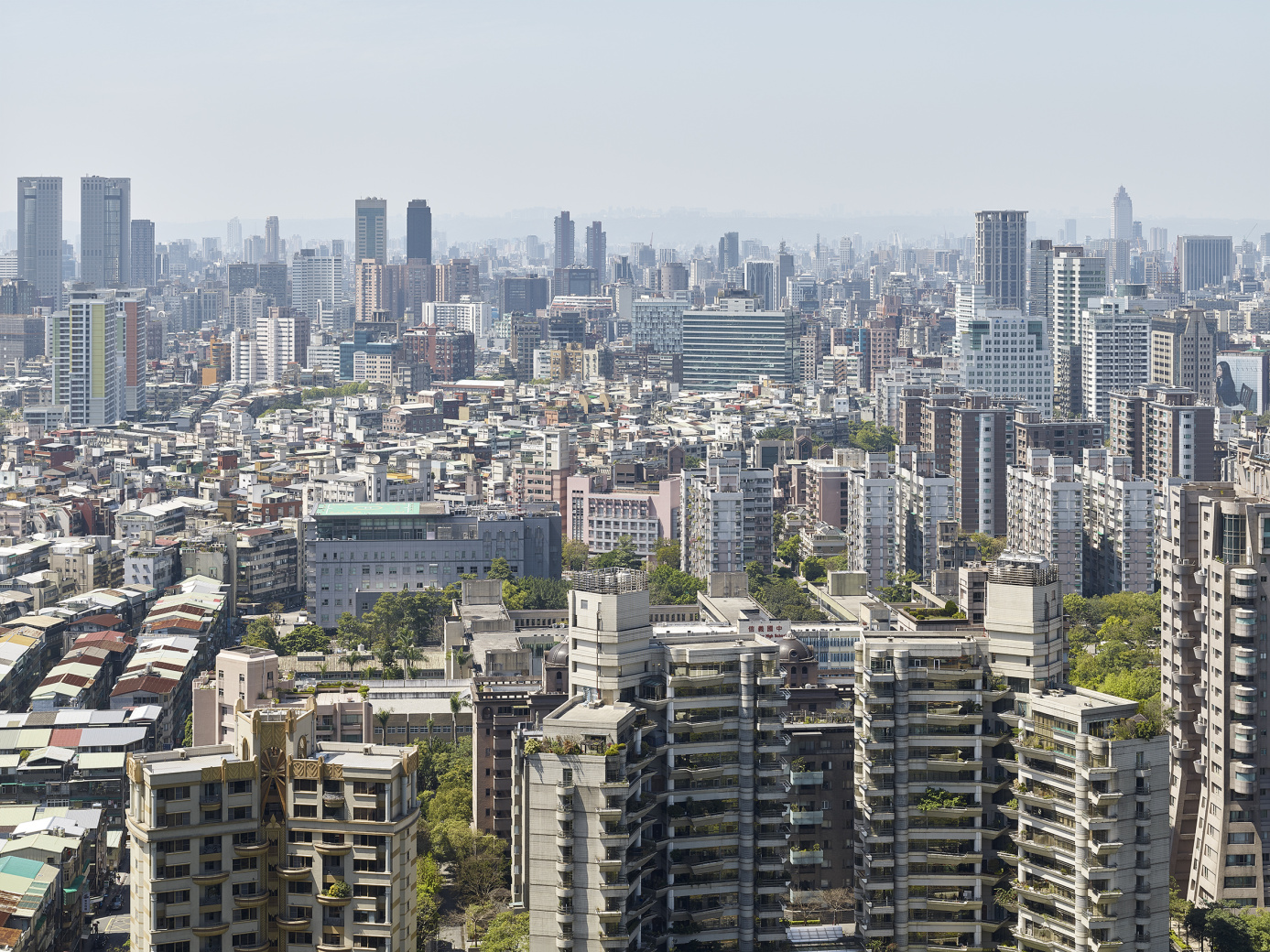
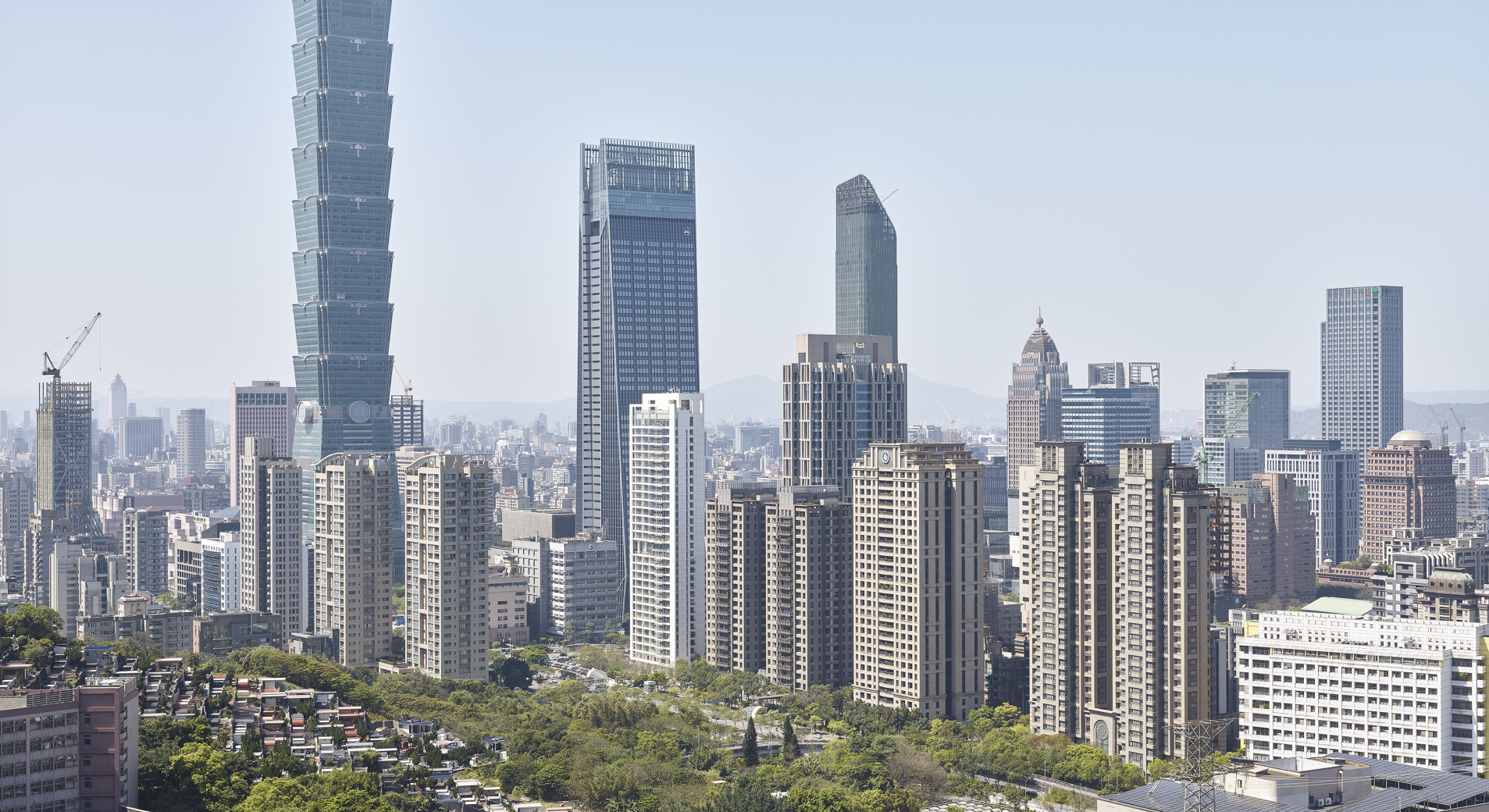
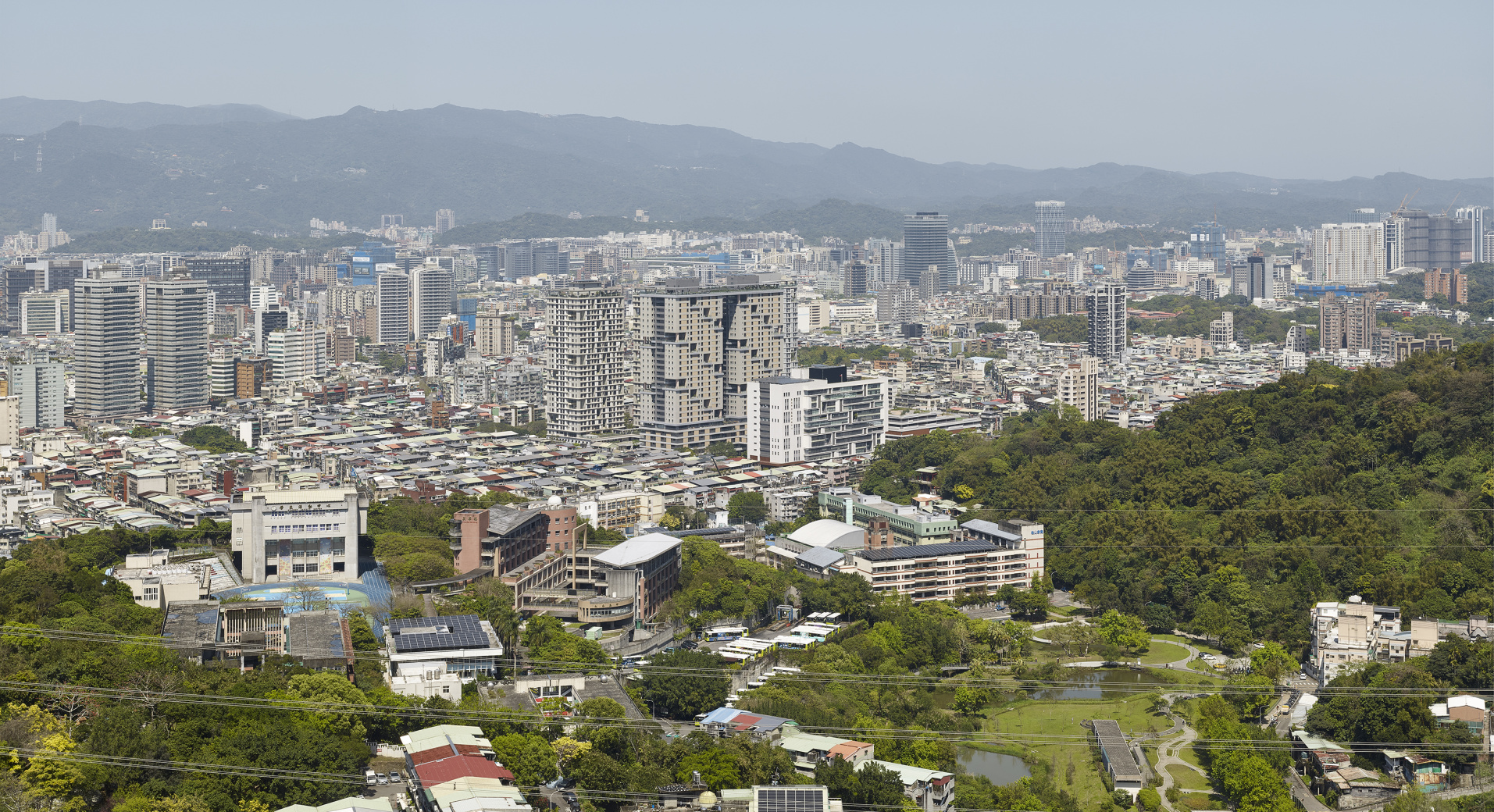
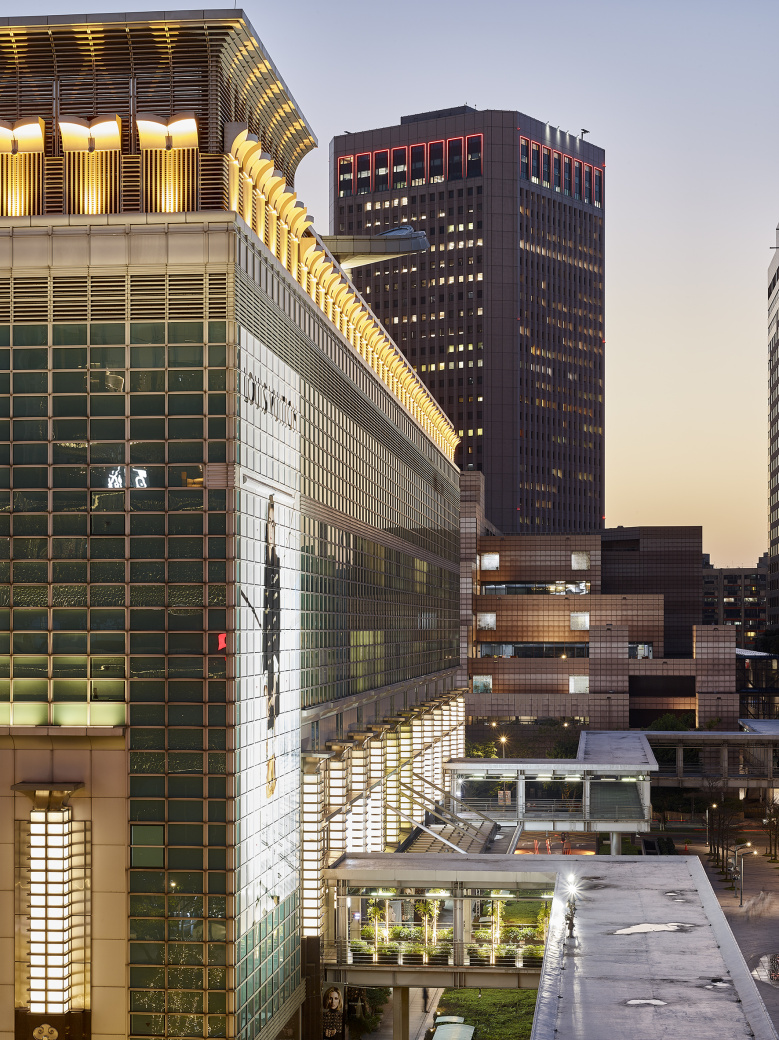
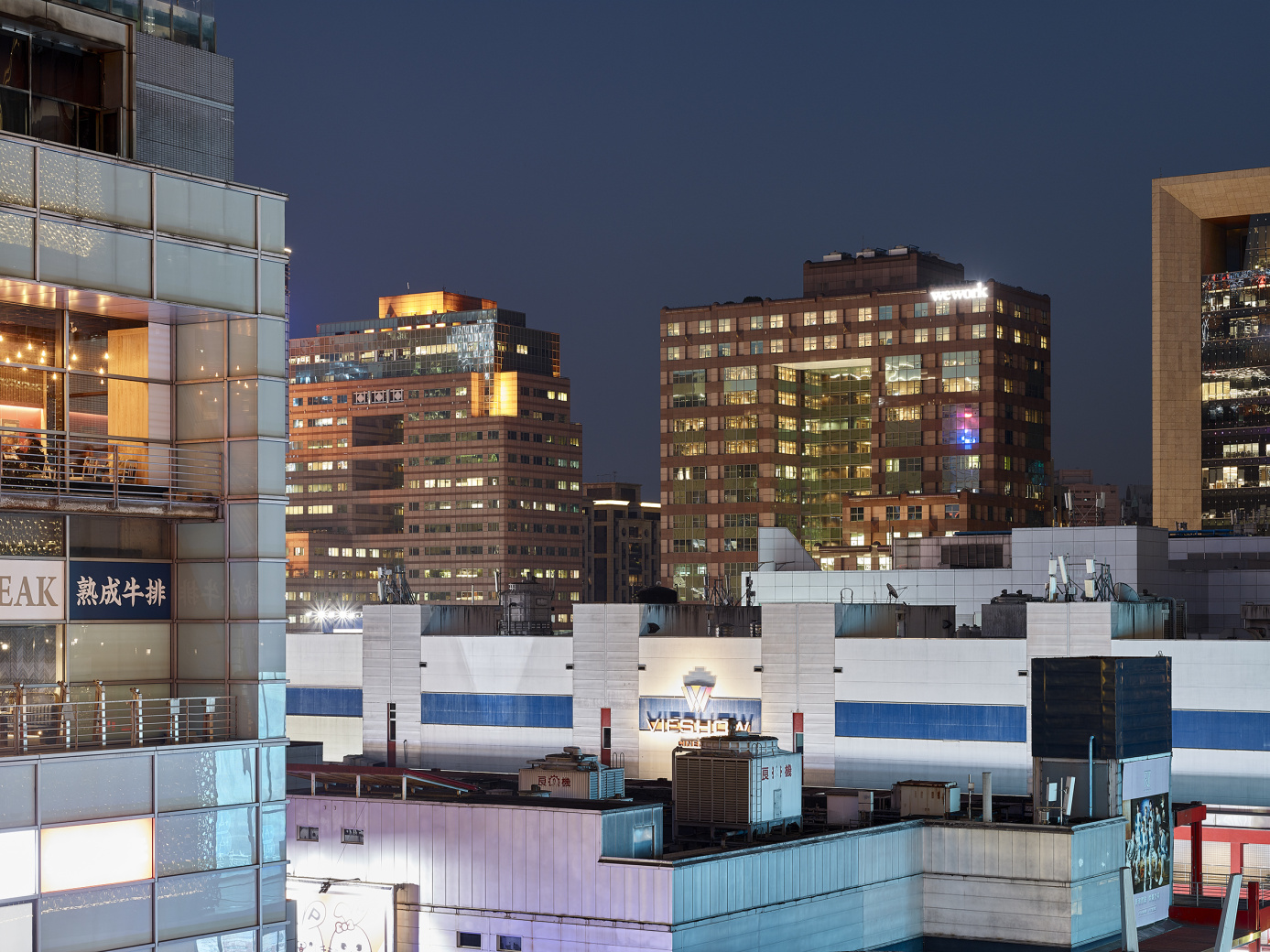
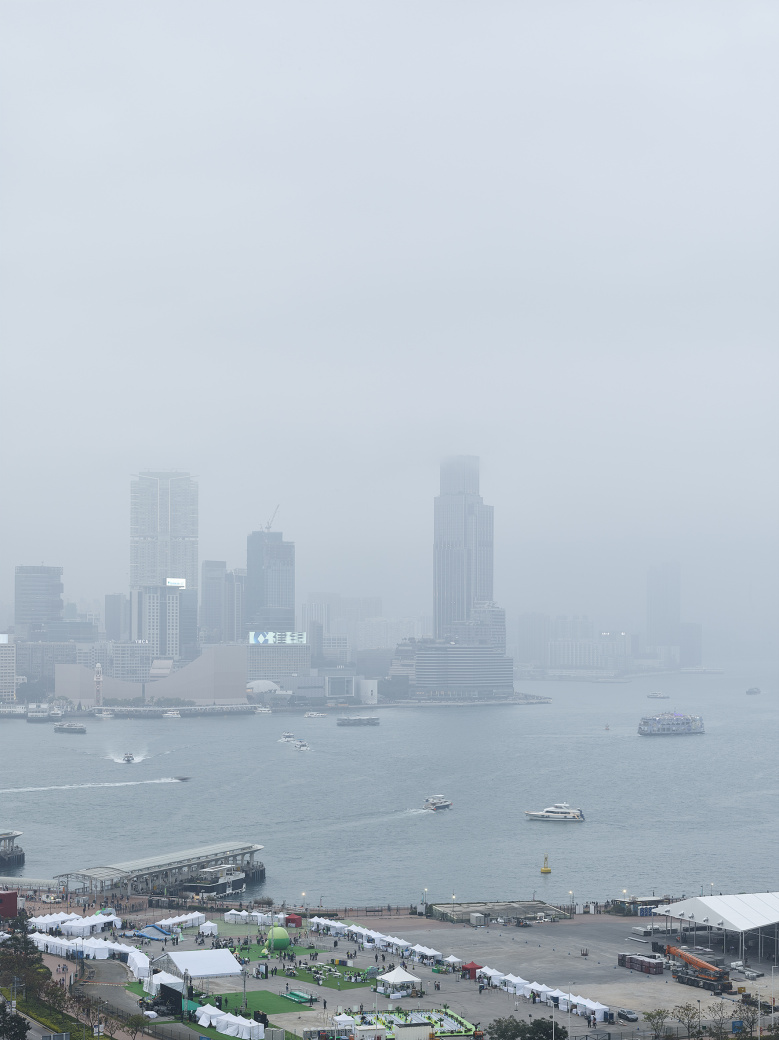
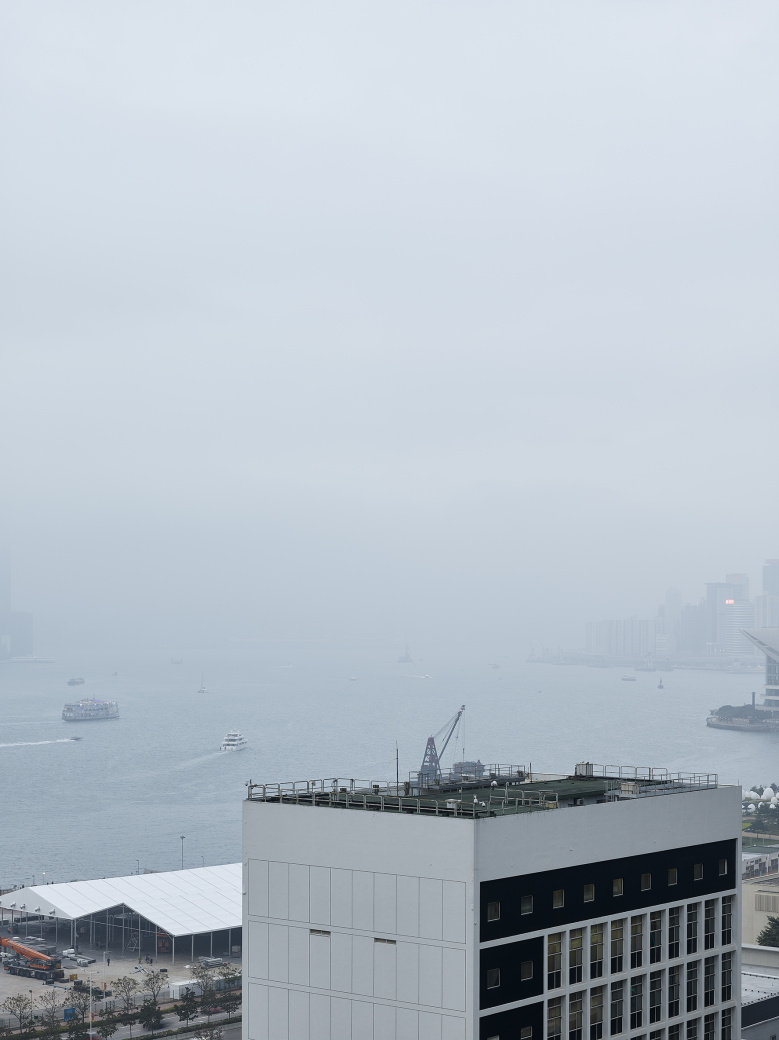
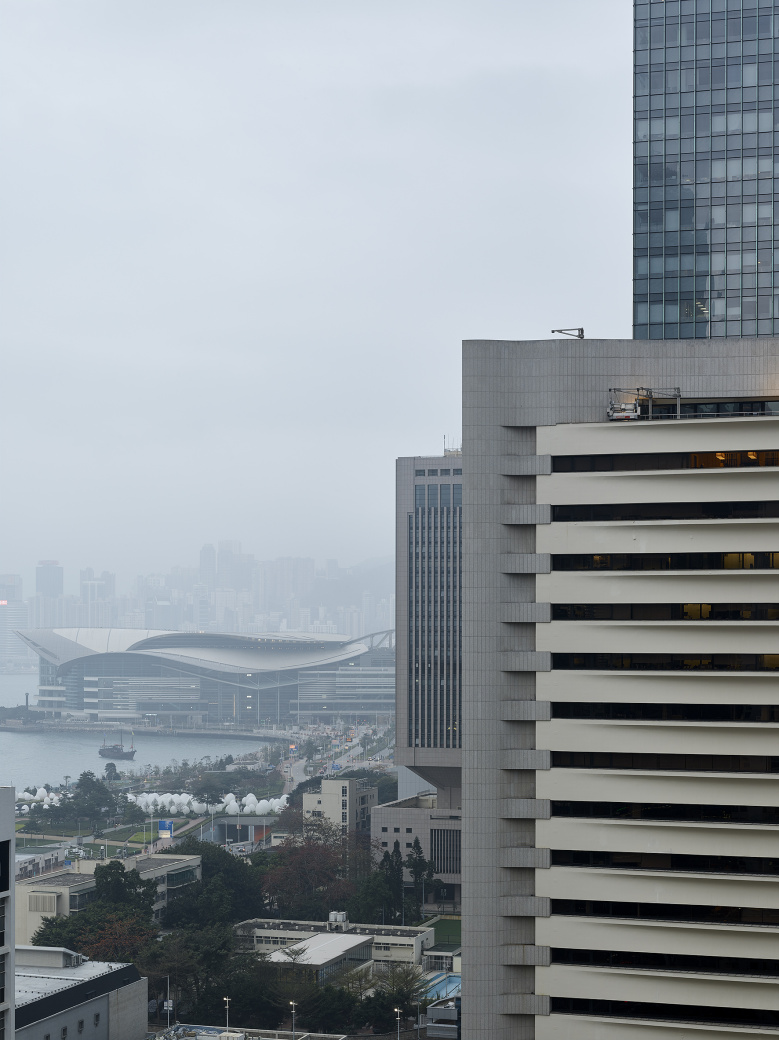
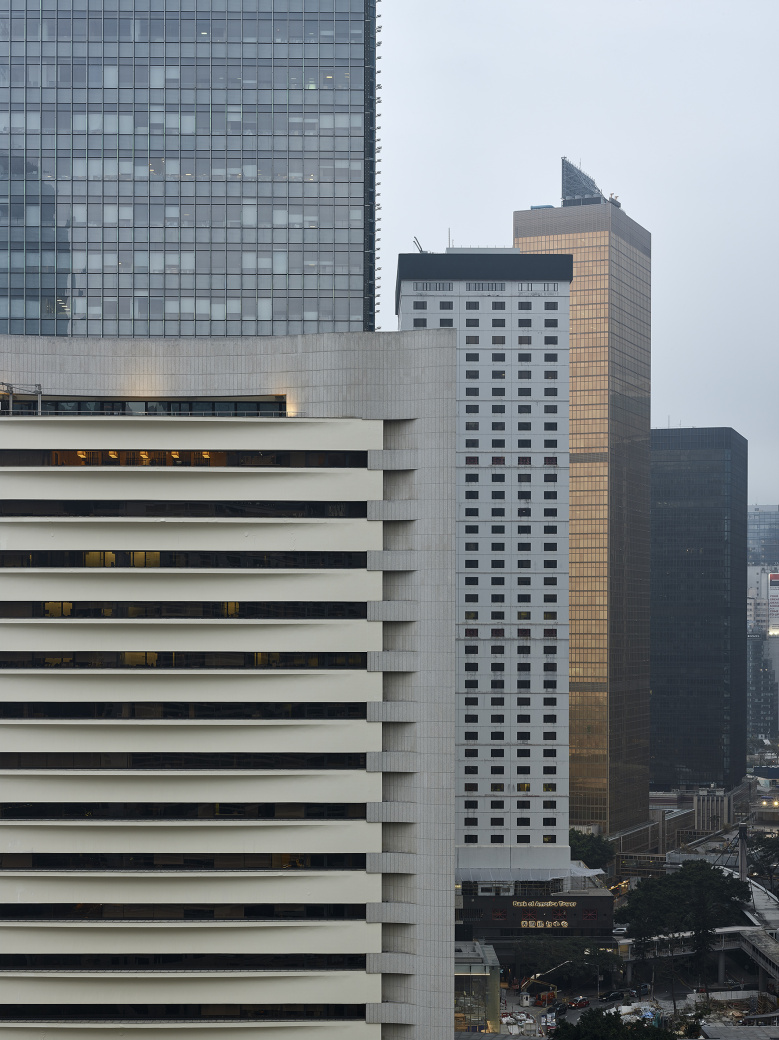
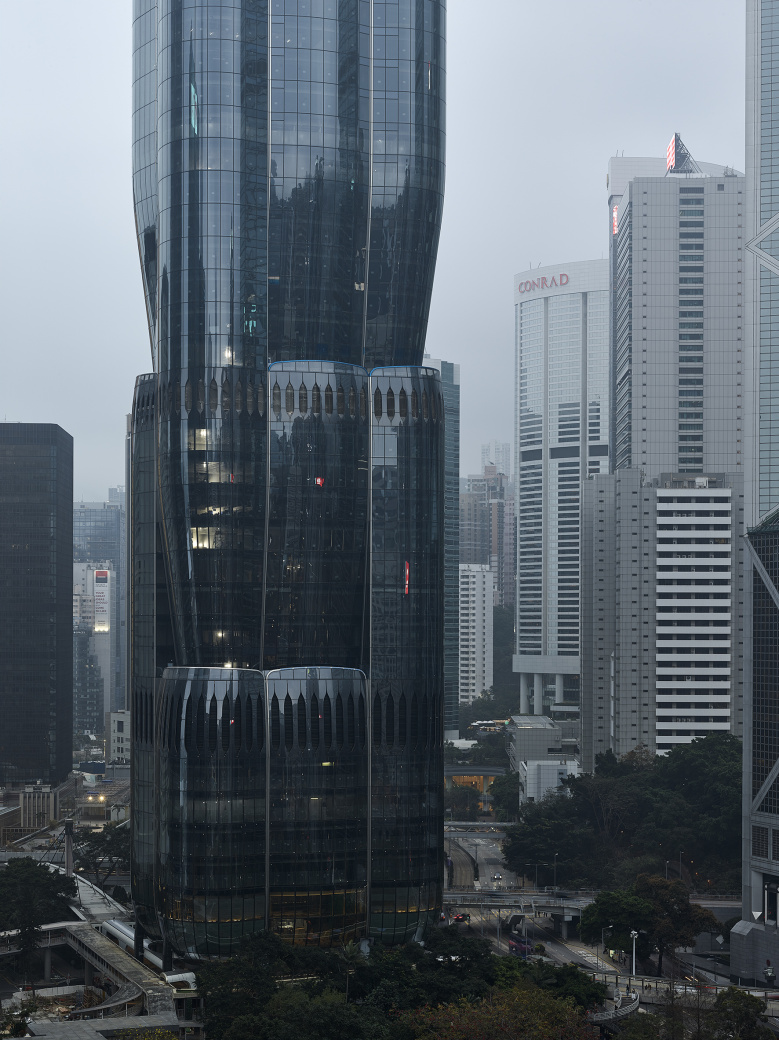
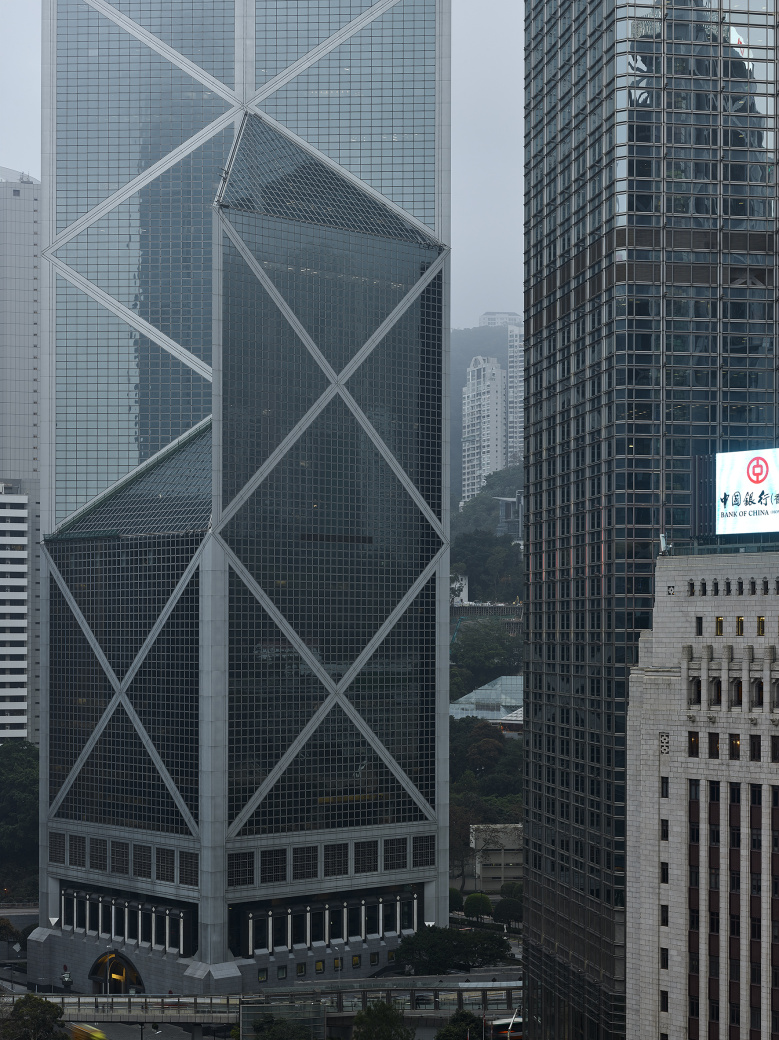
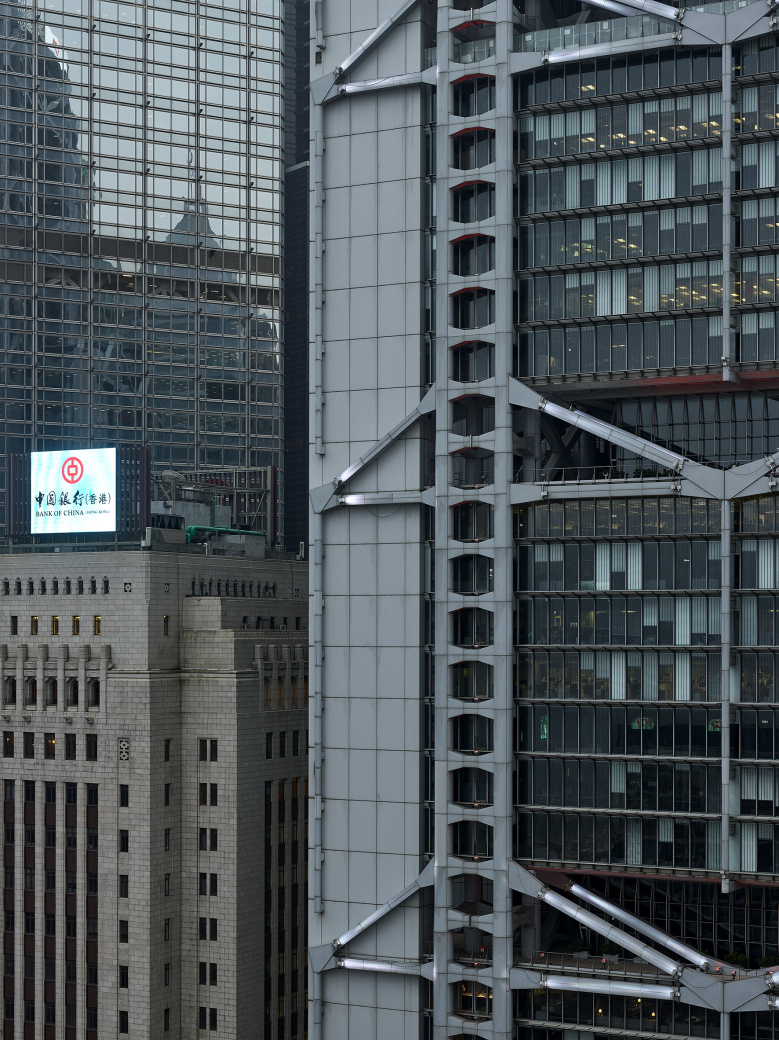
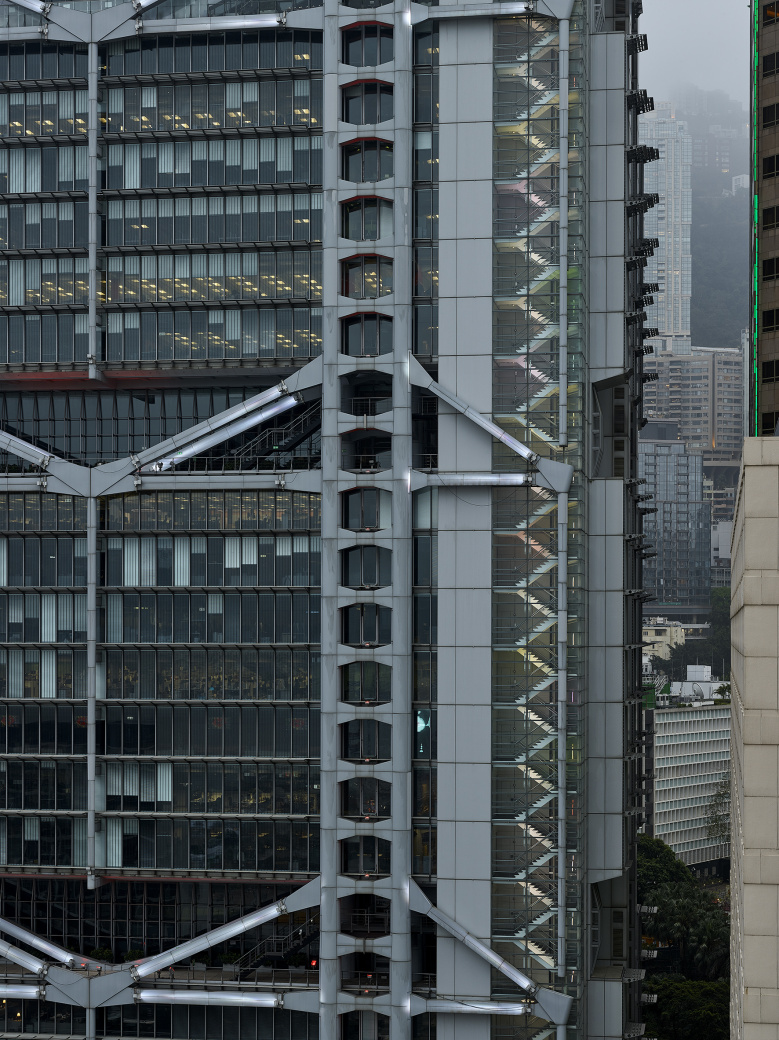
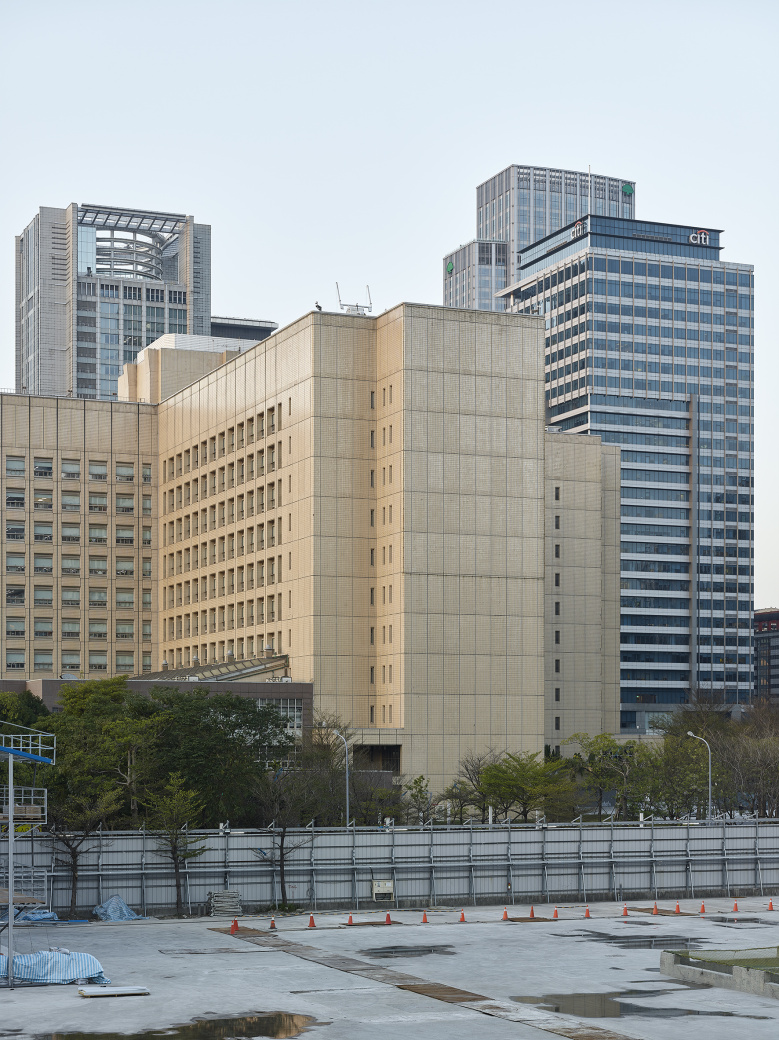
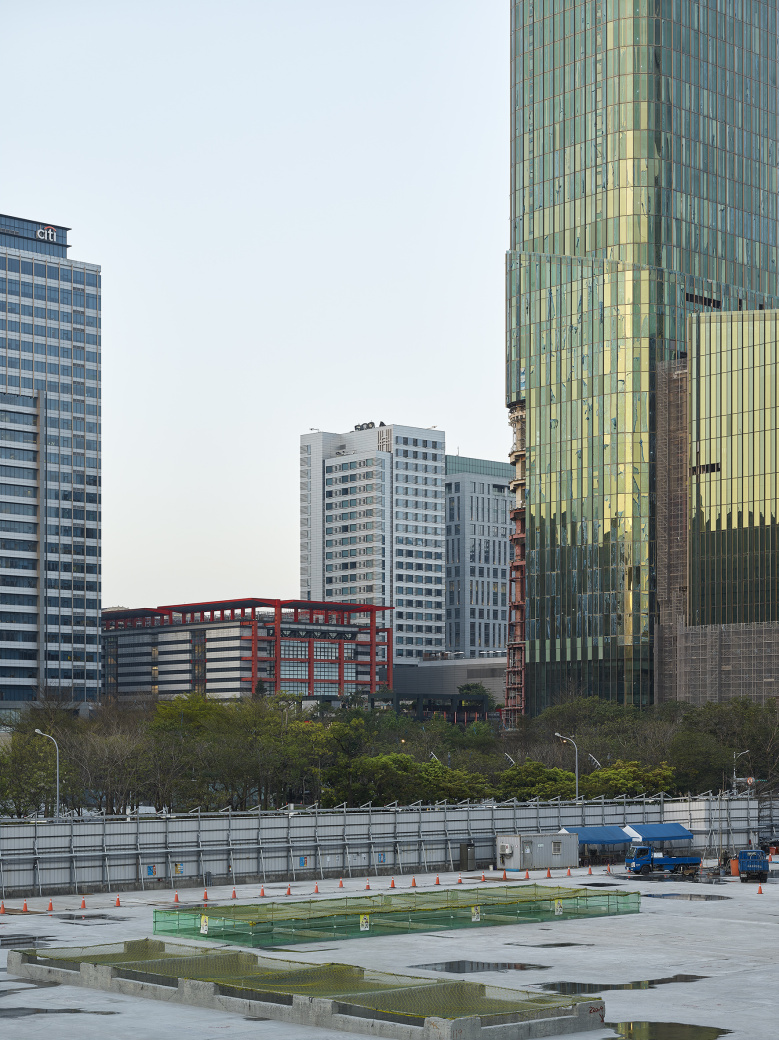
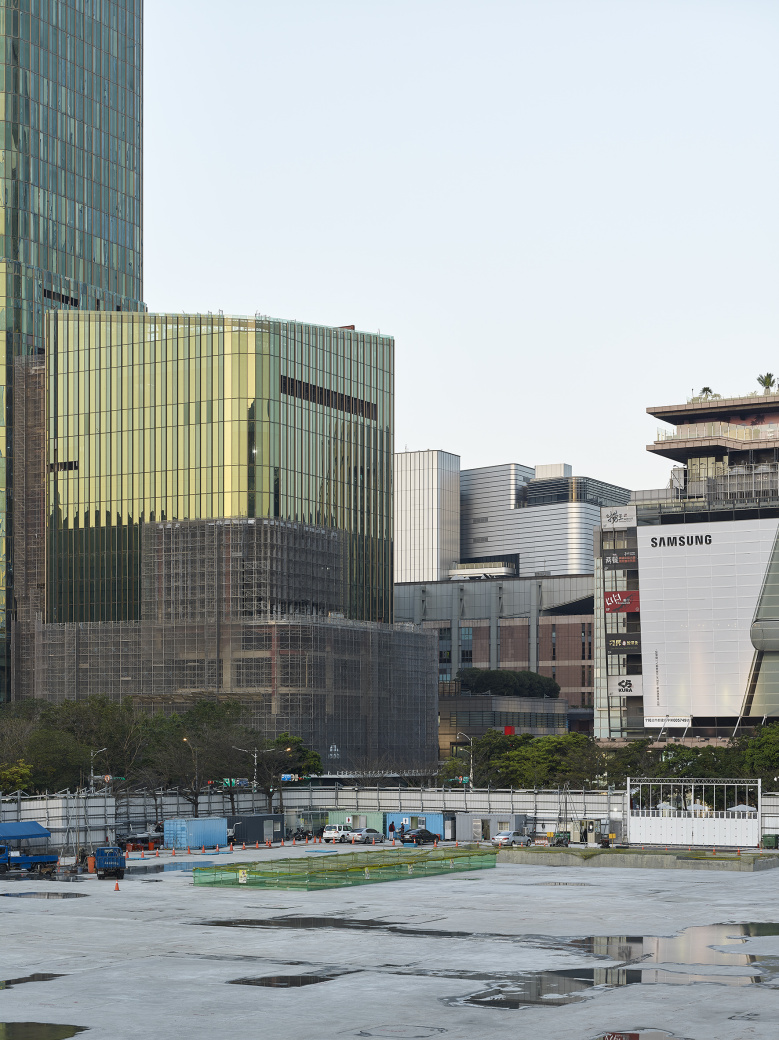
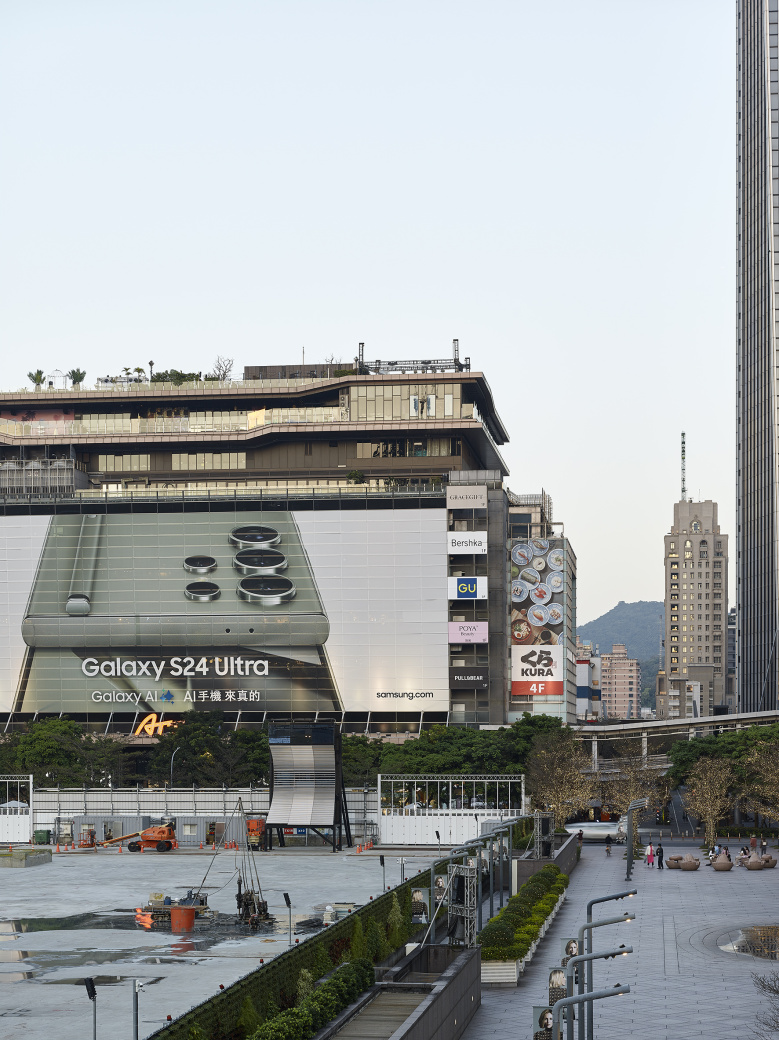
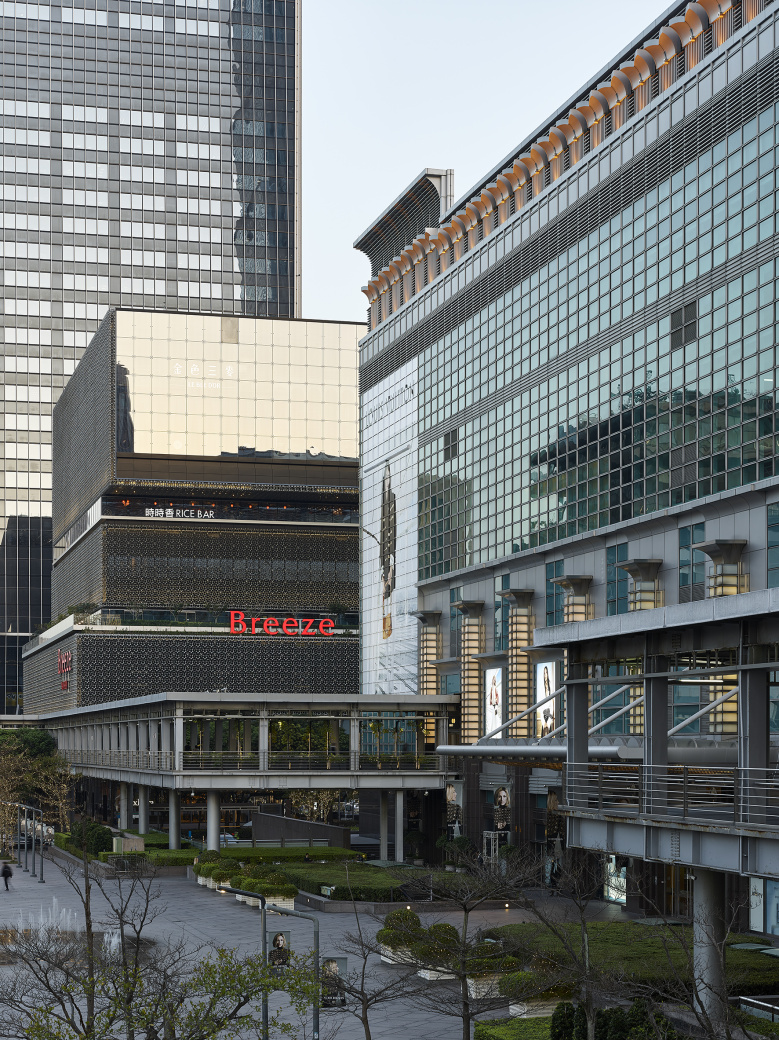
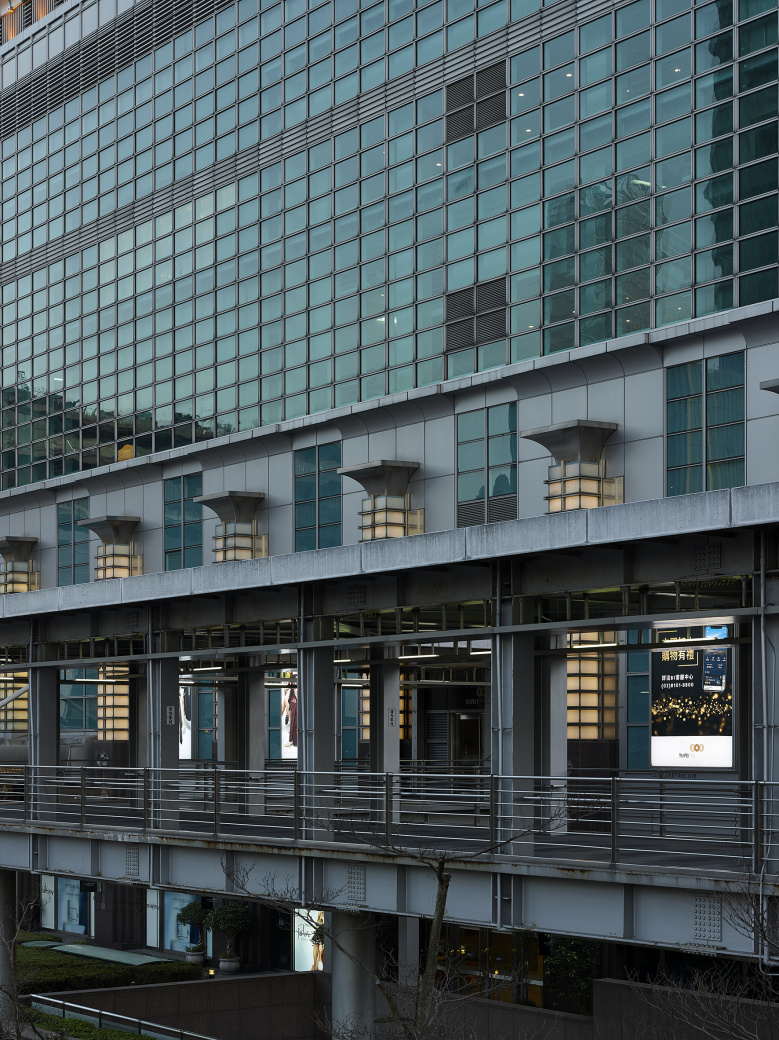
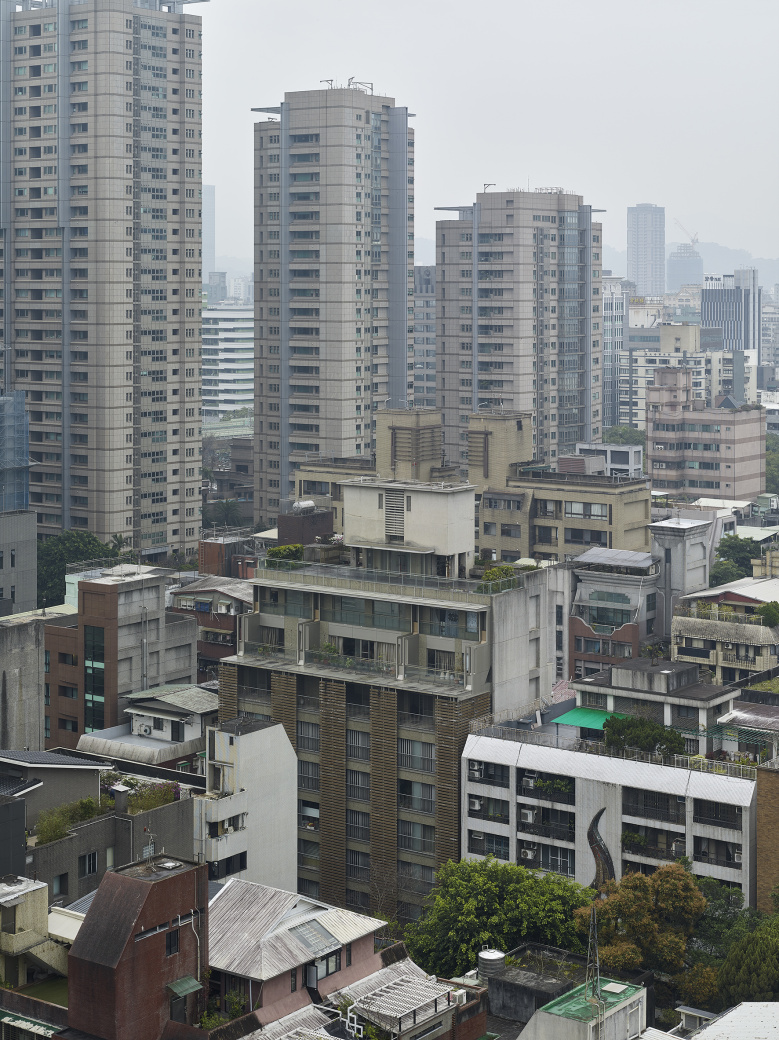
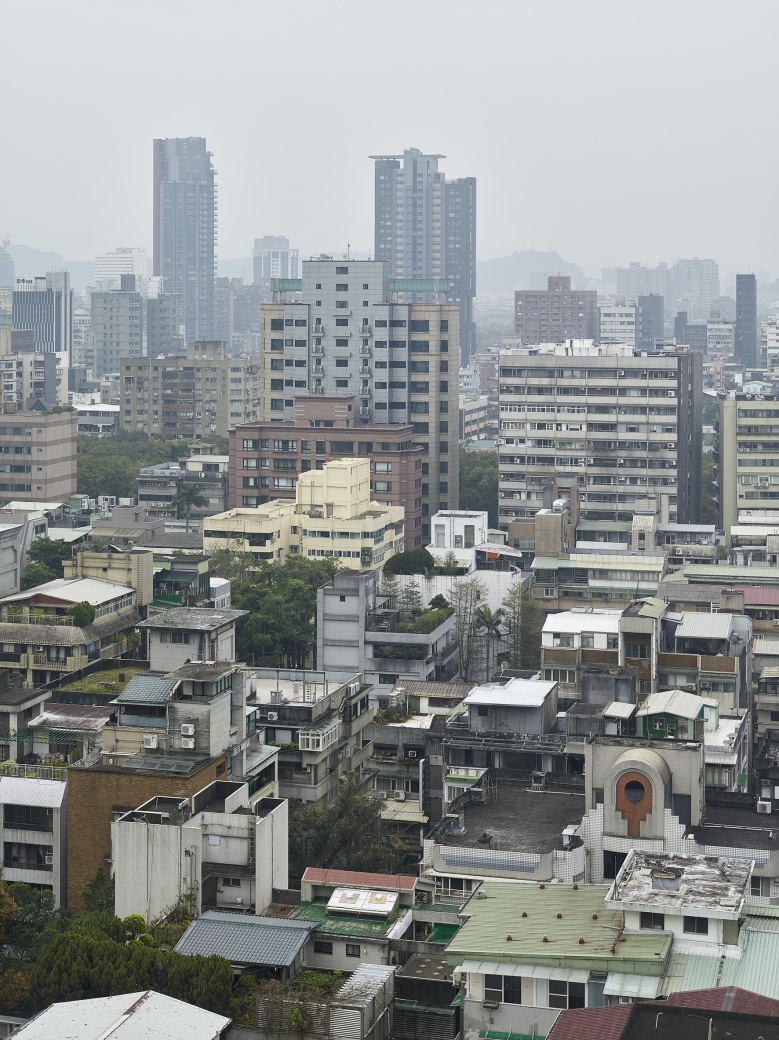
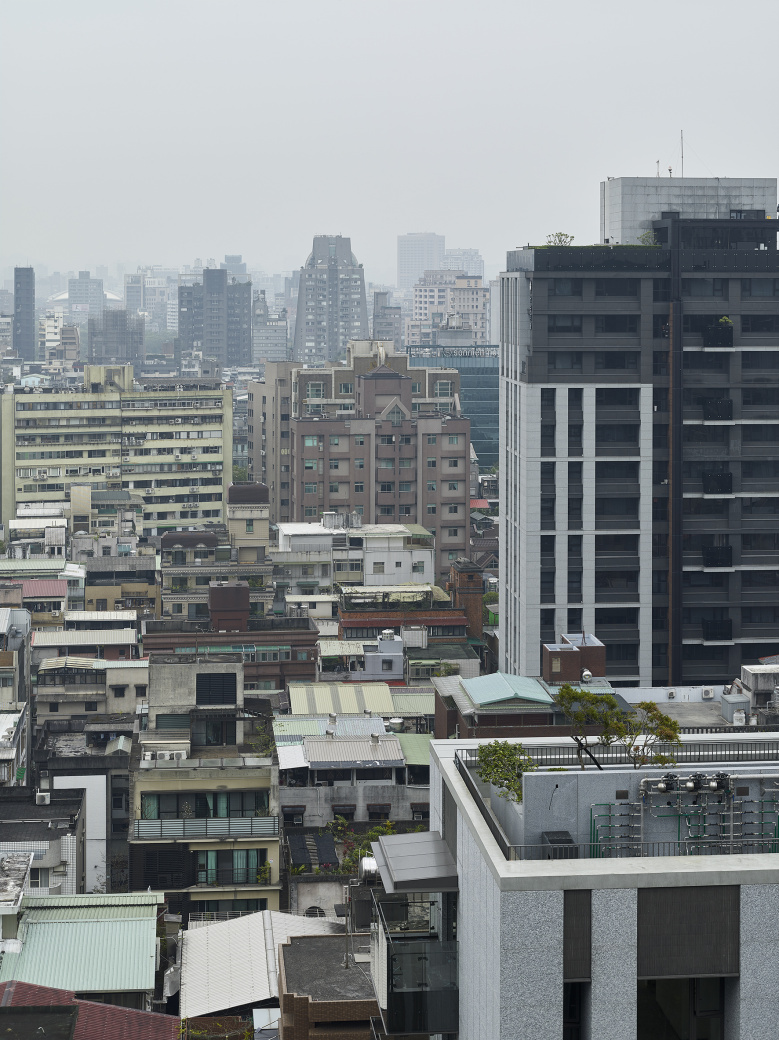
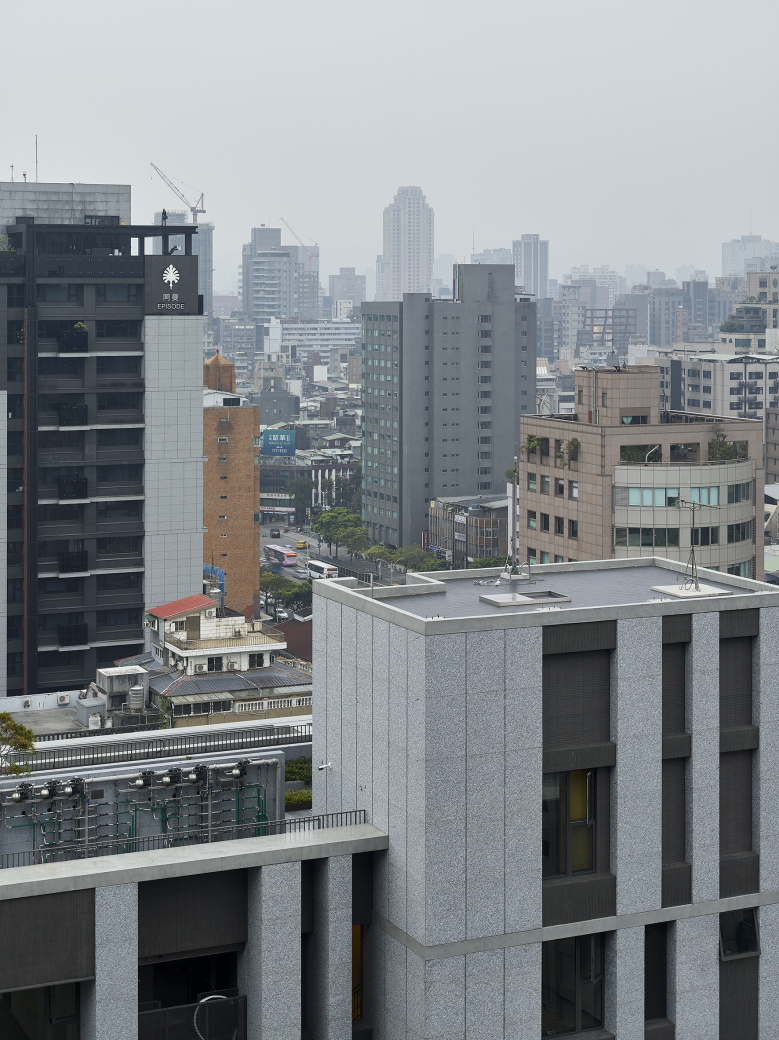
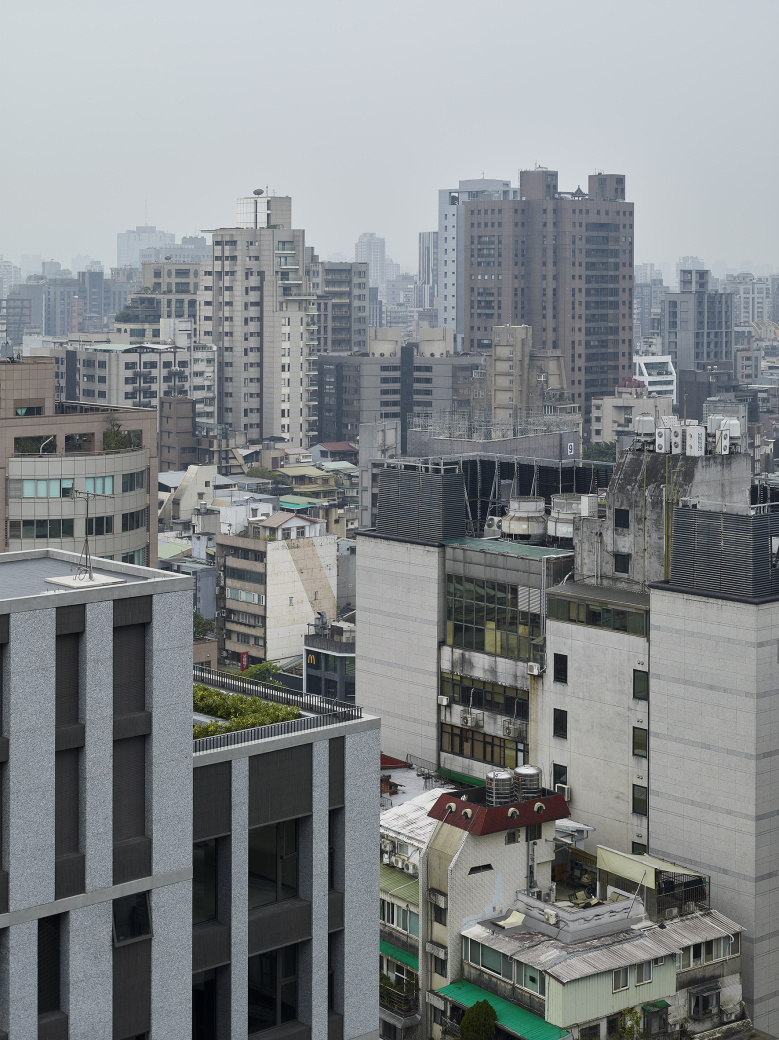
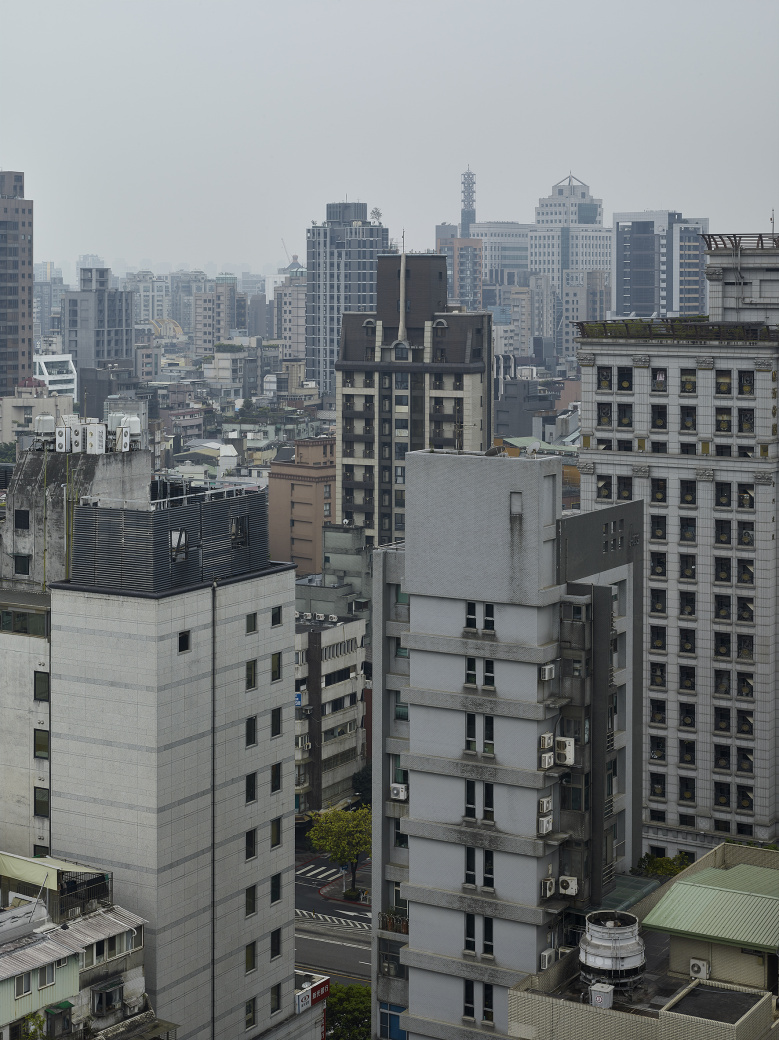
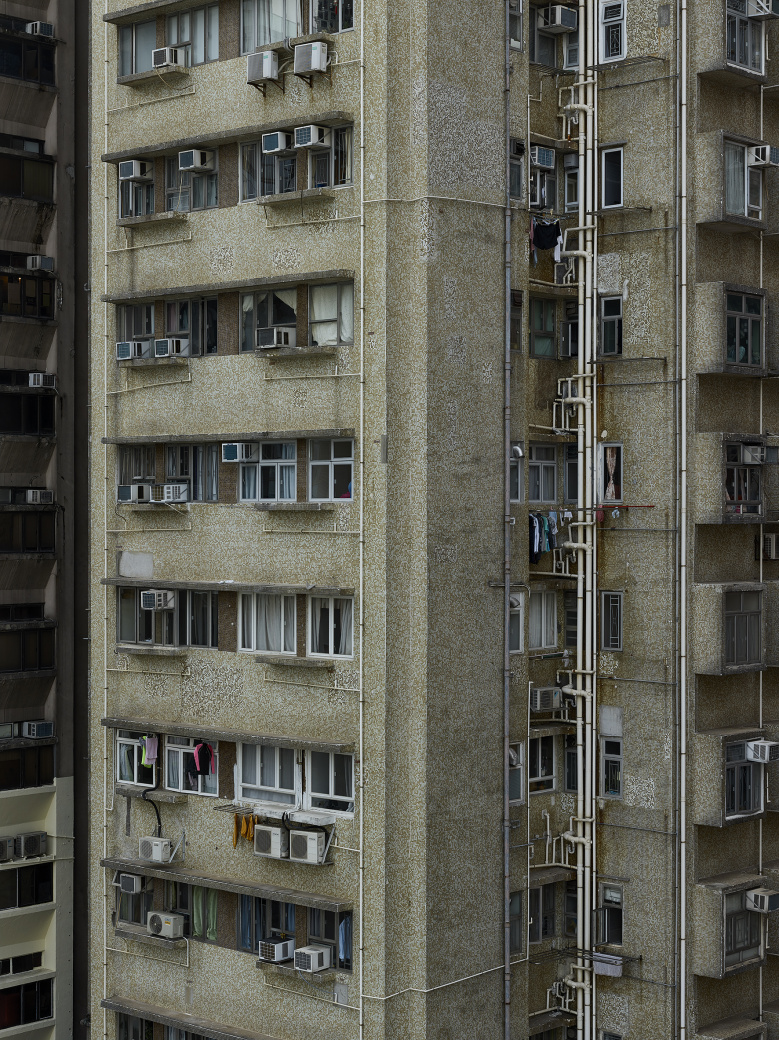
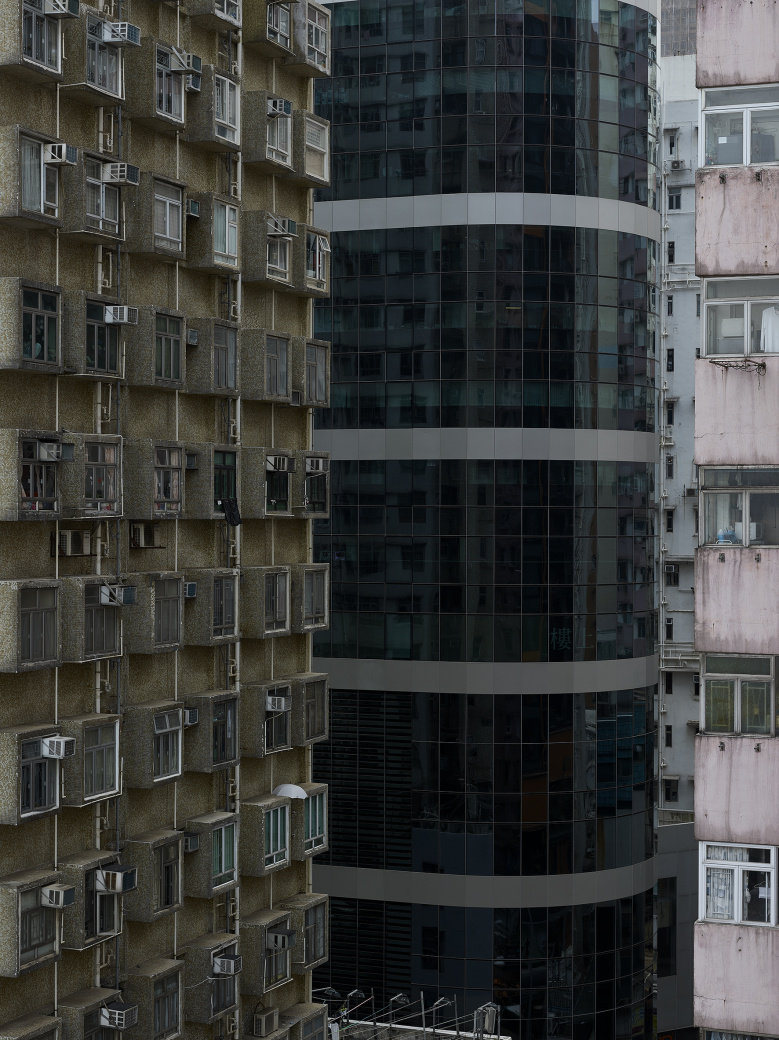
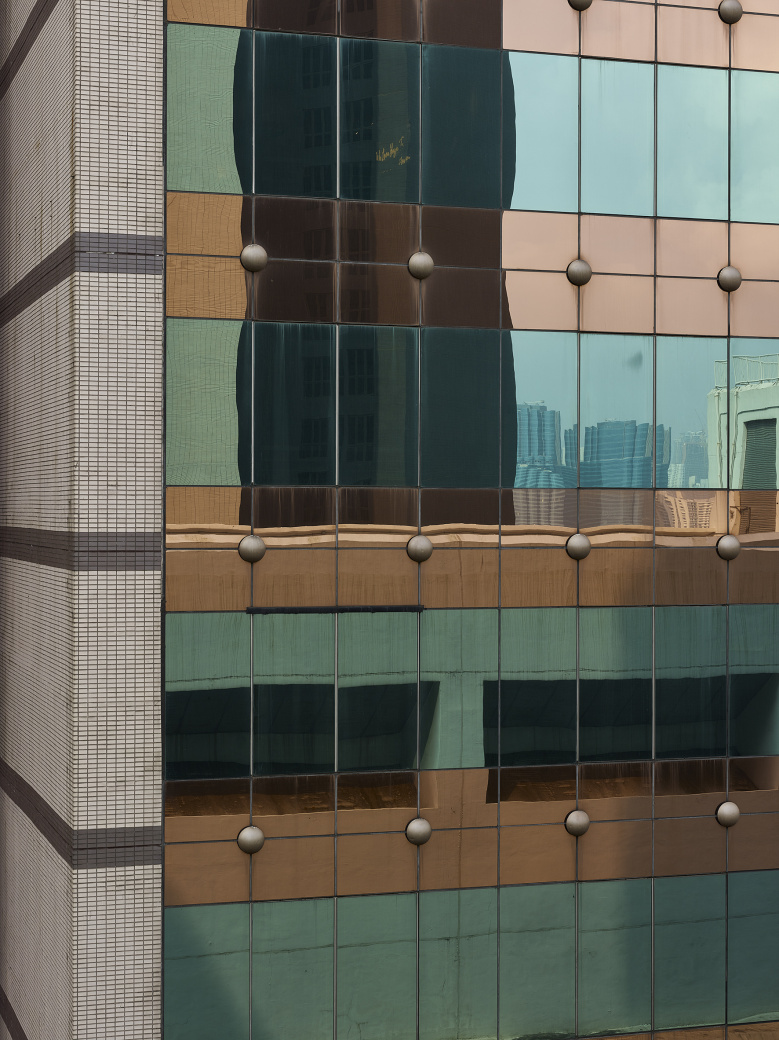
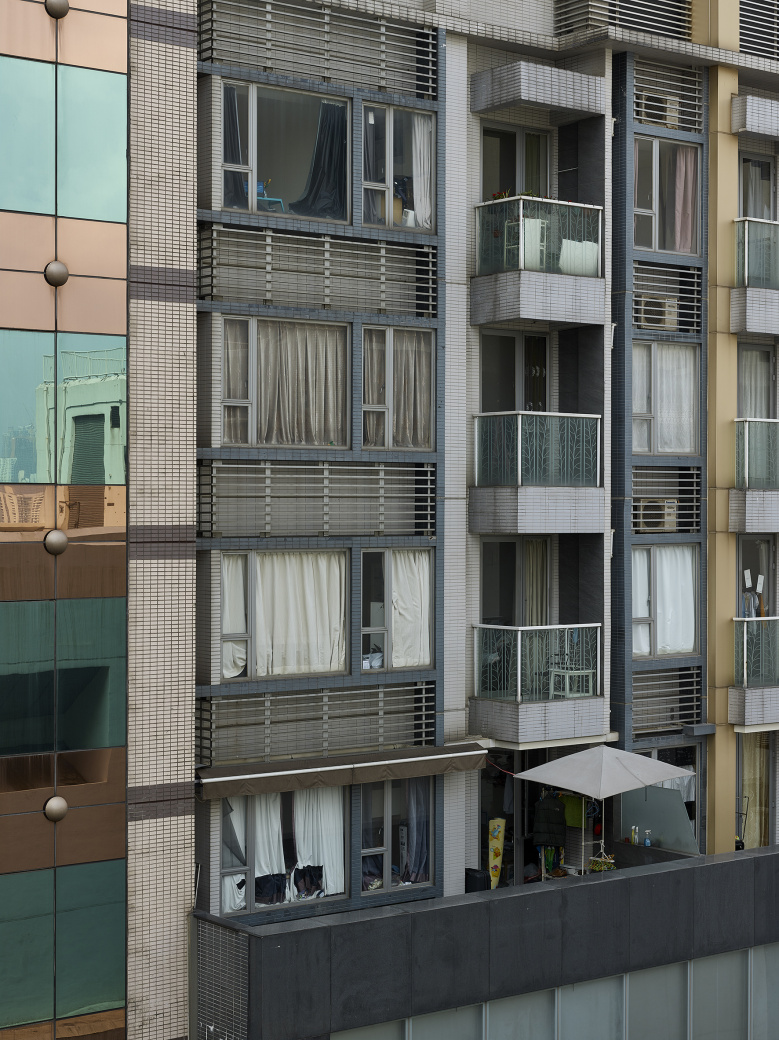
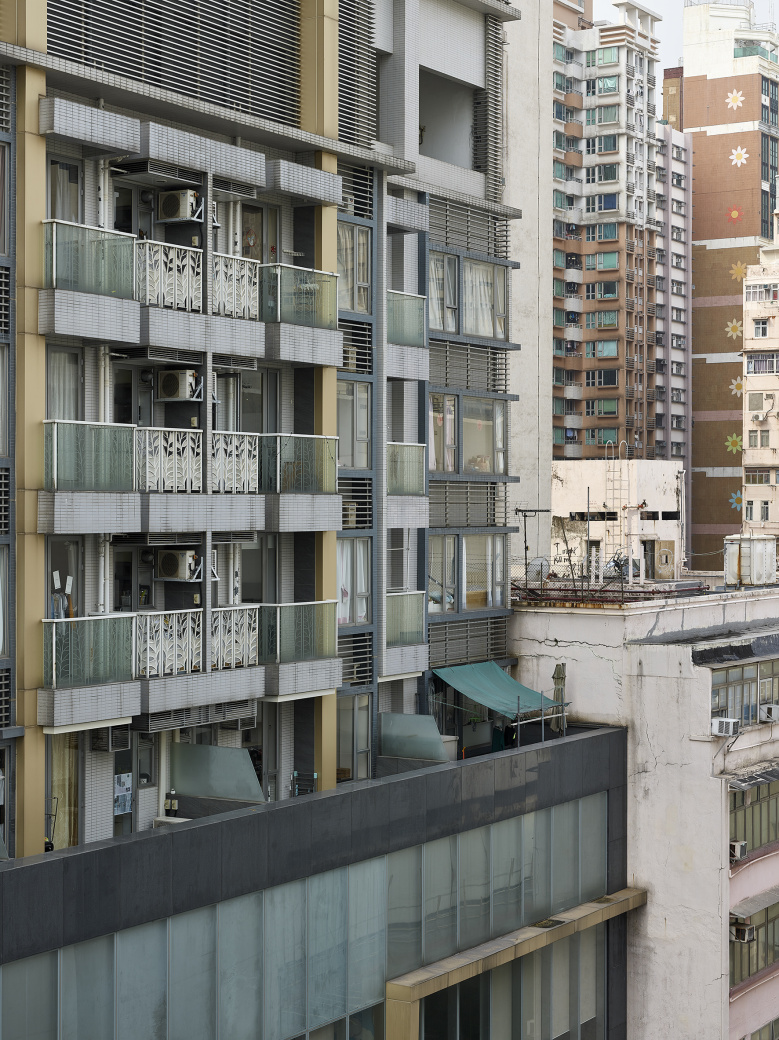
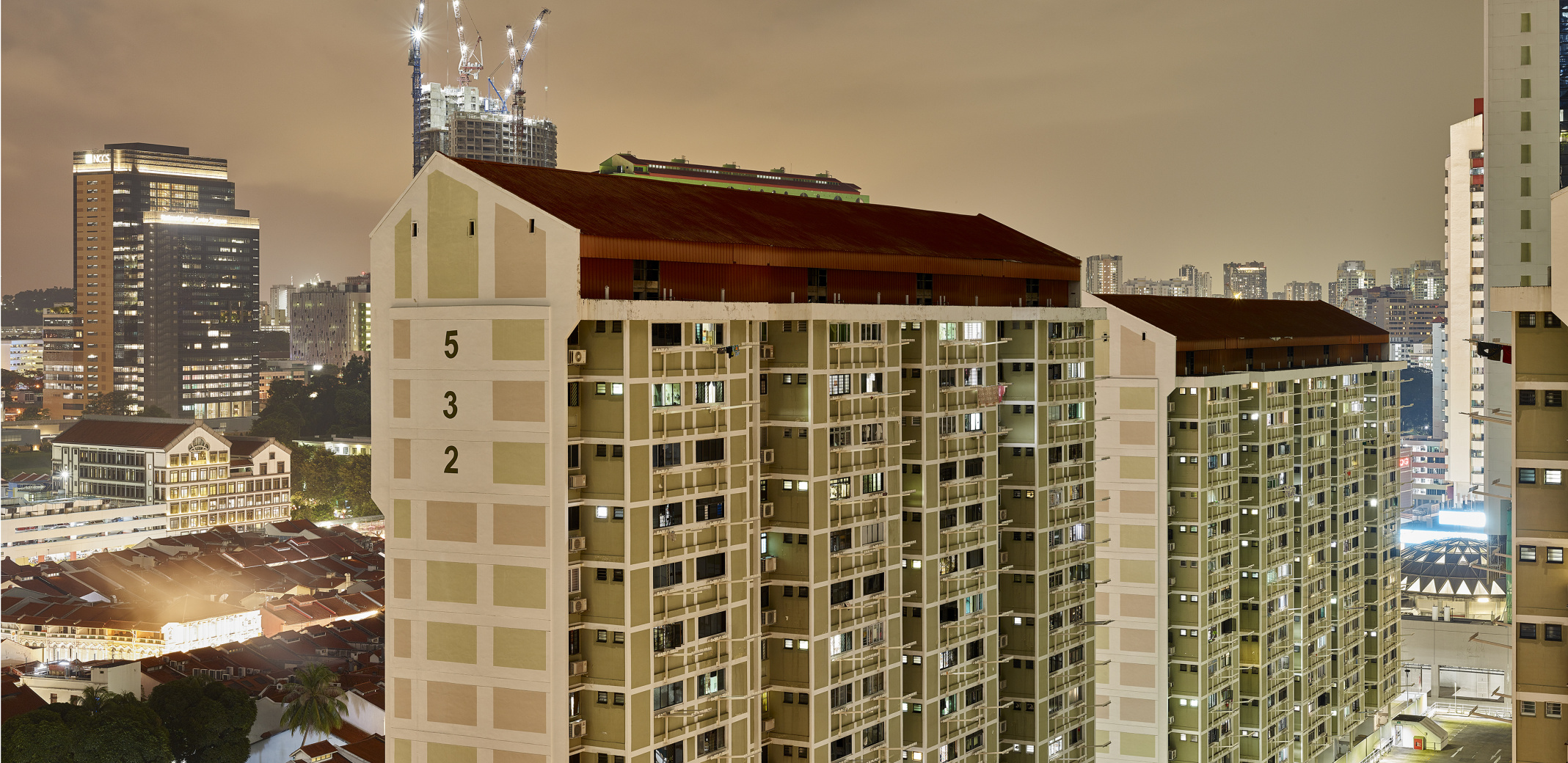
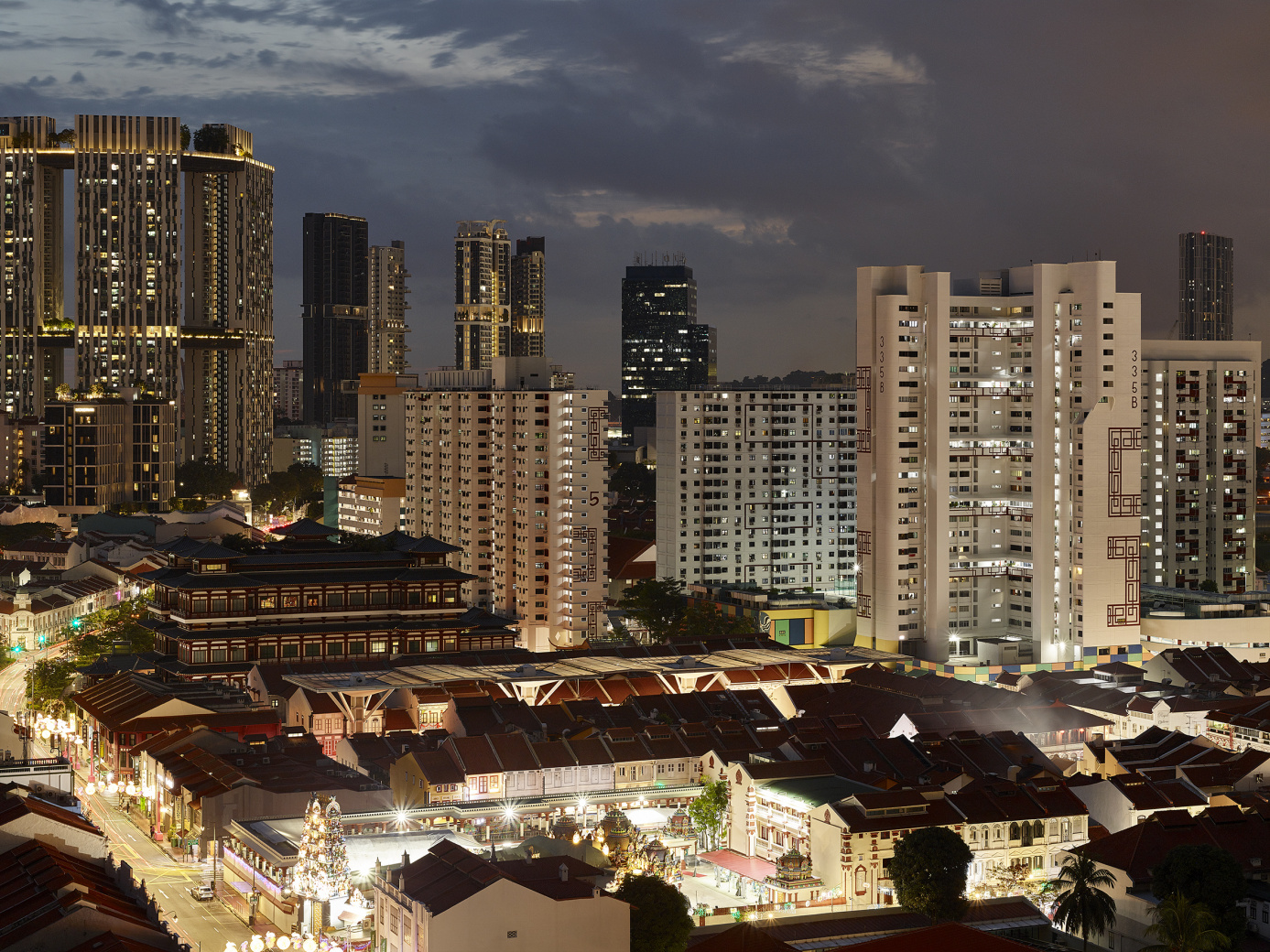
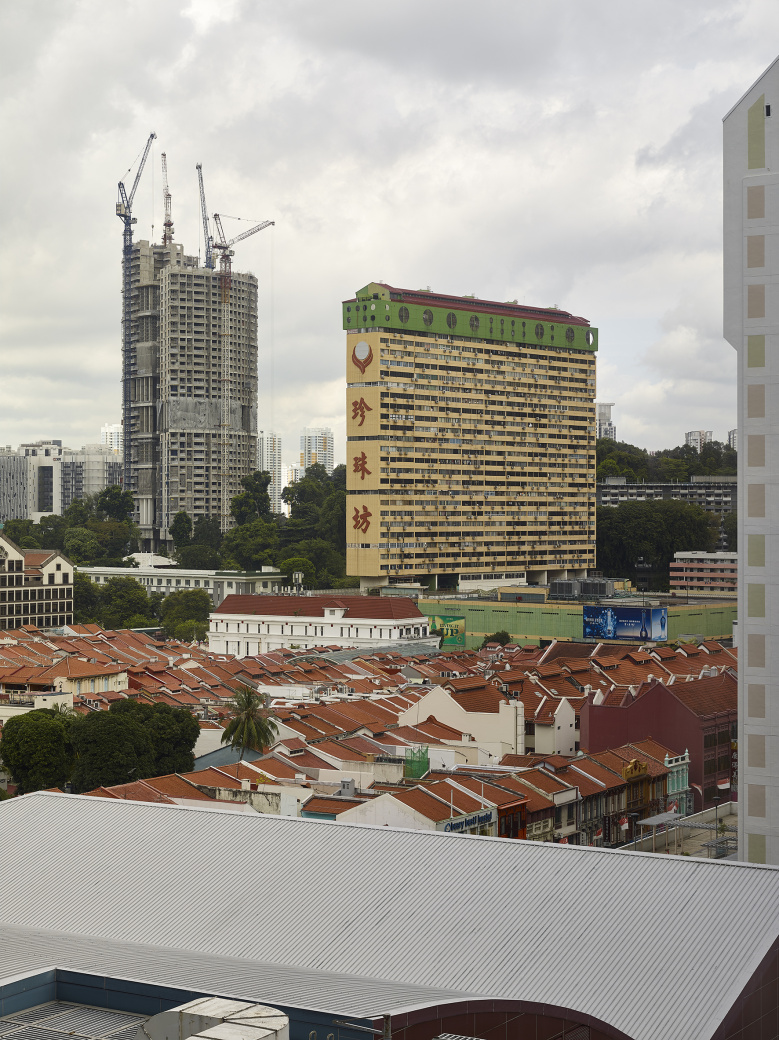
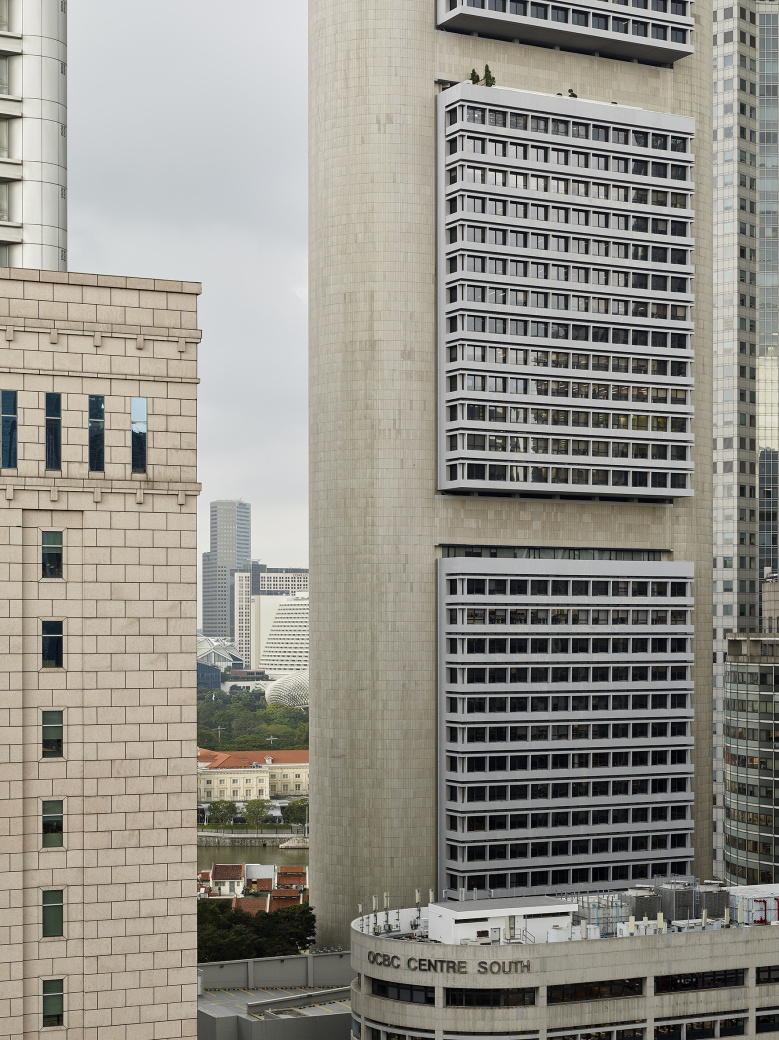
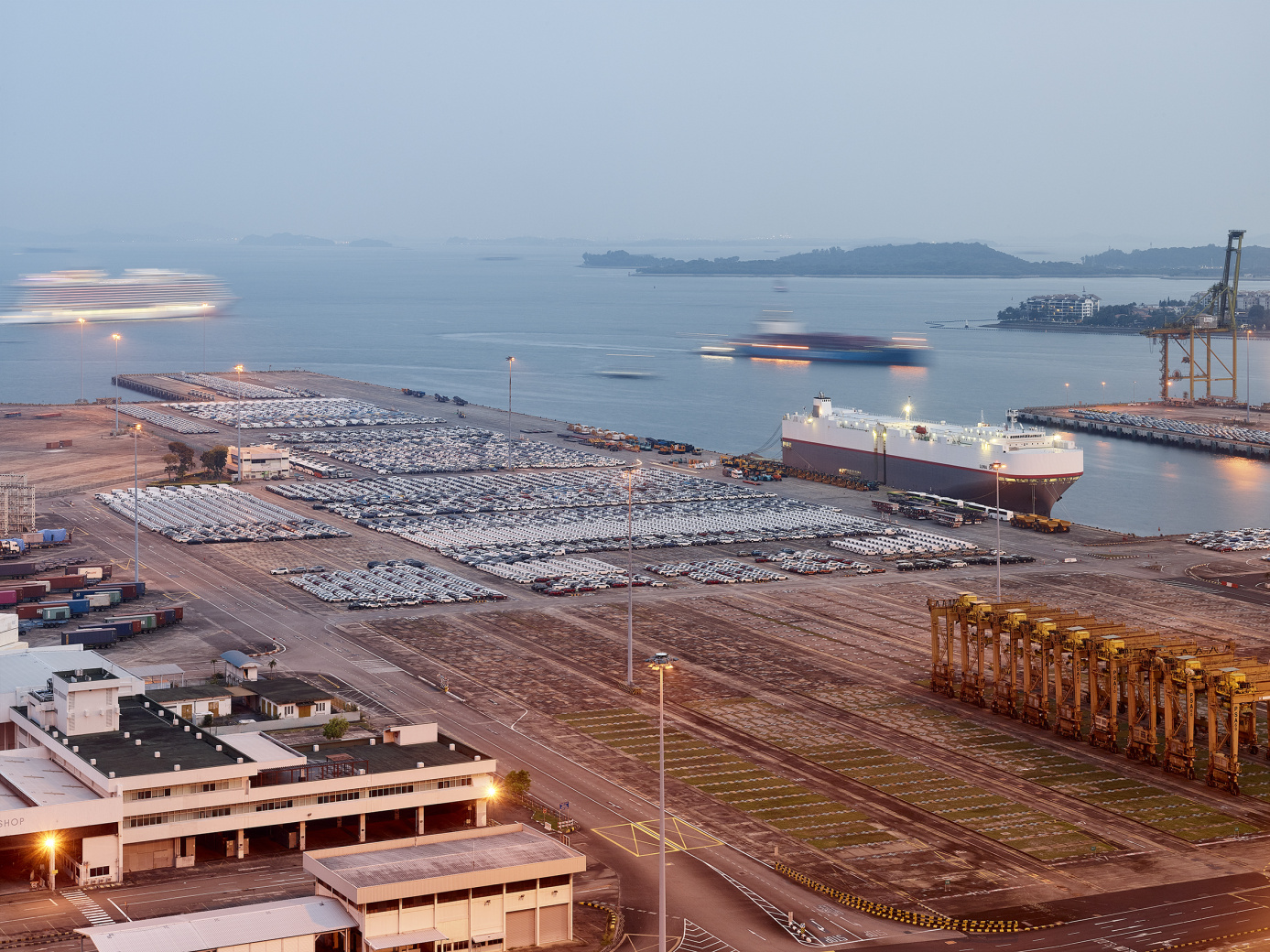
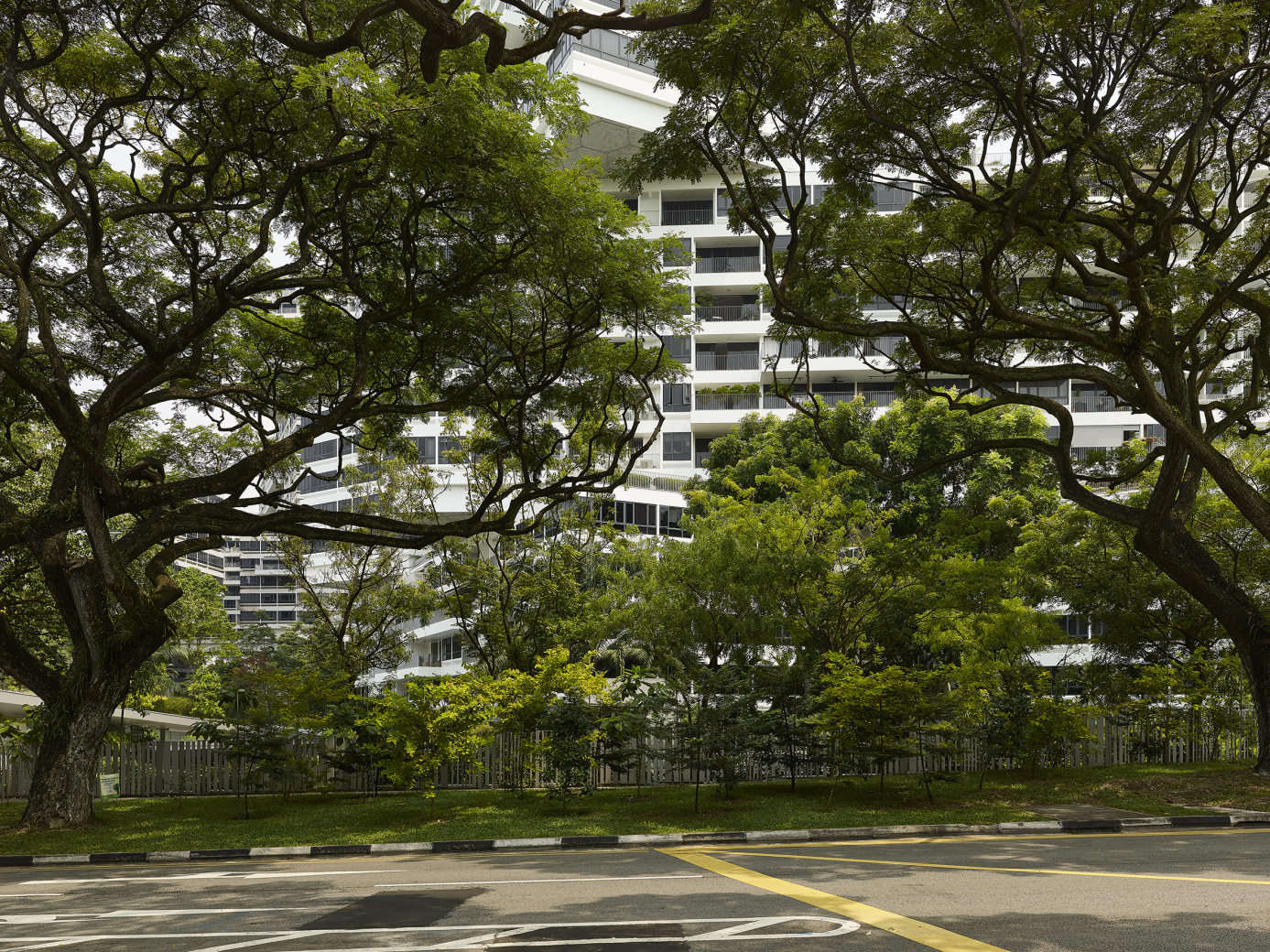
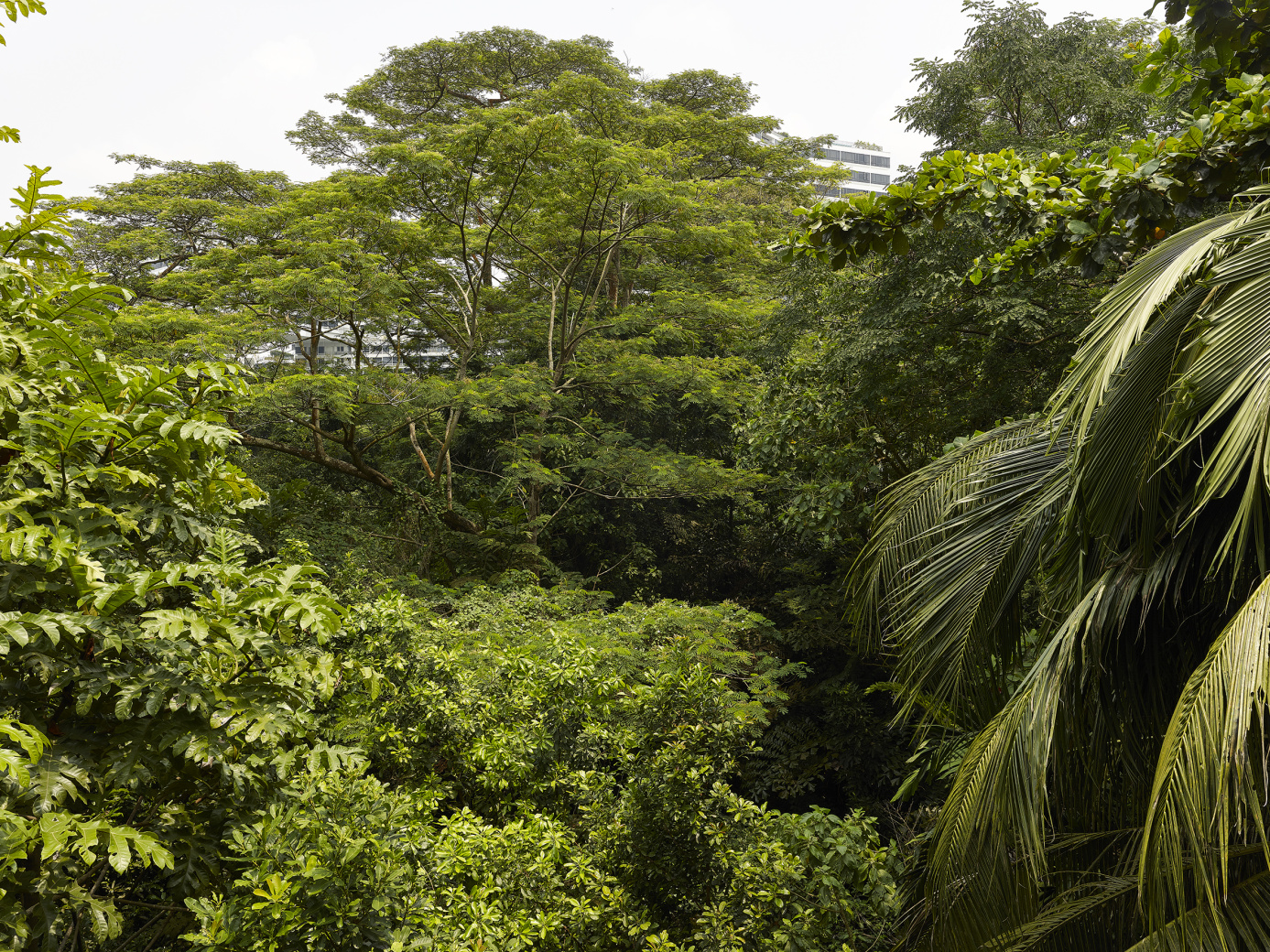
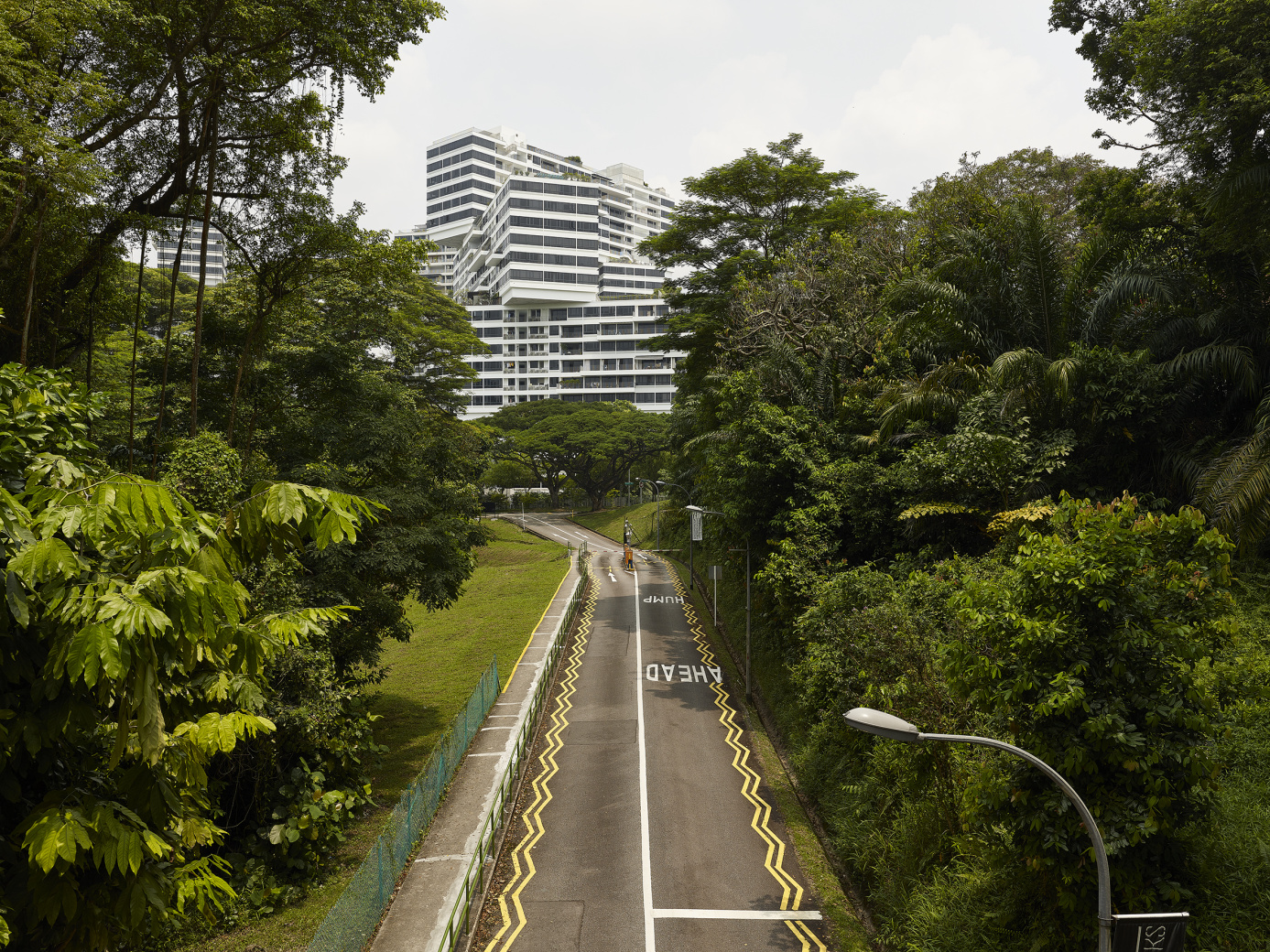
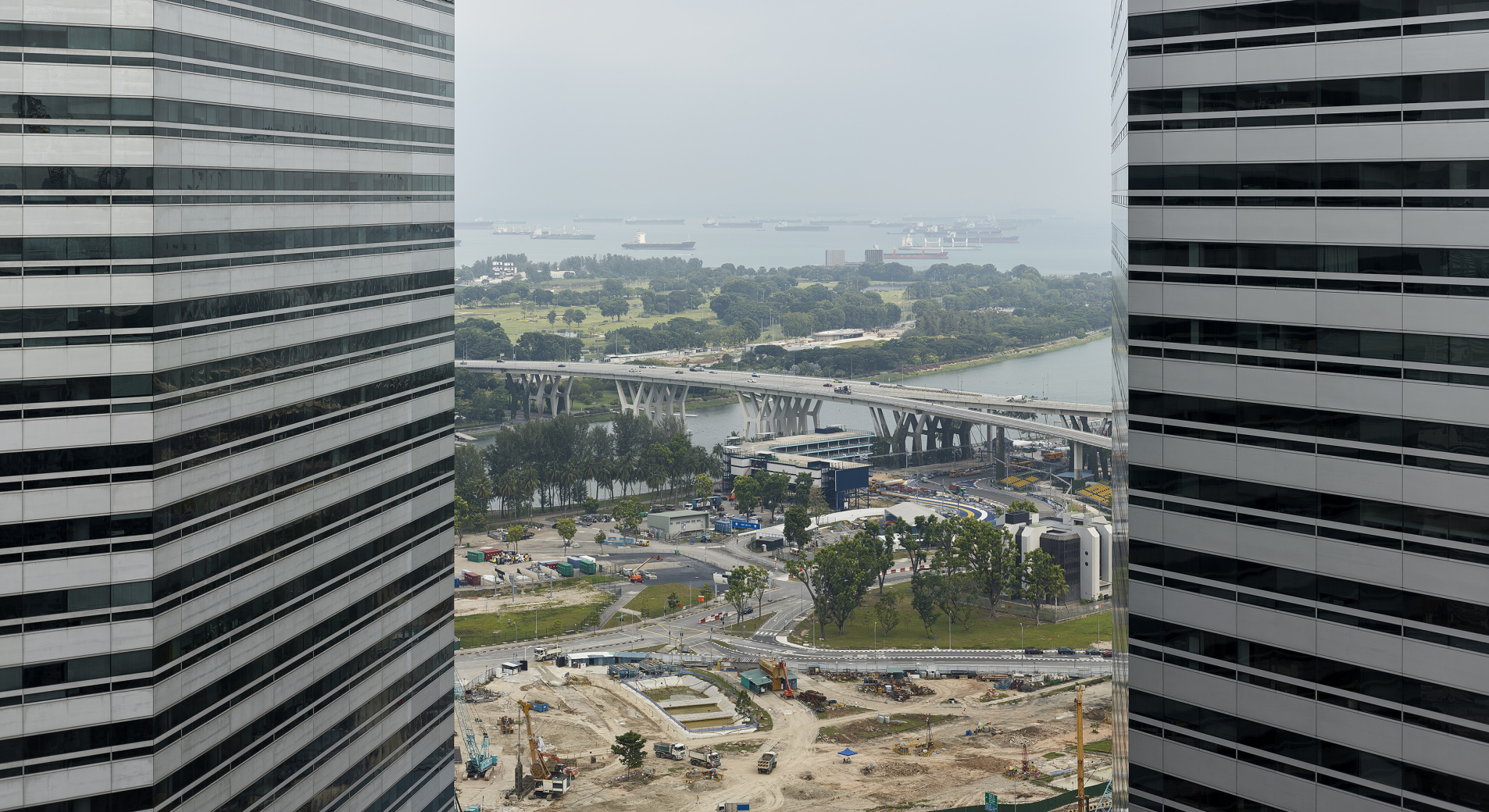
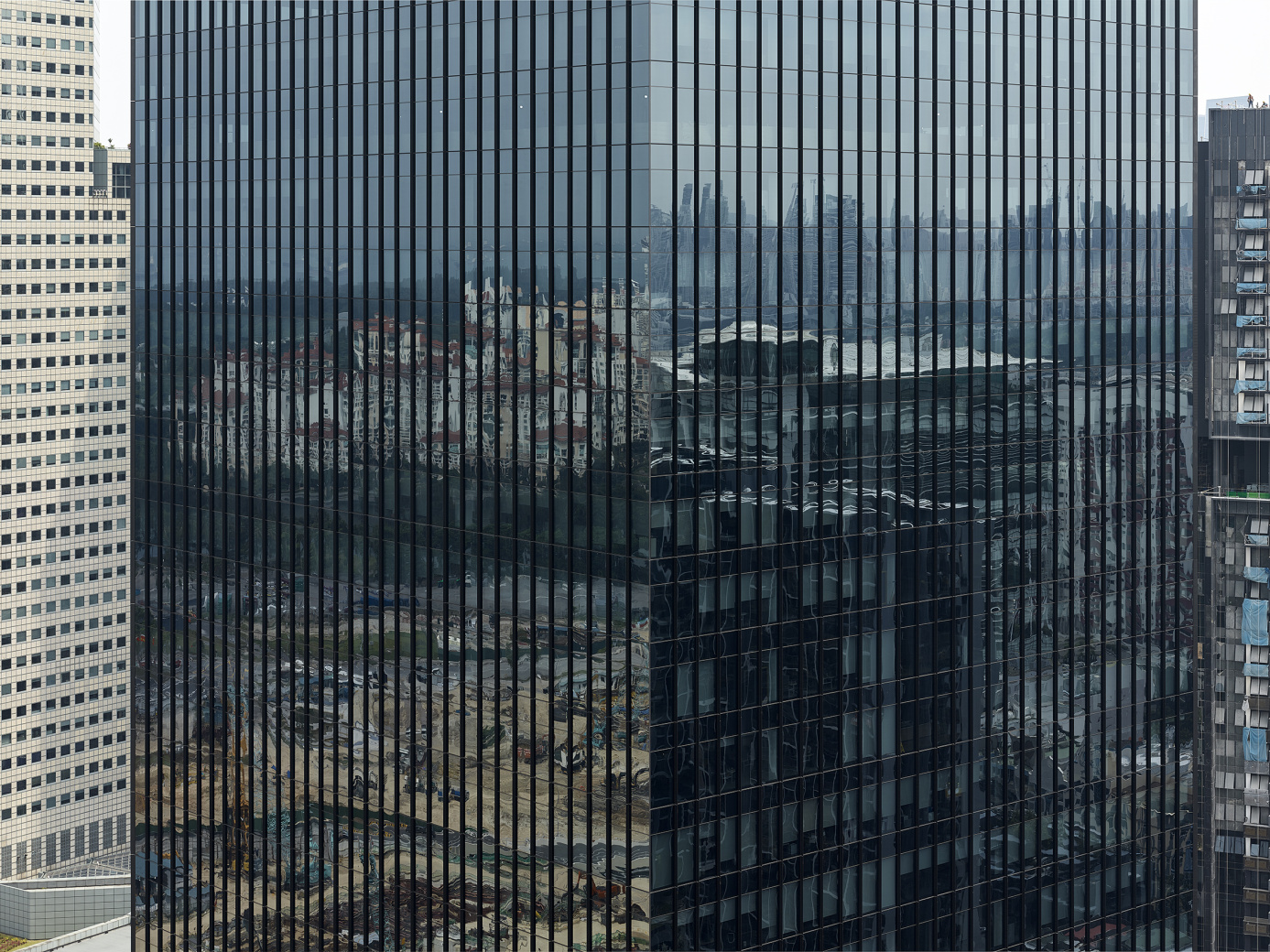
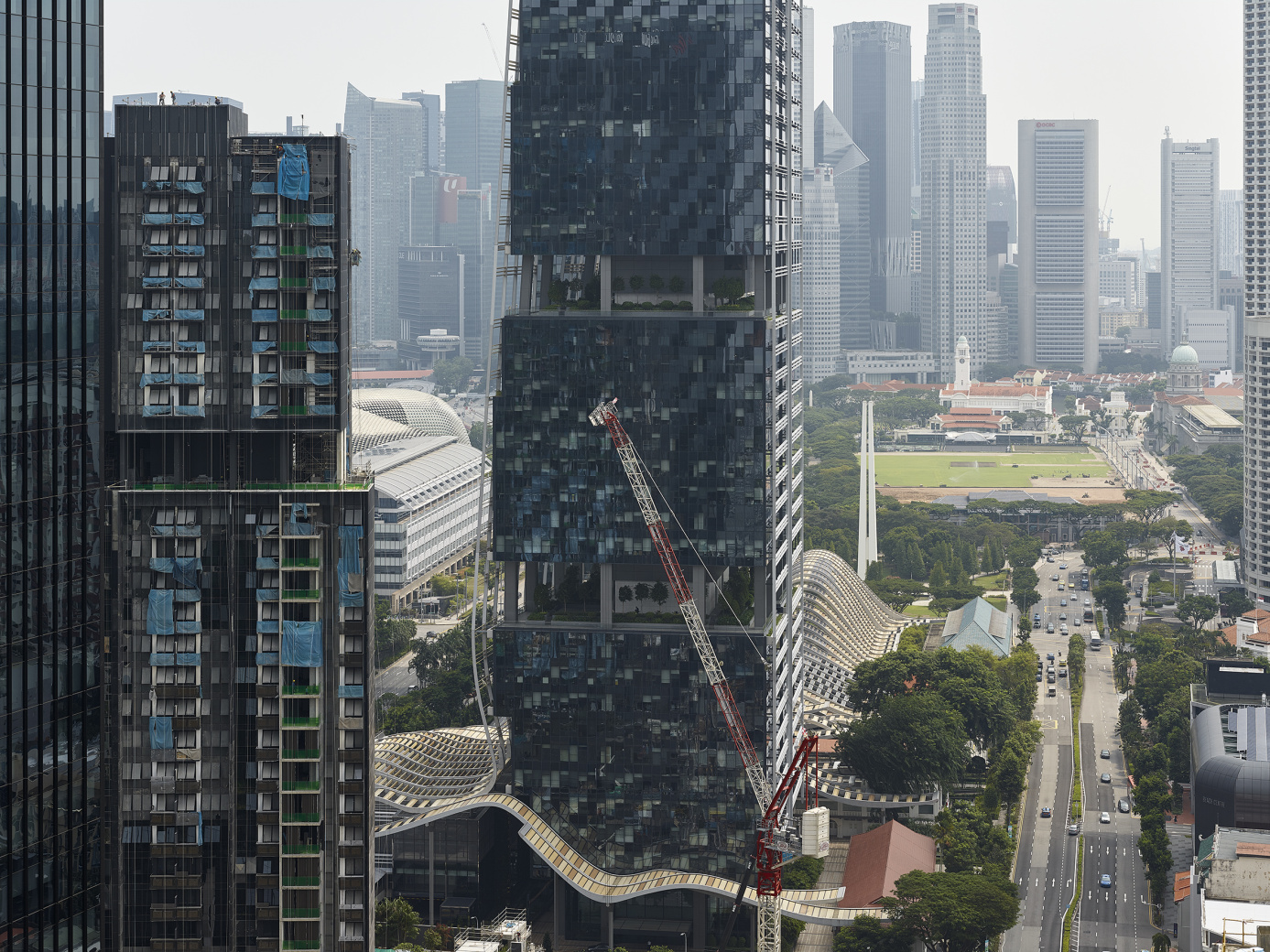
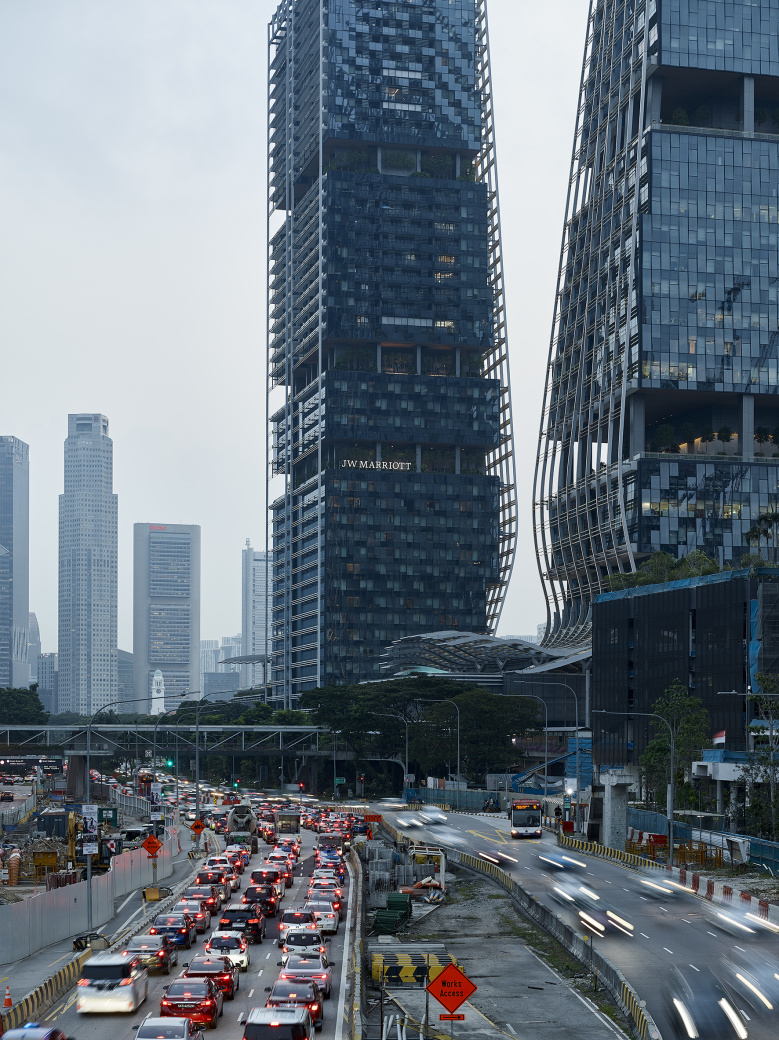
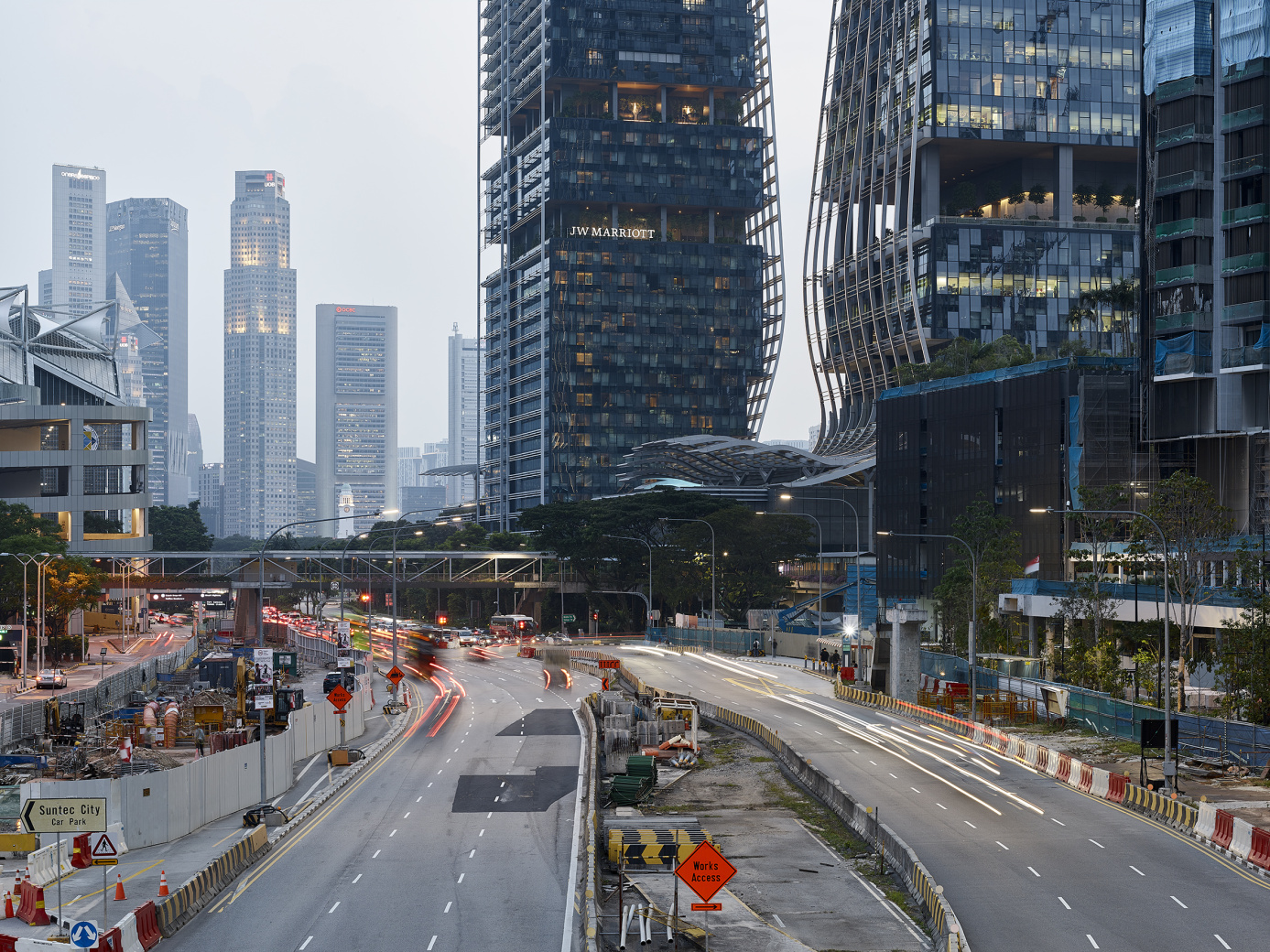
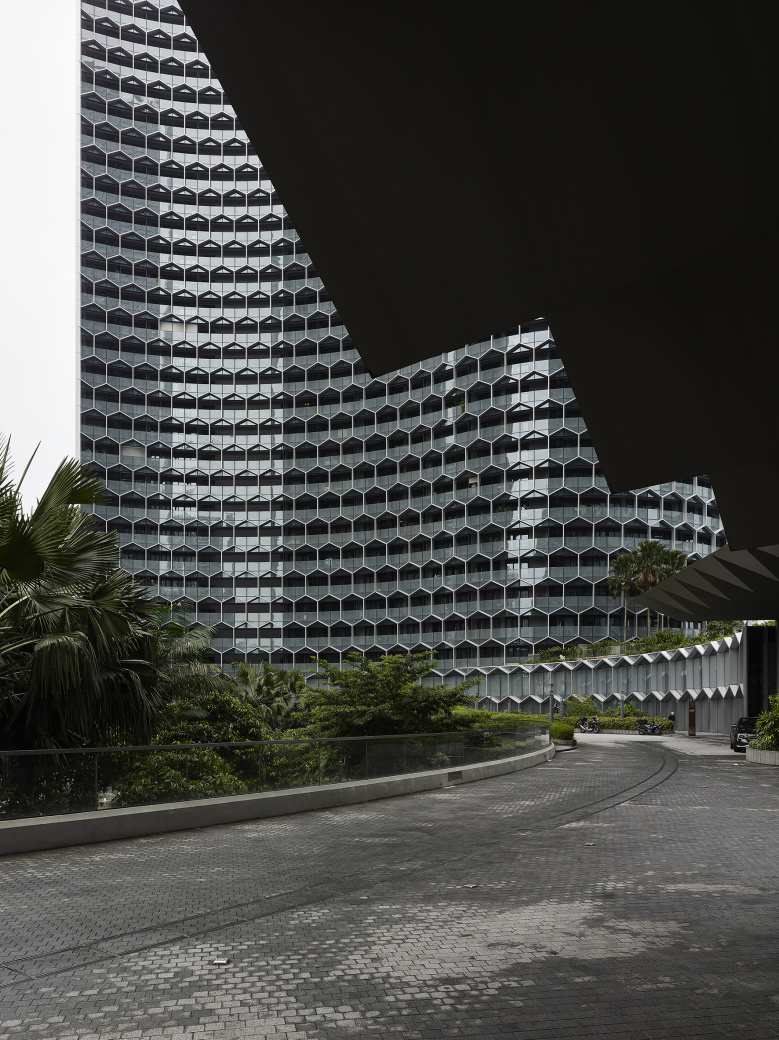
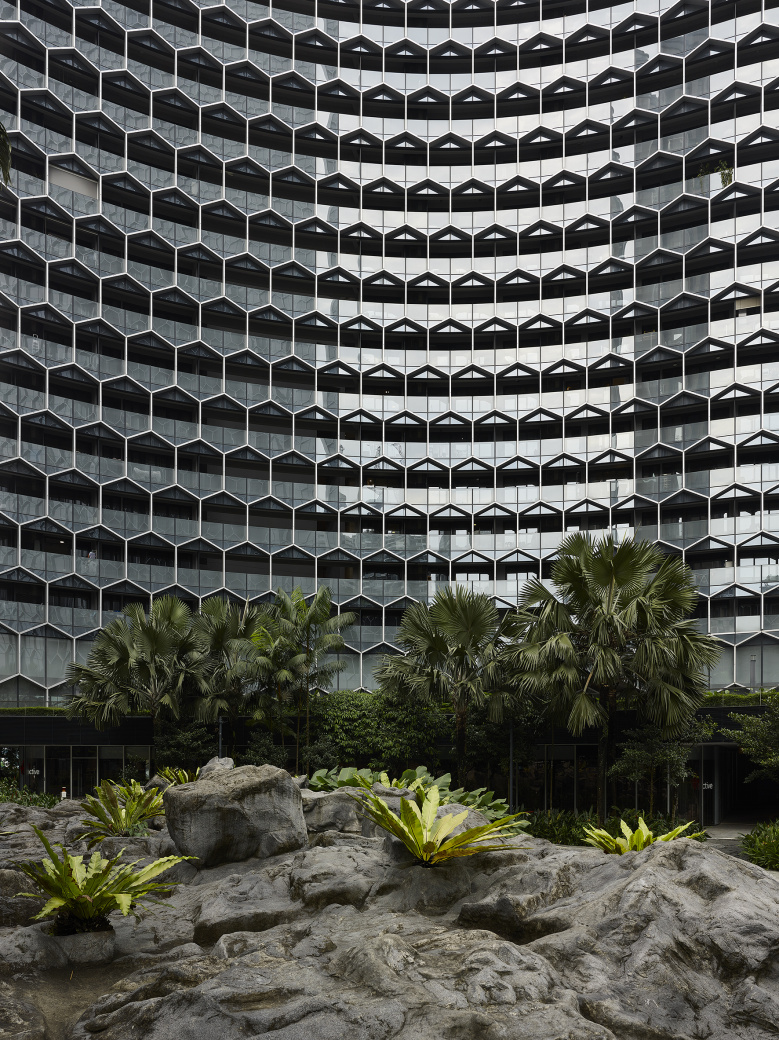
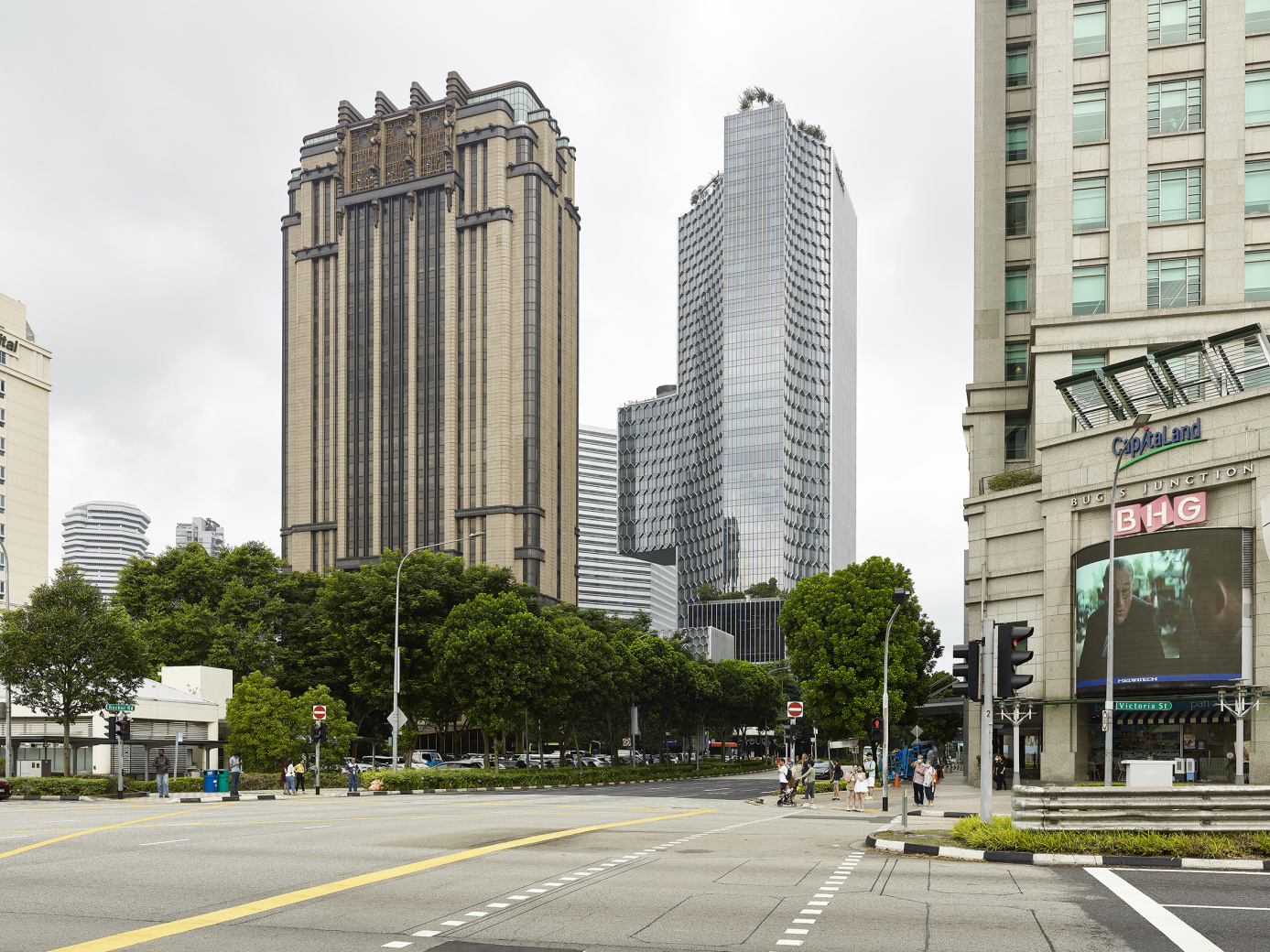
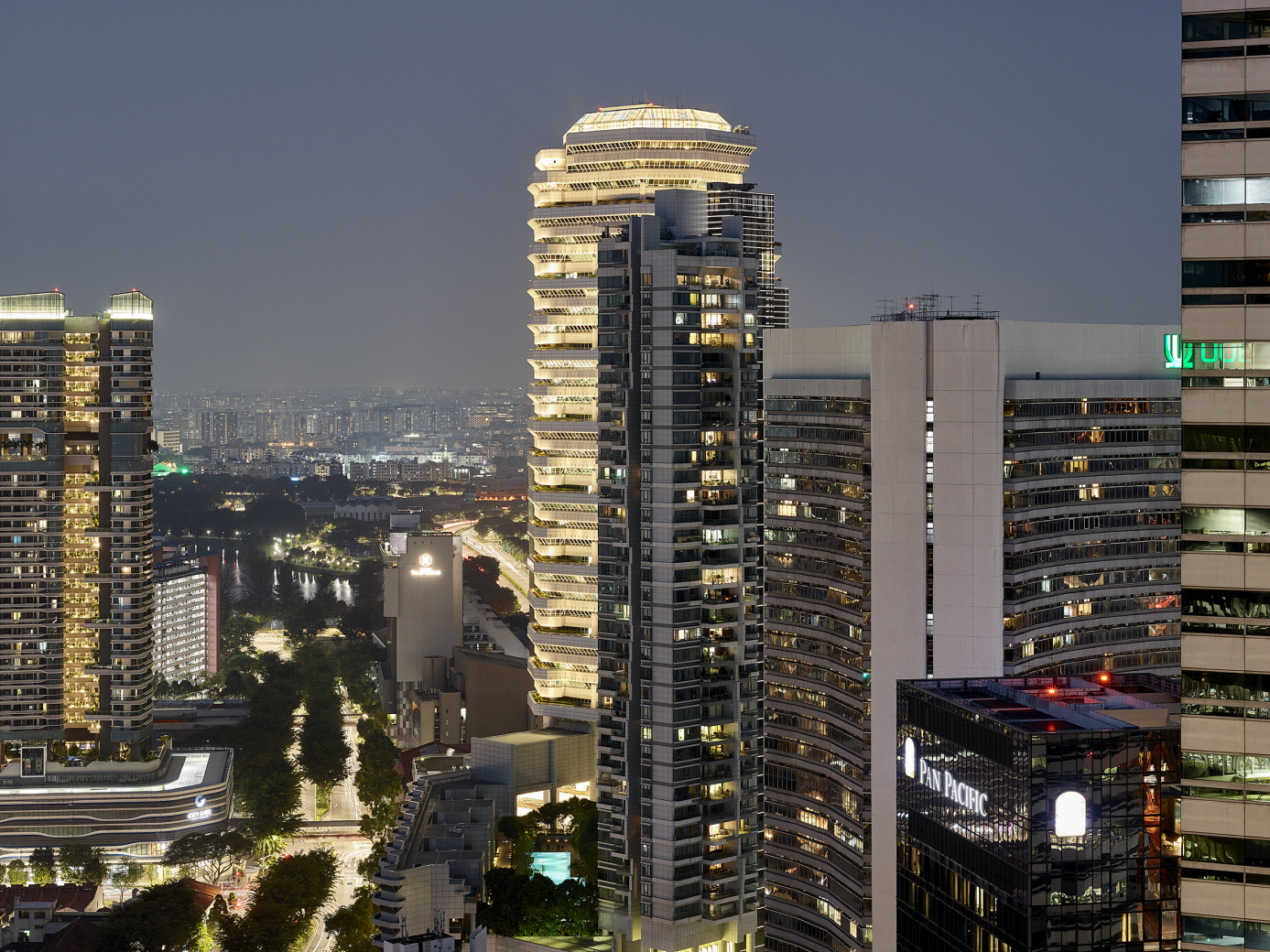
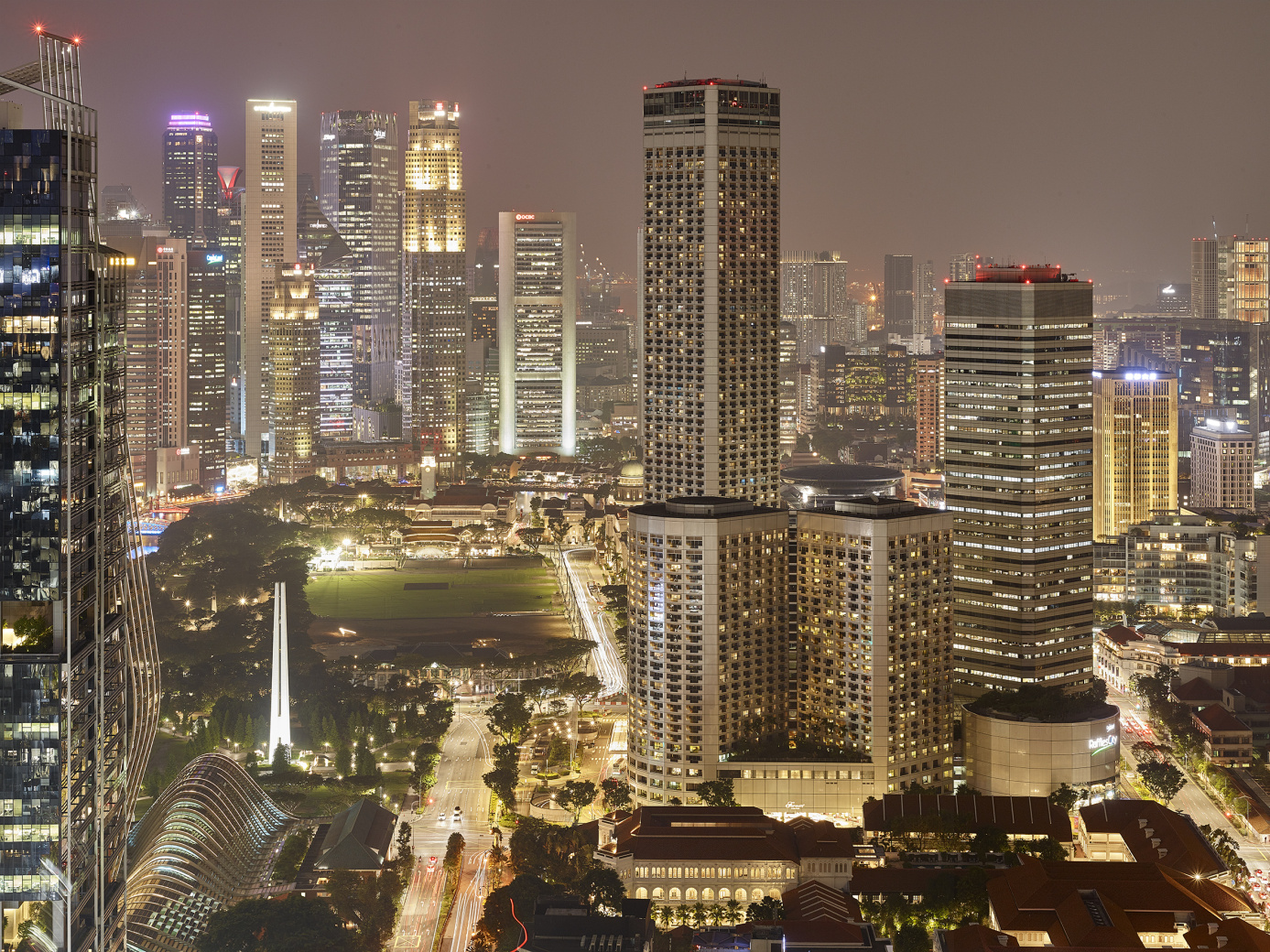
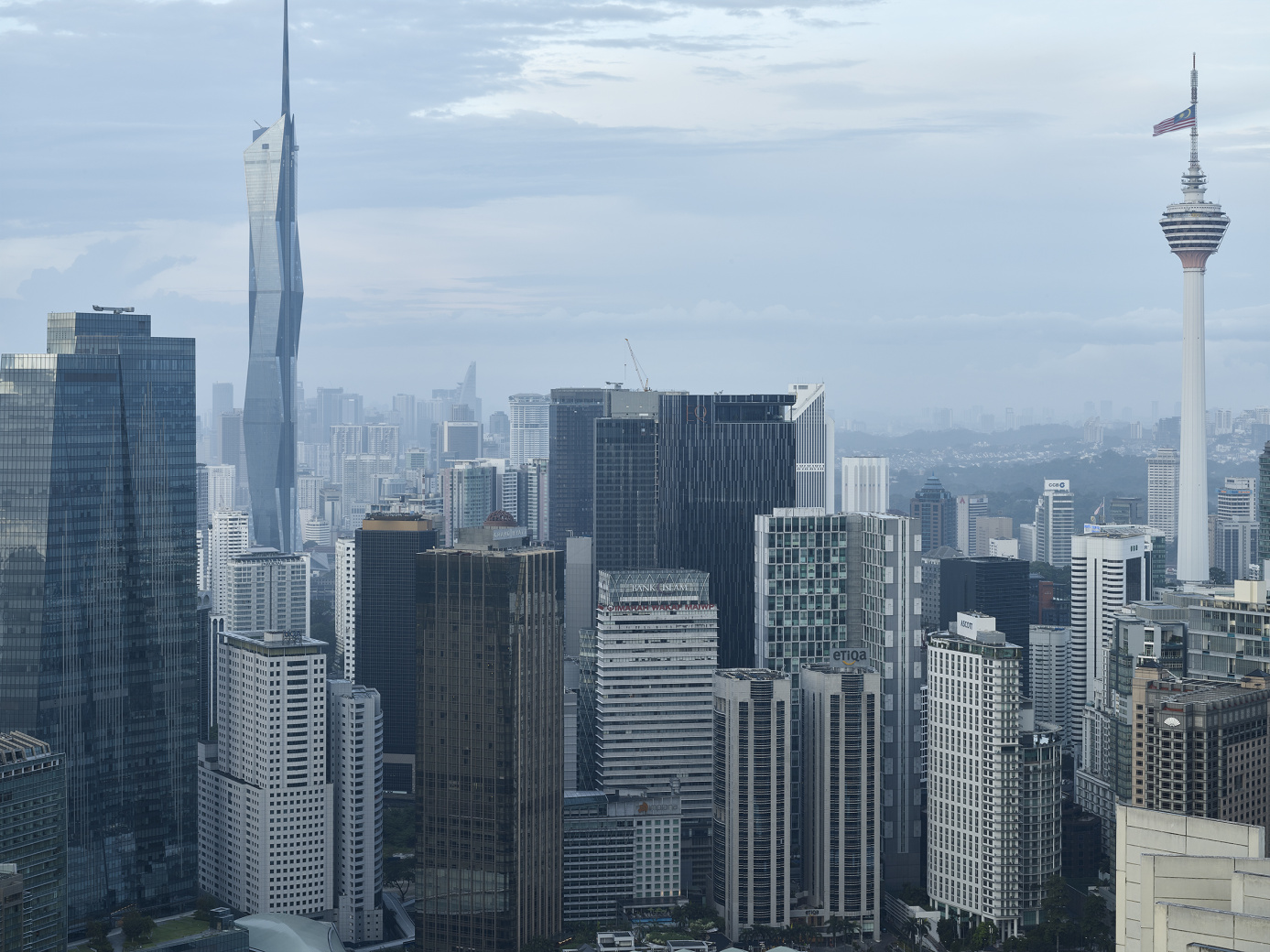
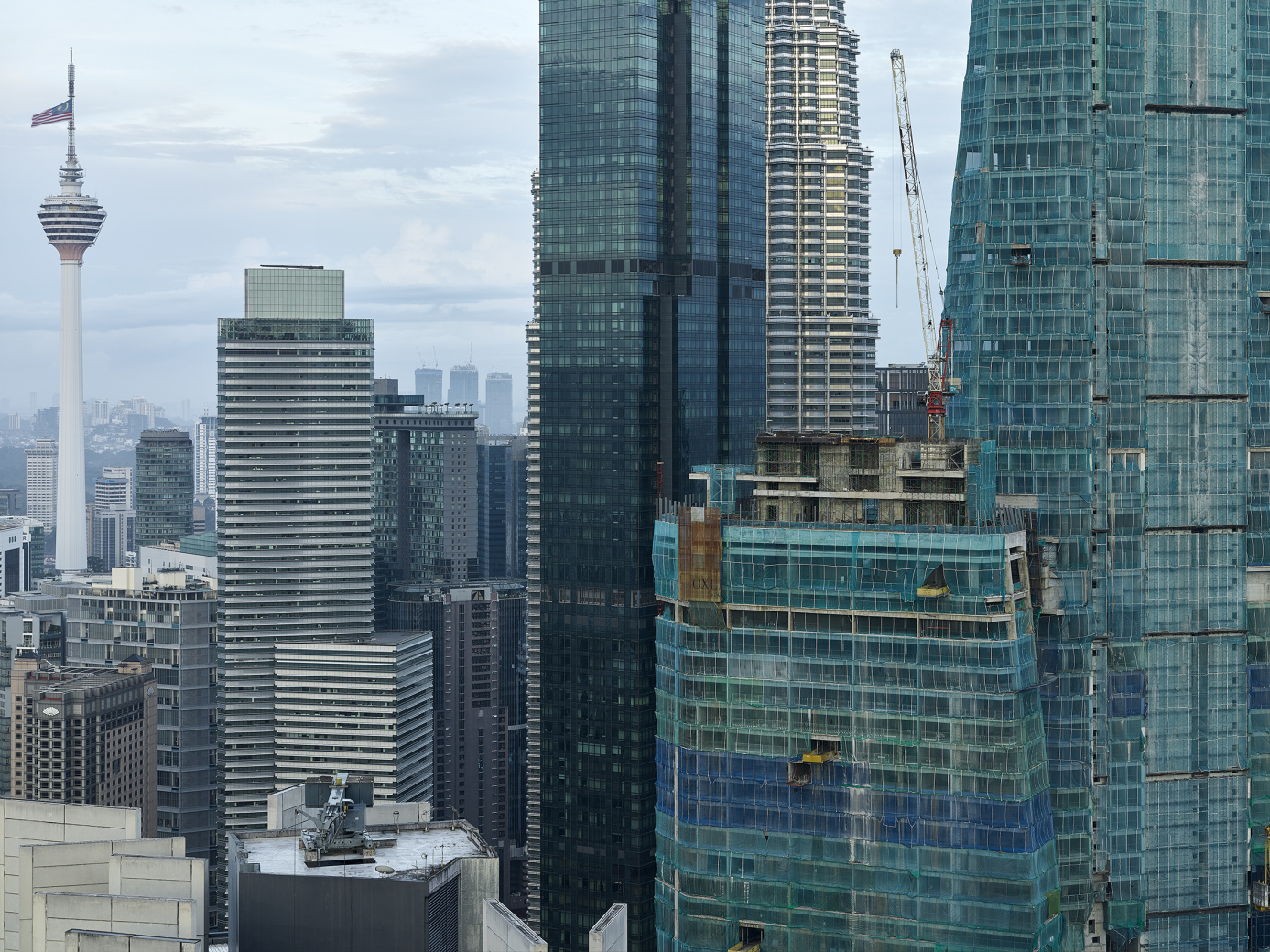
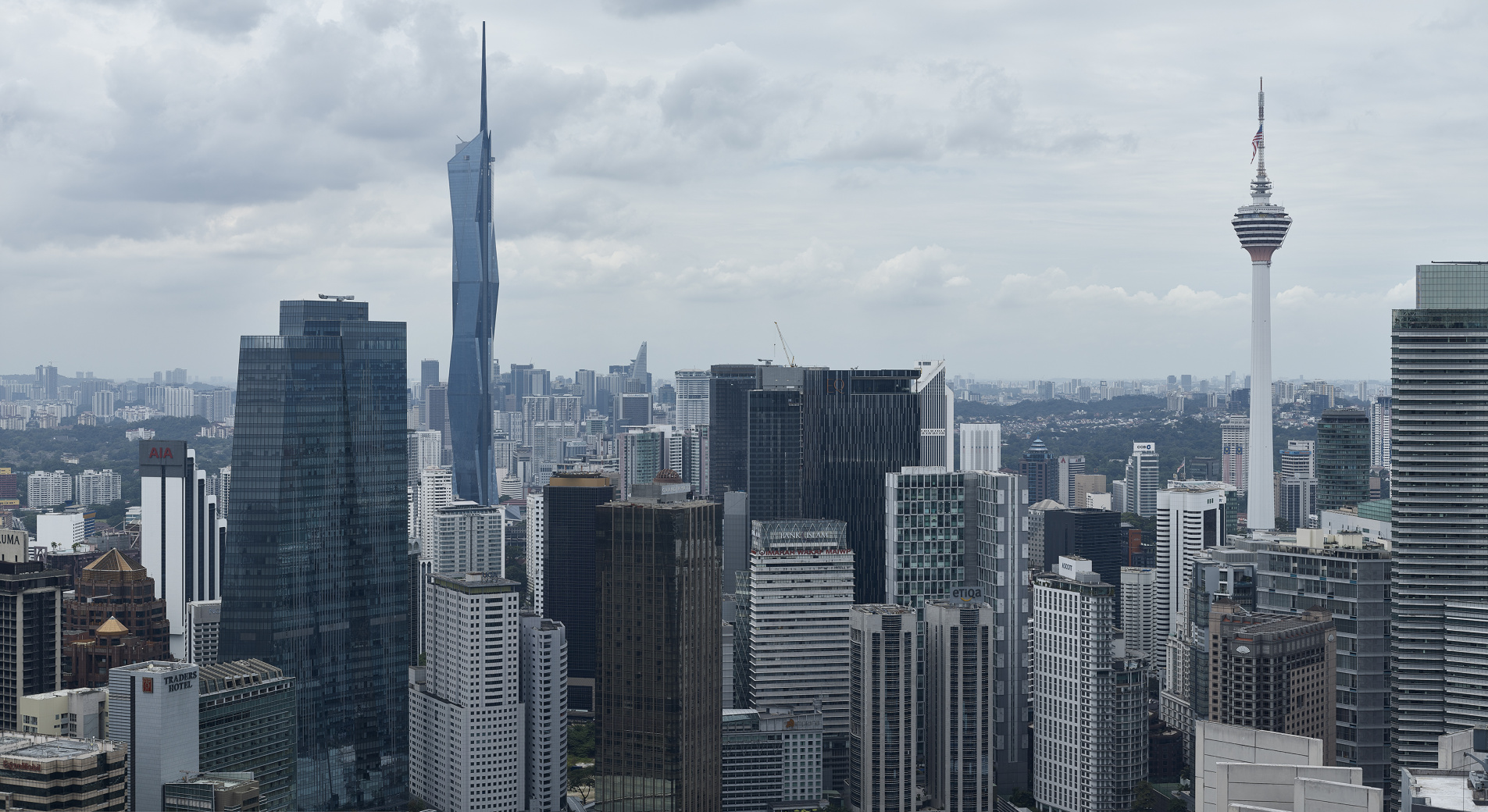
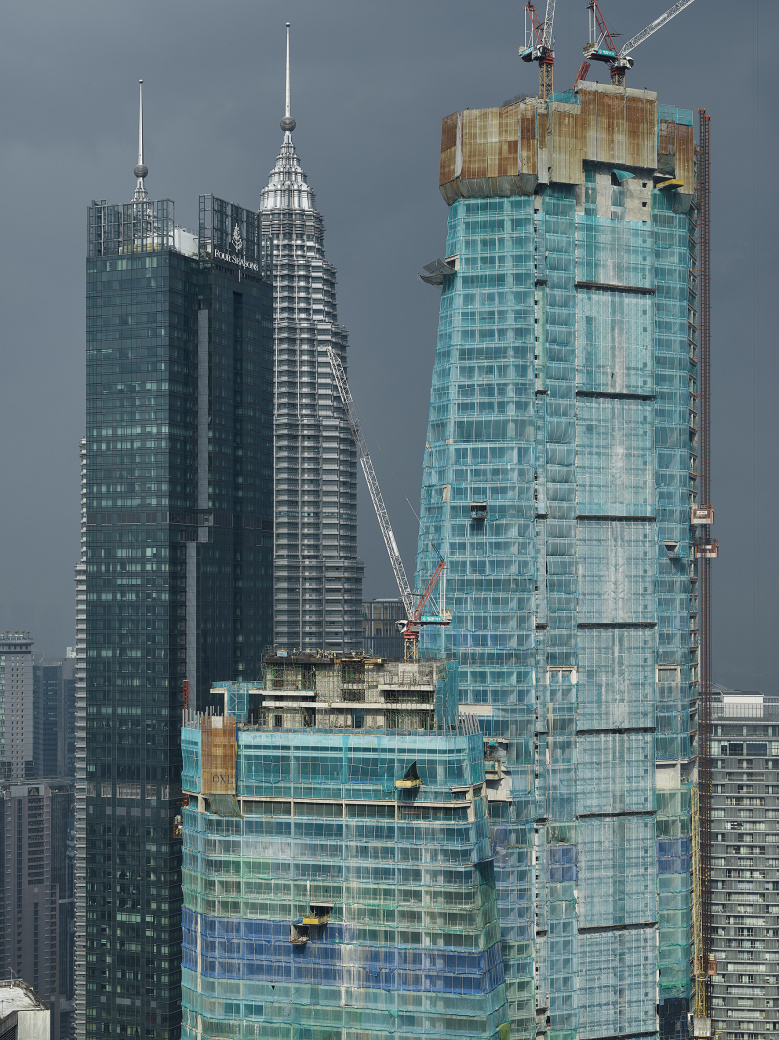
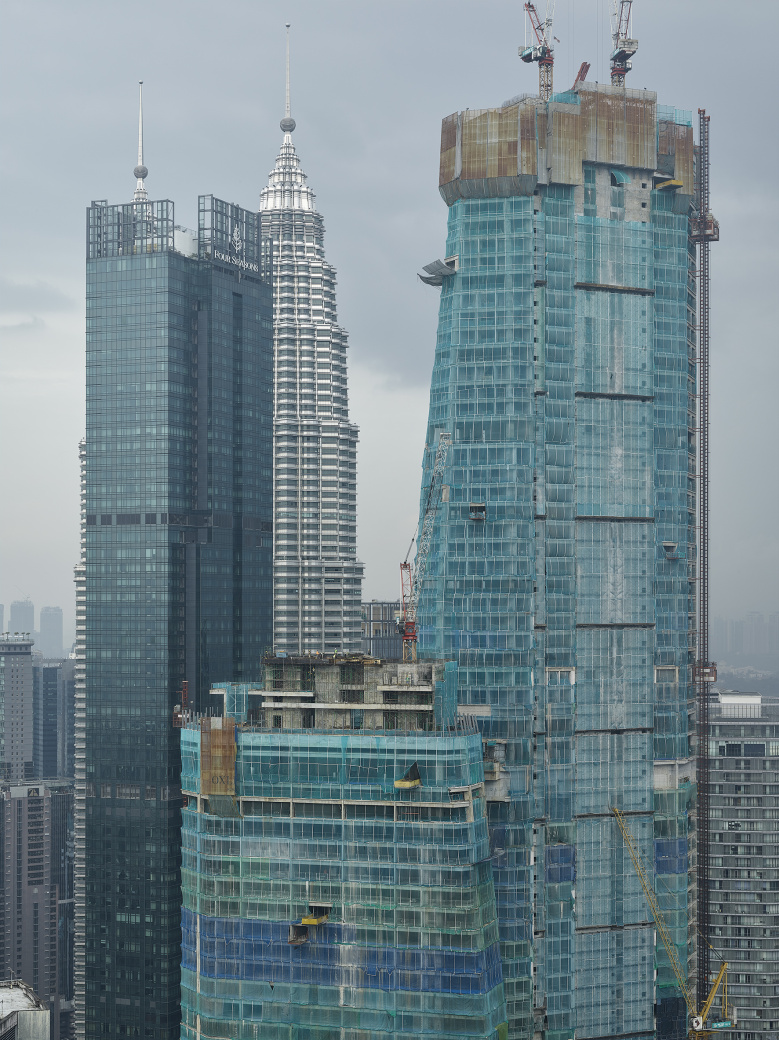
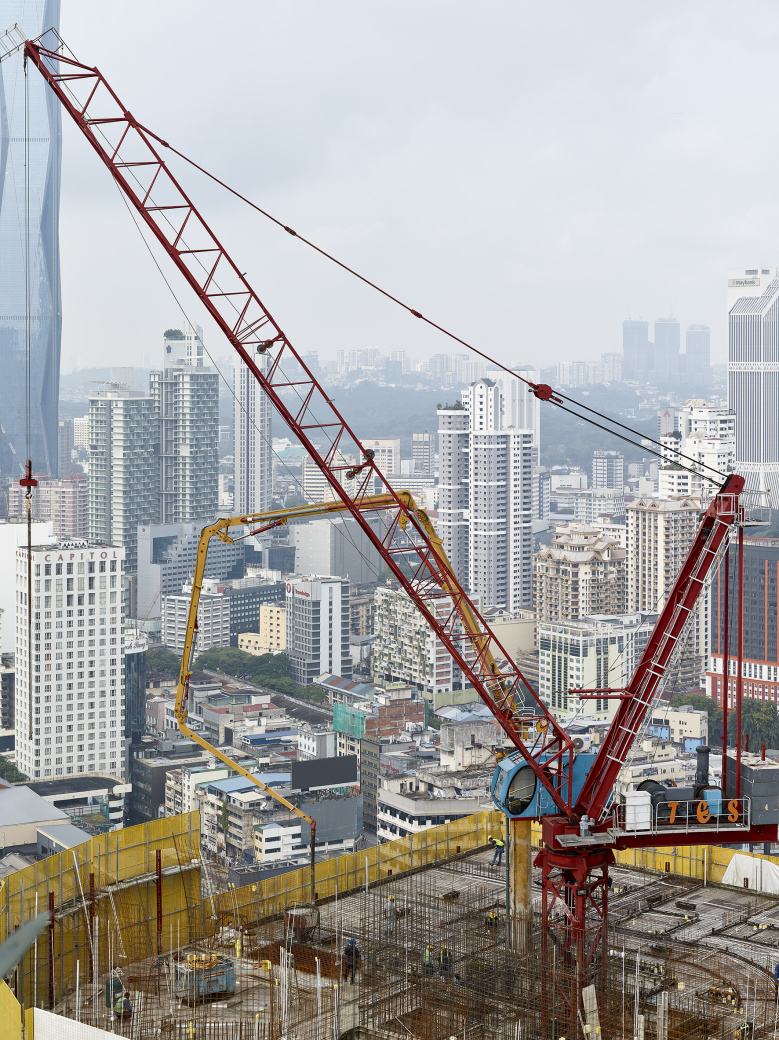
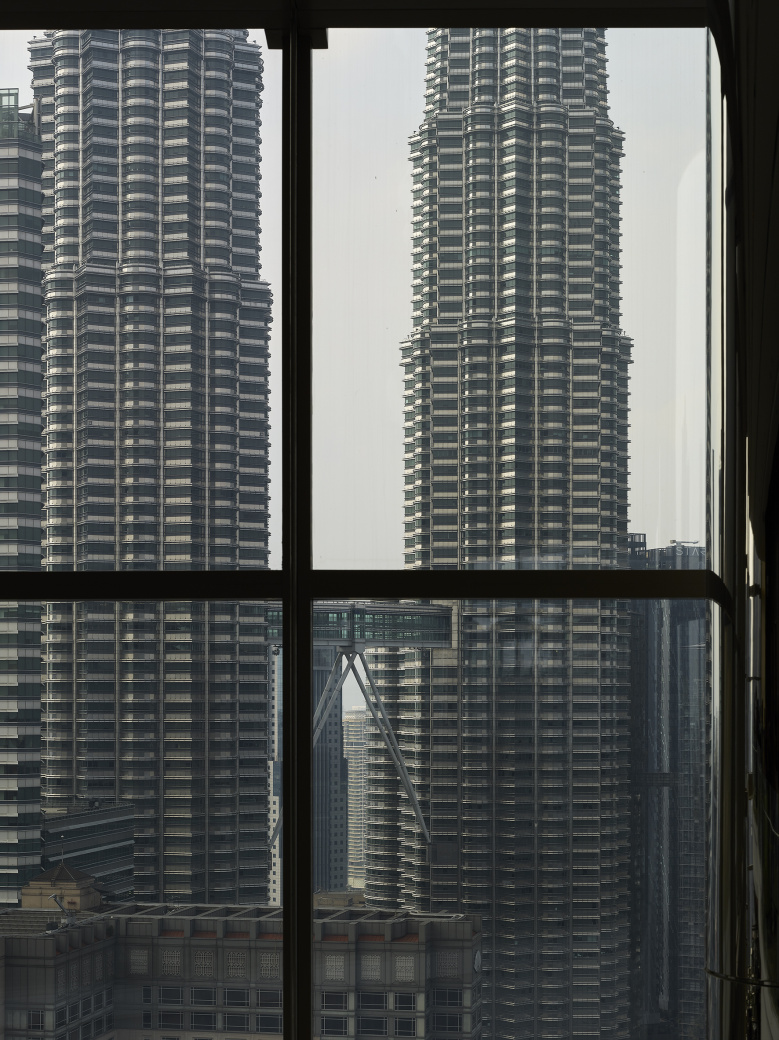
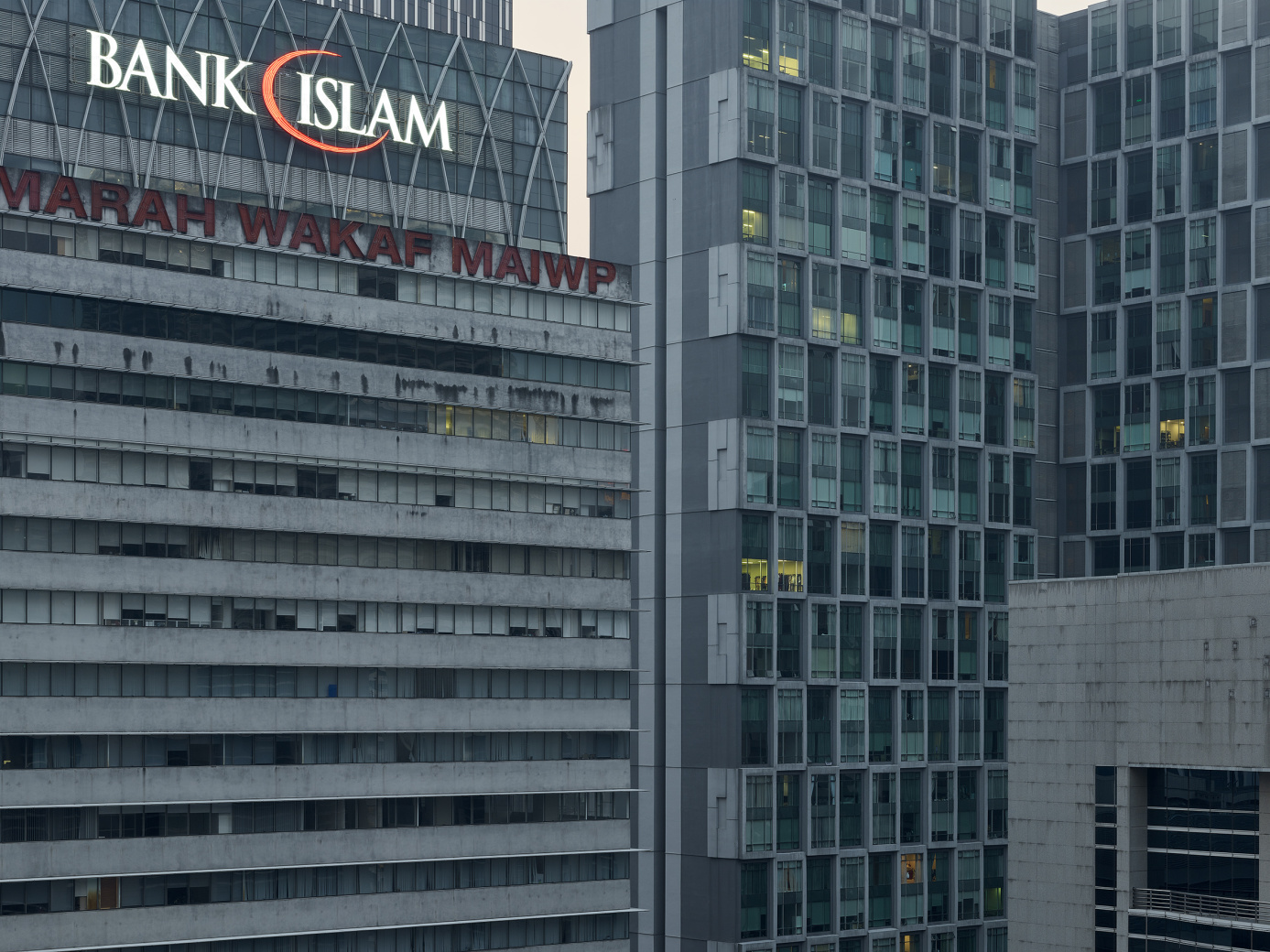
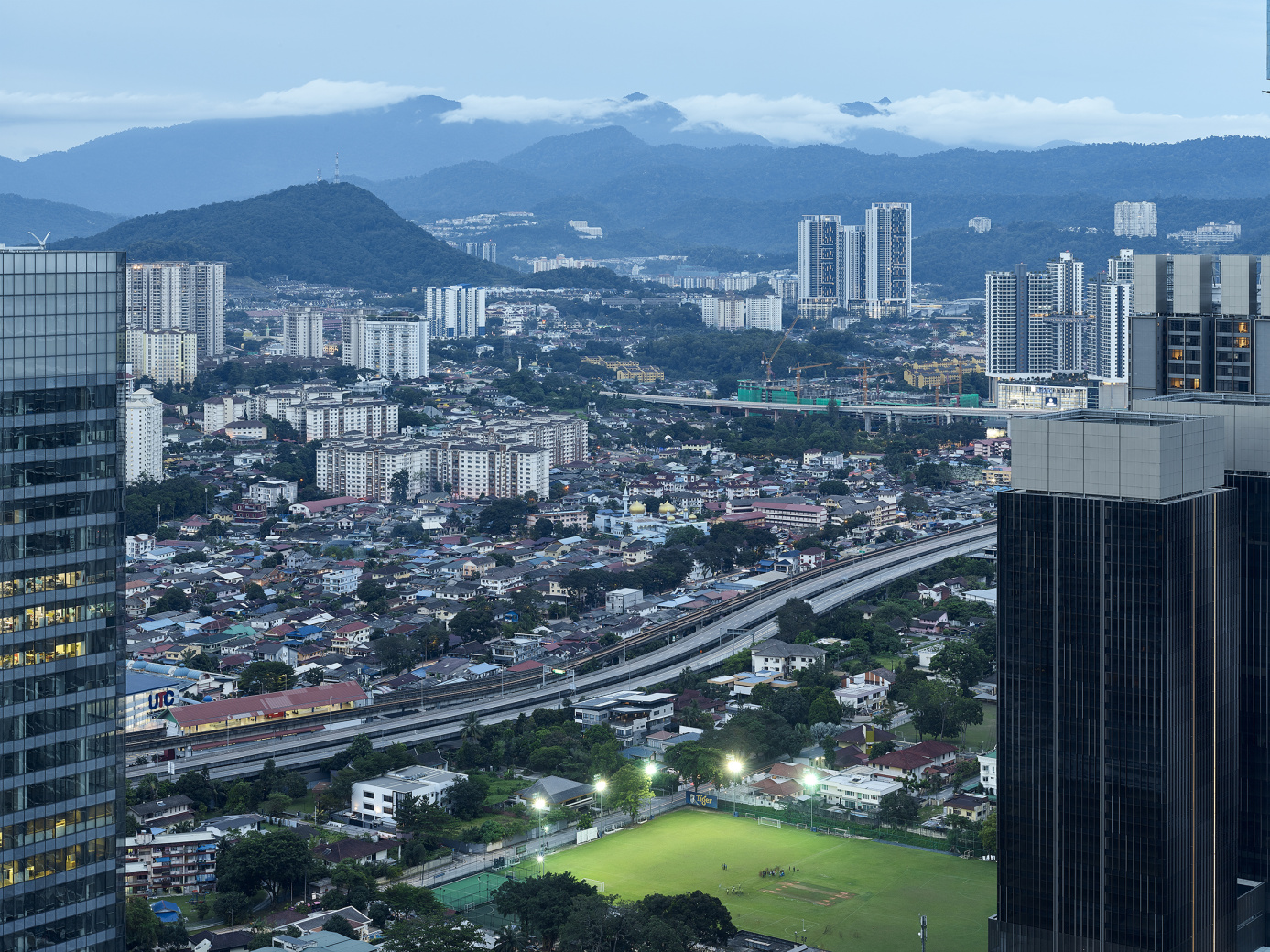
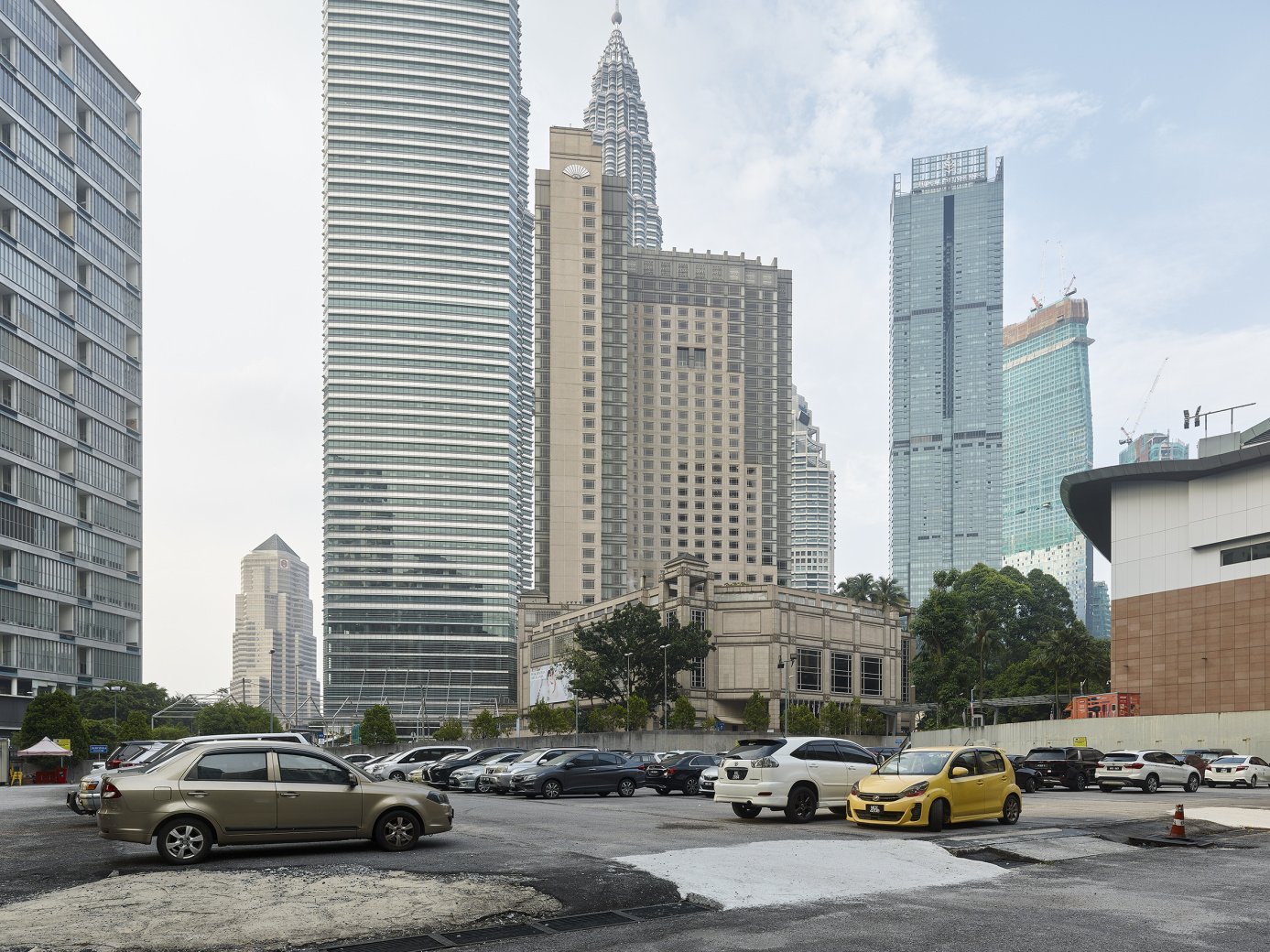
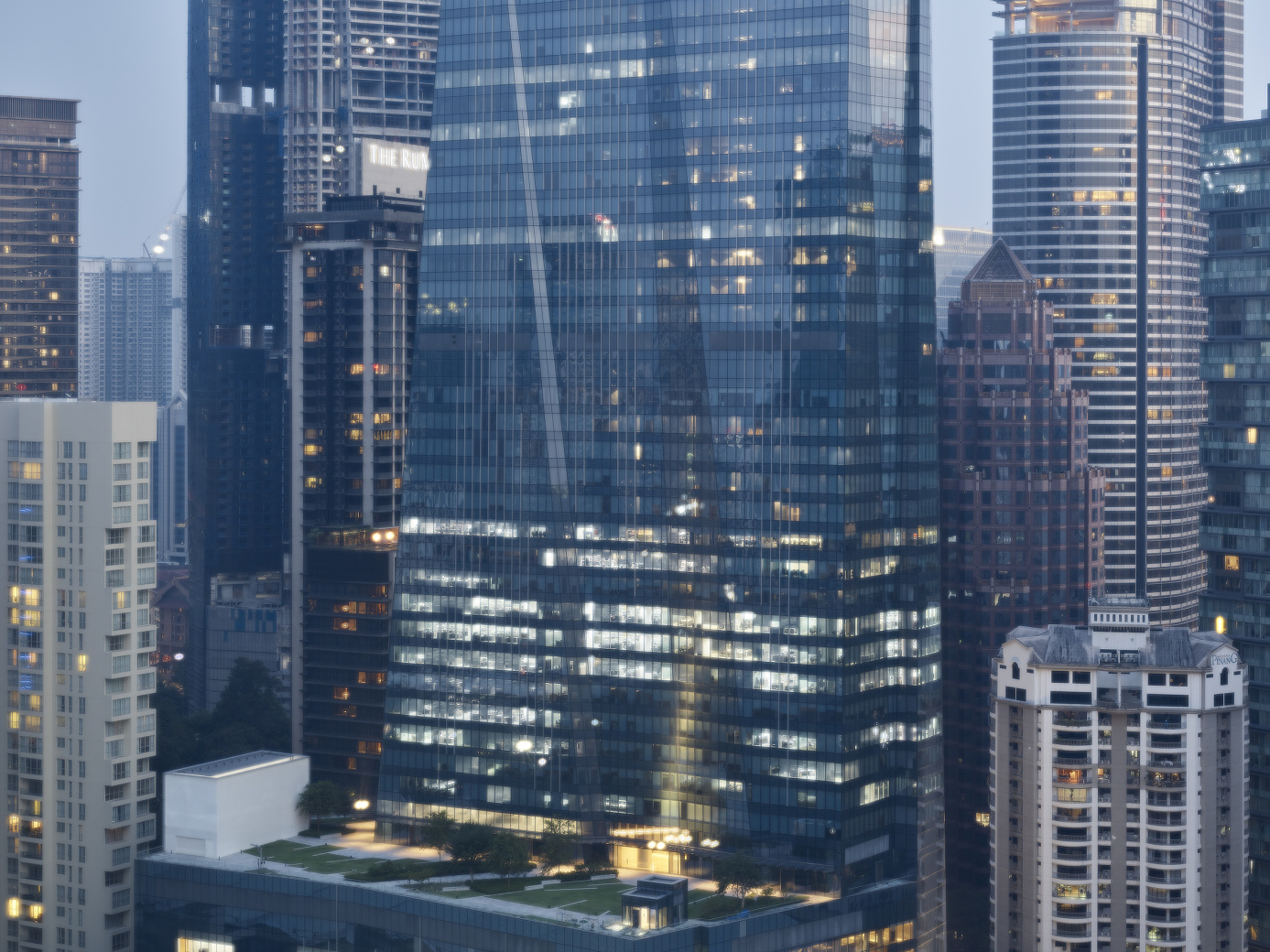
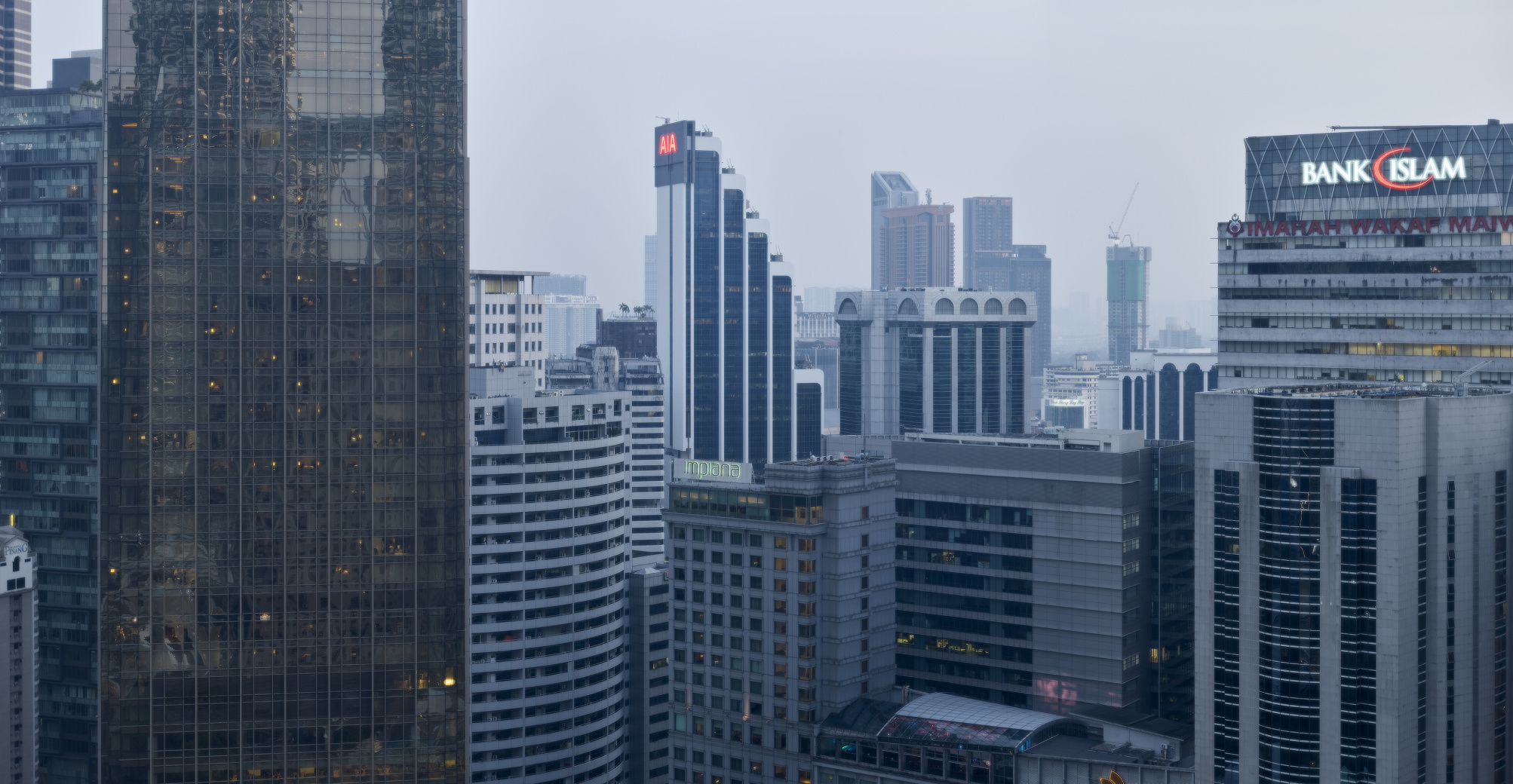
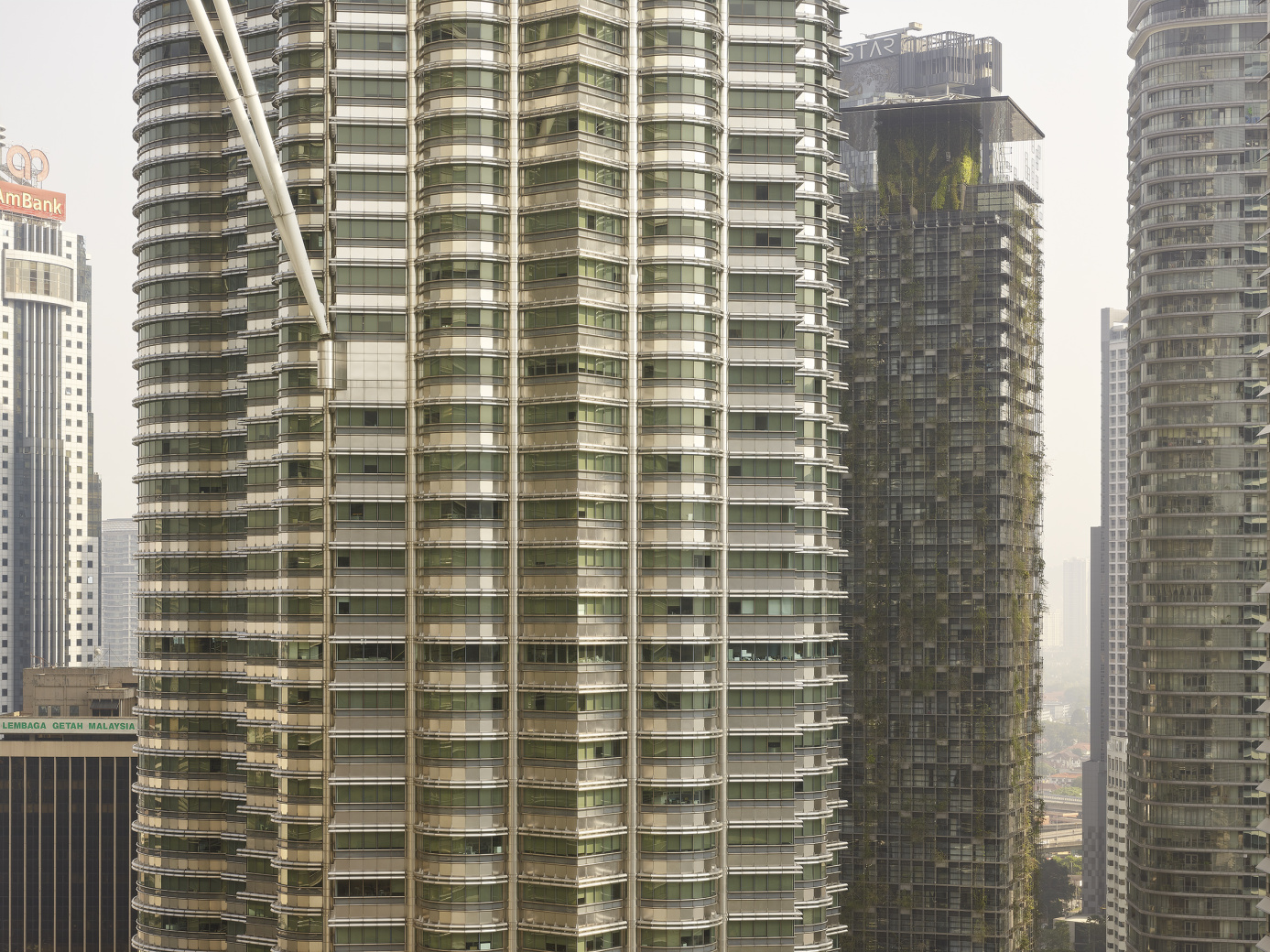
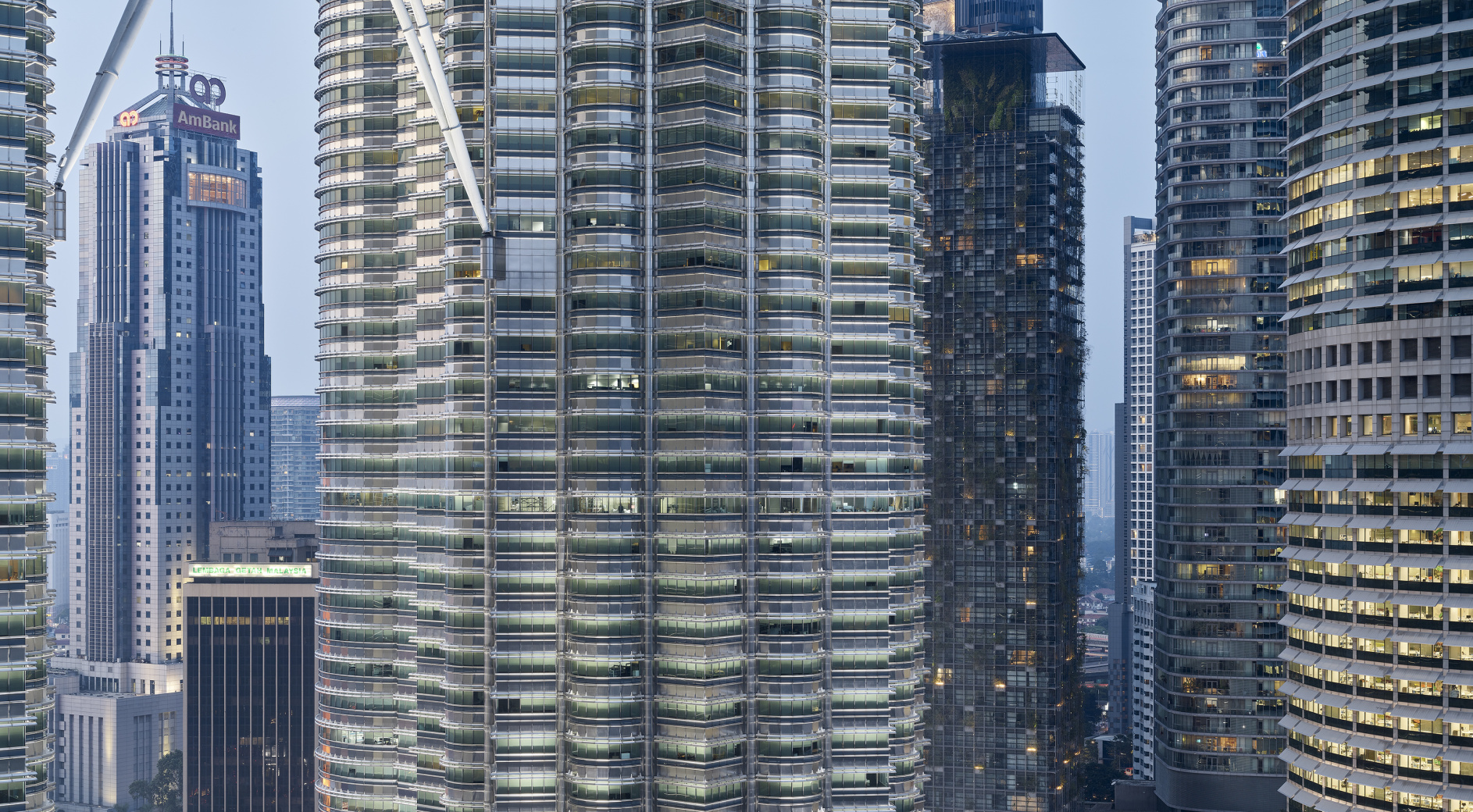
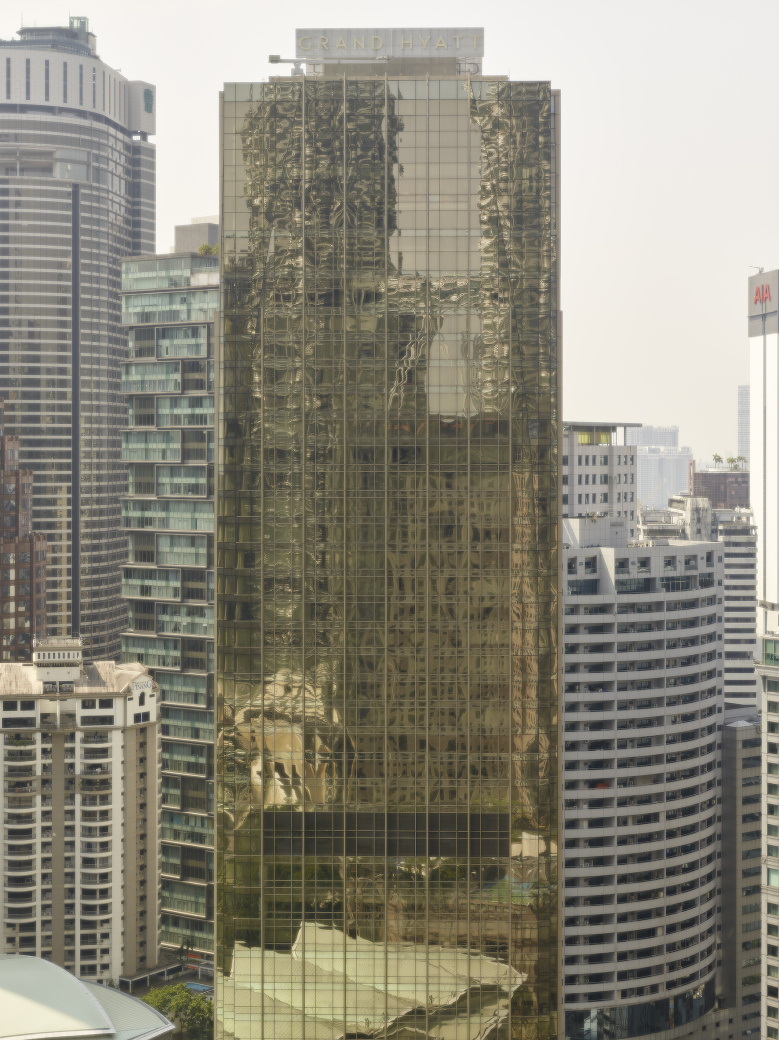
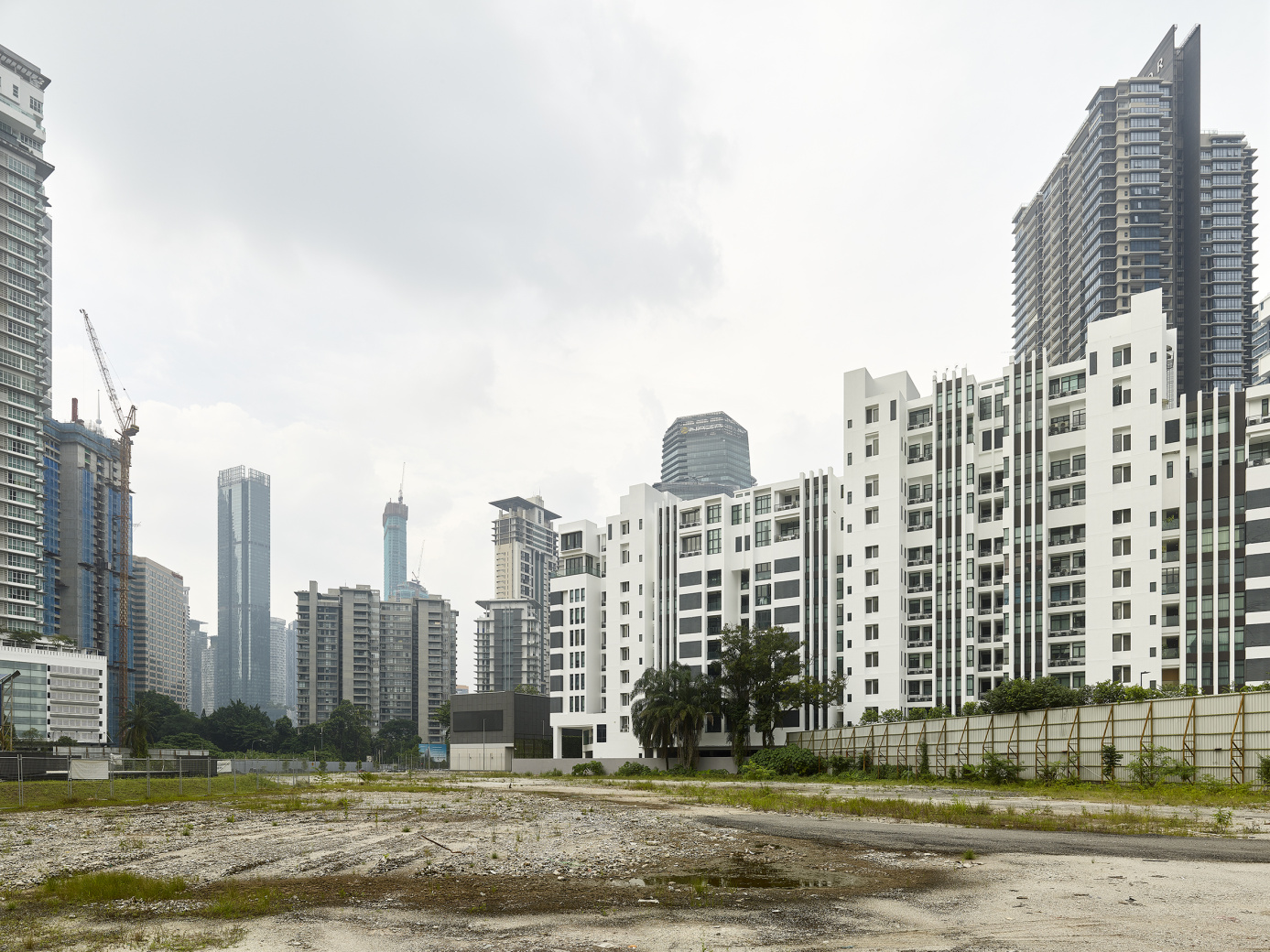
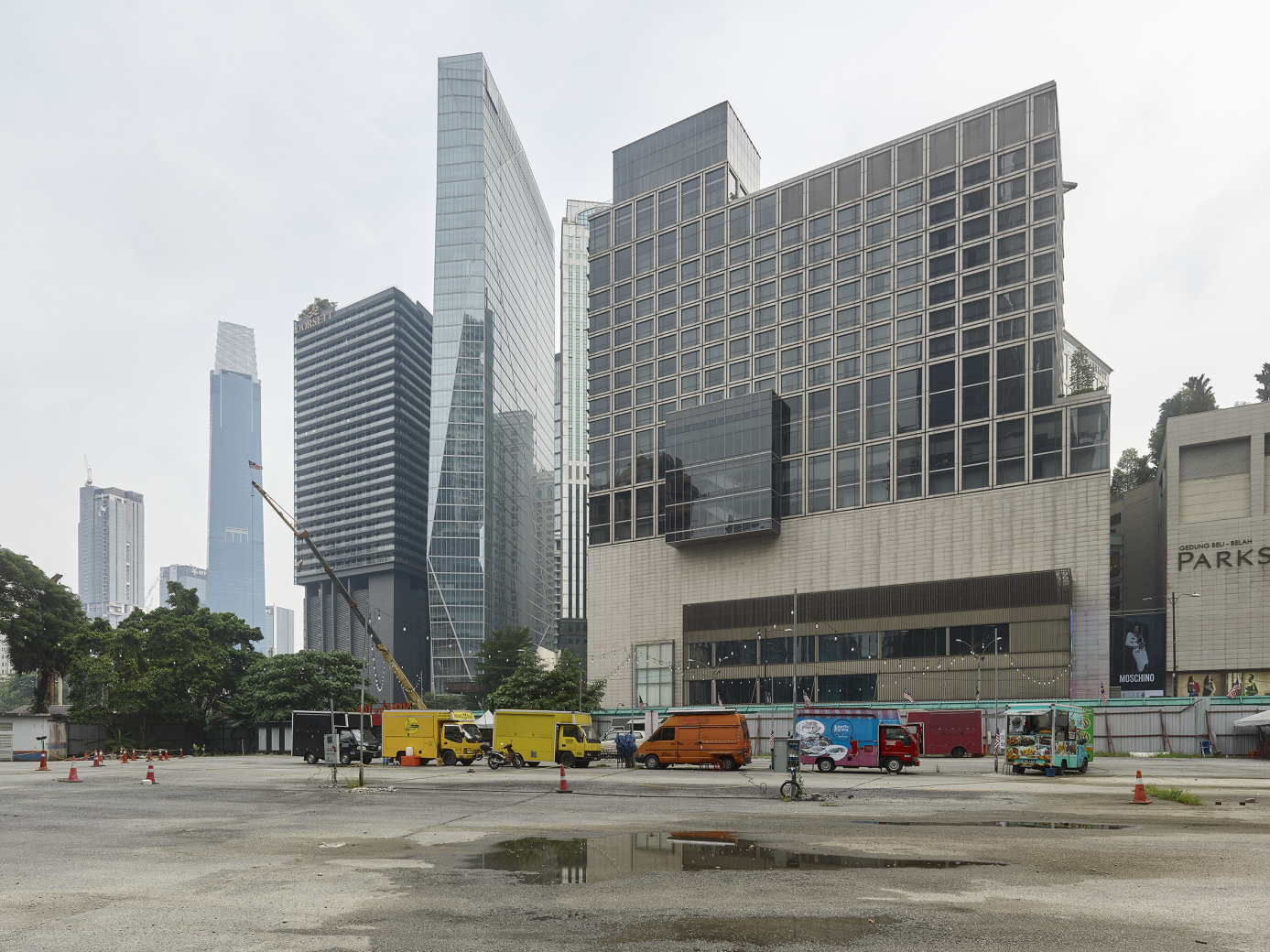
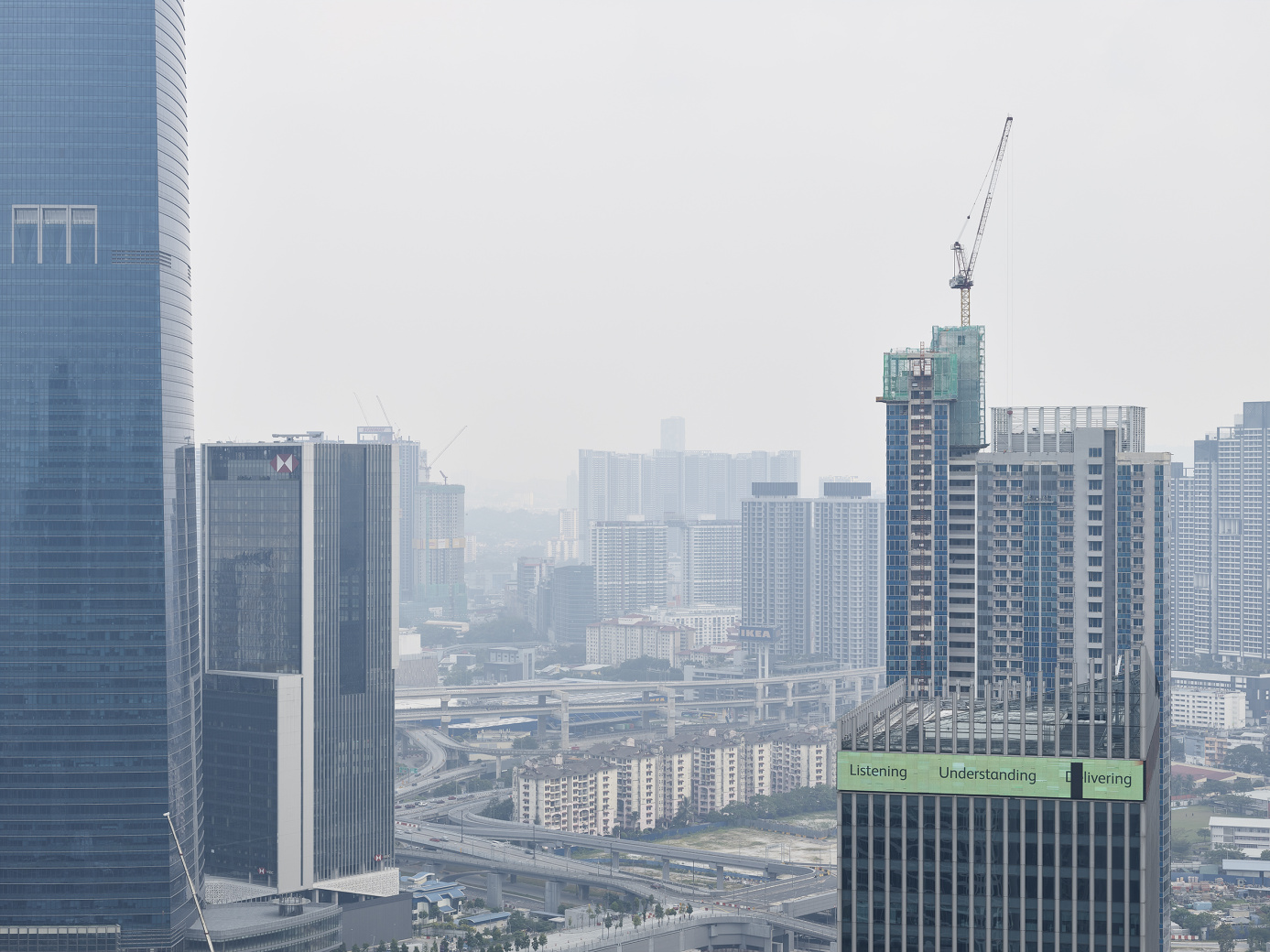
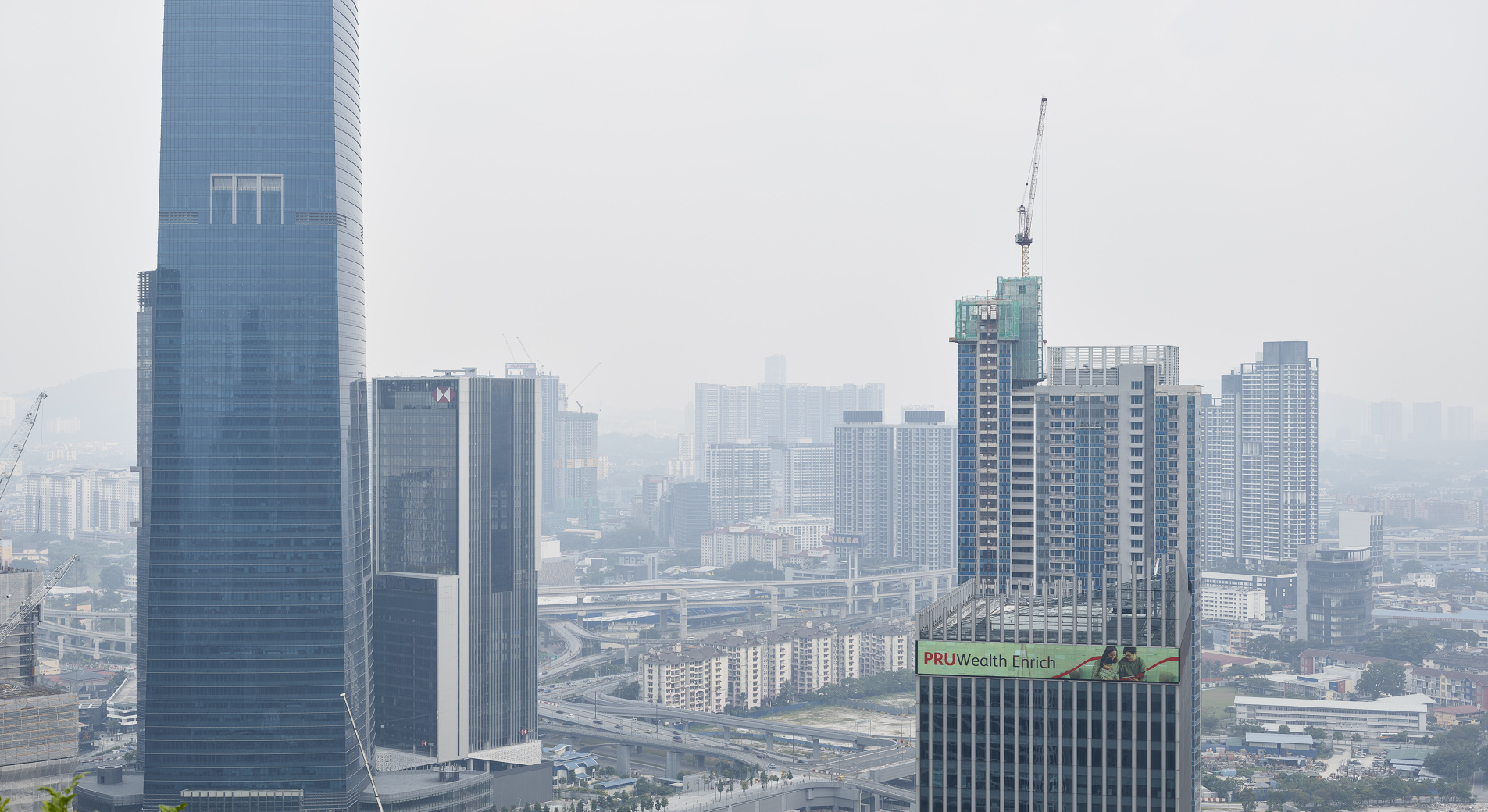
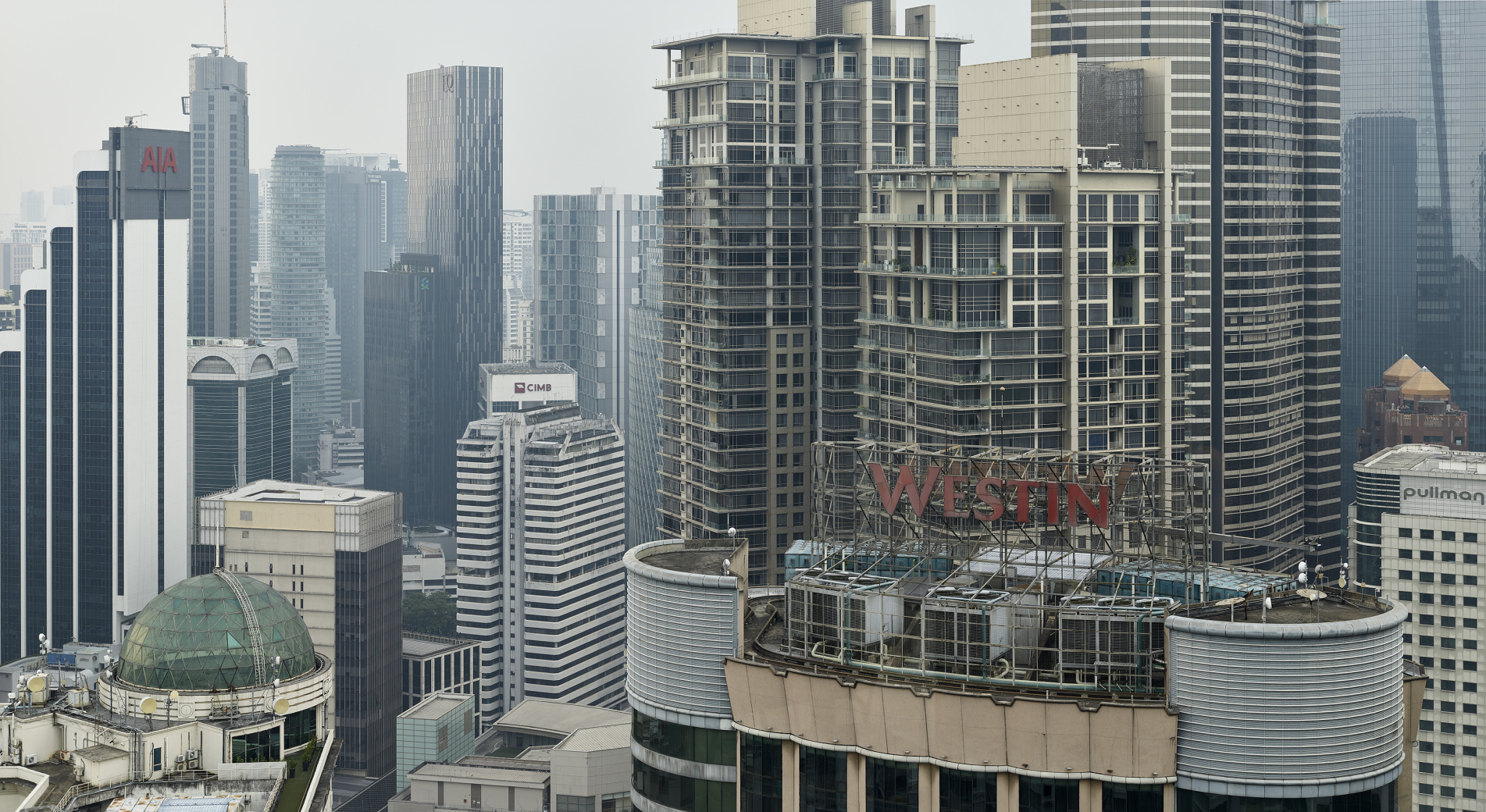
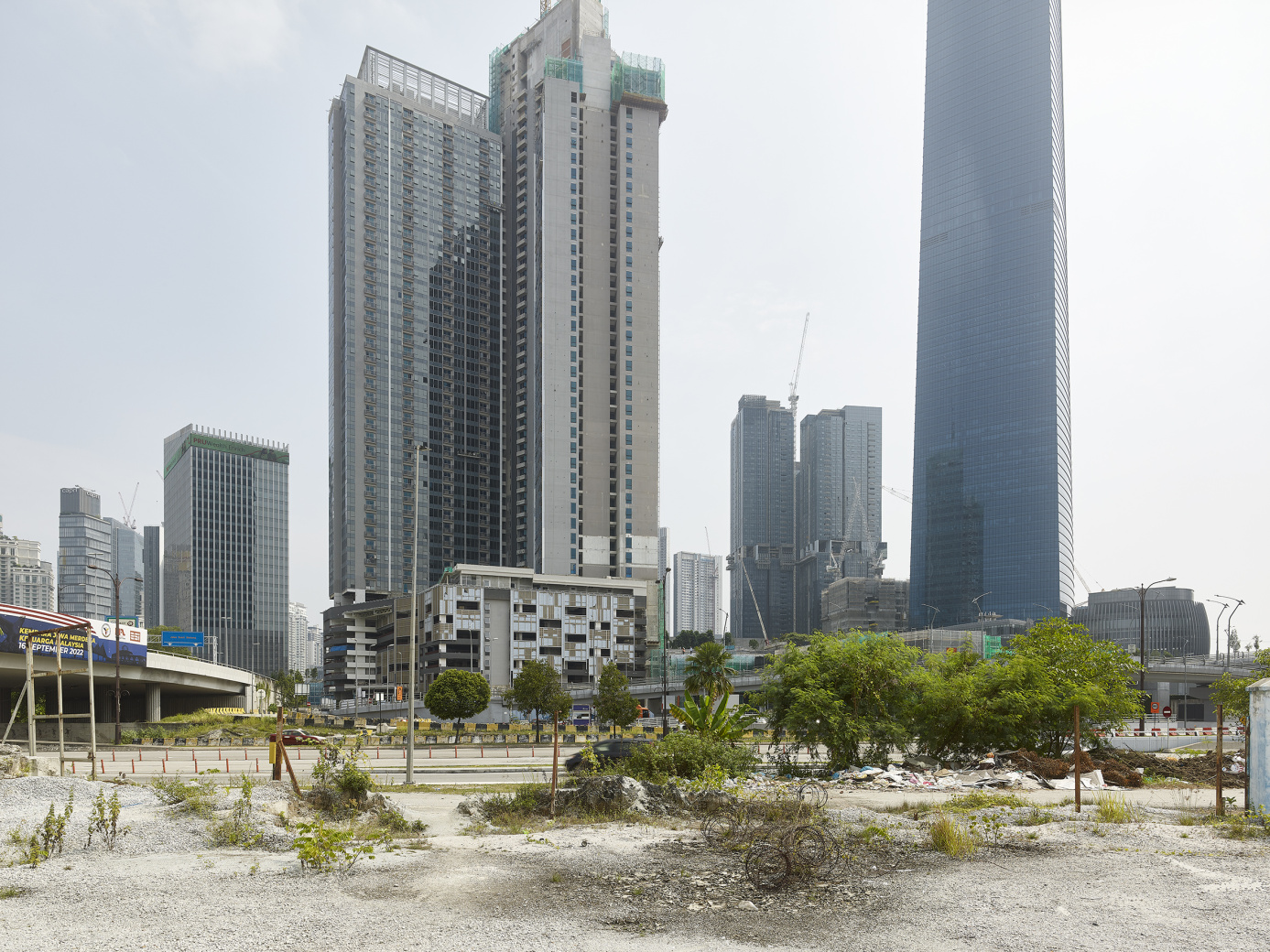
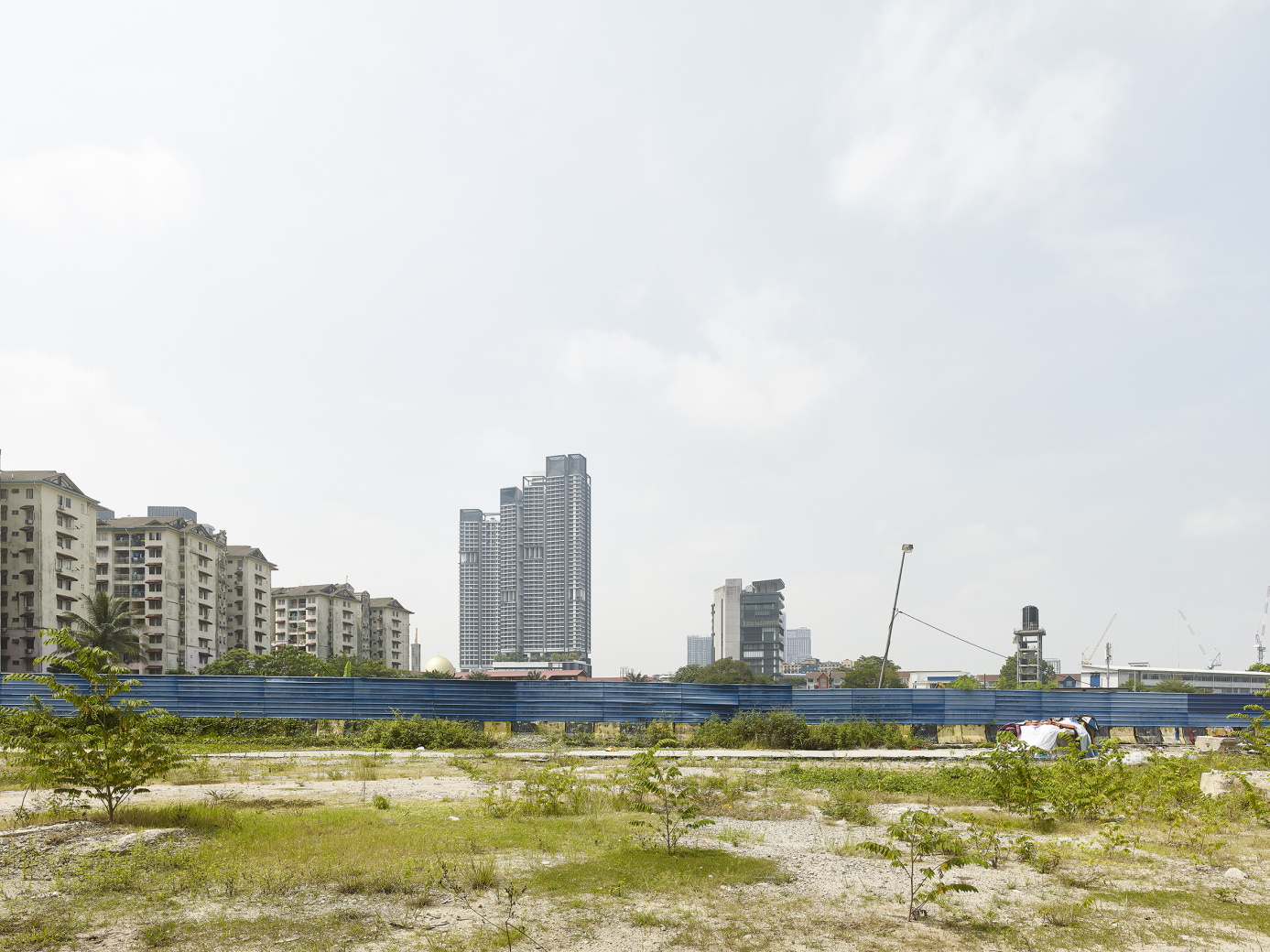
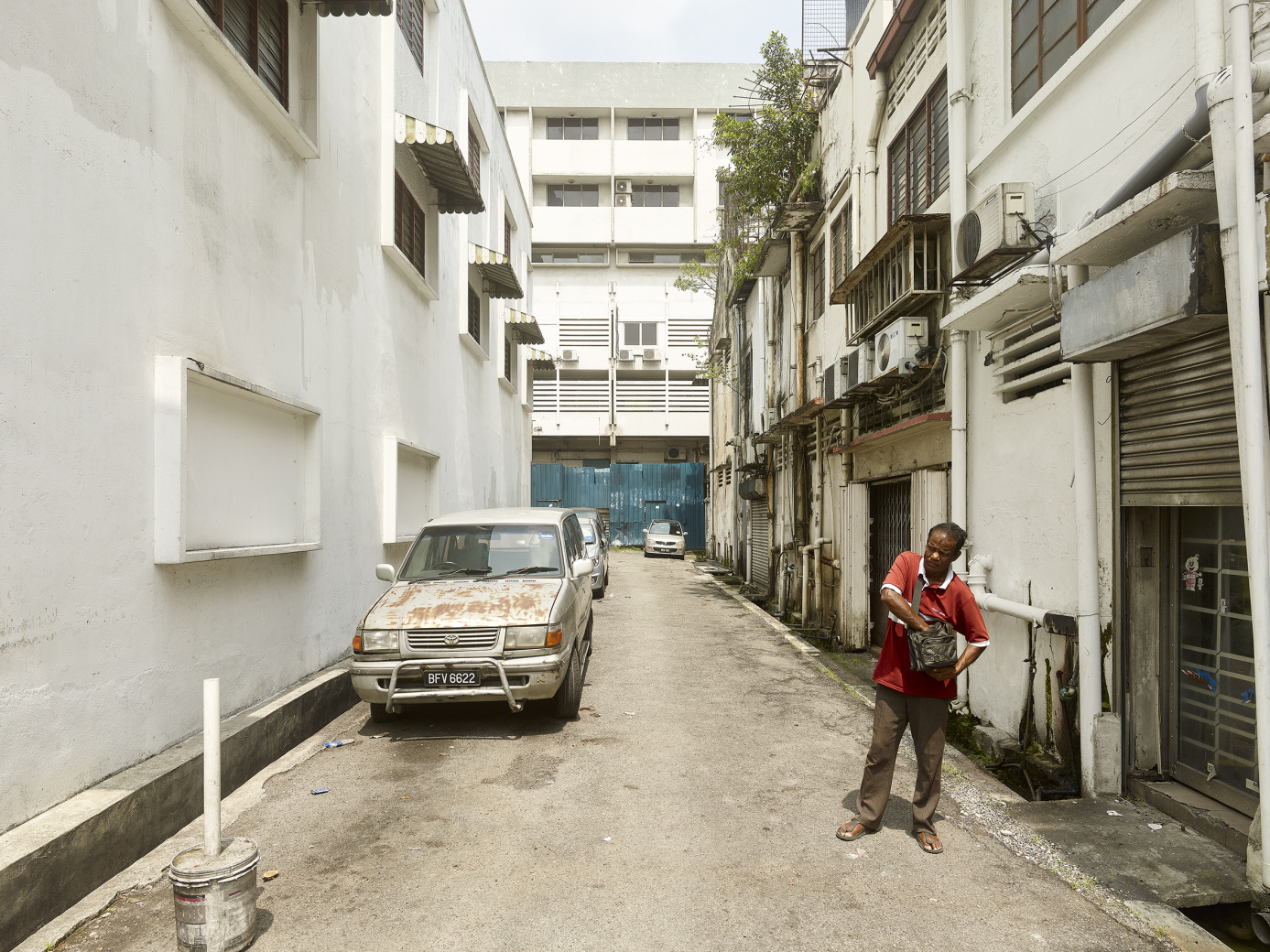
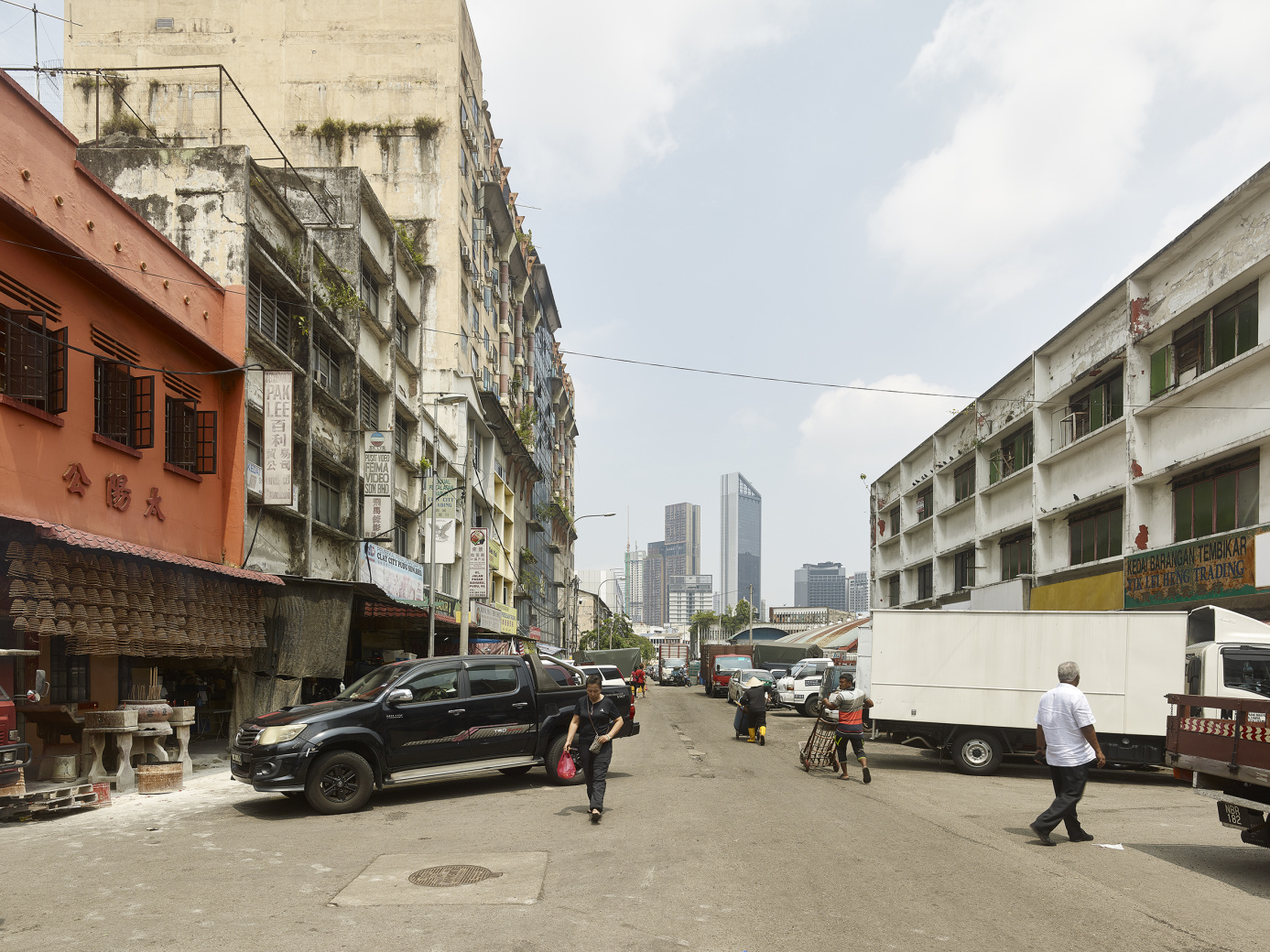
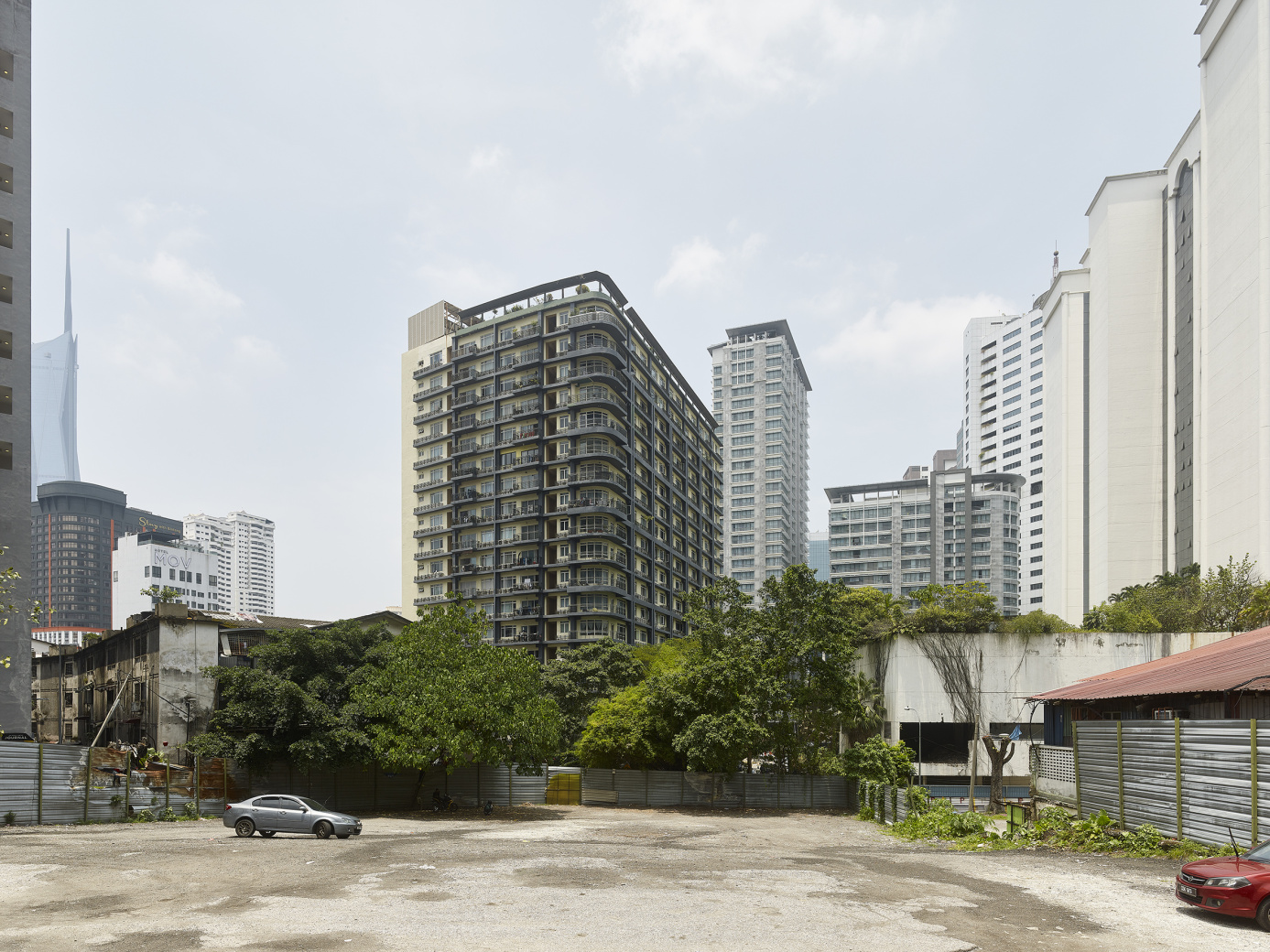
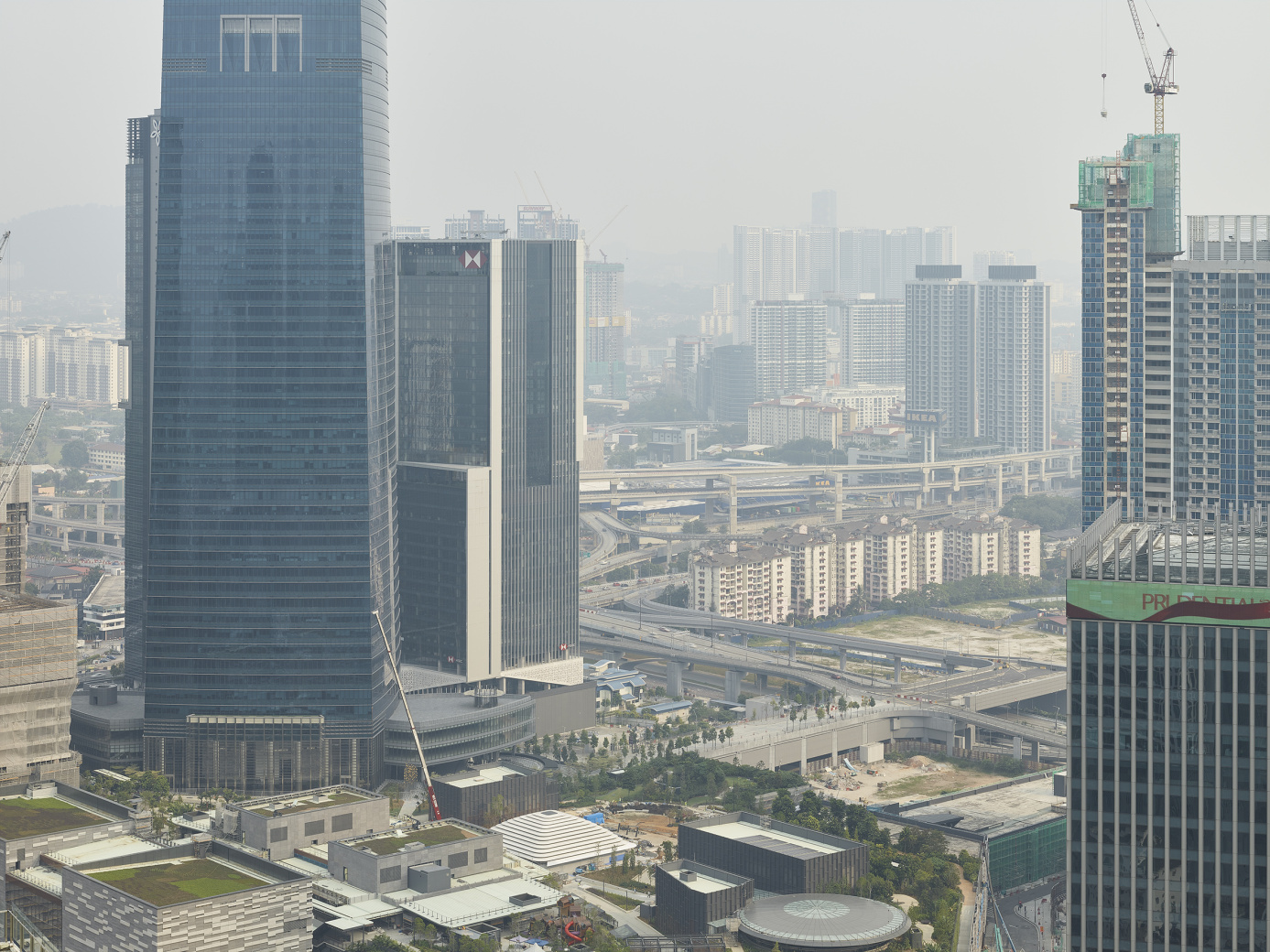
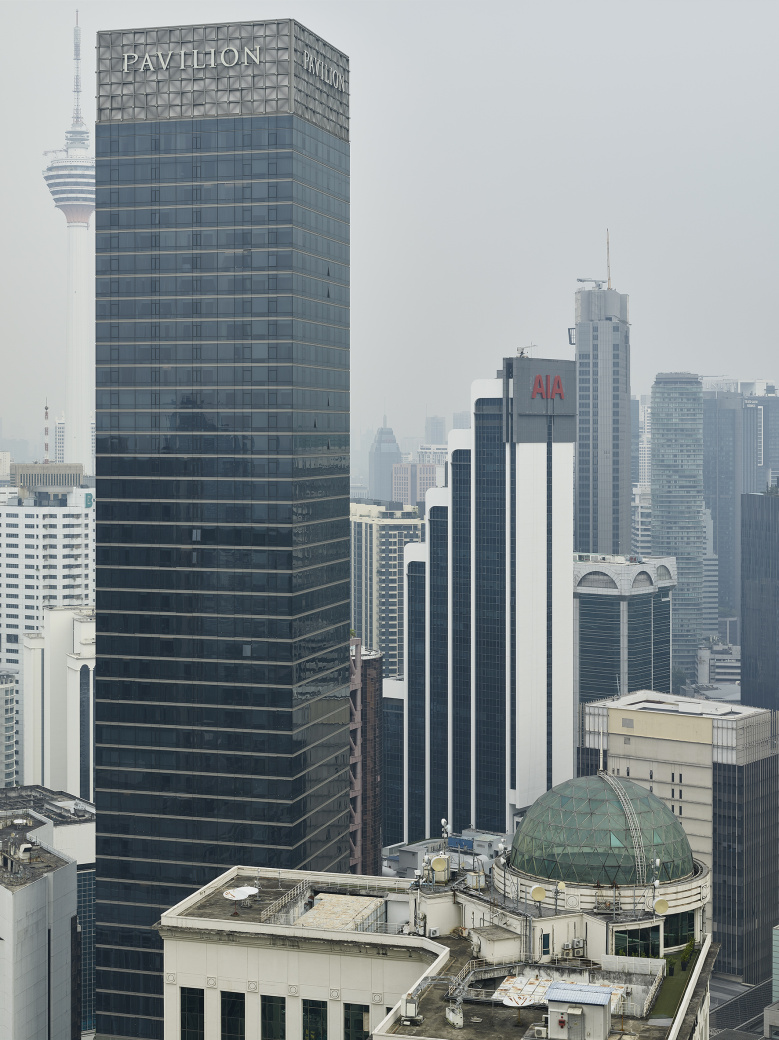
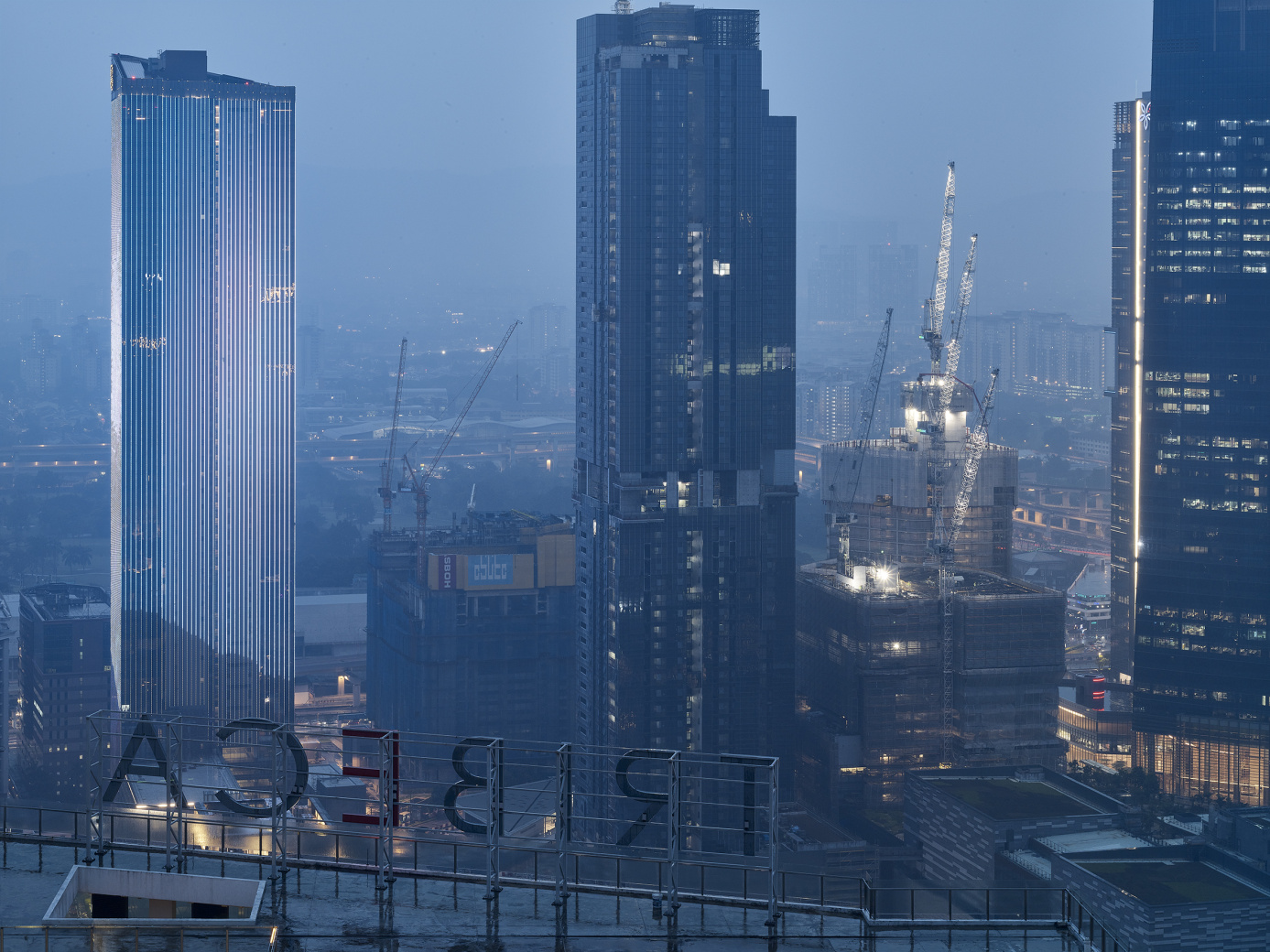
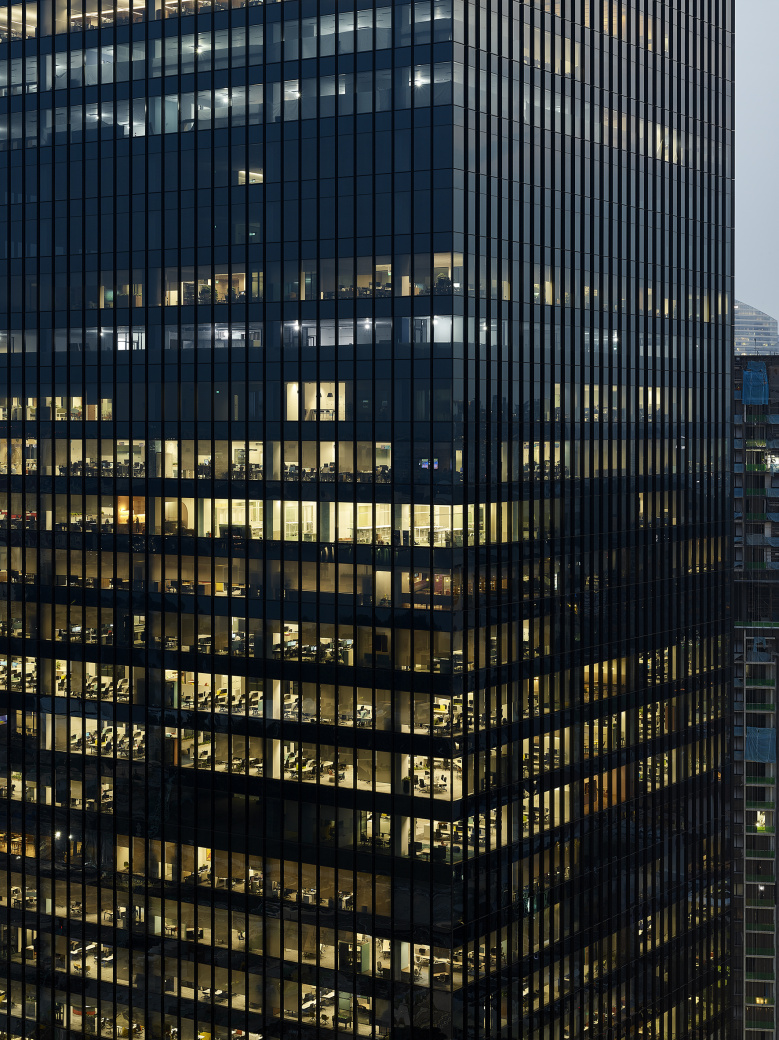
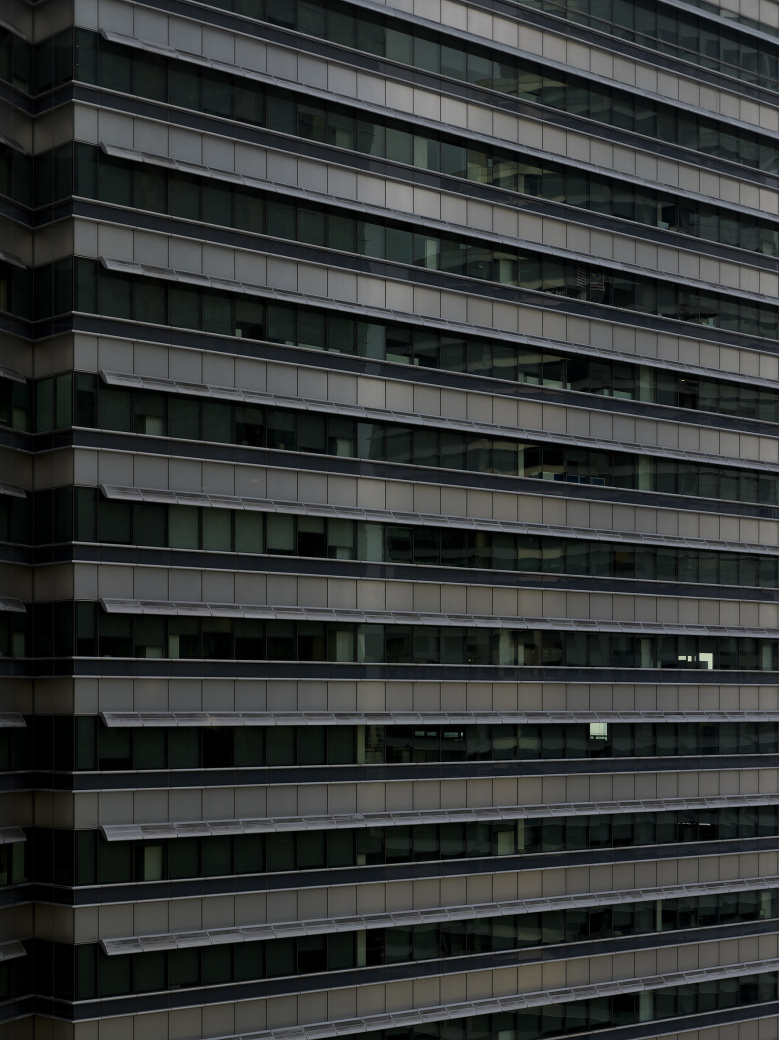
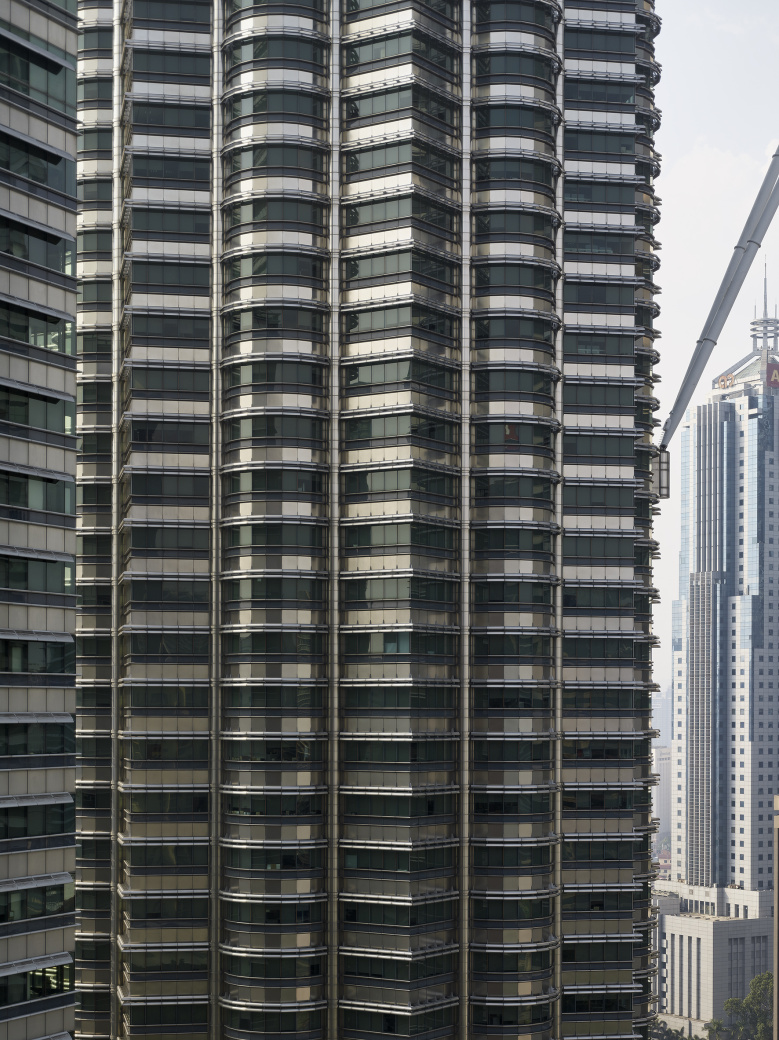
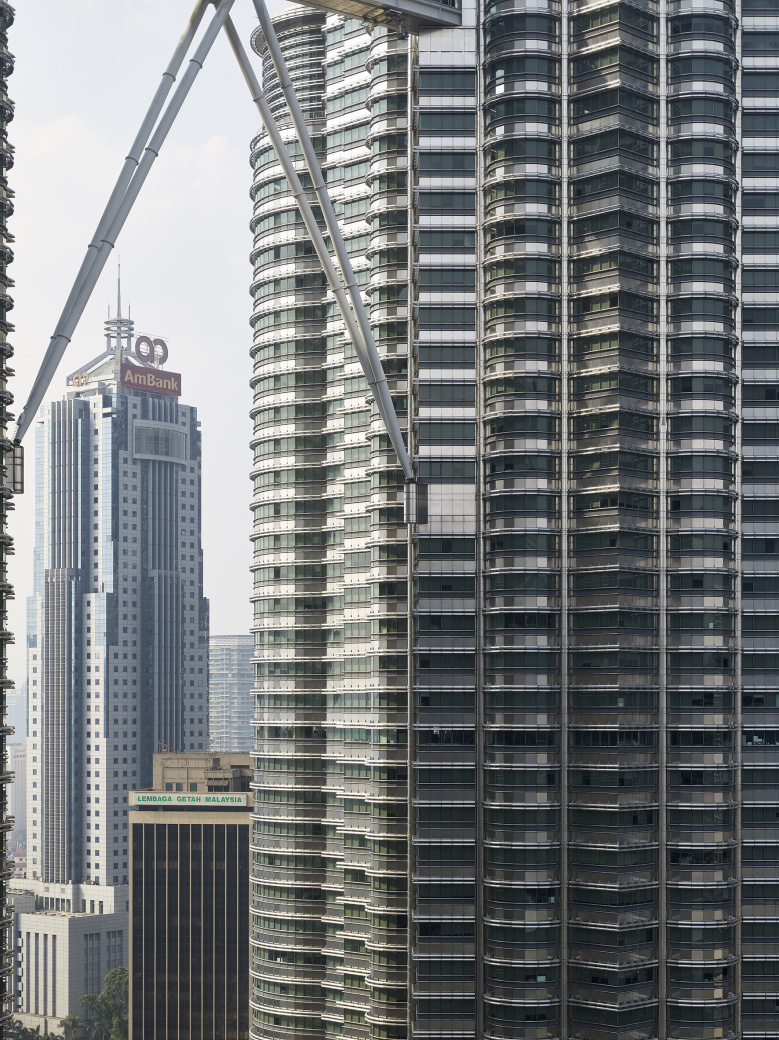
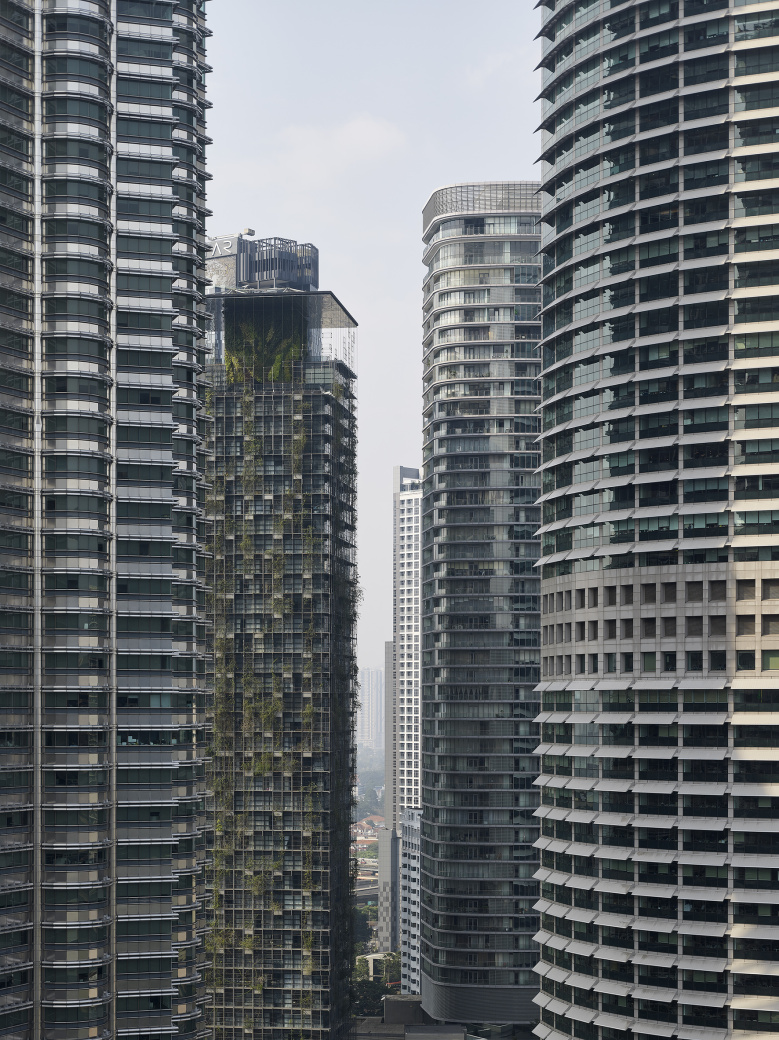
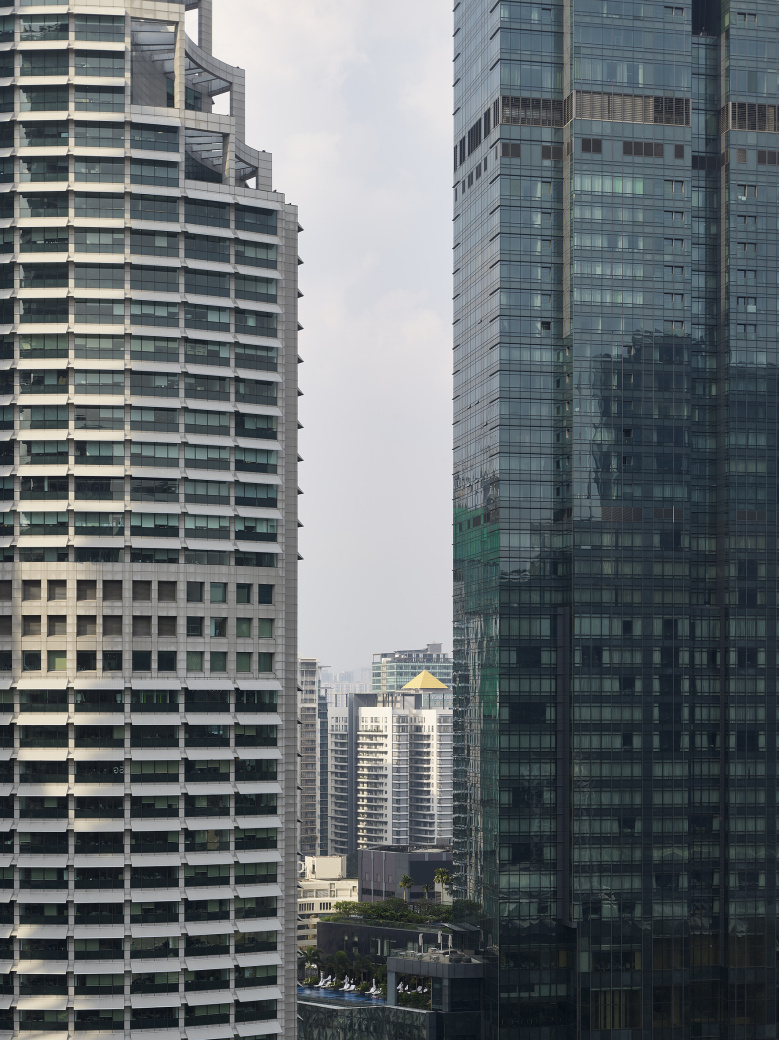
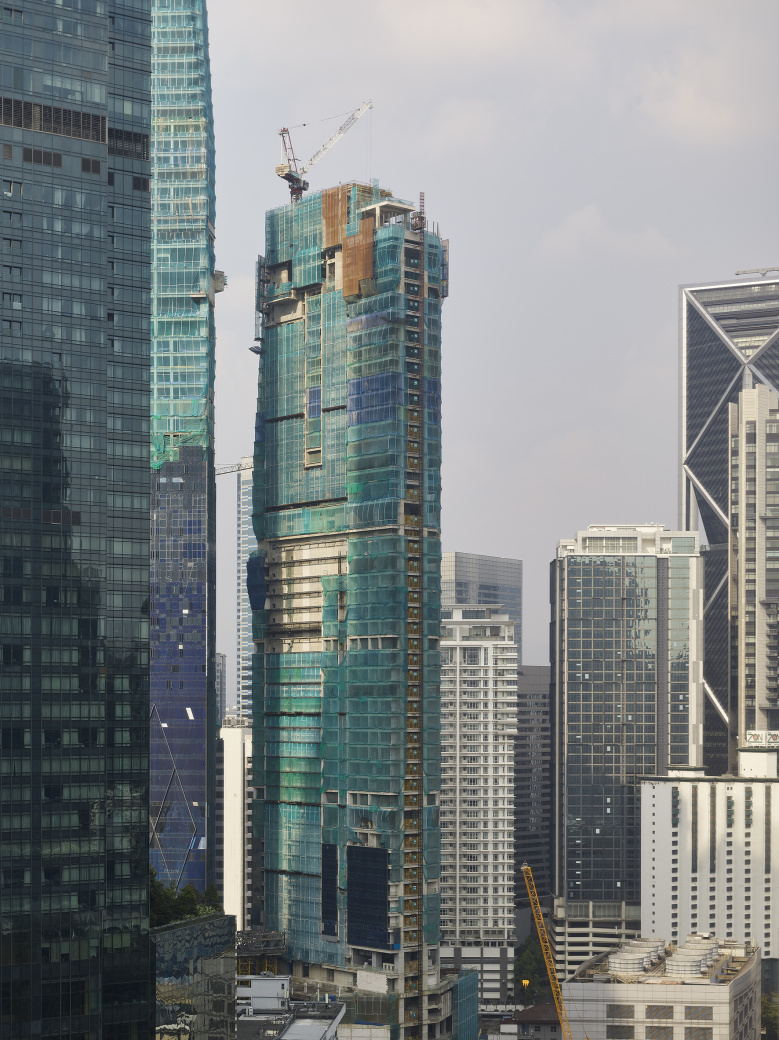
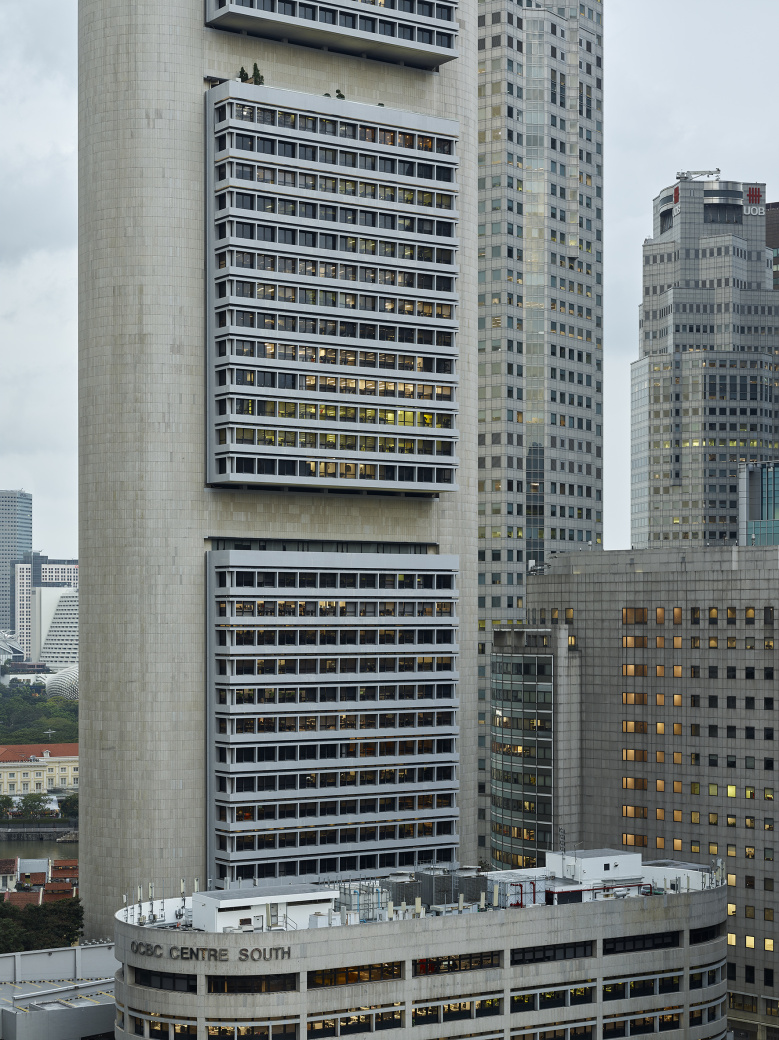
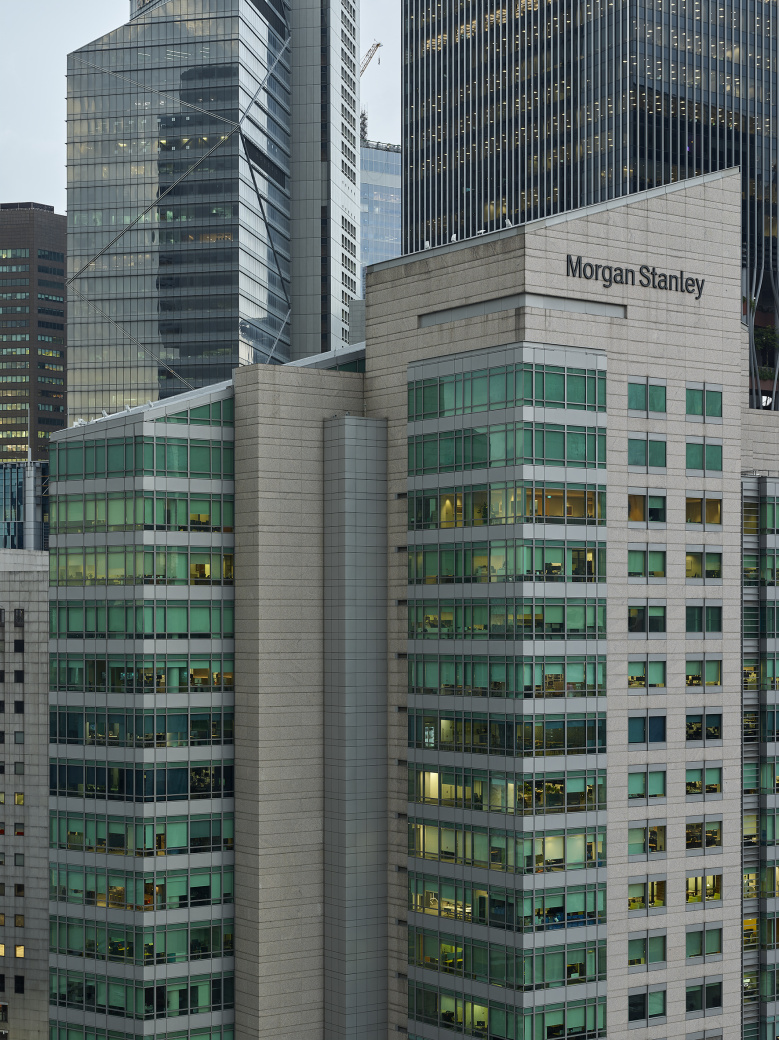
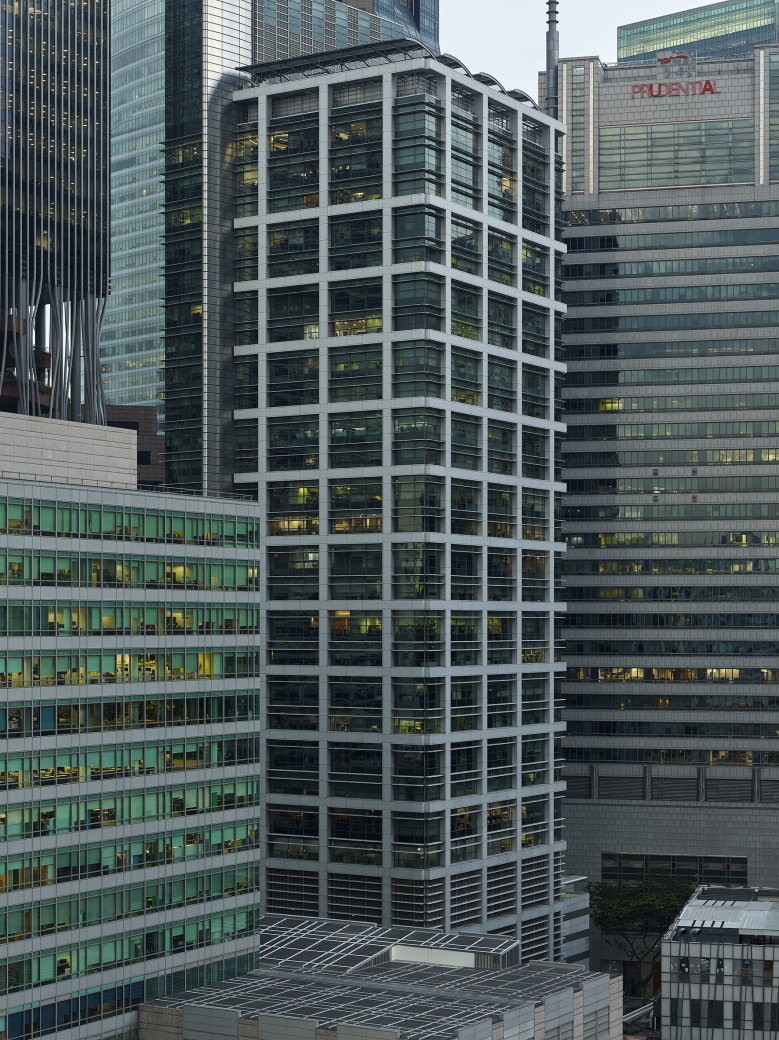
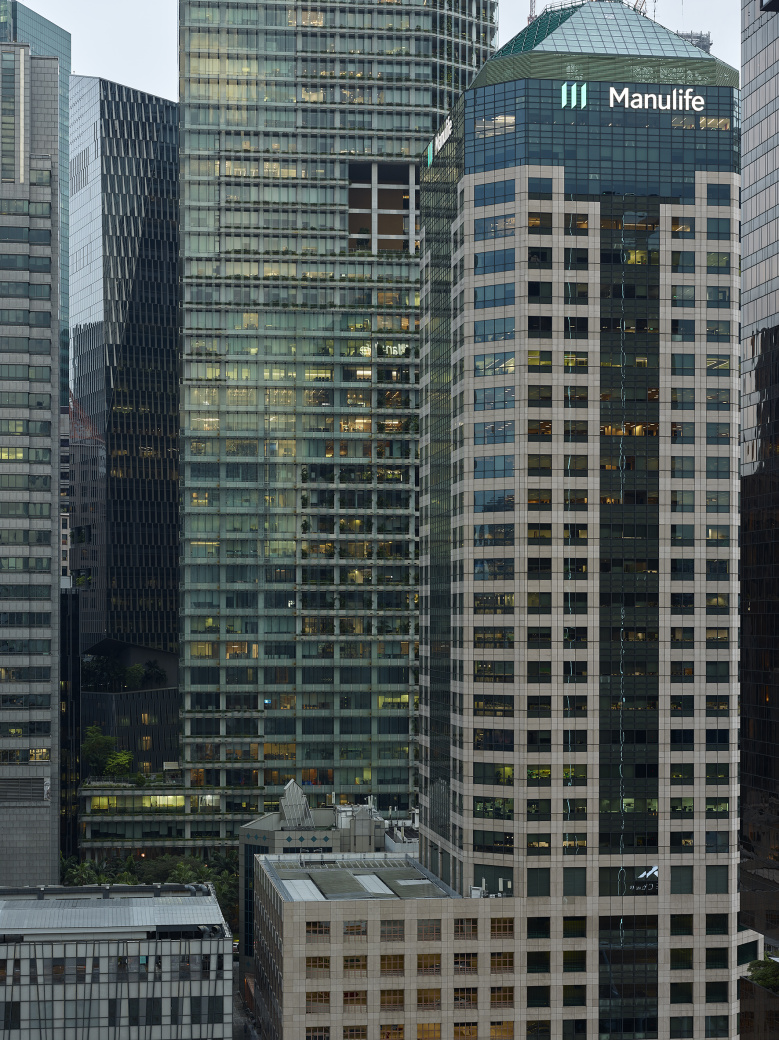
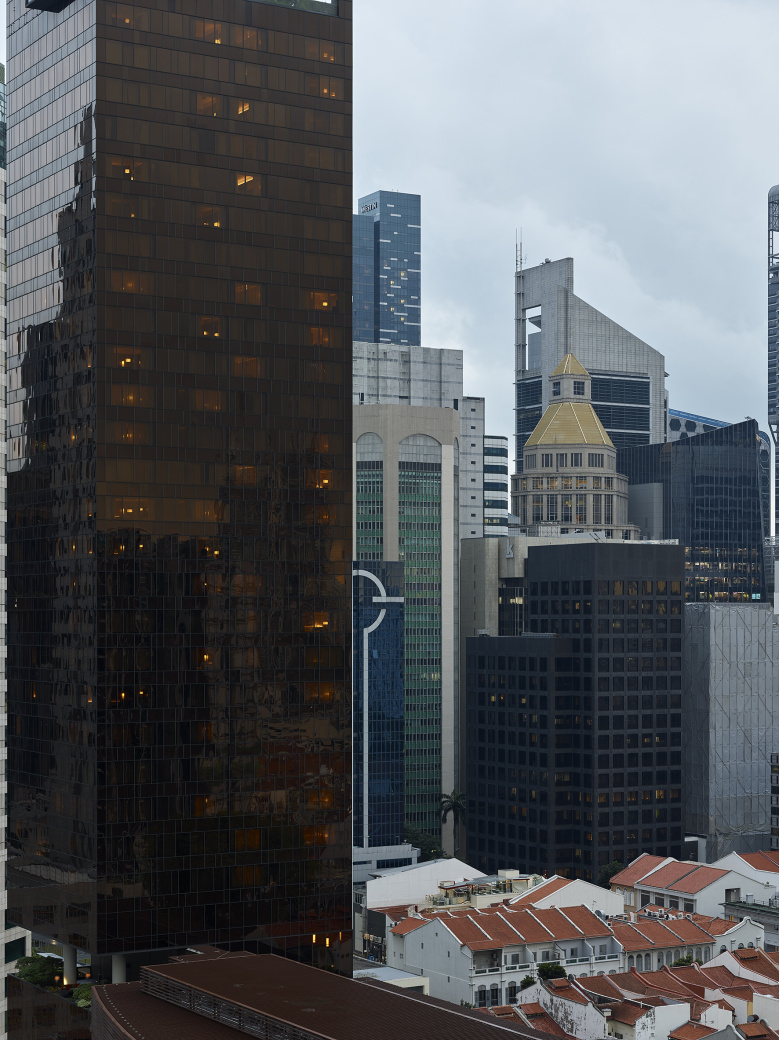
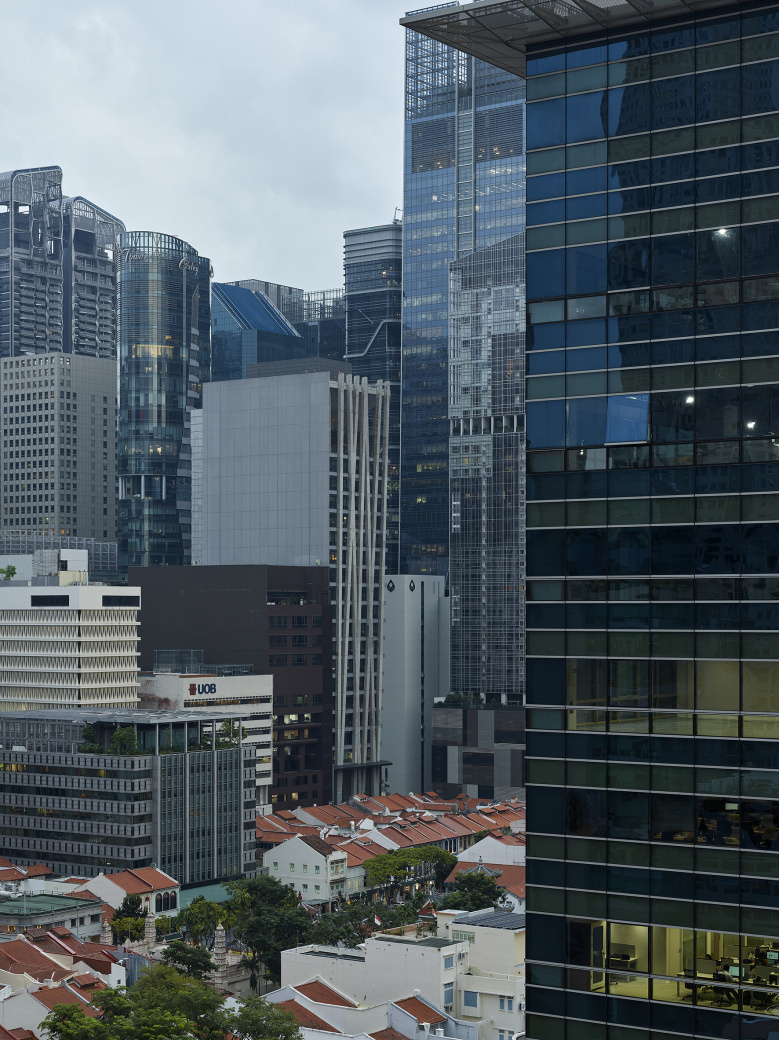
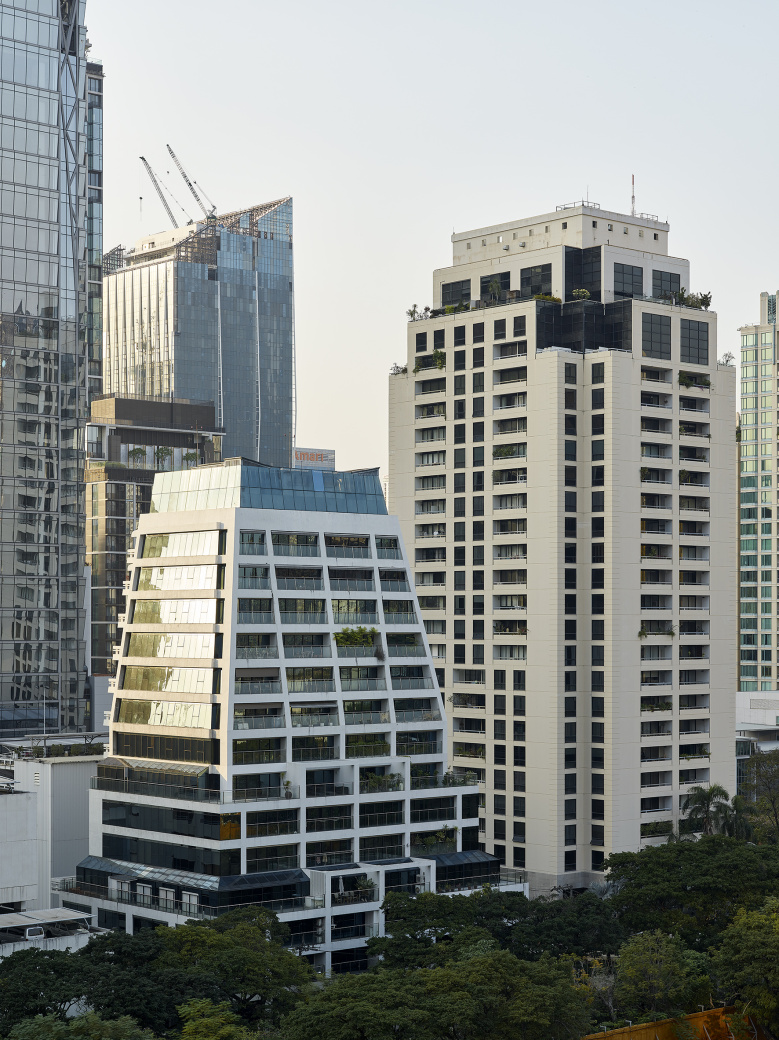
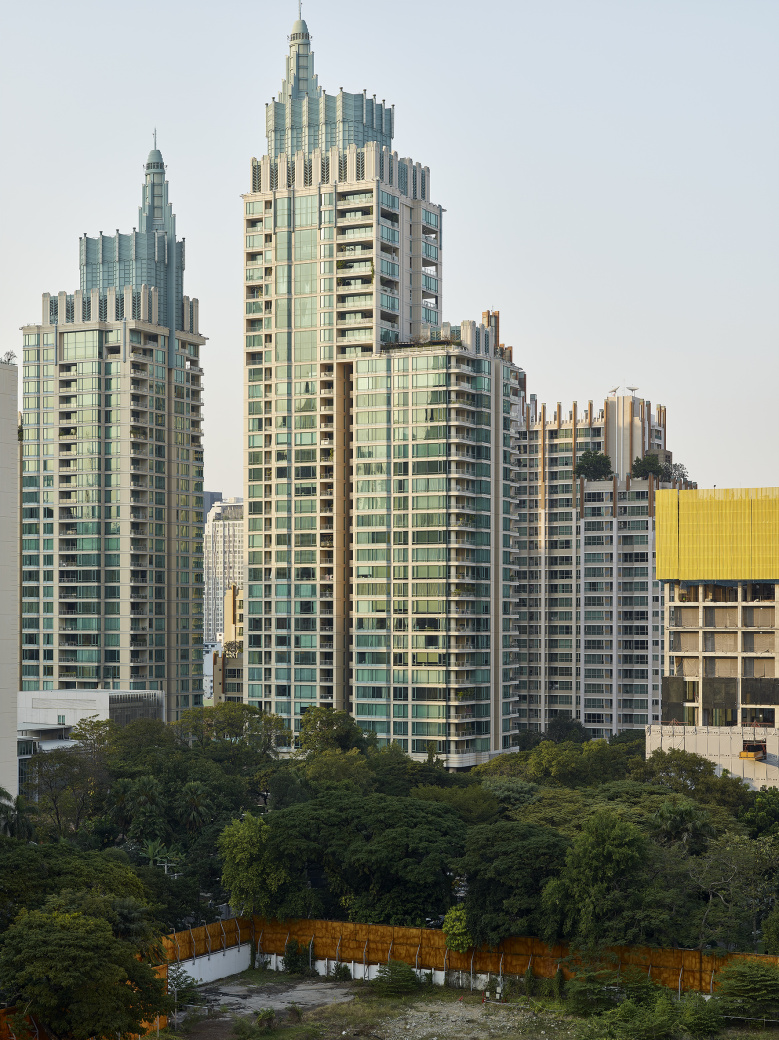
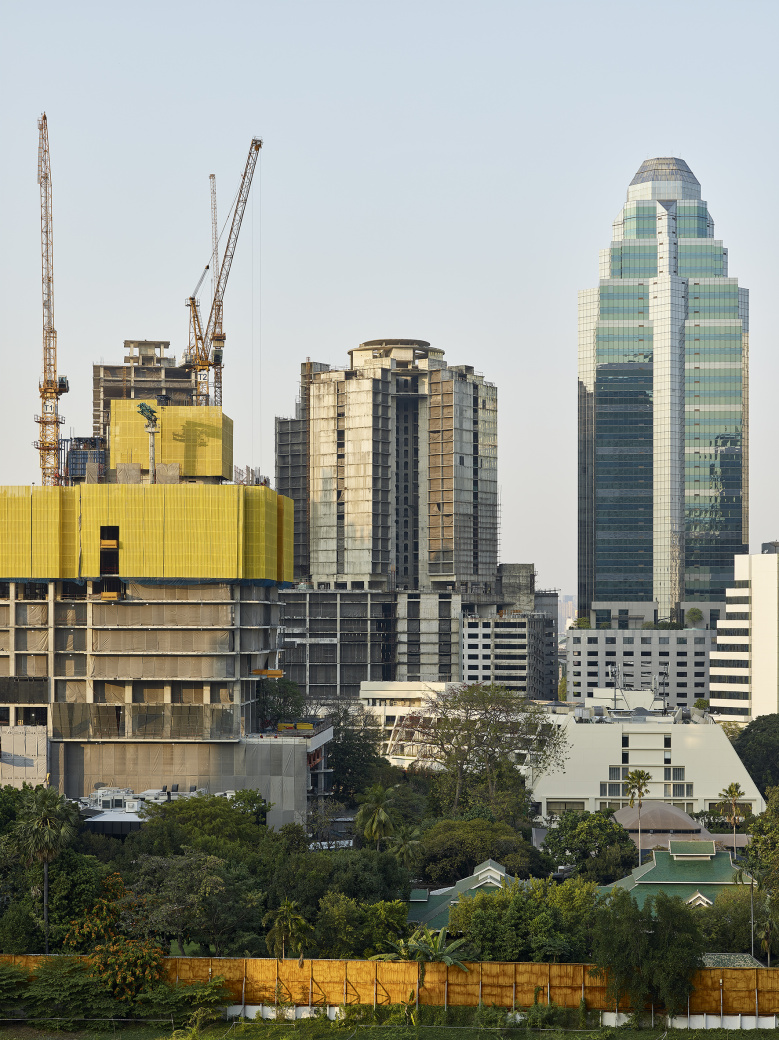
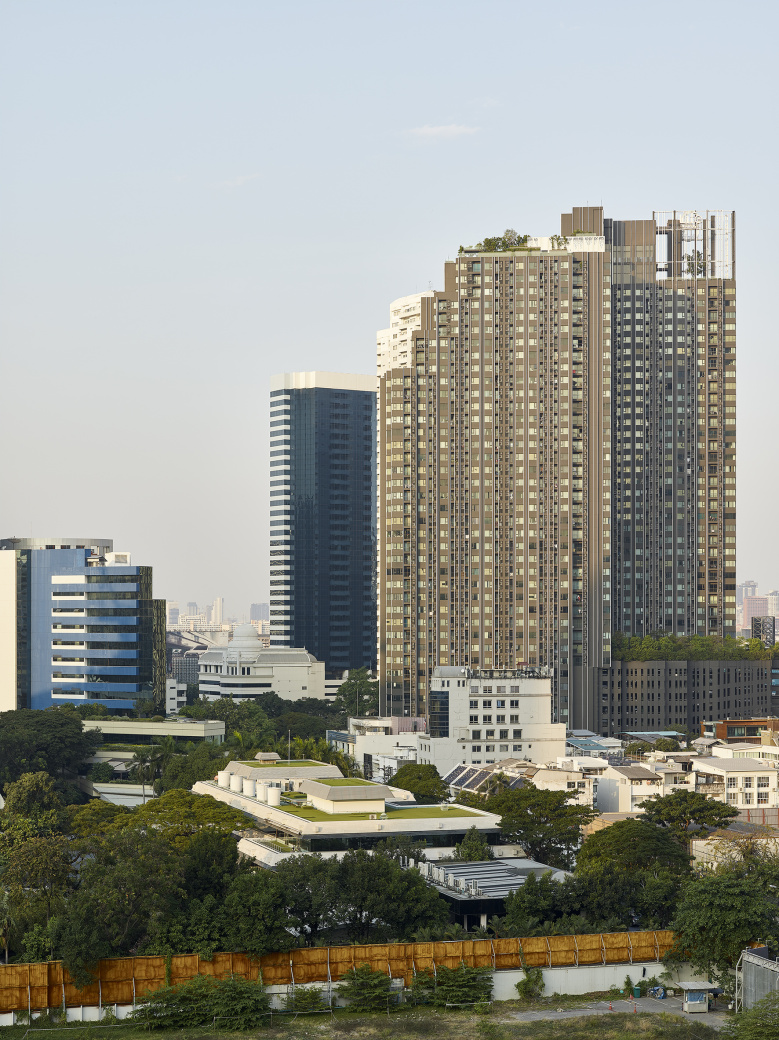
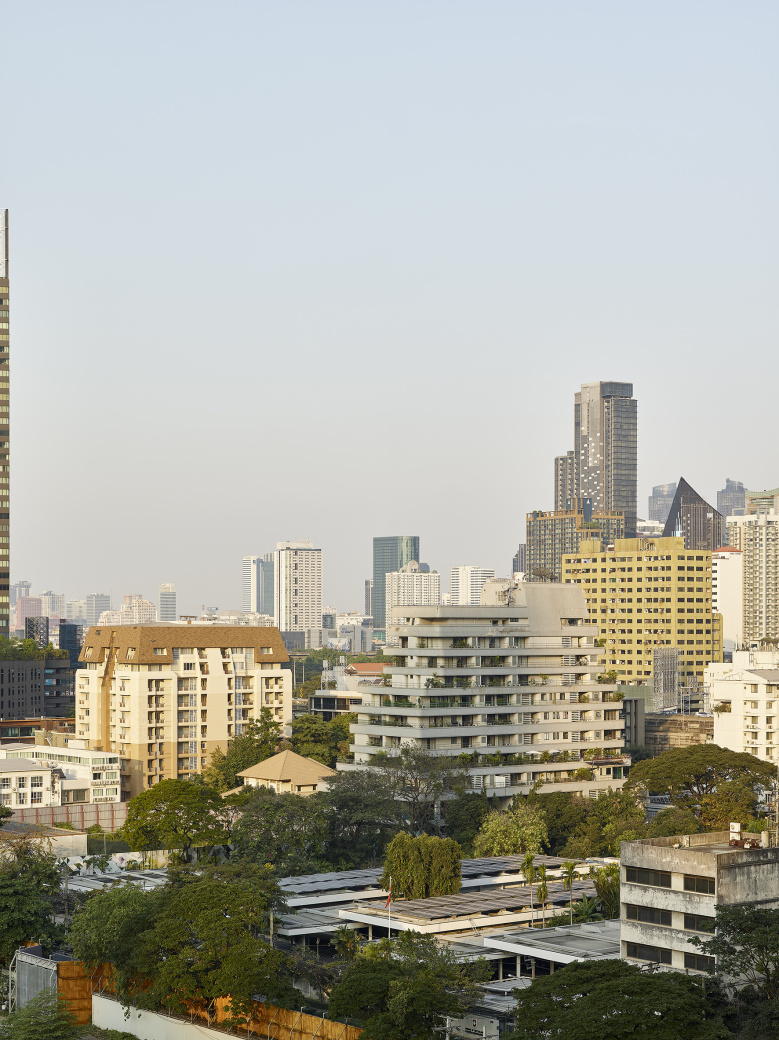
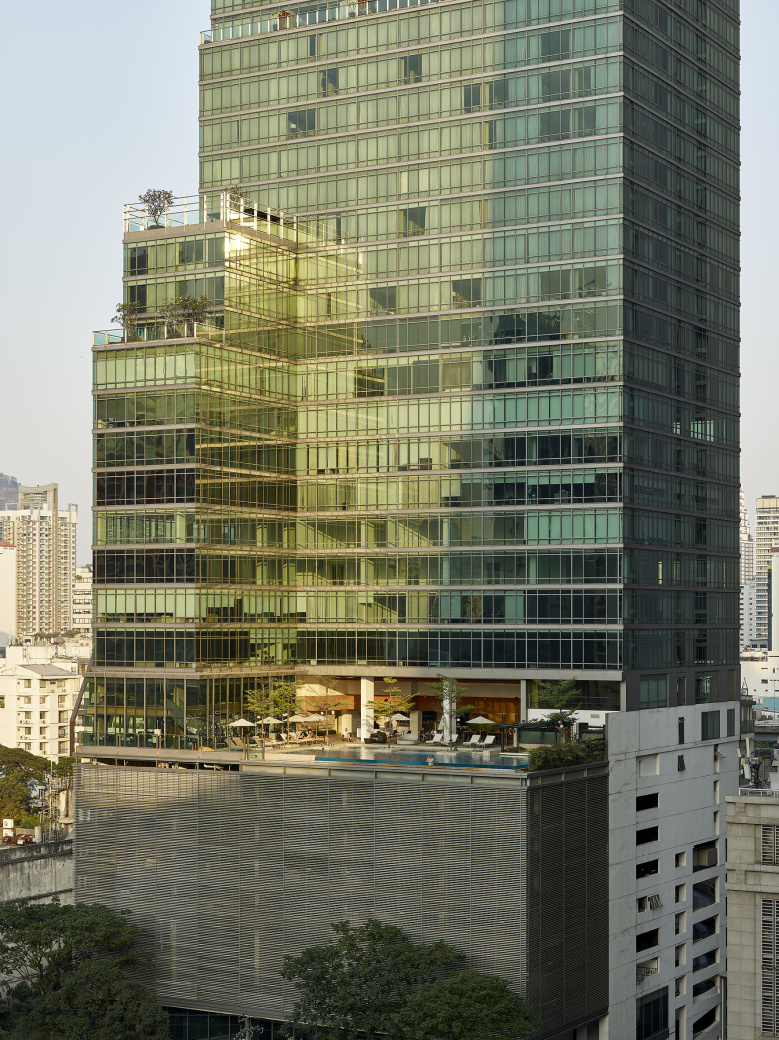
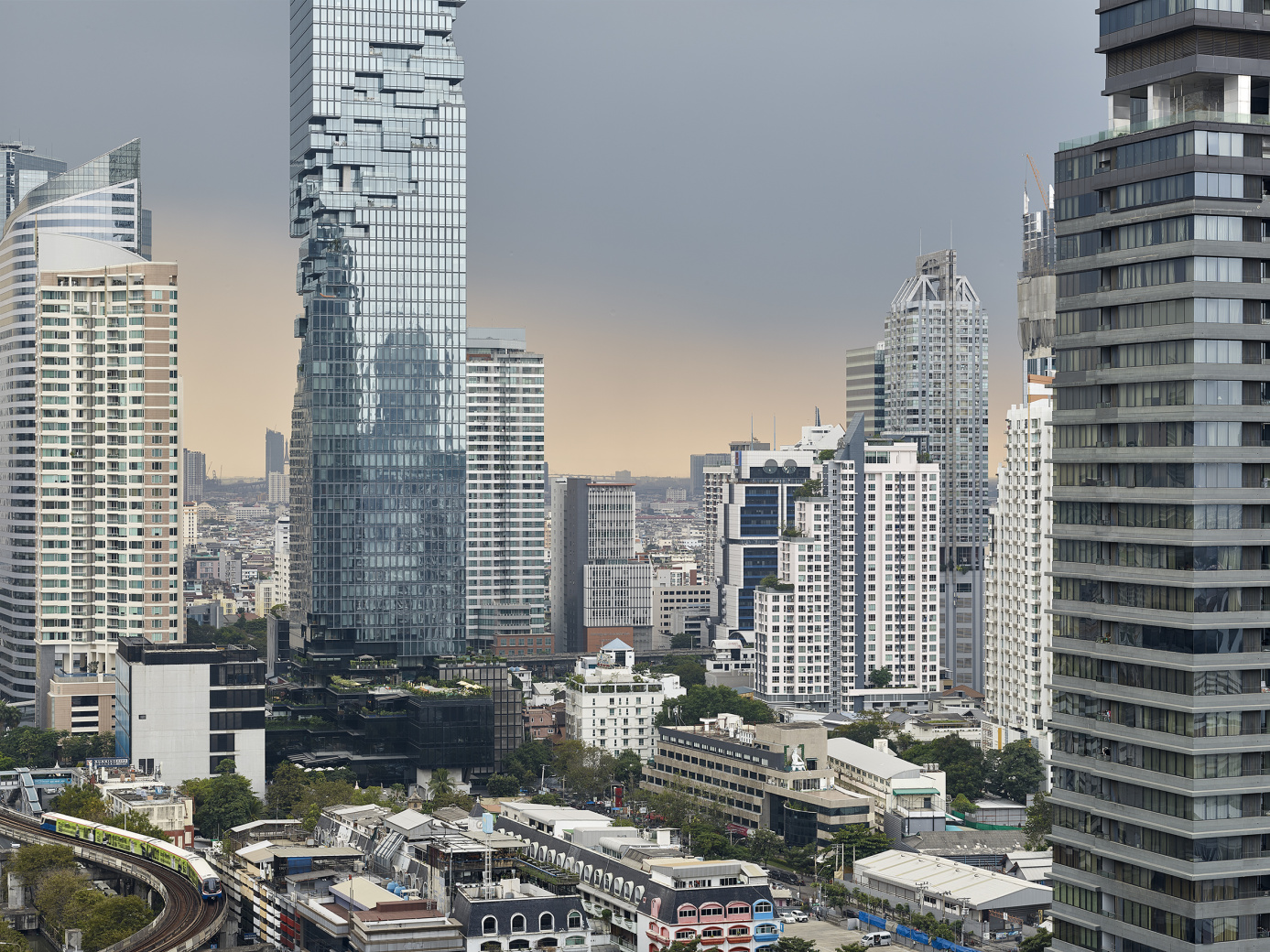
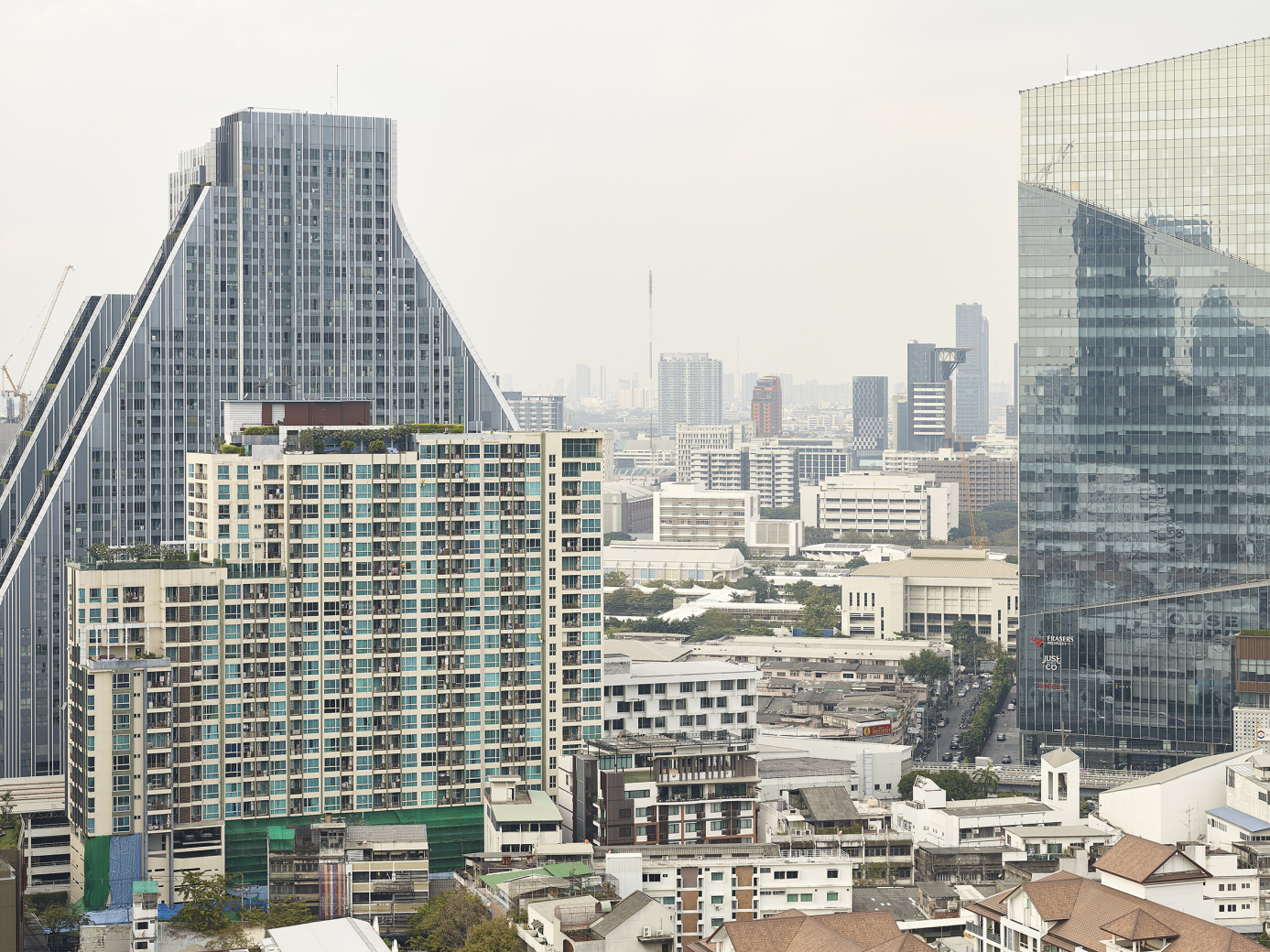
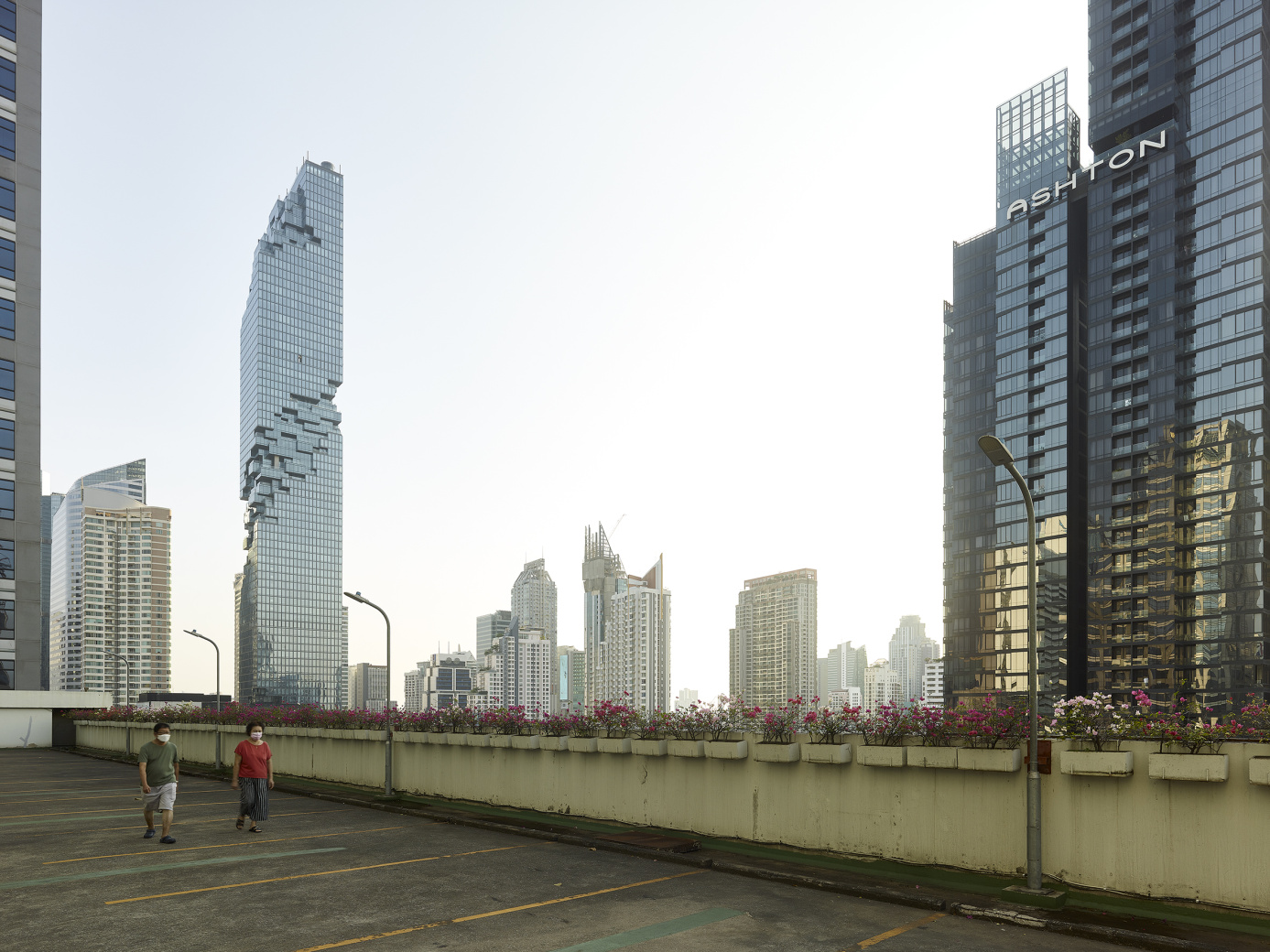
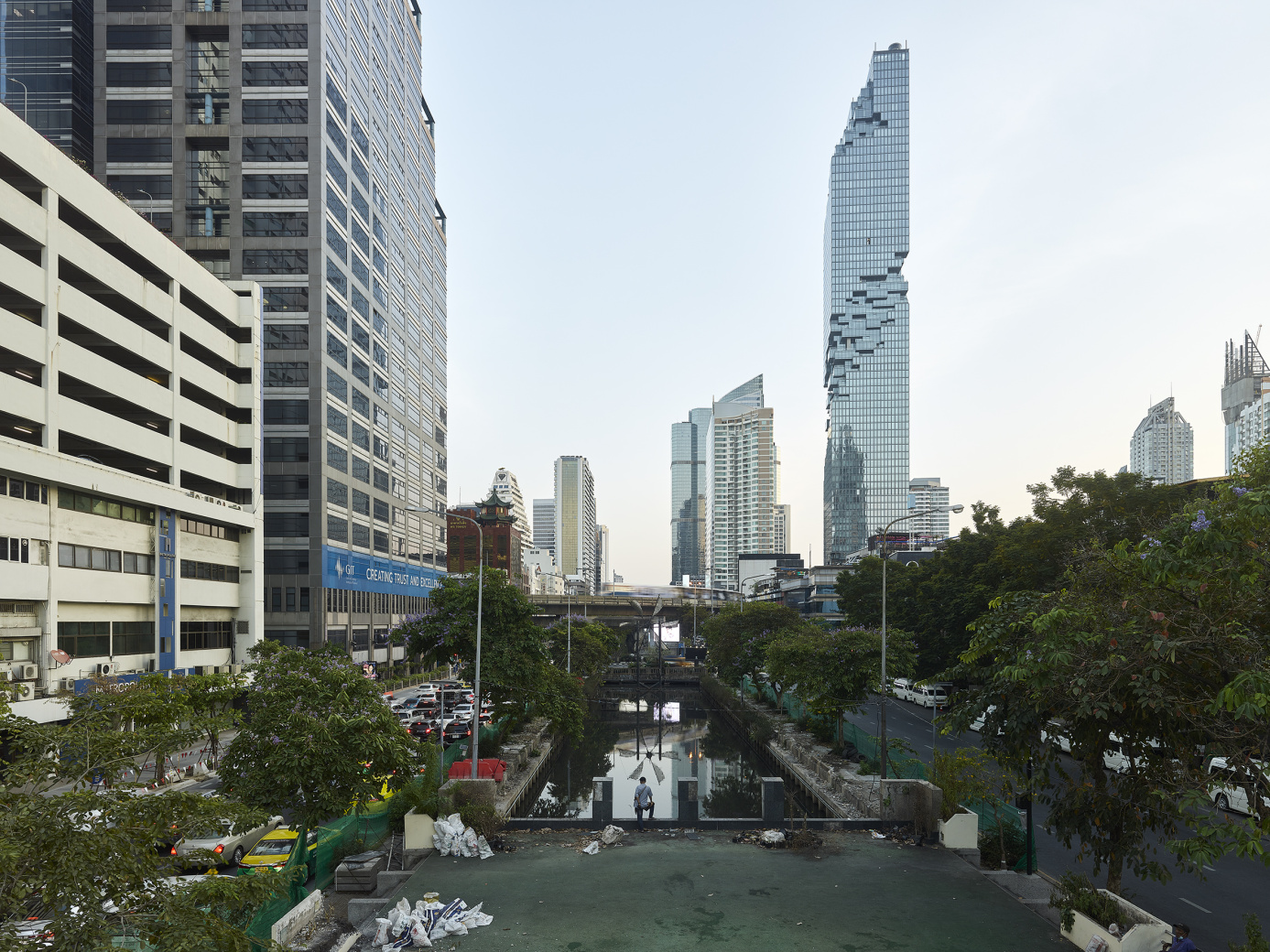
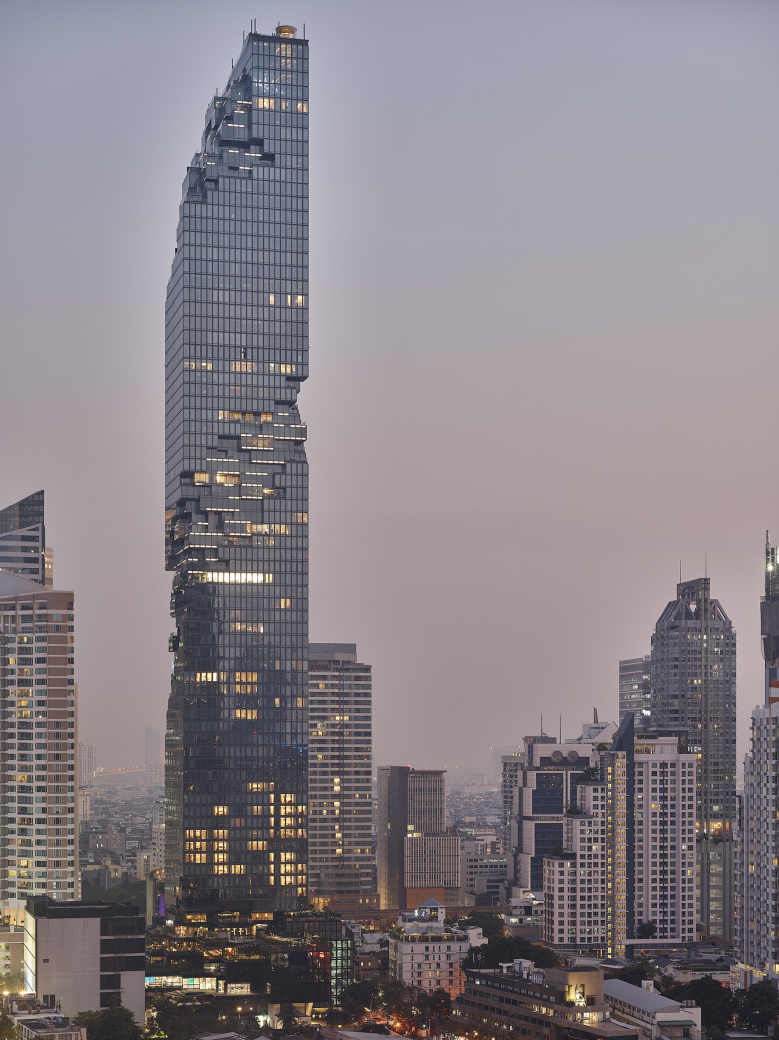
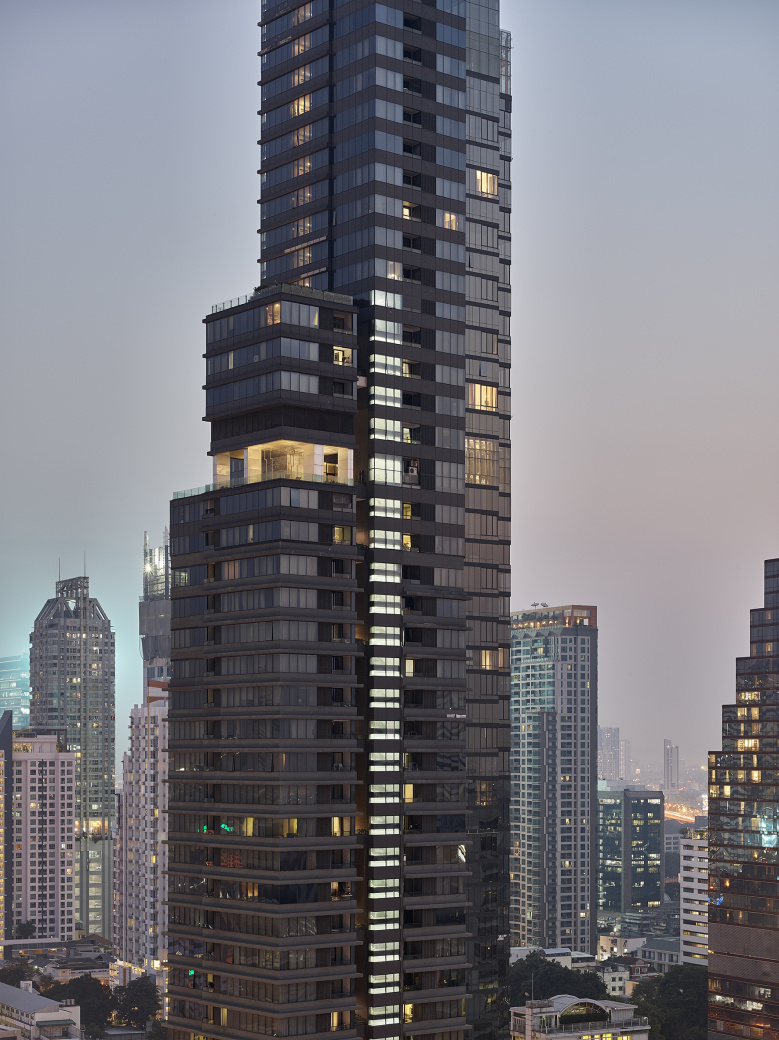
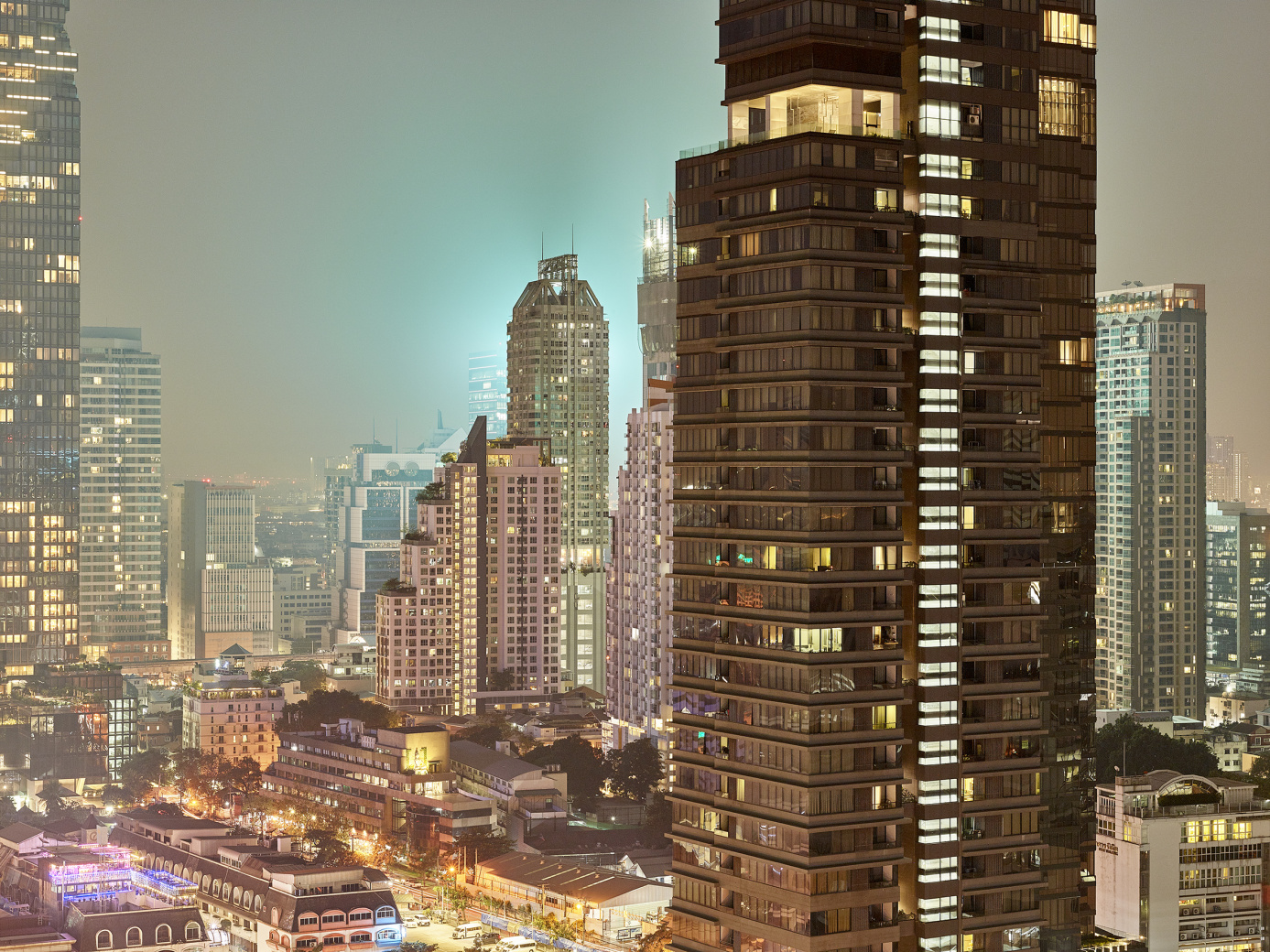
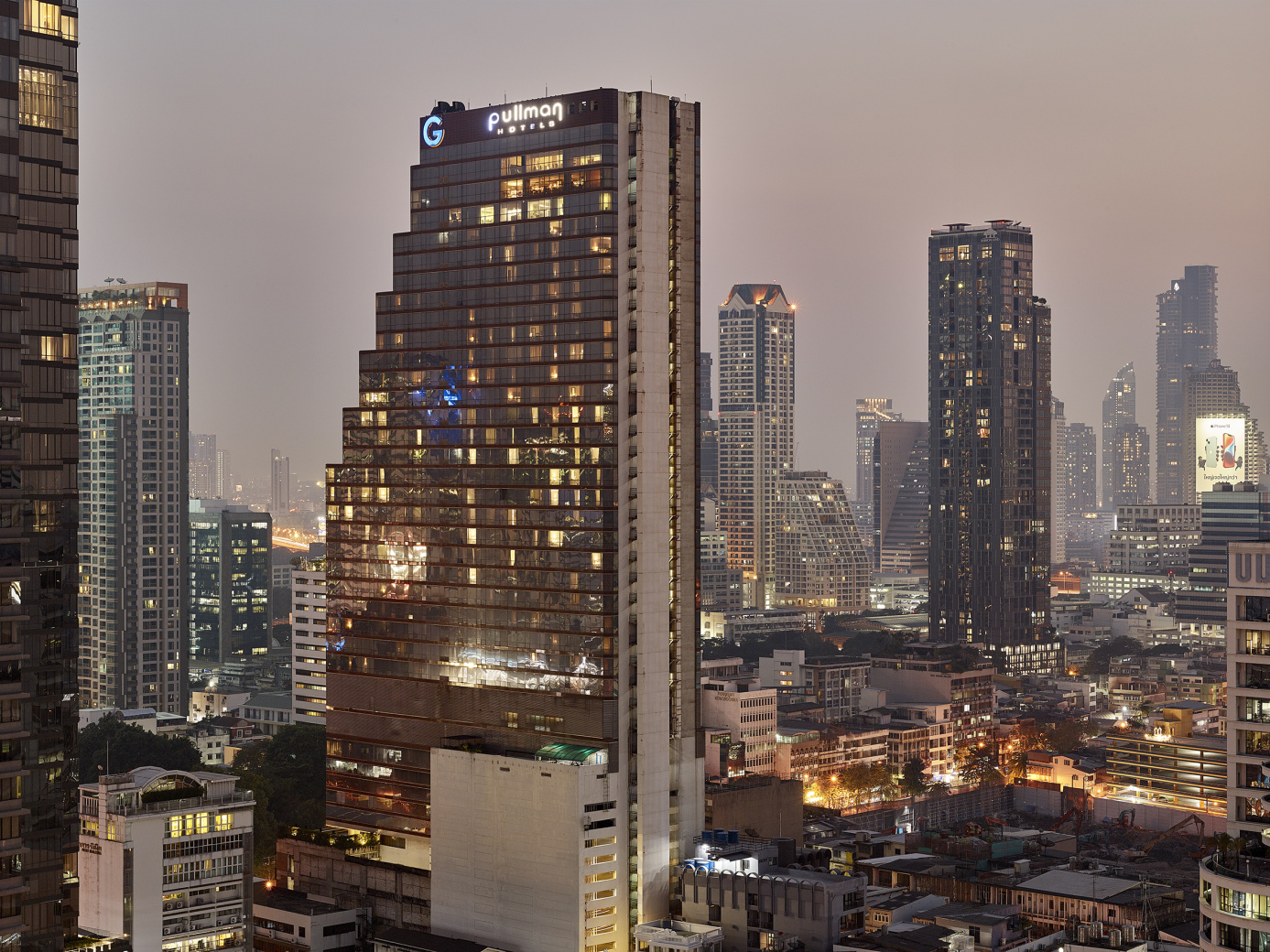
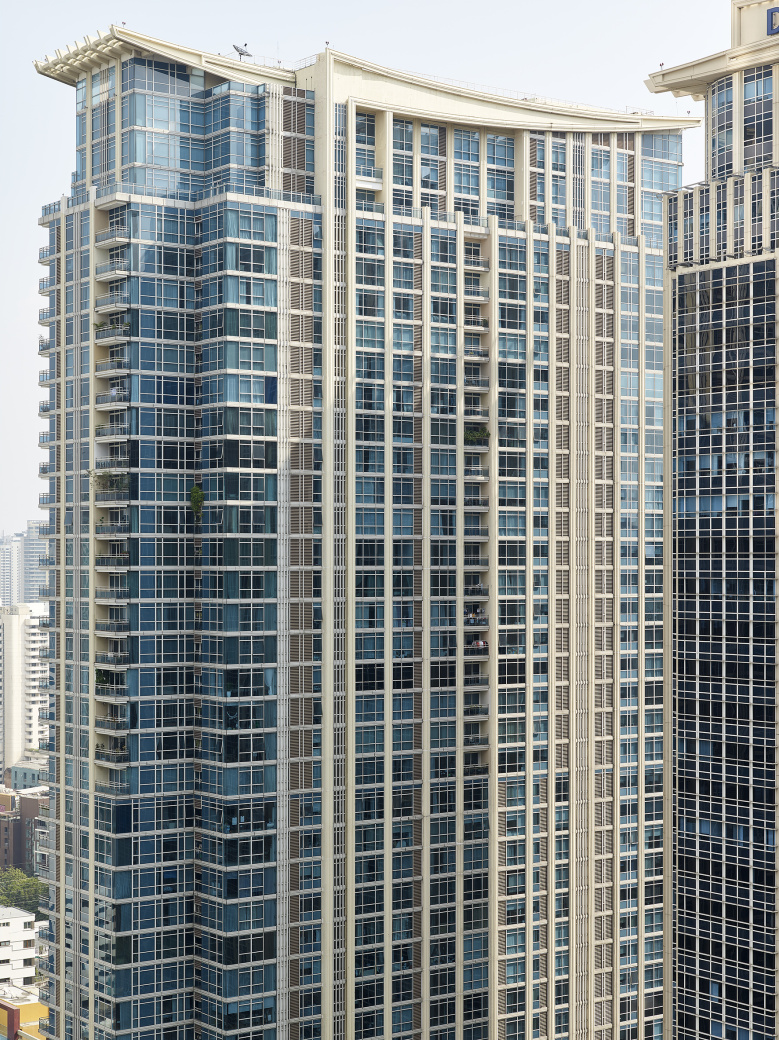
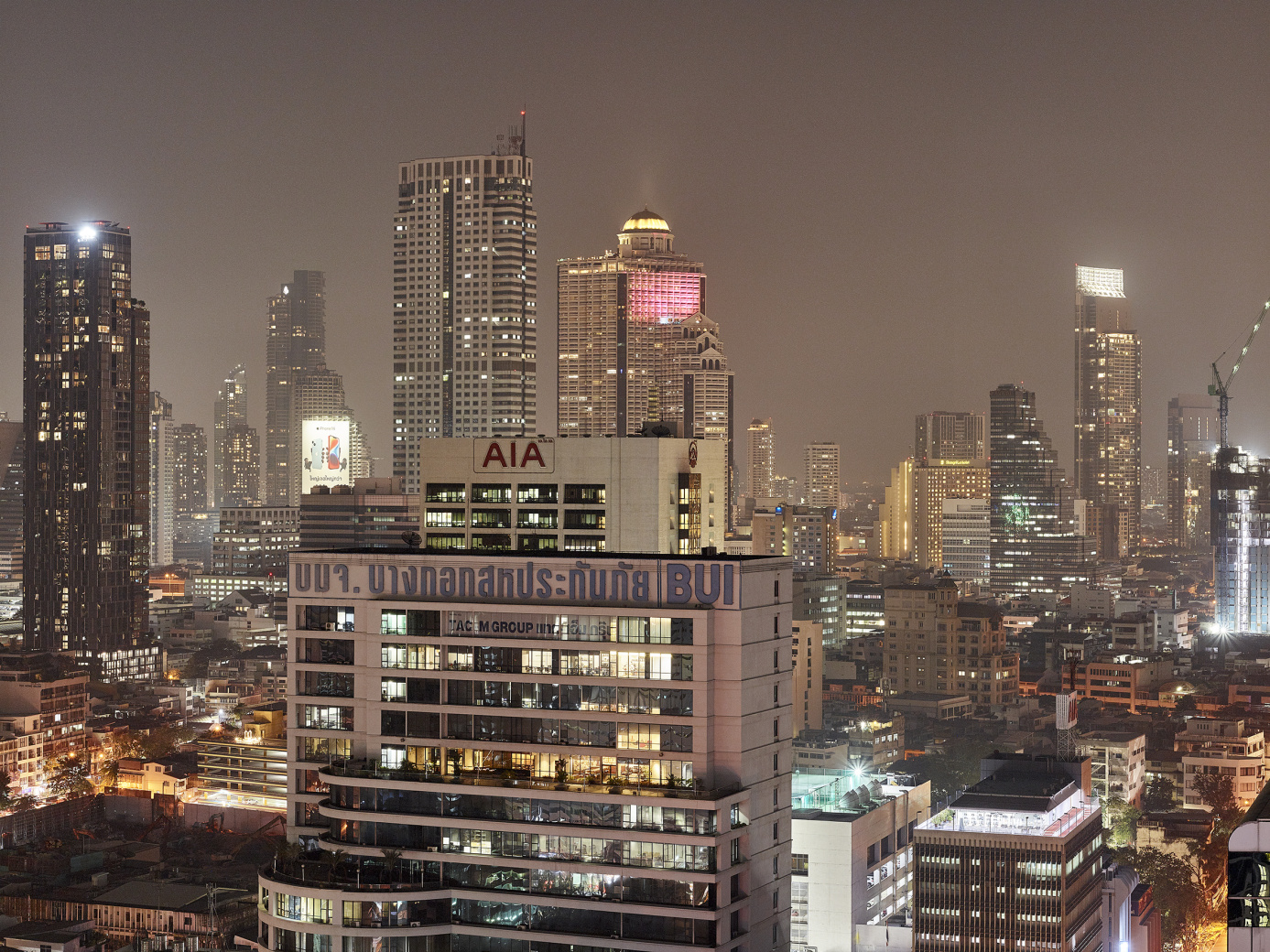
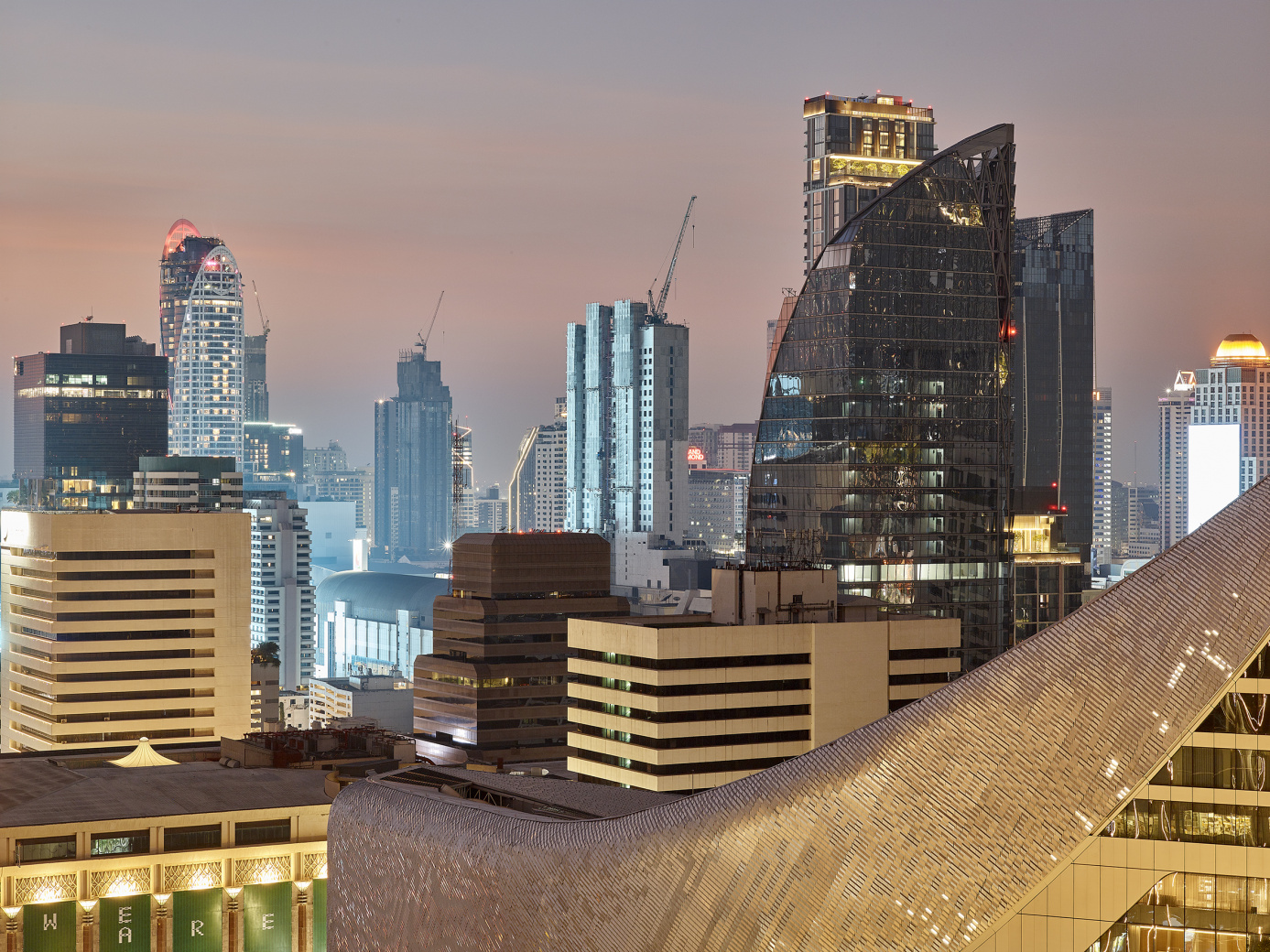
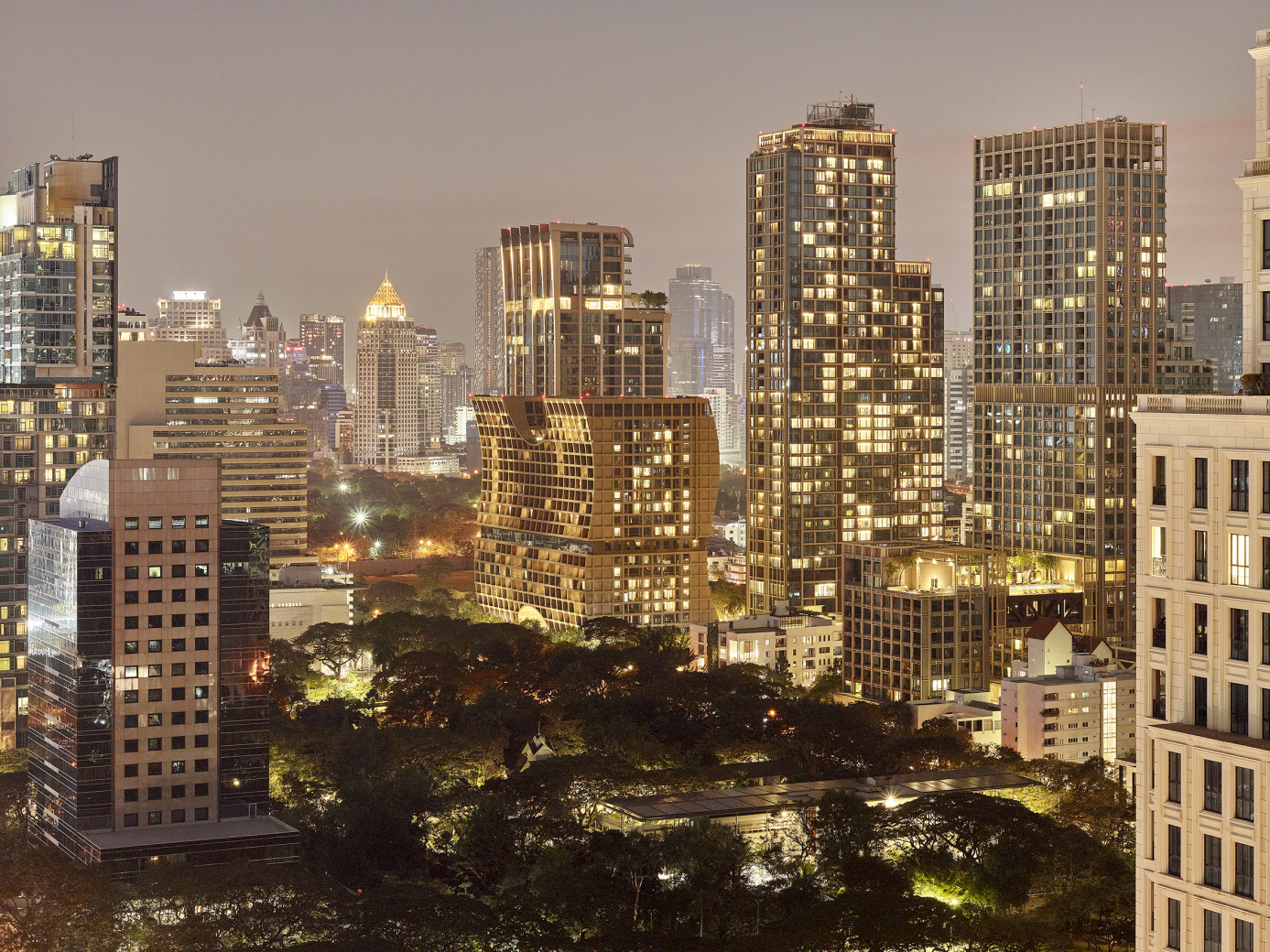
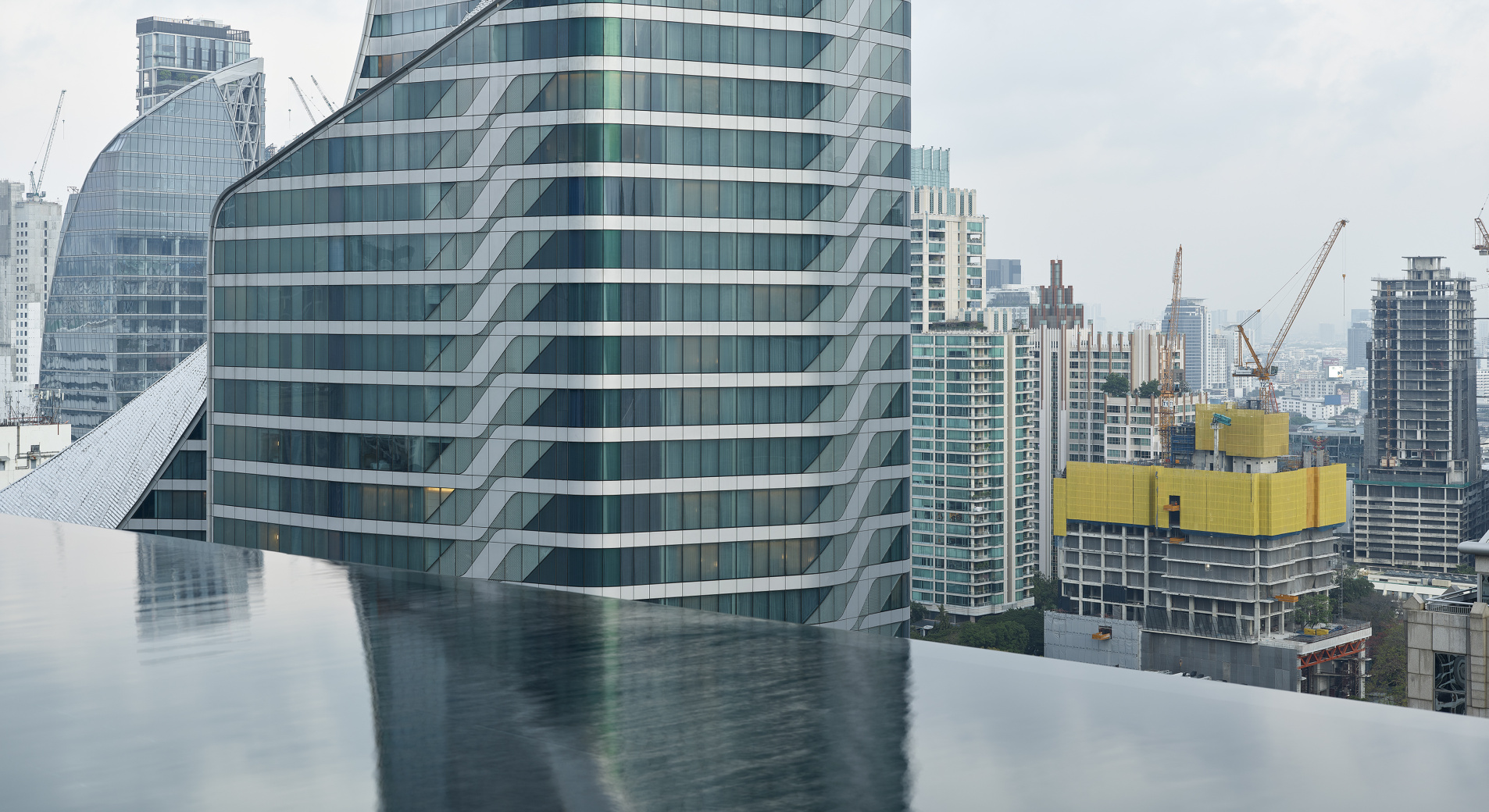
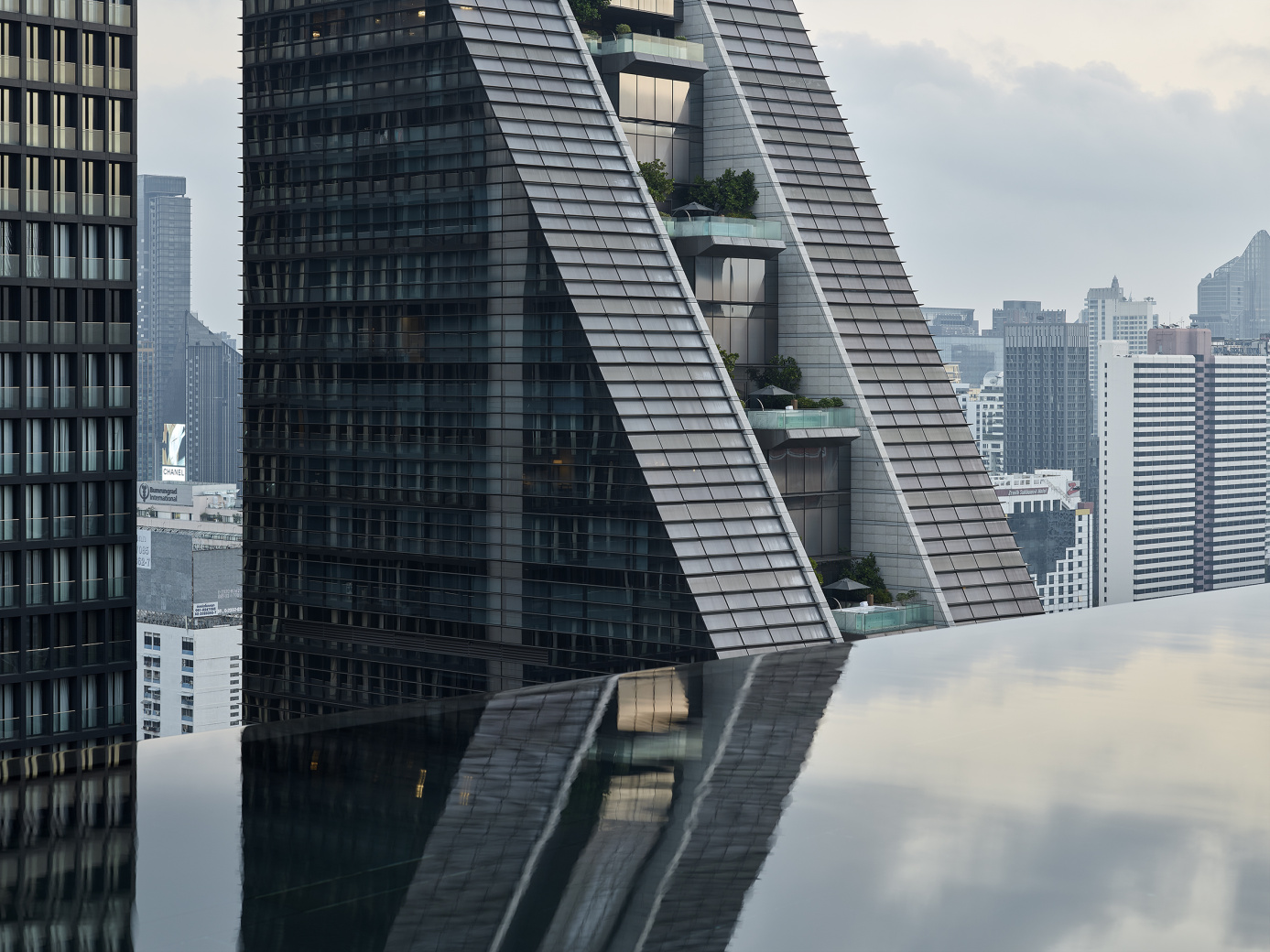
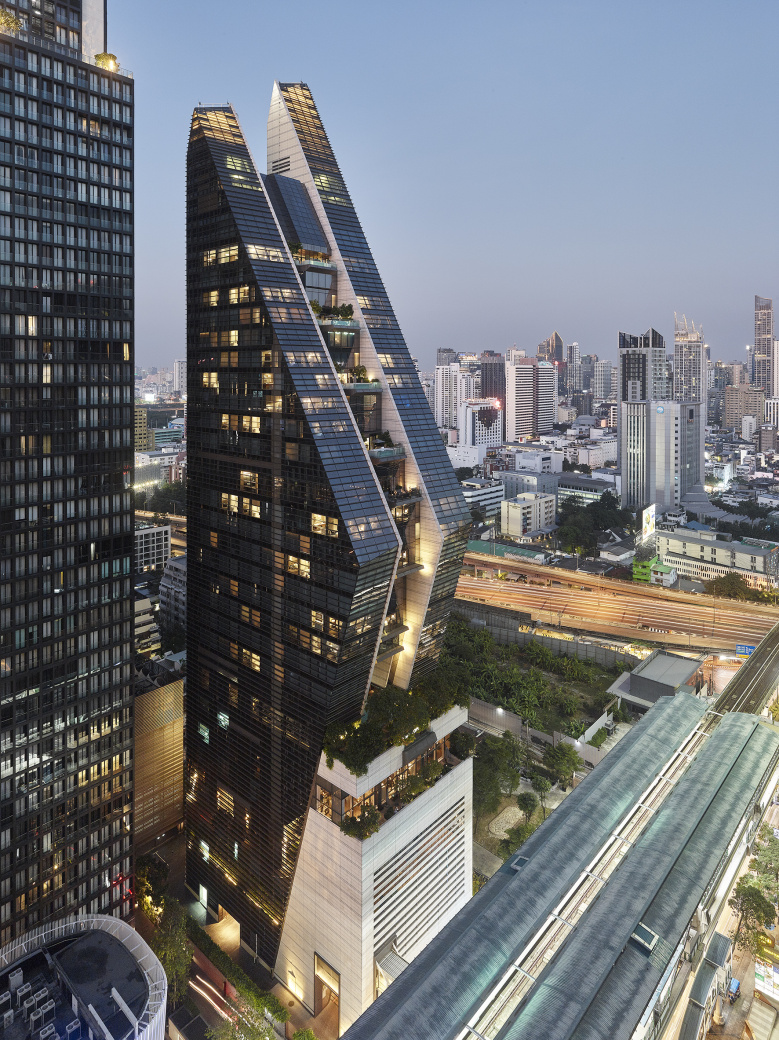
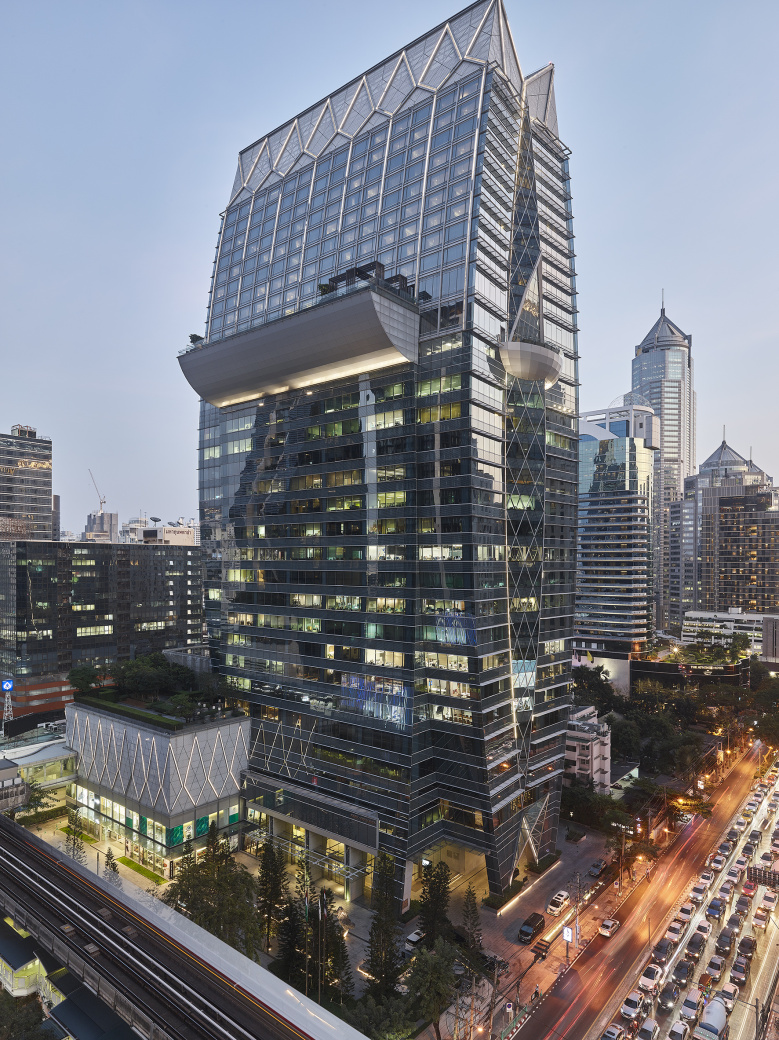
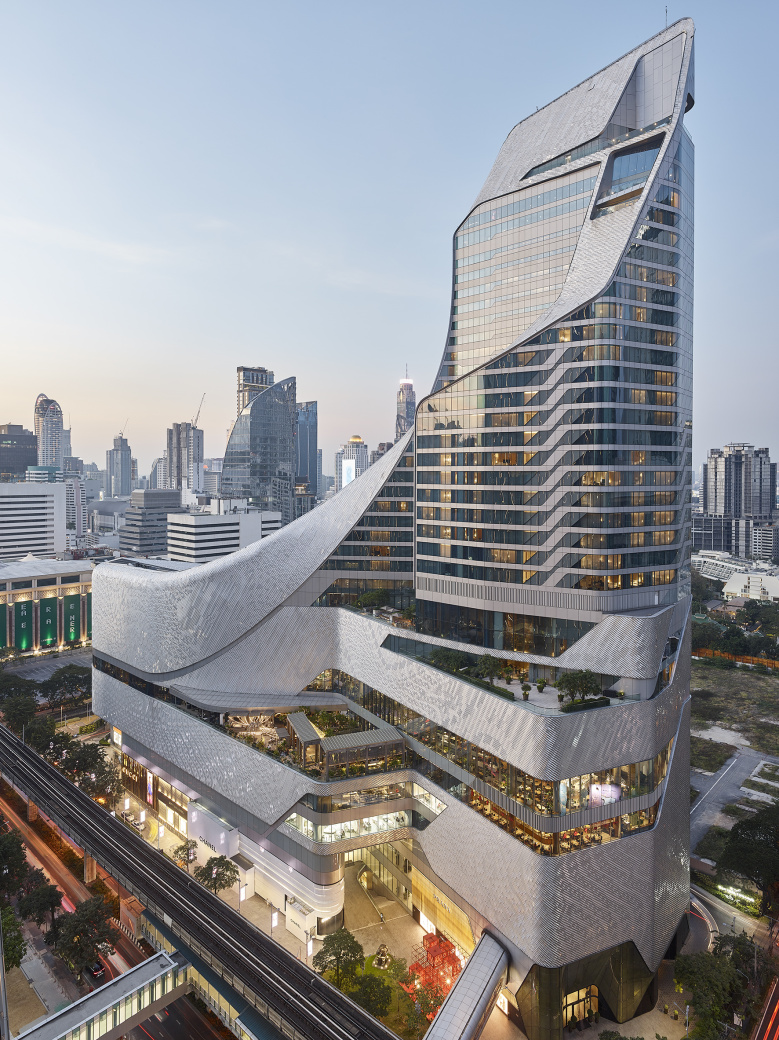
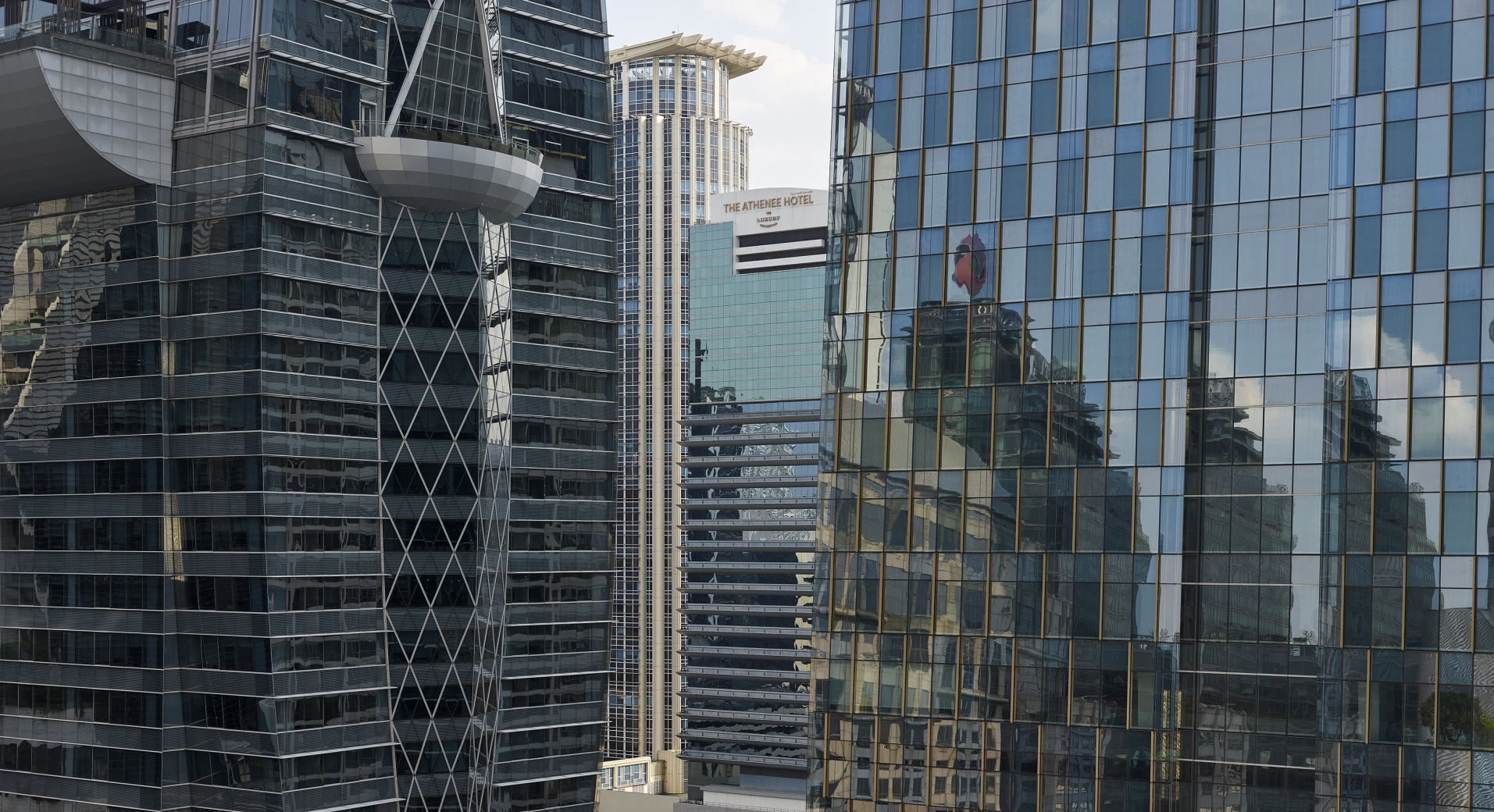
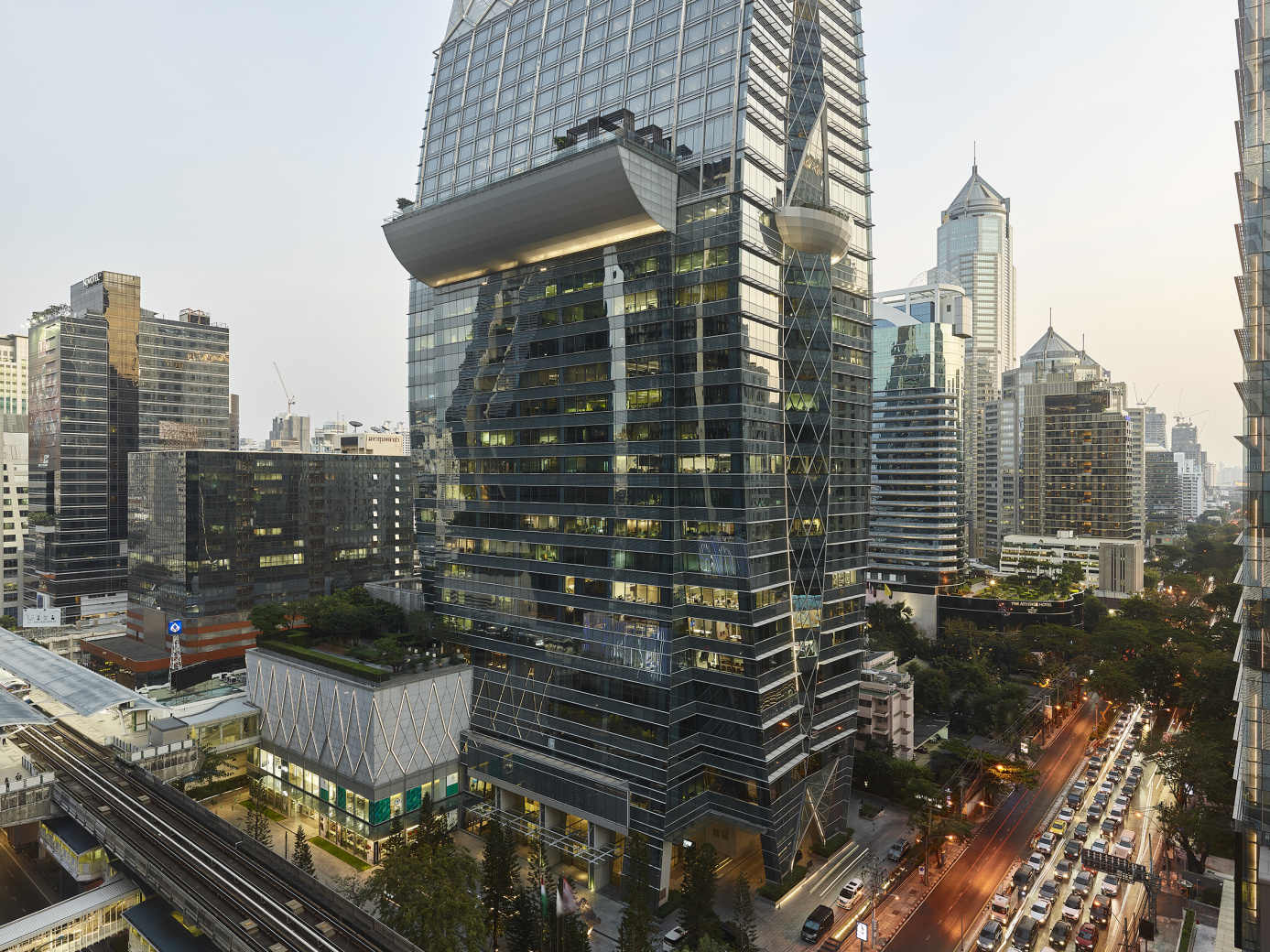
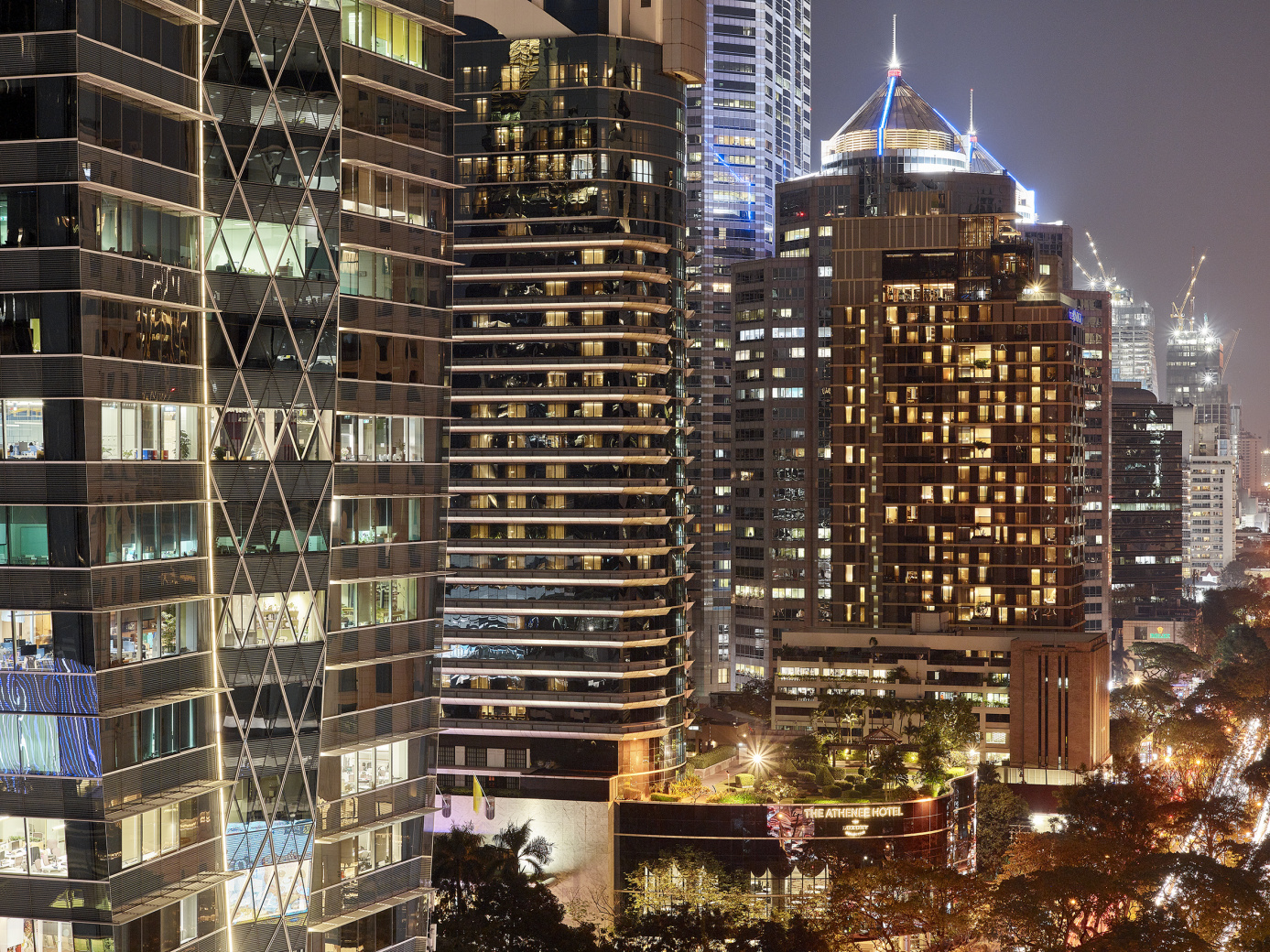
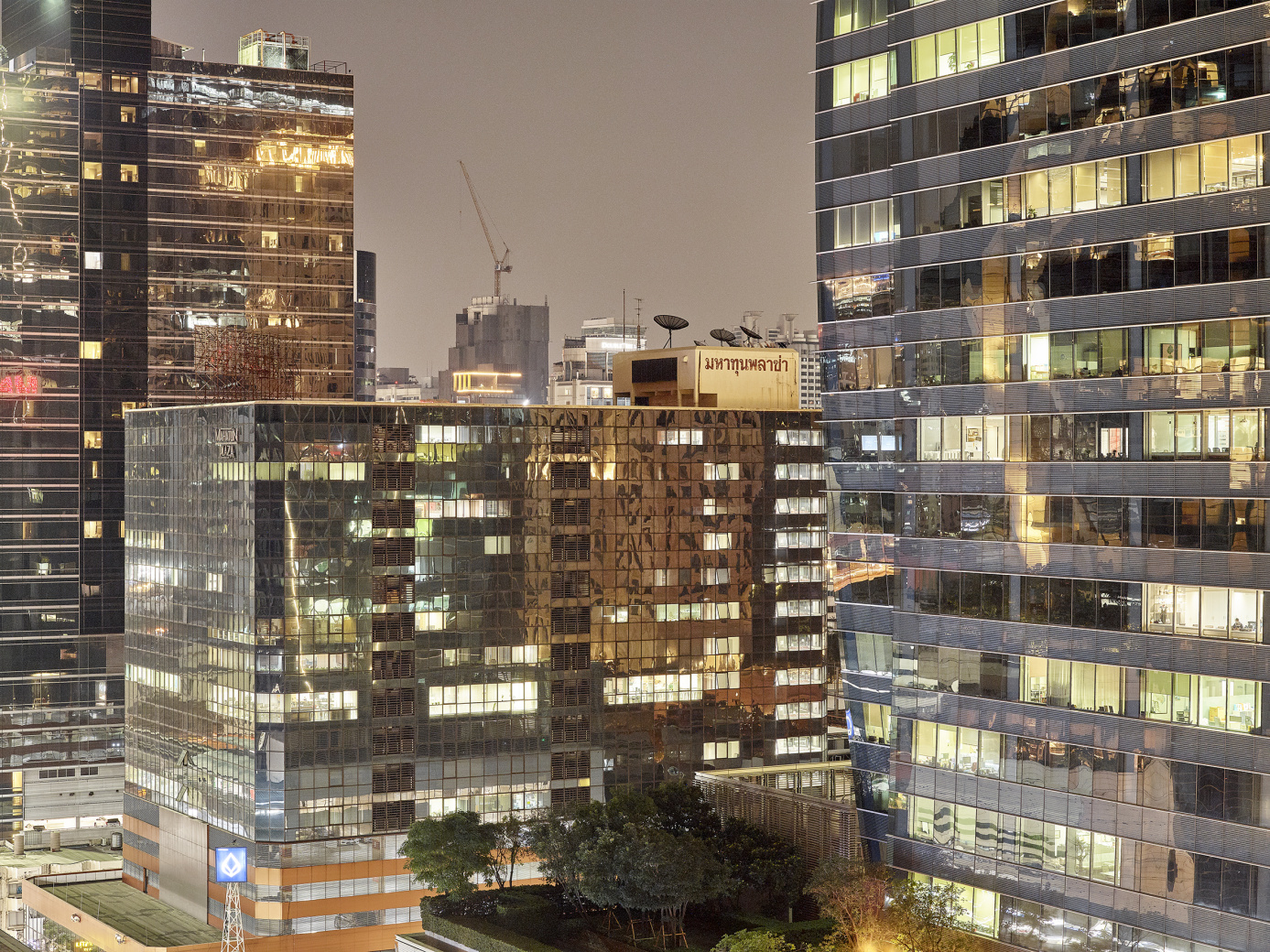
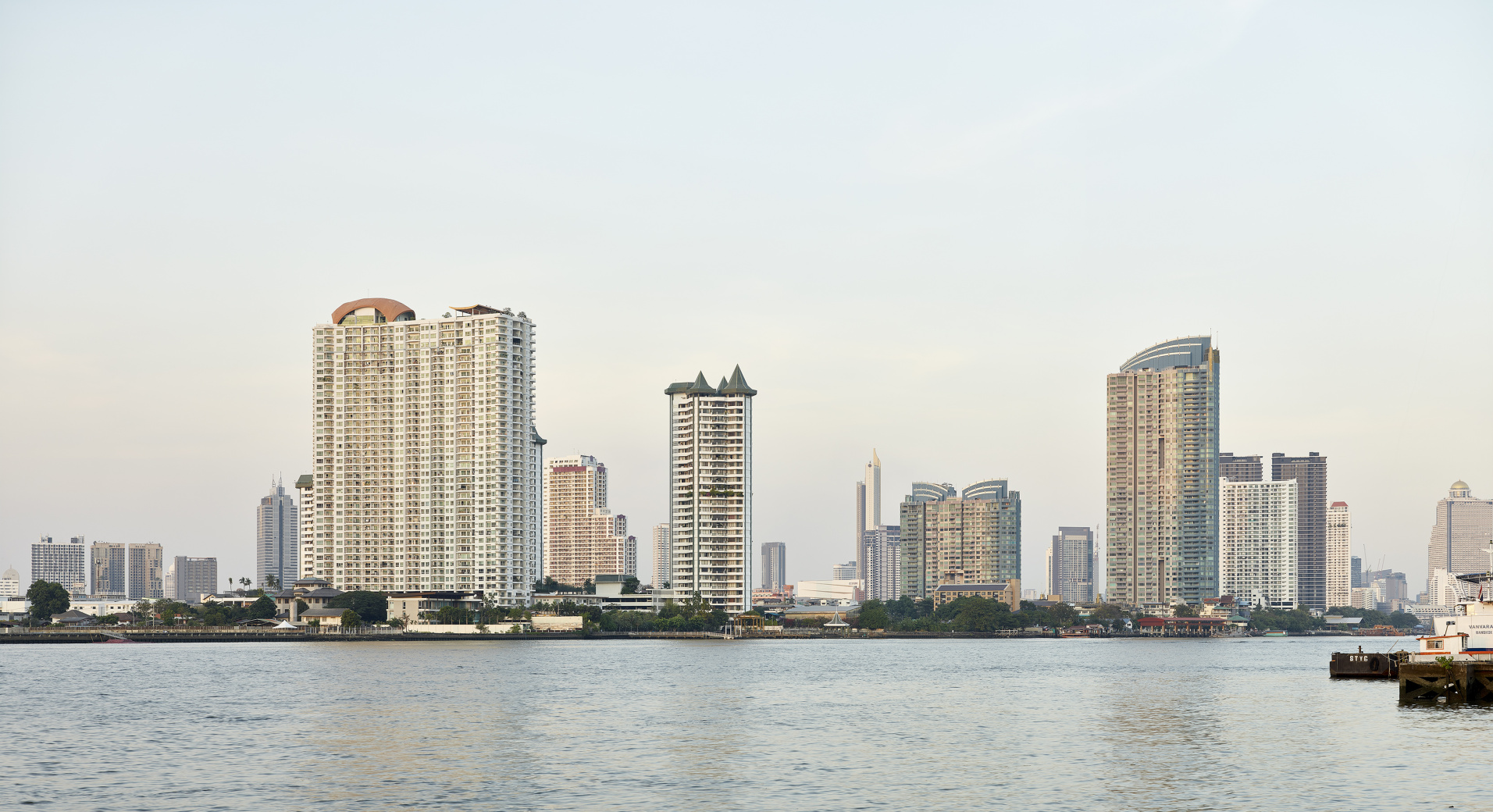
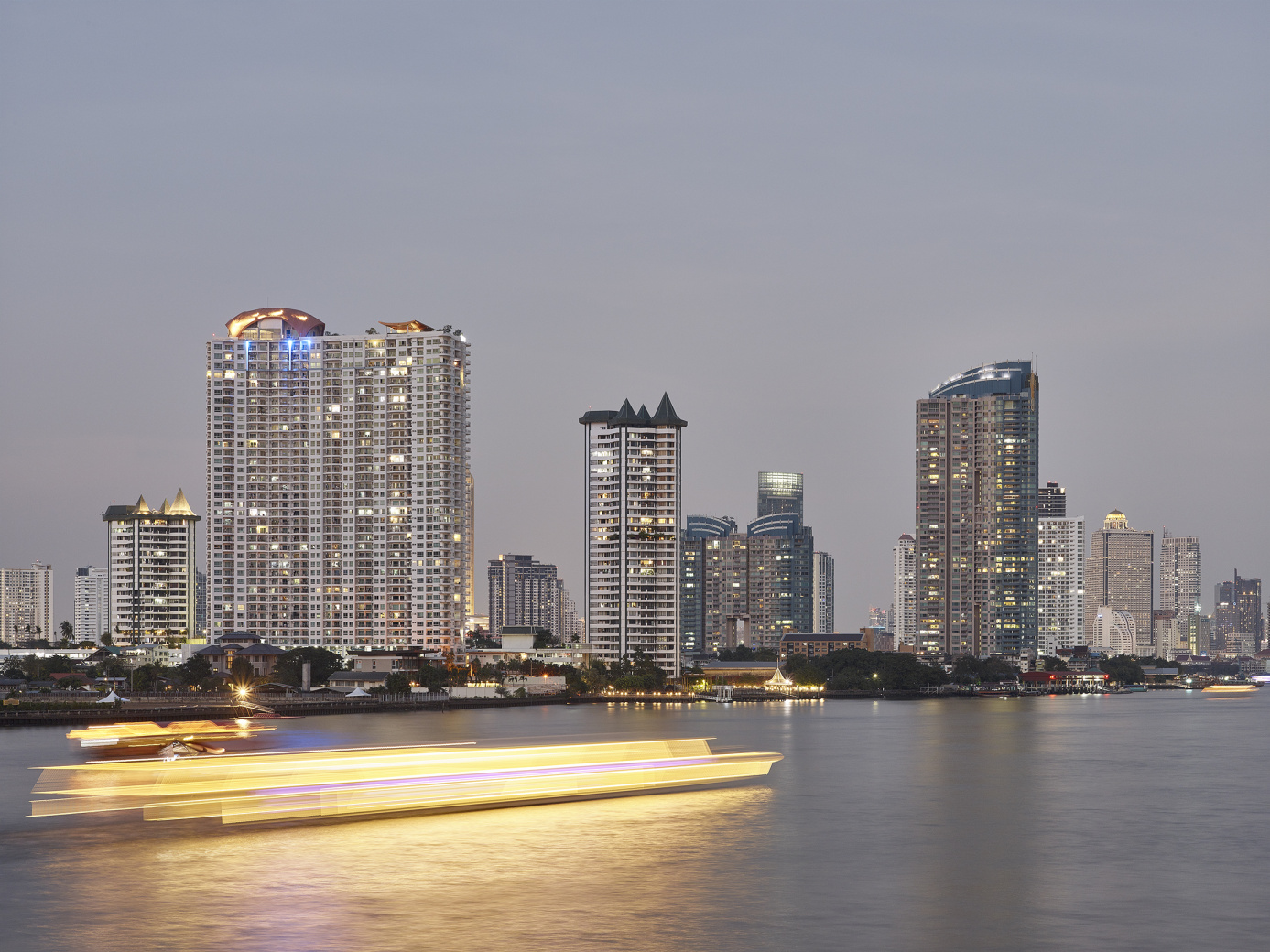
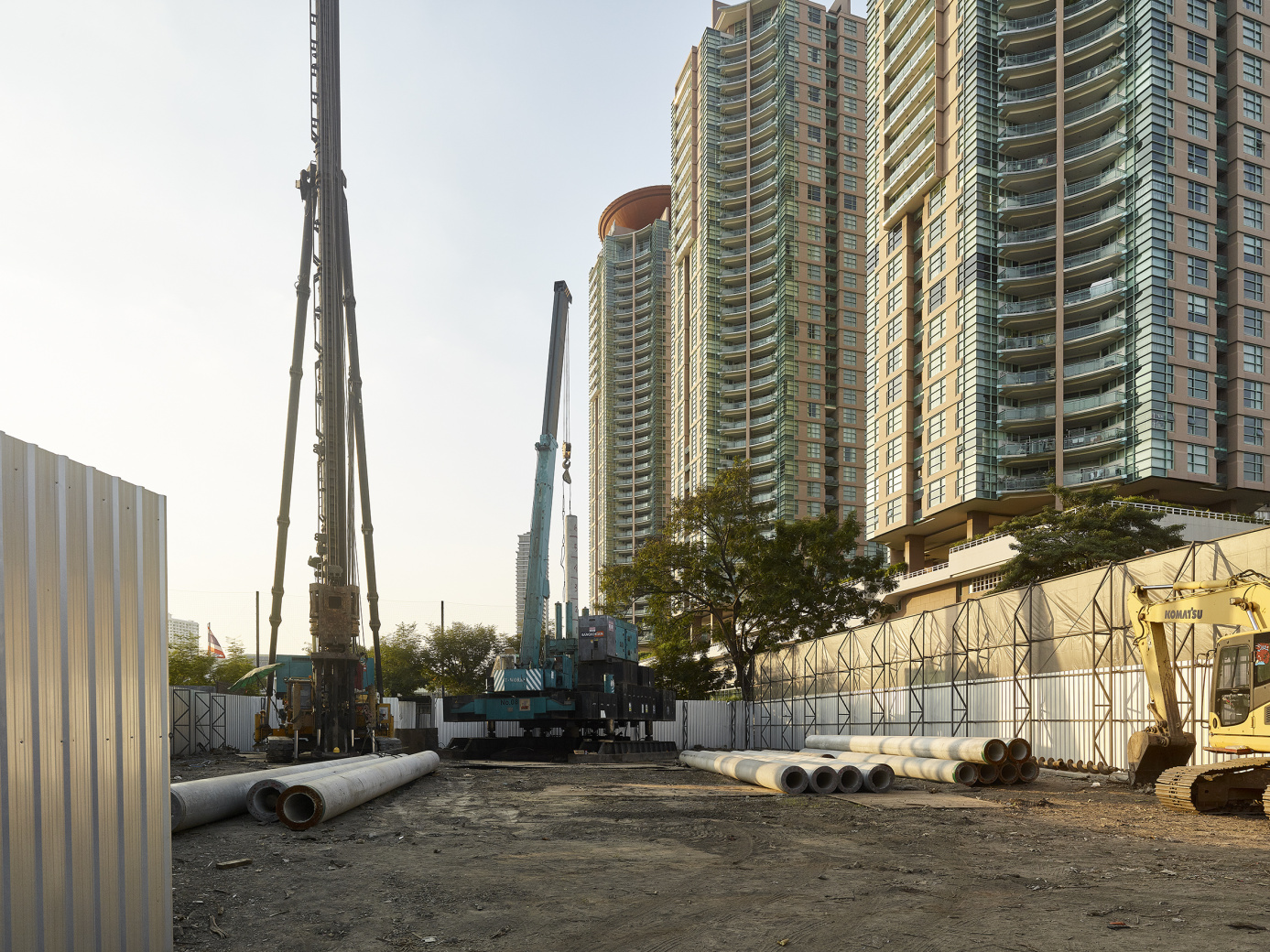
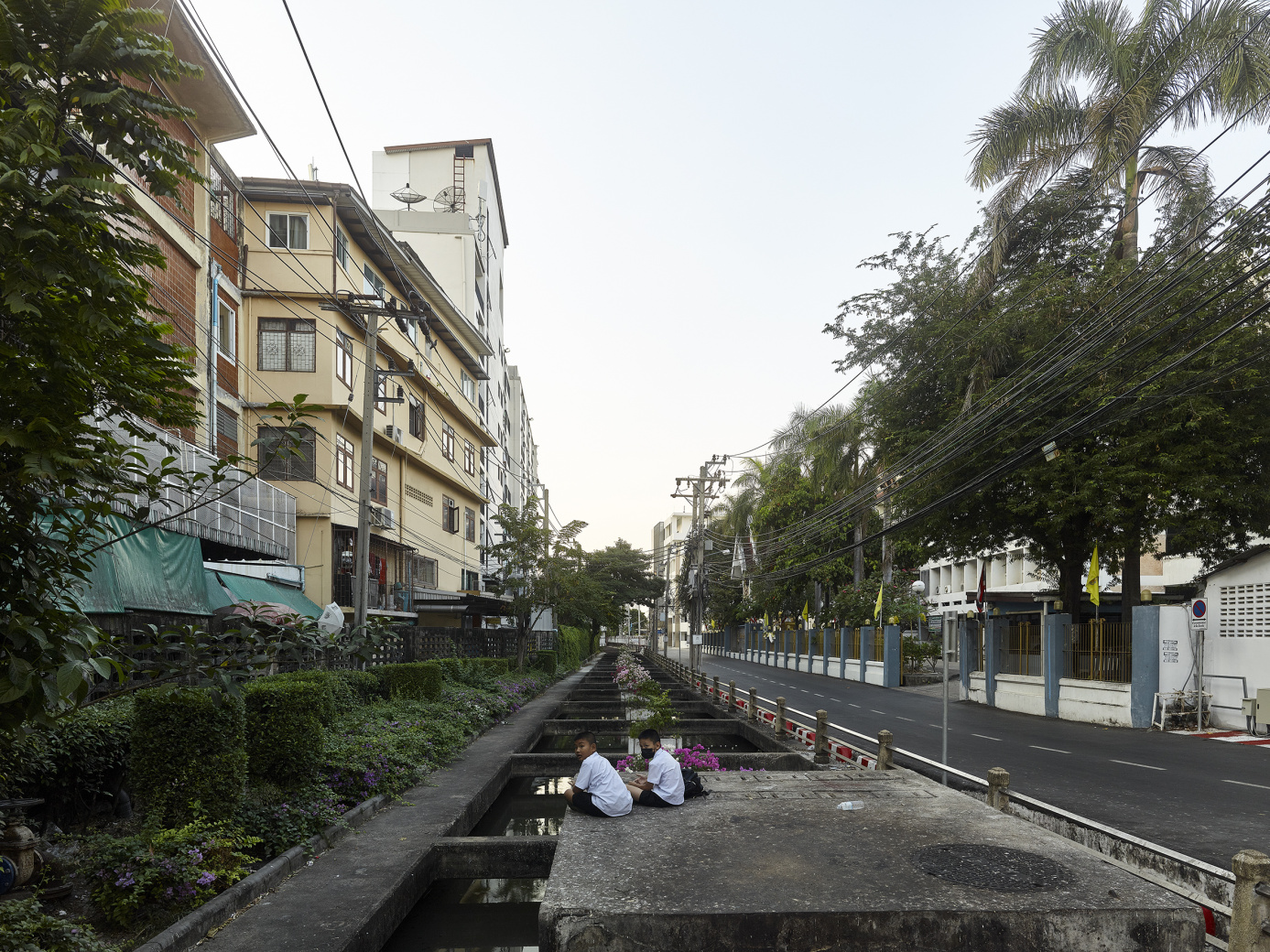
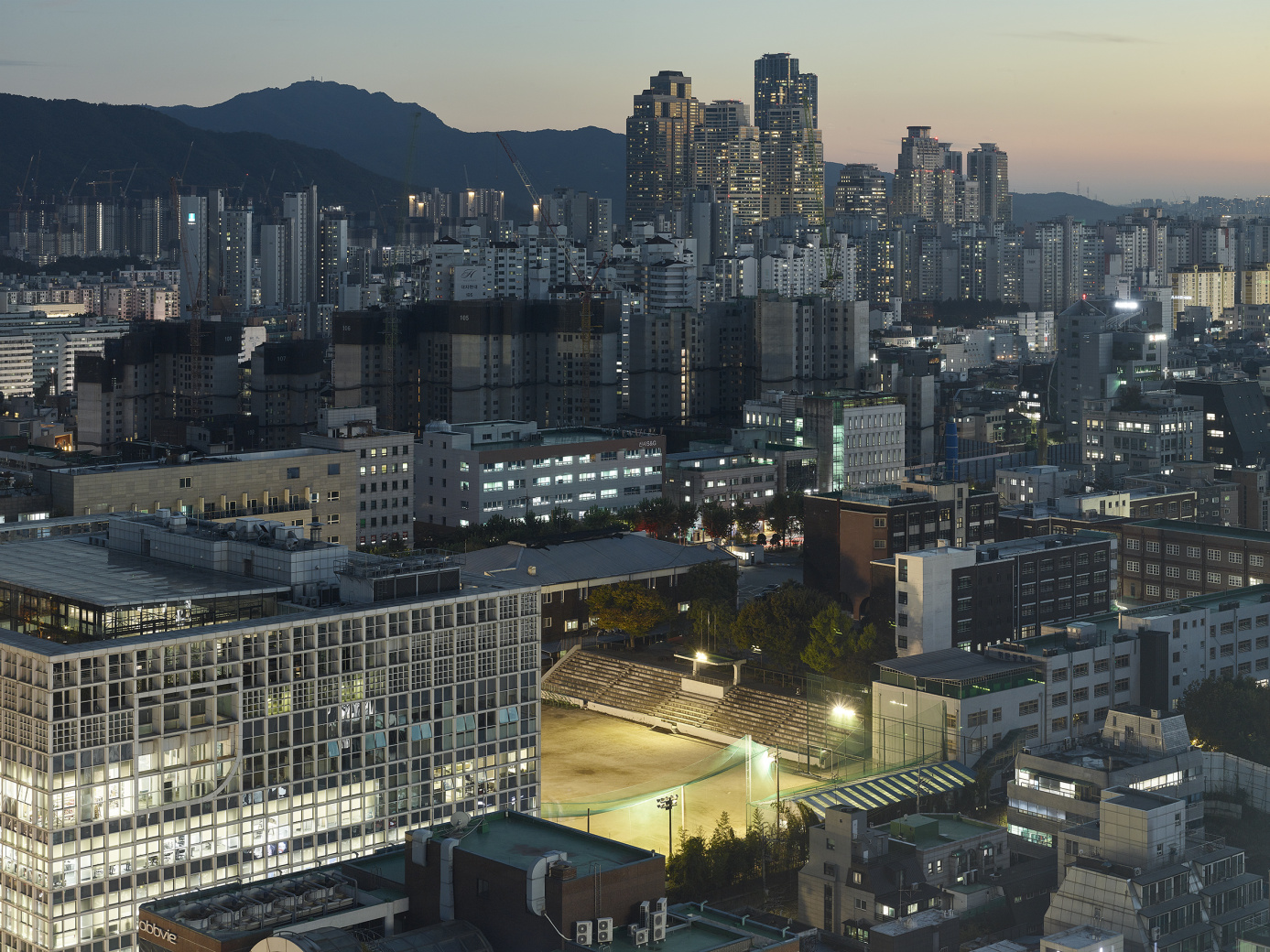
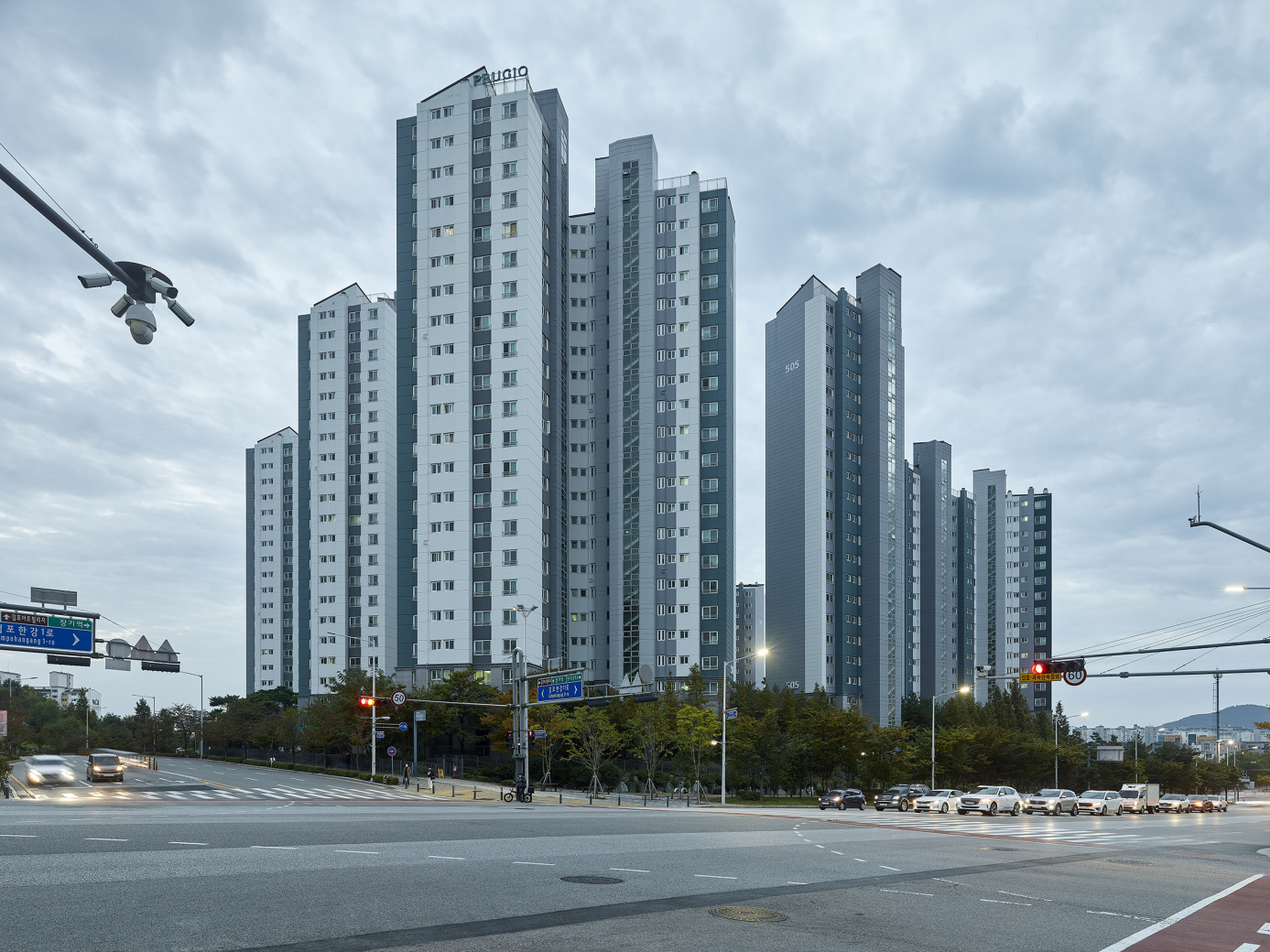
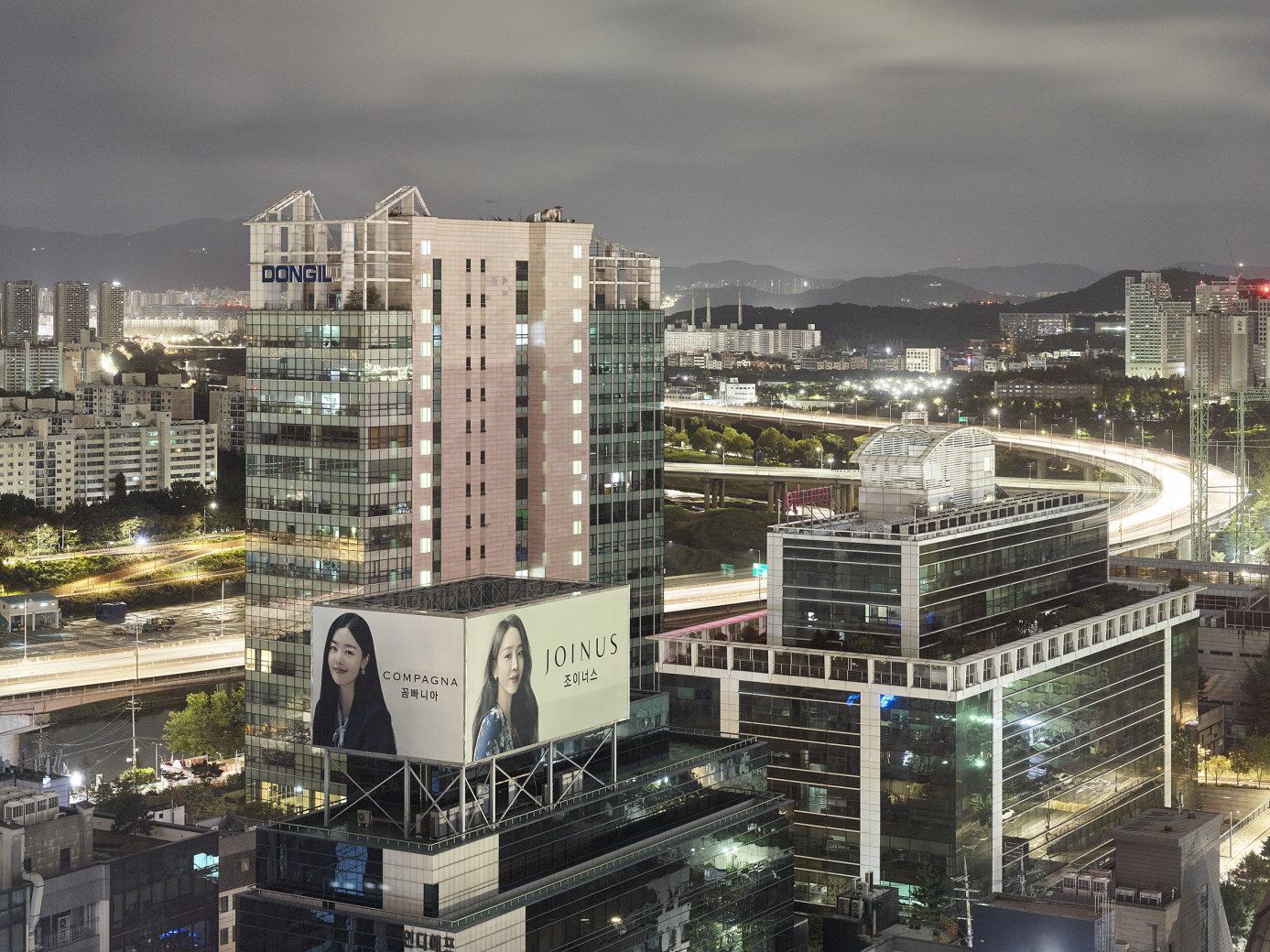
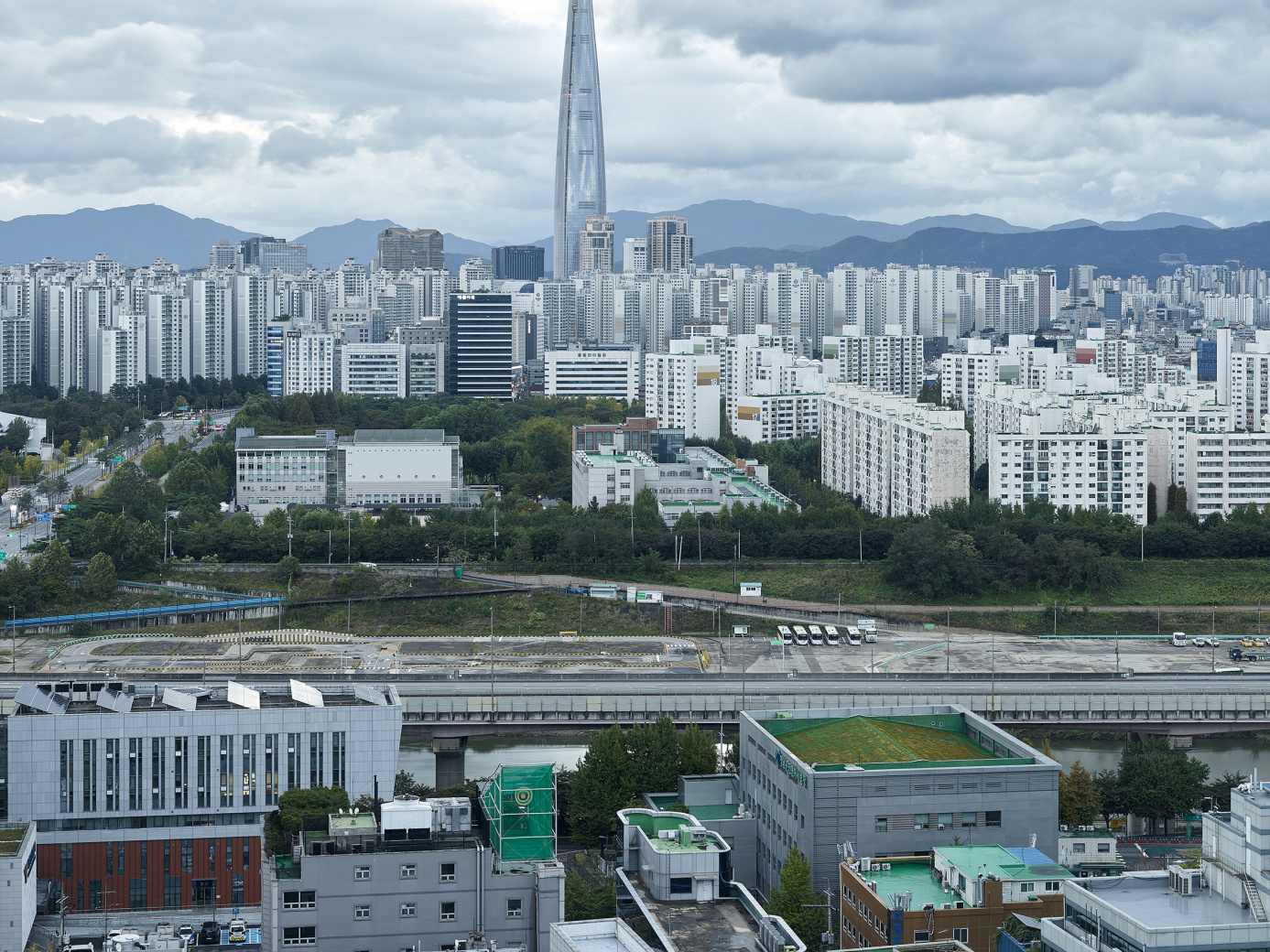
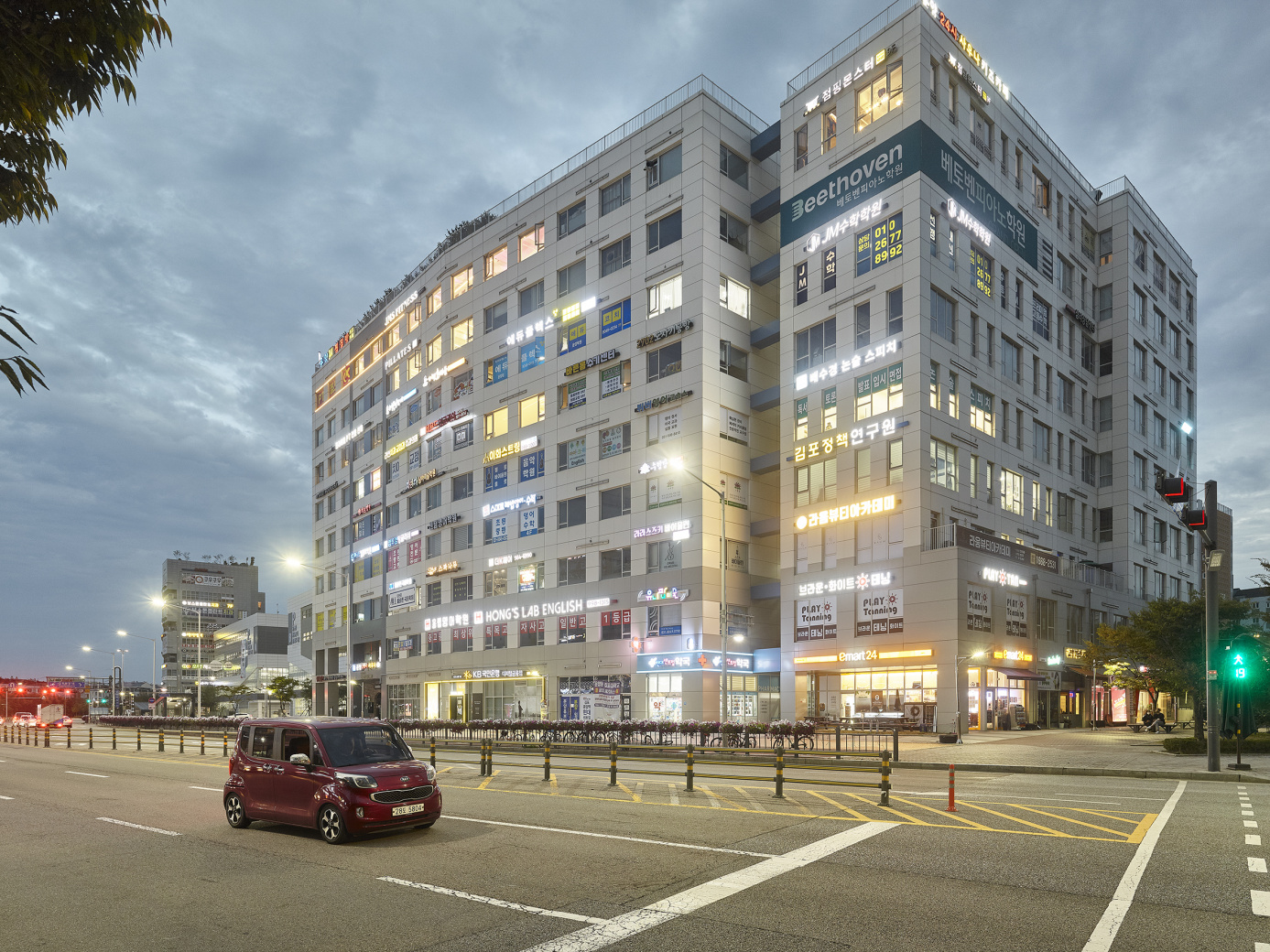
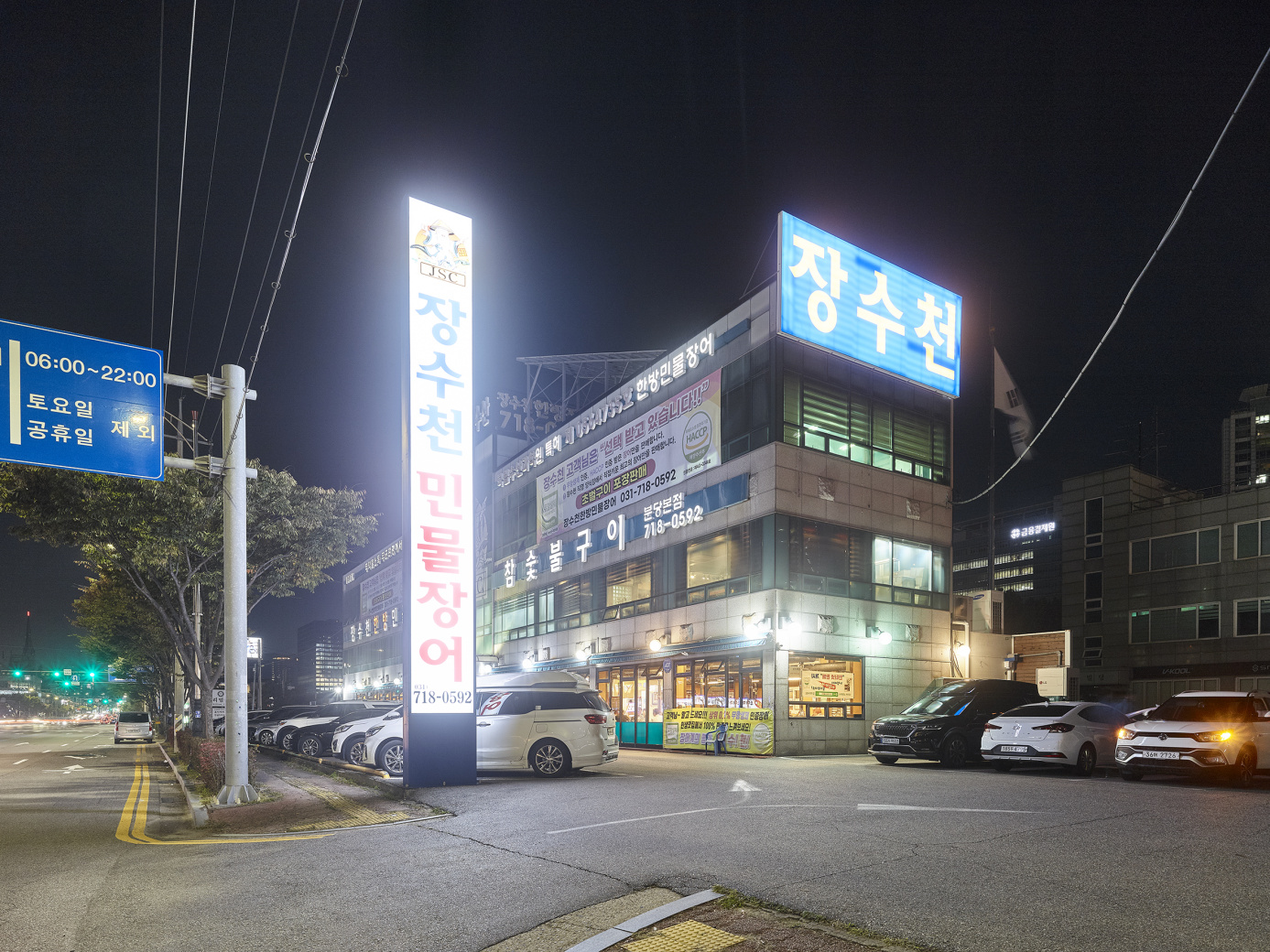
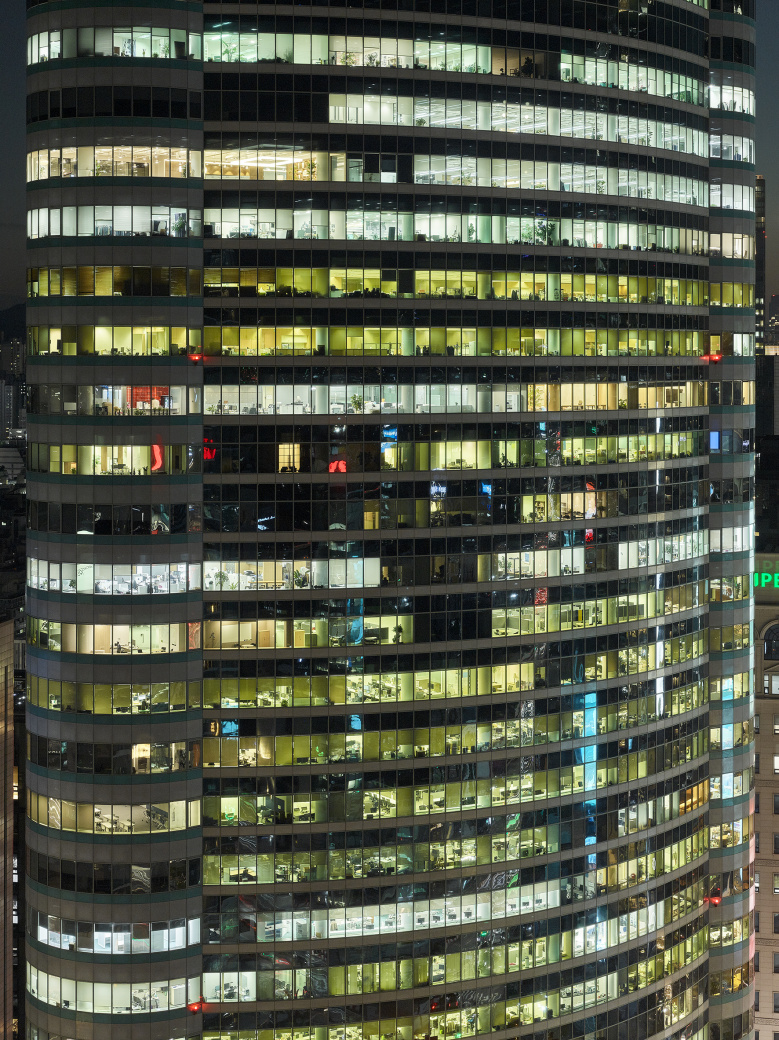
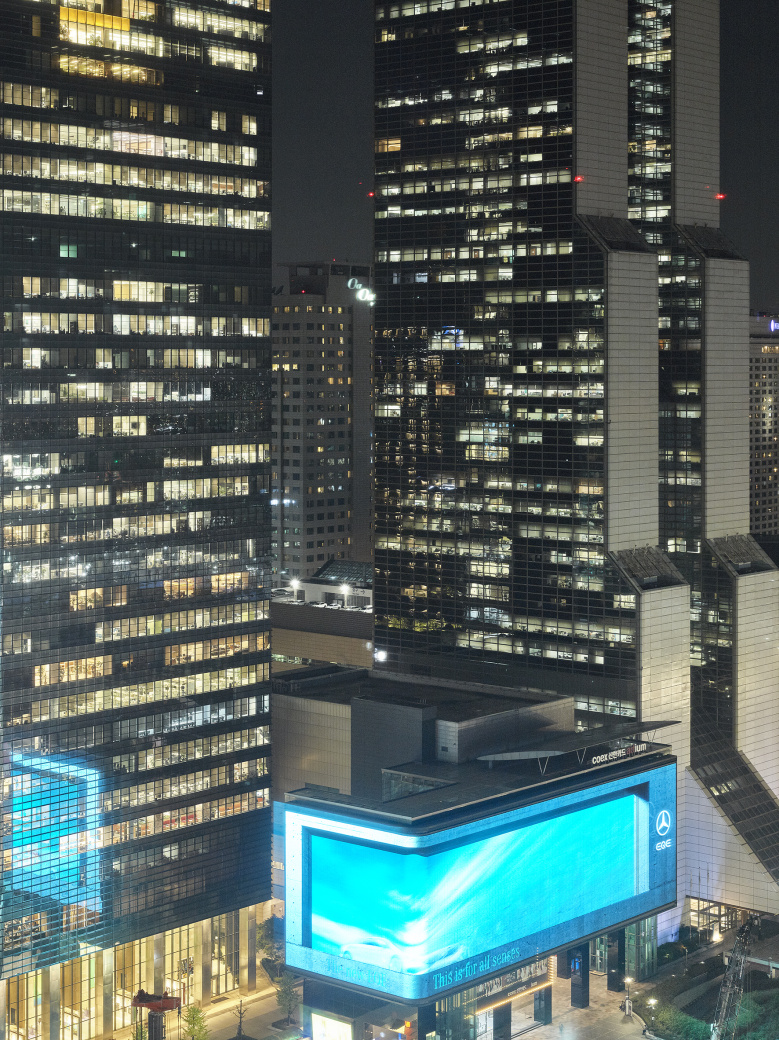
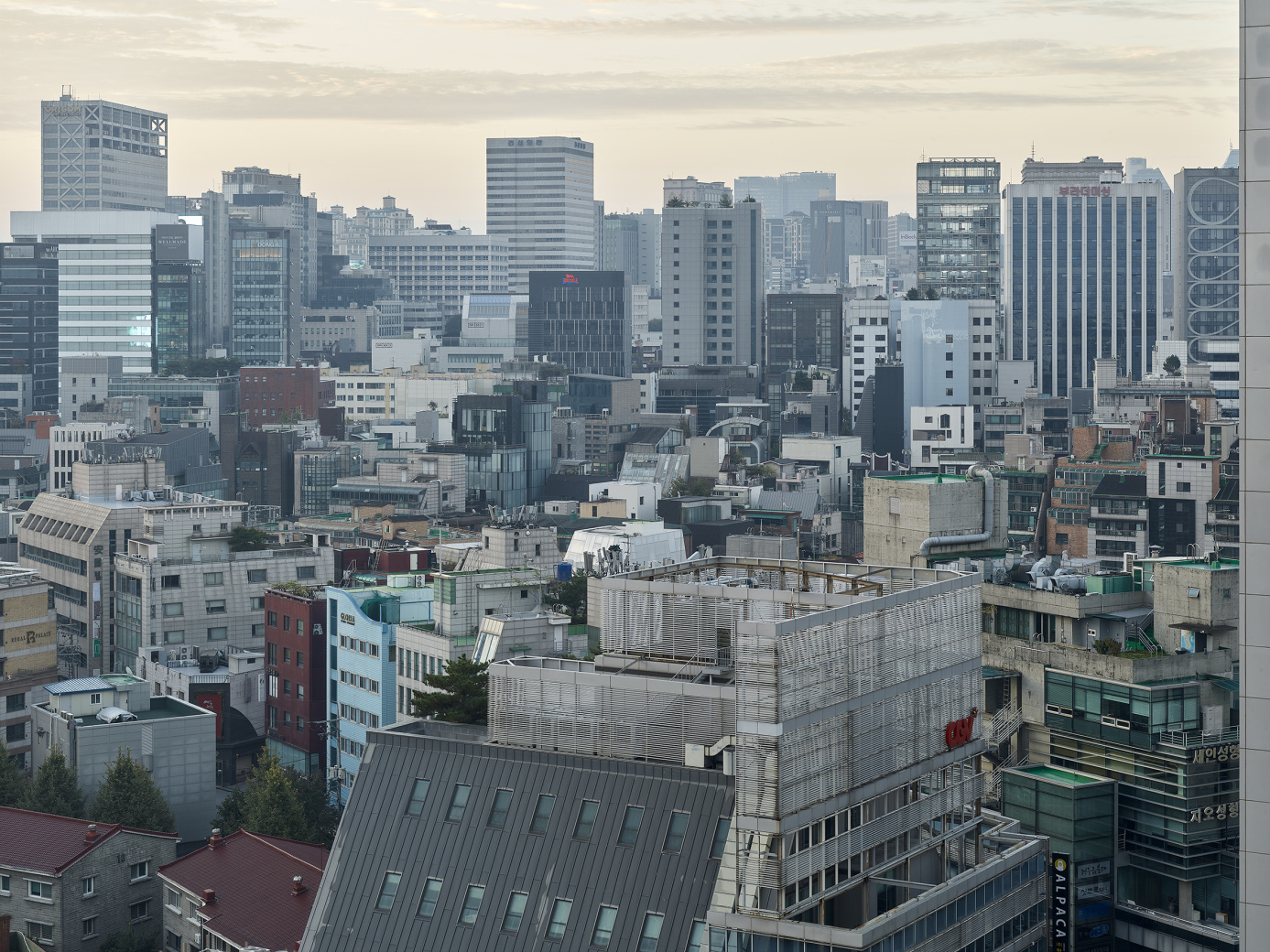
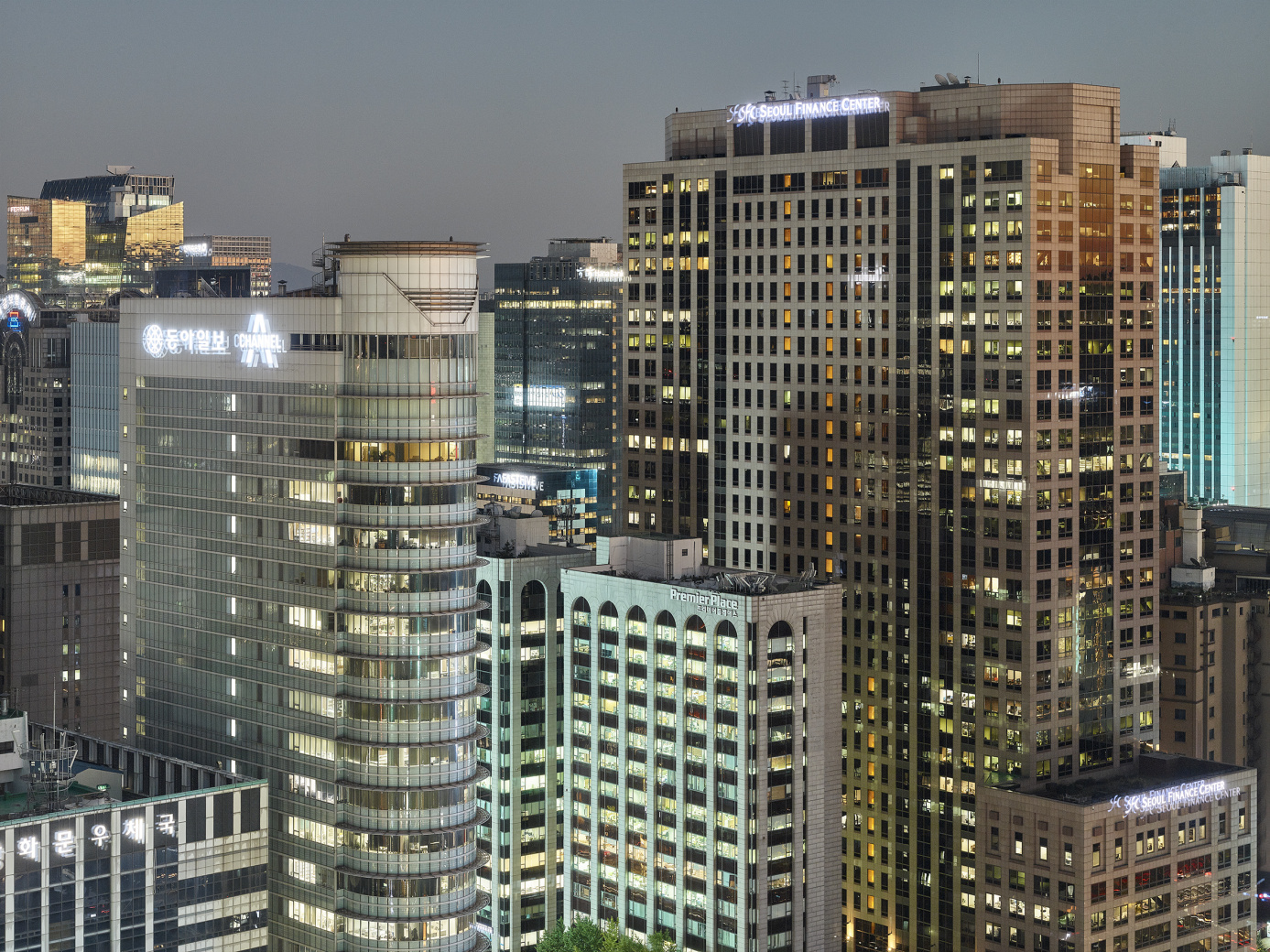
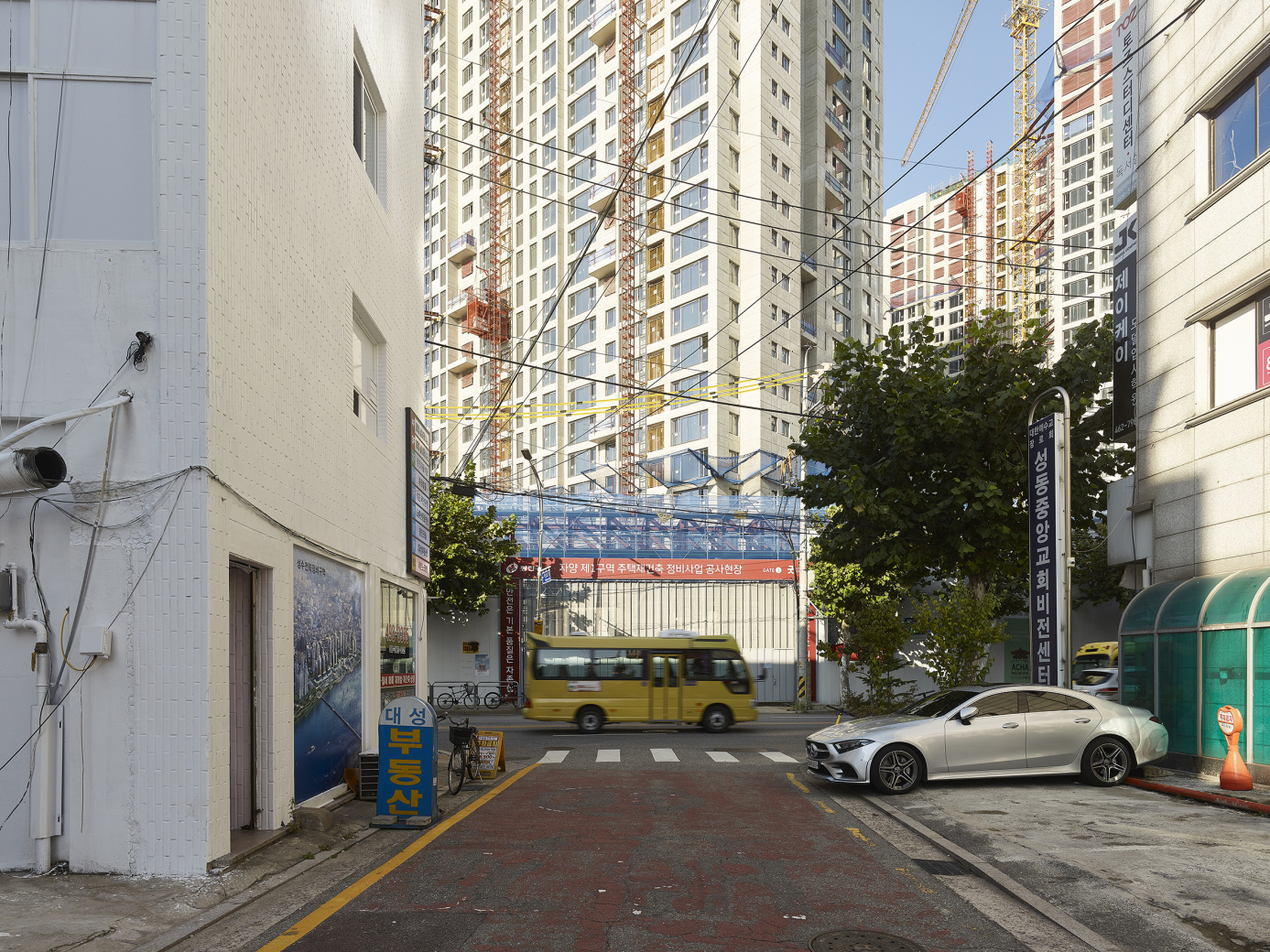
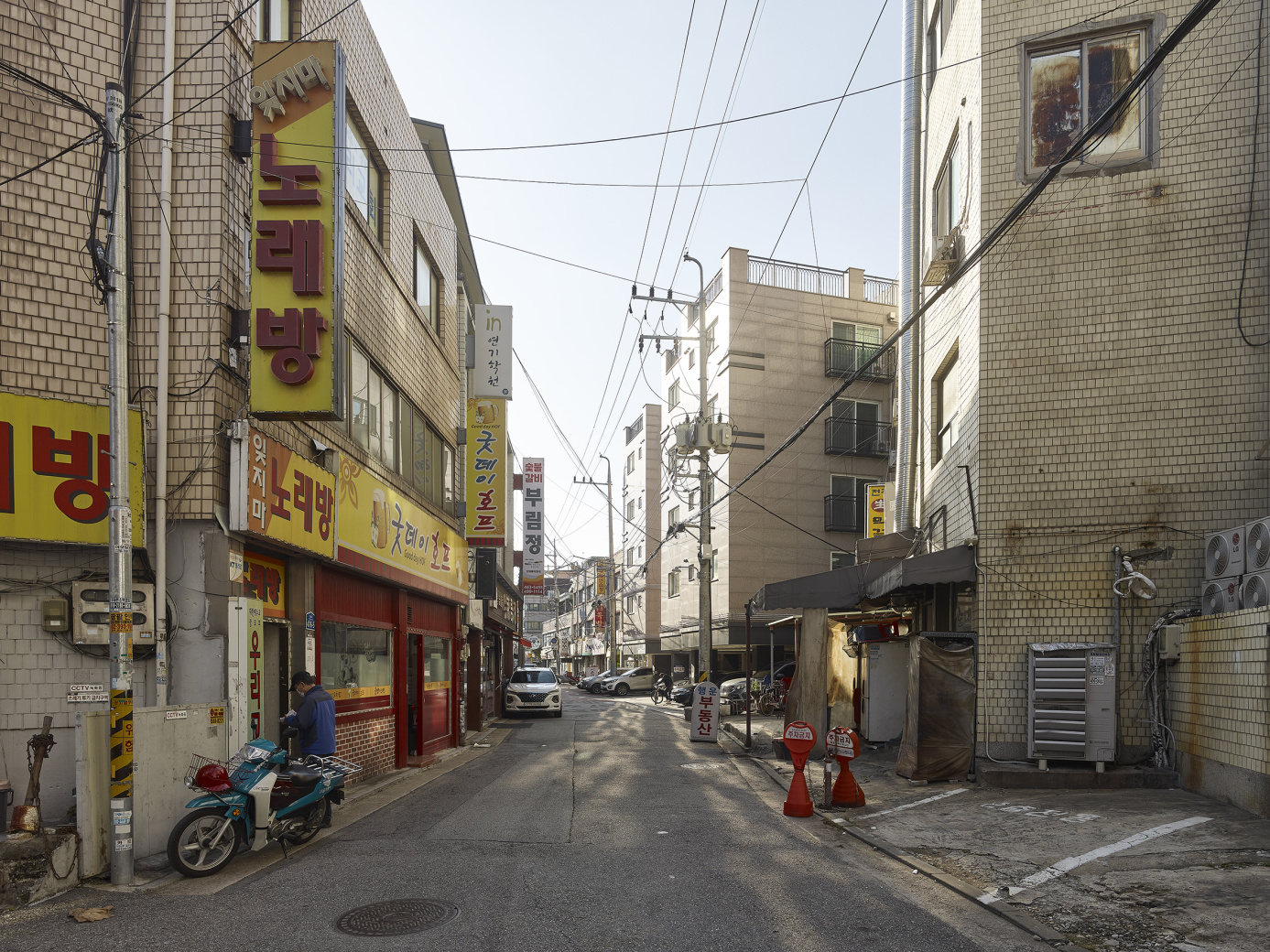
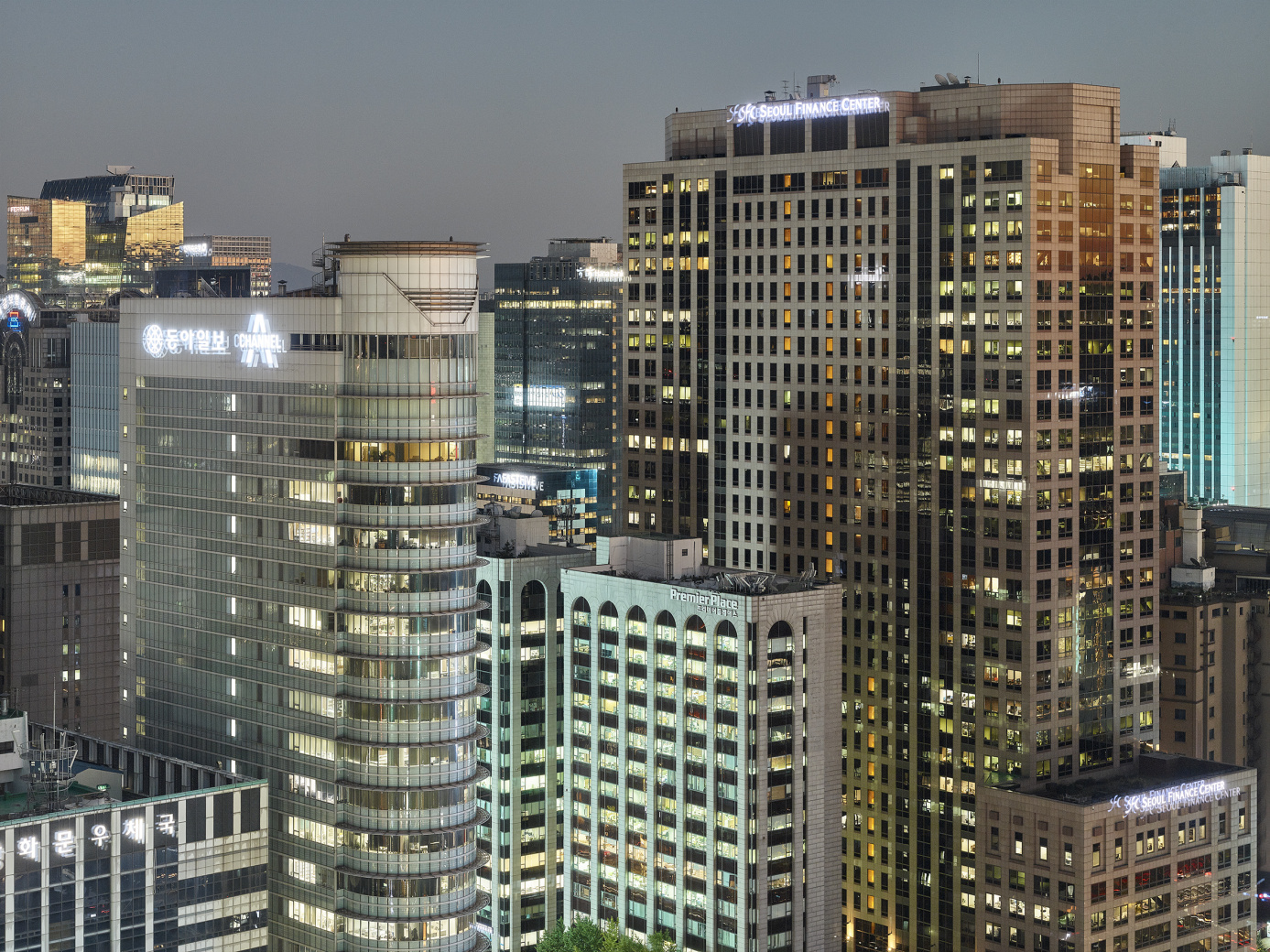
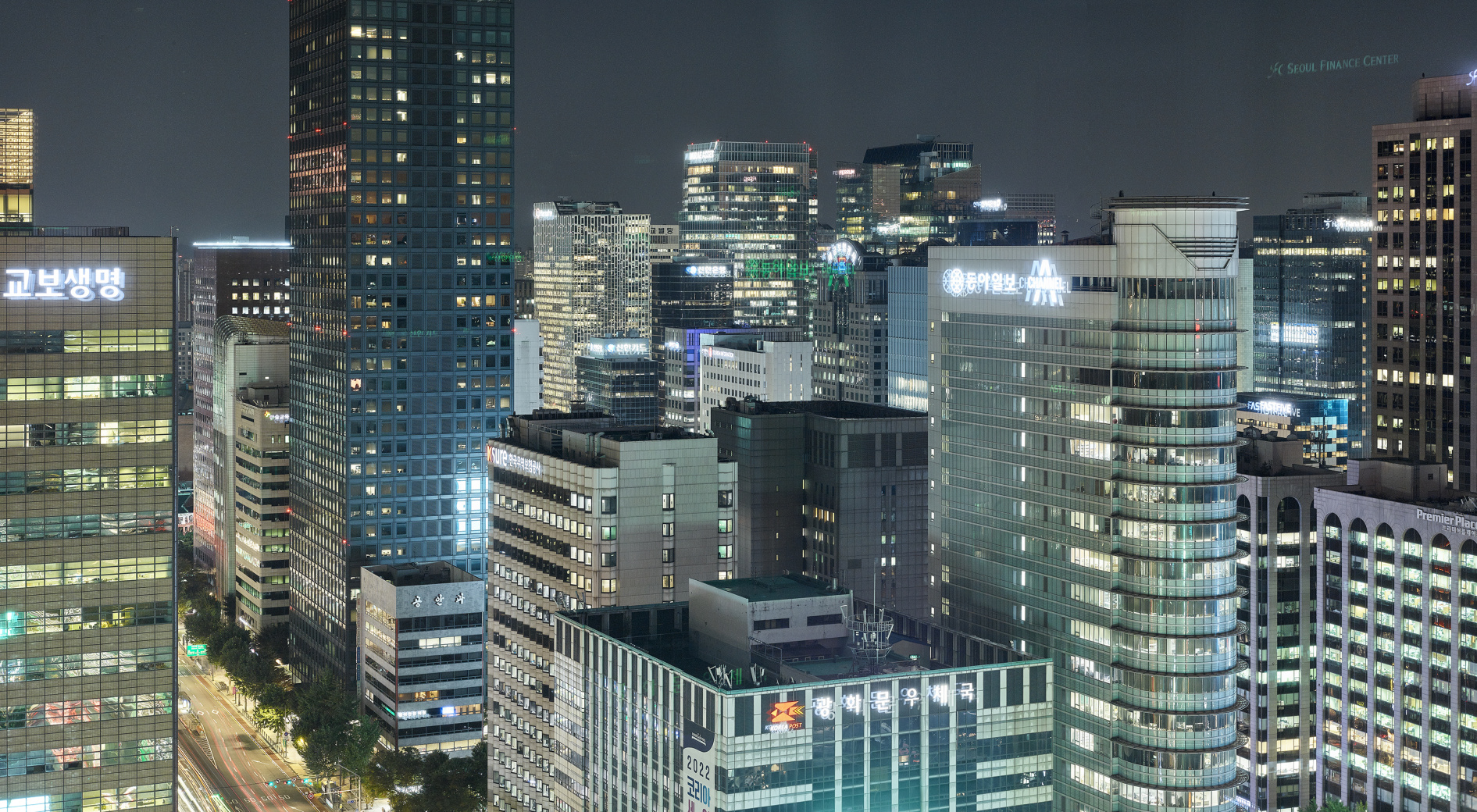
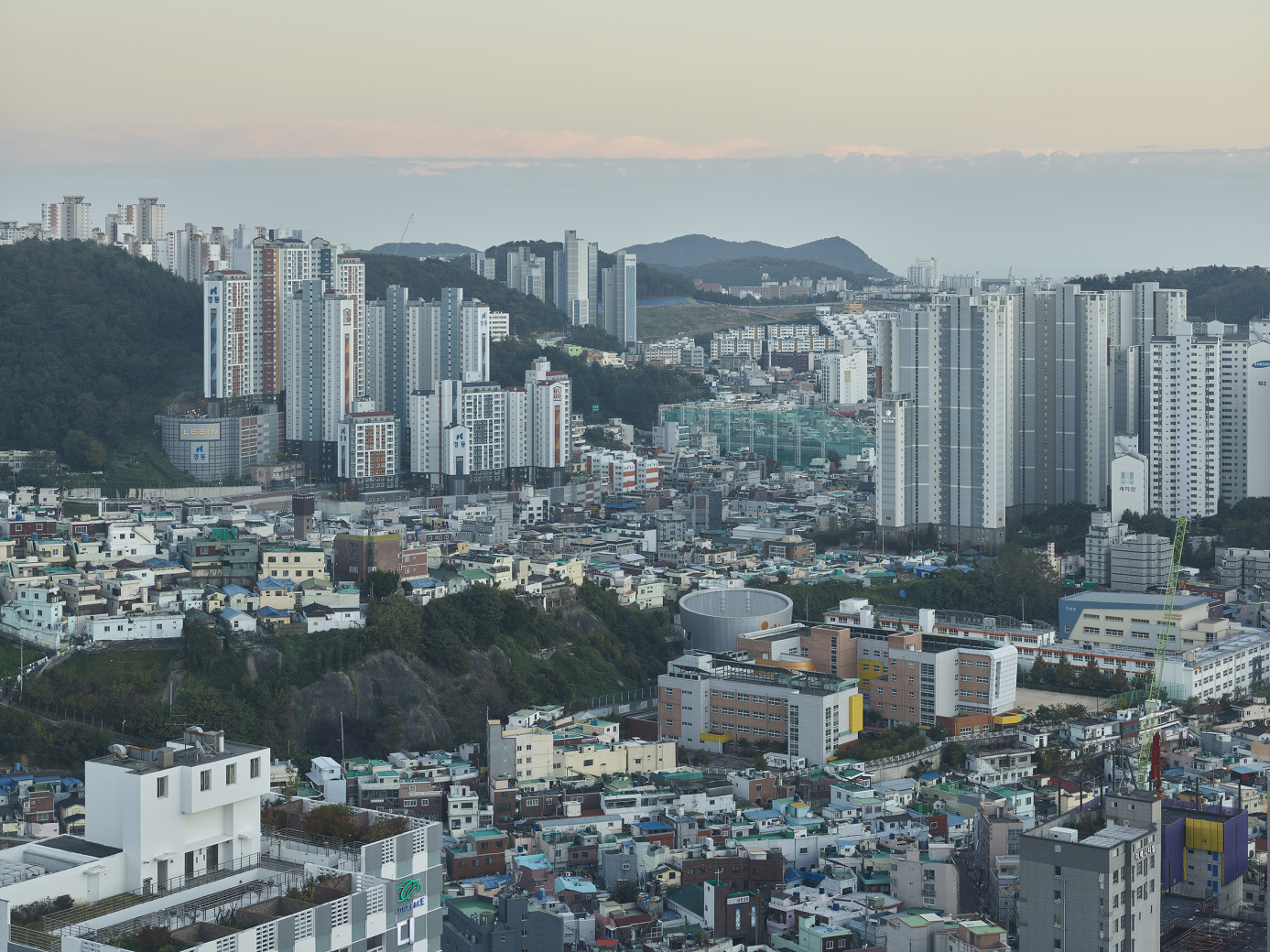
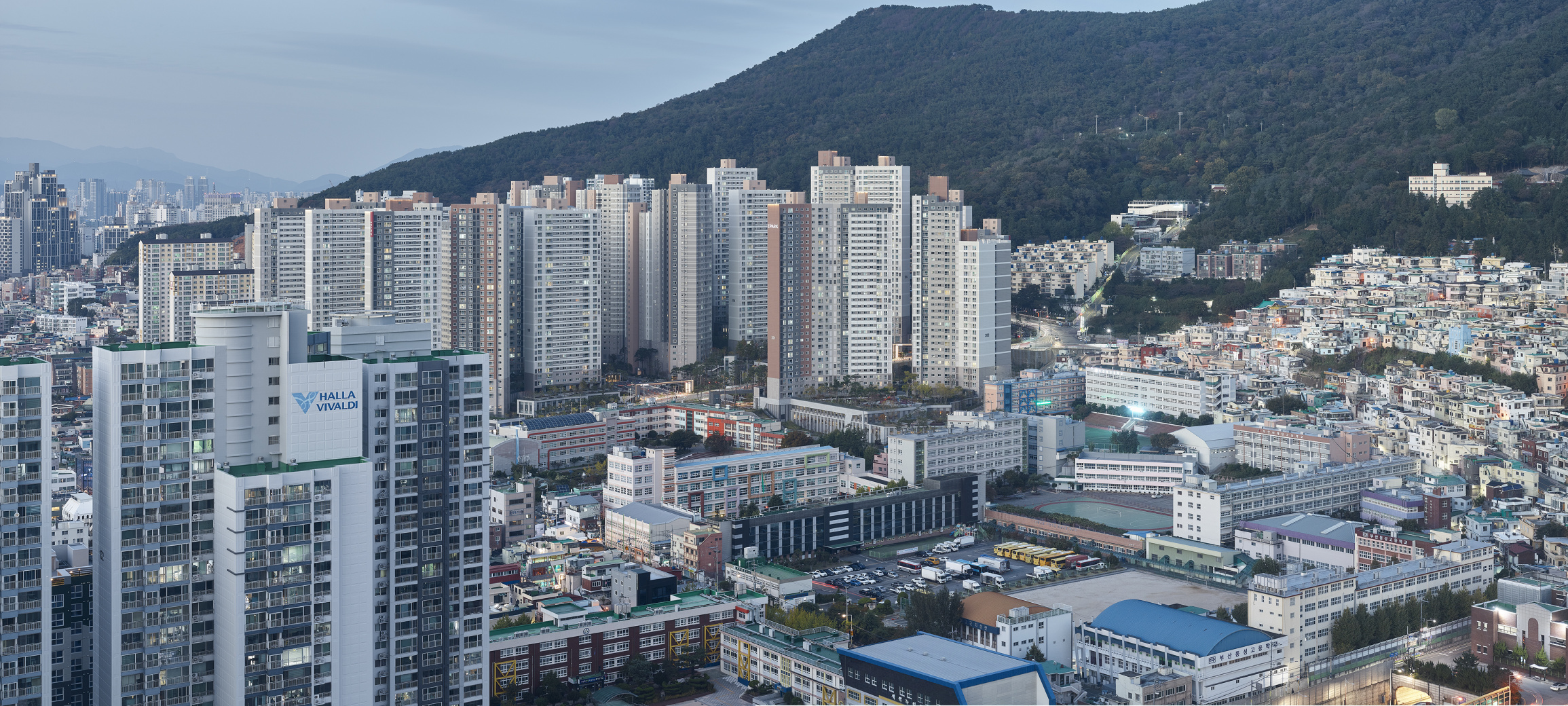
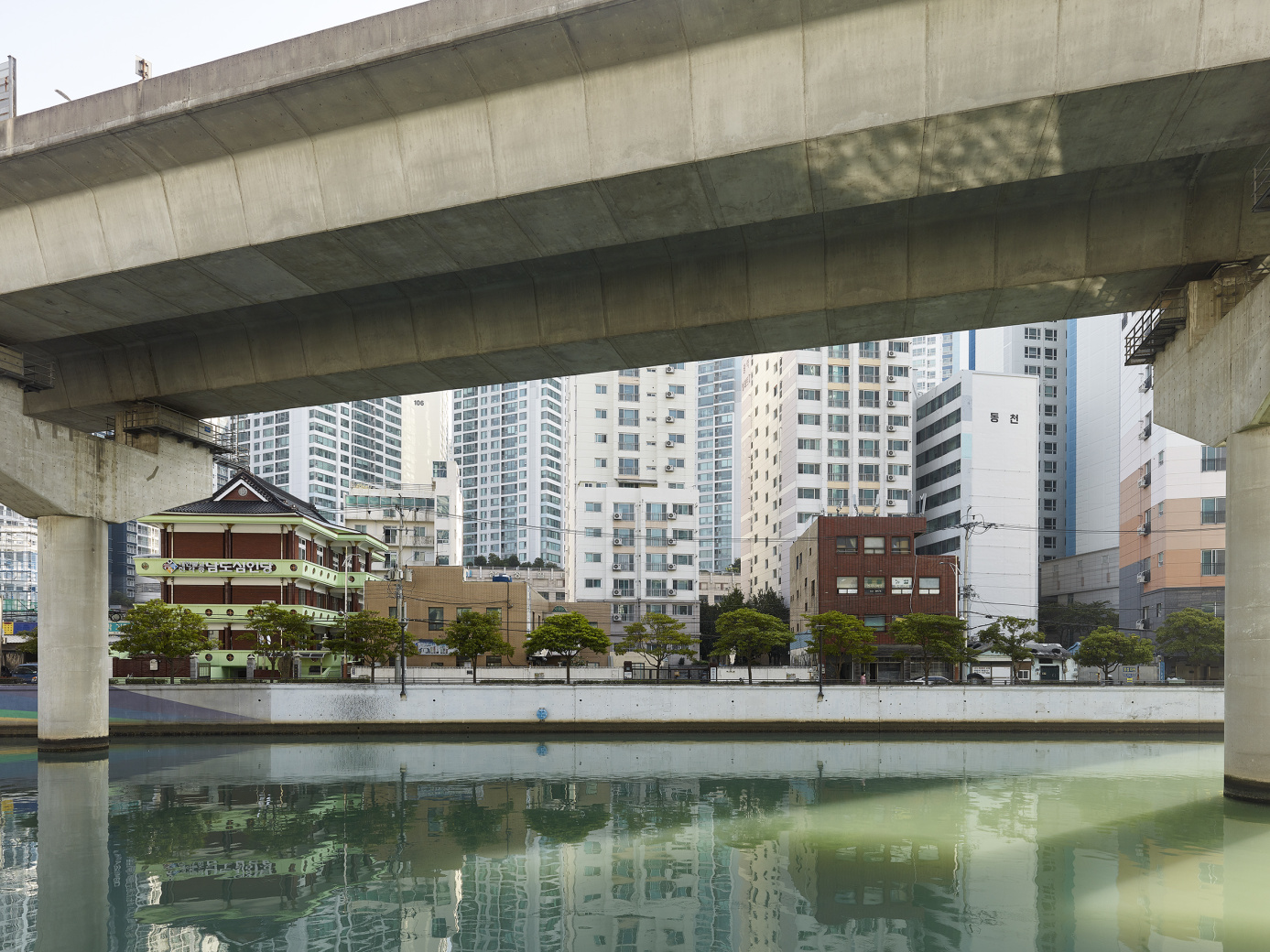
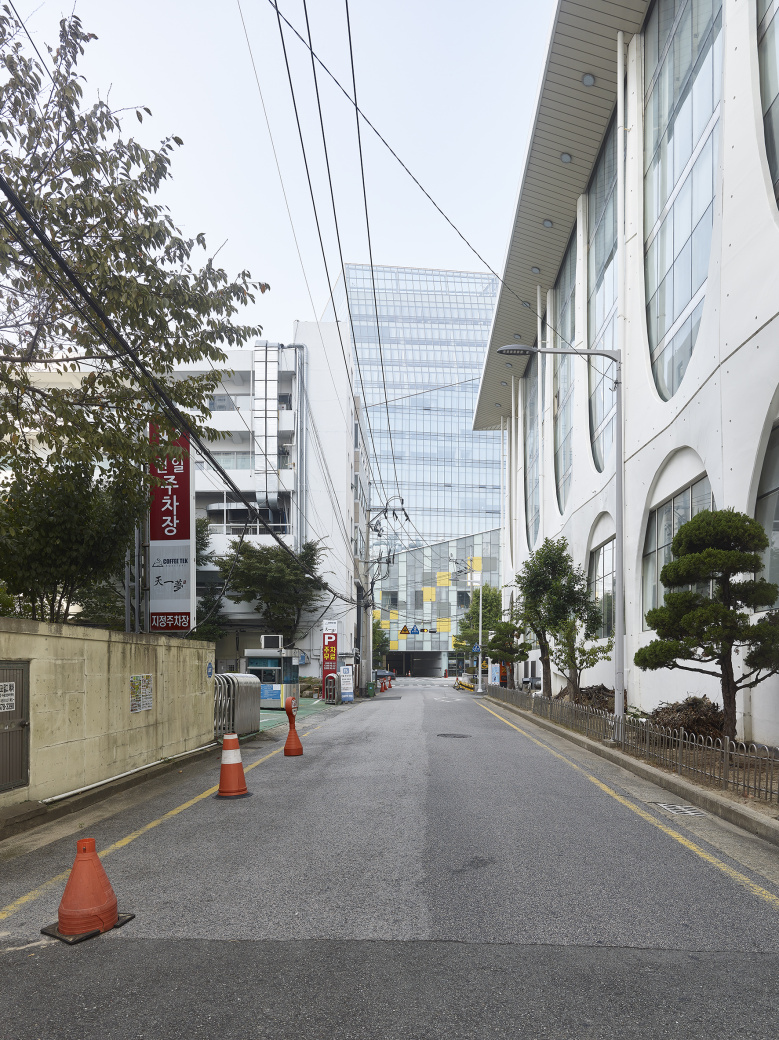
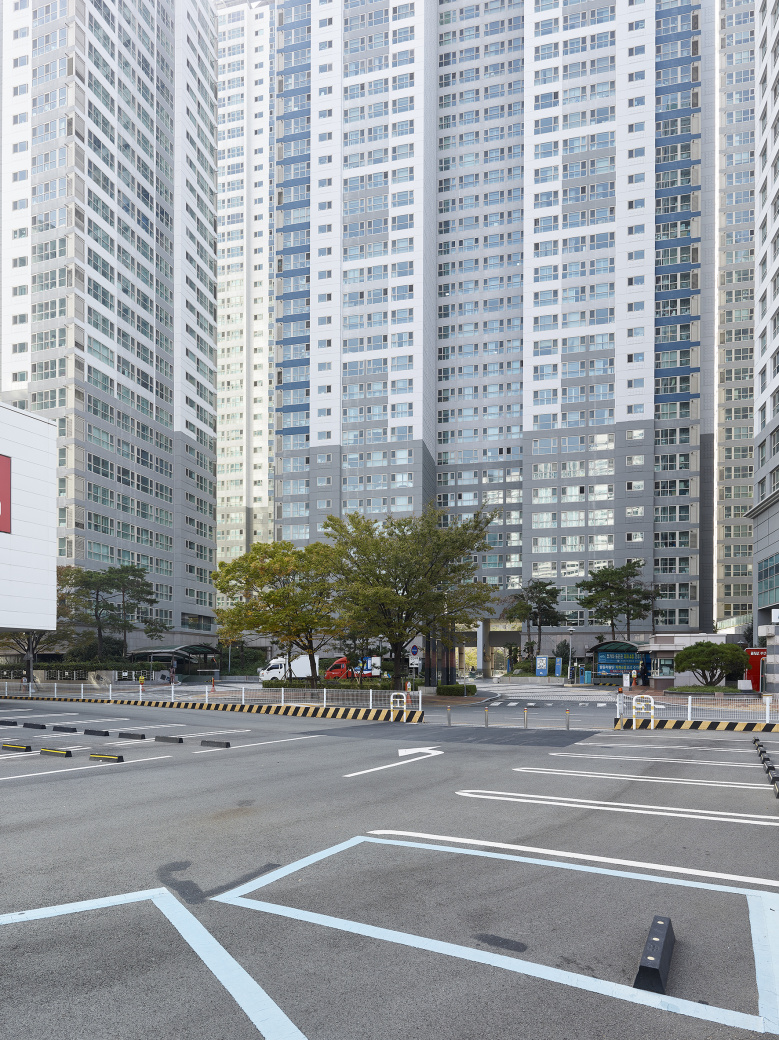
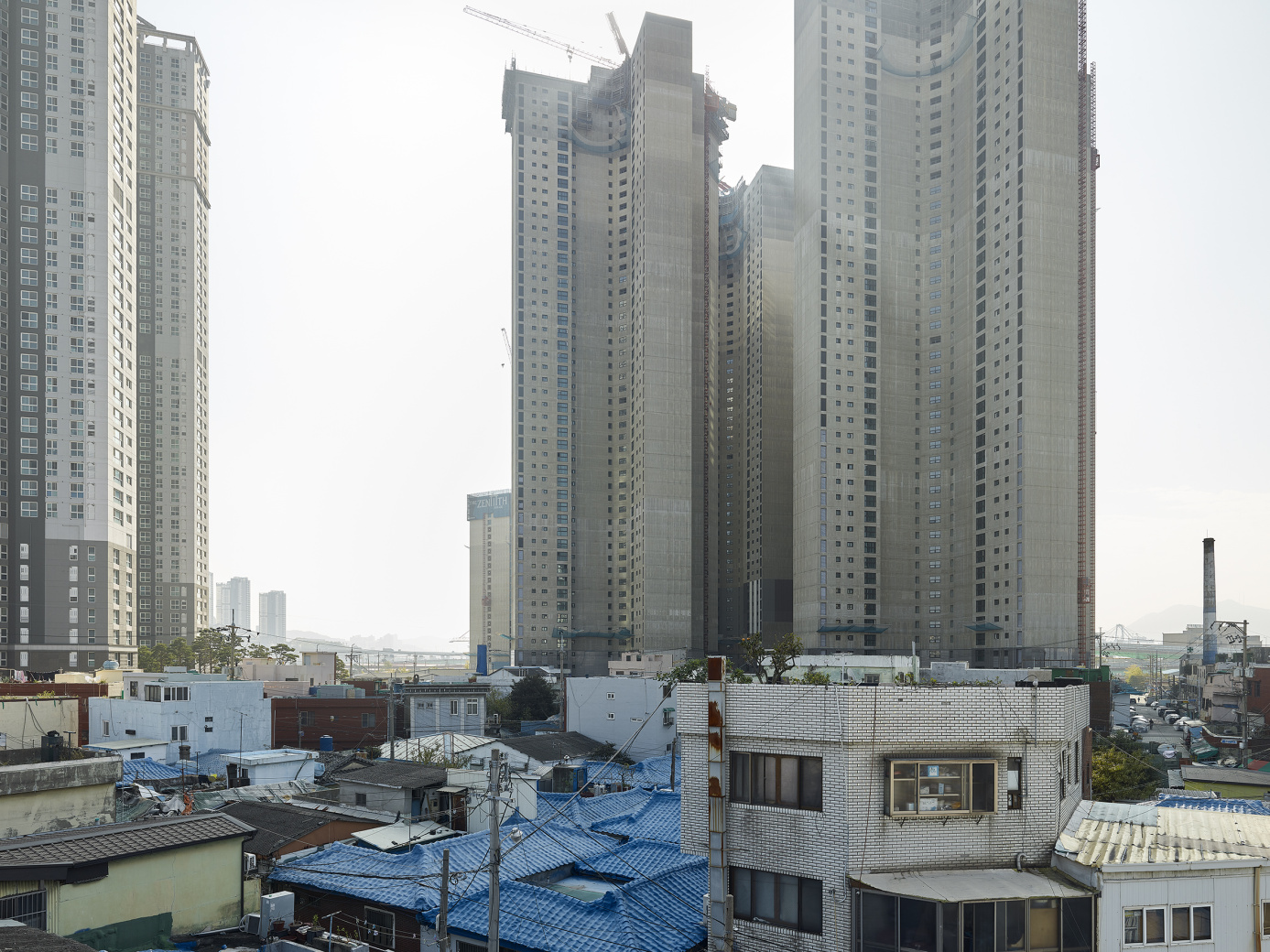
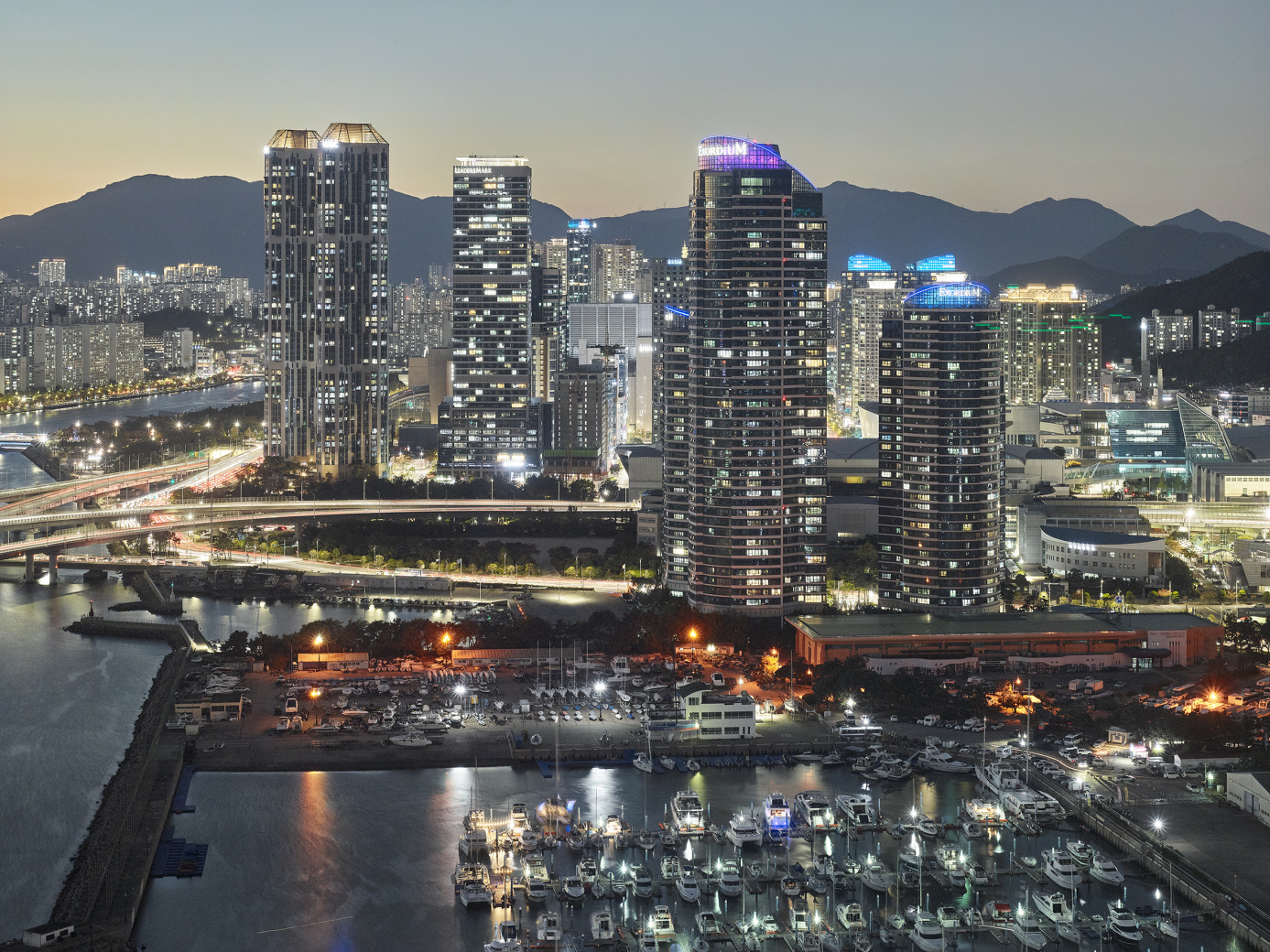
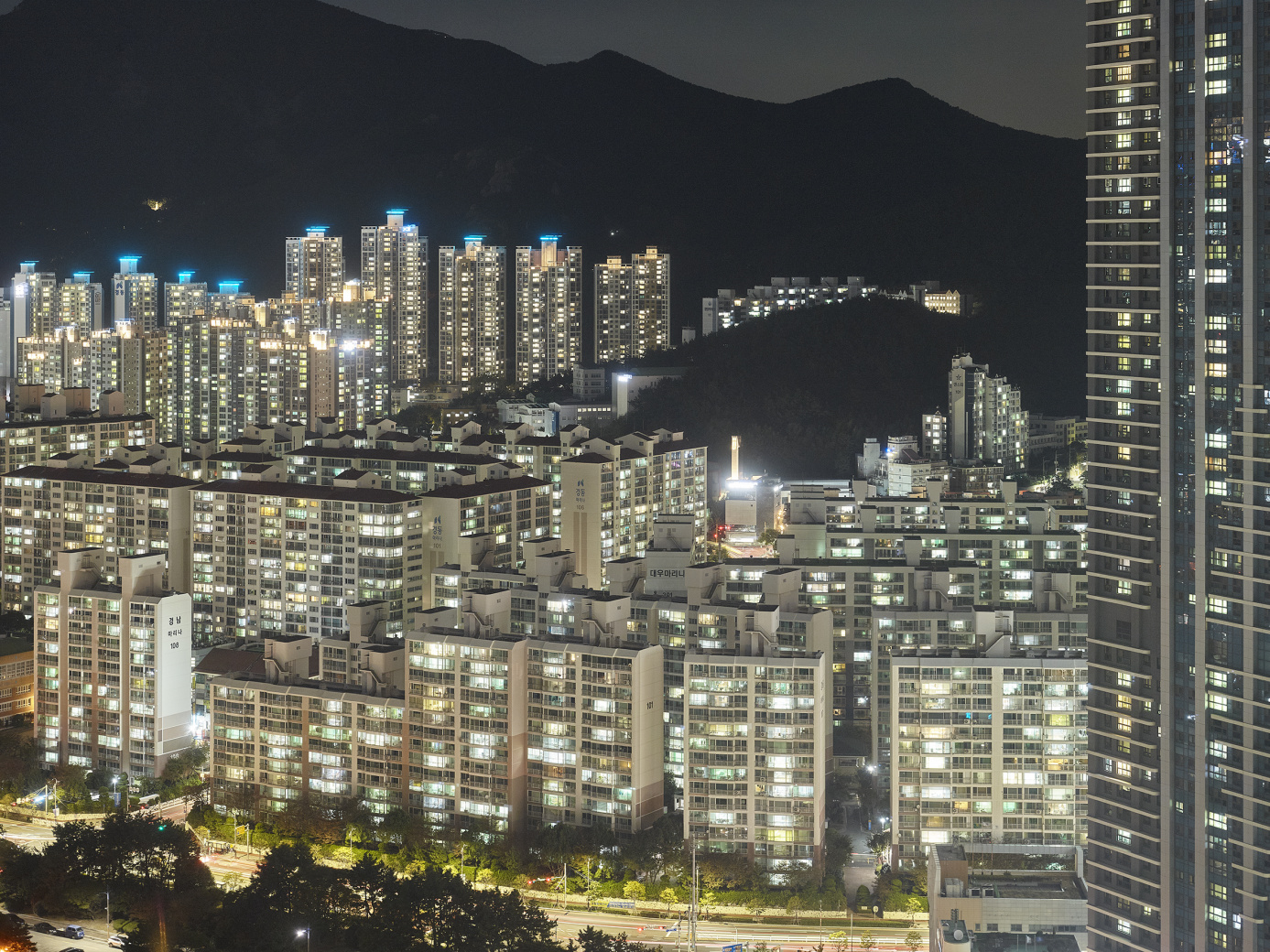
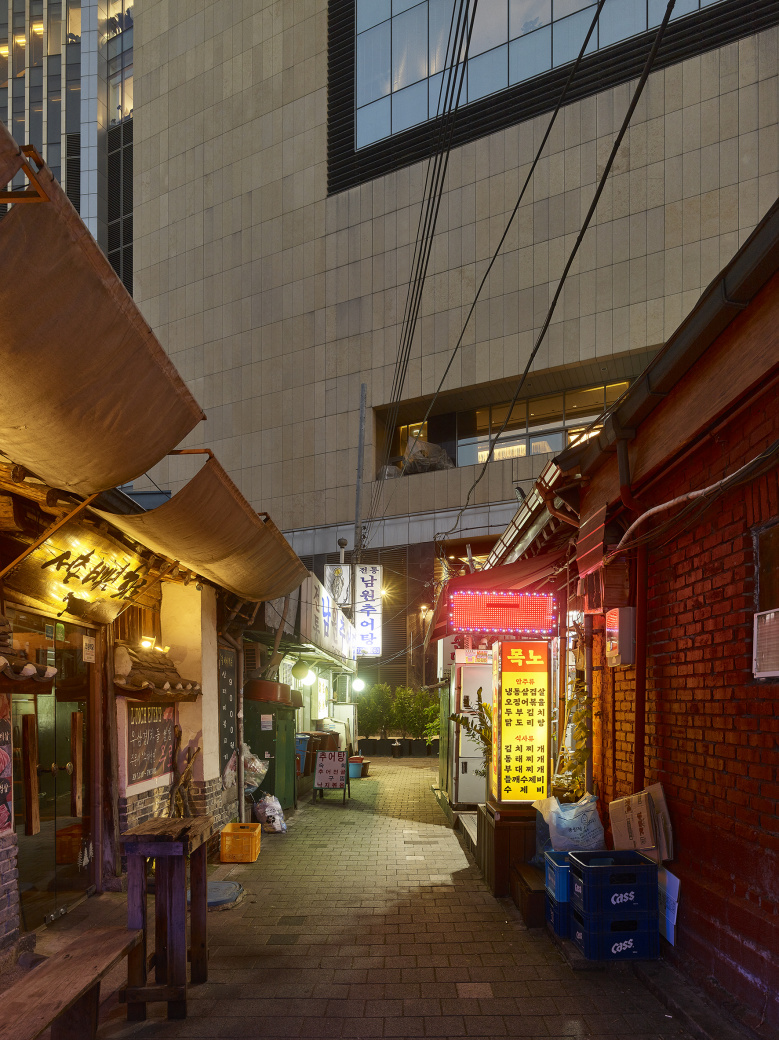
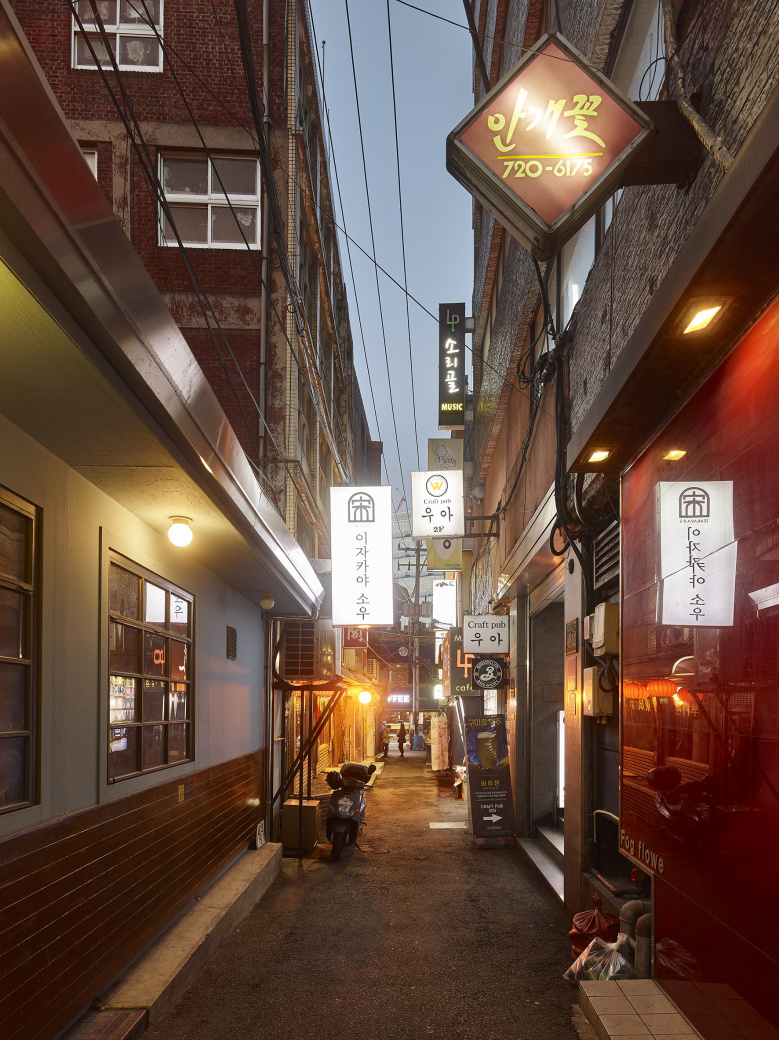
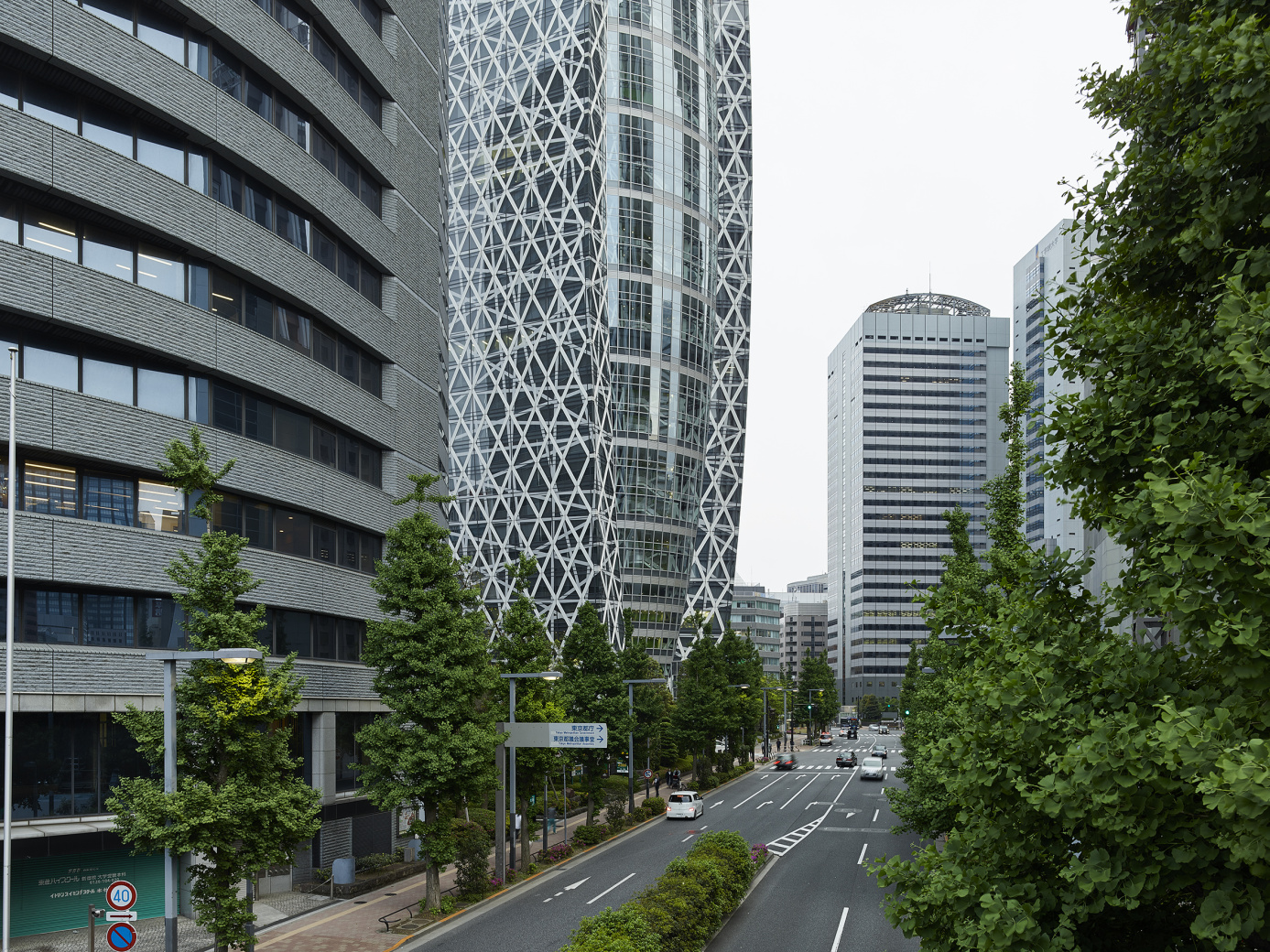
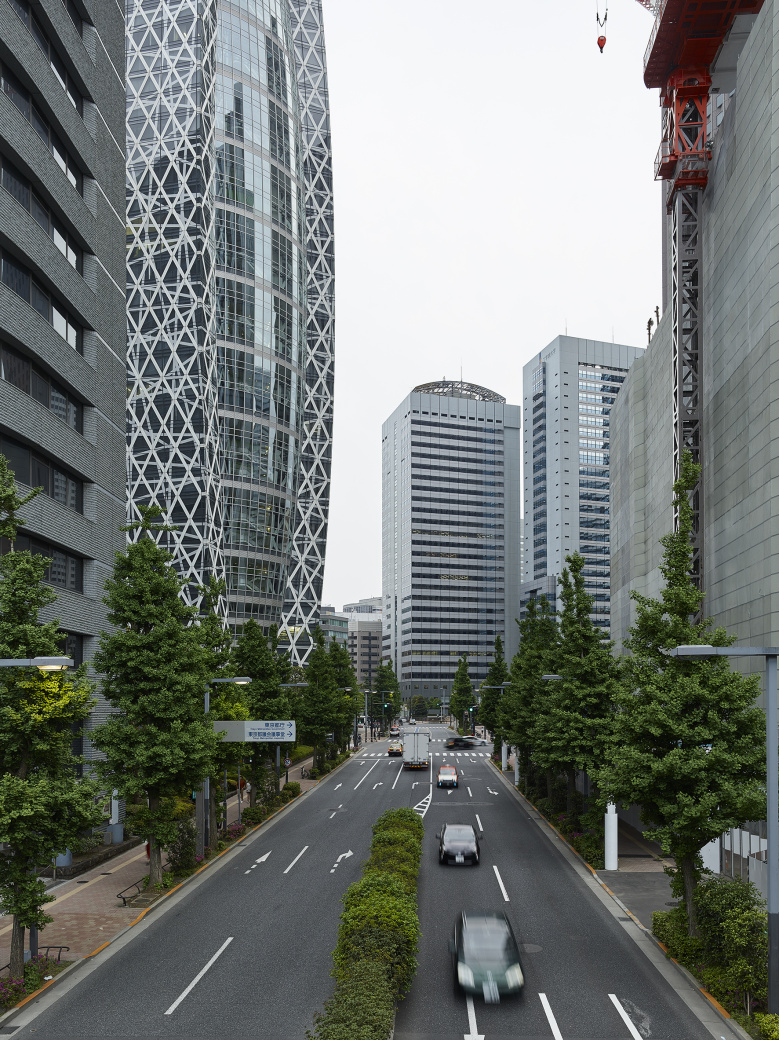
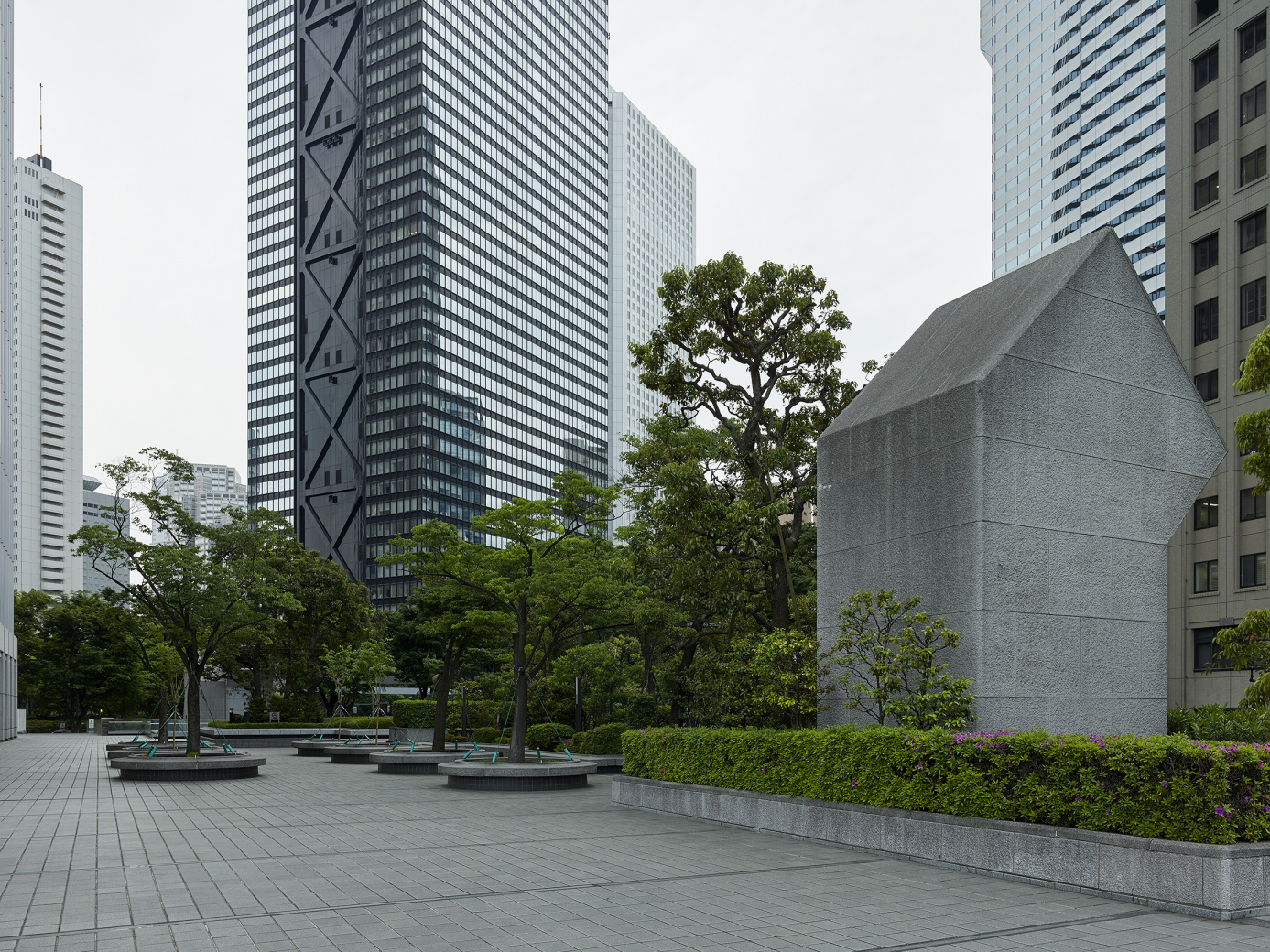
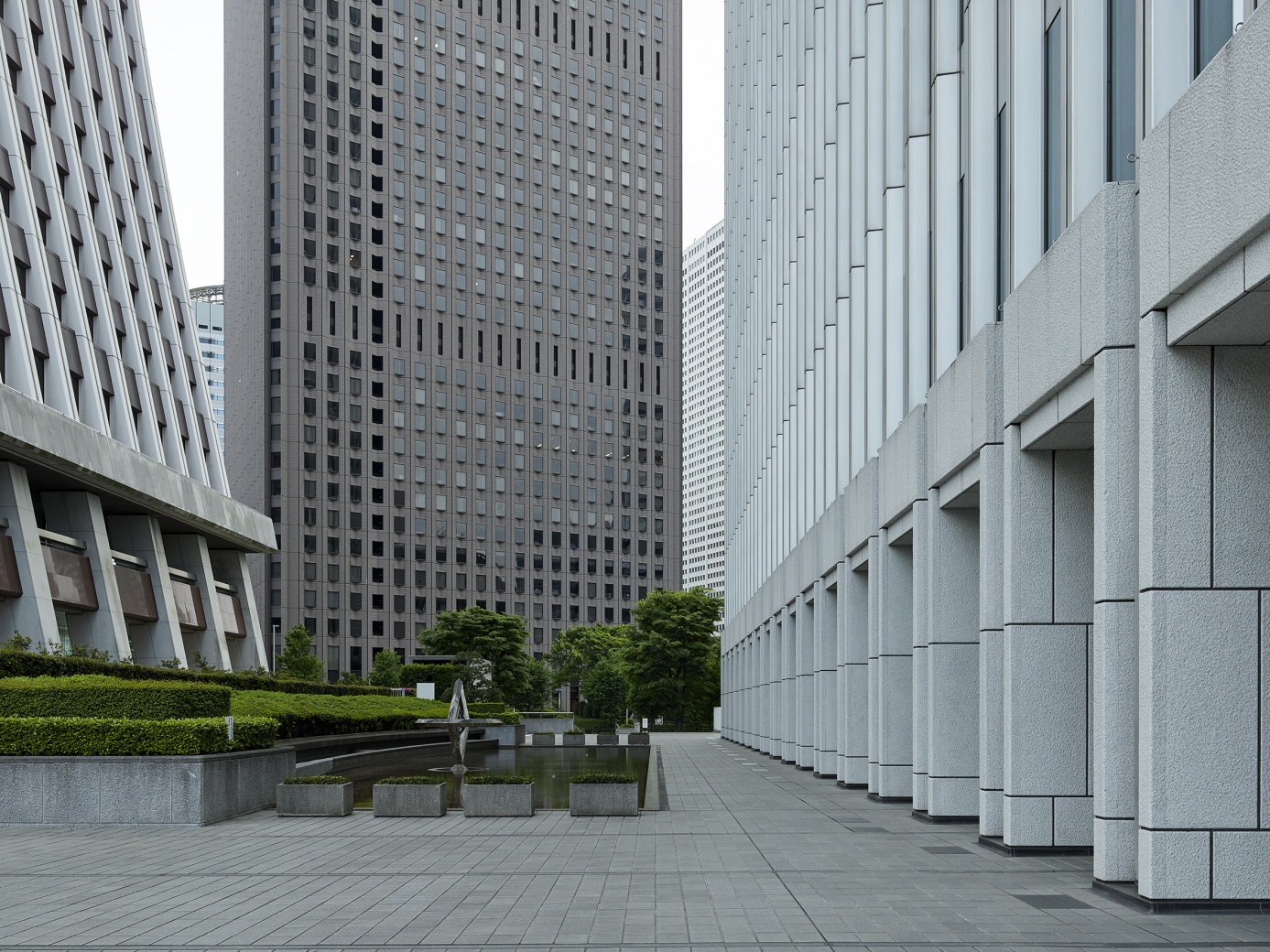
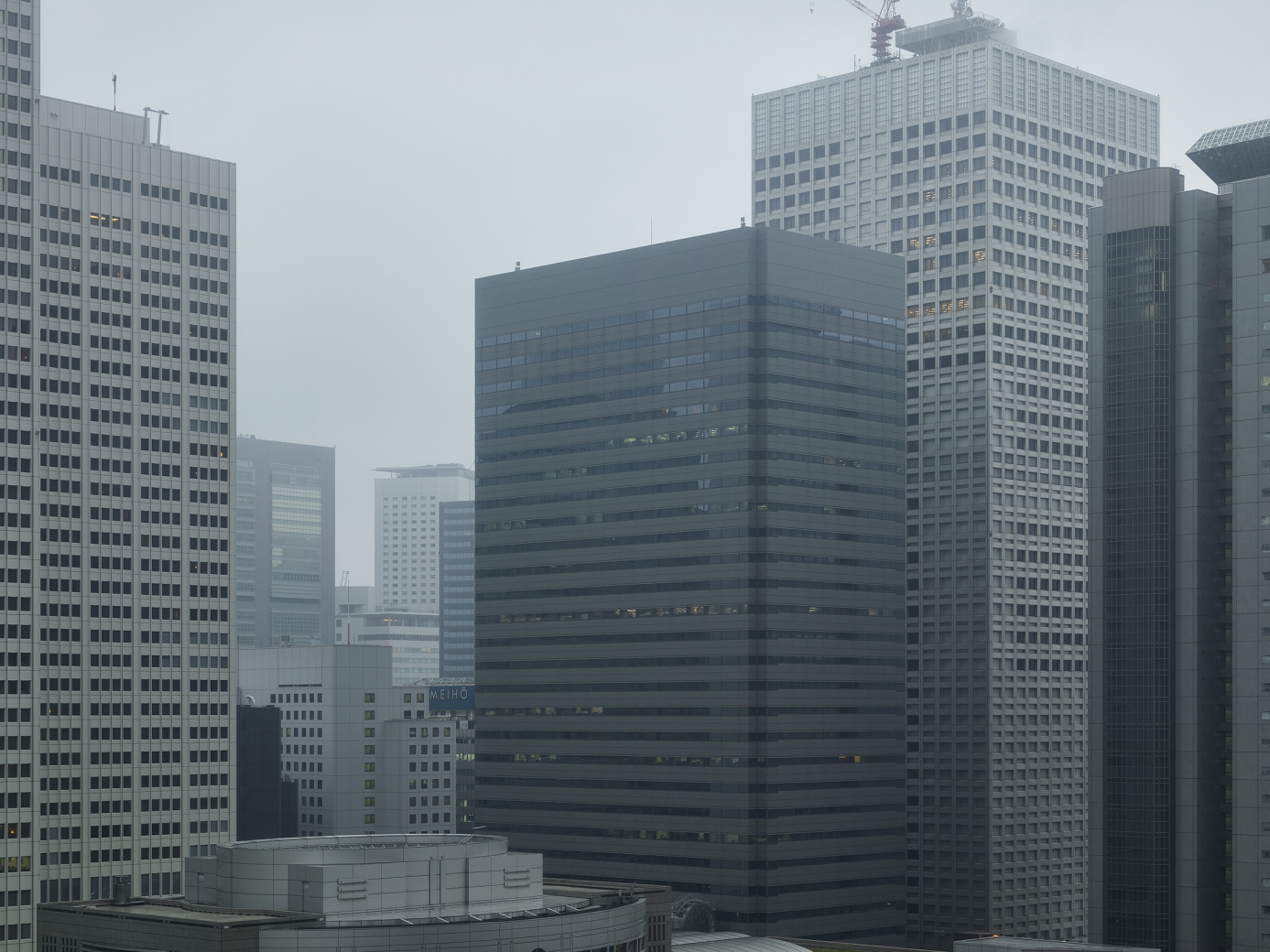
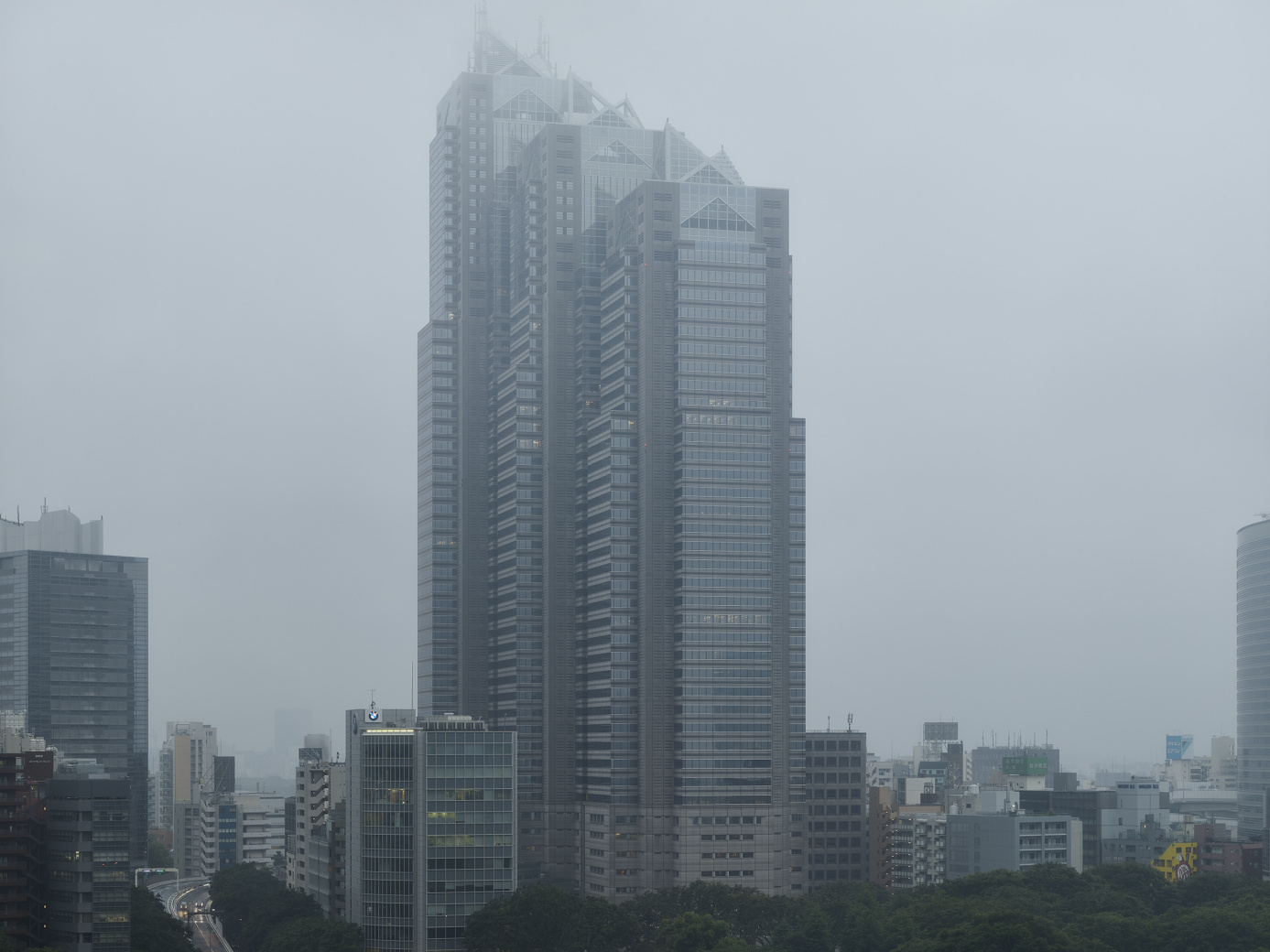
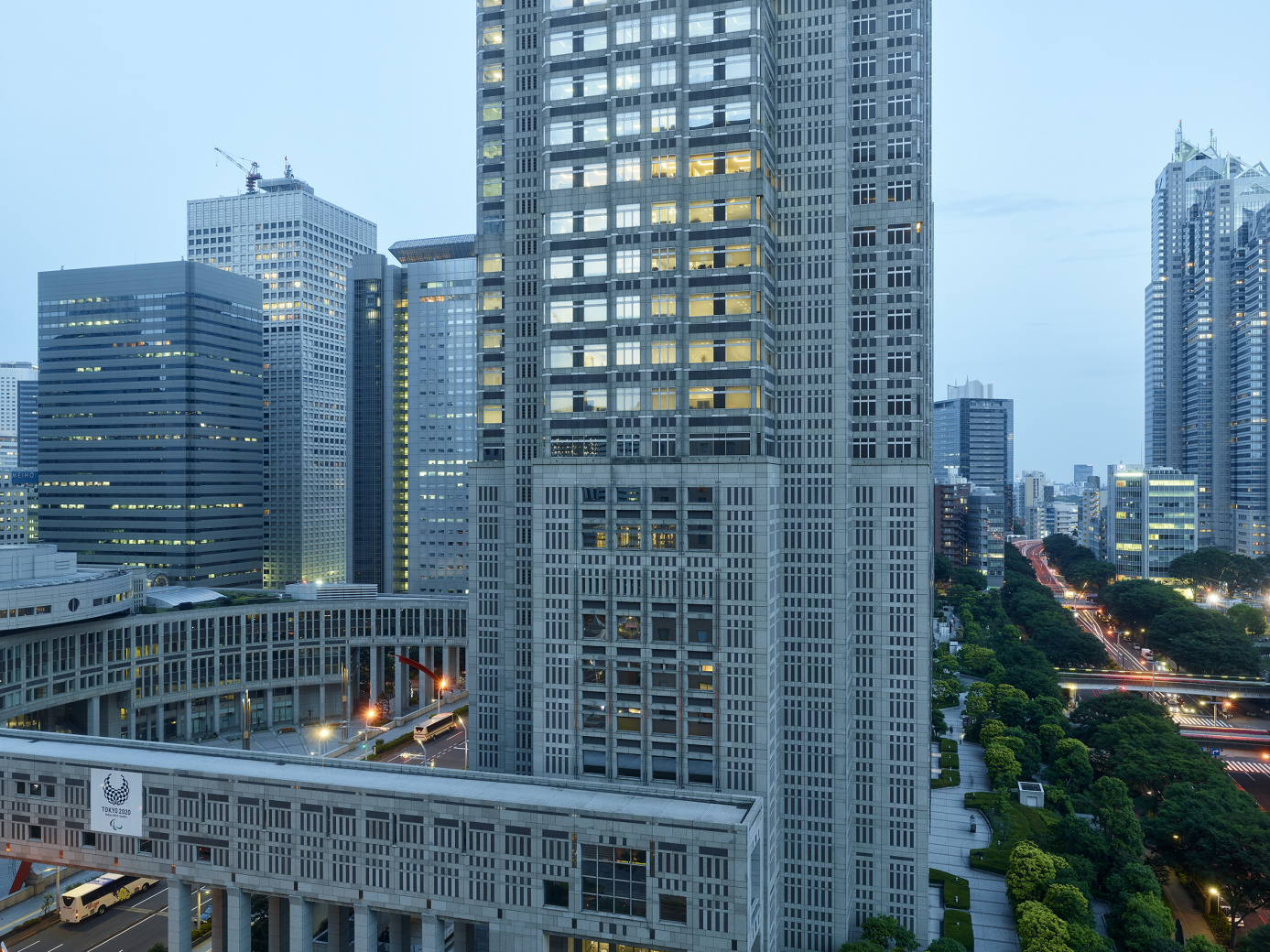
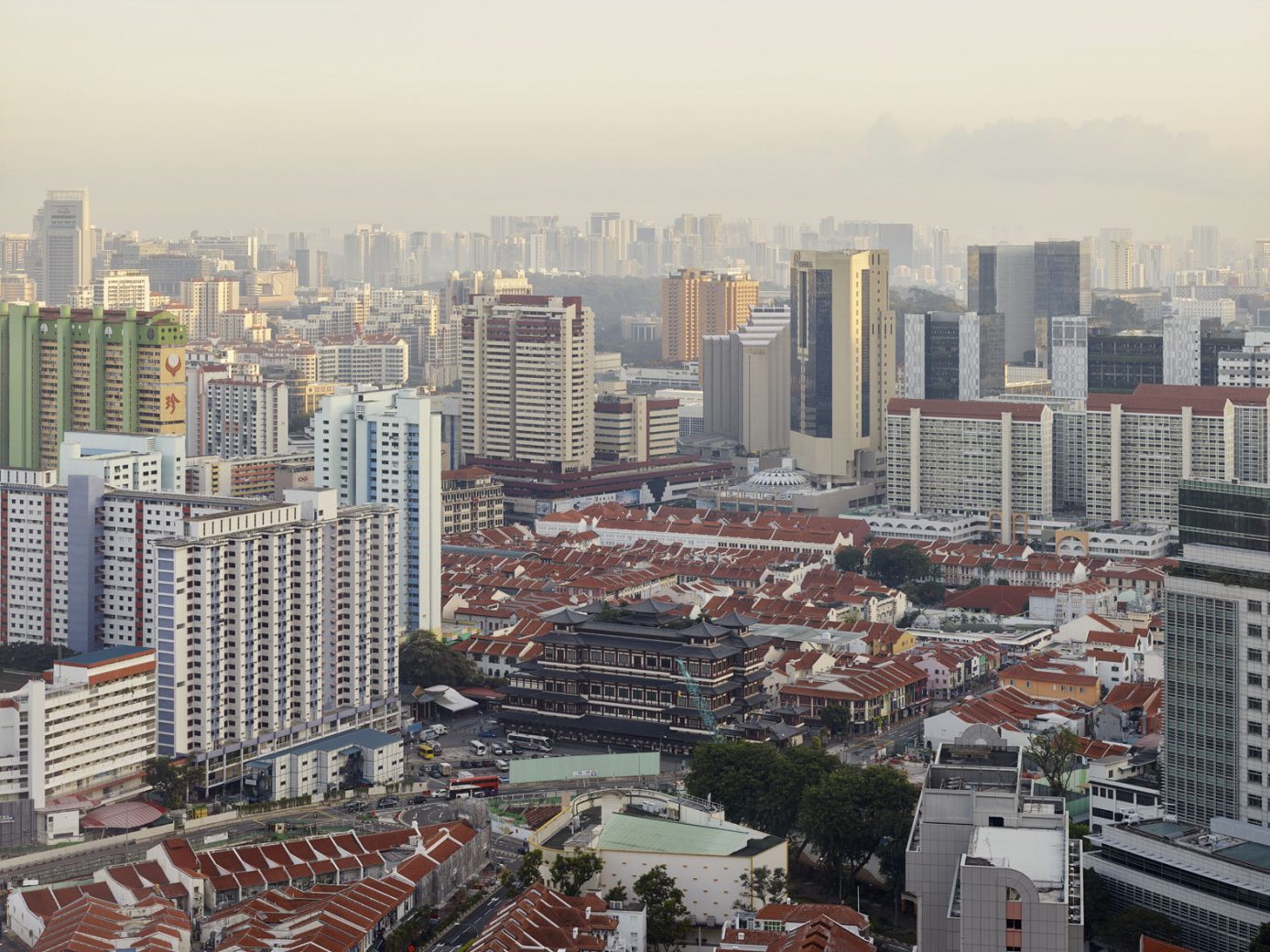
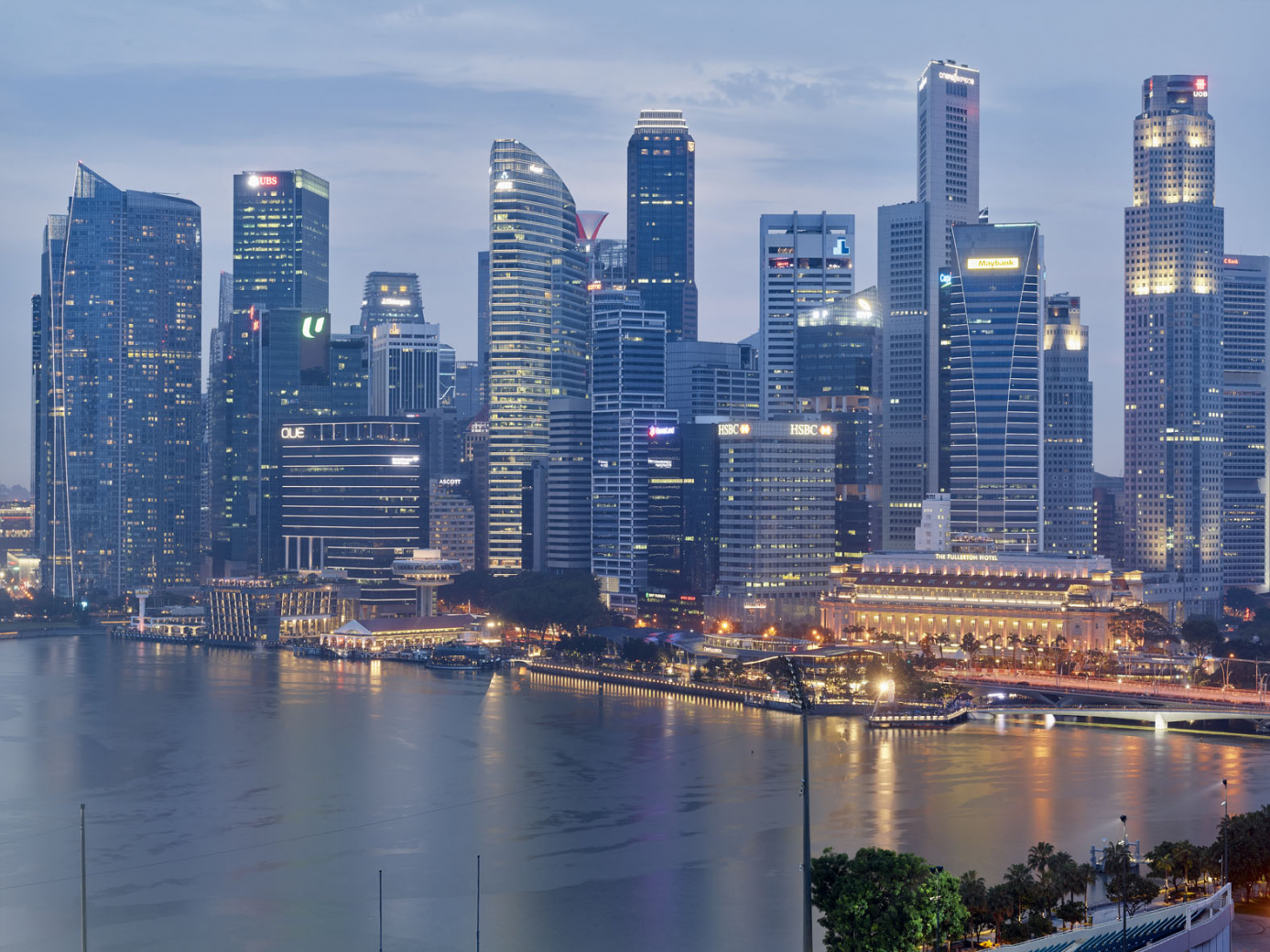
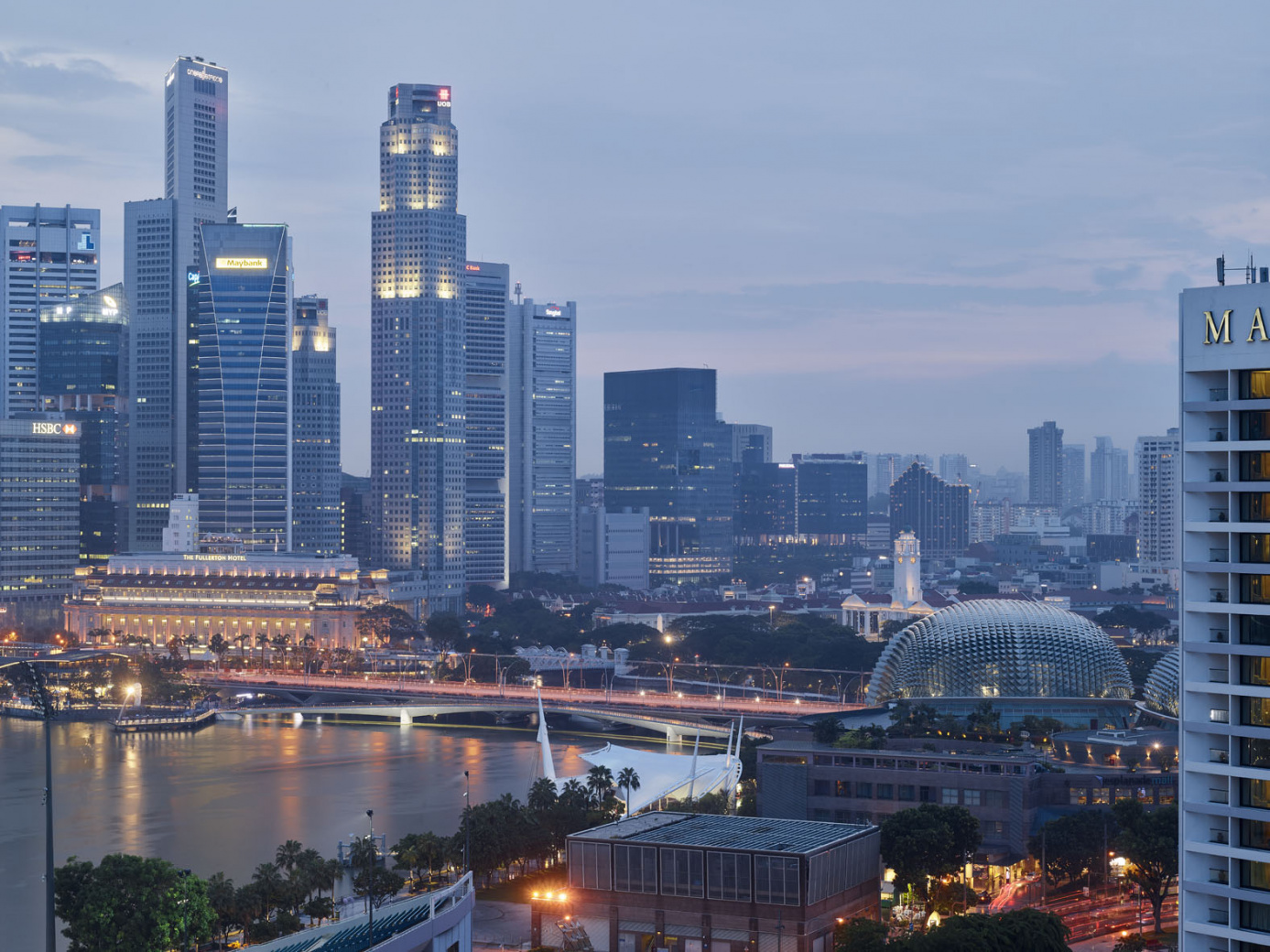
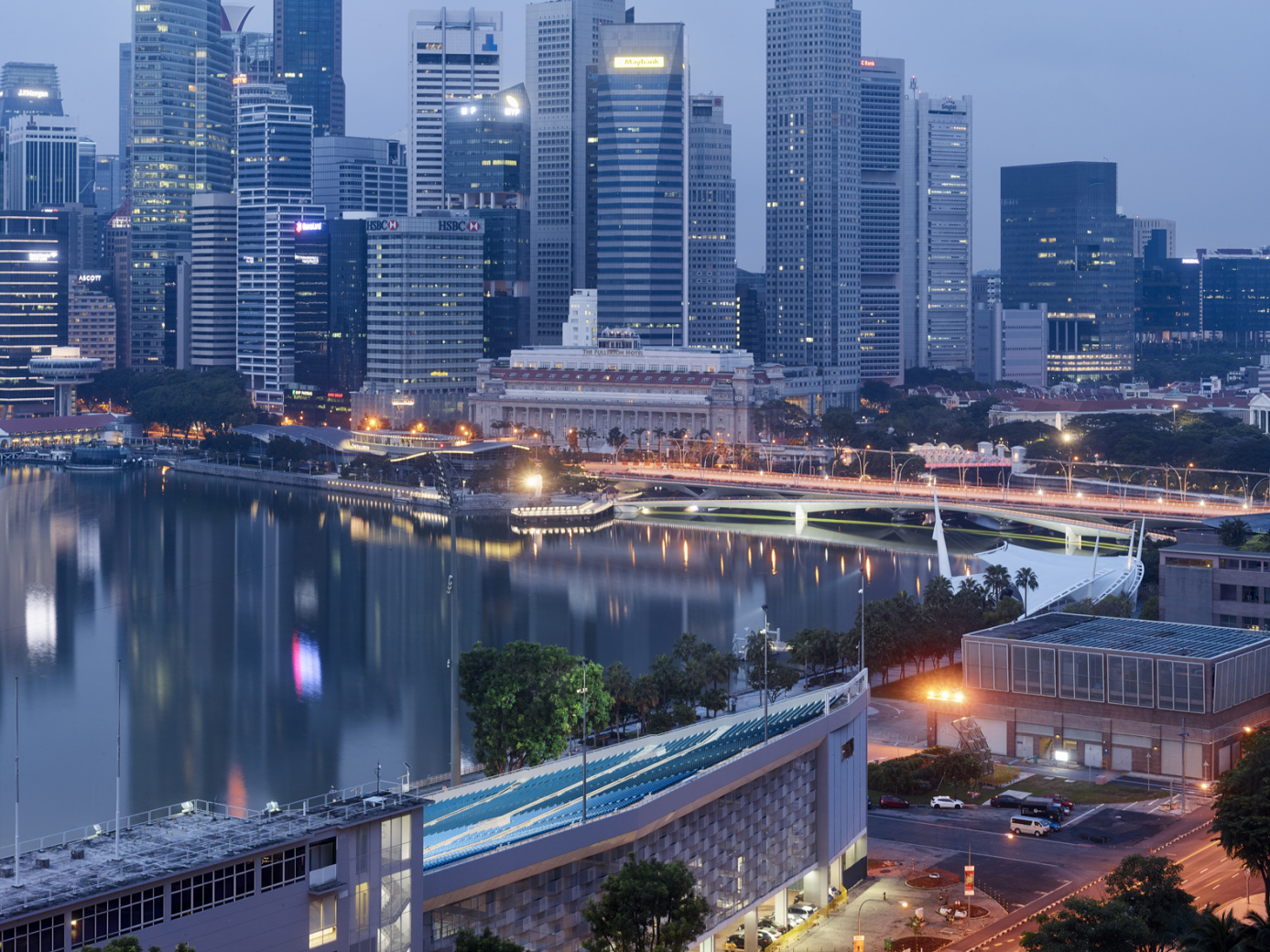
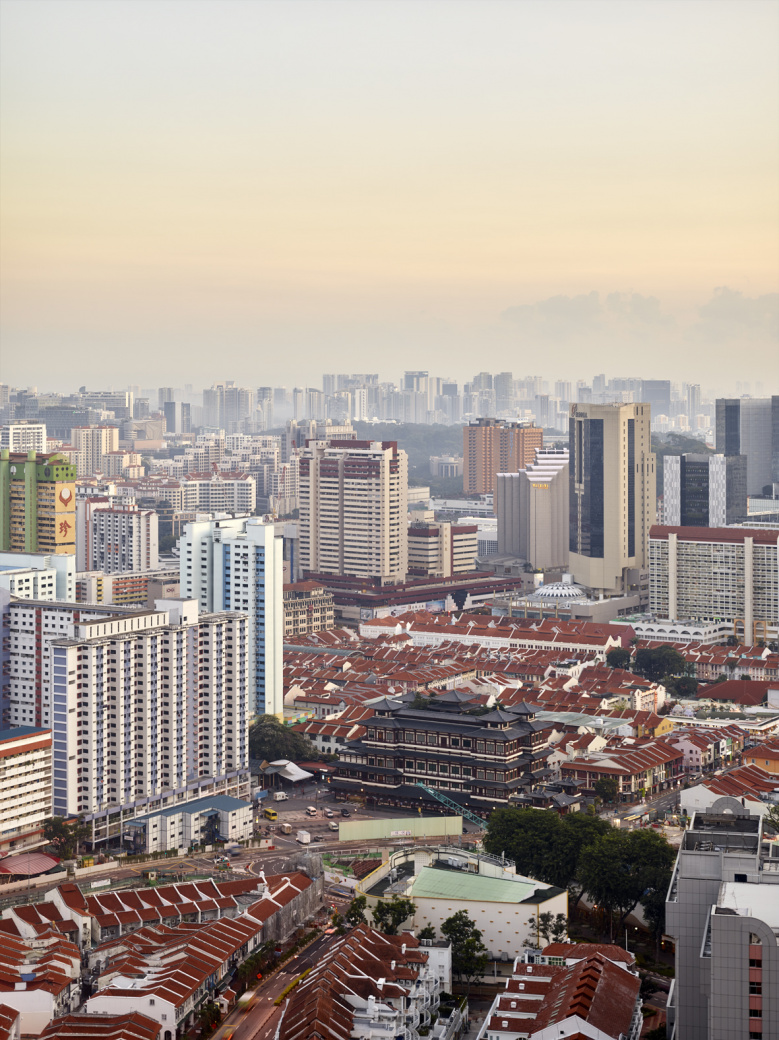
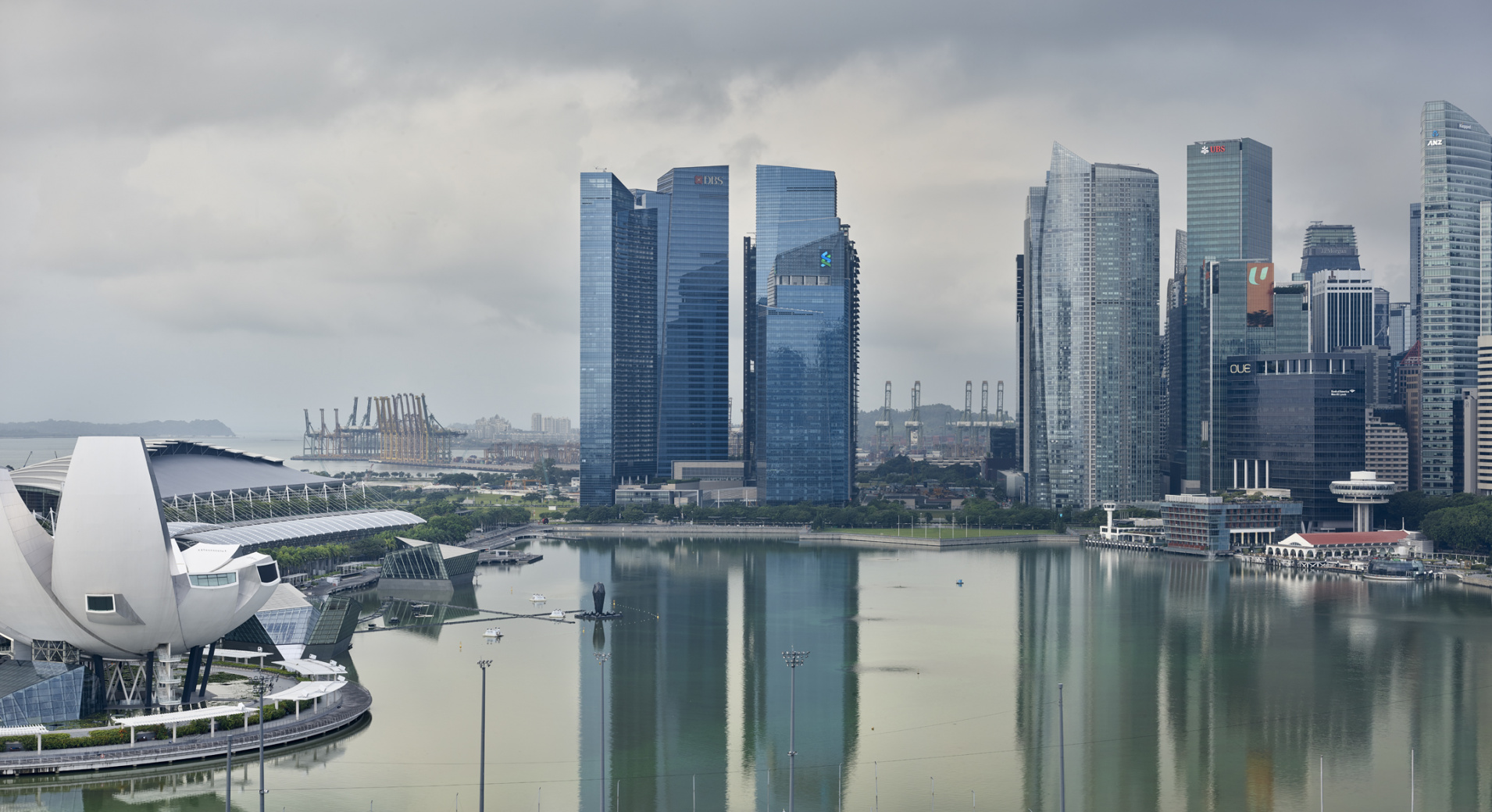
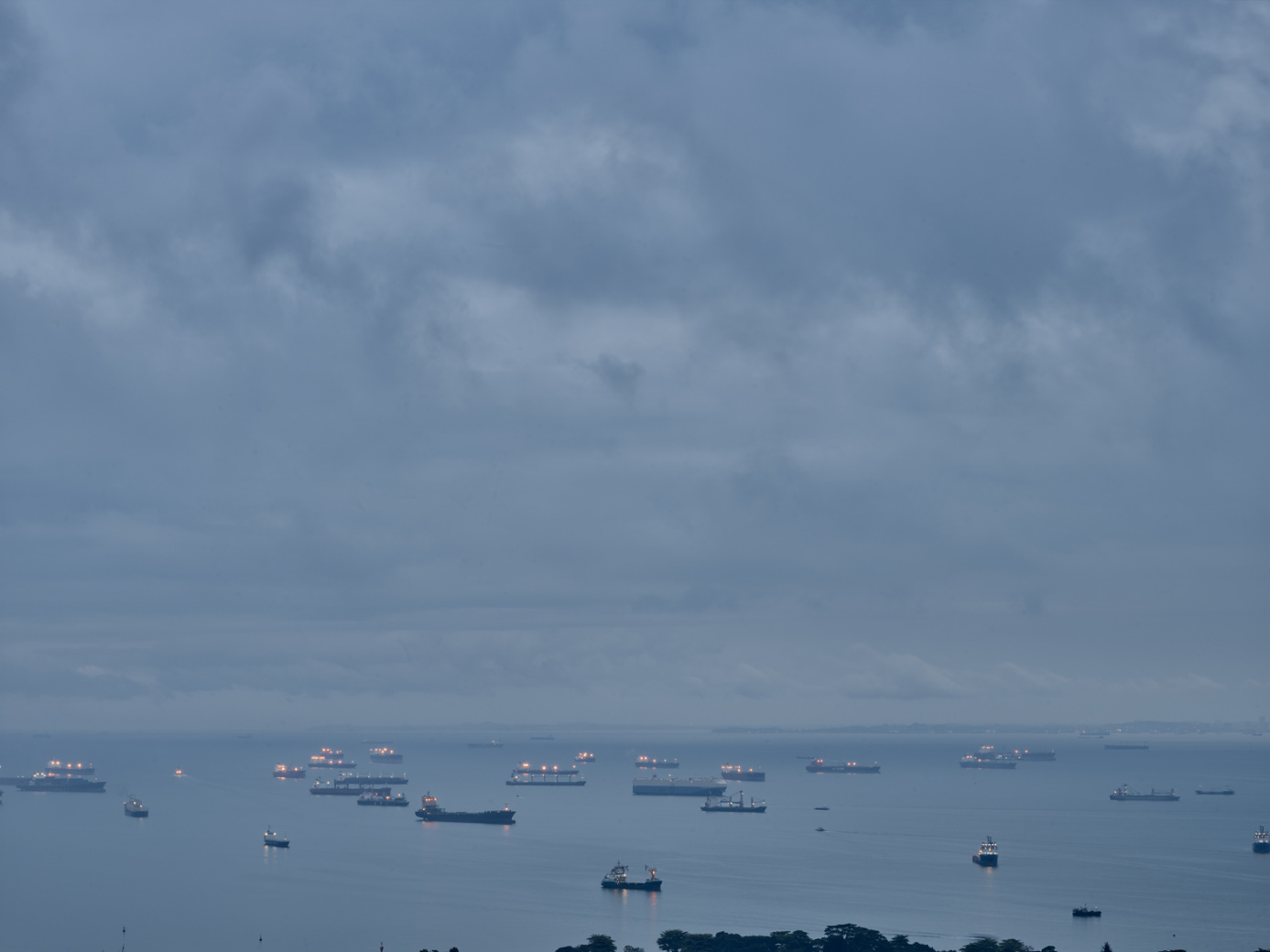
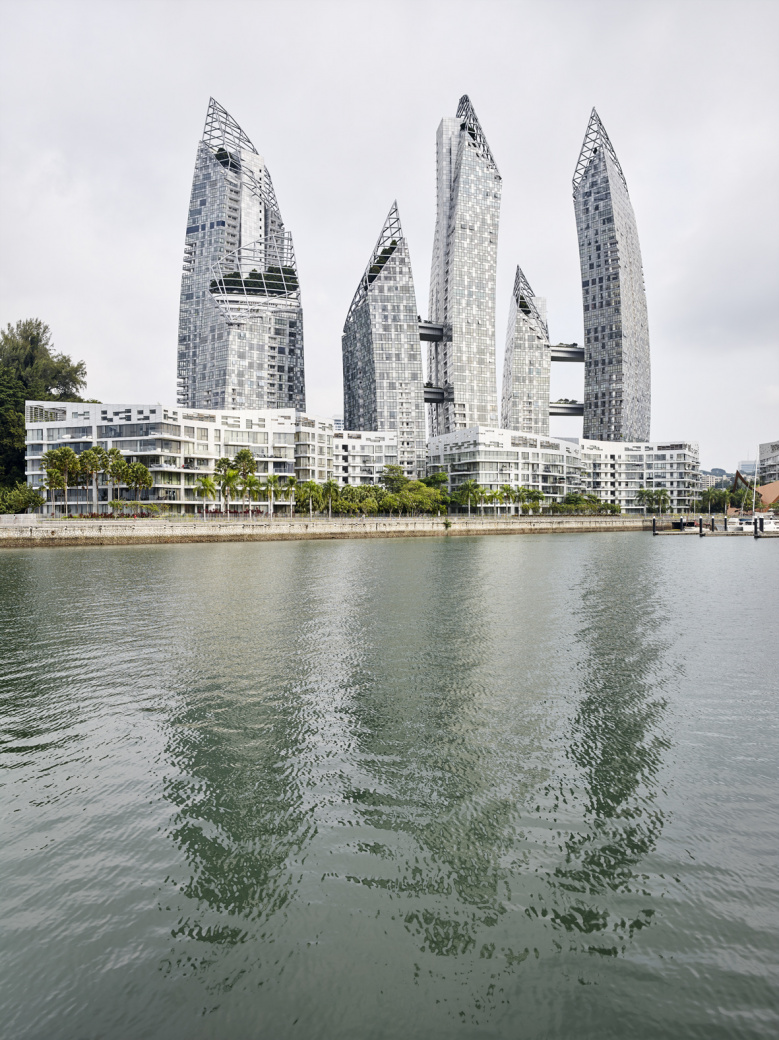
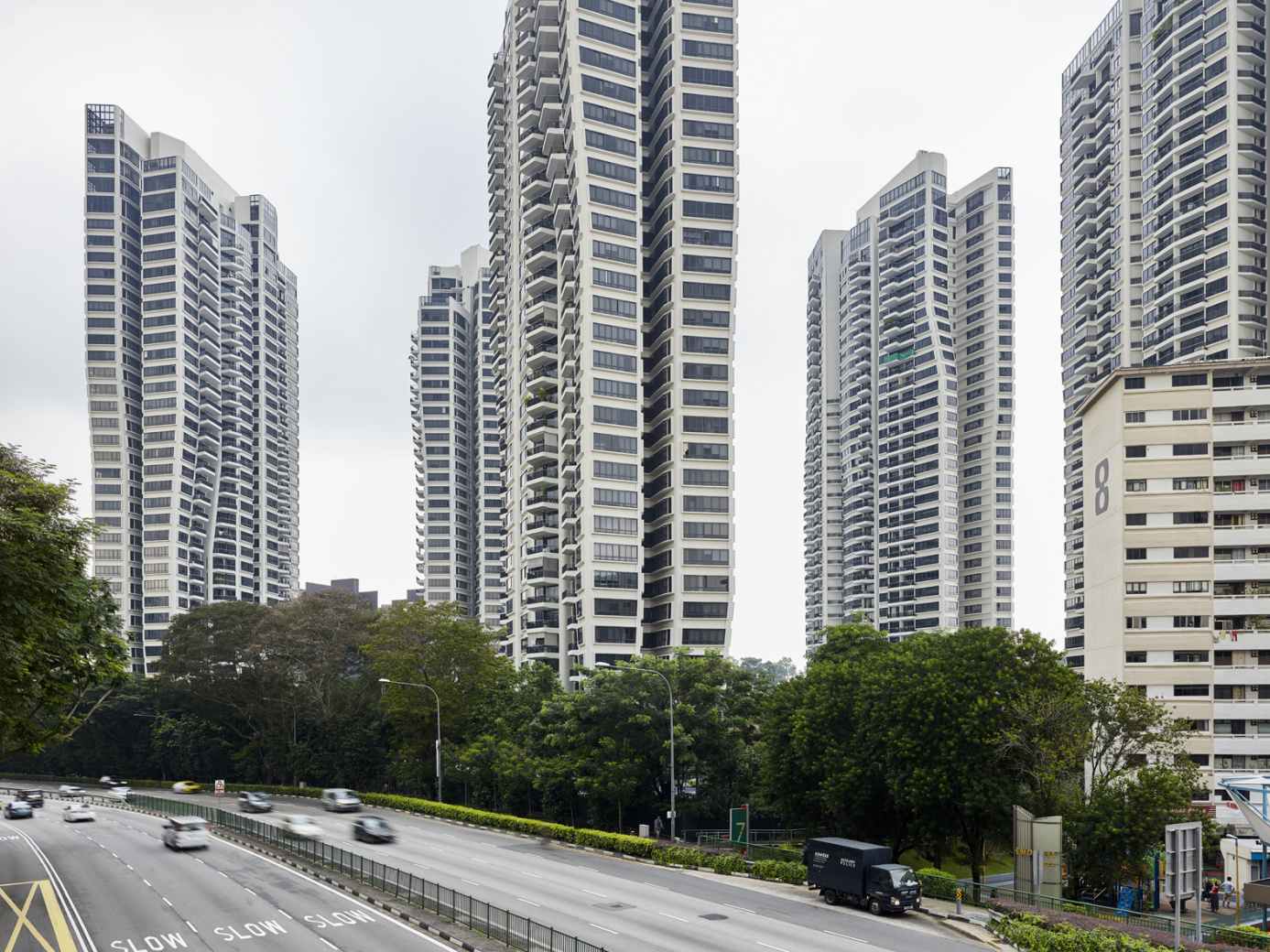
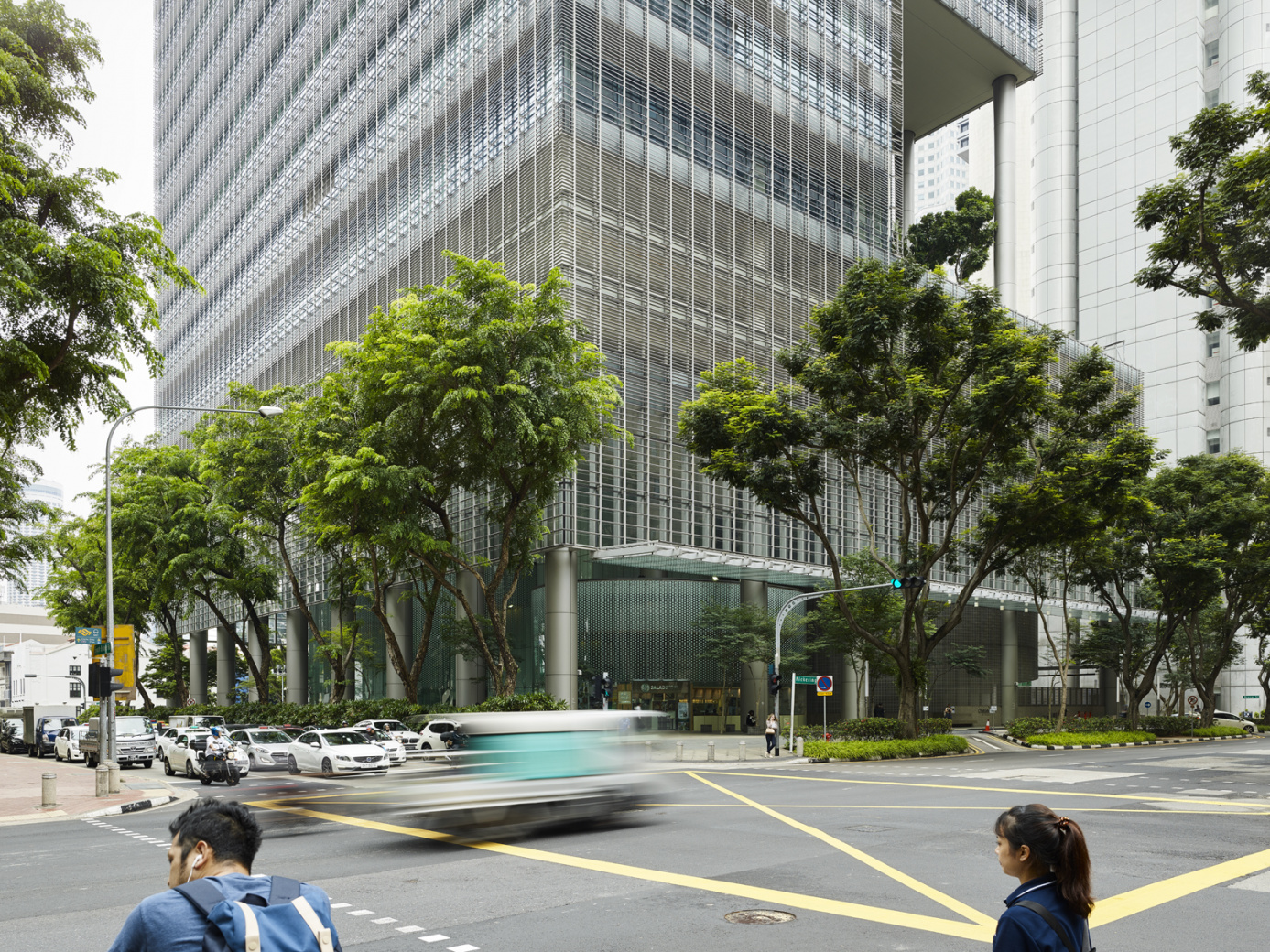
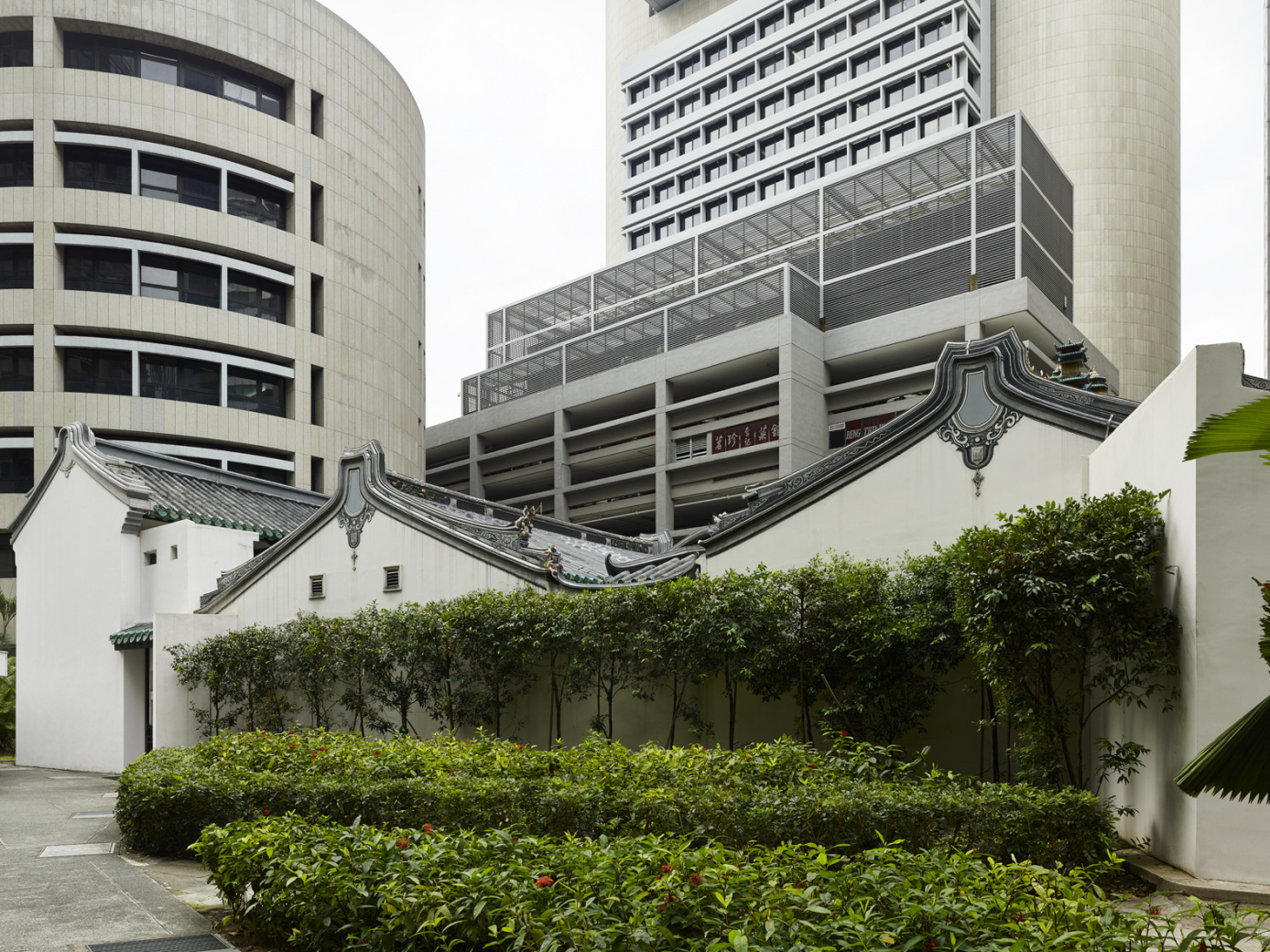
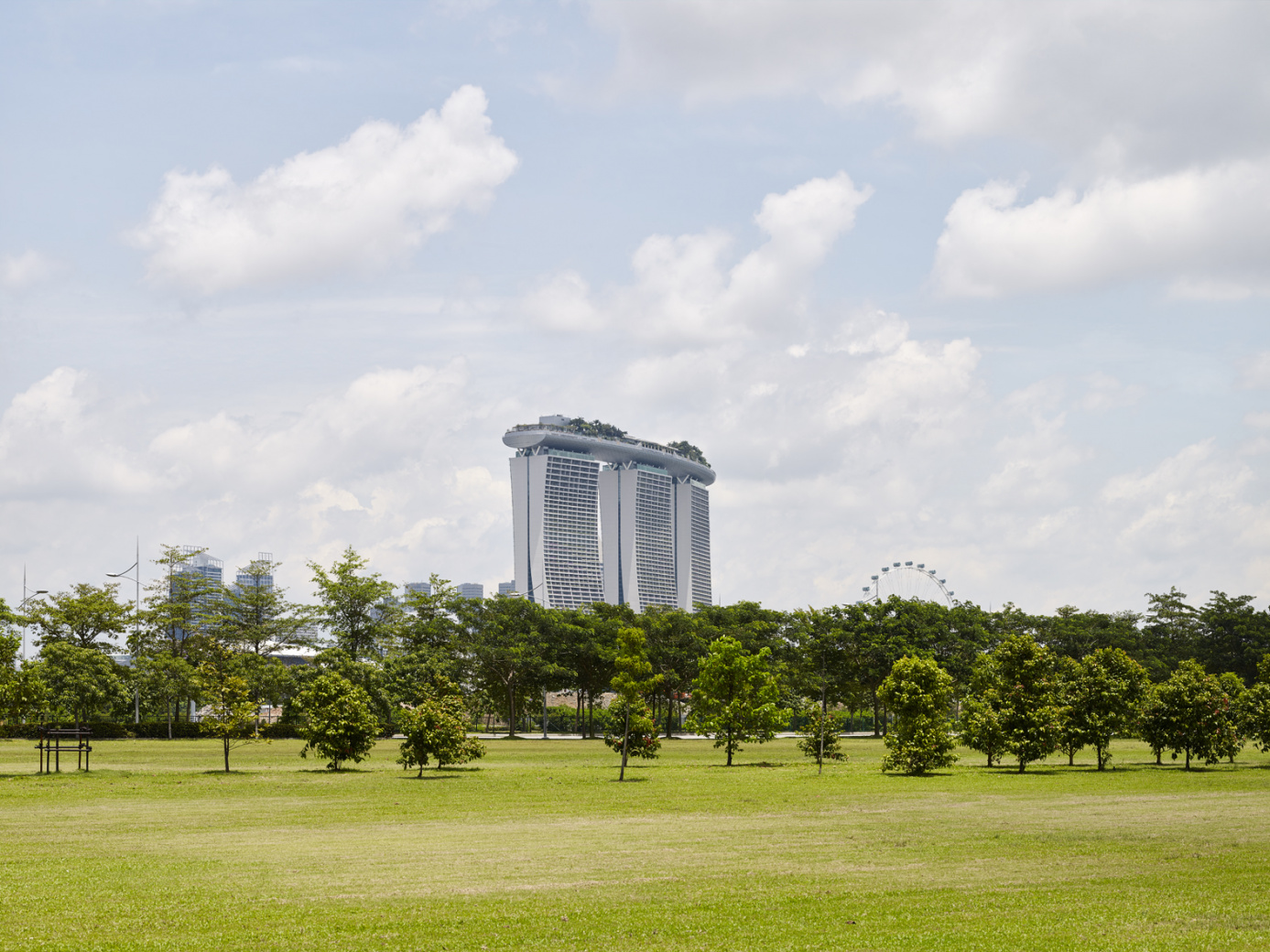
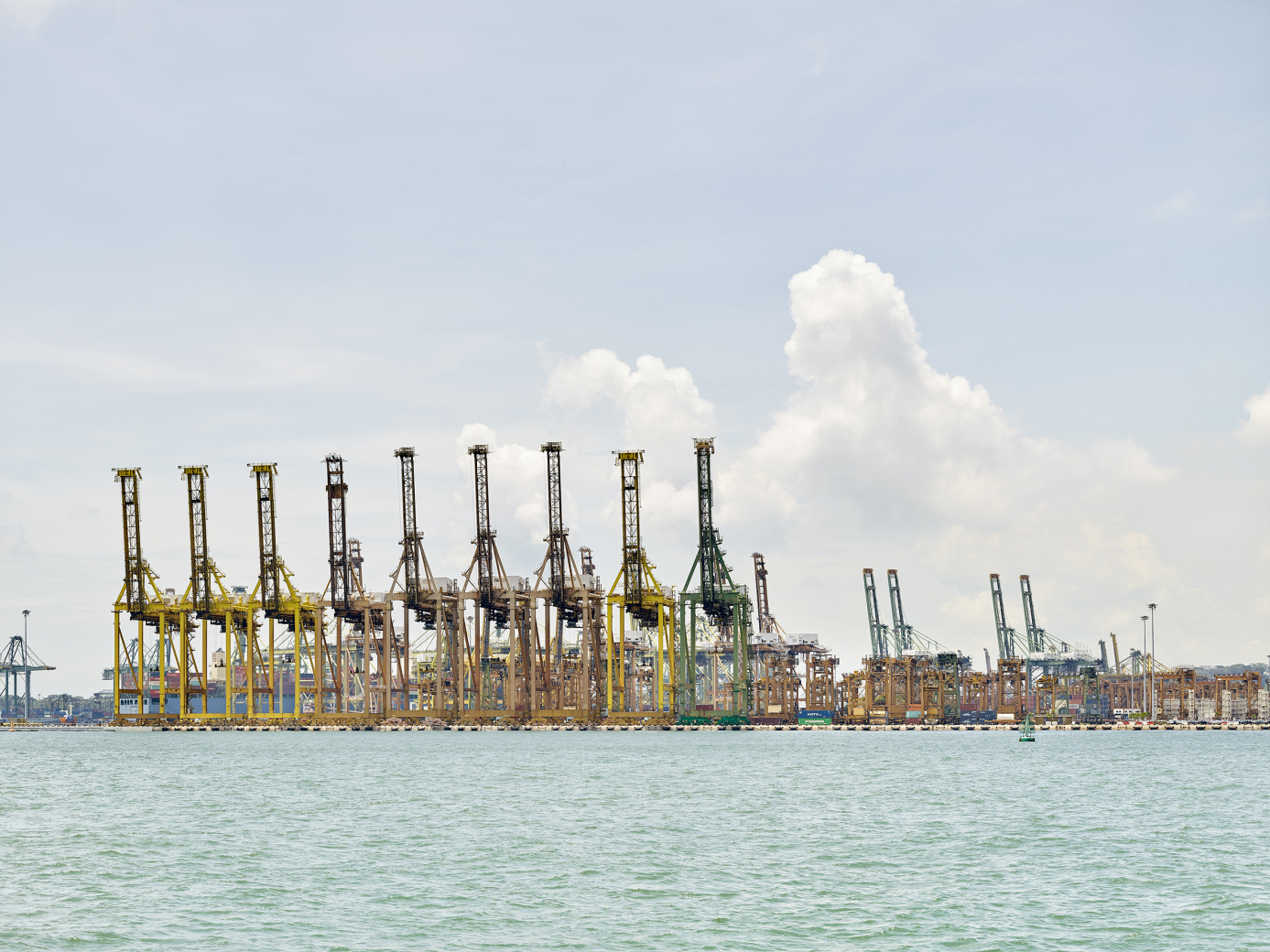
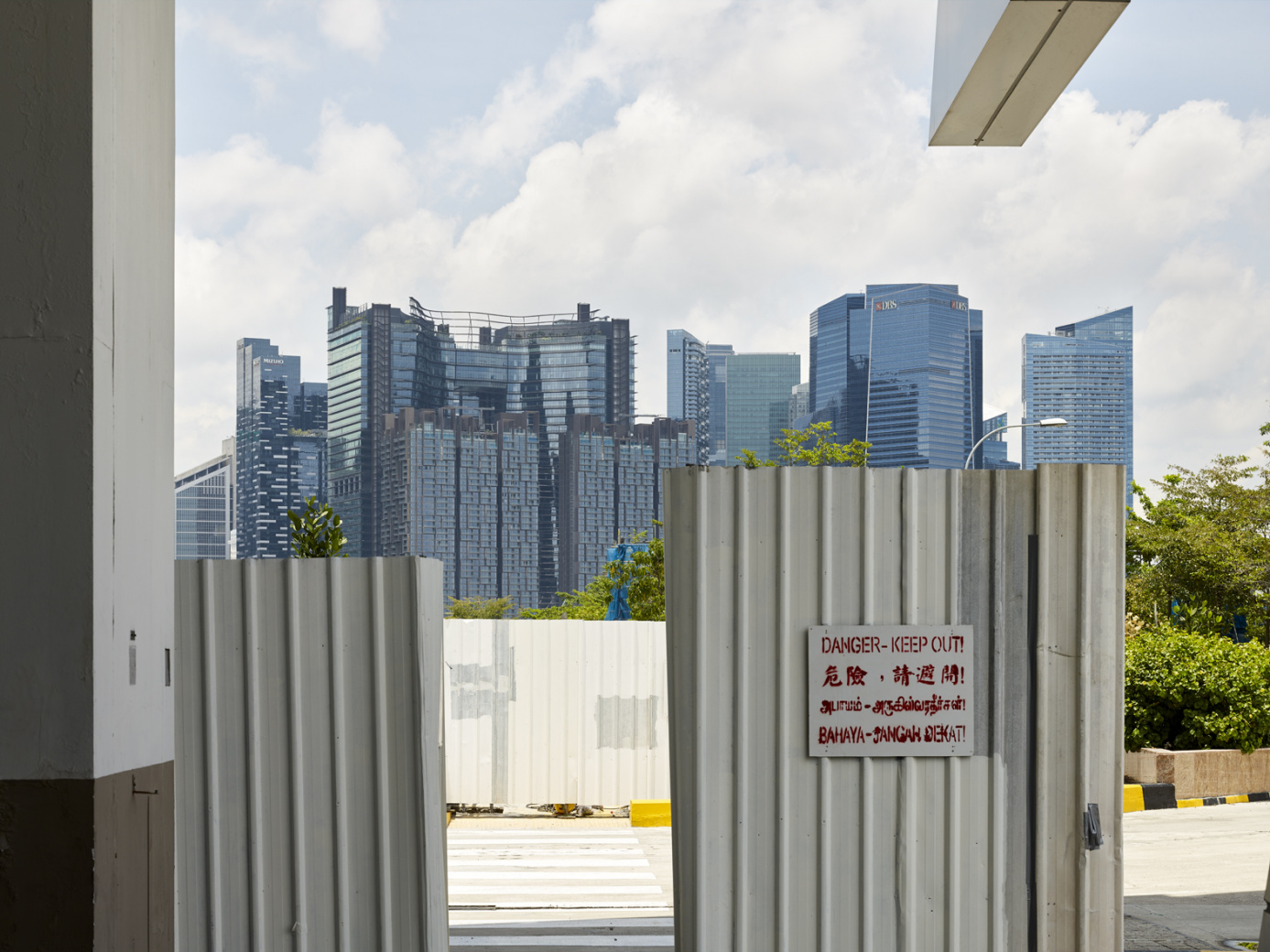
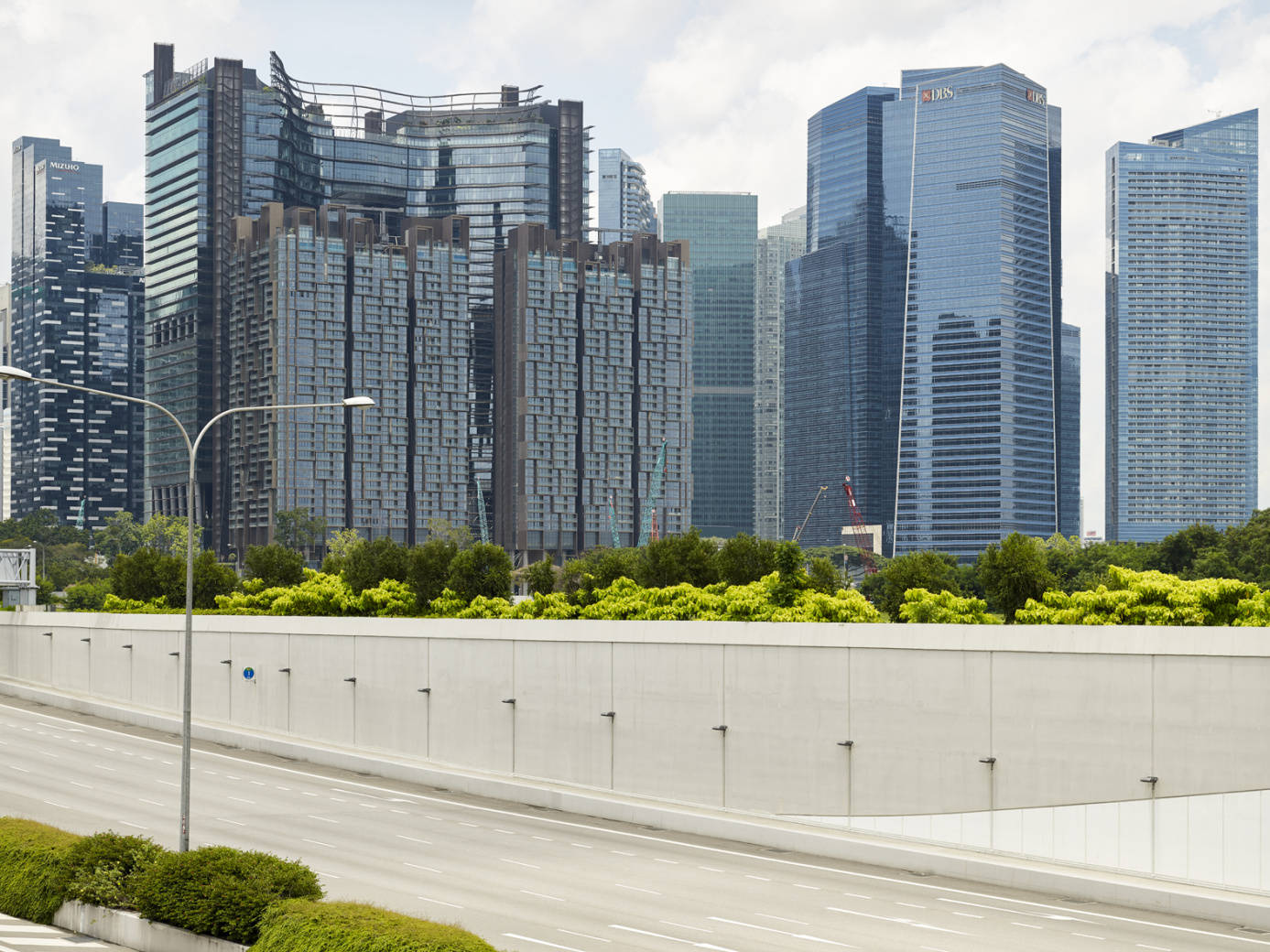
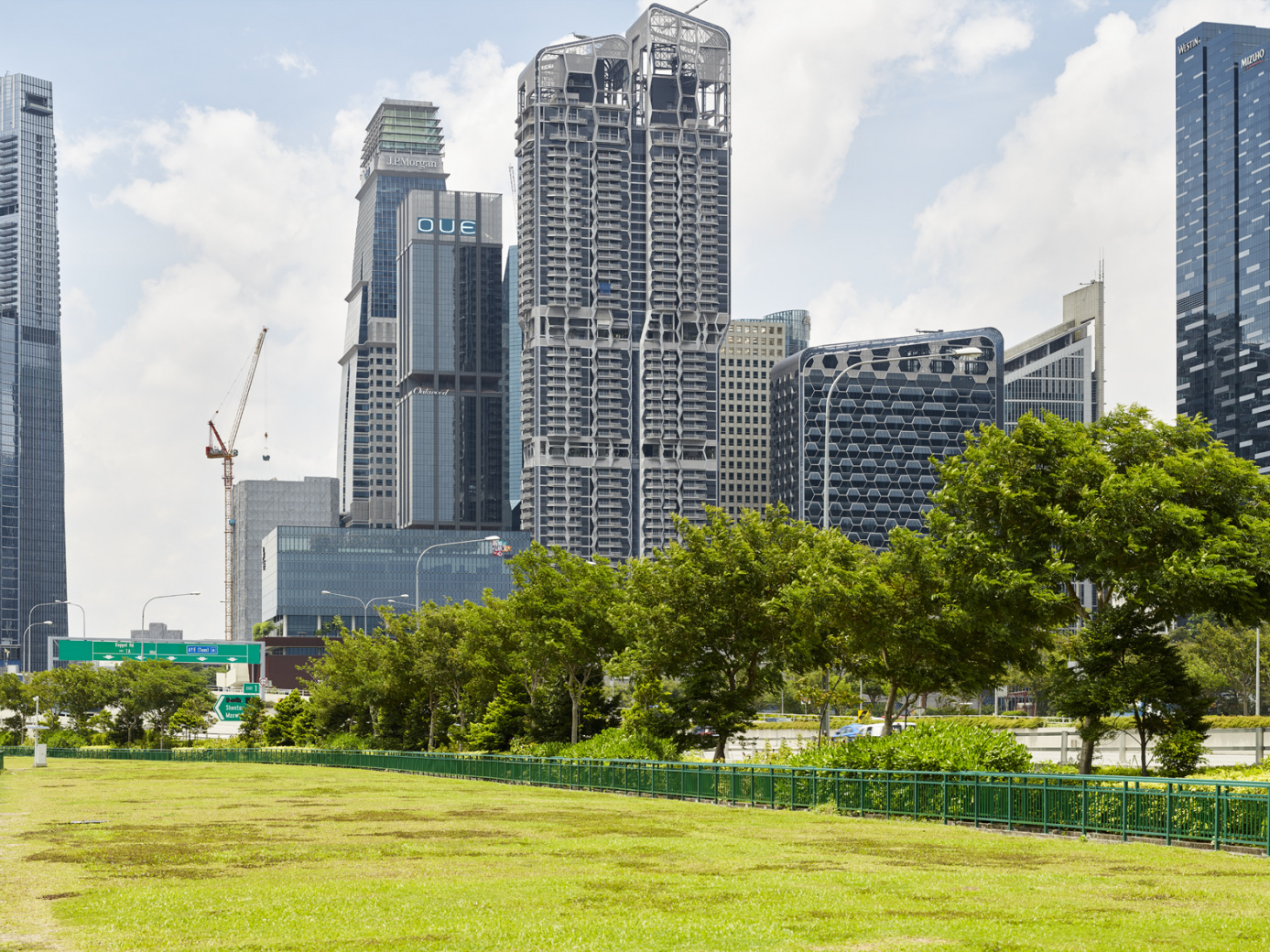
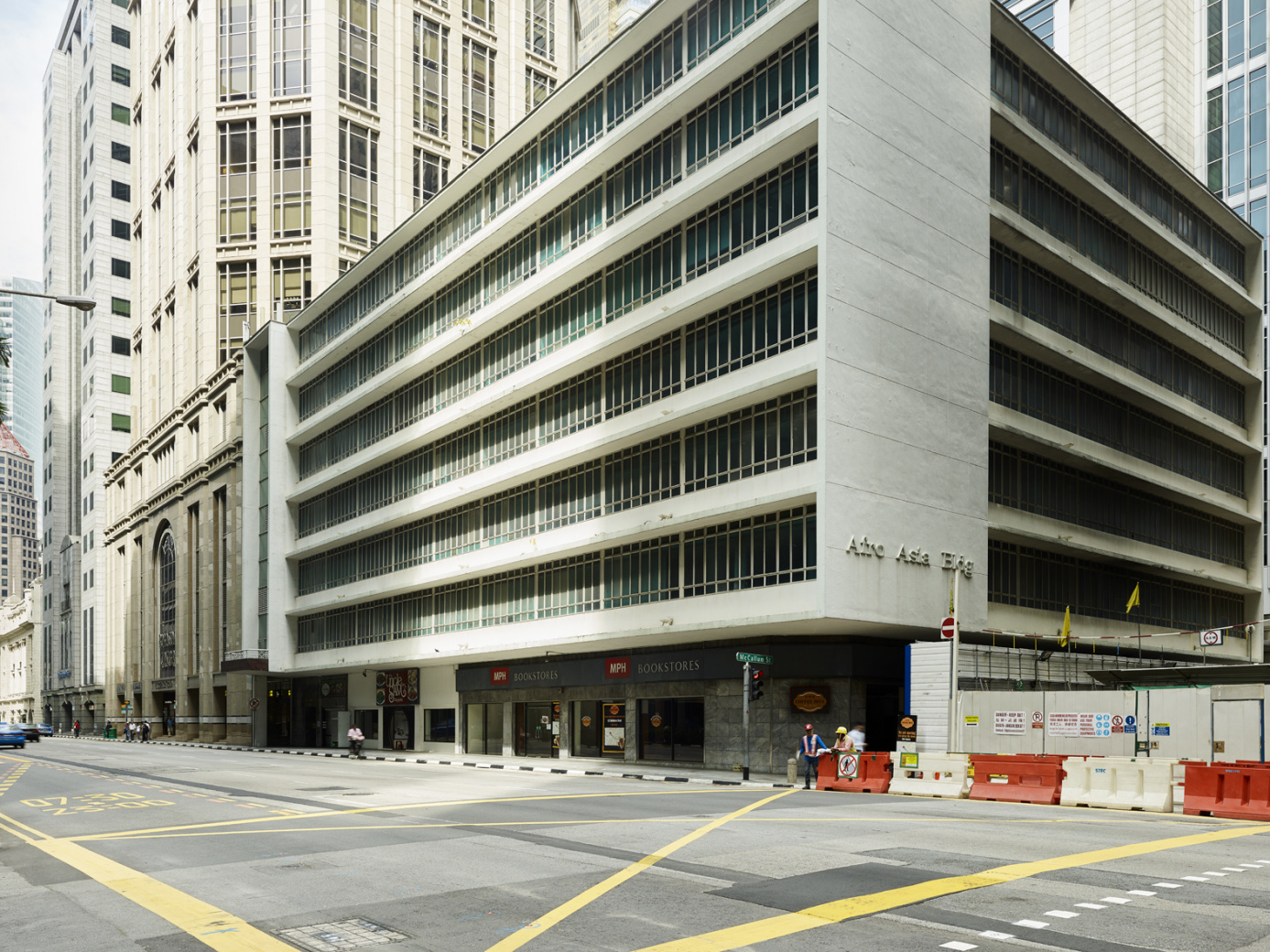
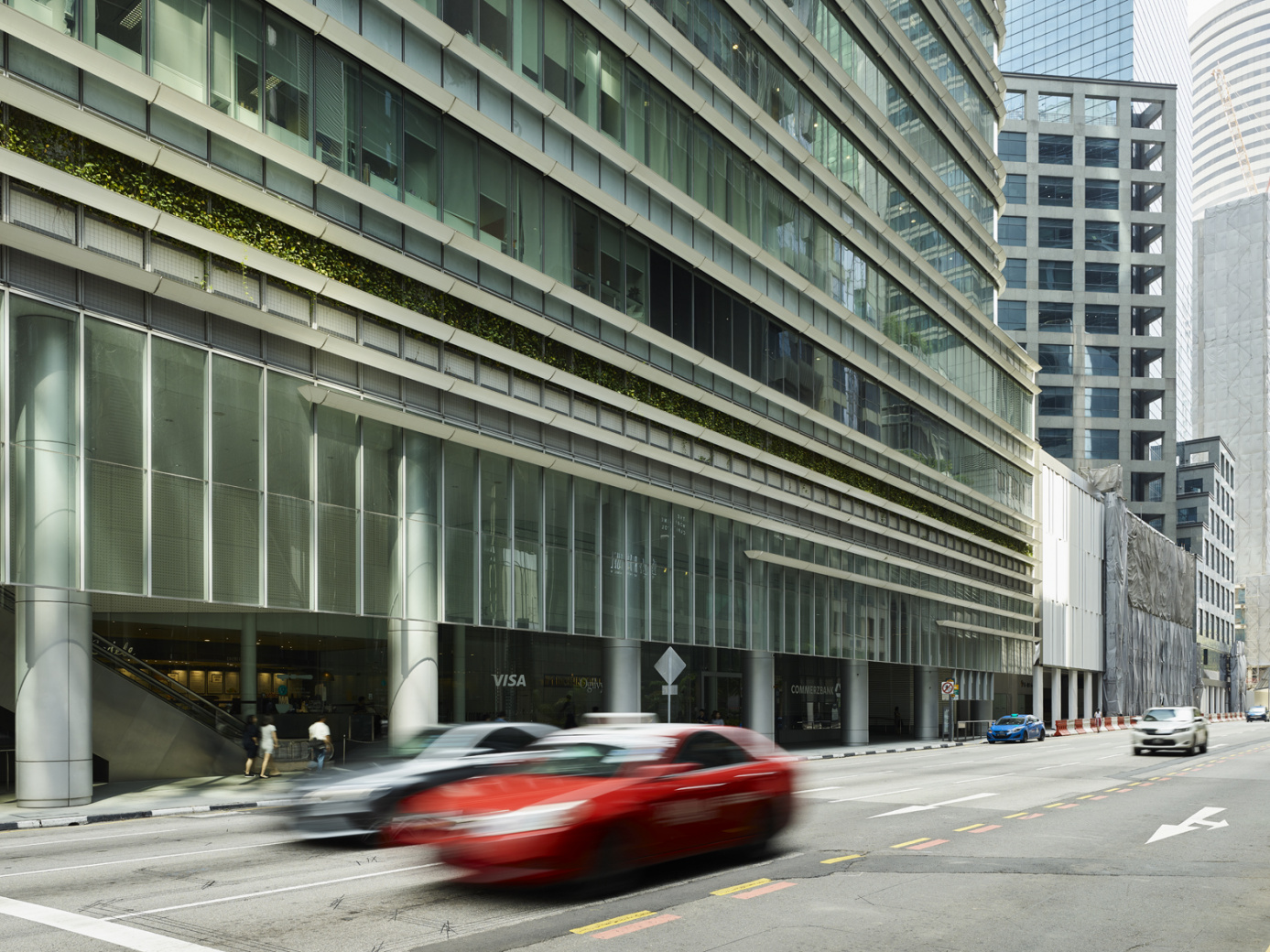
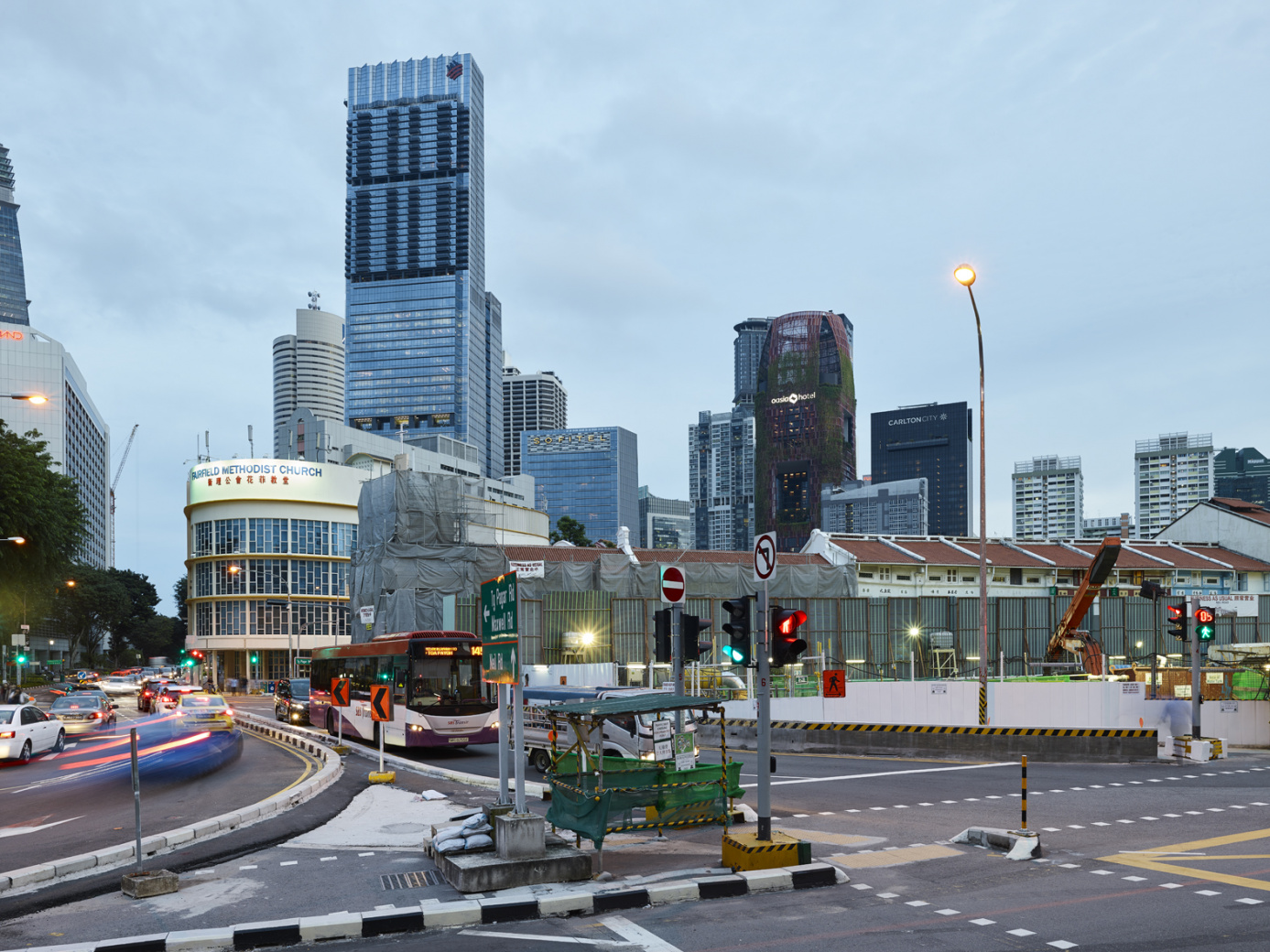
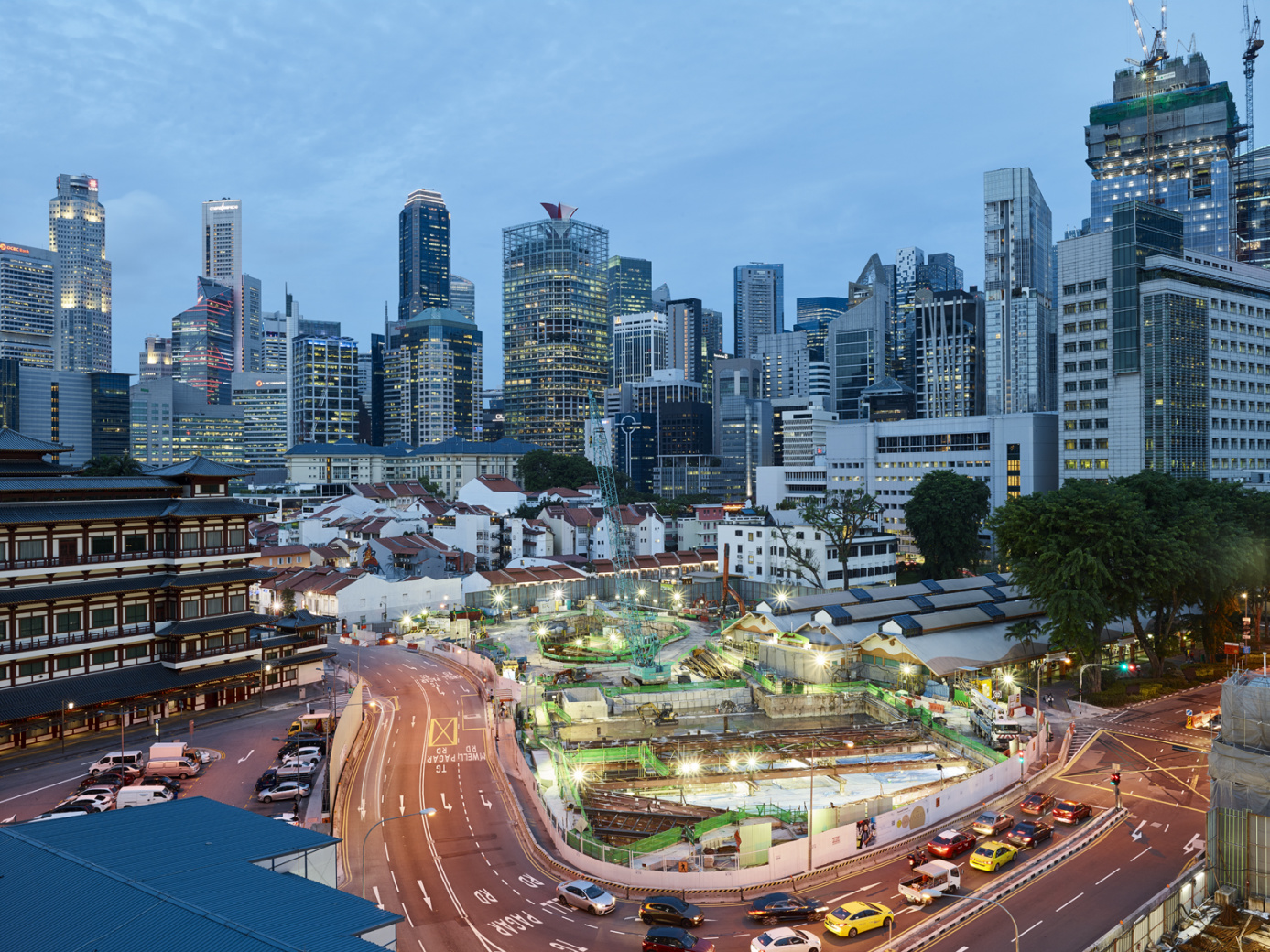
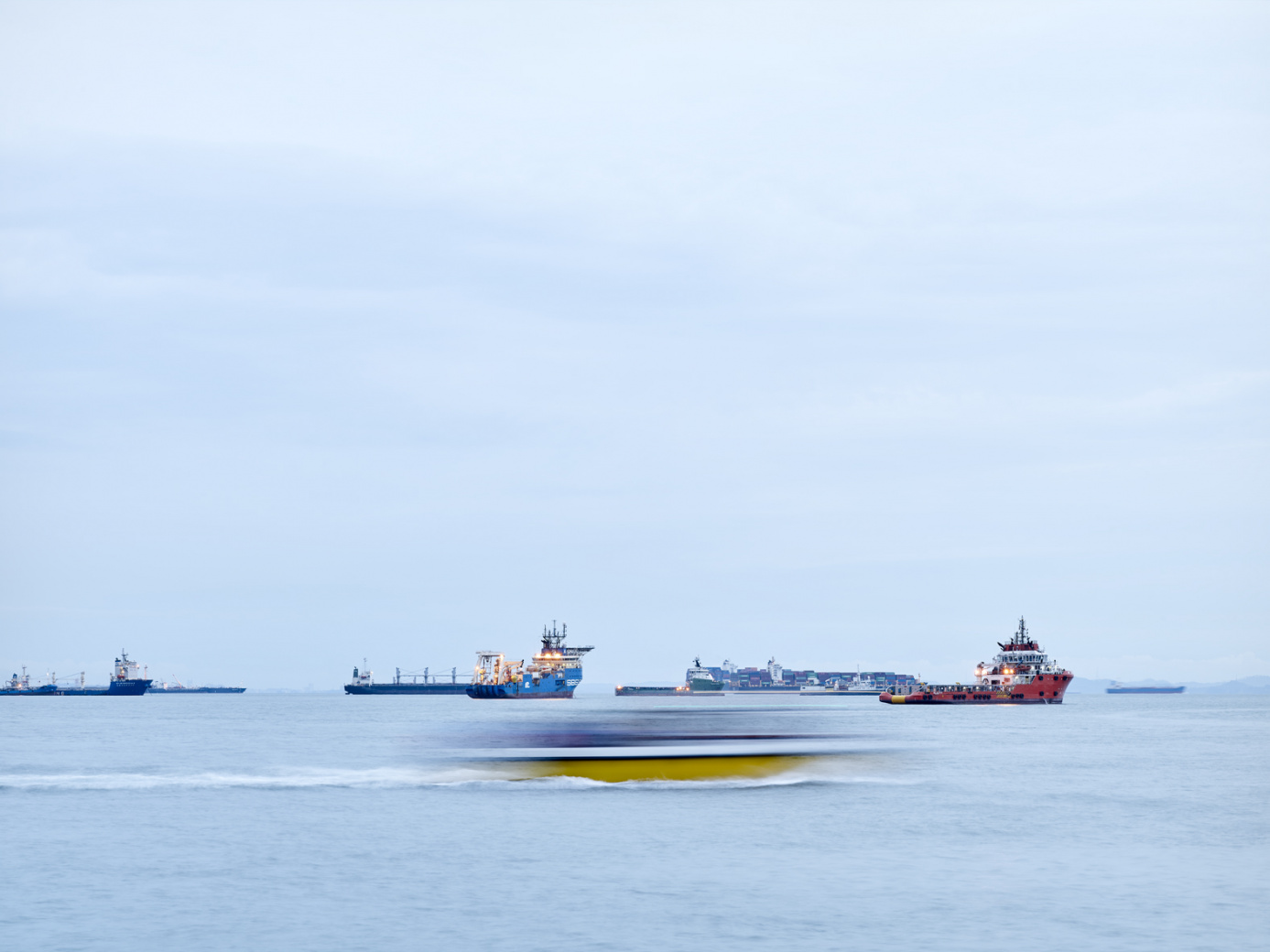
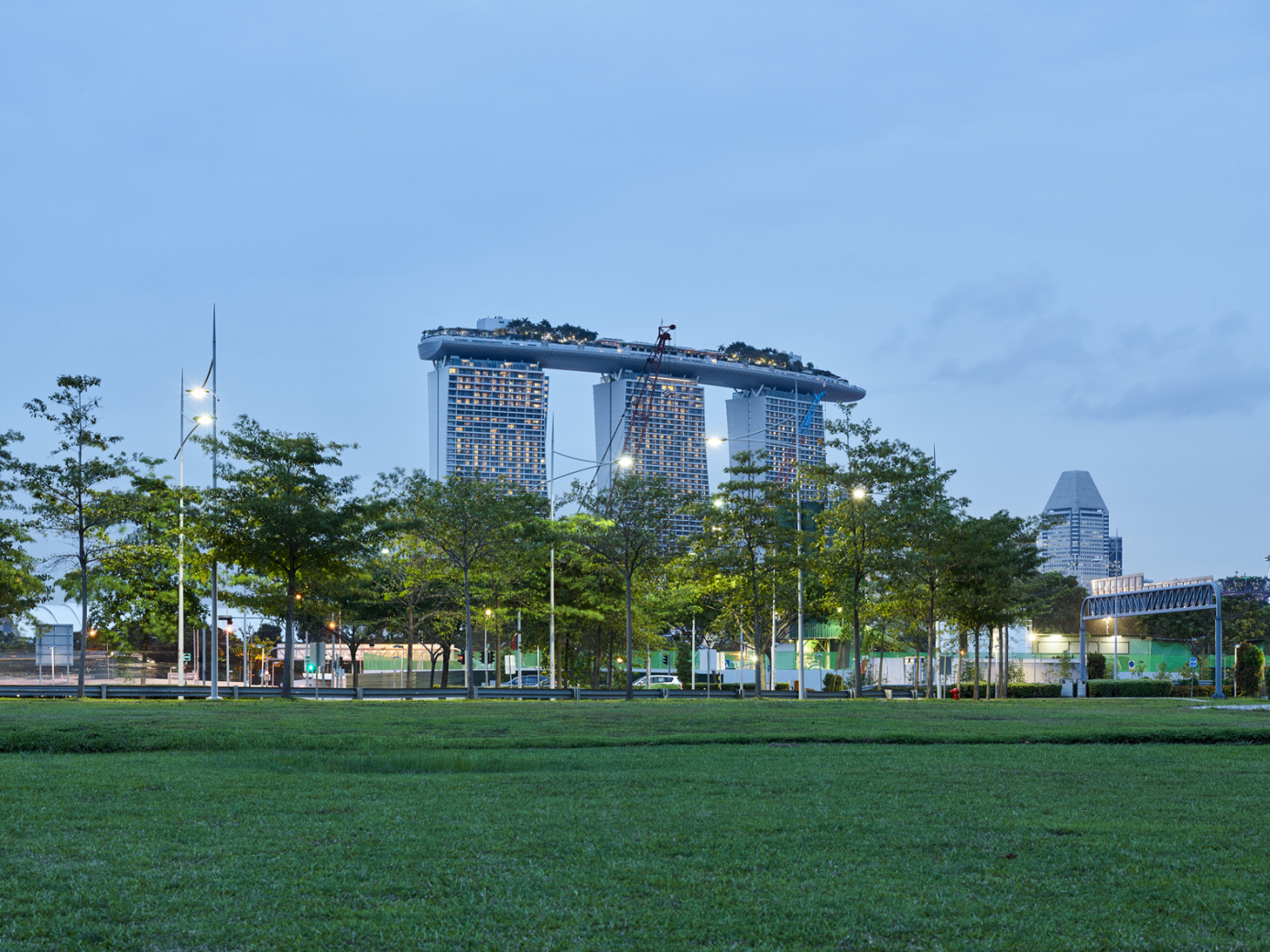
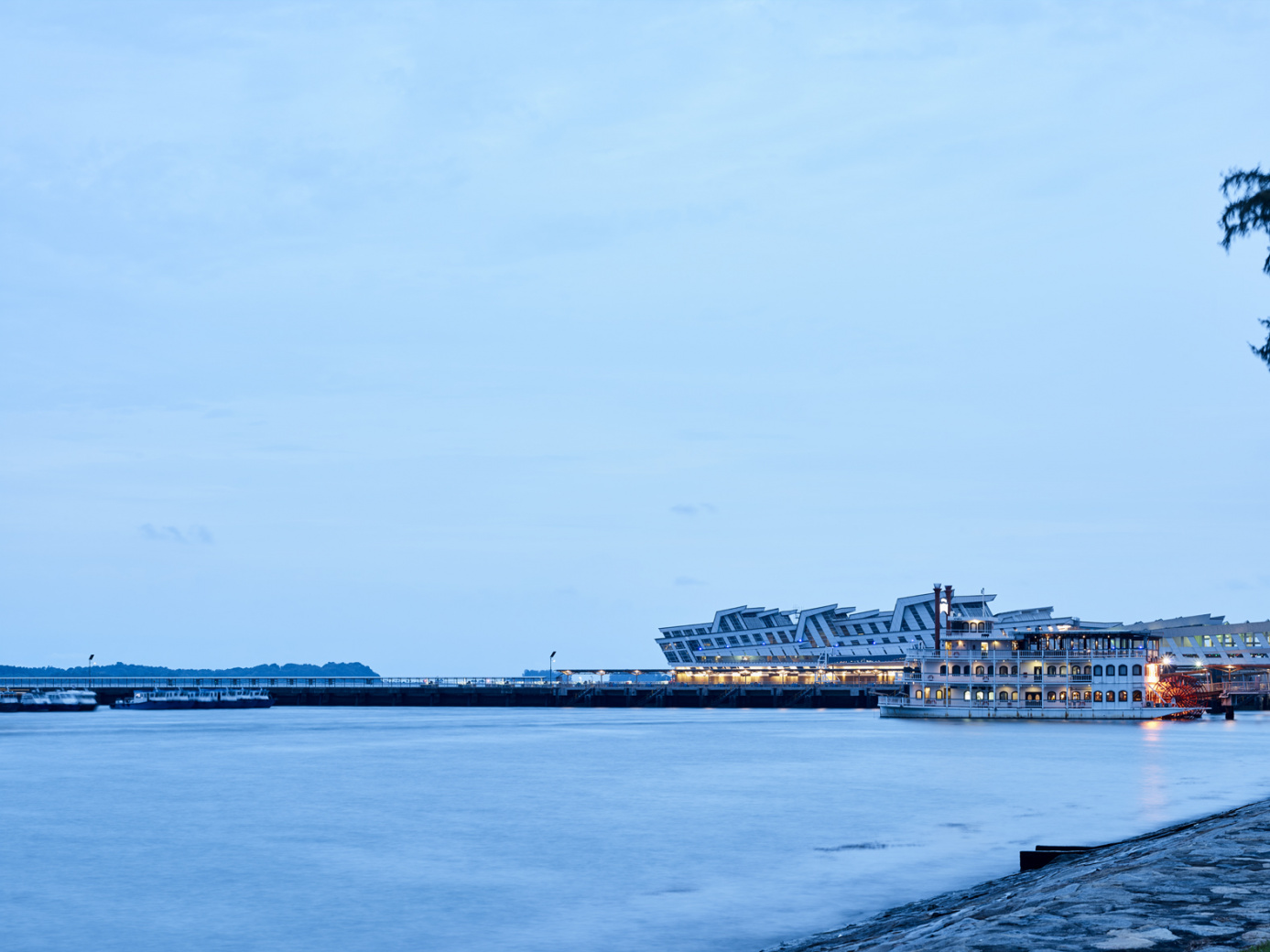
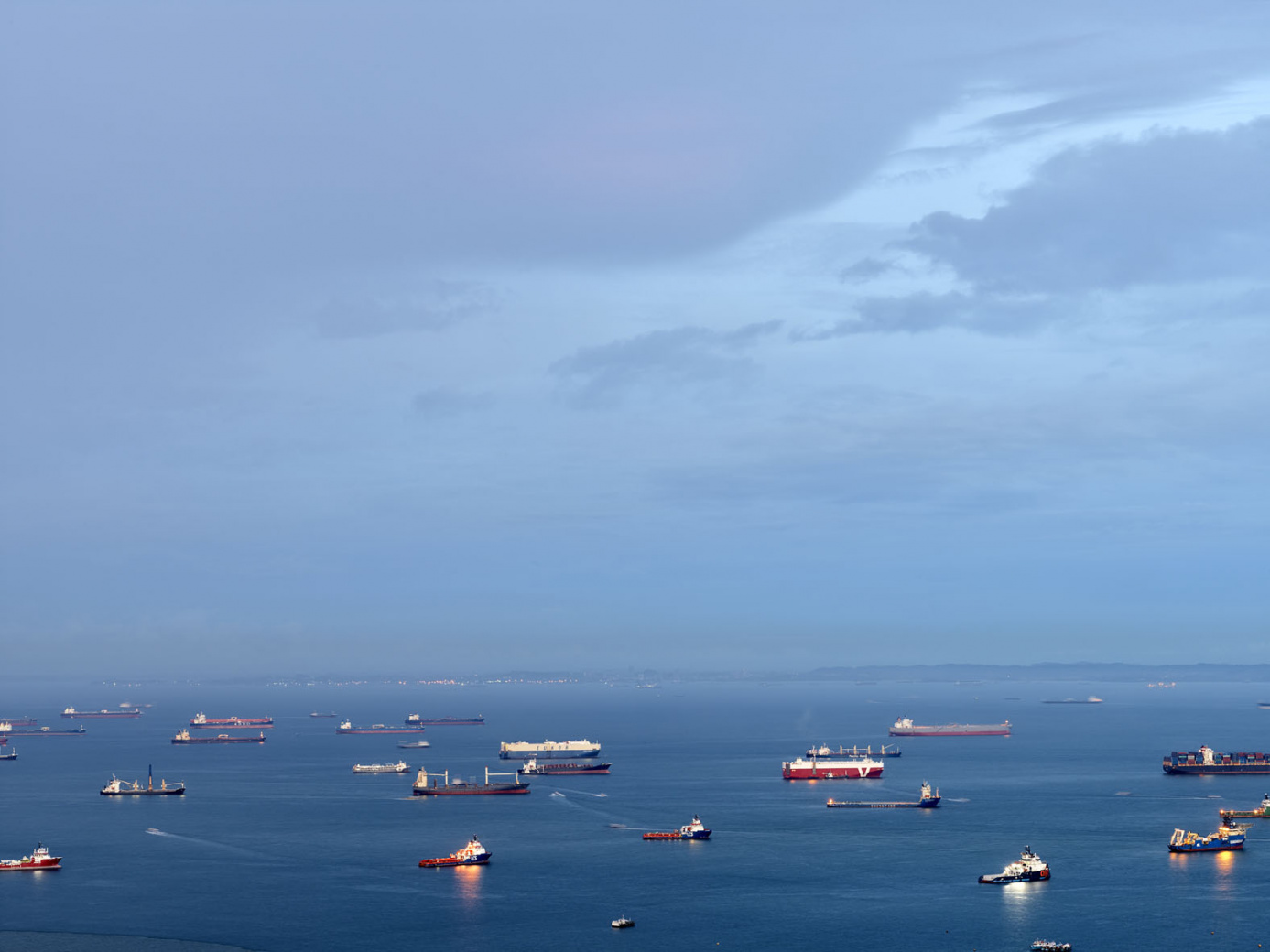
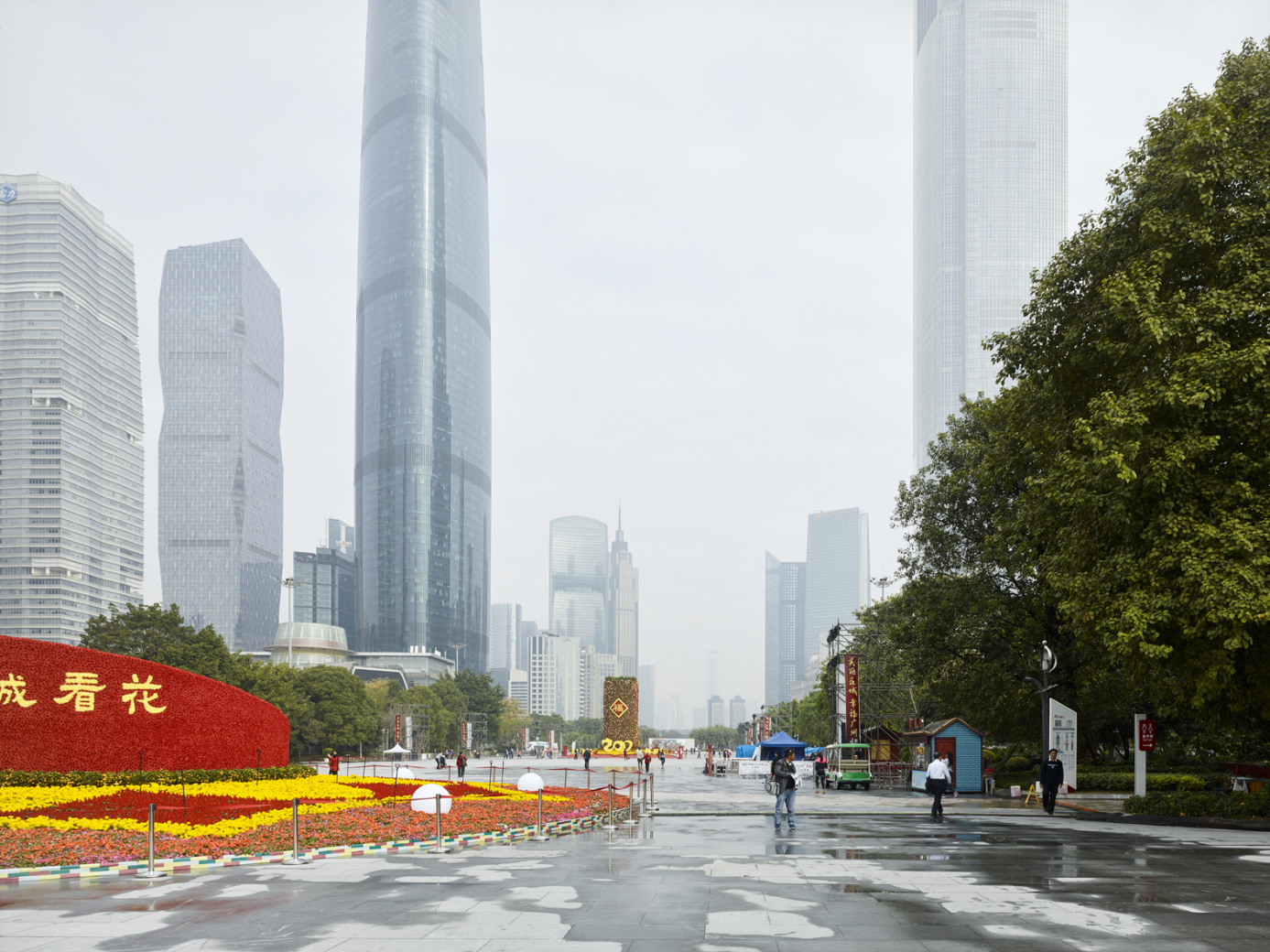
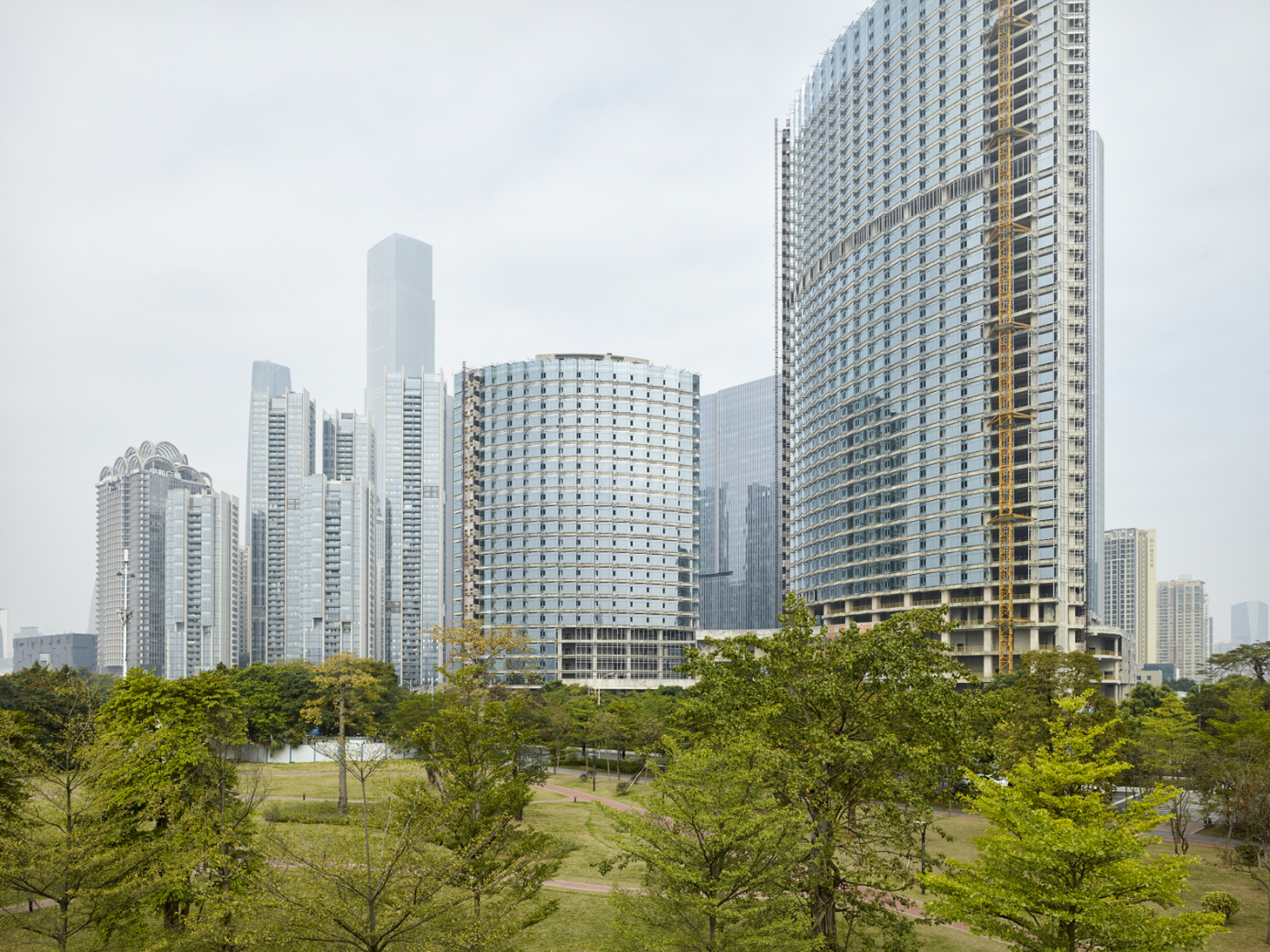
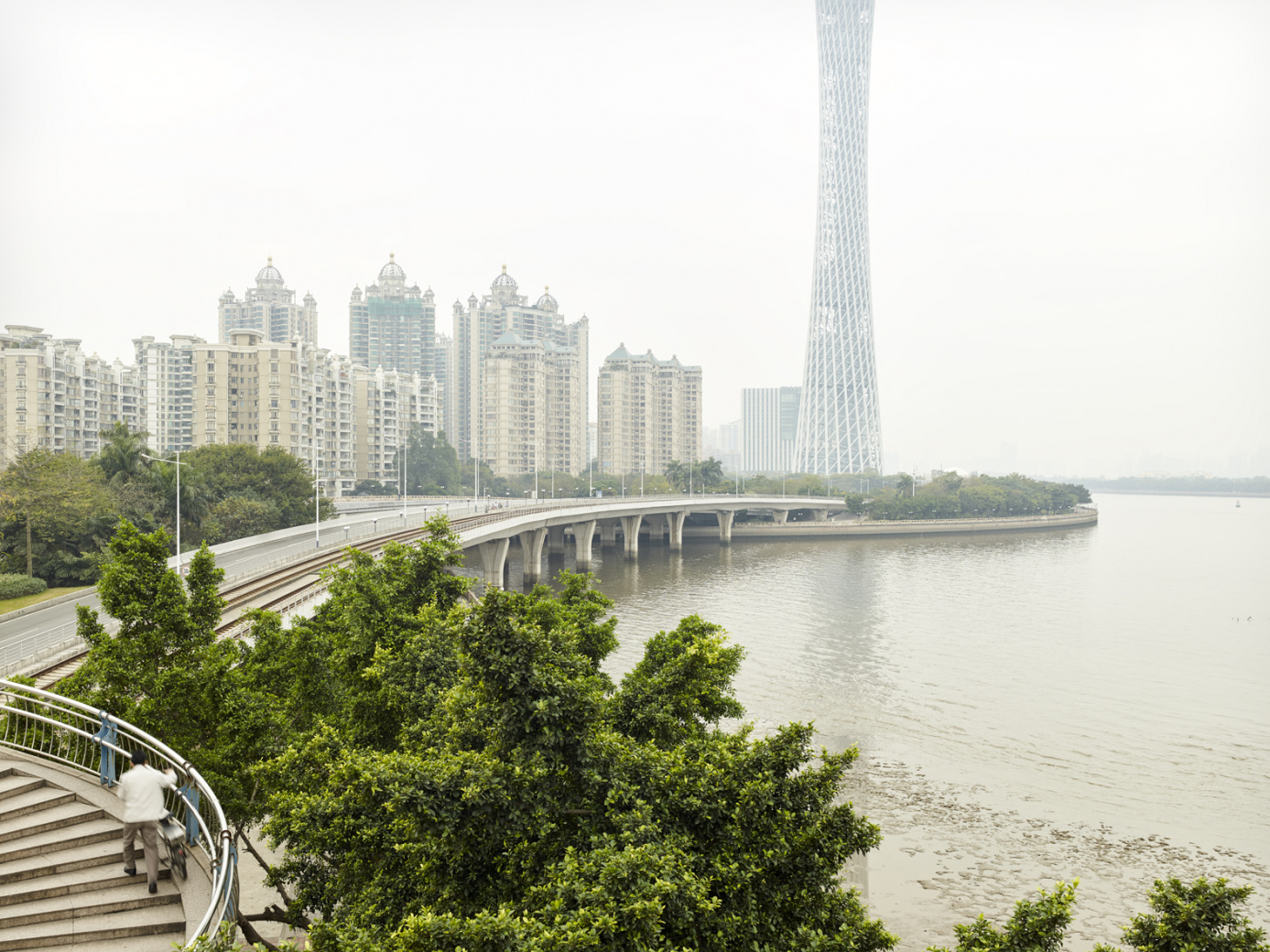
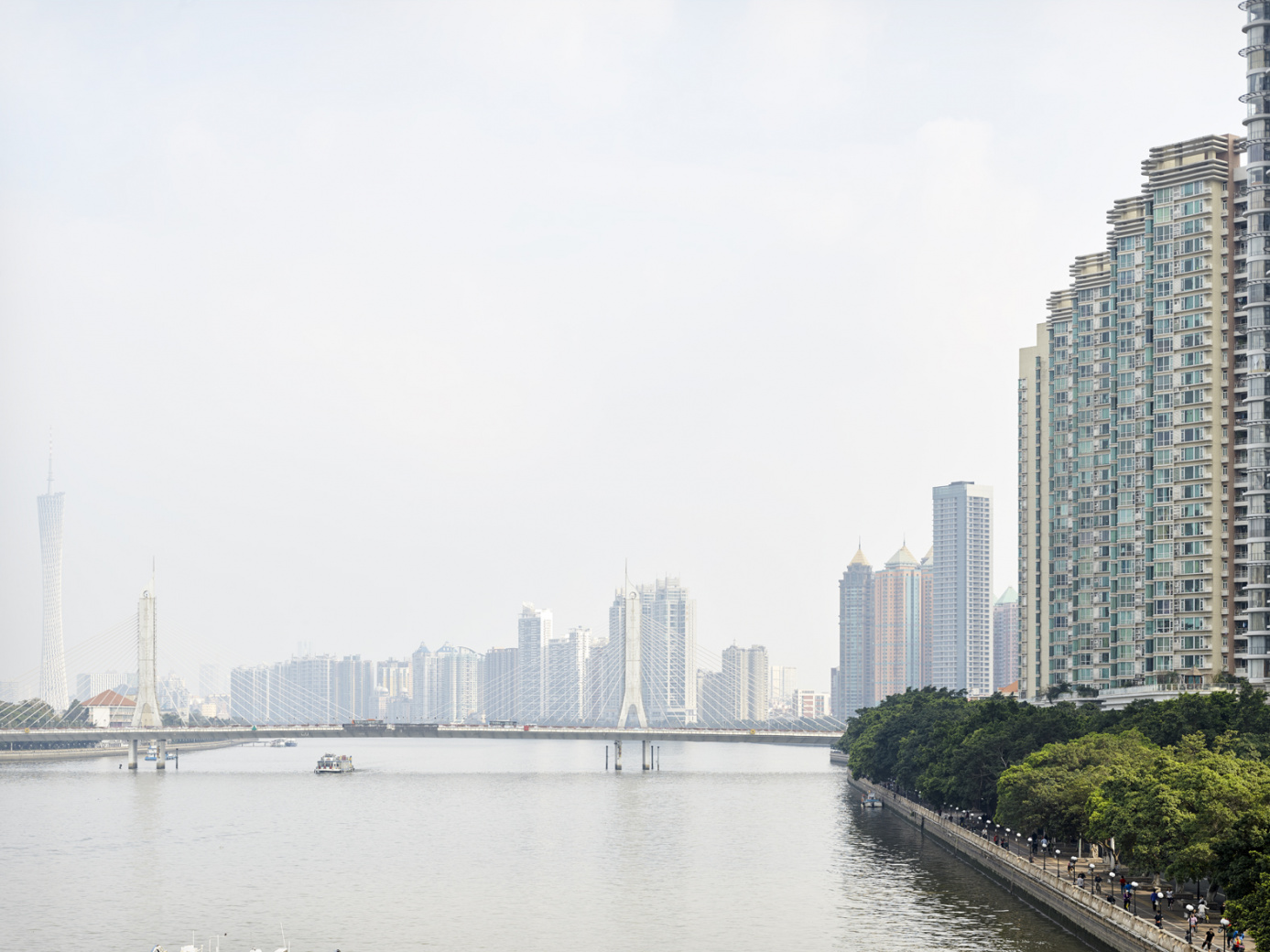
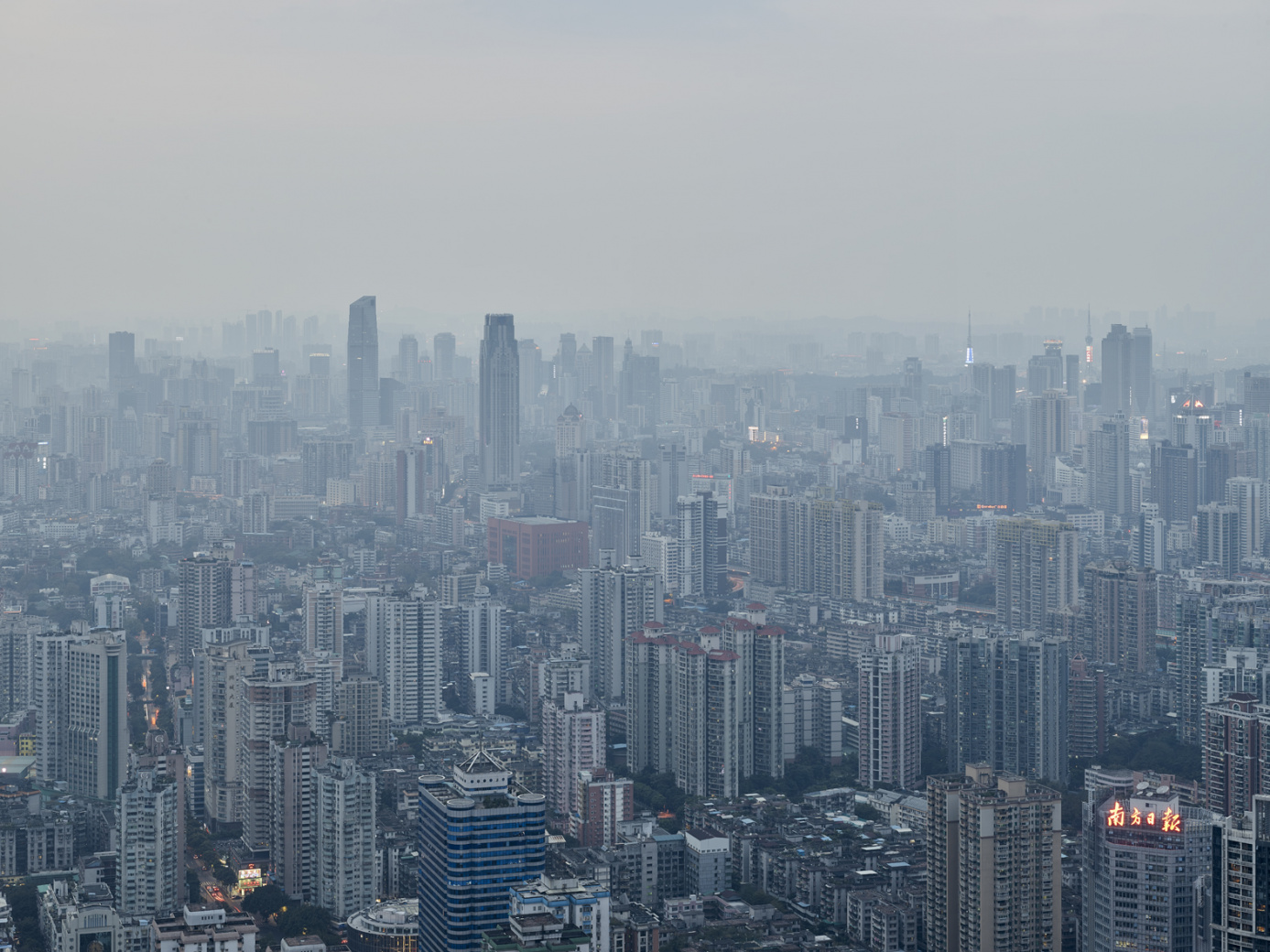
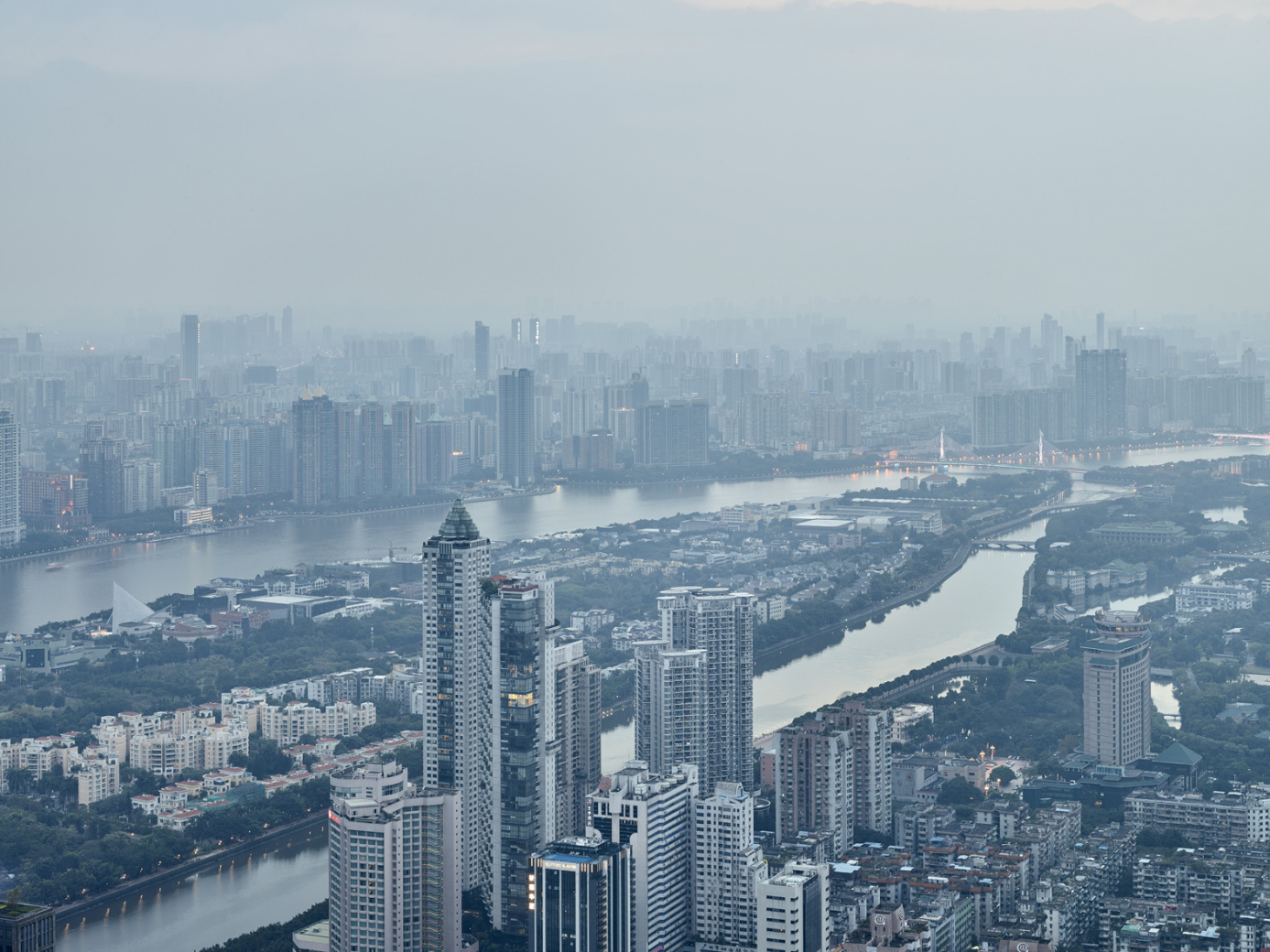
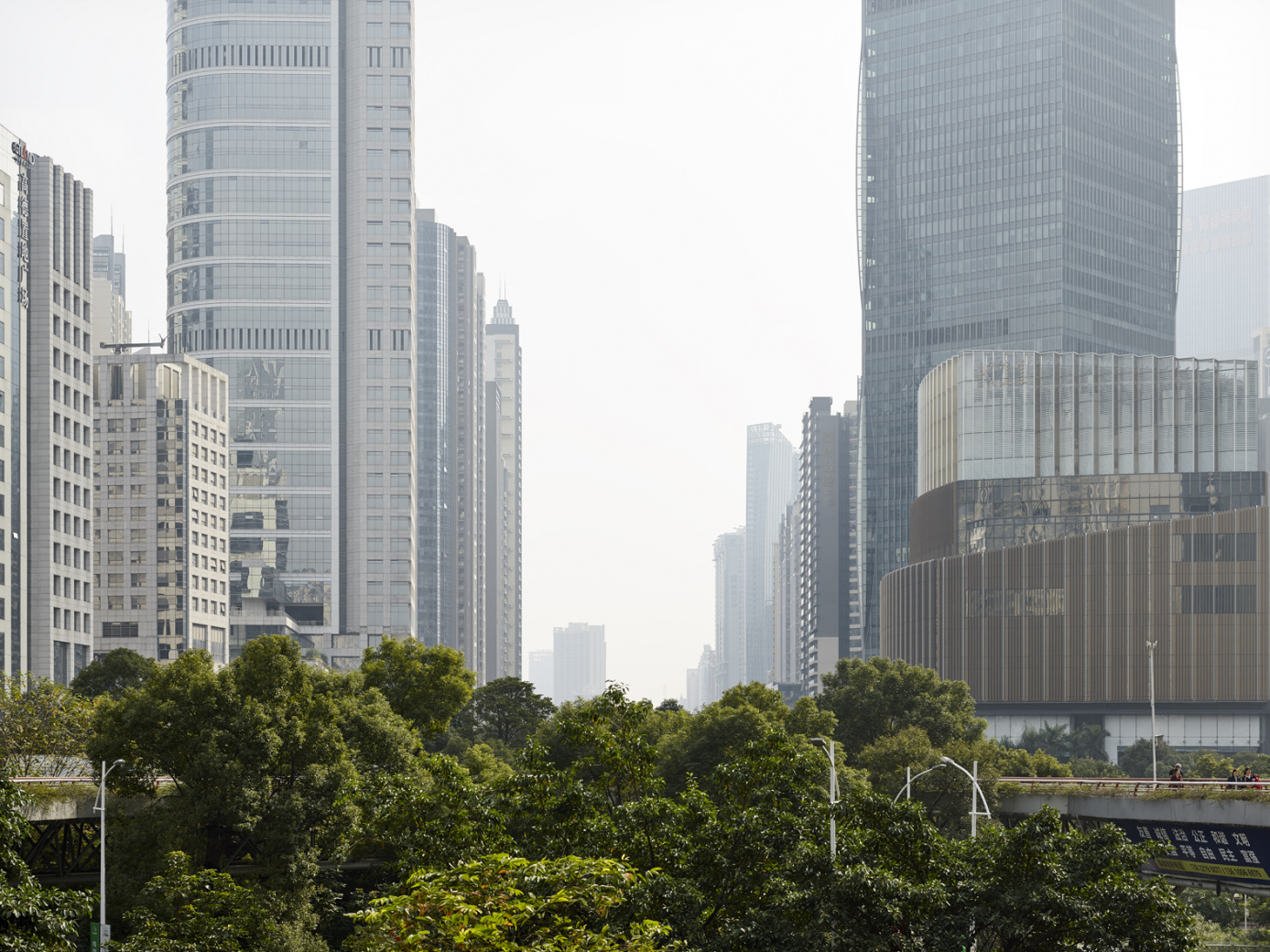
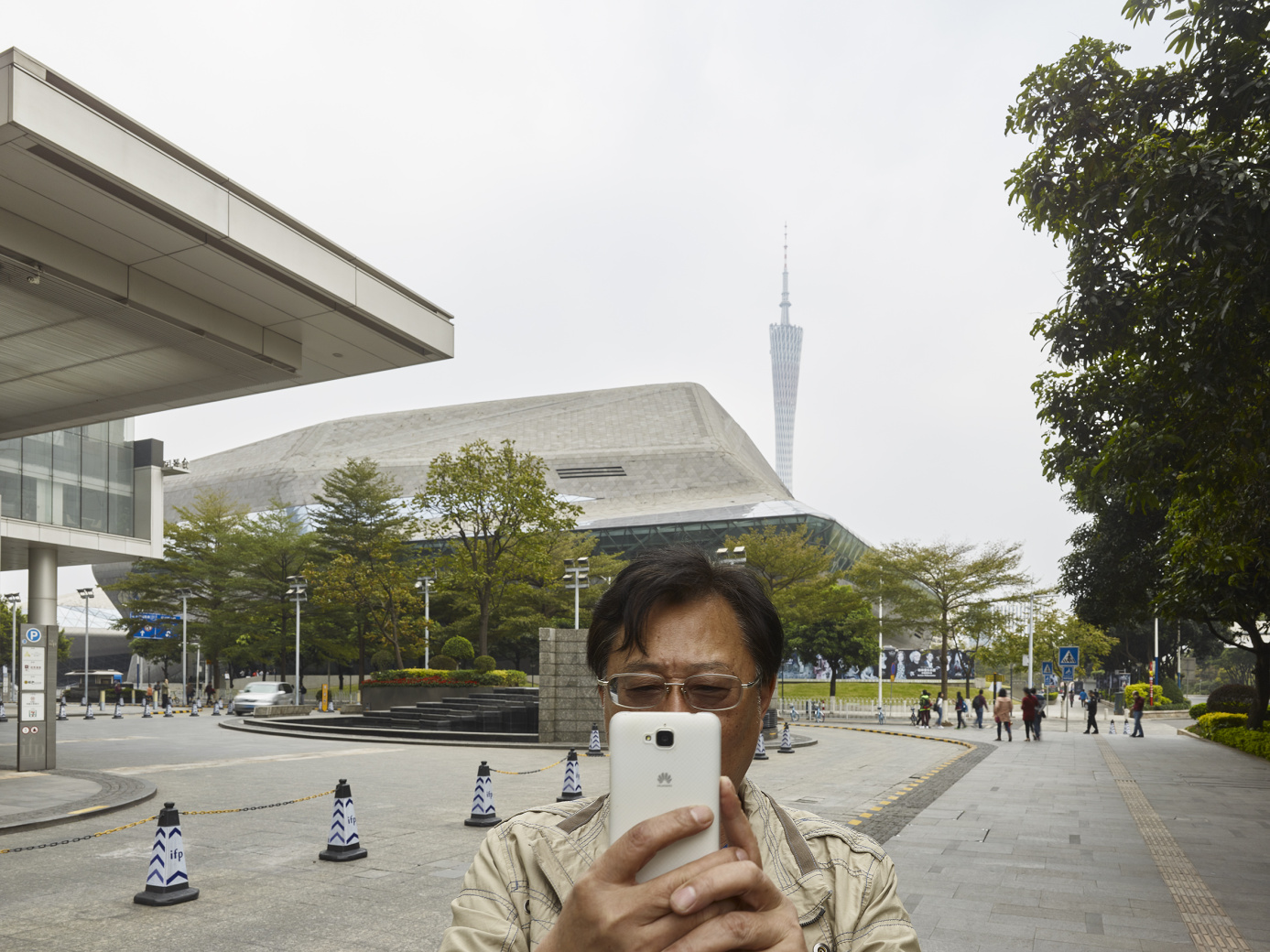
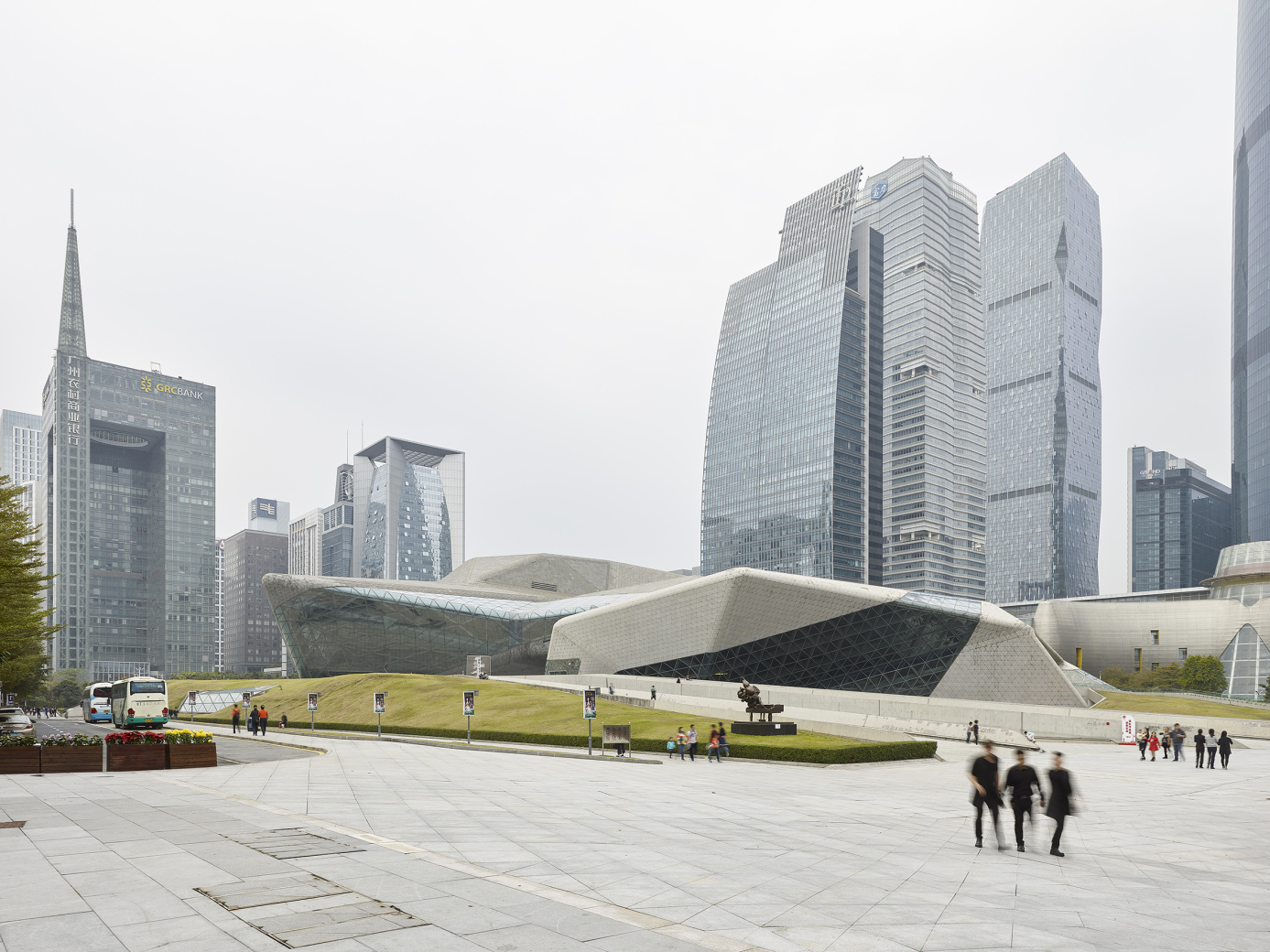
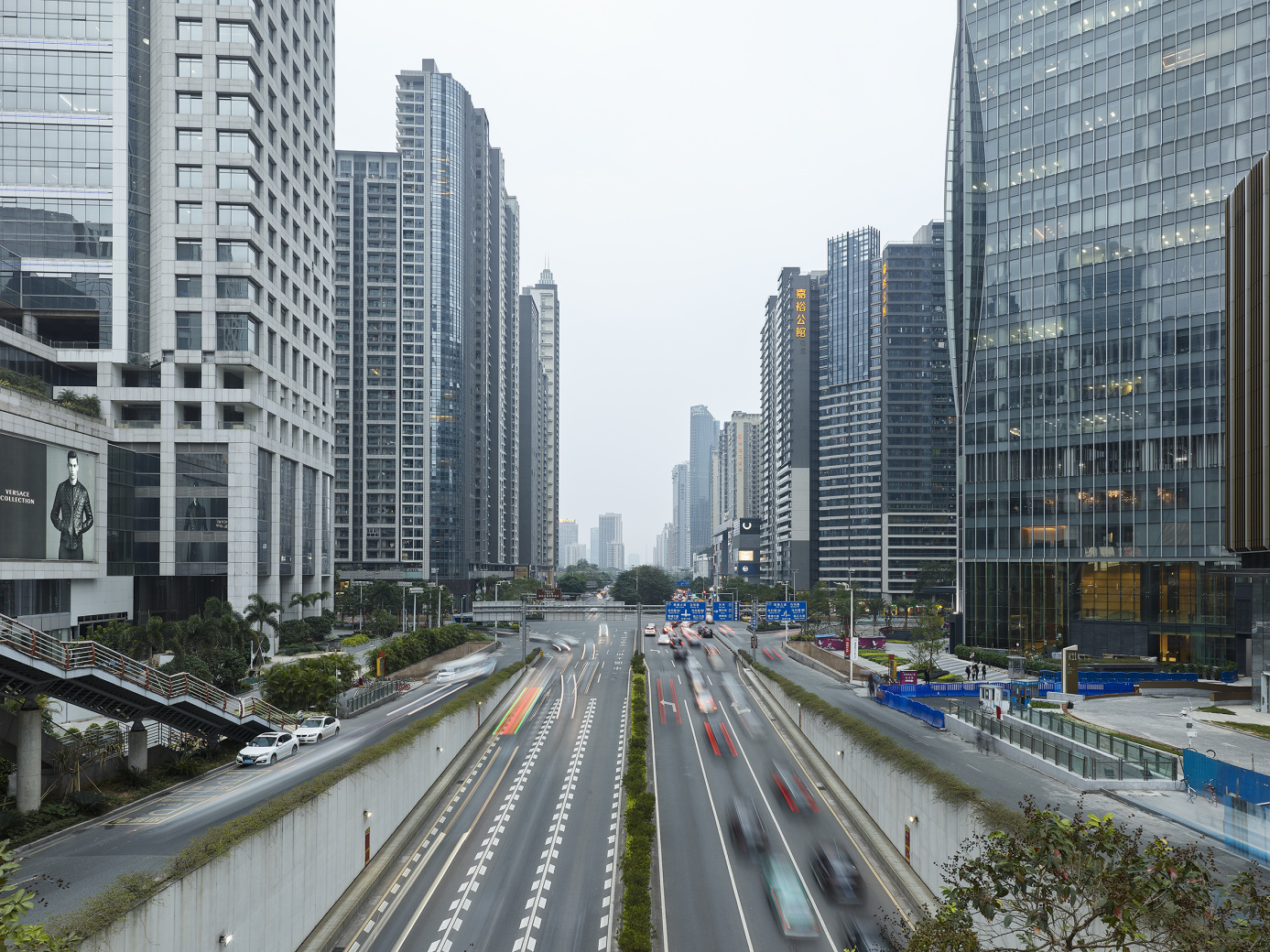
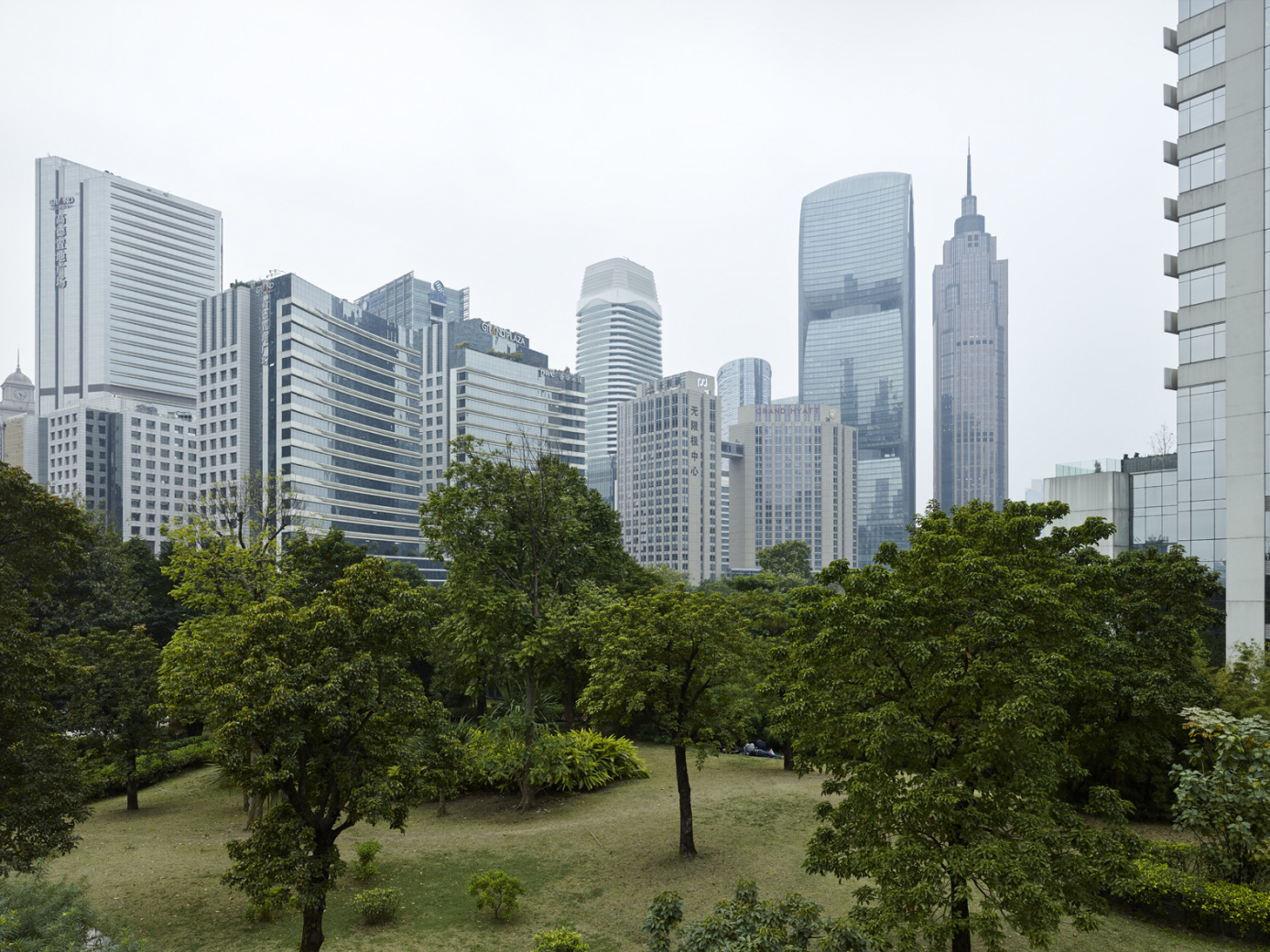
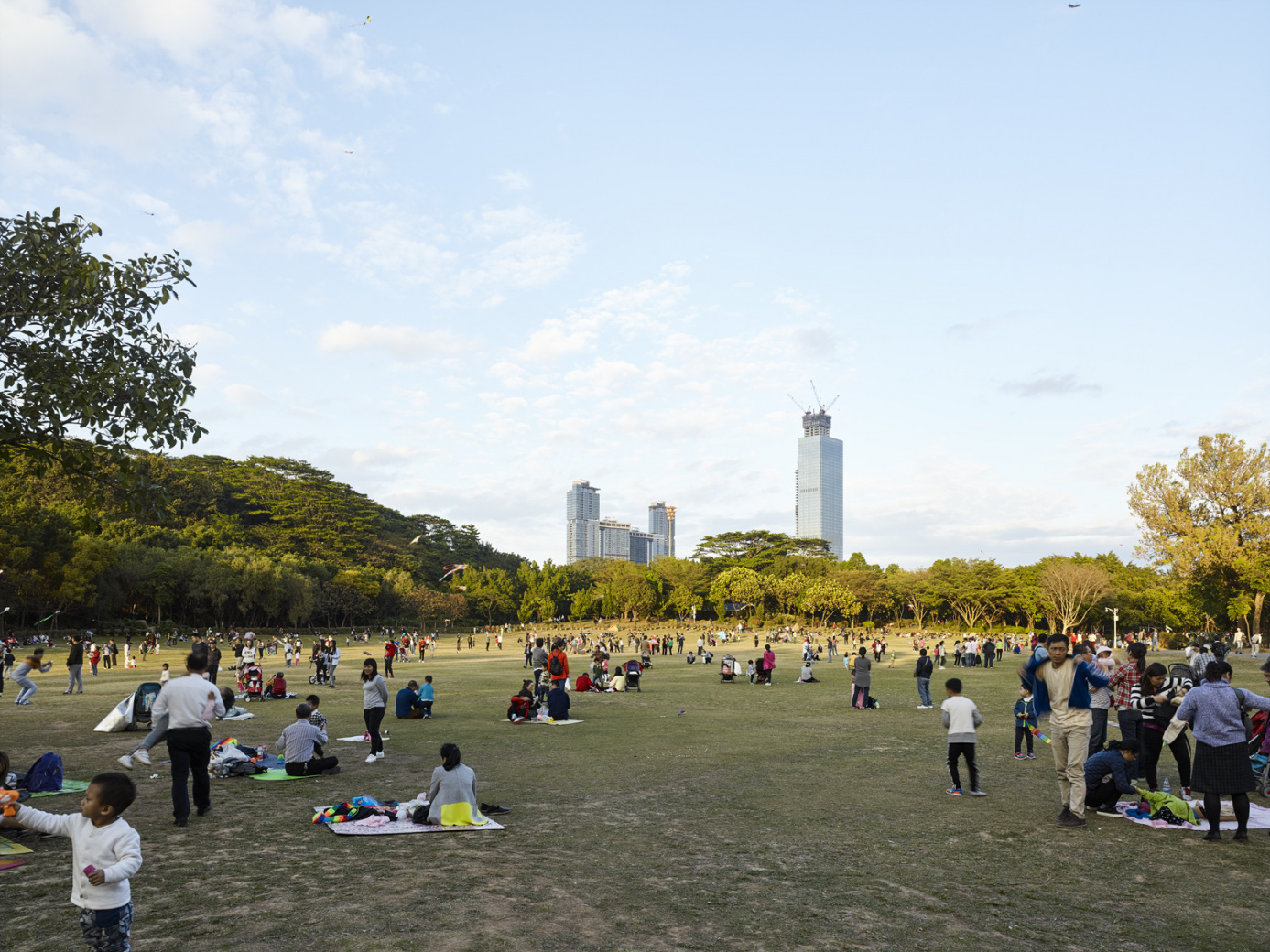
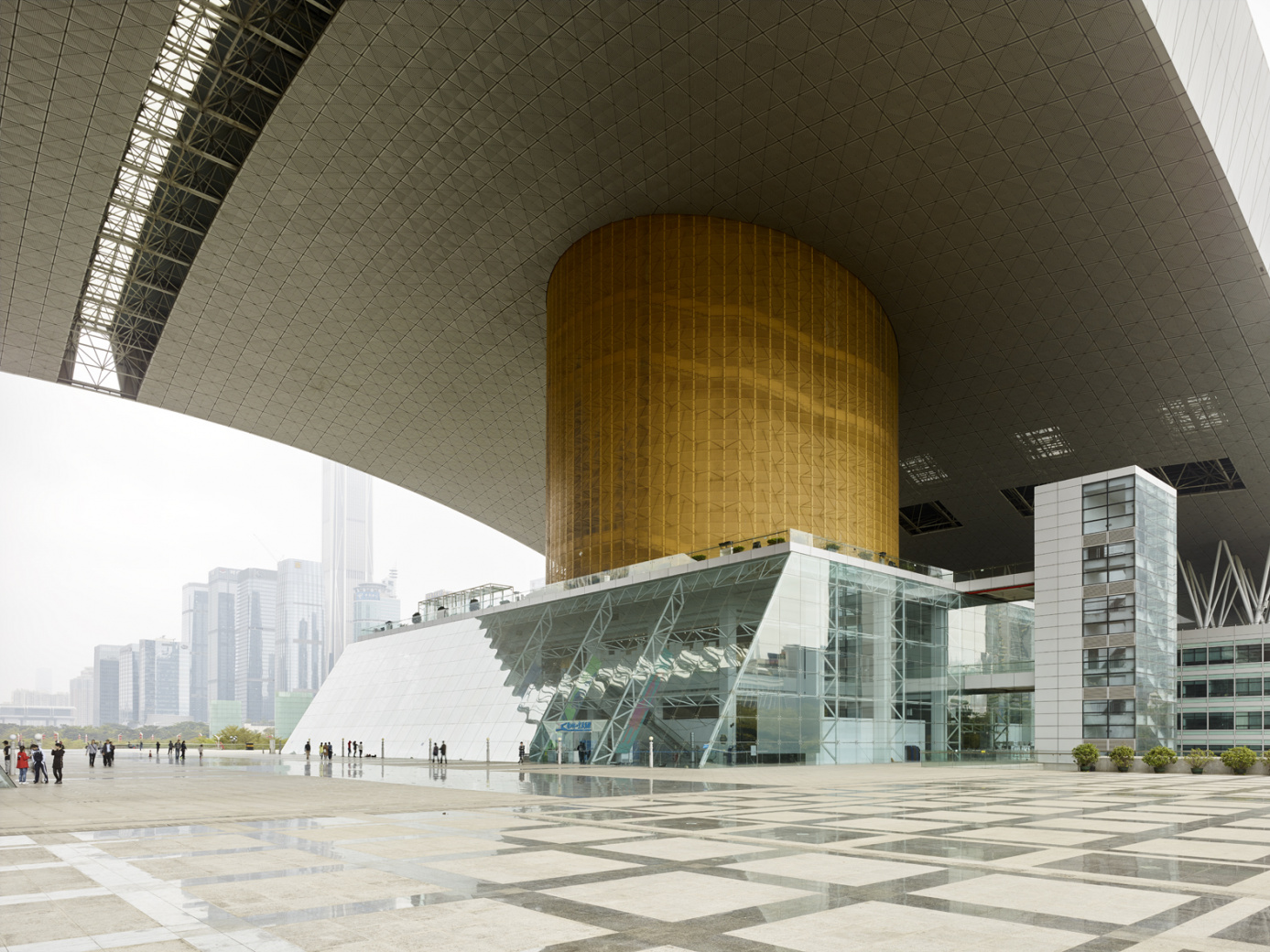
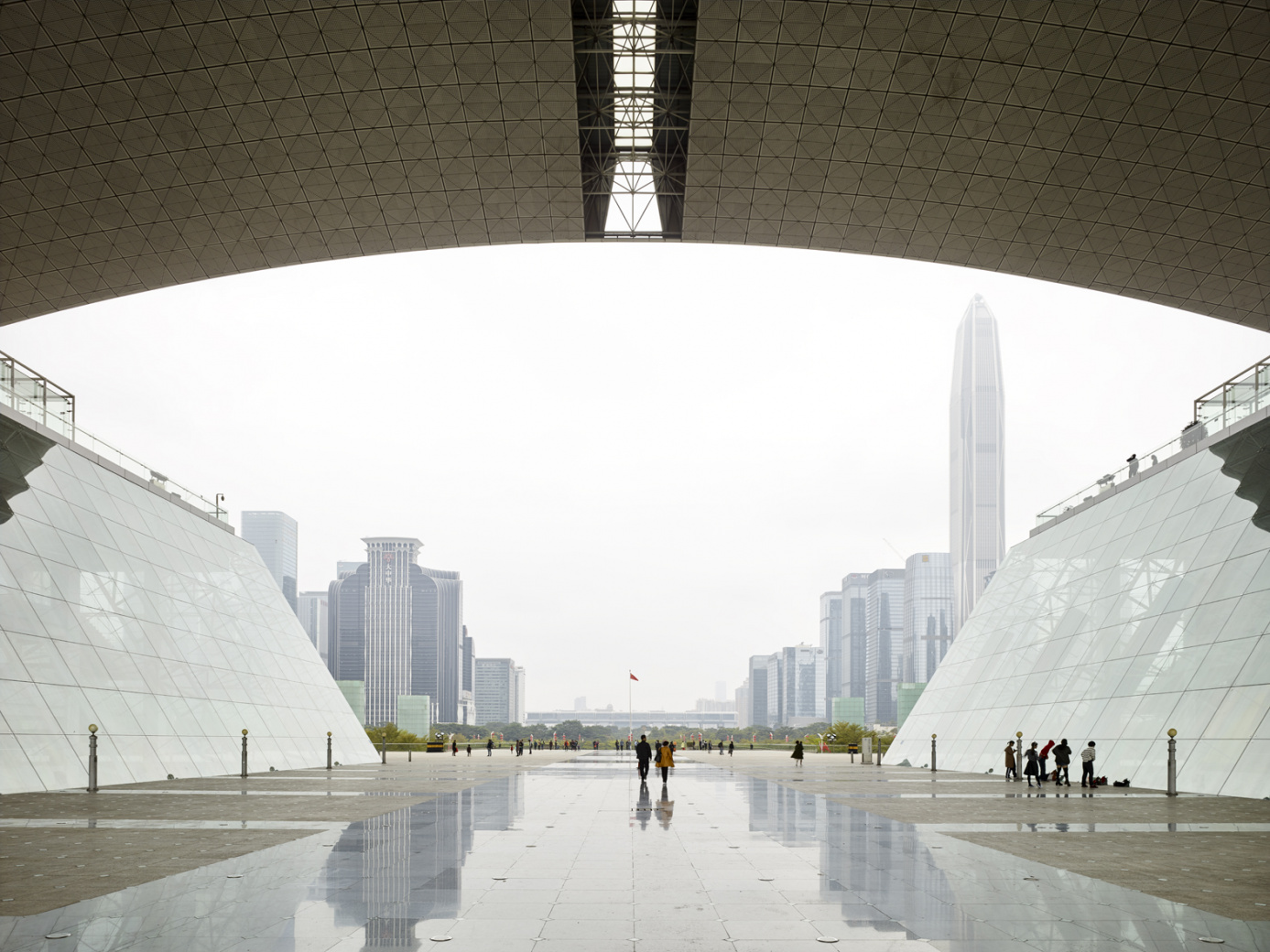
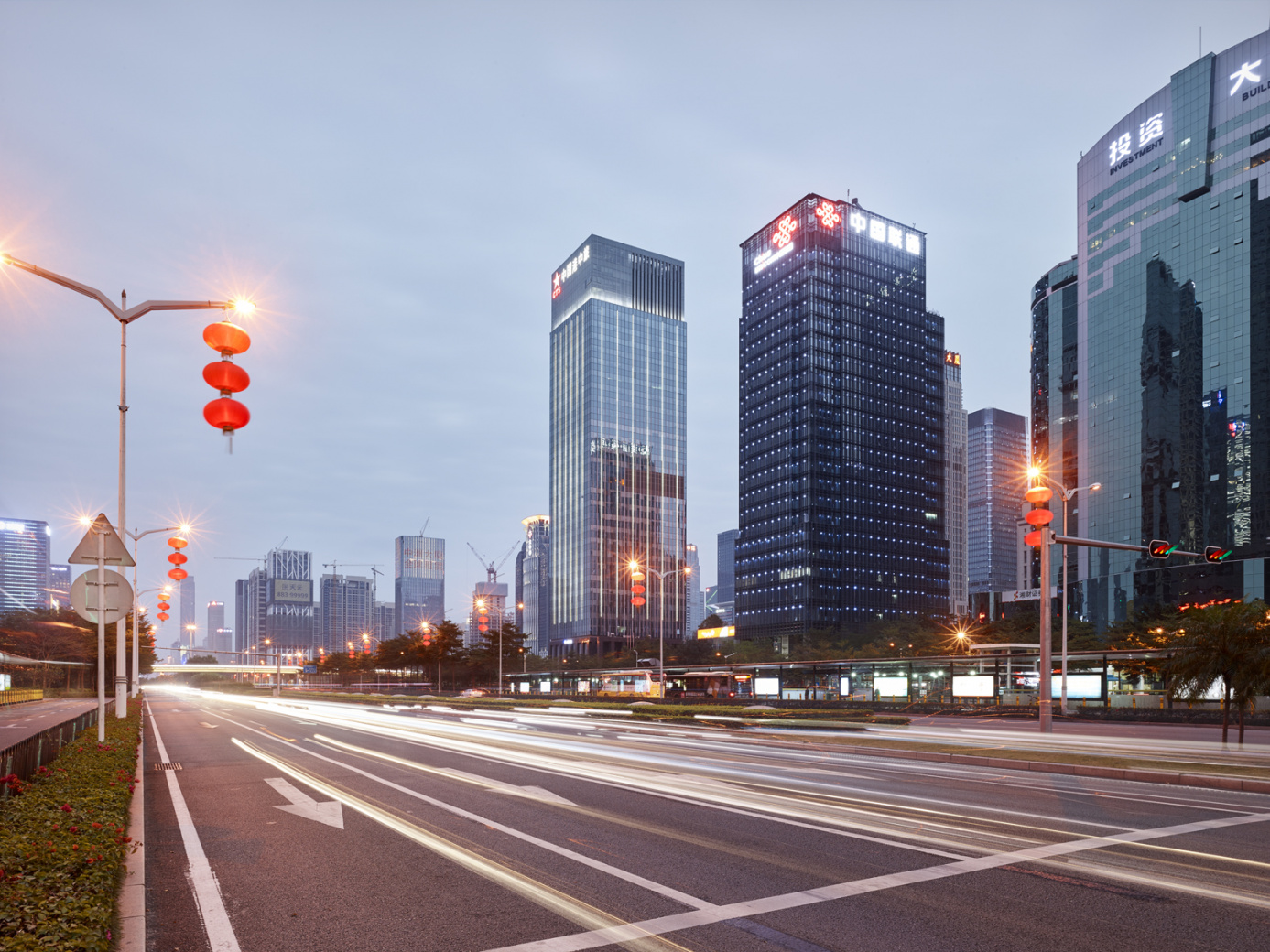
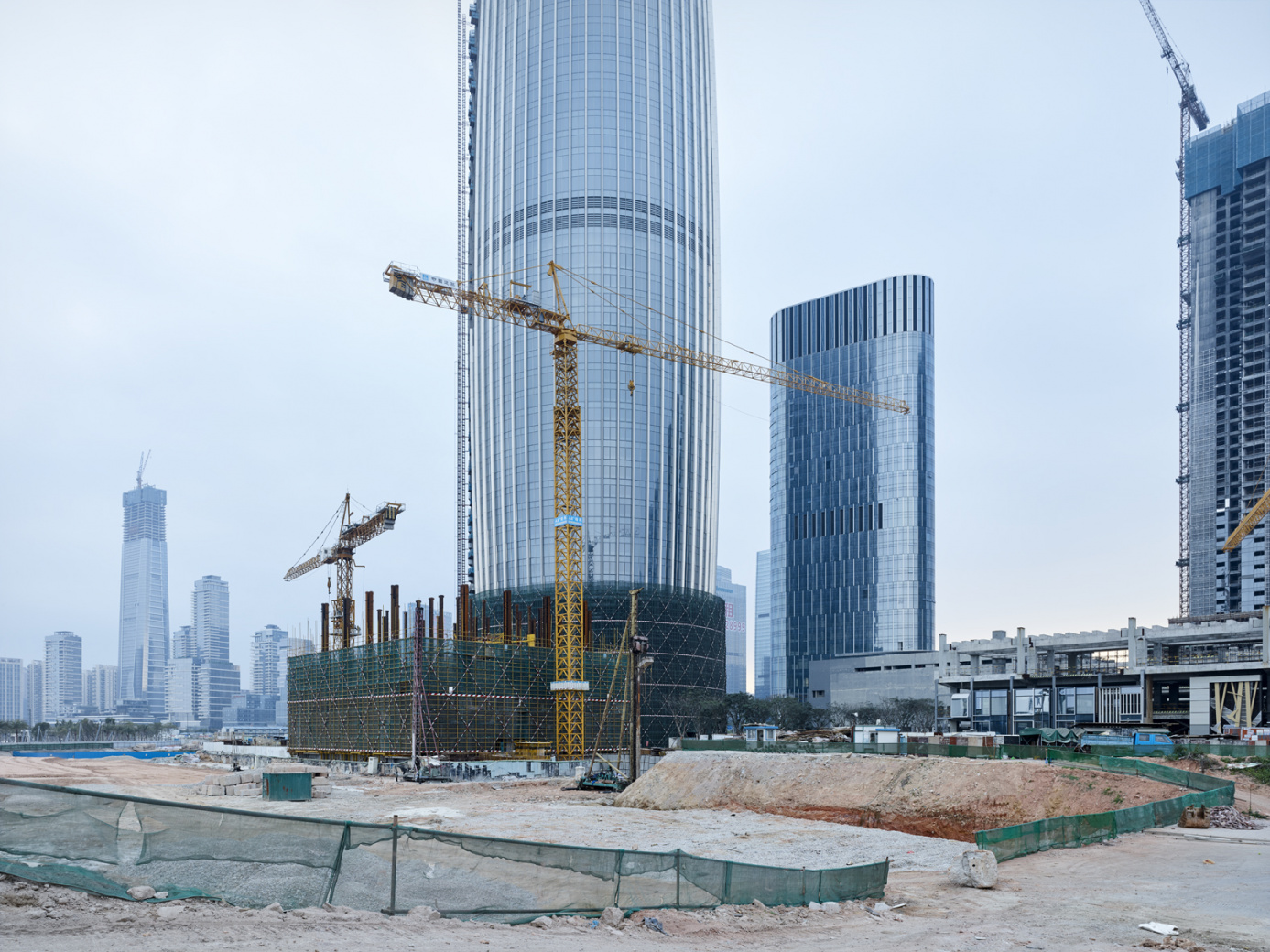
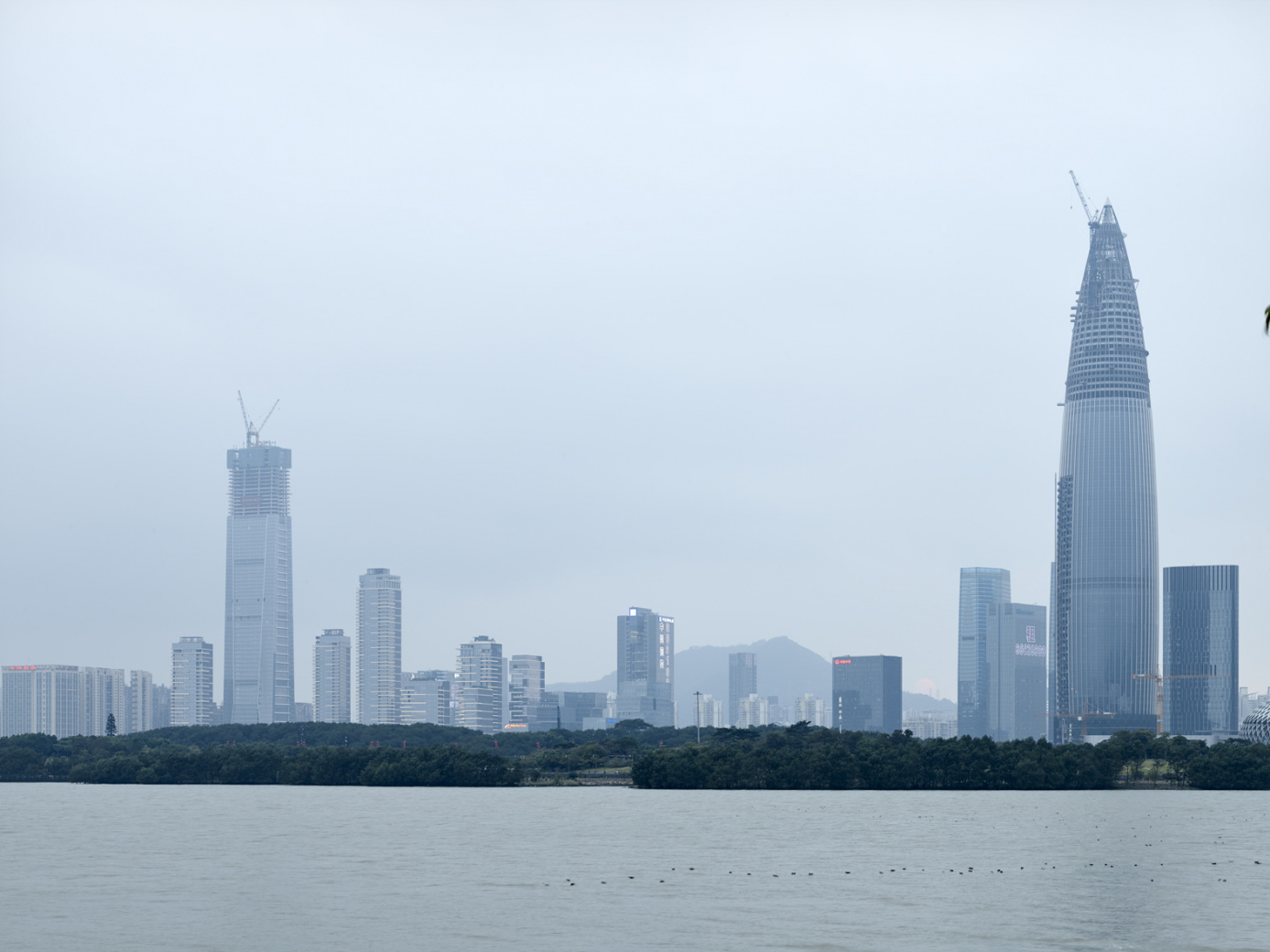
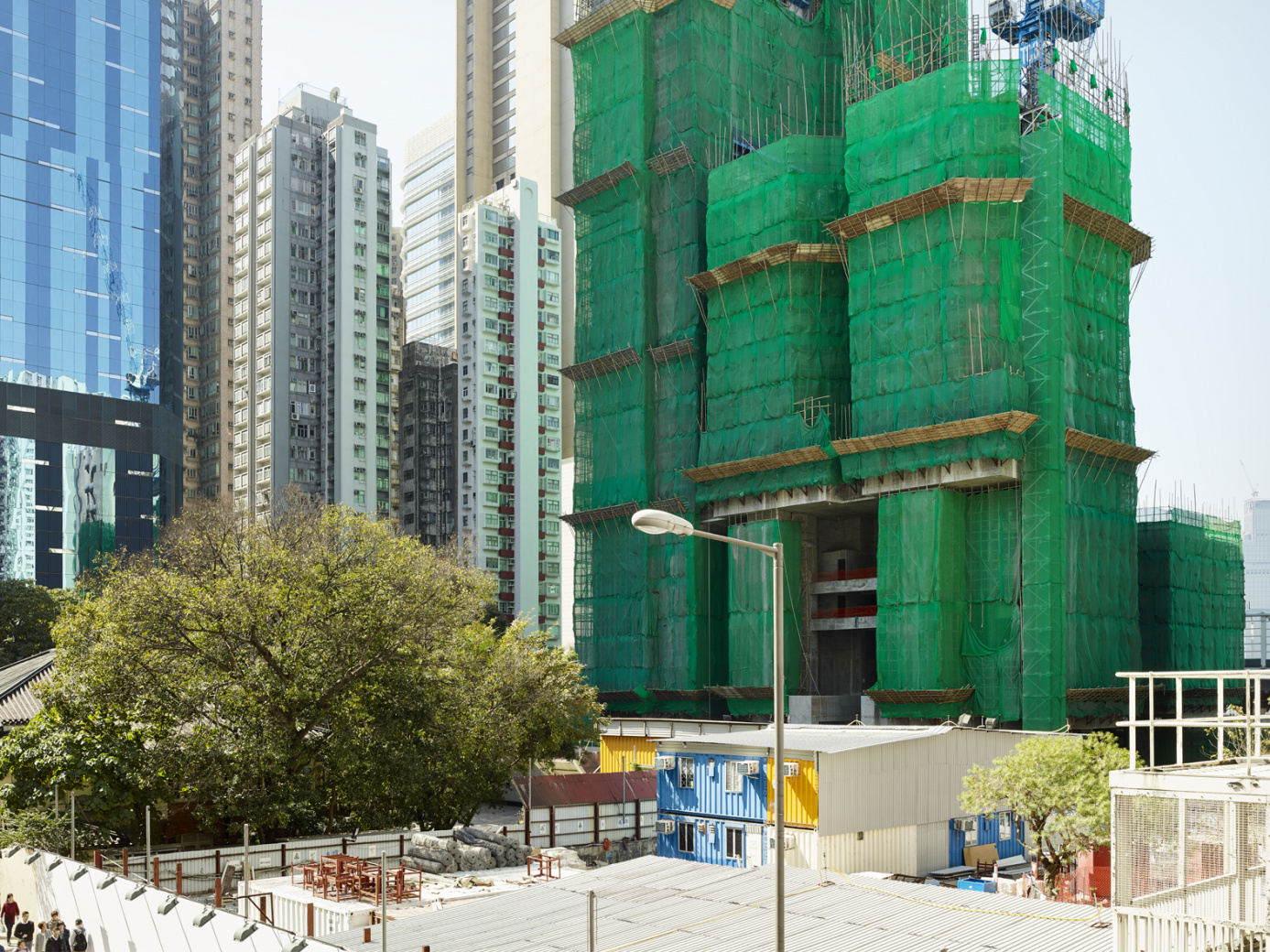
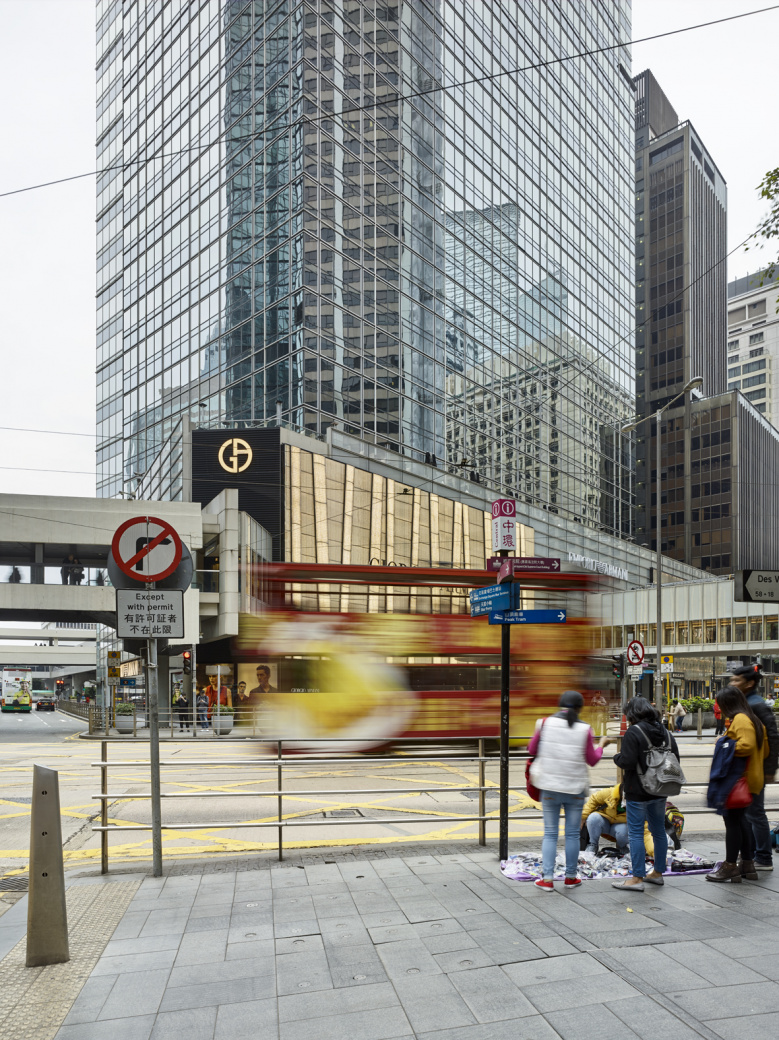
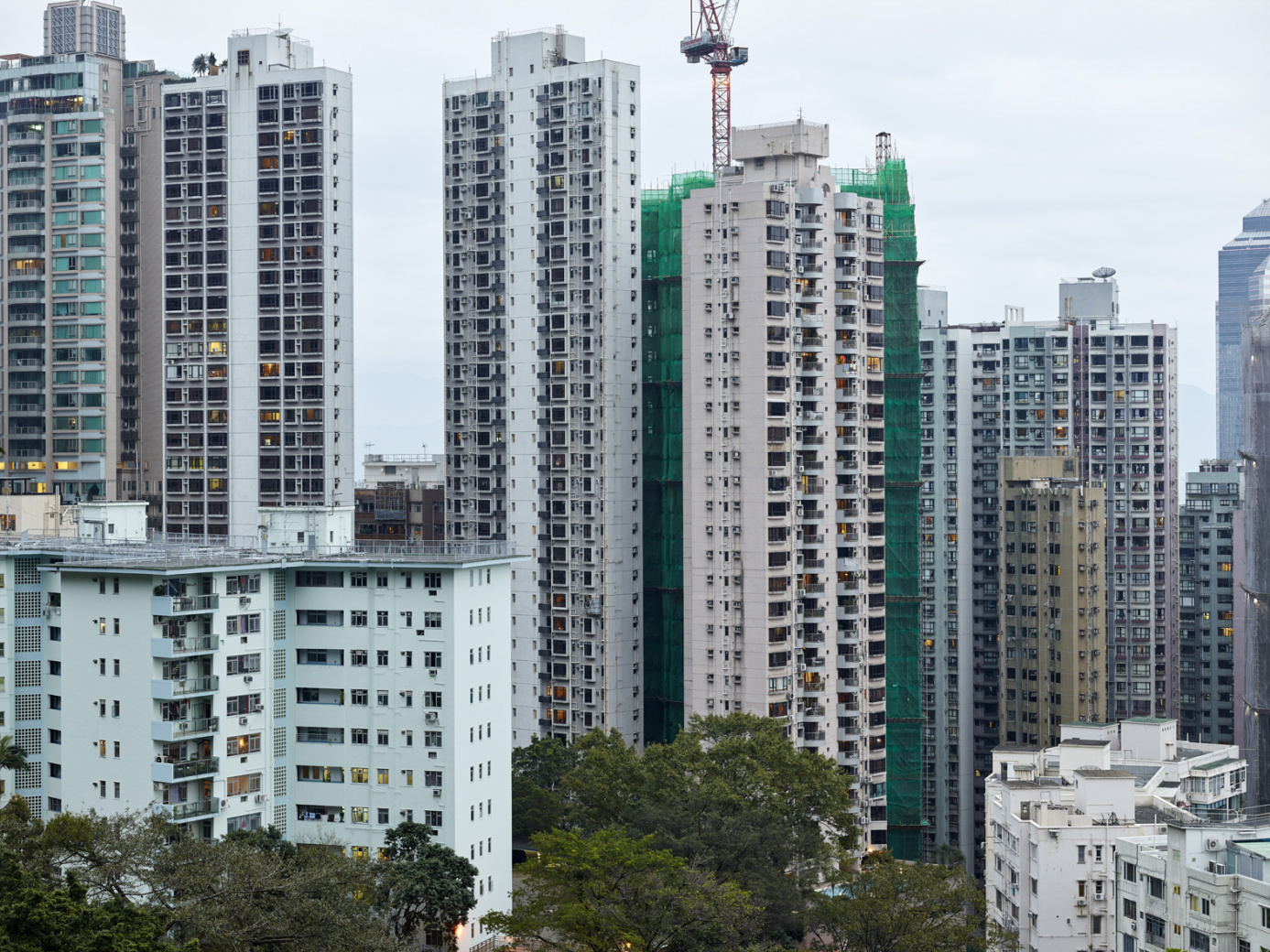
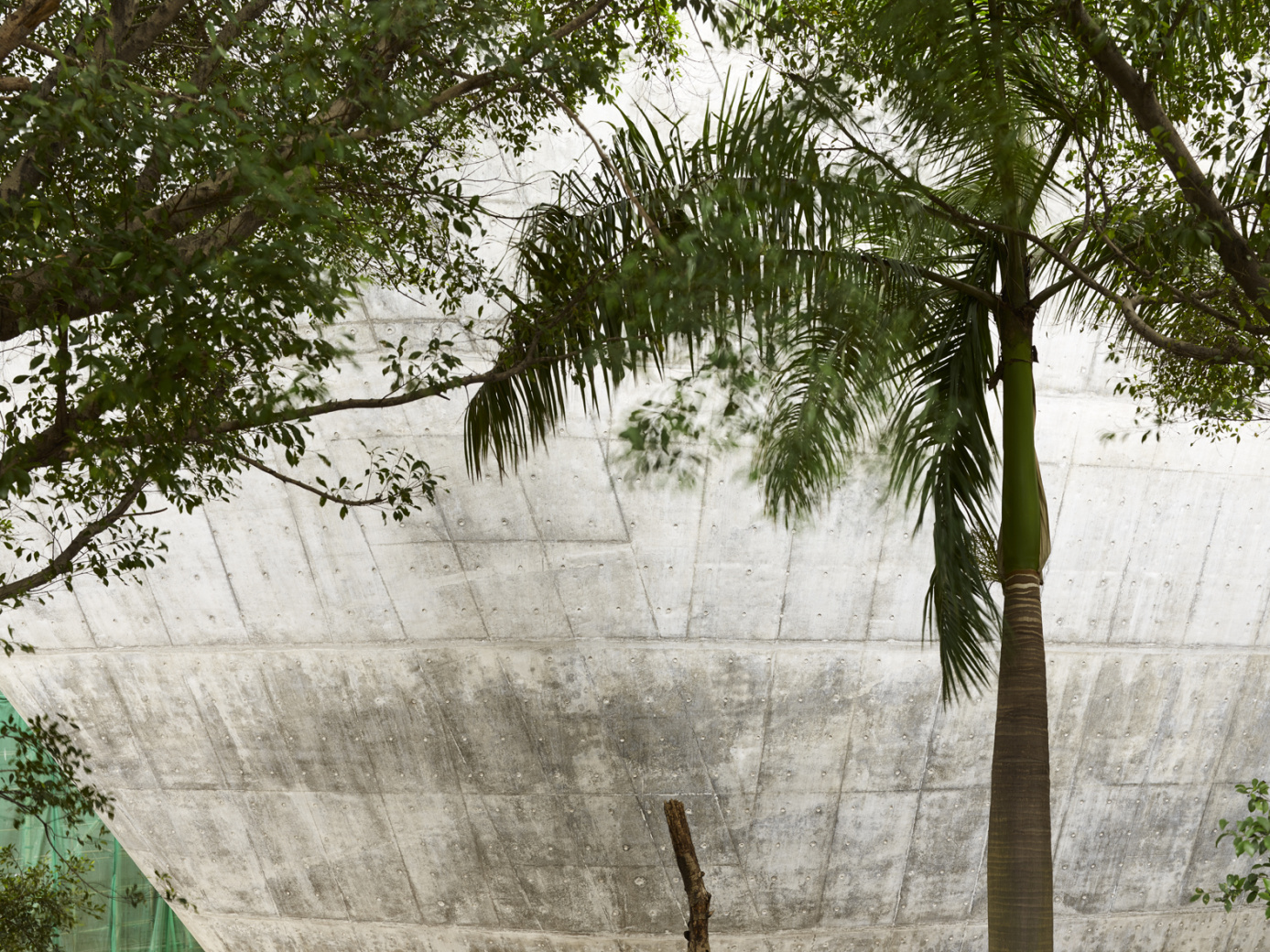
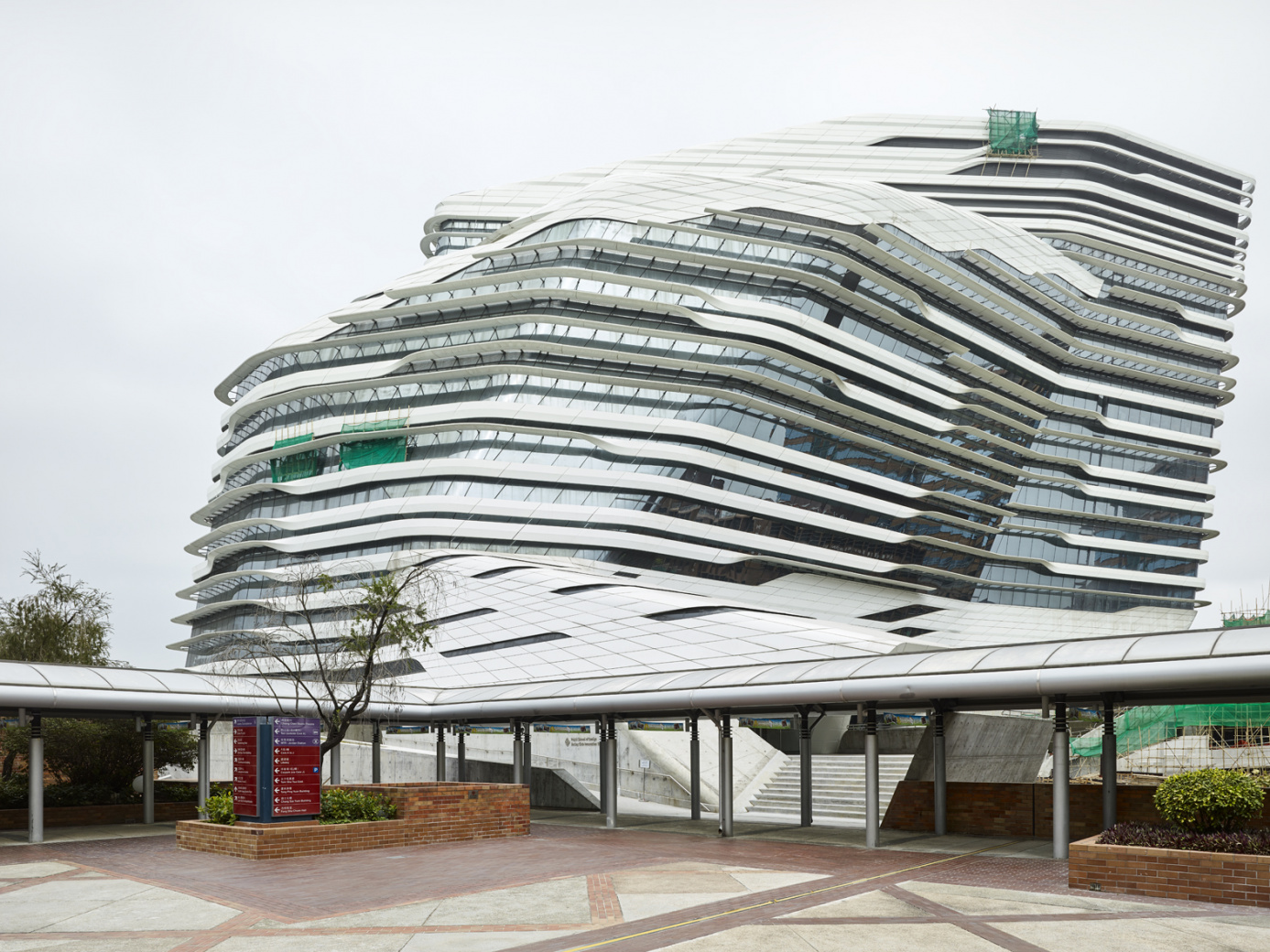
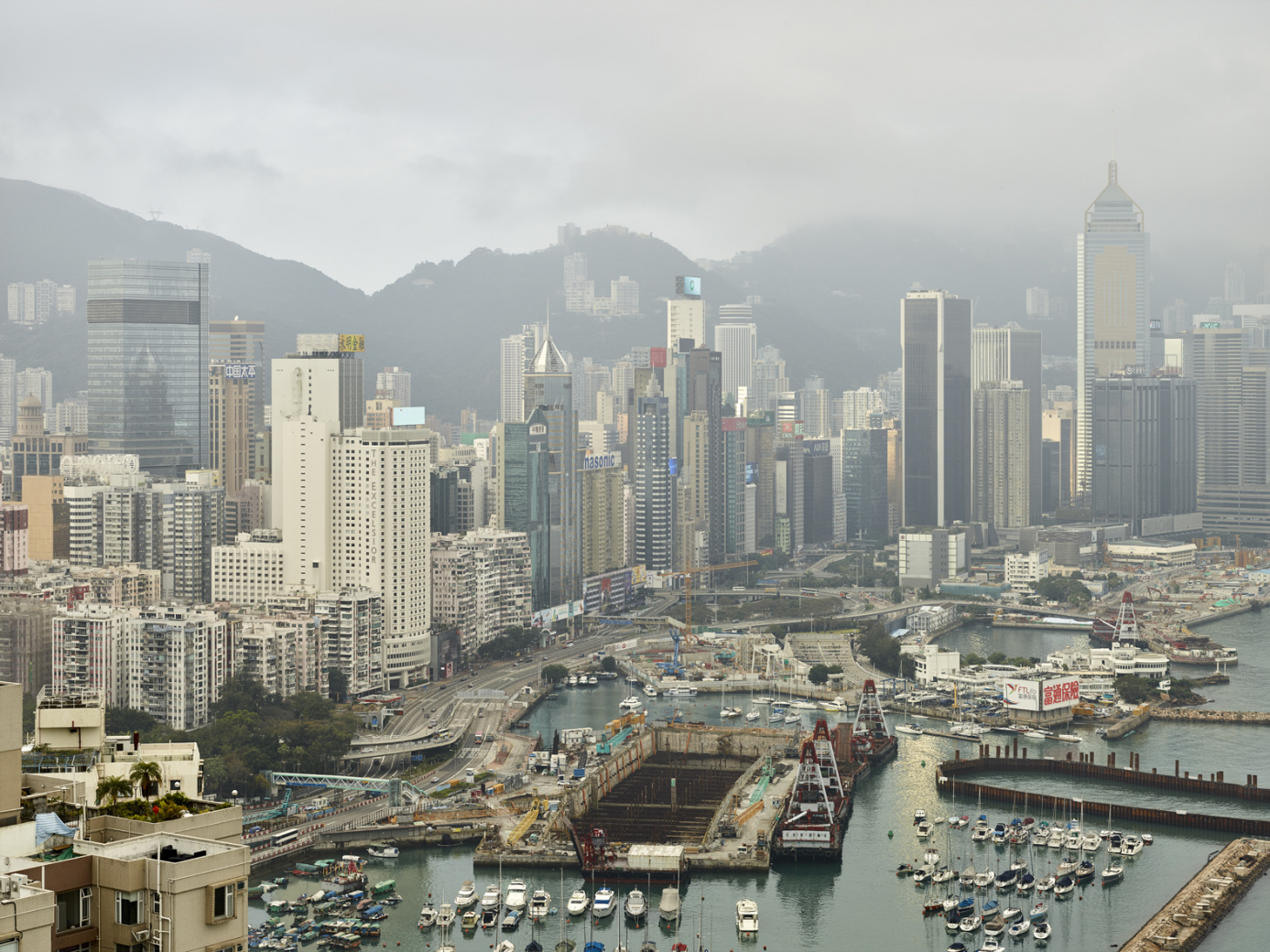
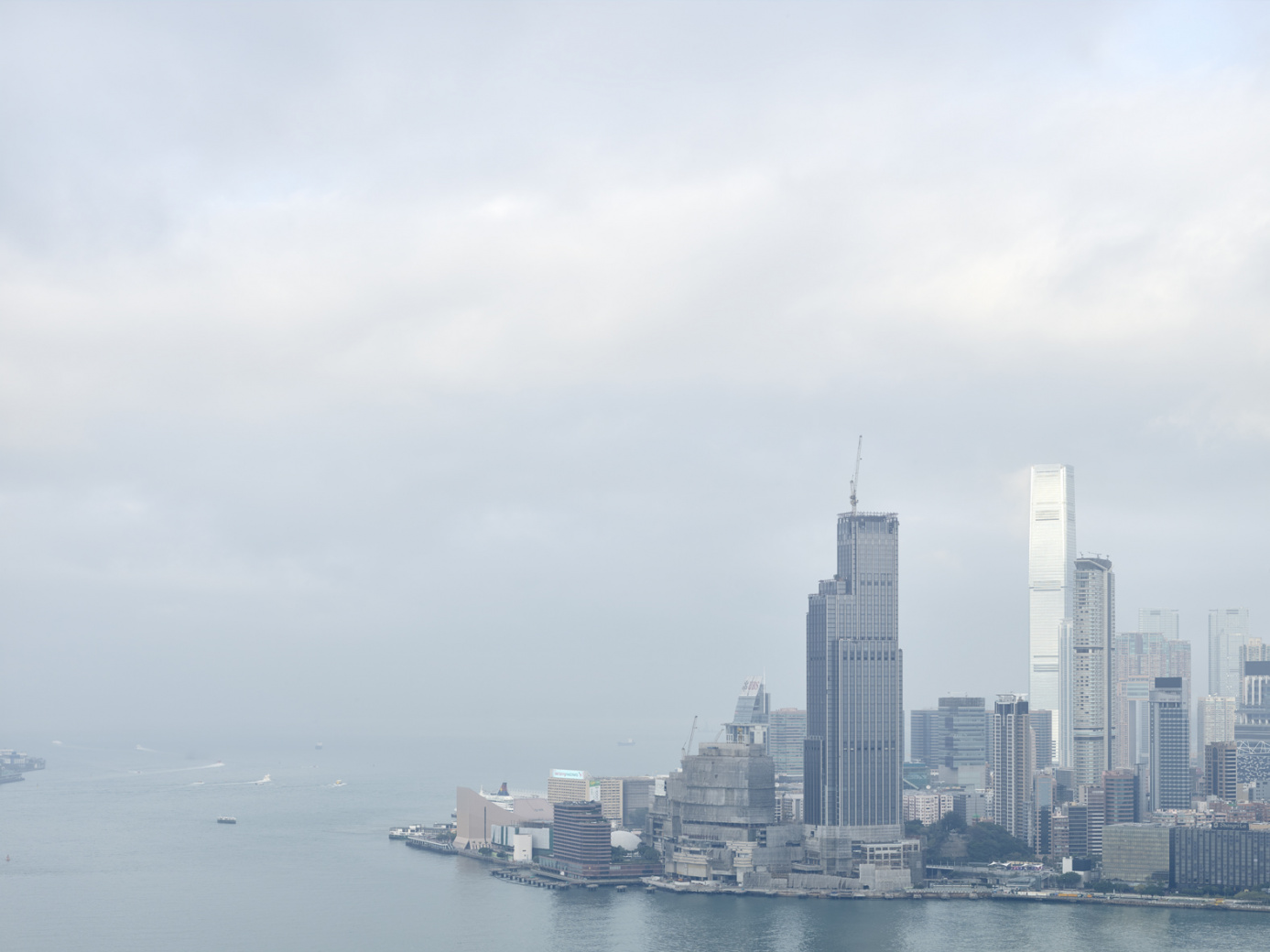
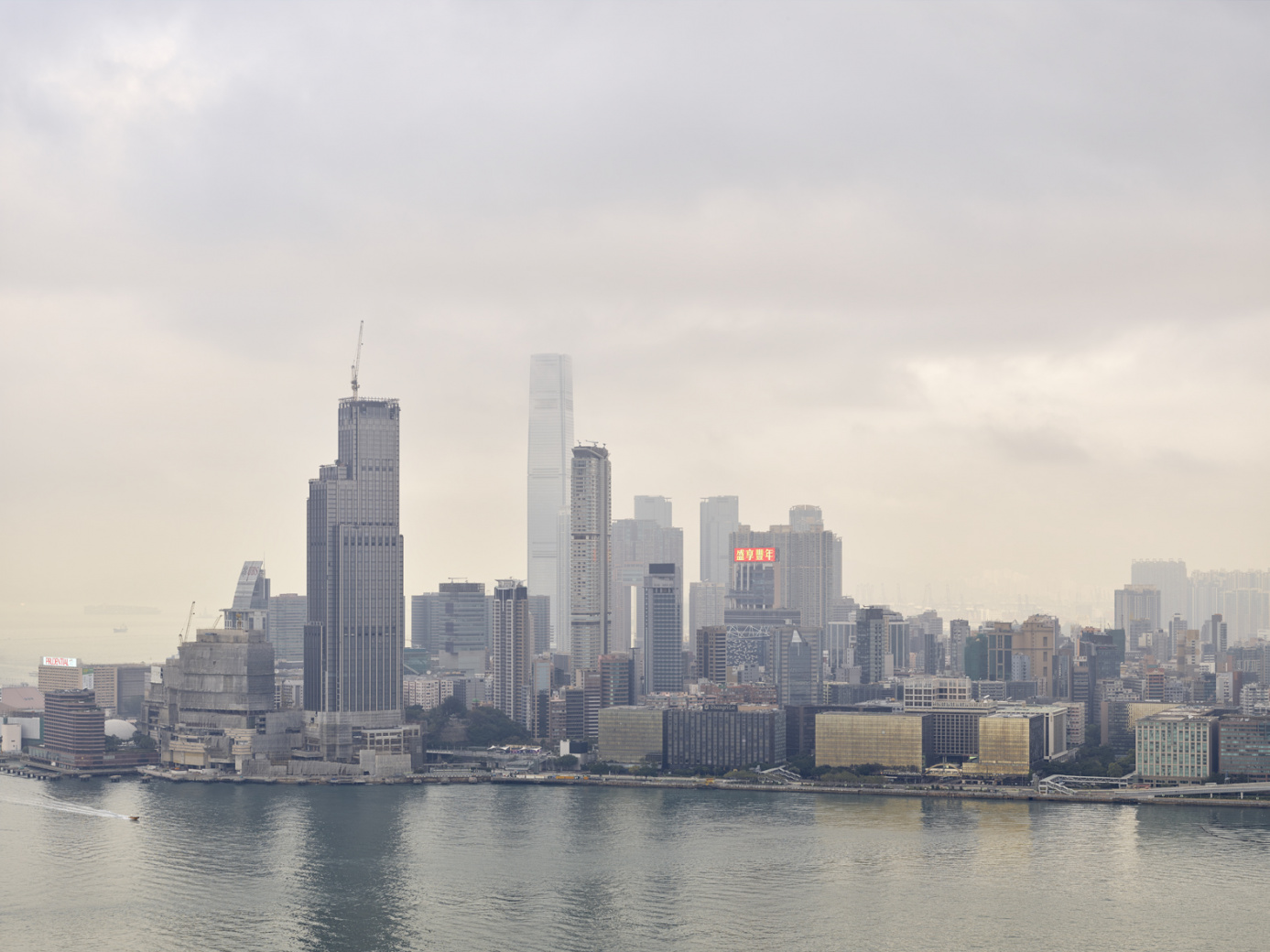
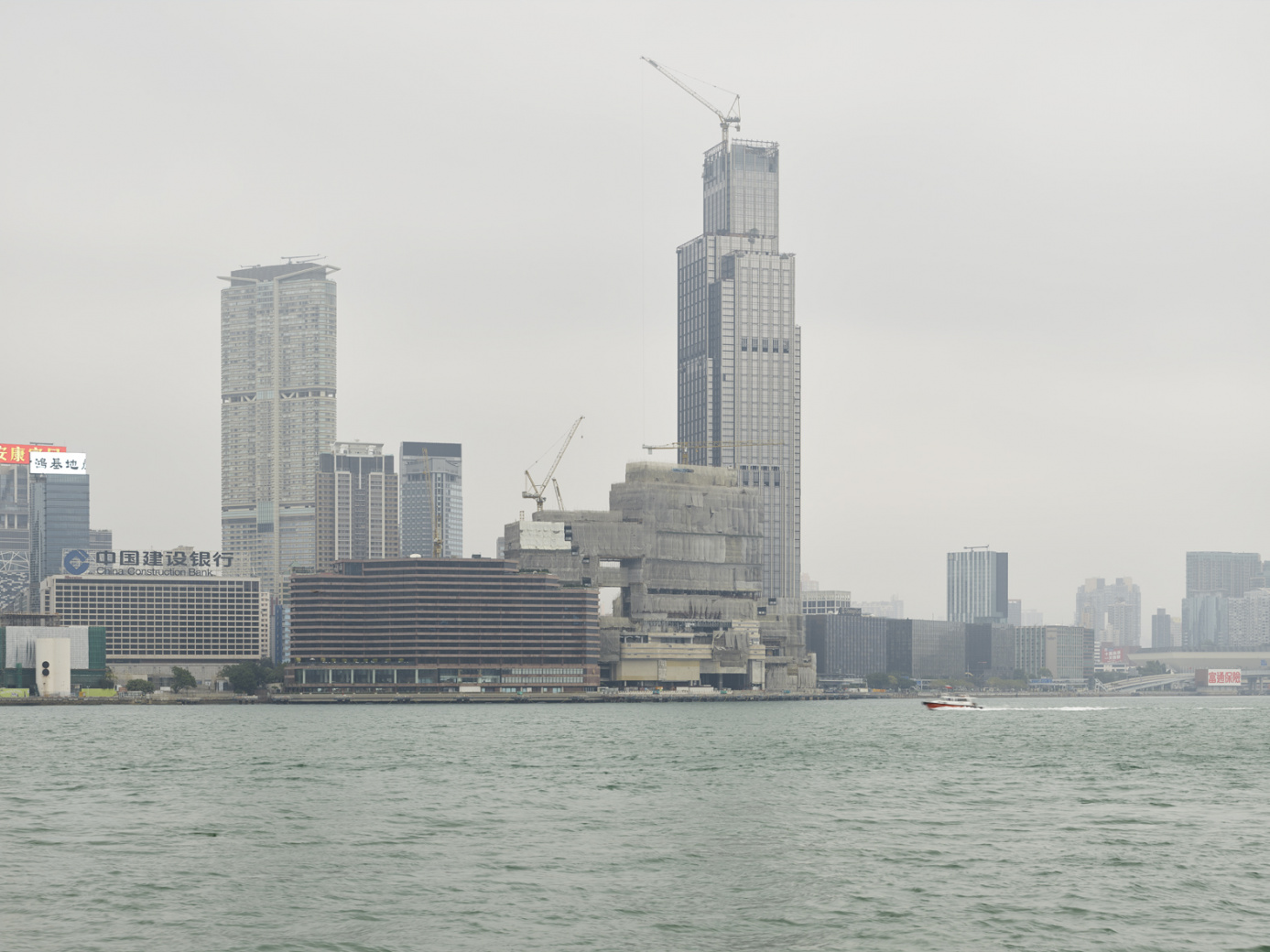
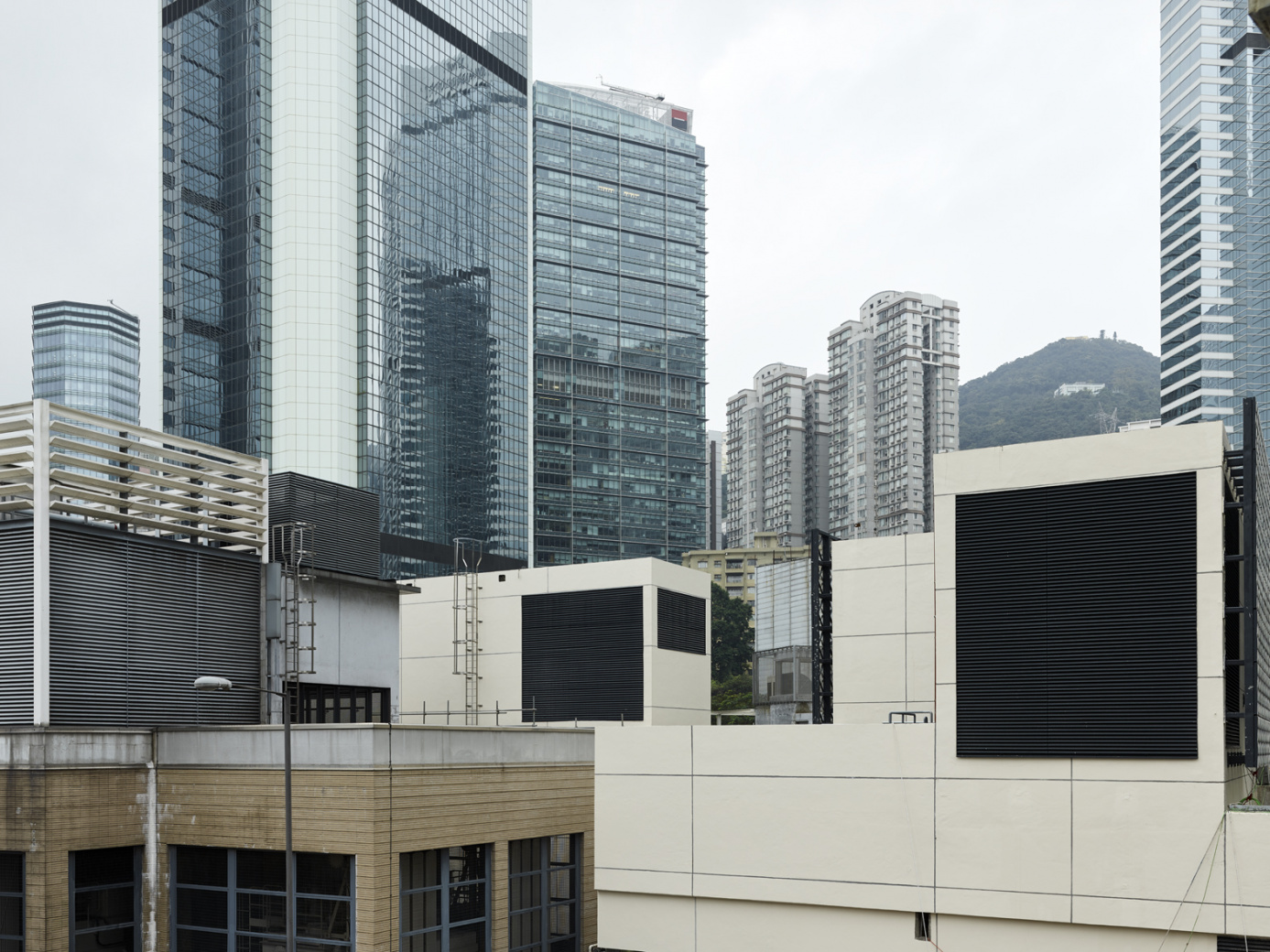
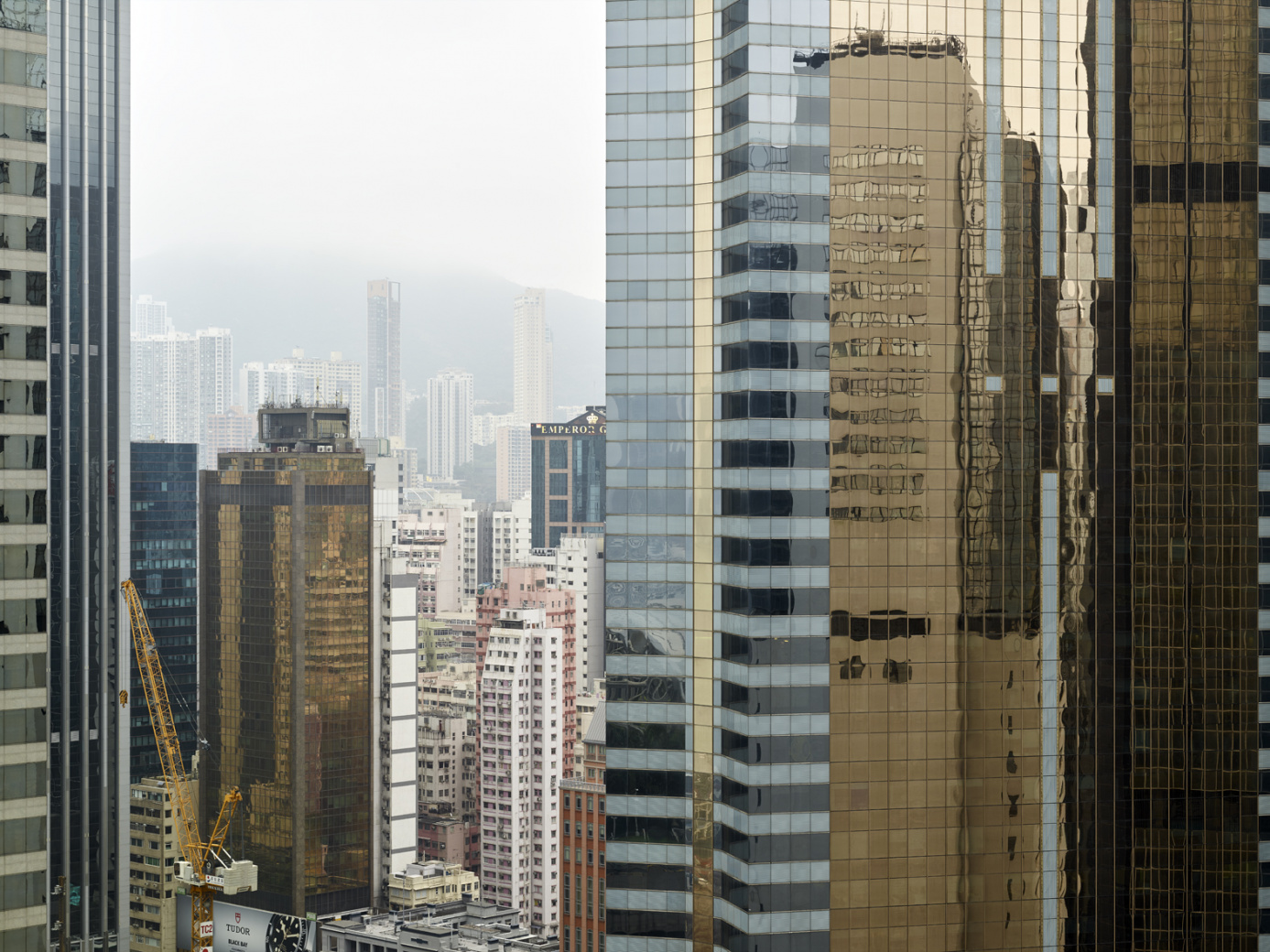
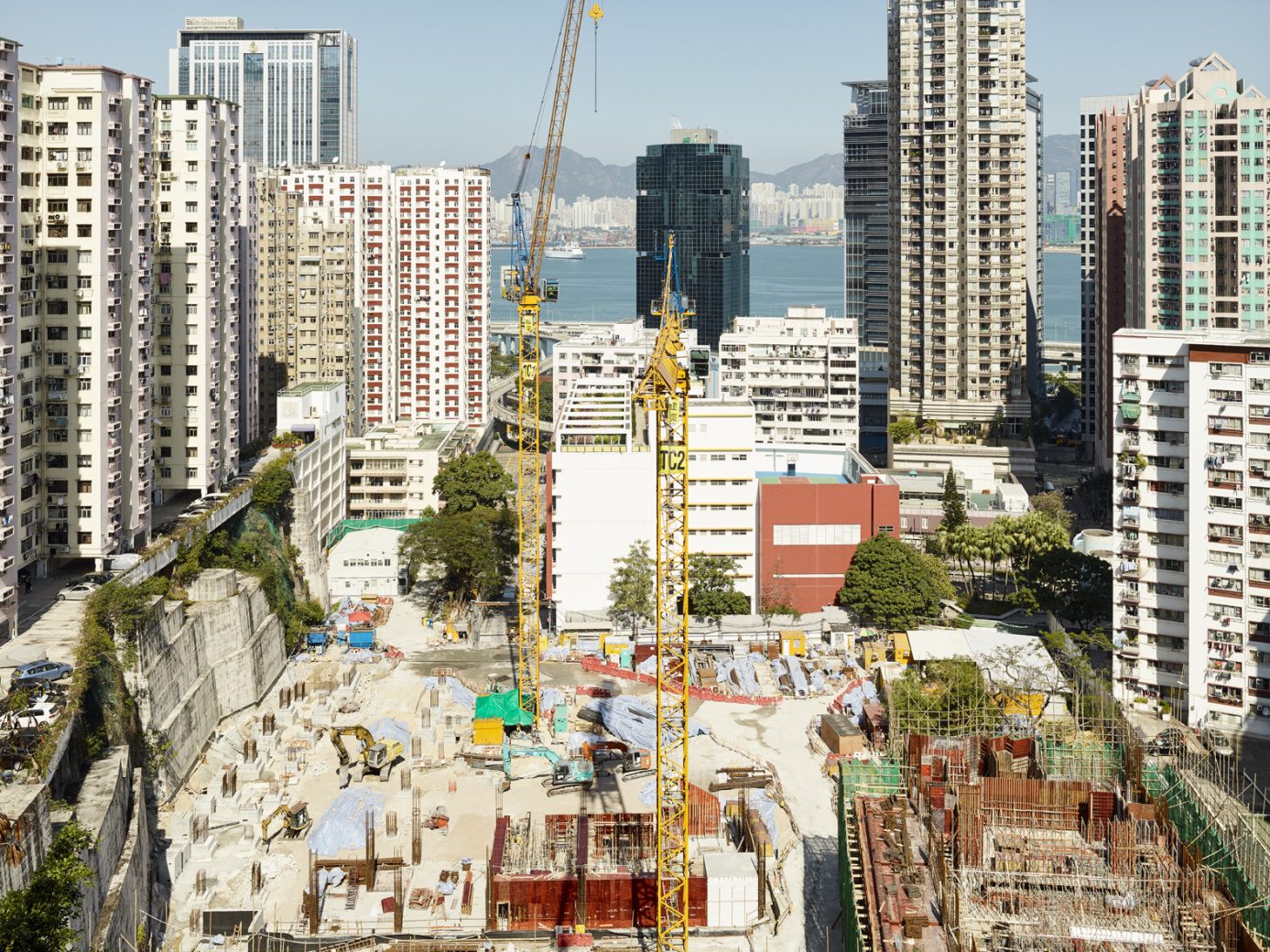
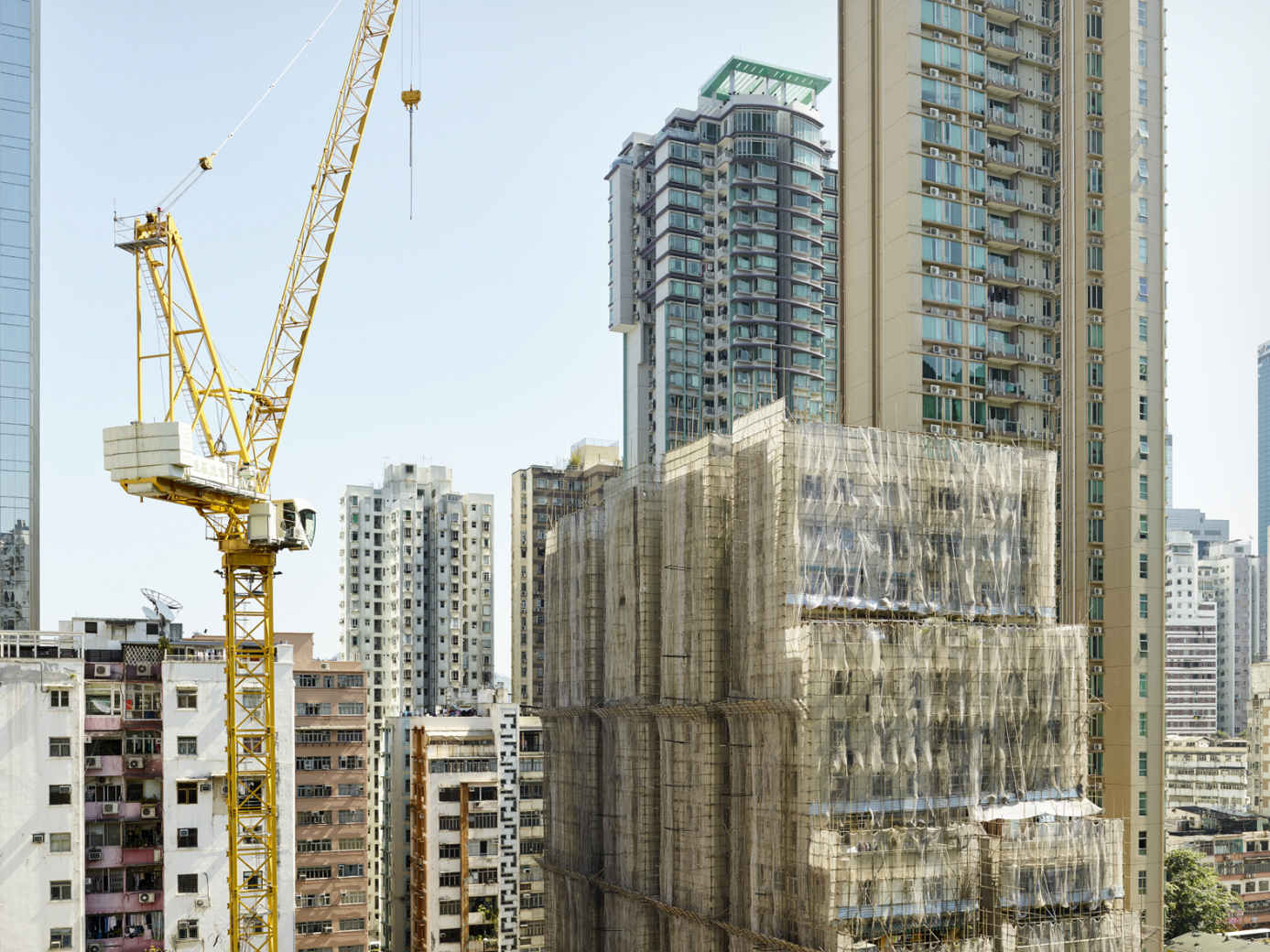
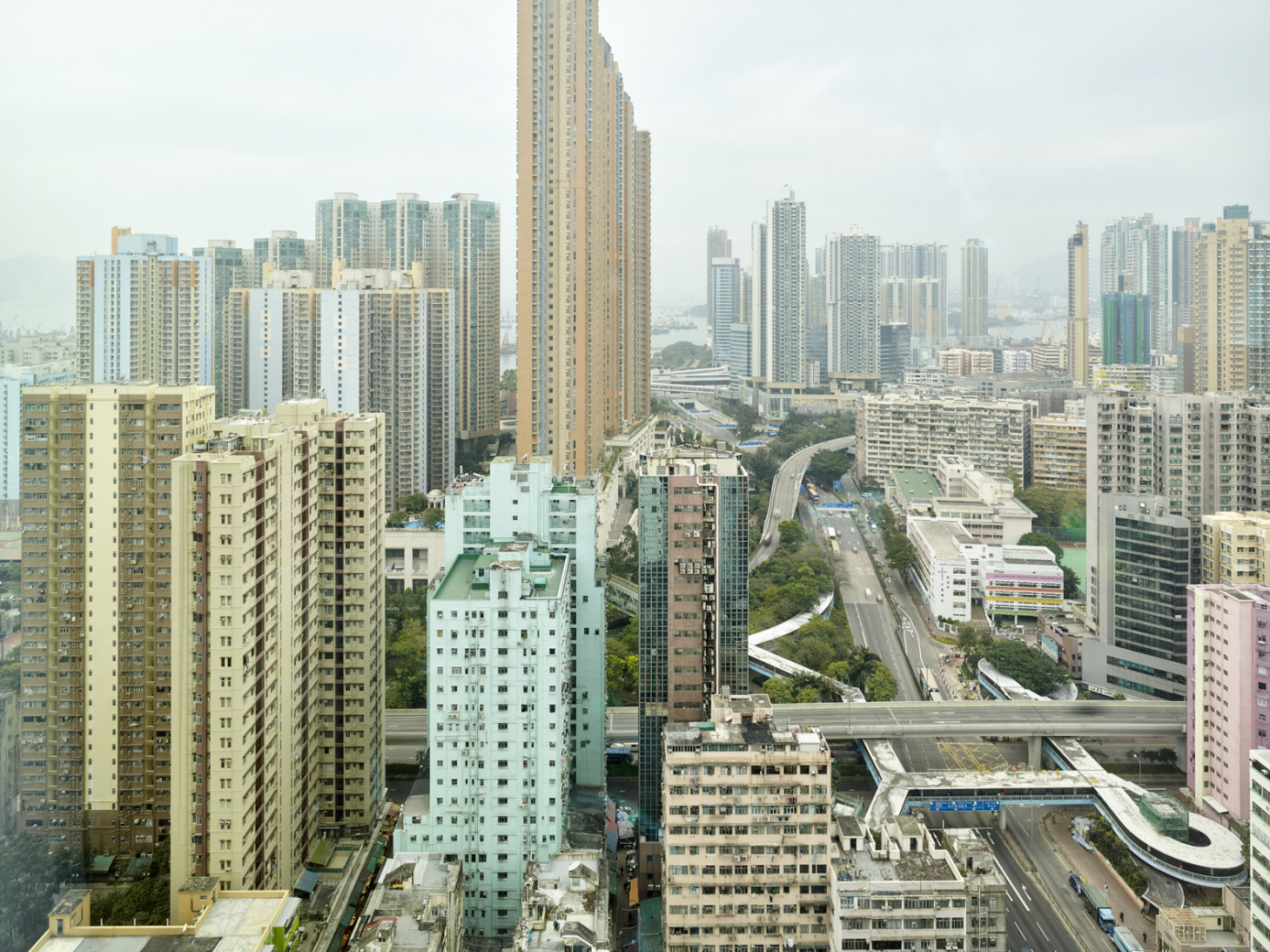
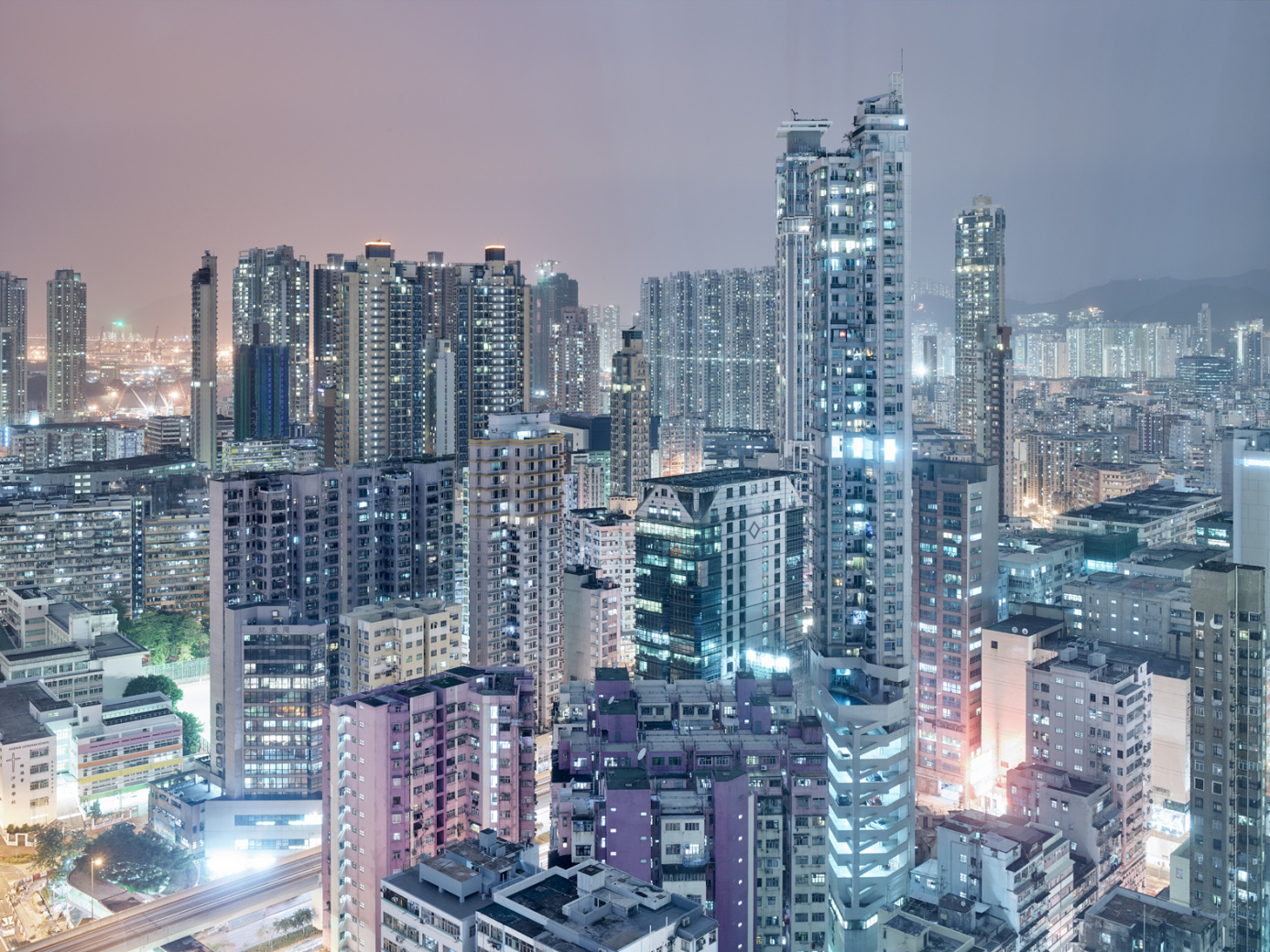
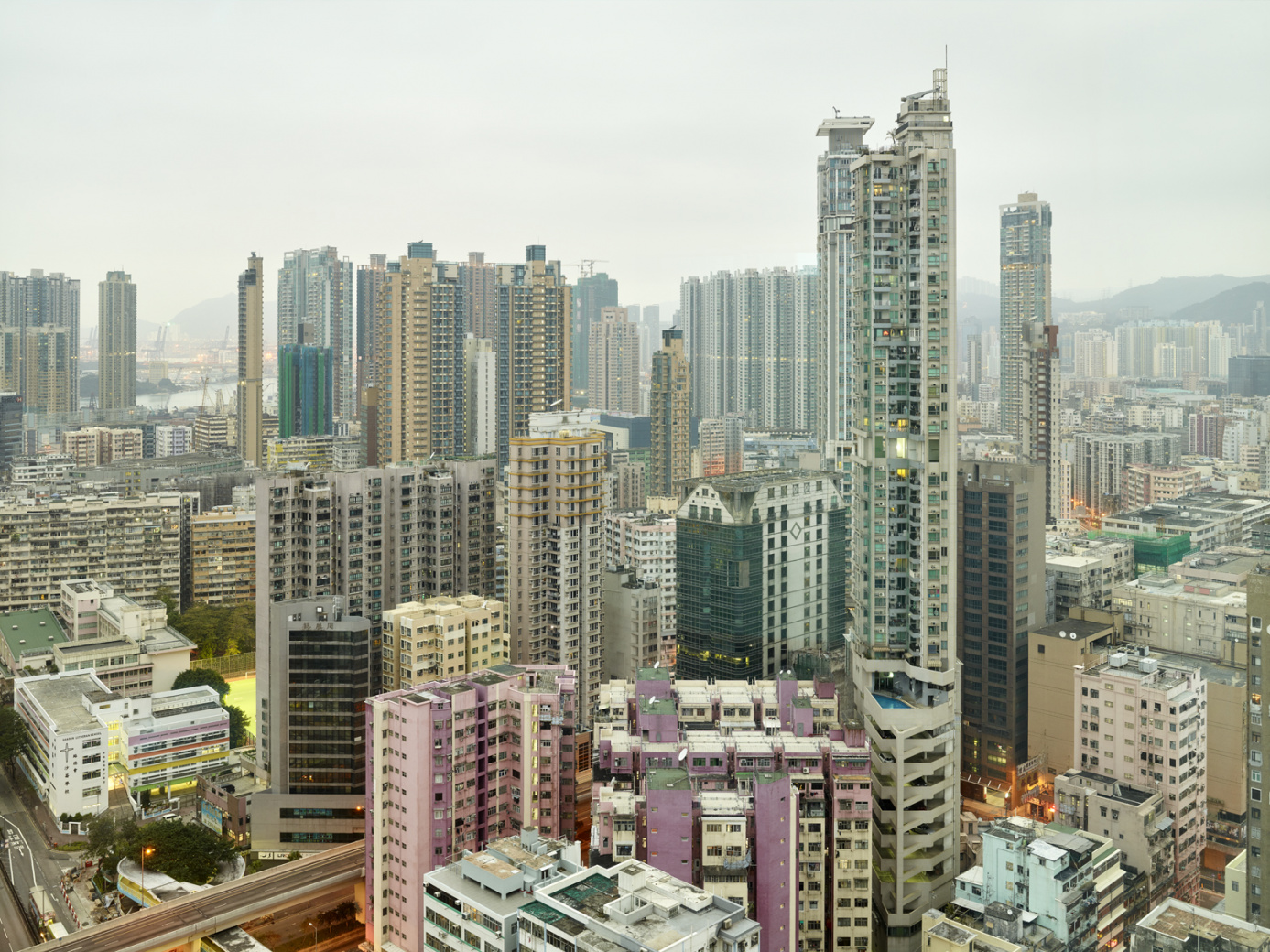
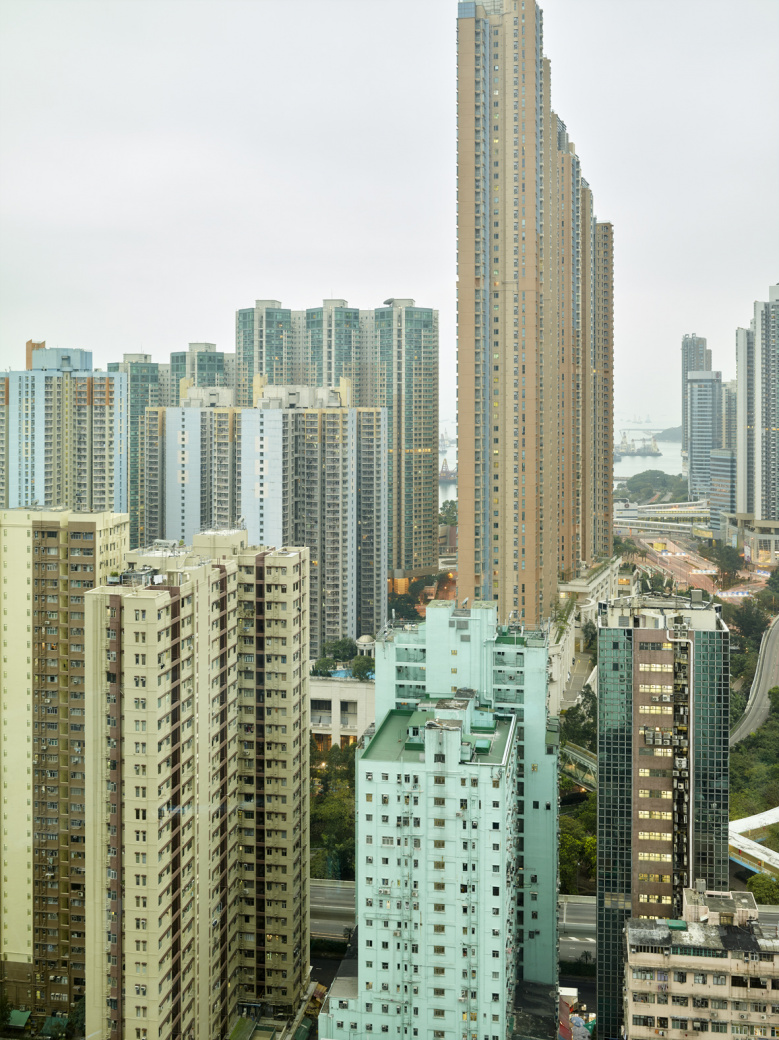
Between 2017 and 2025, I photographed ten of East and Southeast Asia's great urban agglomerations: Seoul, Busan, Tokyo, Hong Kong, Shenzhen, Guangzhou, Bangkok, Singapore, Taipei and Kuala Lumpur.
When I began this work, I thought I was photographing cities.
Over time, I realised that I was photographing something else: humanity's future condition.
For most of human history, cities were the exception. Today, they have become our natural habitat. More than half of the world's population now lives in urban environments, and the largest cities continue to expand in scale, density and complexity. The megacity is no longer an anomaly; it is one of the defining forms of contemporary civilisation.
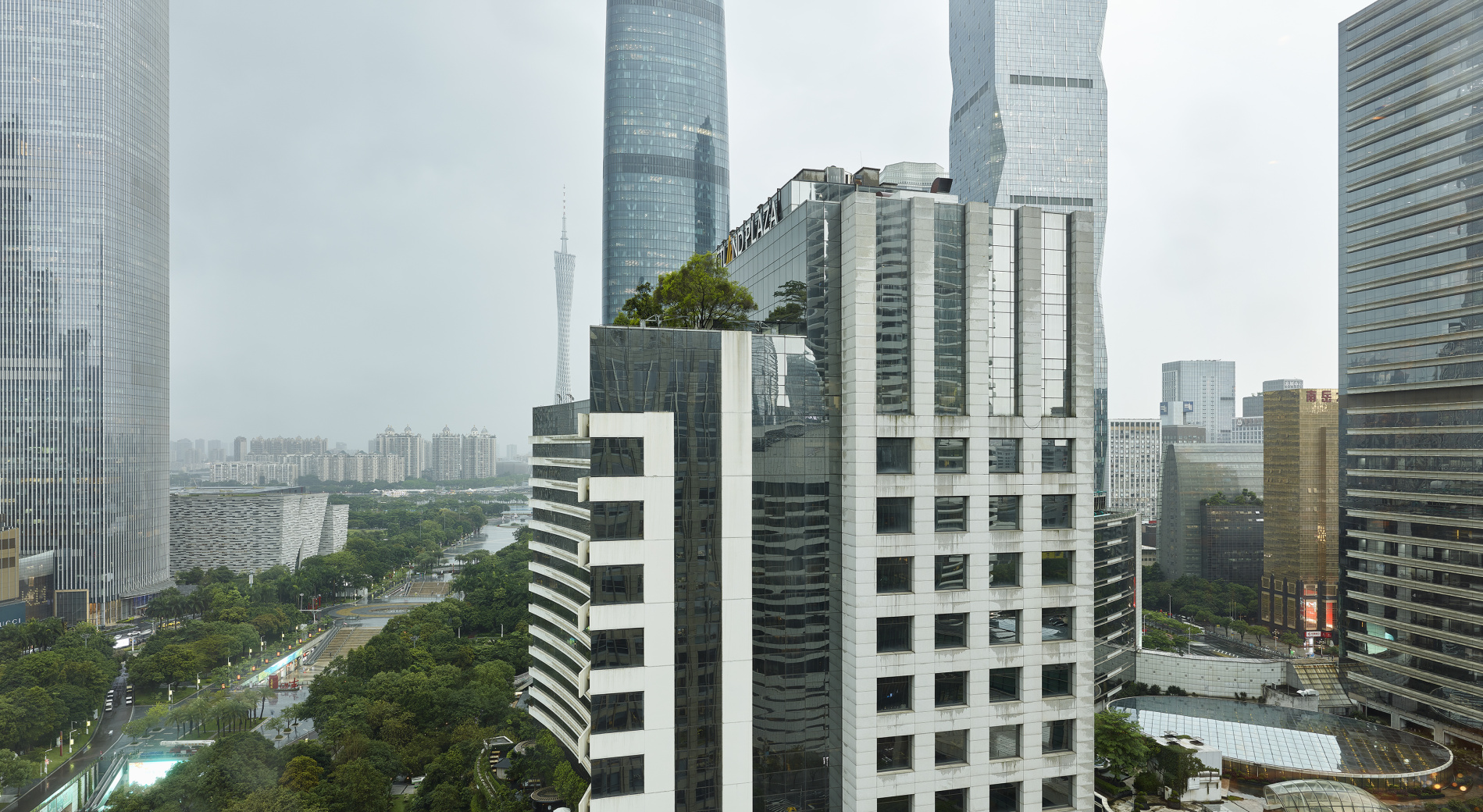
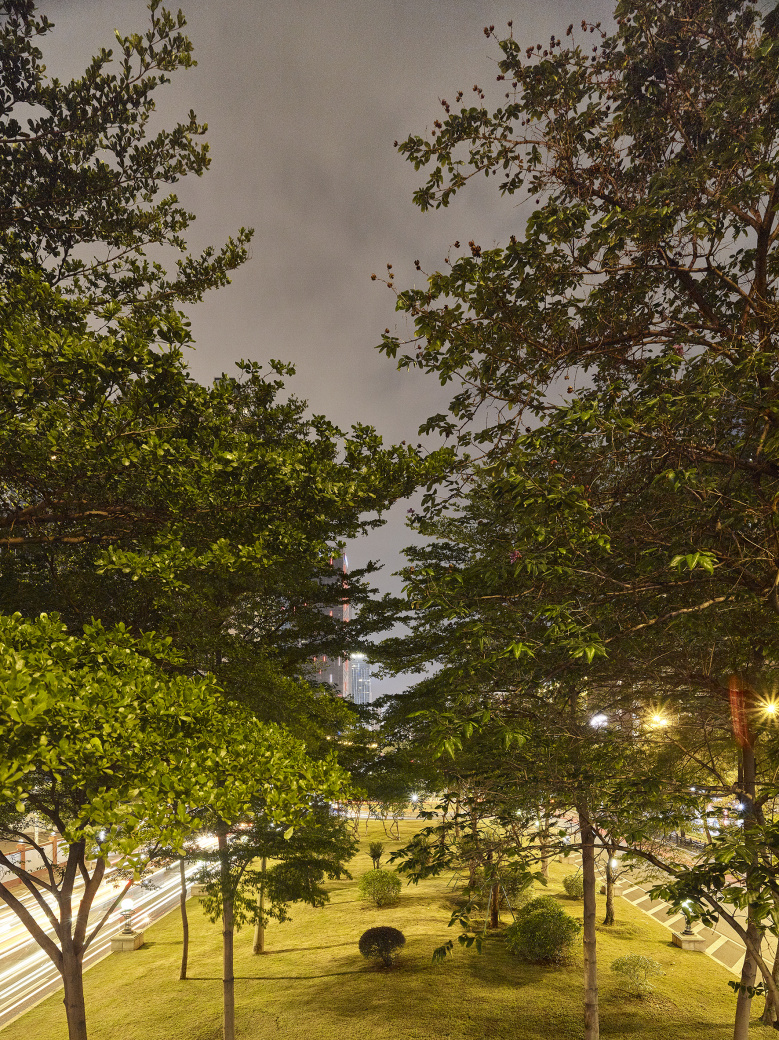
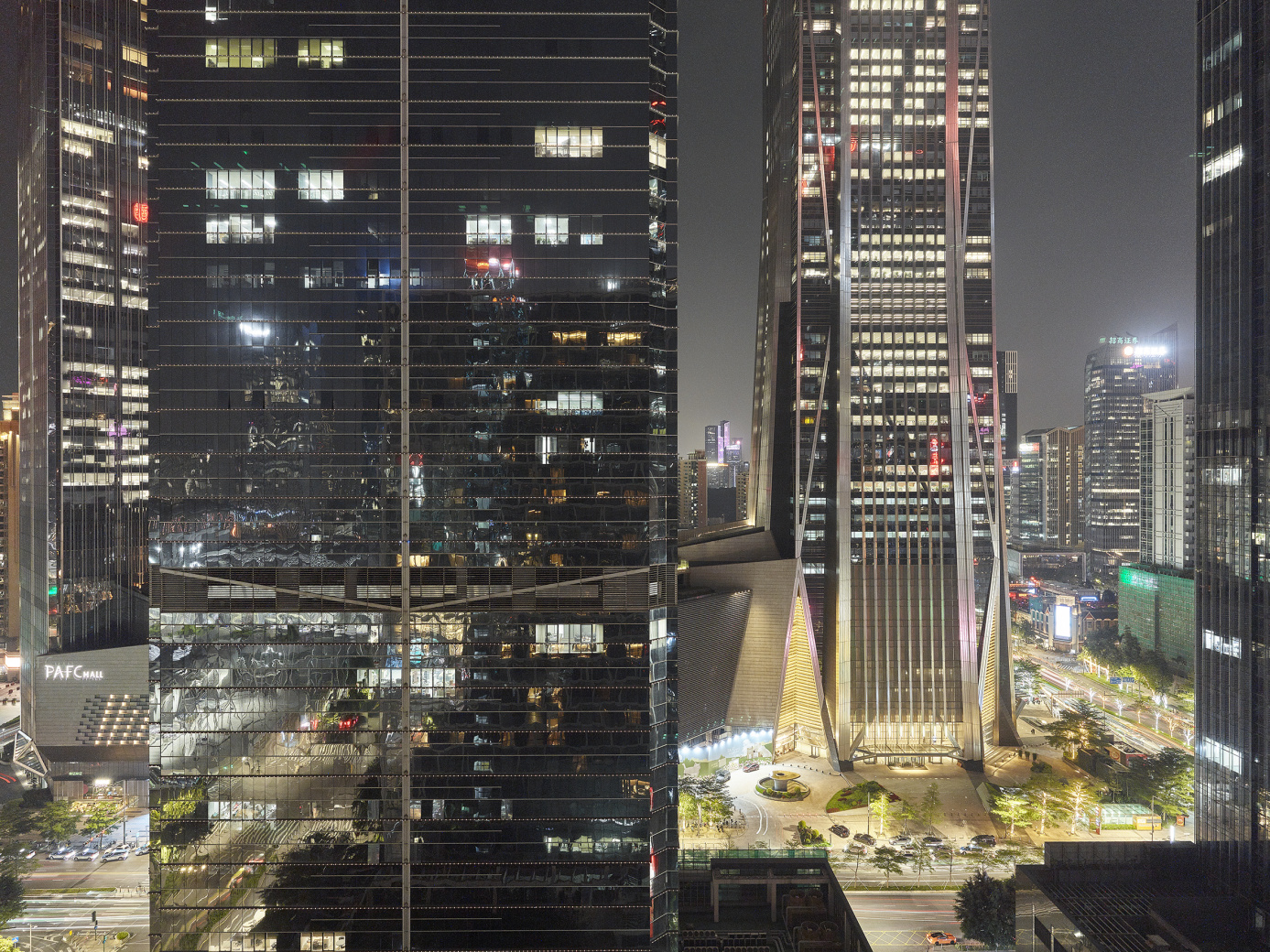
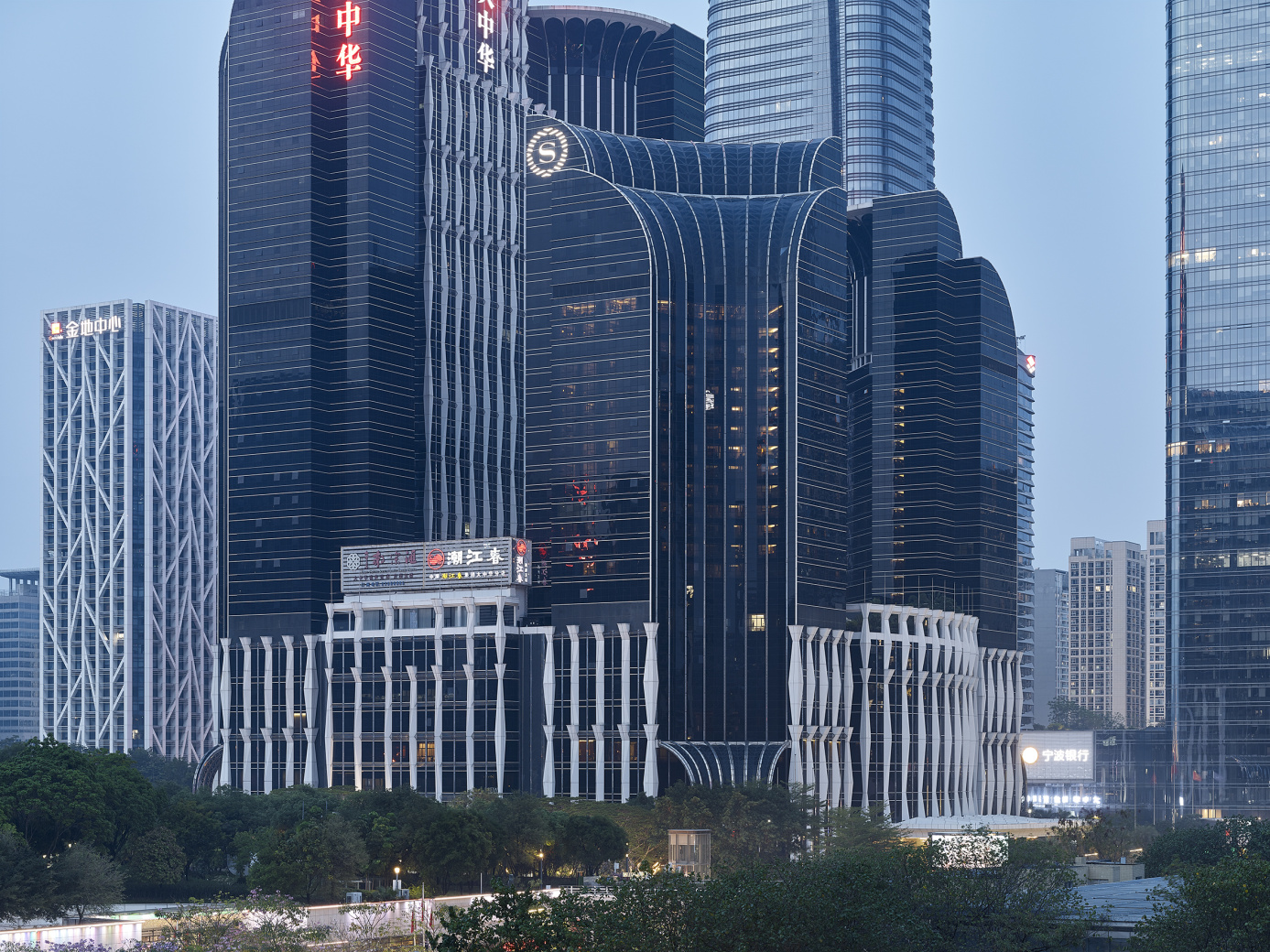
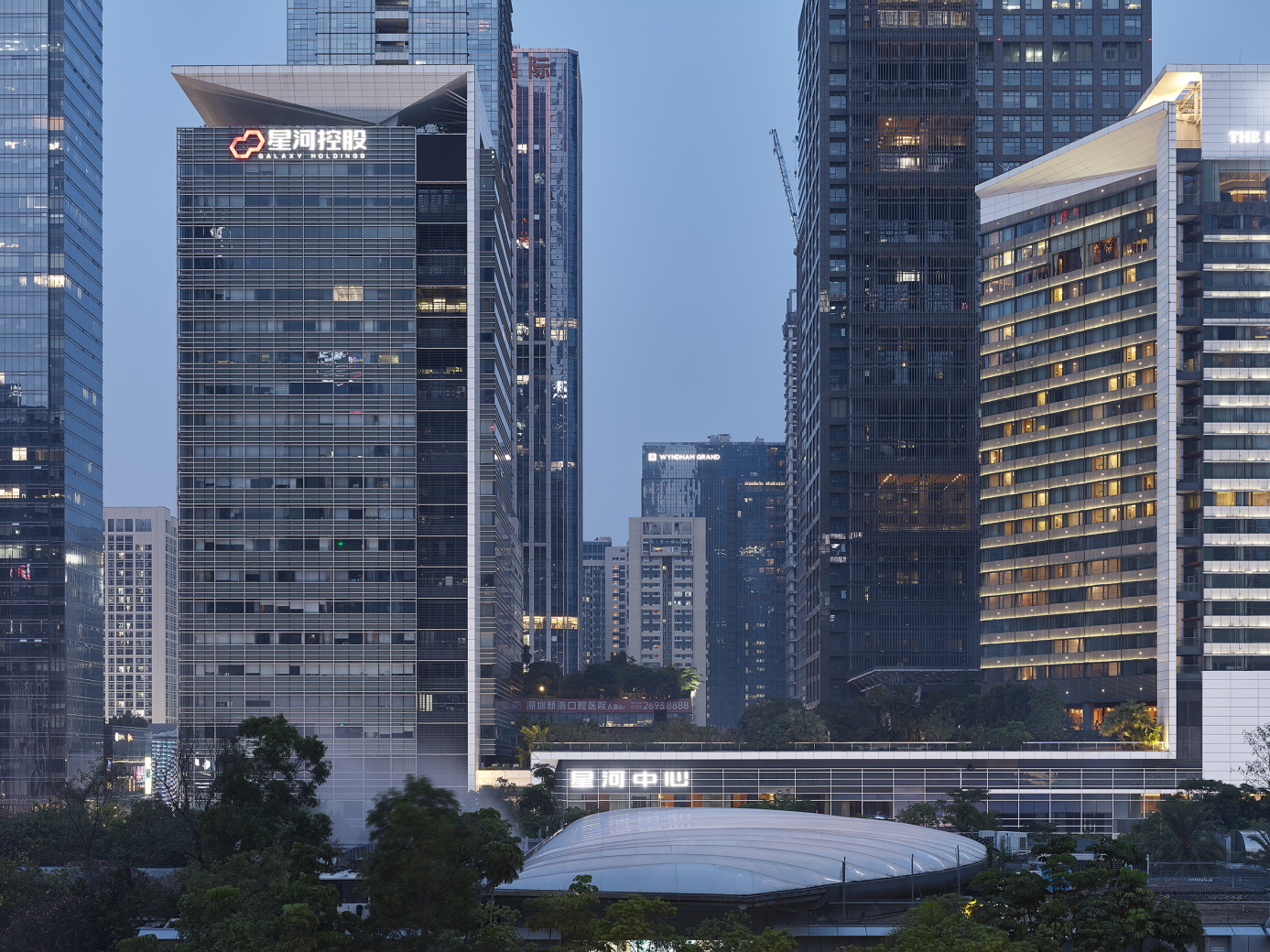
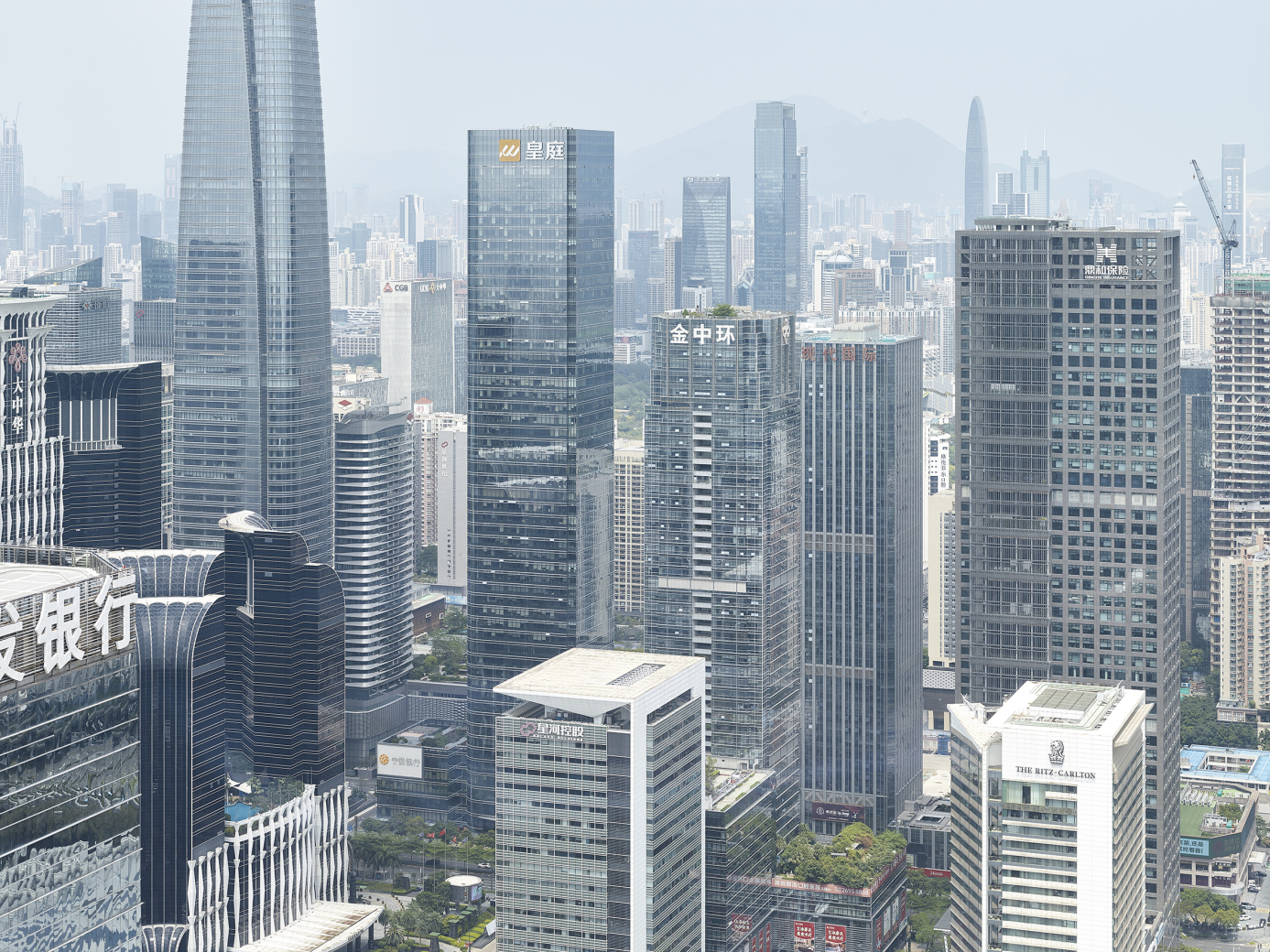
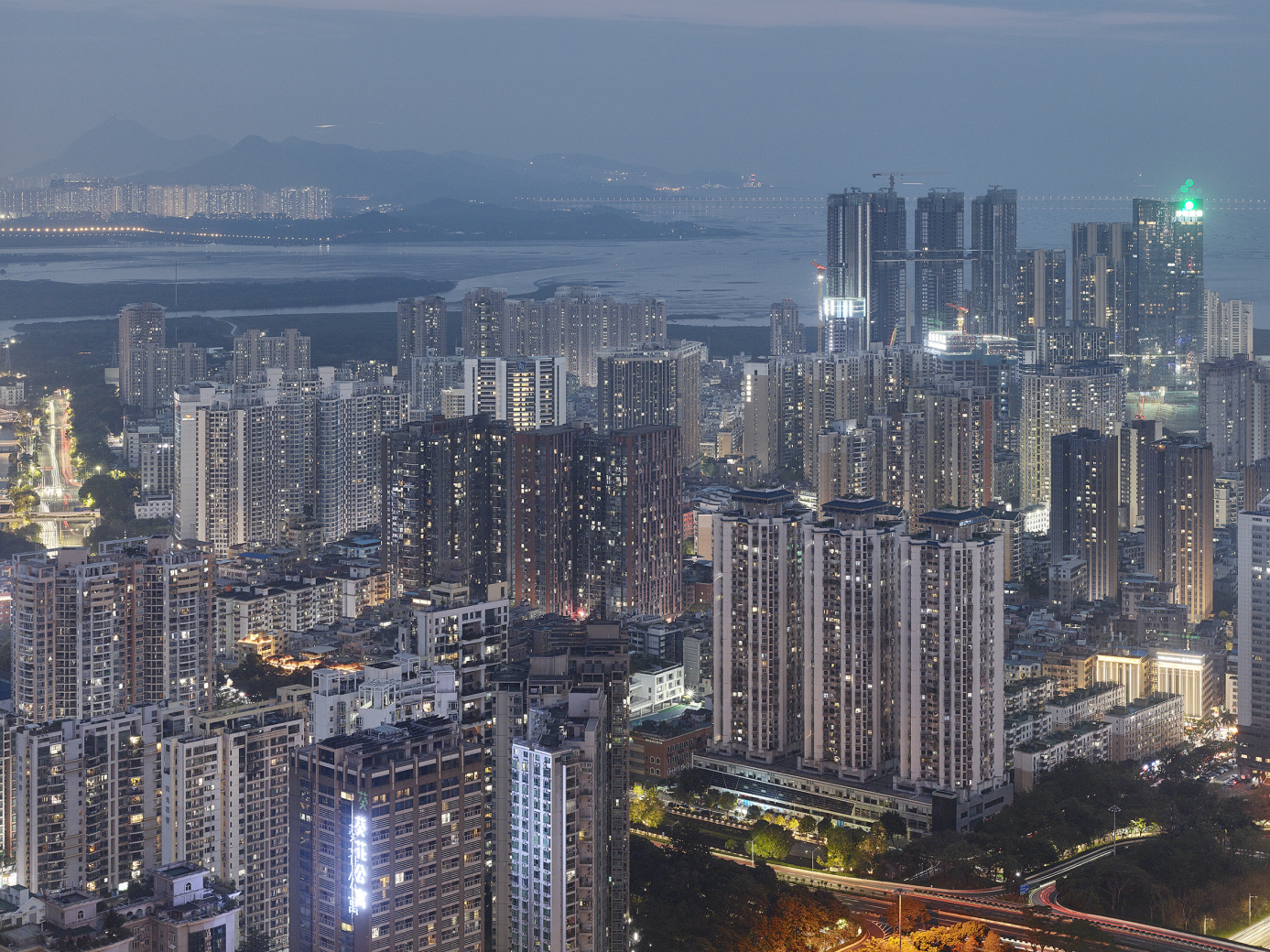
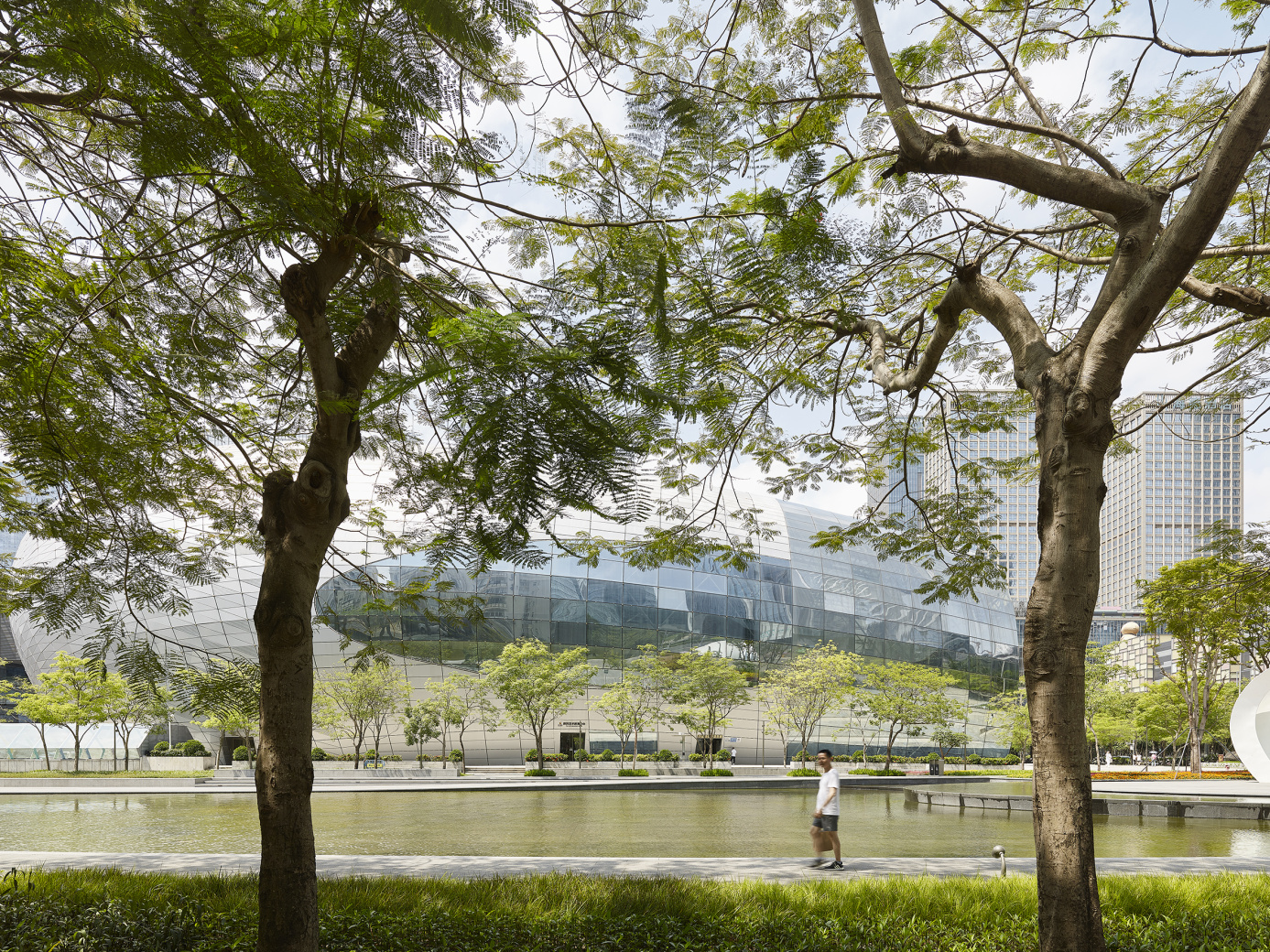
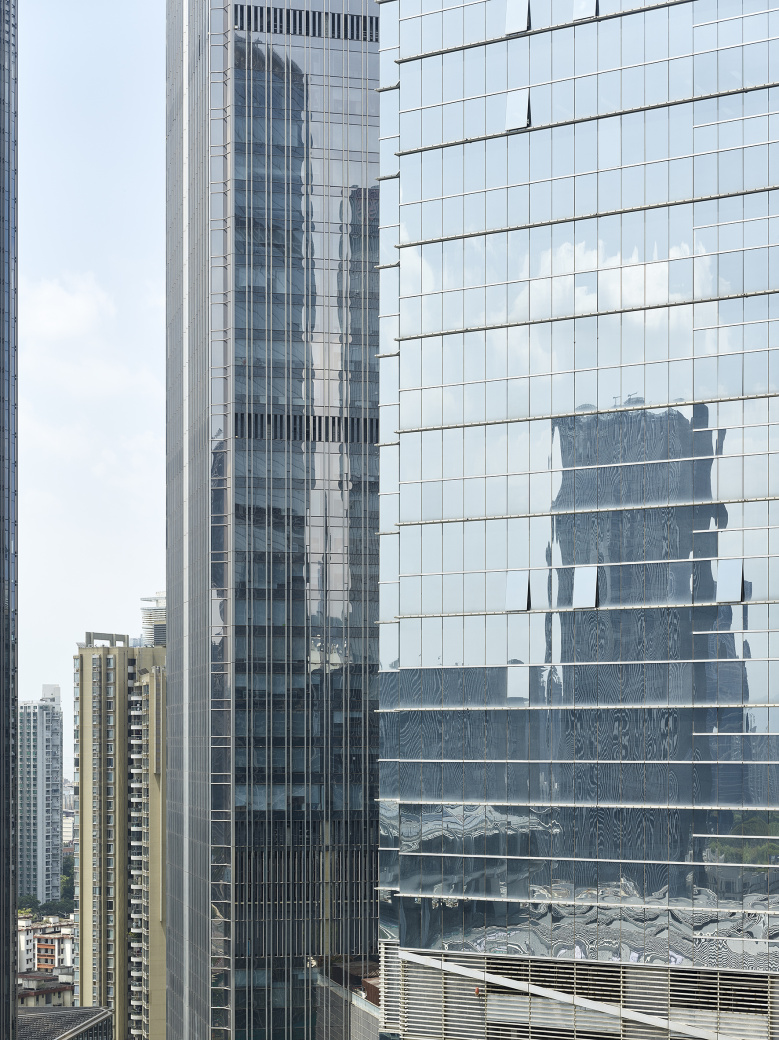
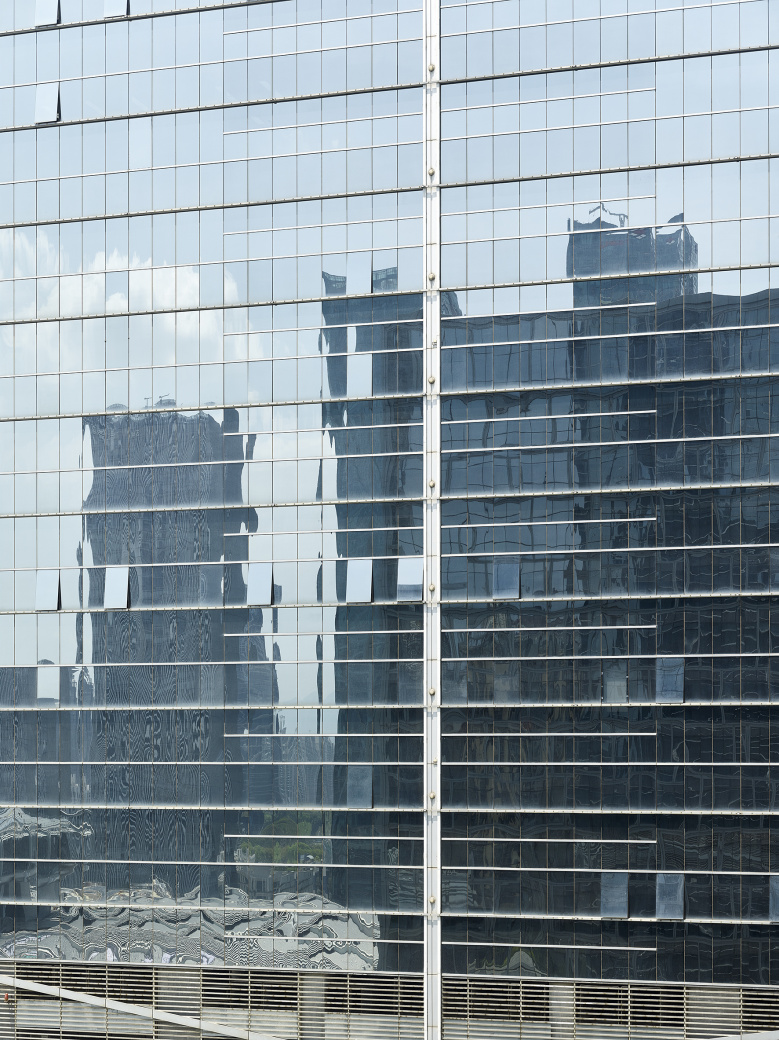
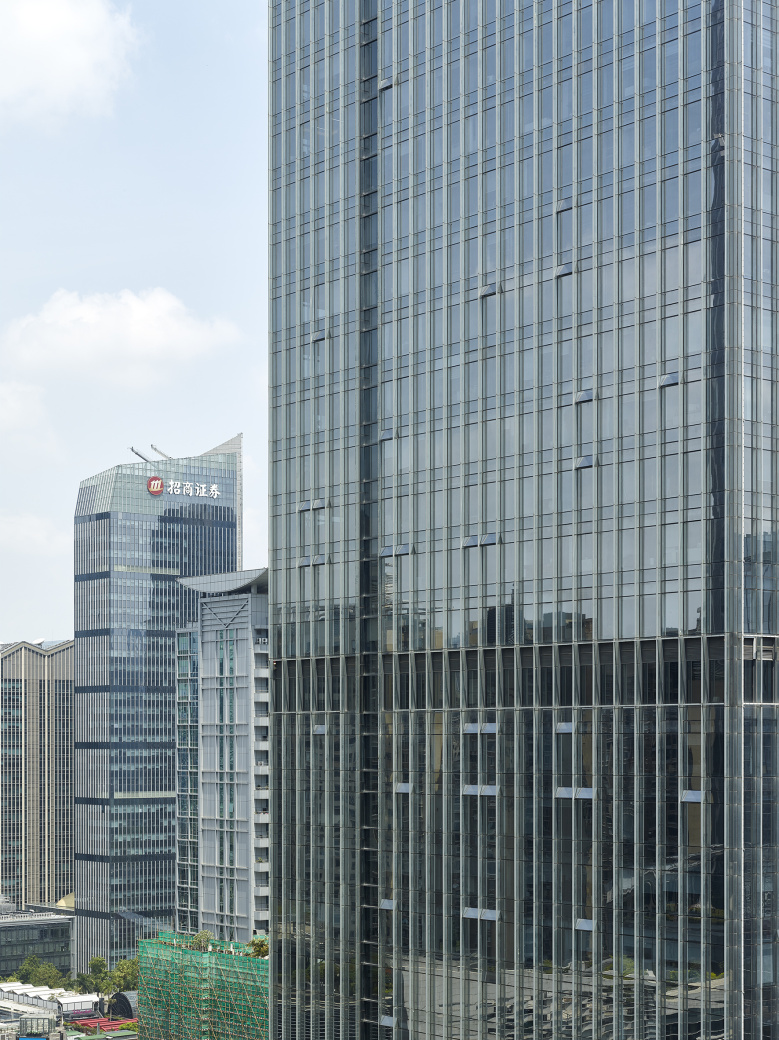
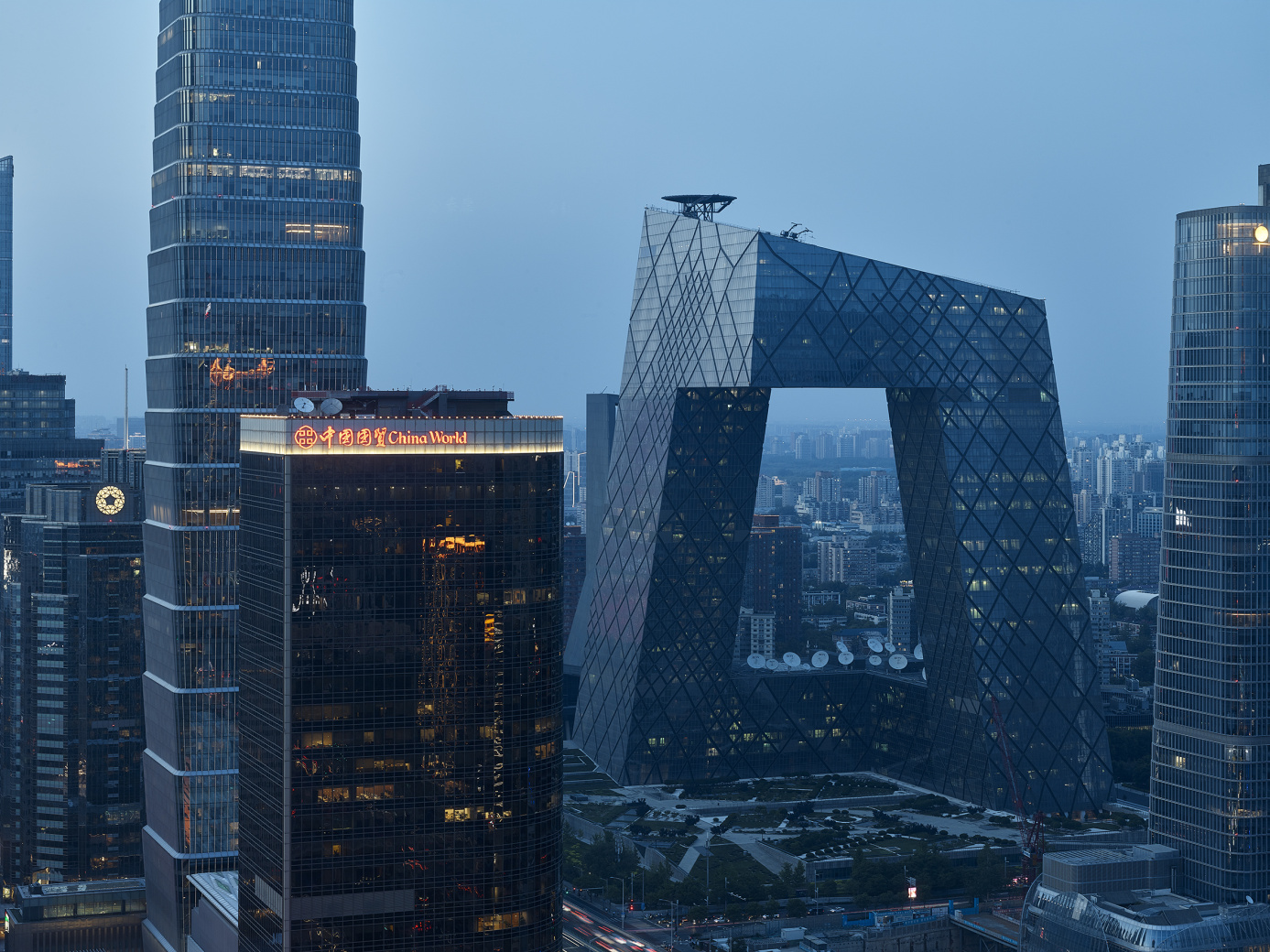
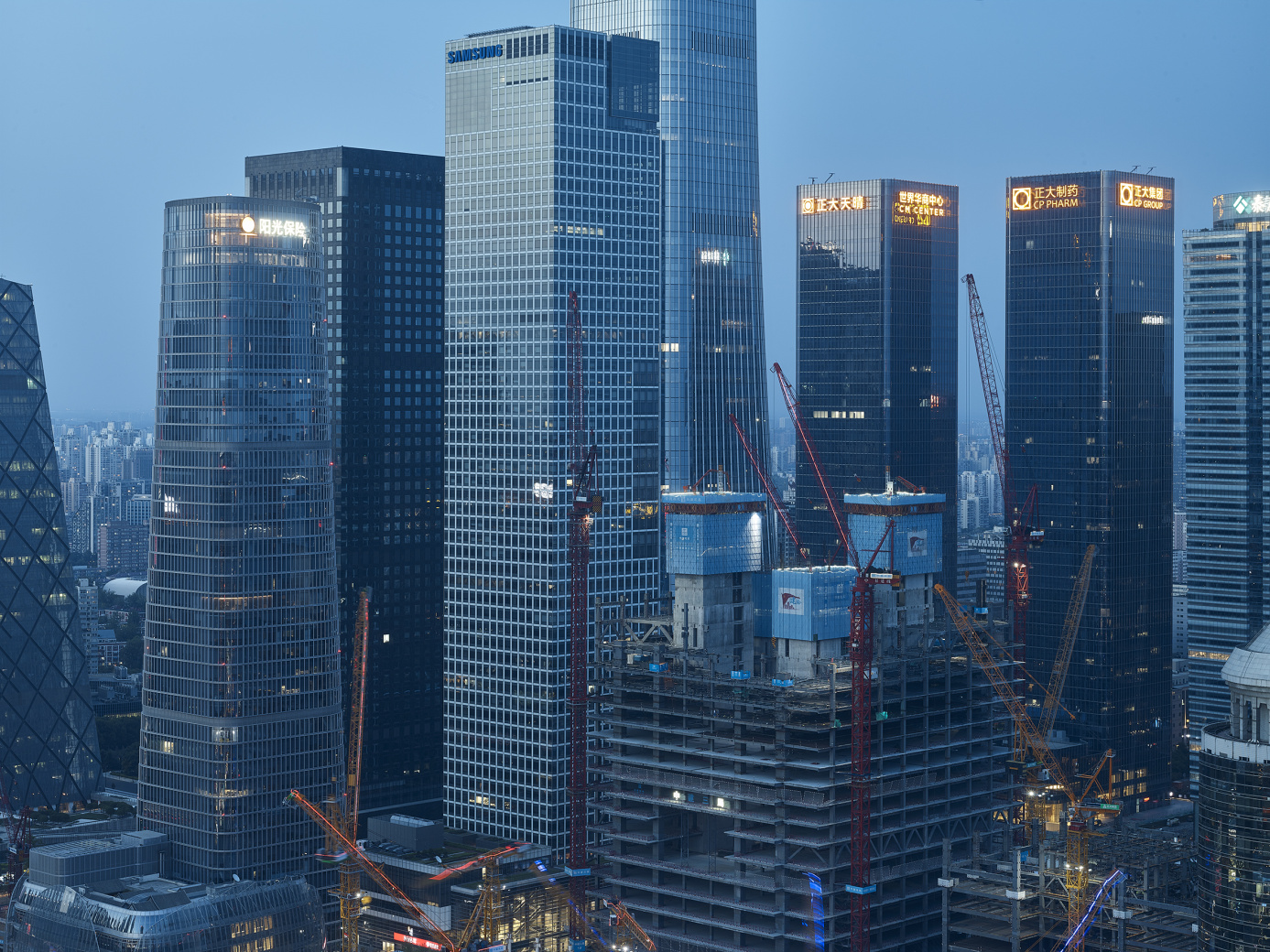
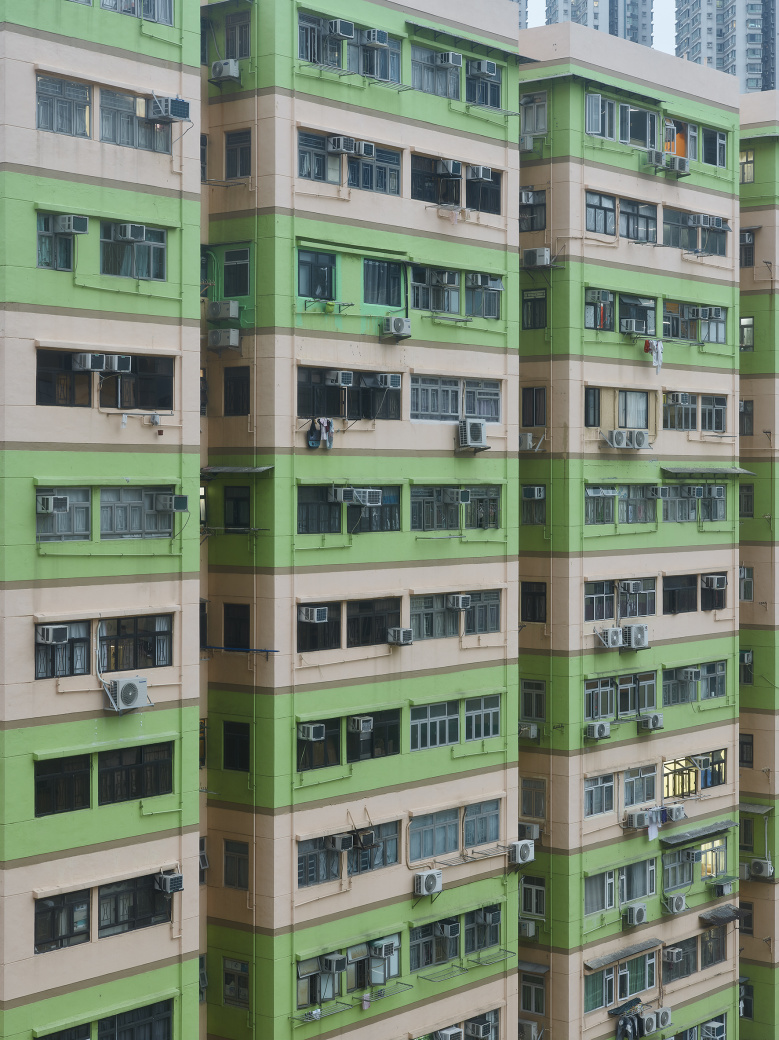
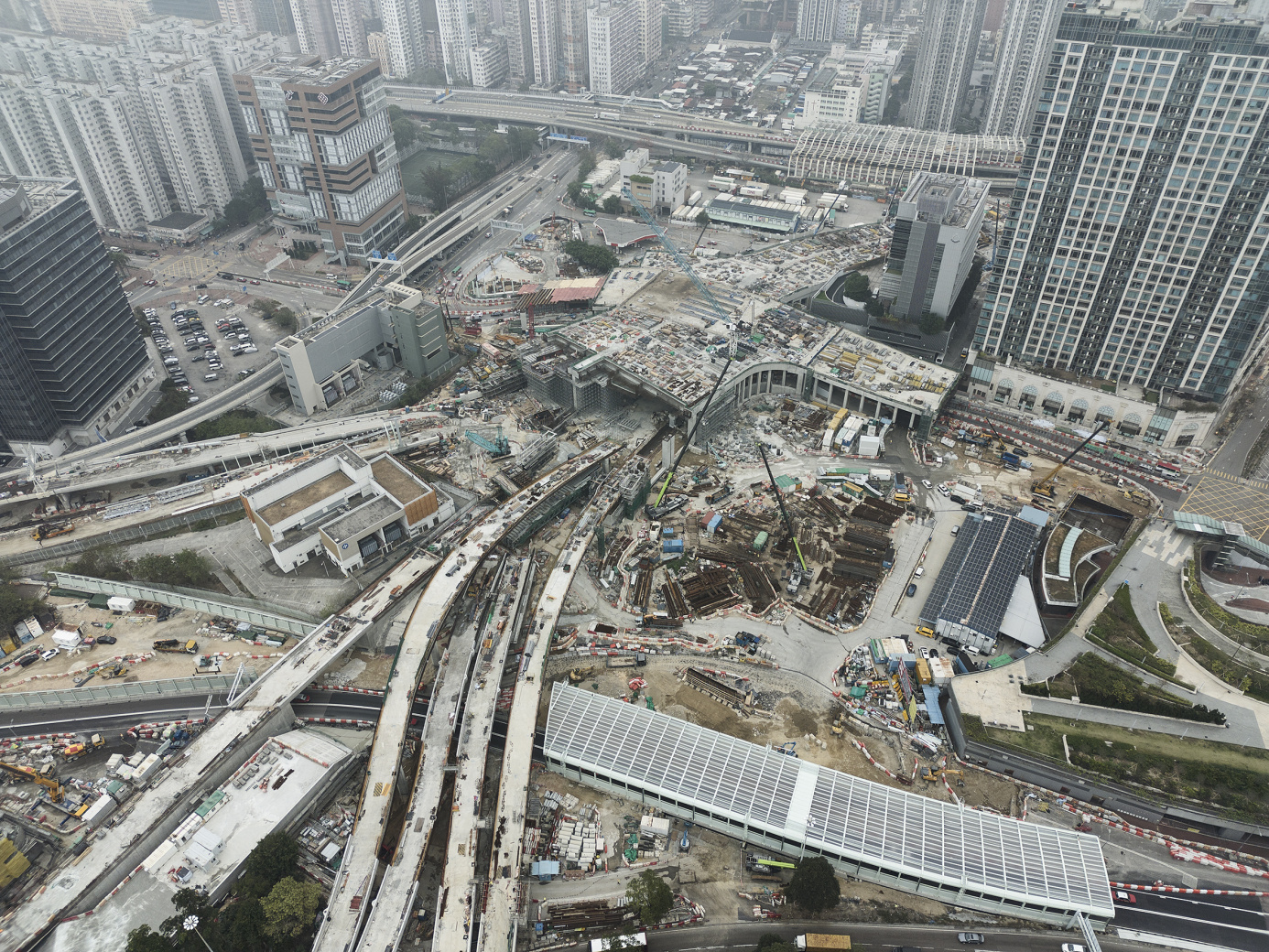
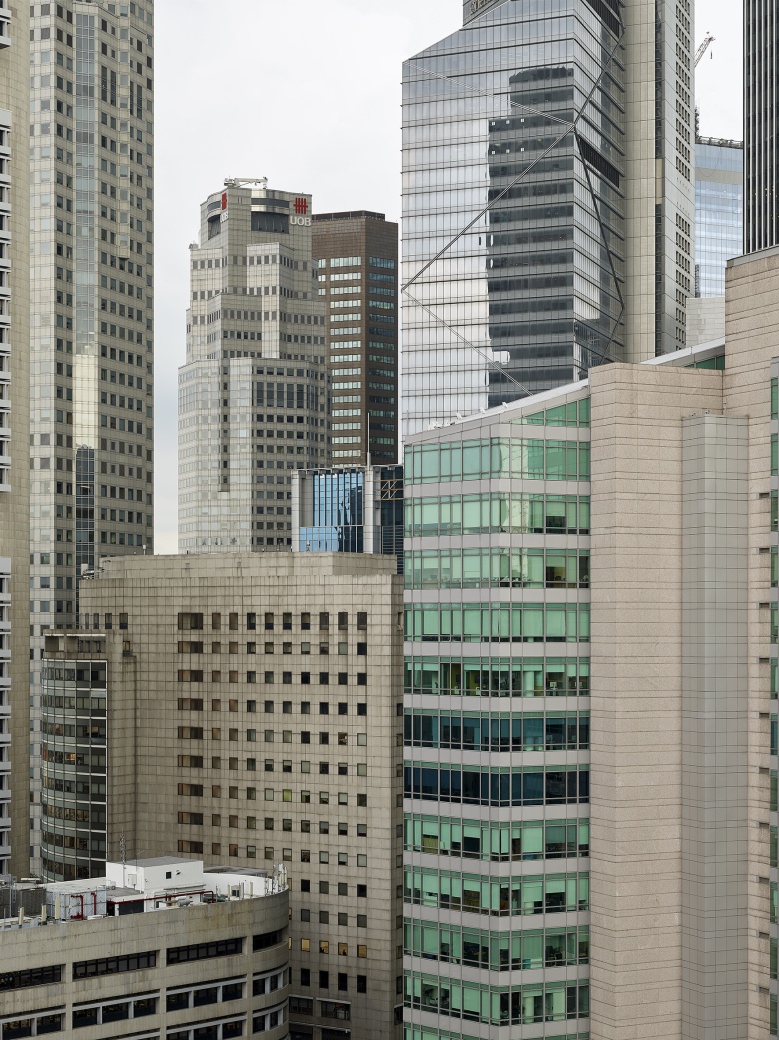
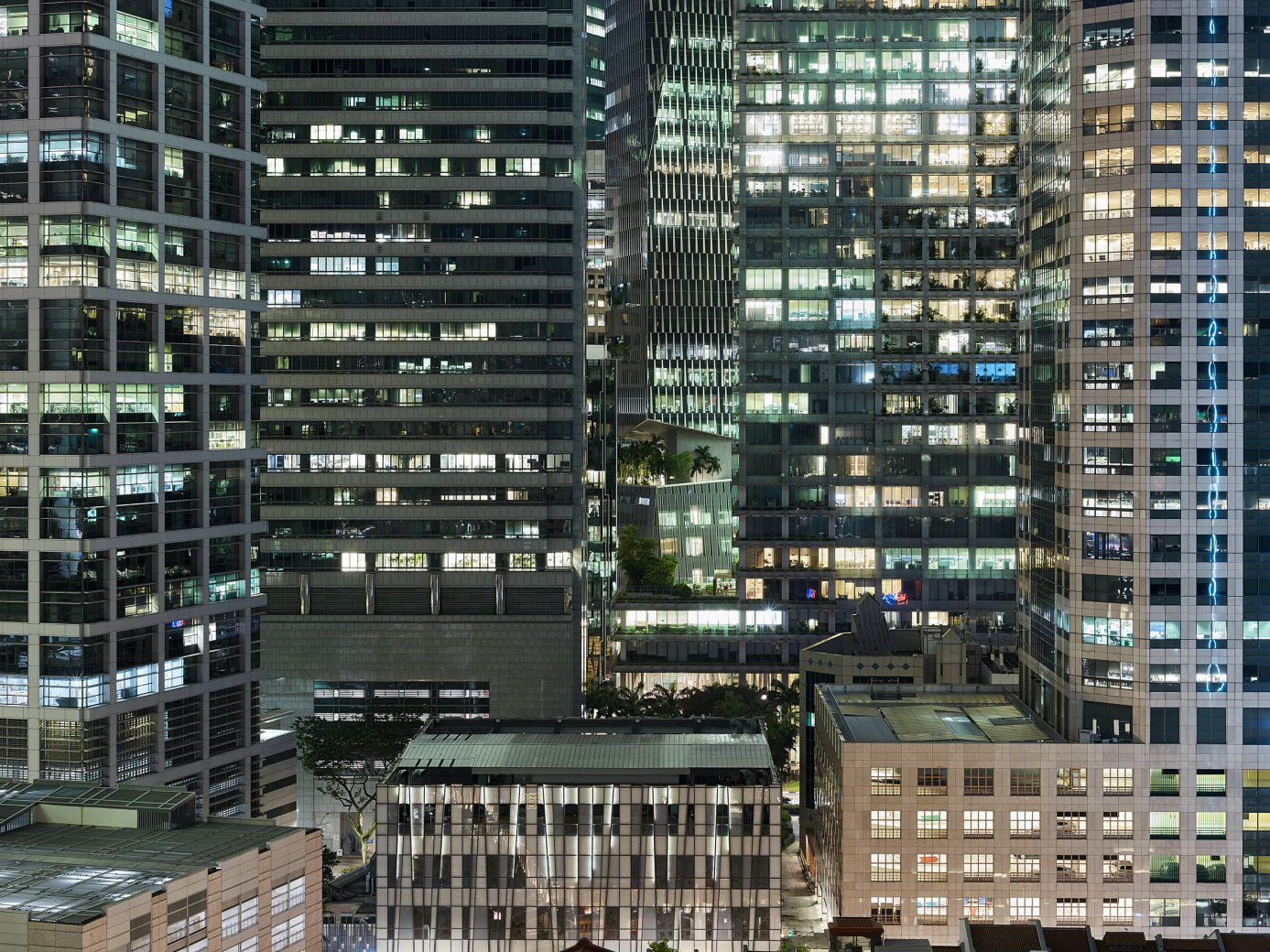
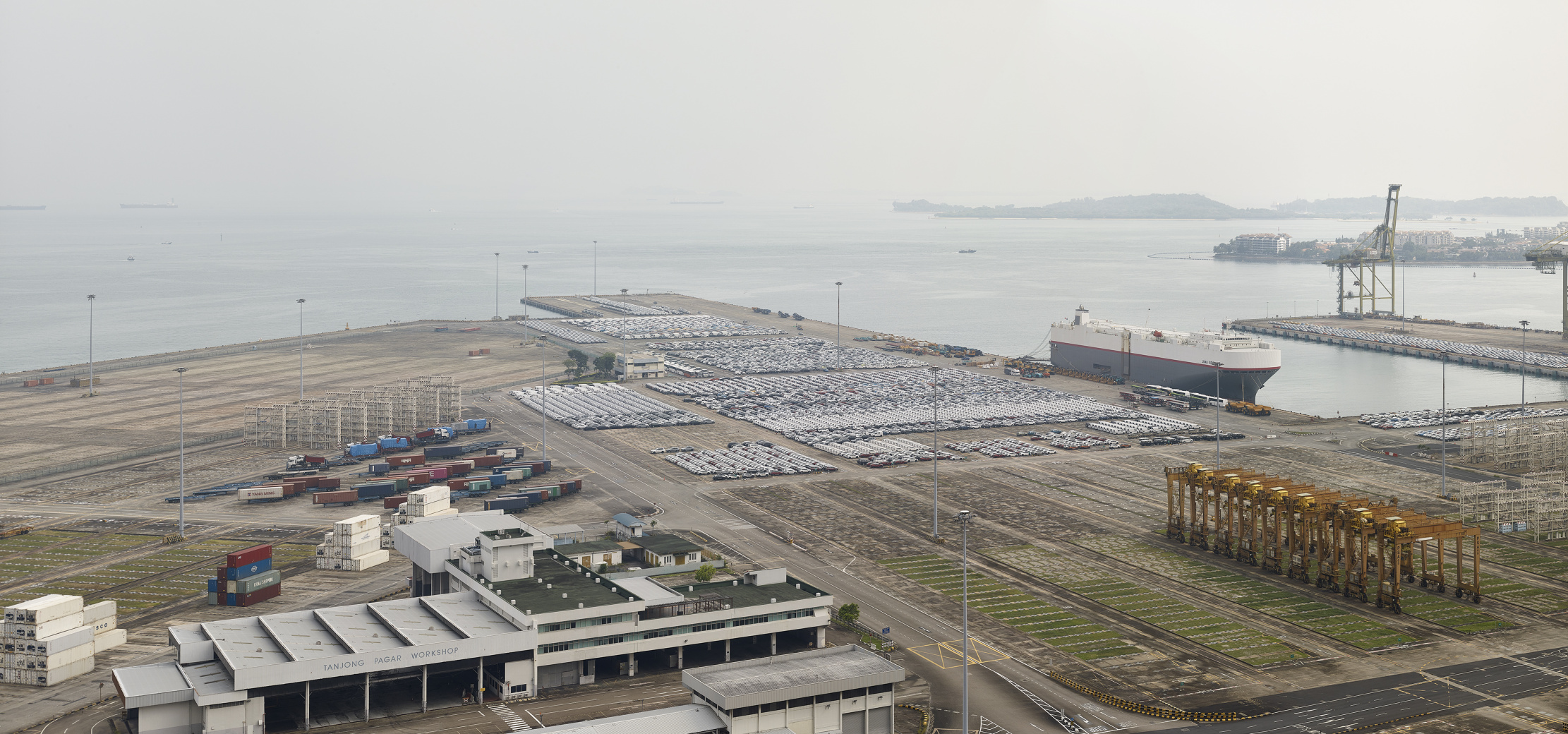
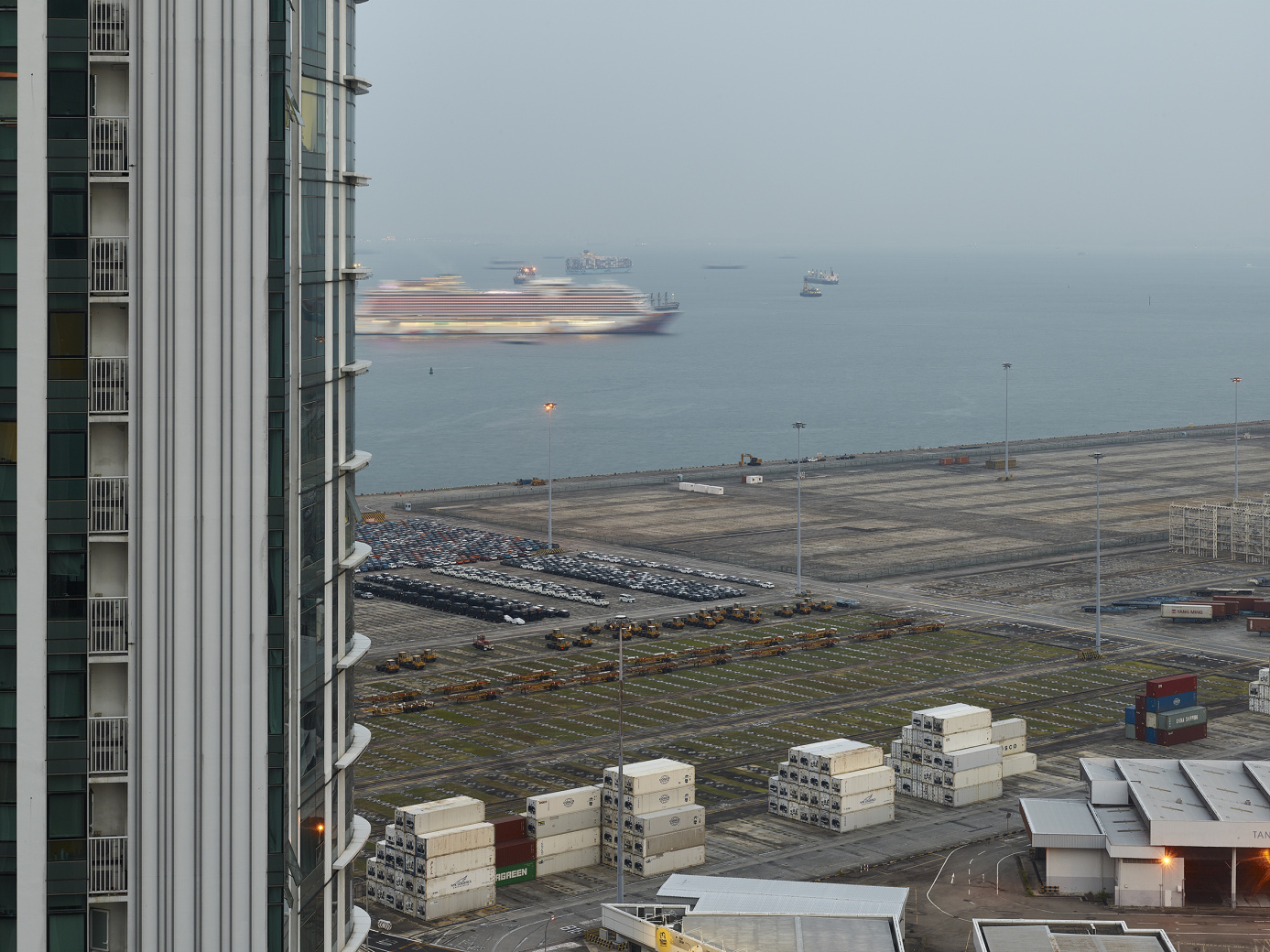
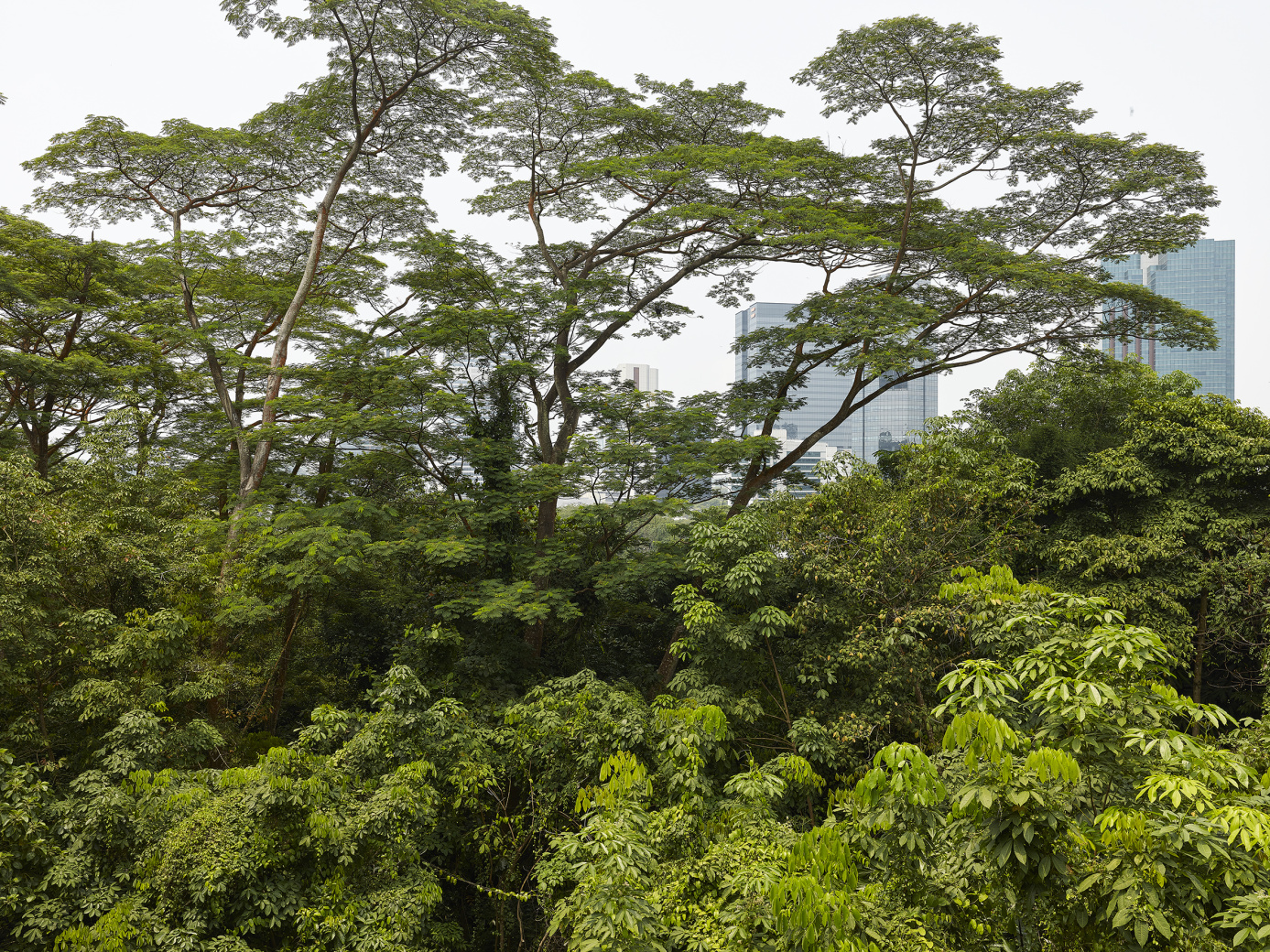
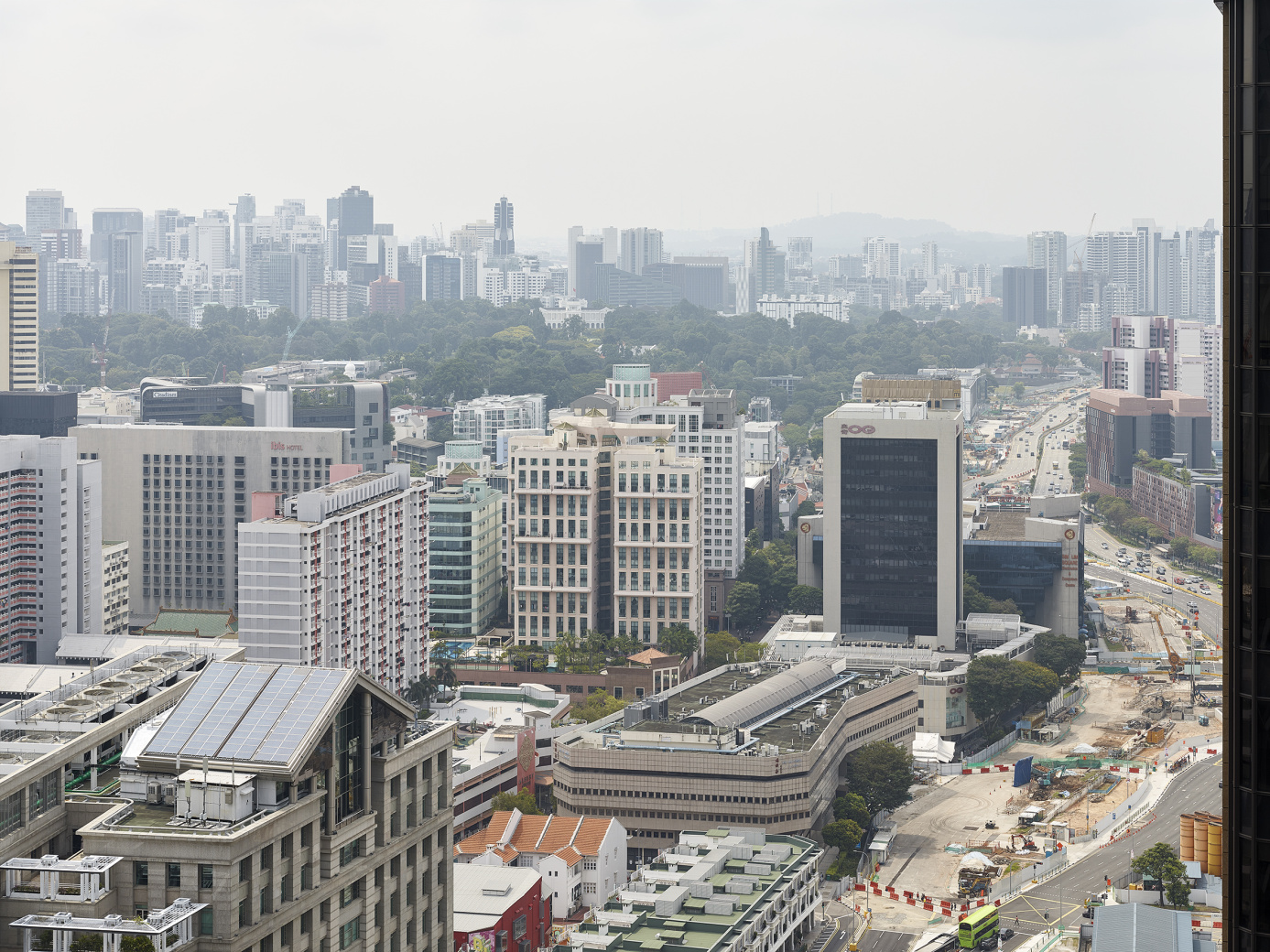
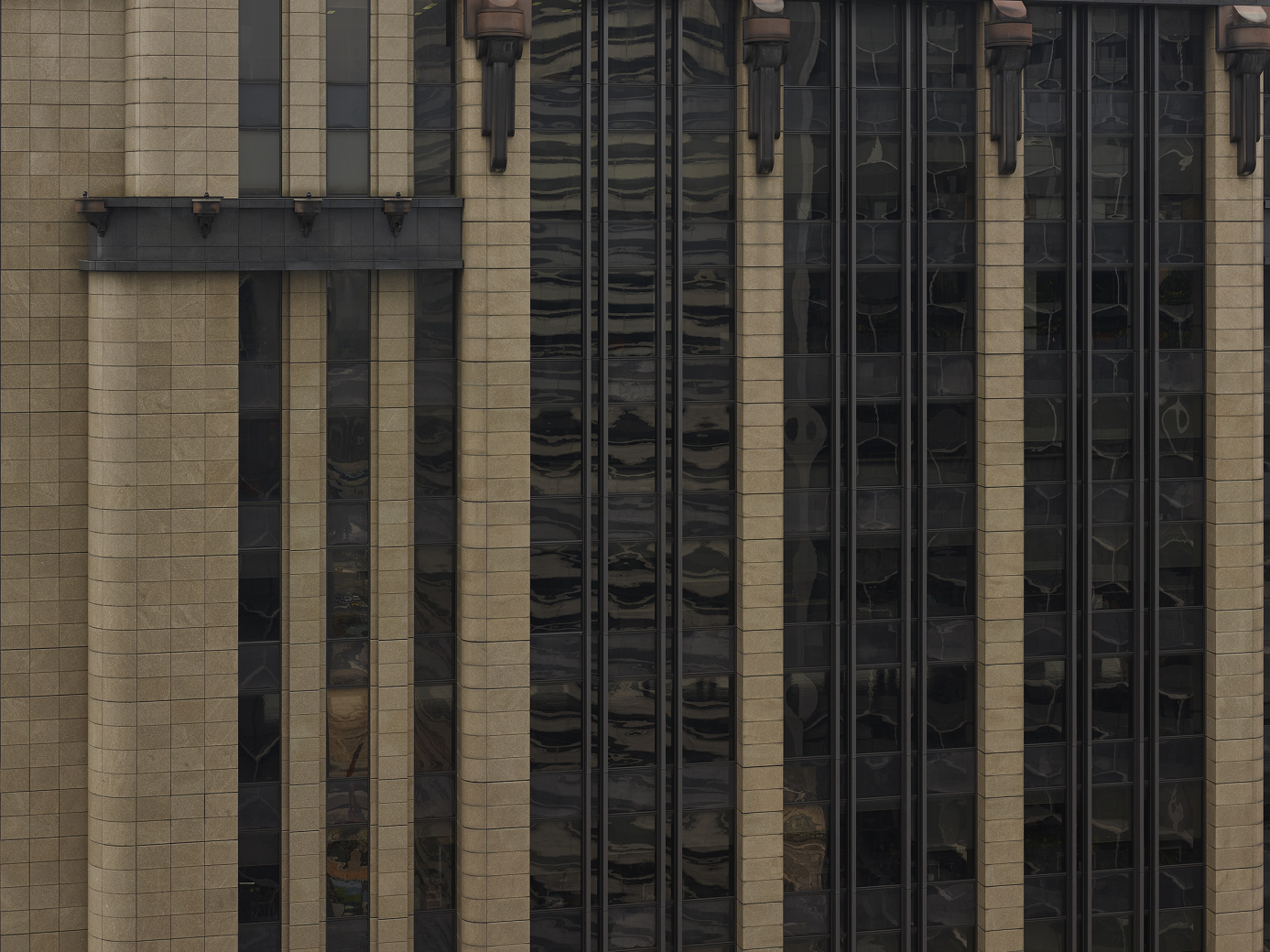
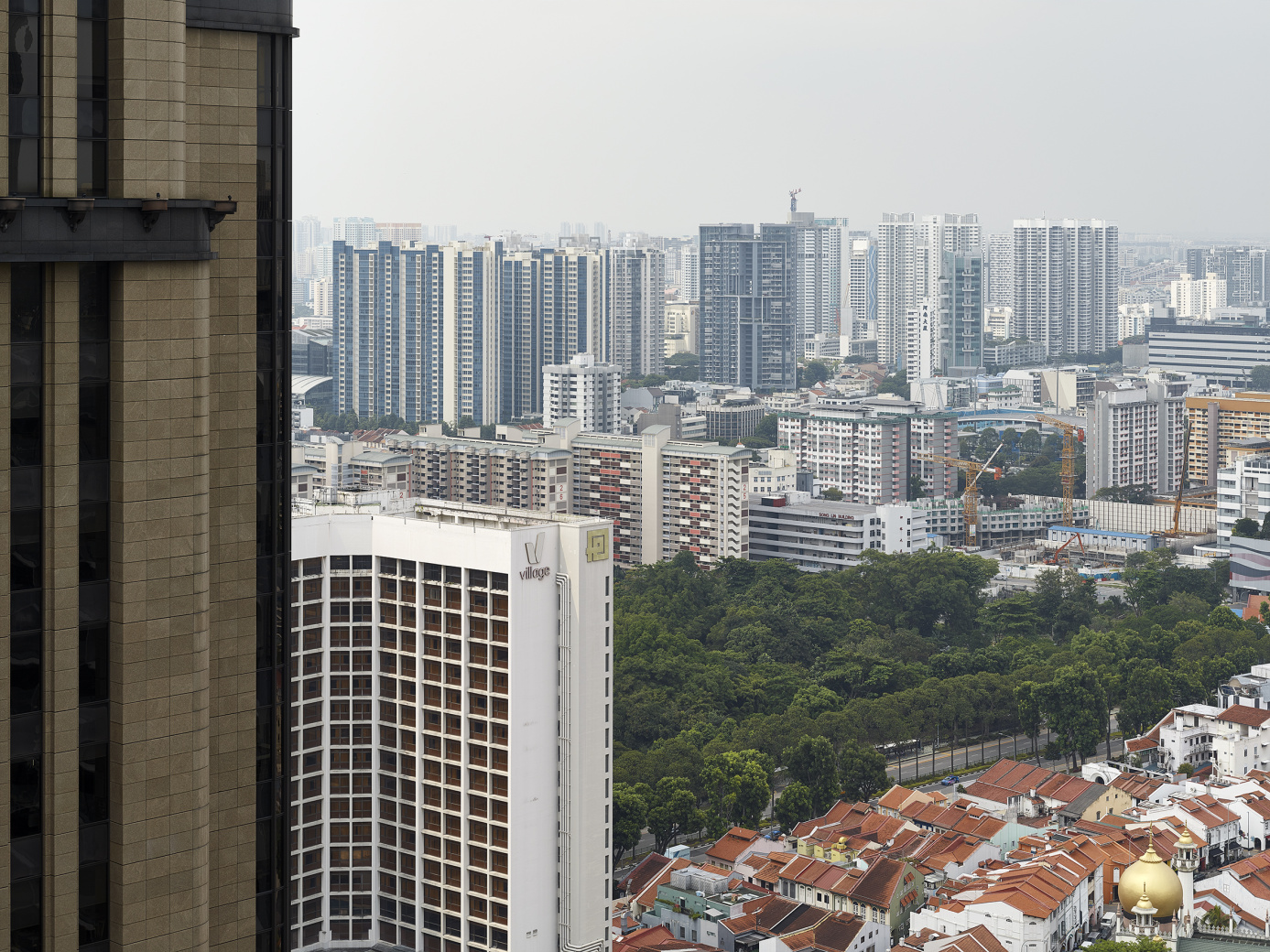
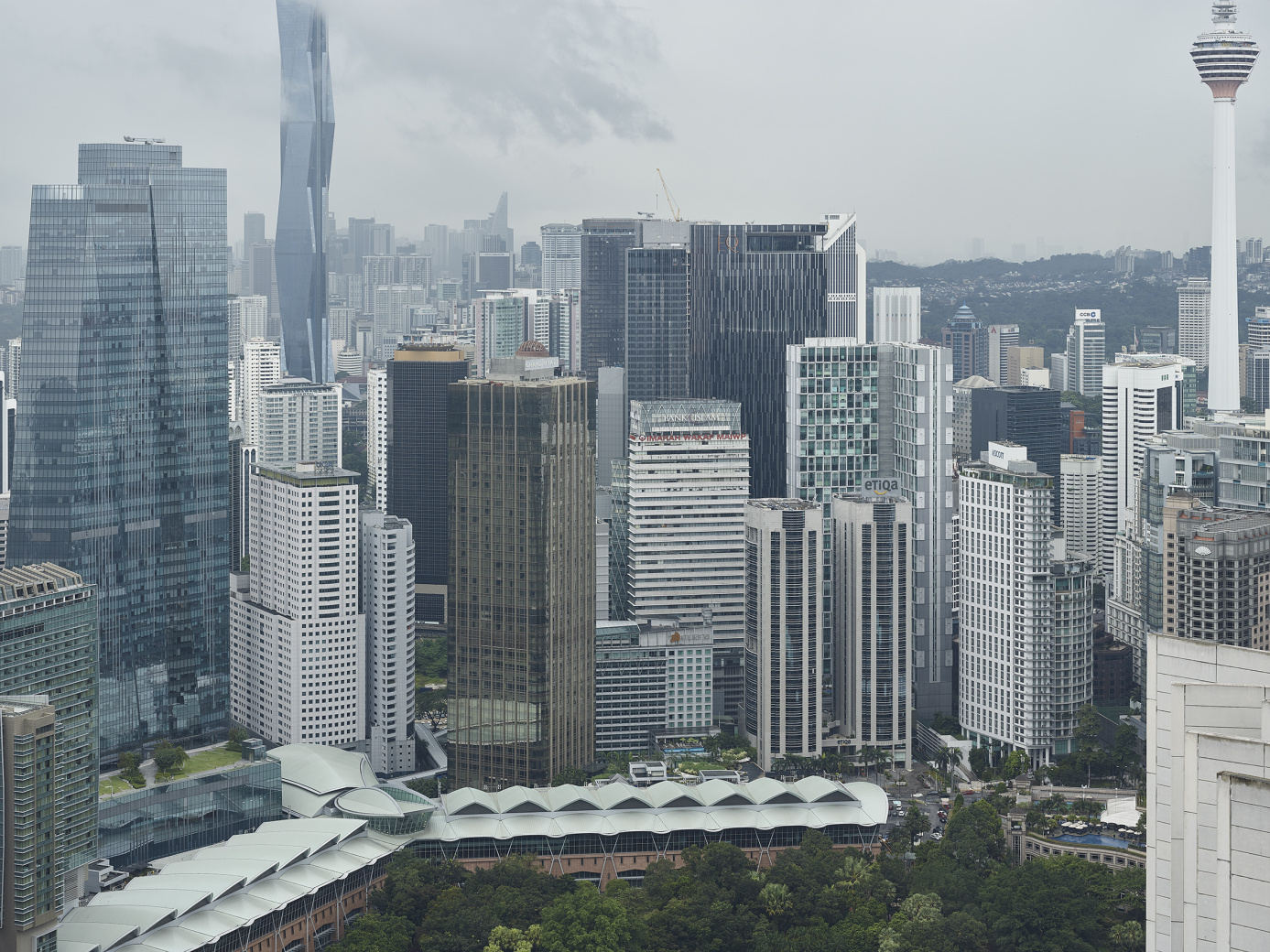
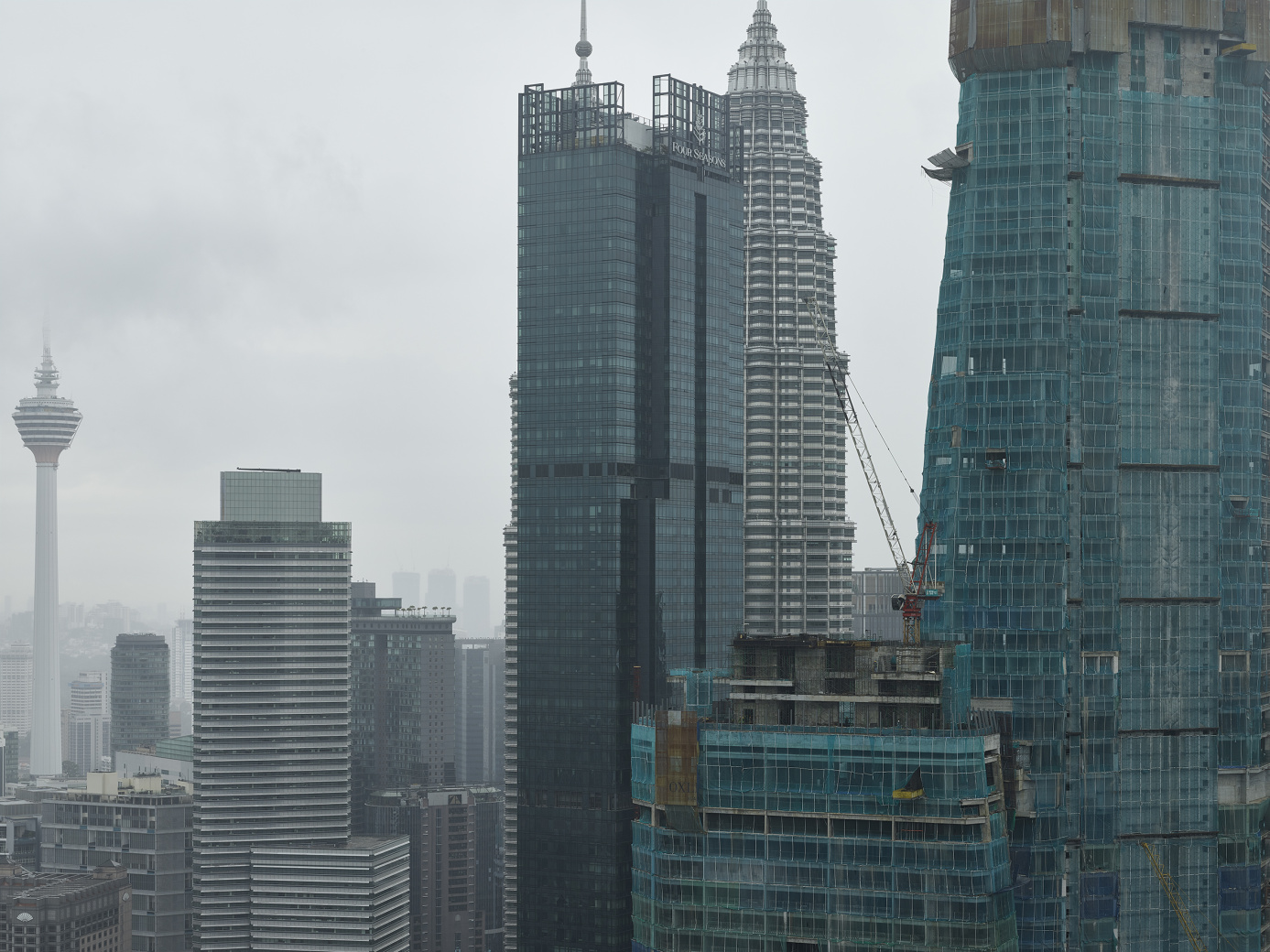
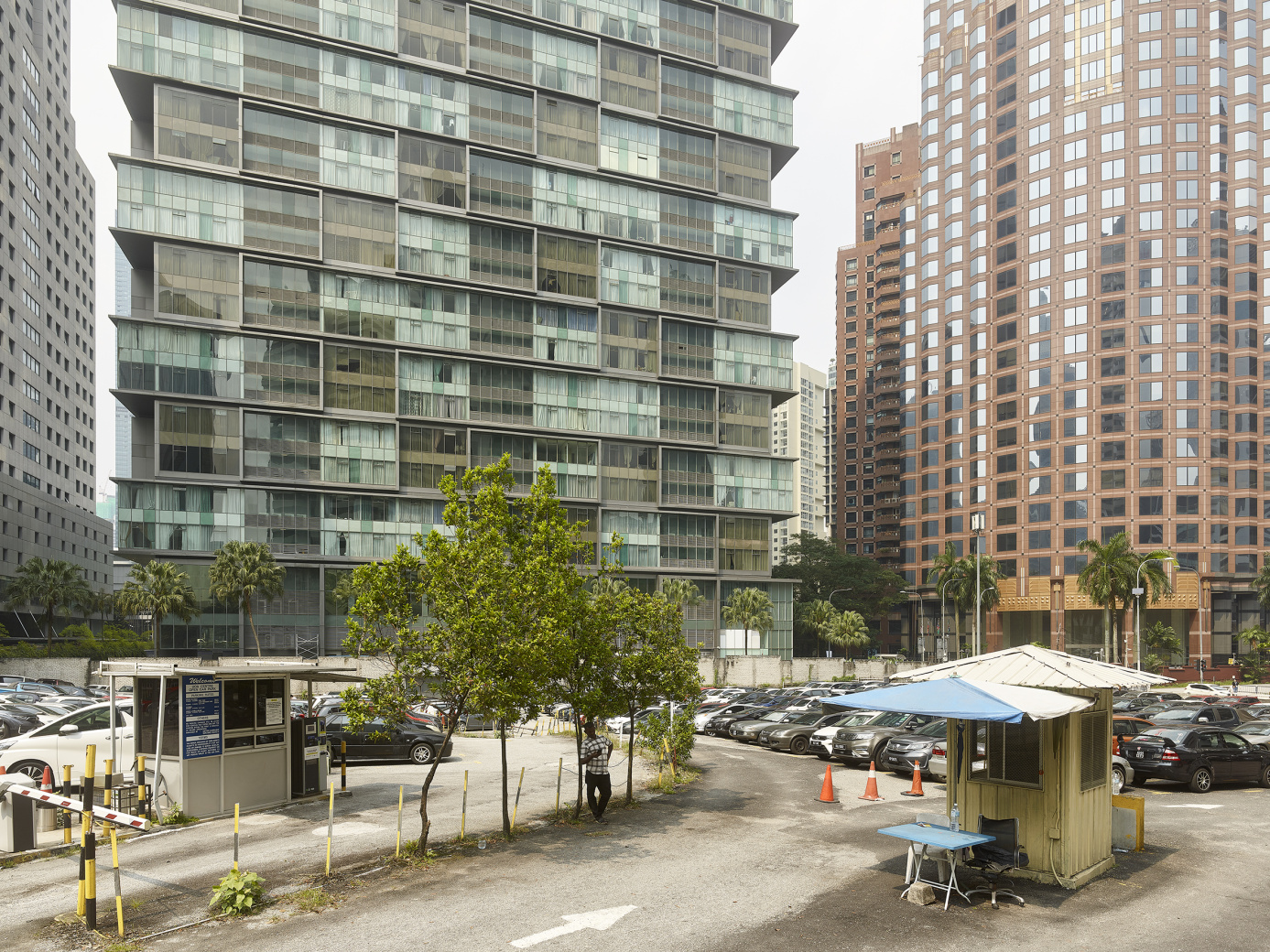
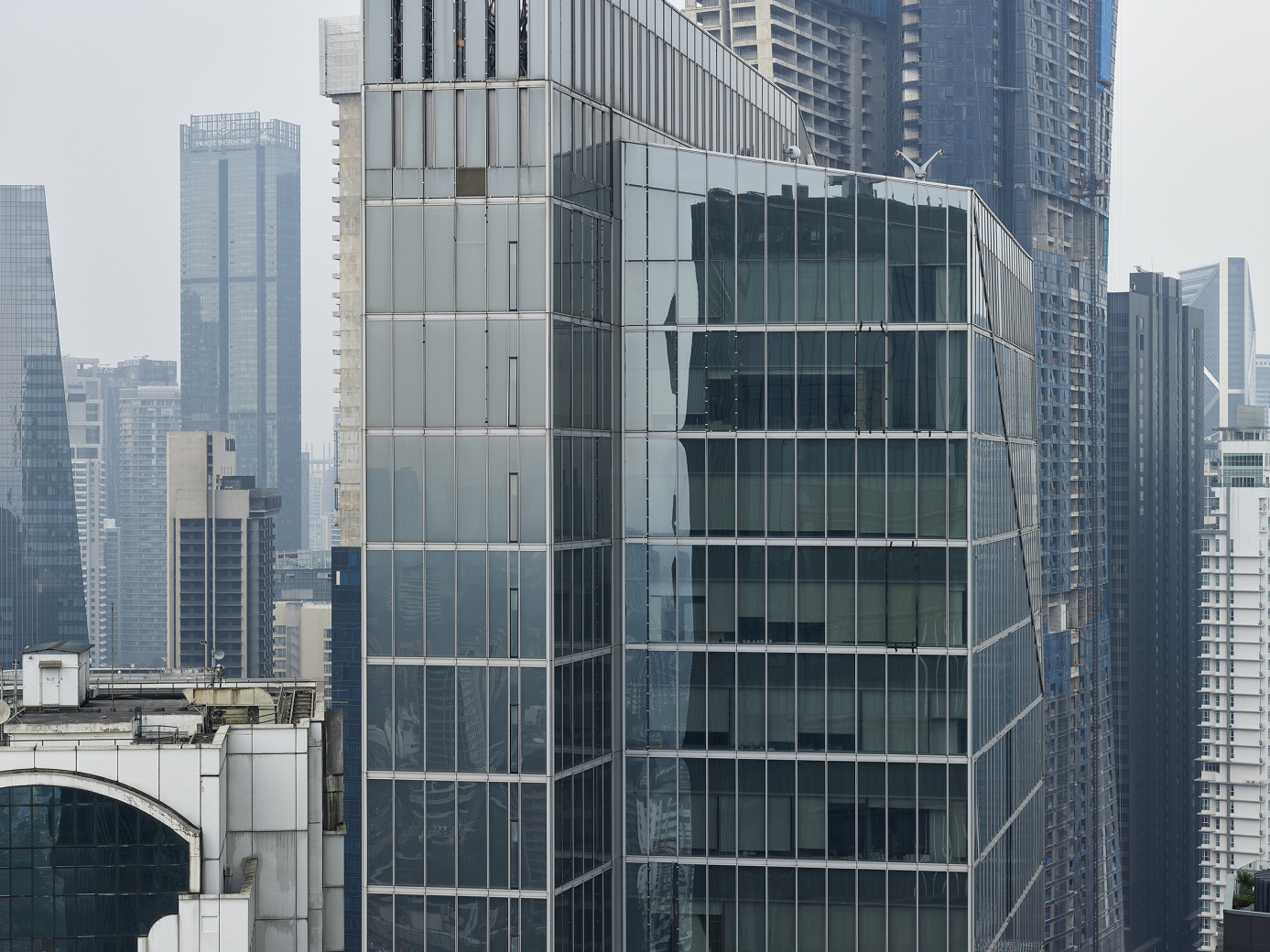
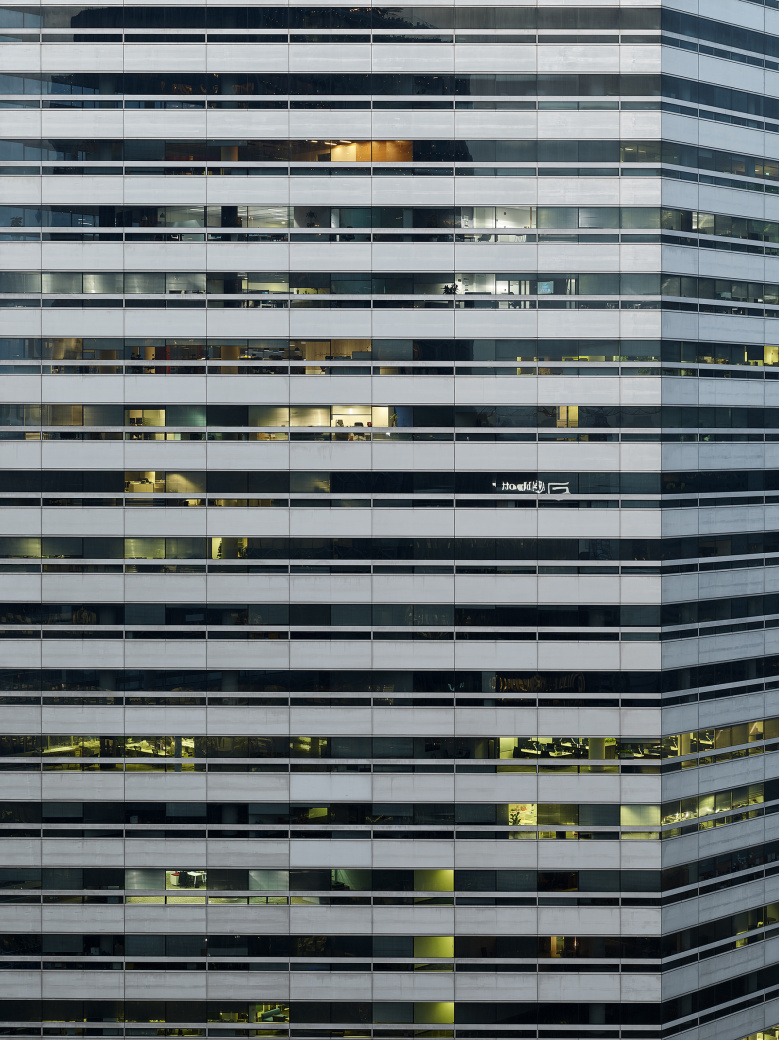
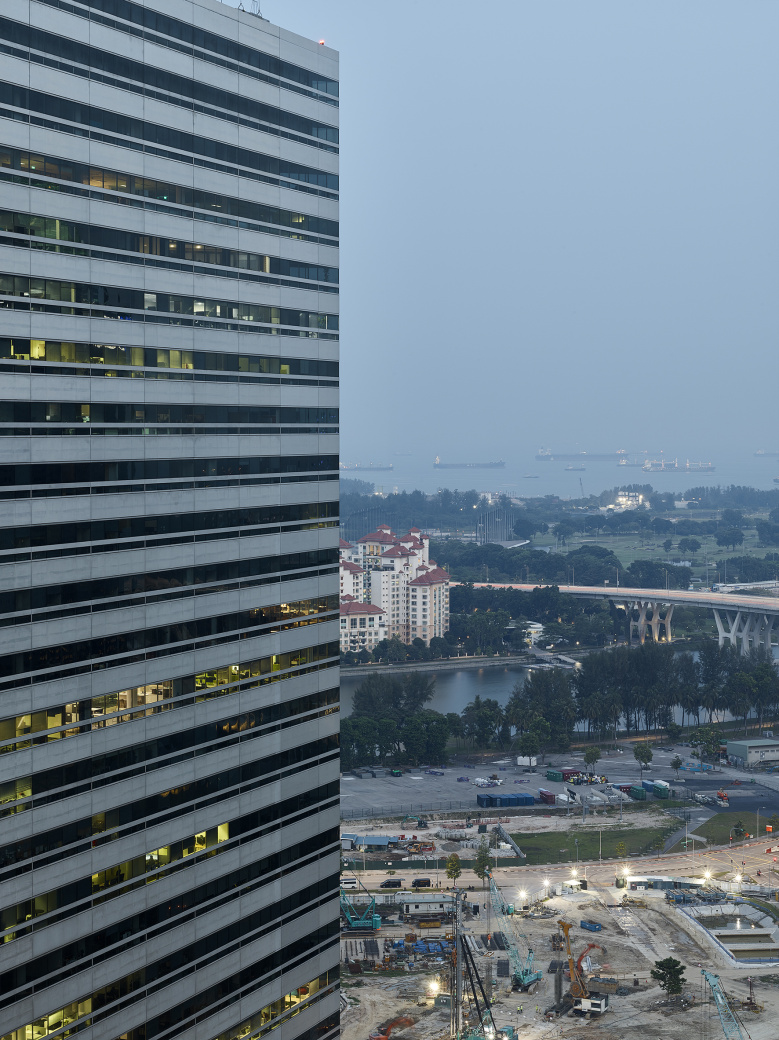
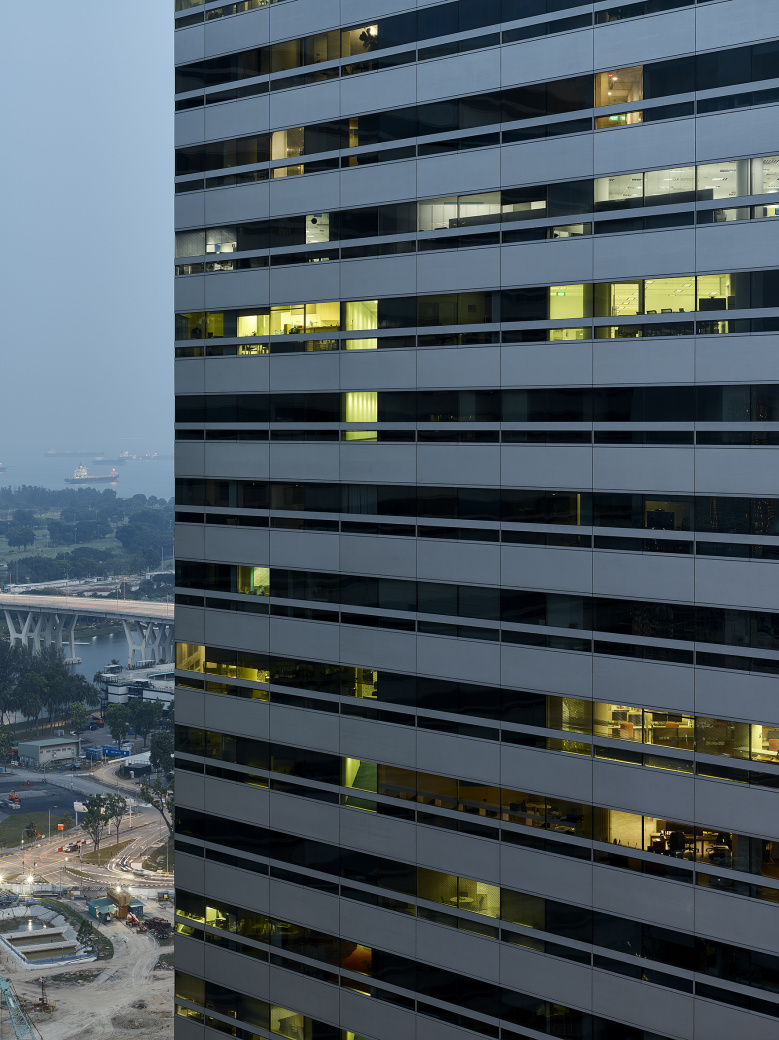
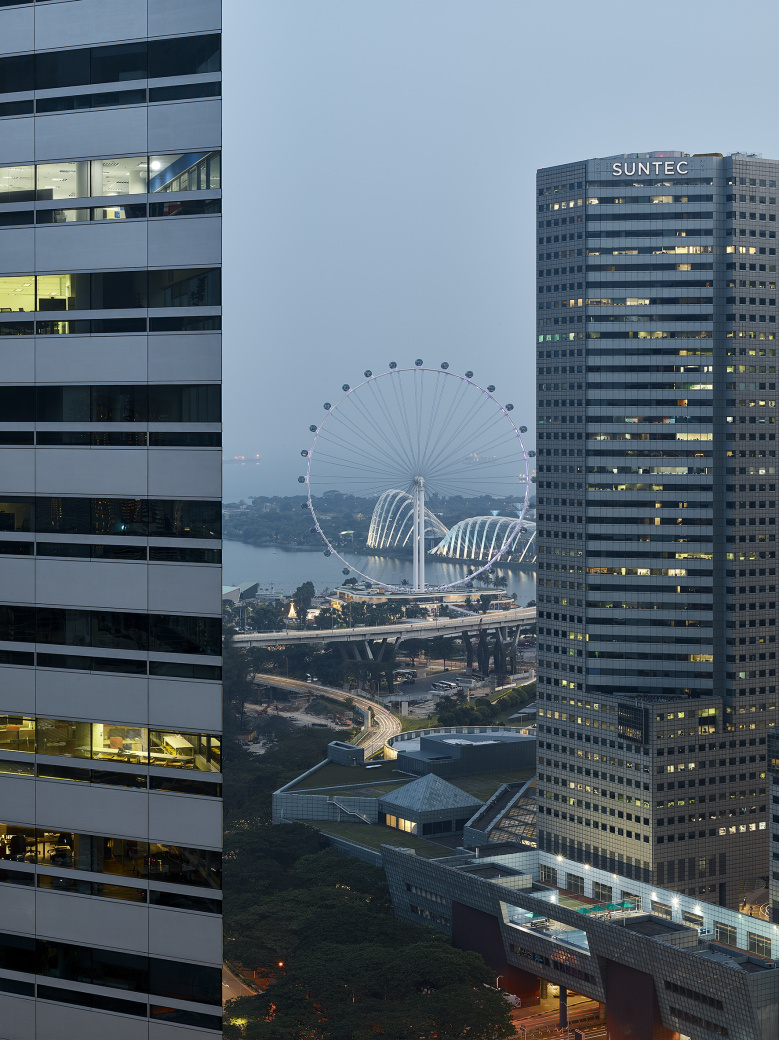
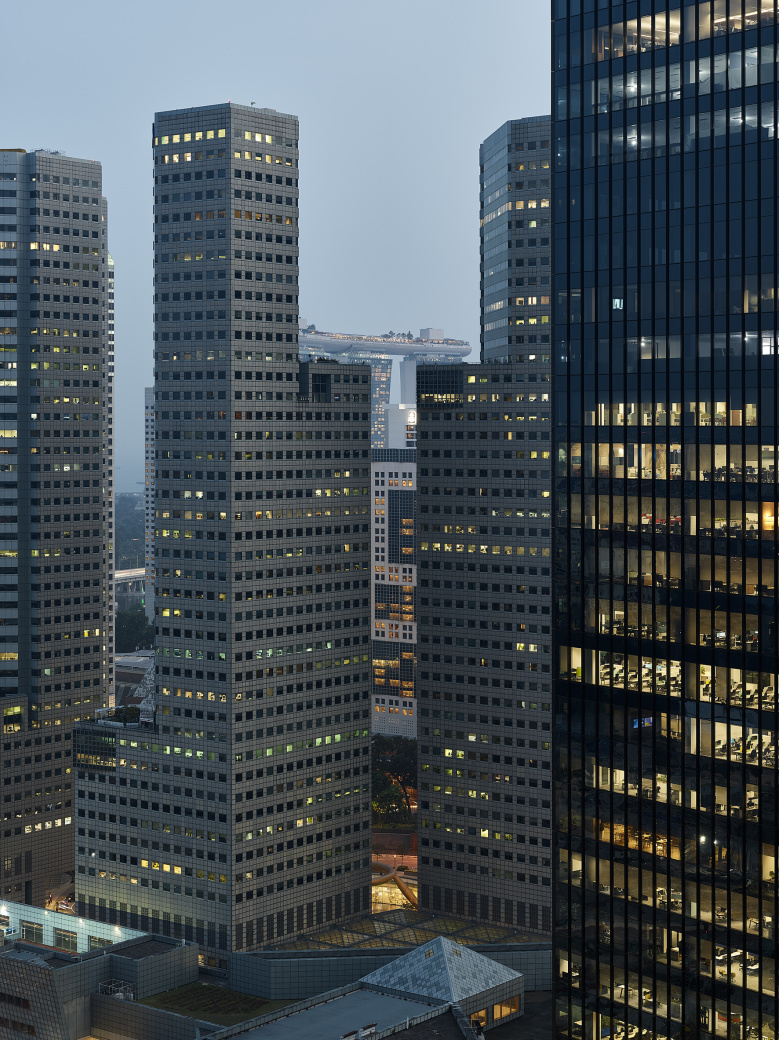
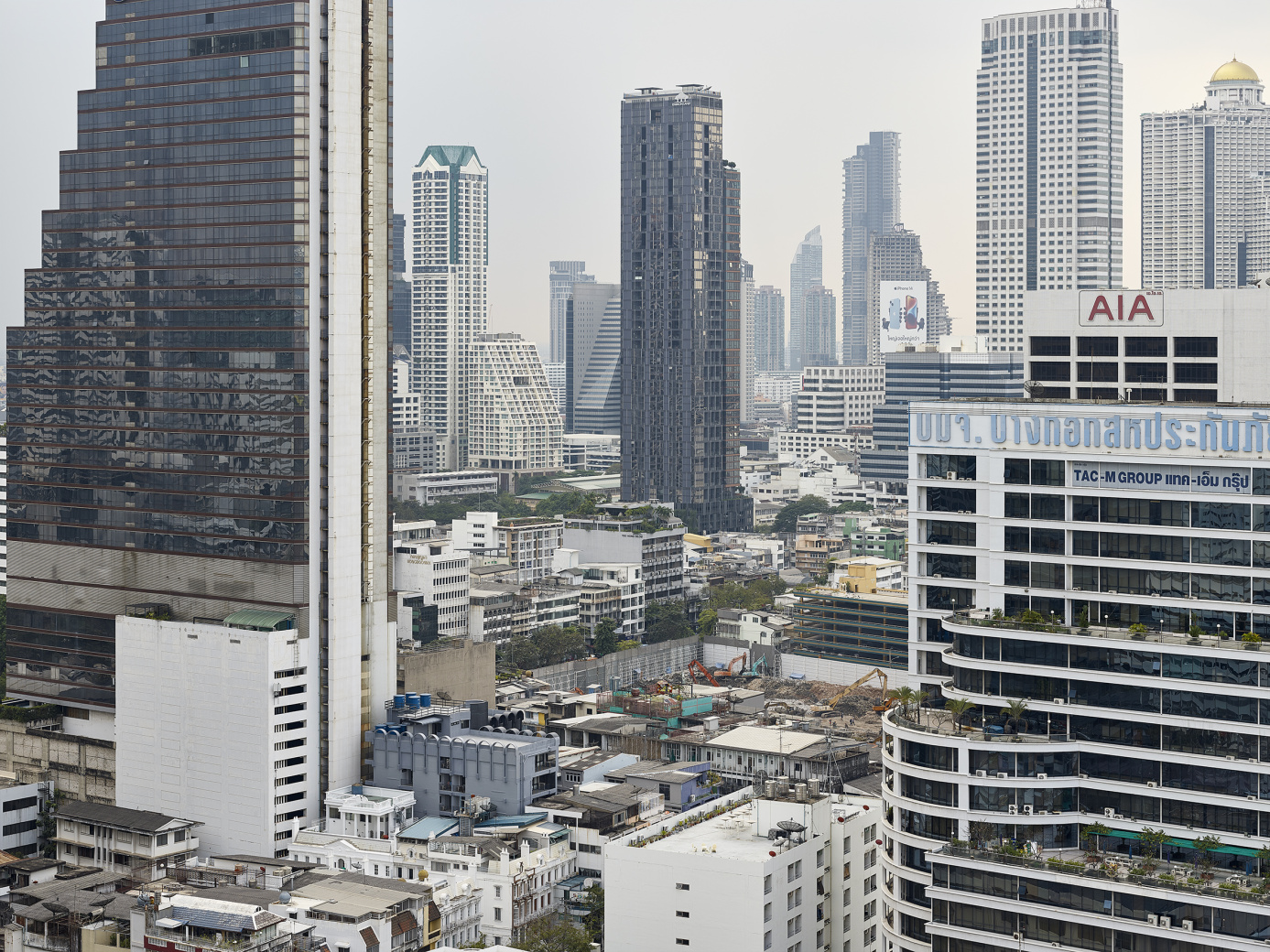
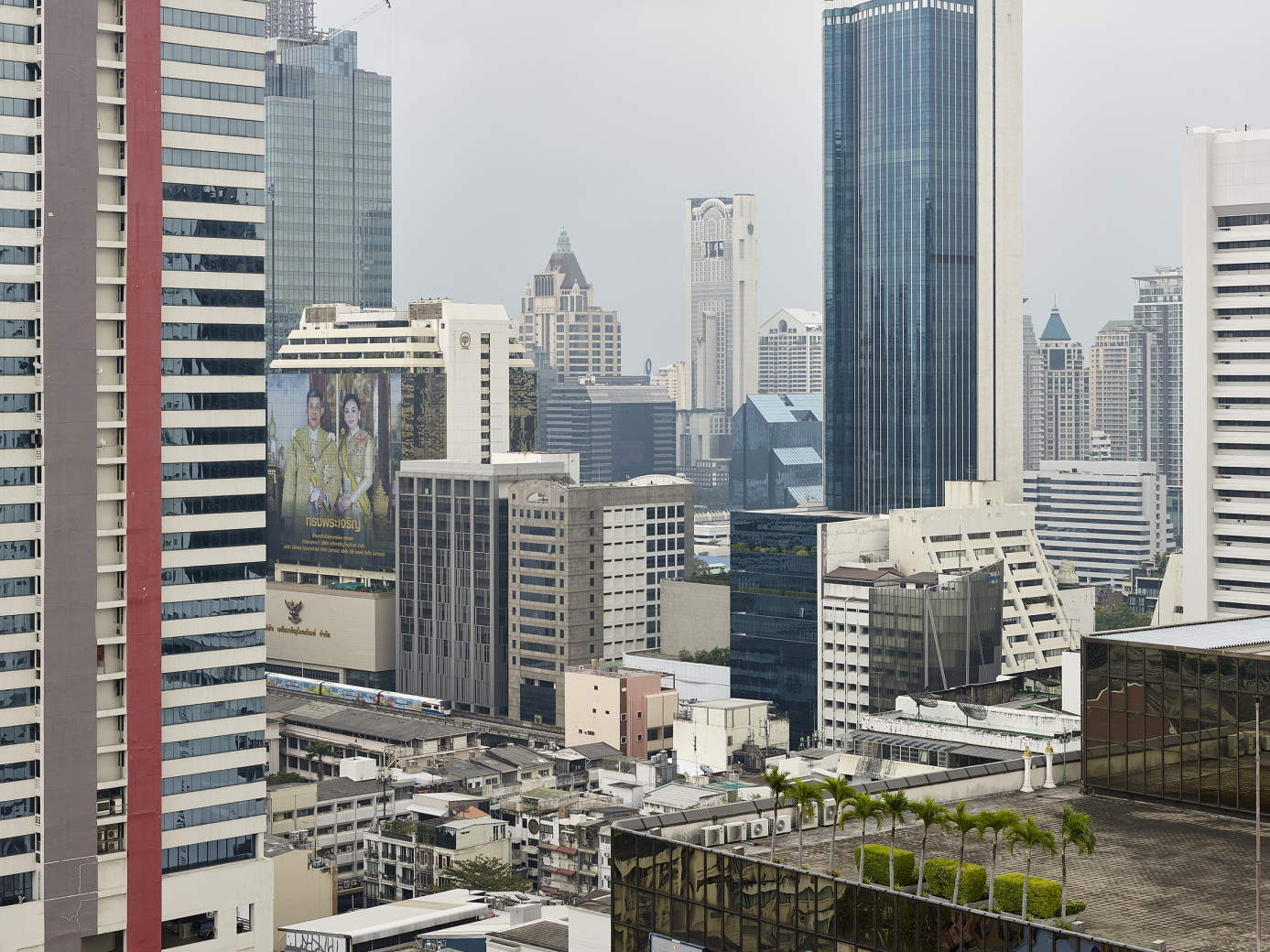
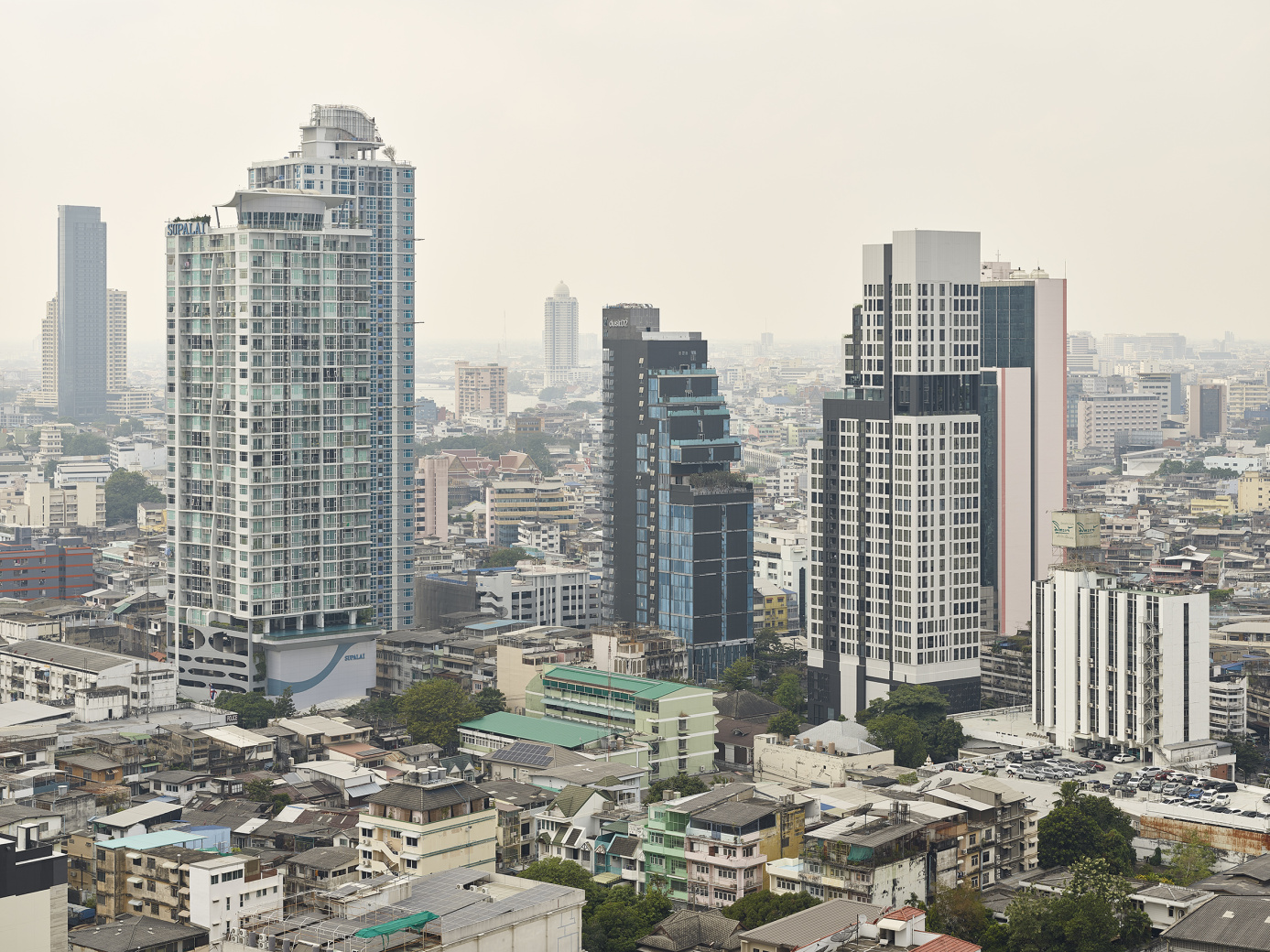
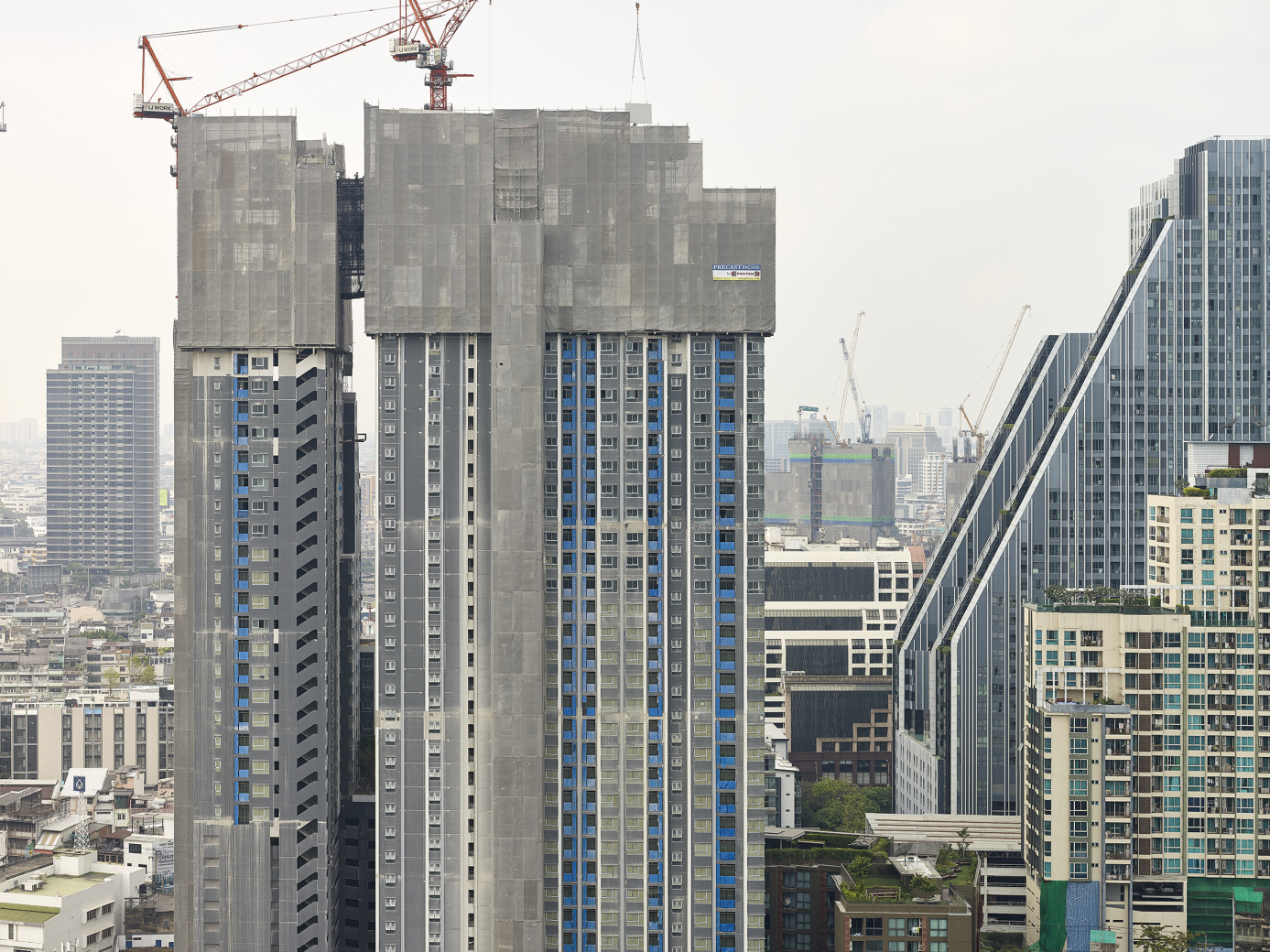
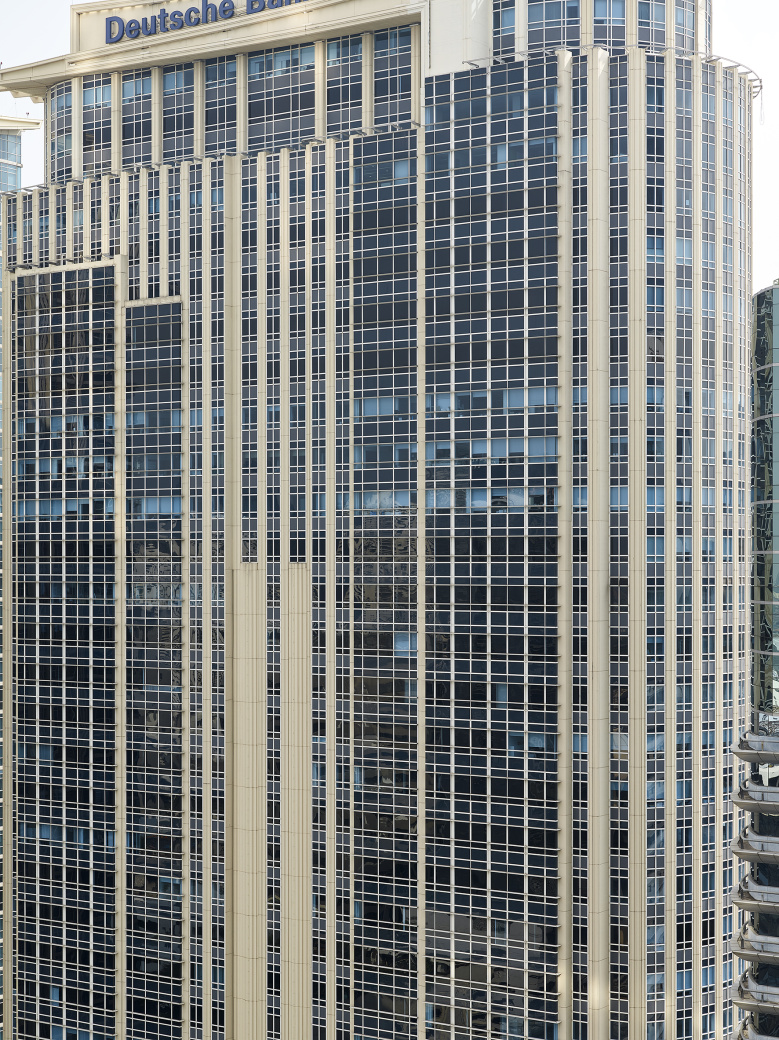
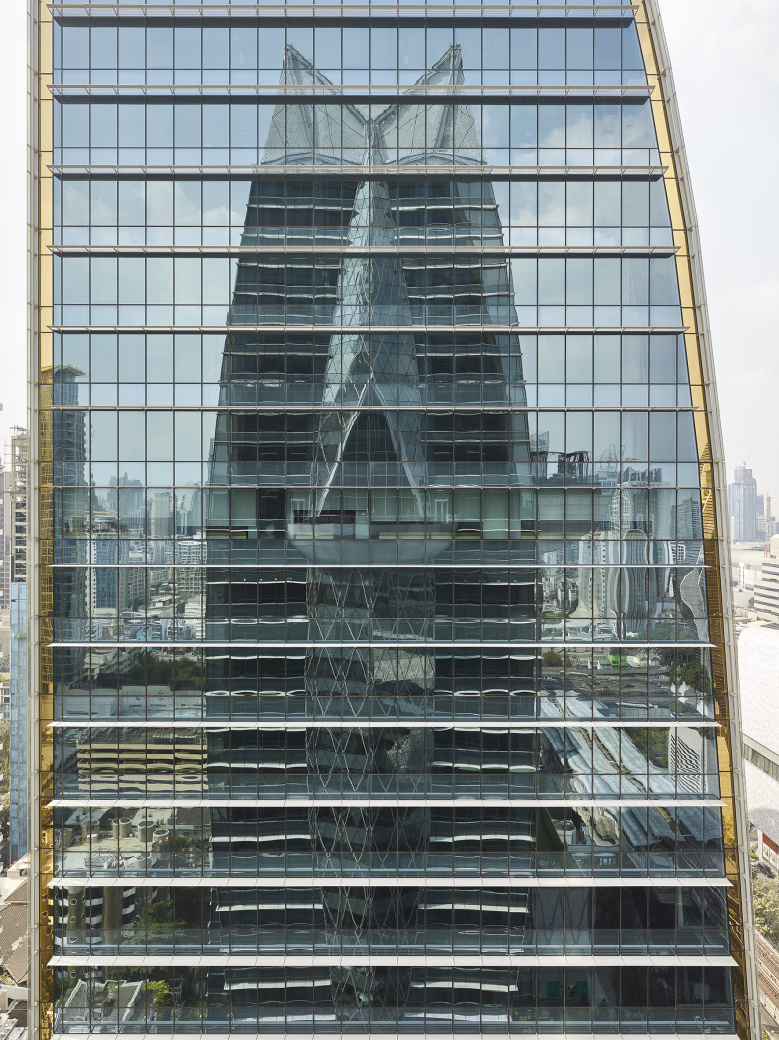
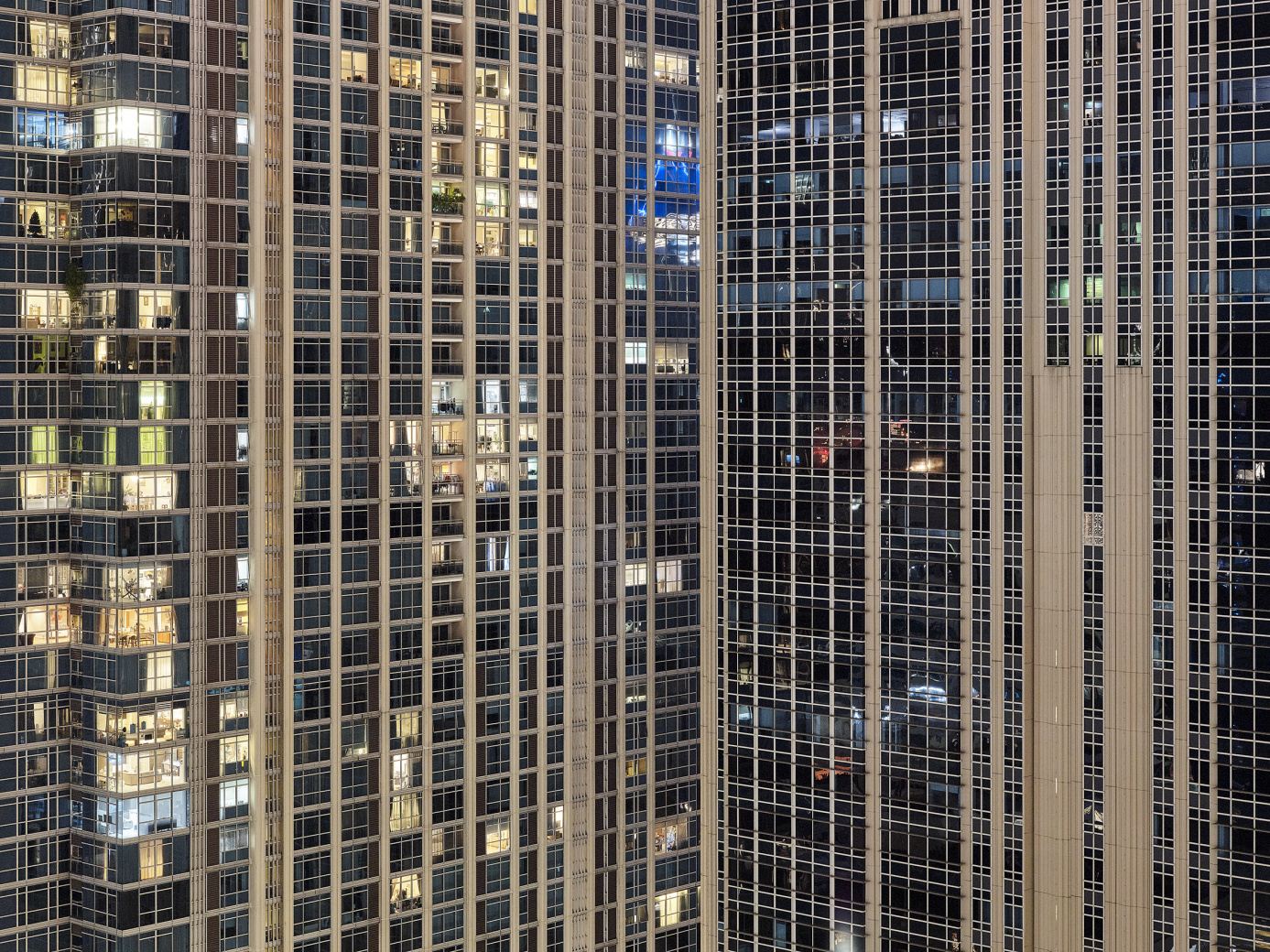
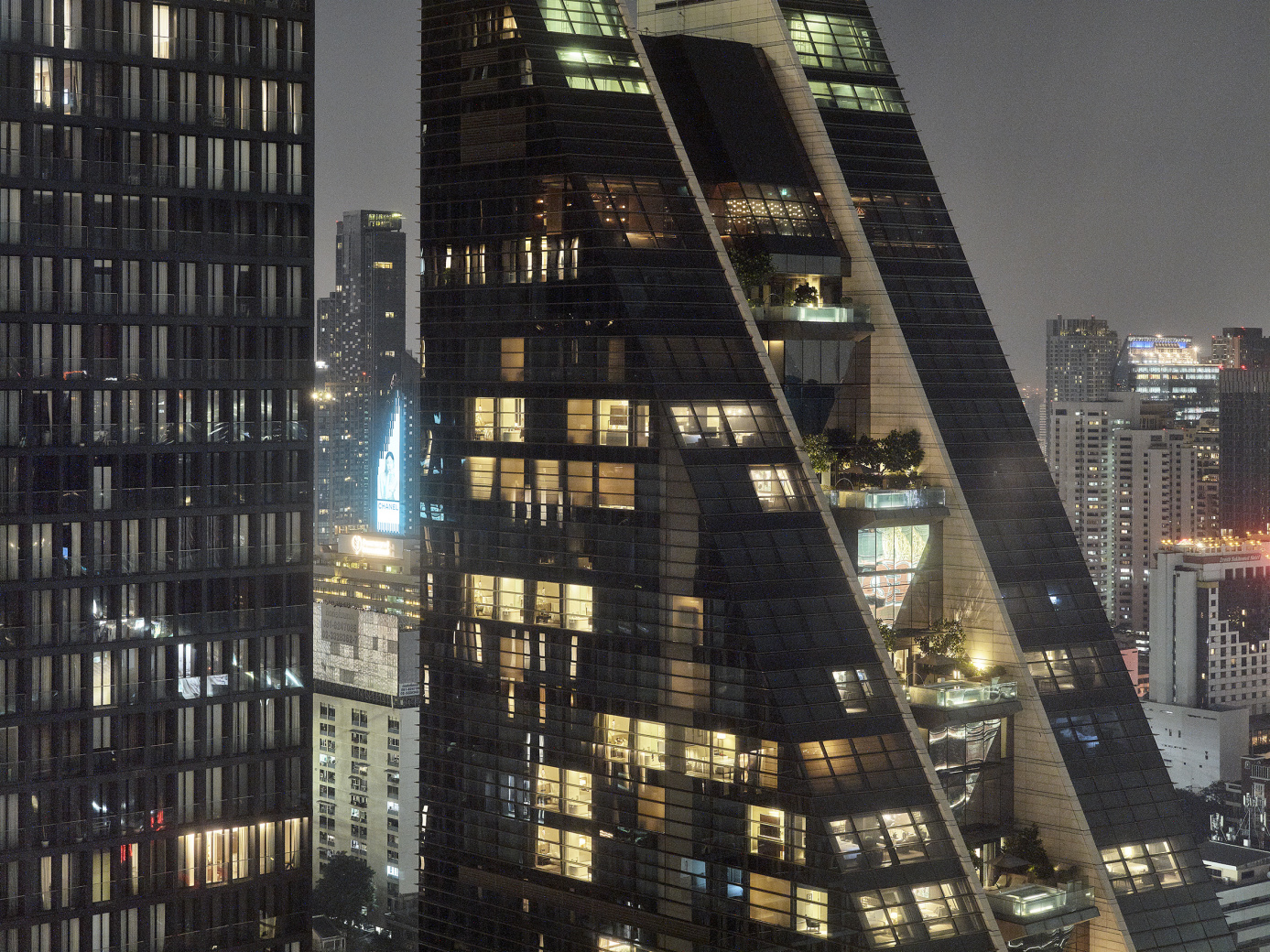
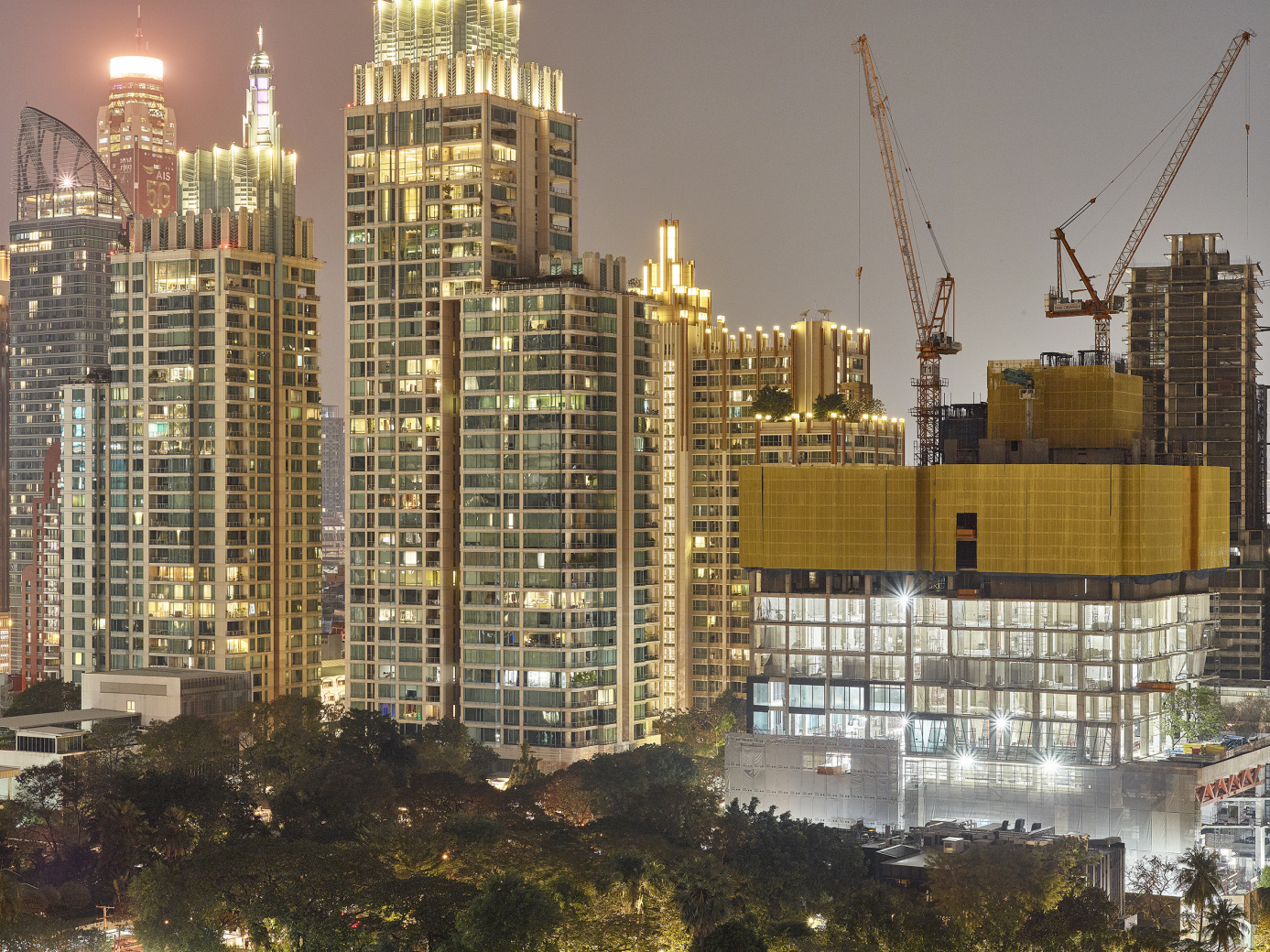
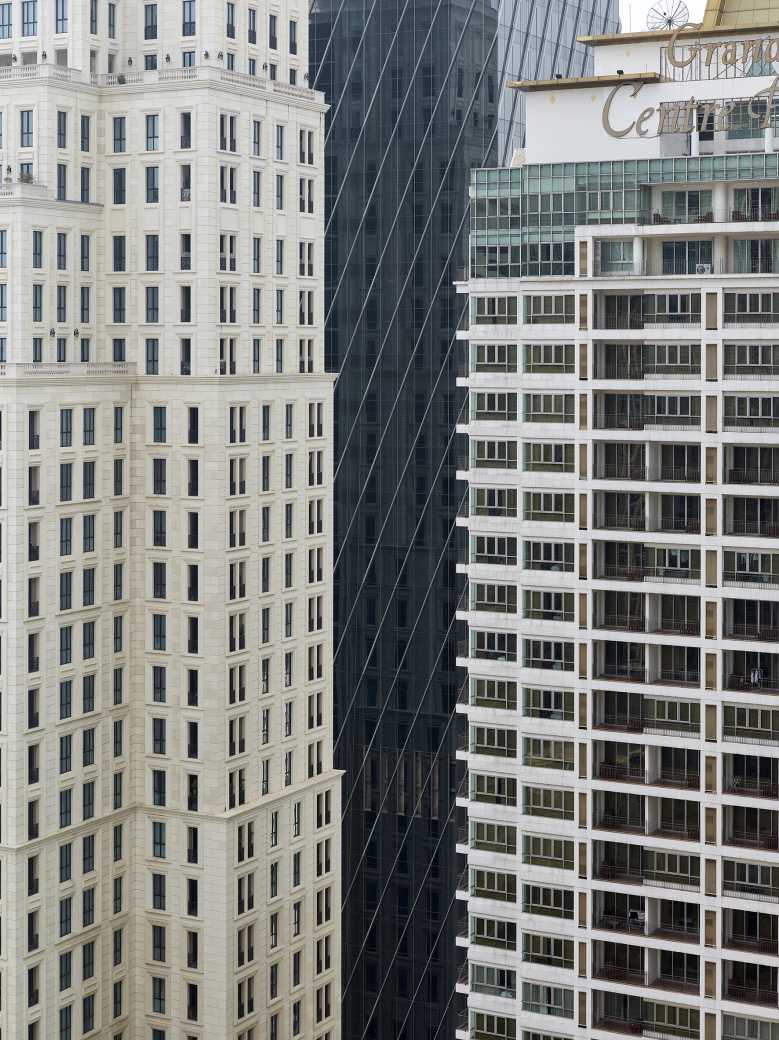
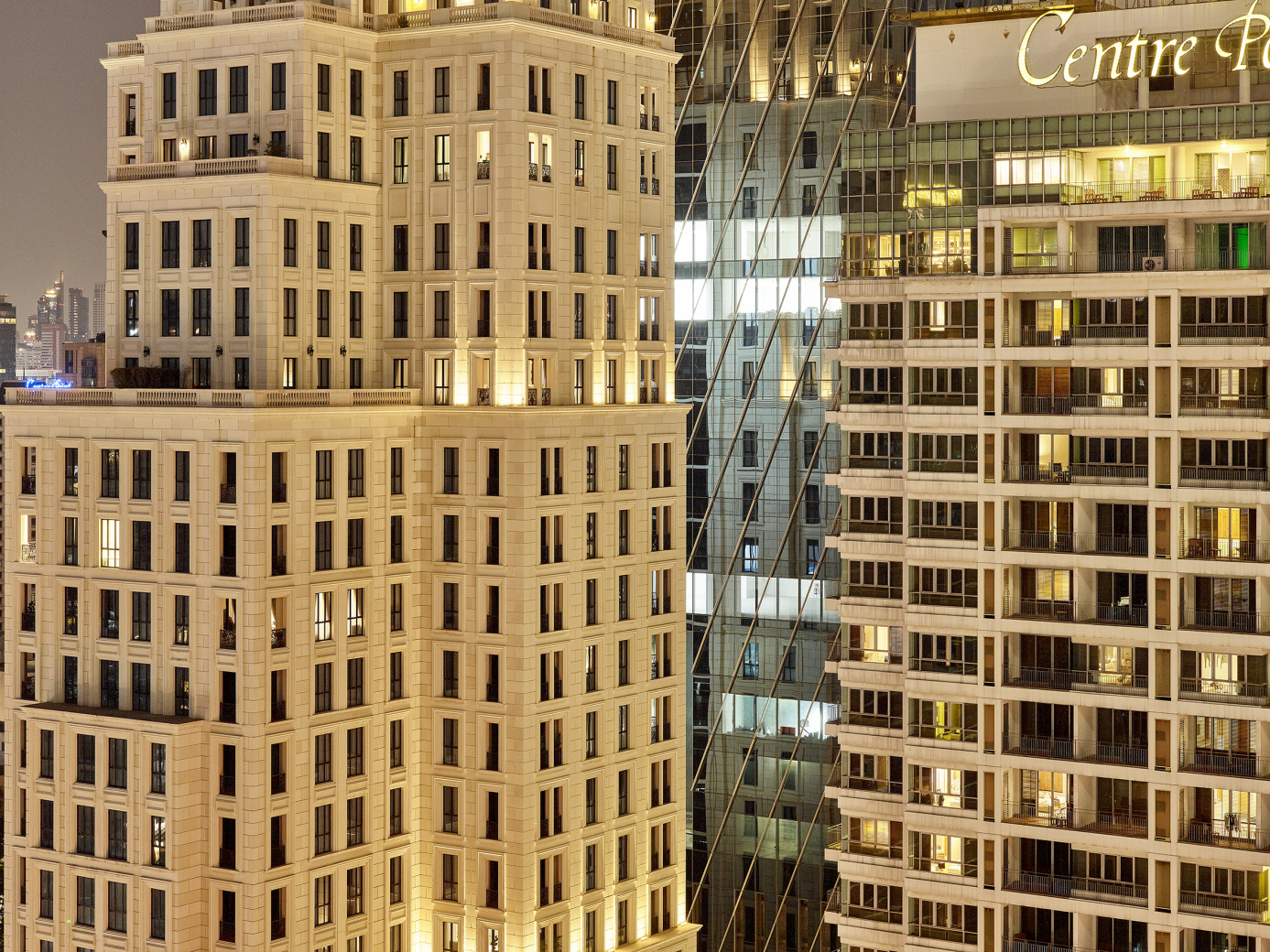
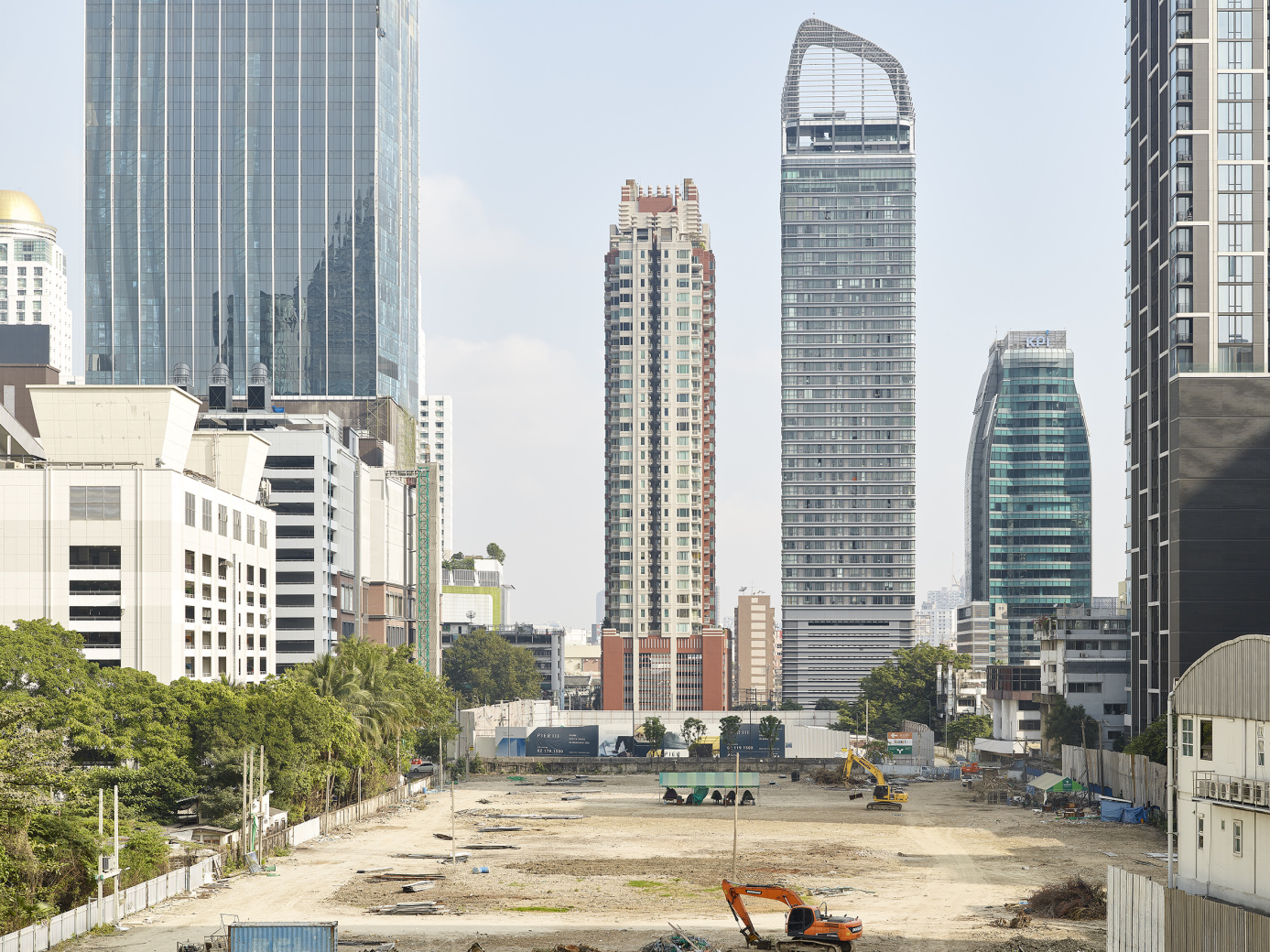
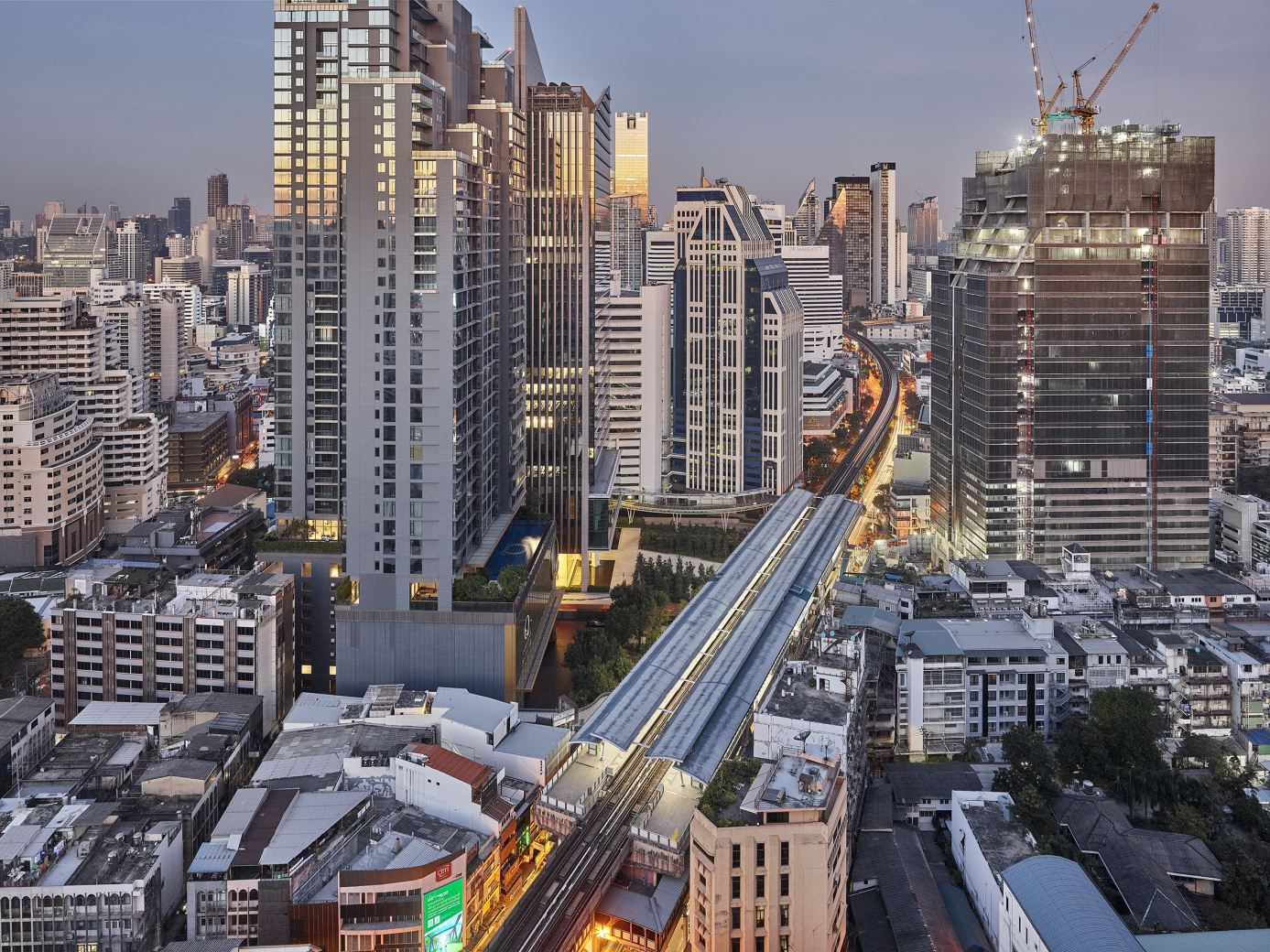
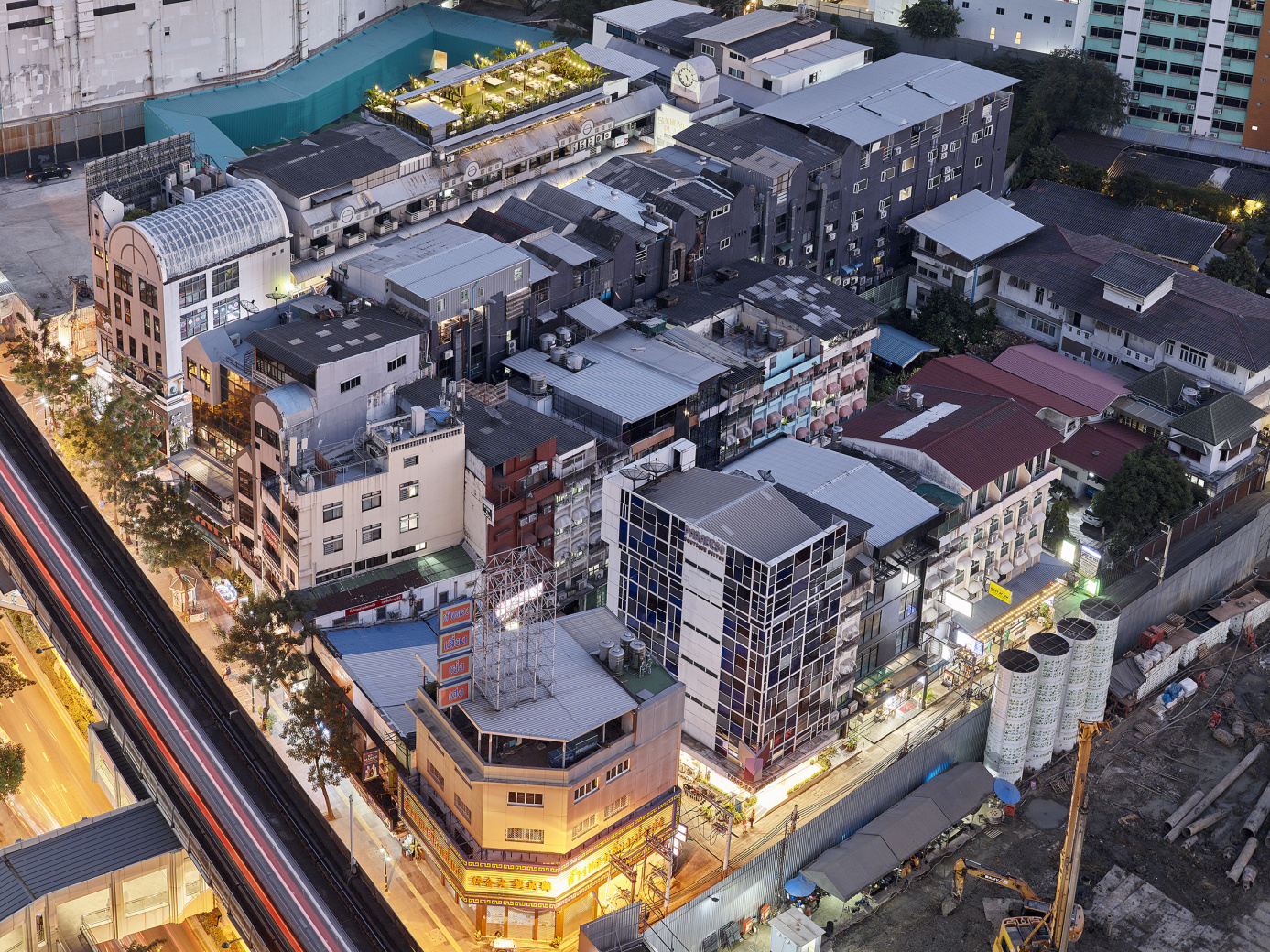
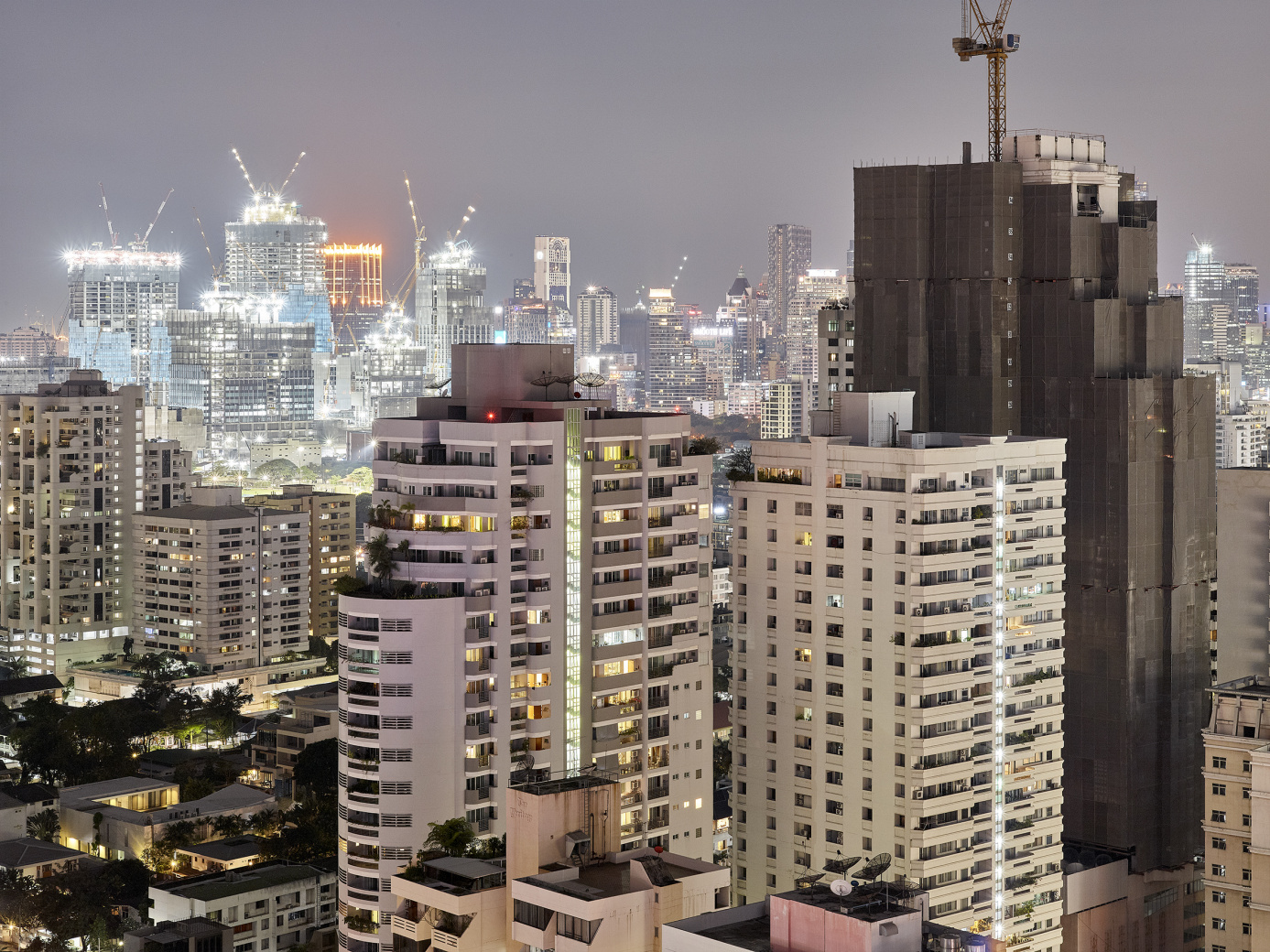
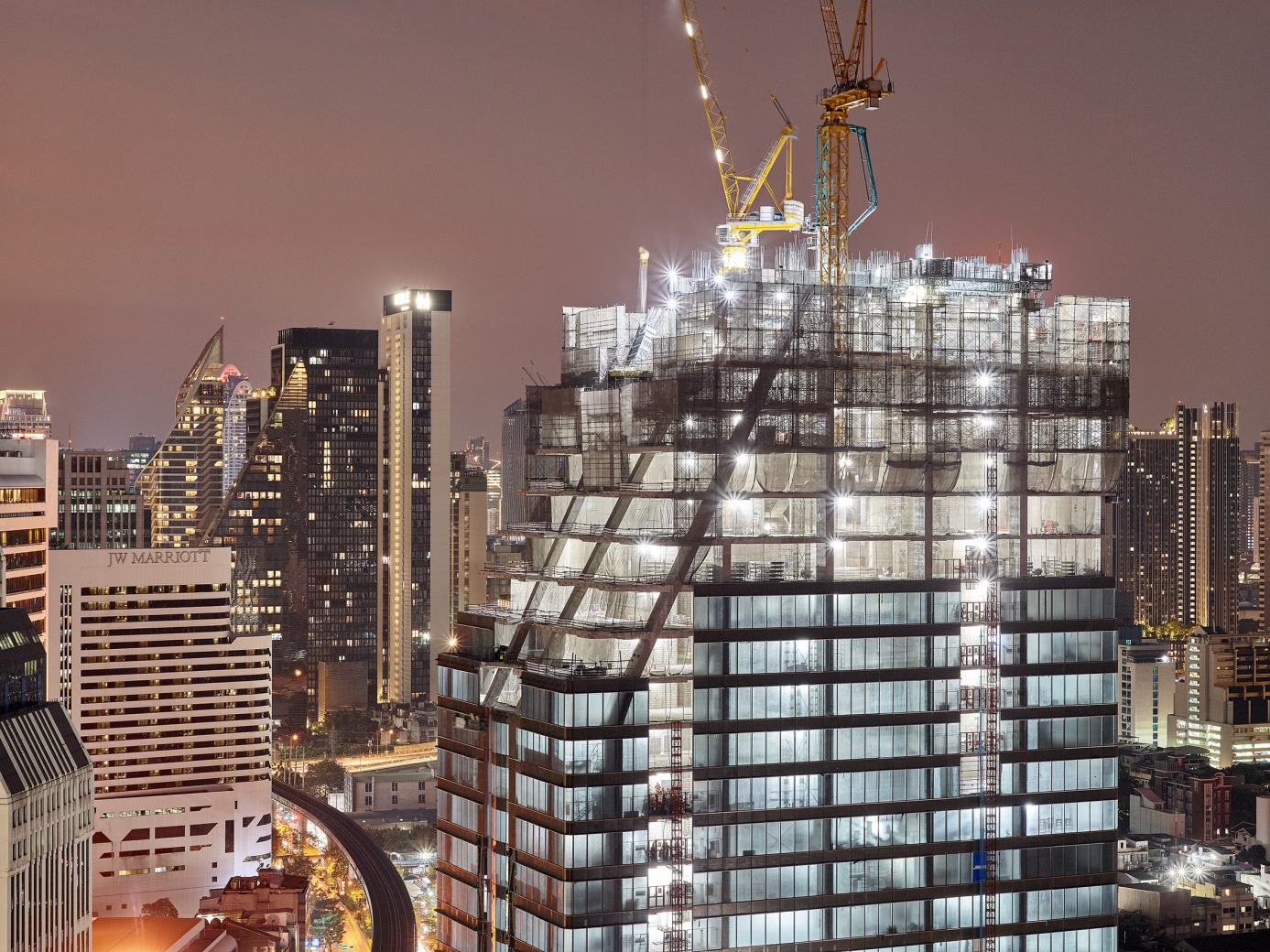
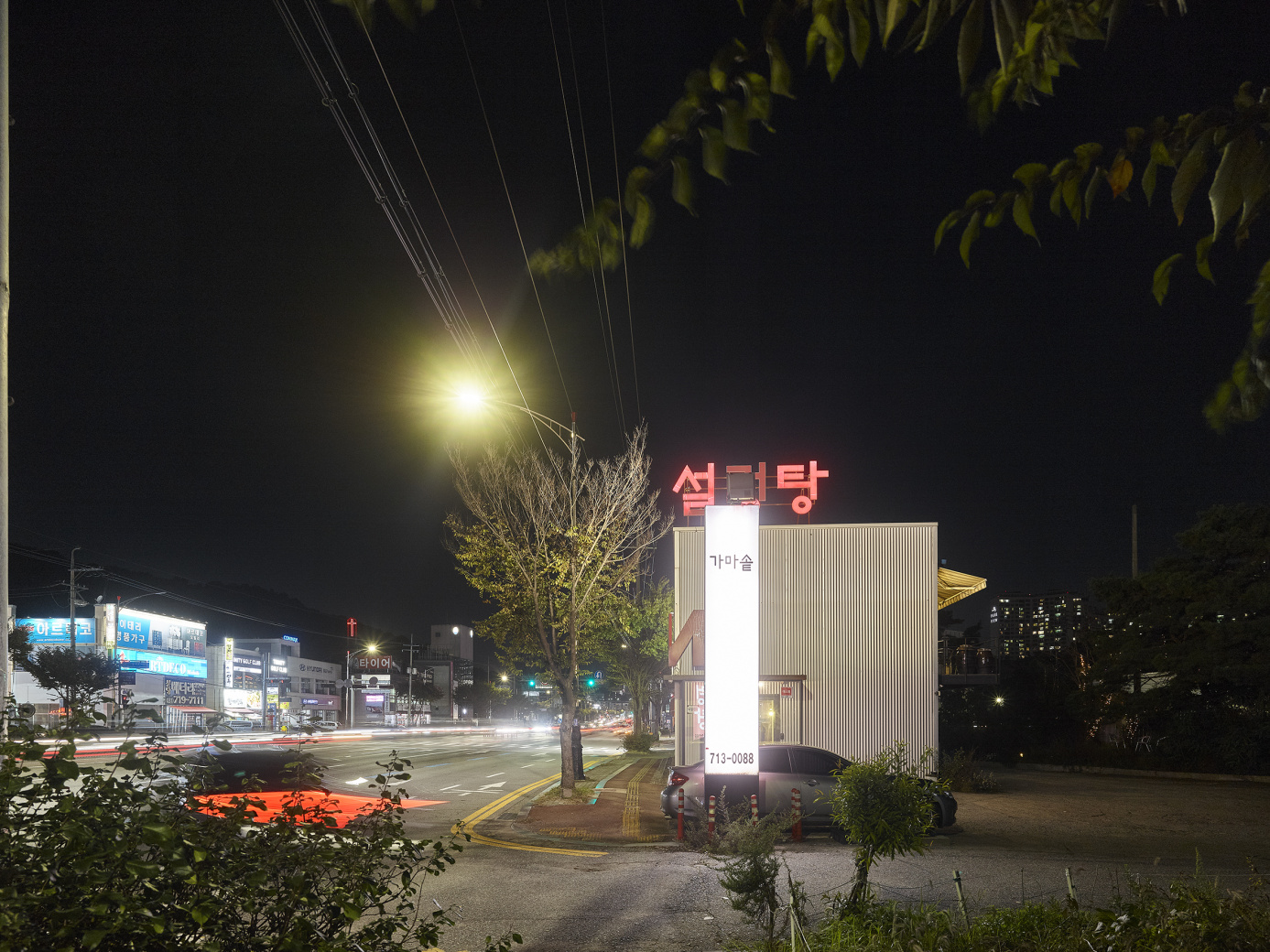
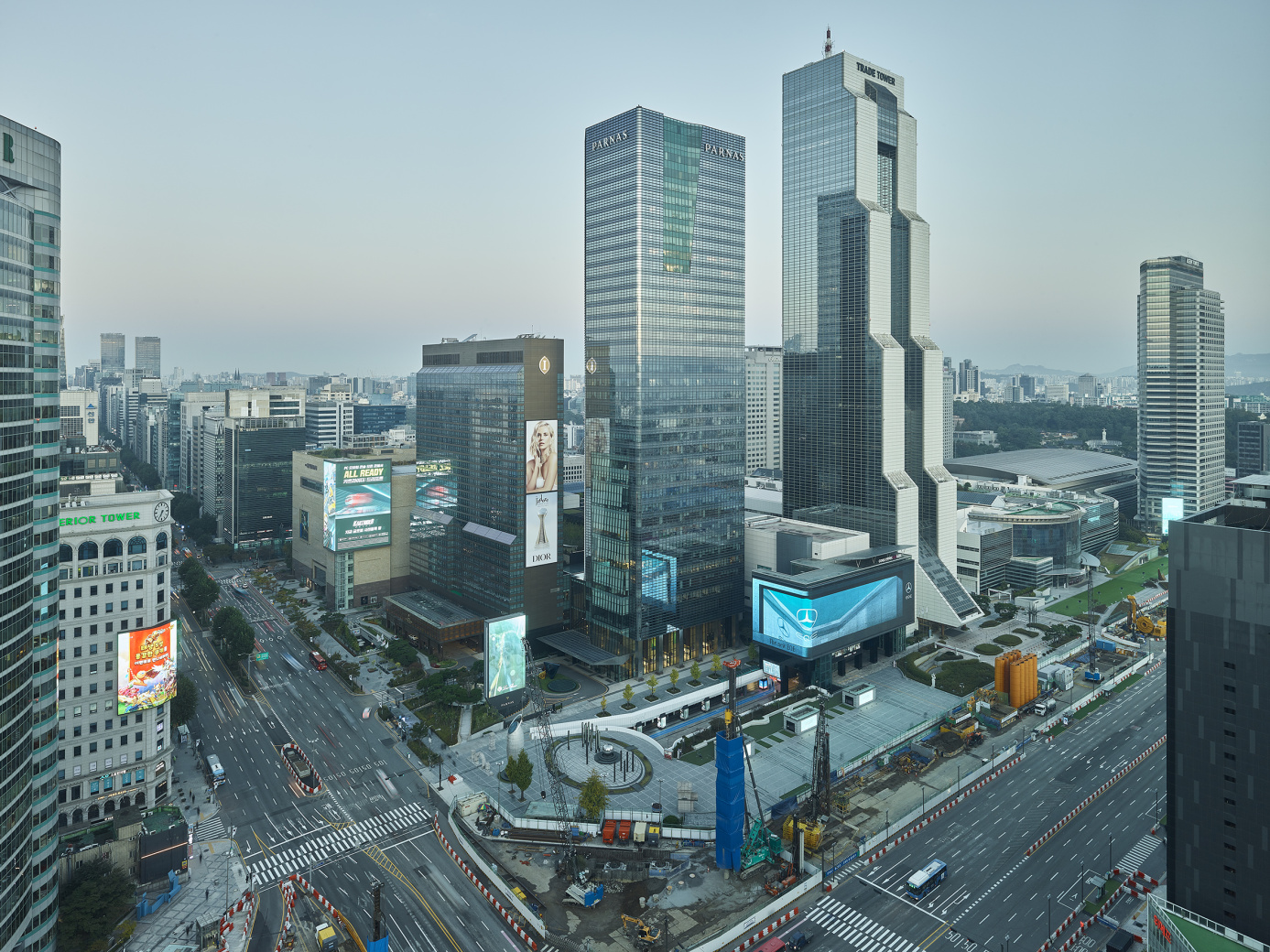
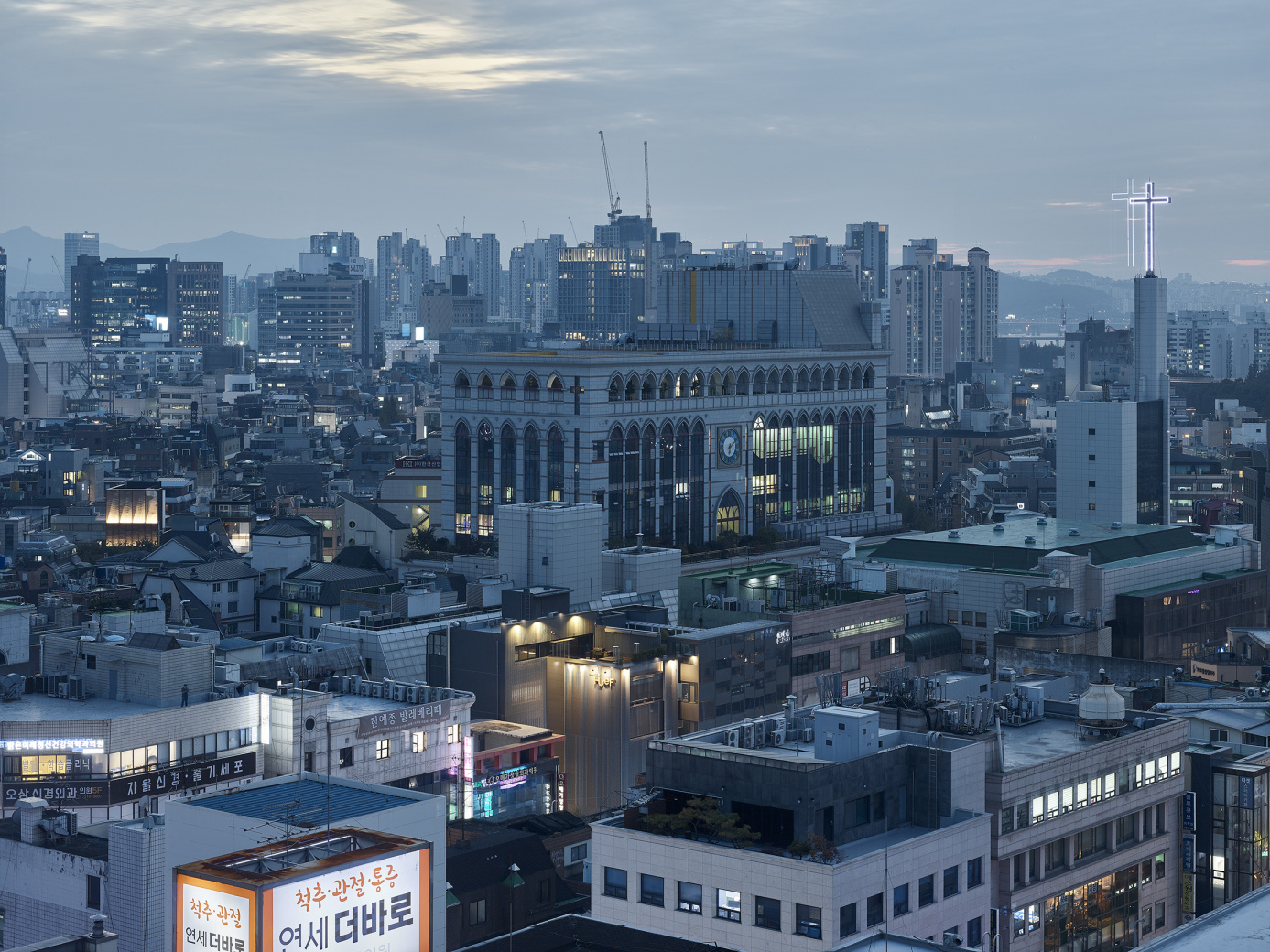
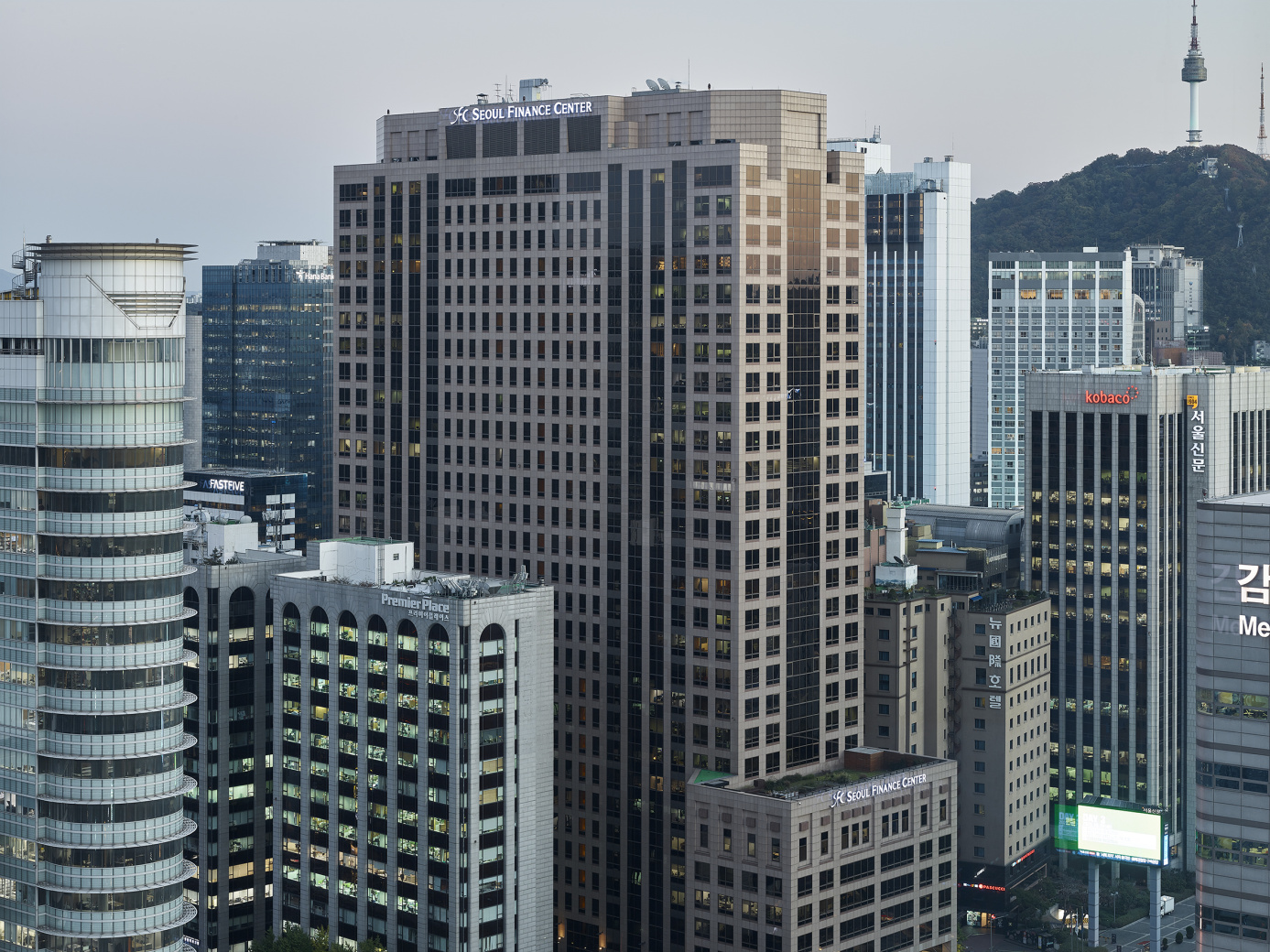
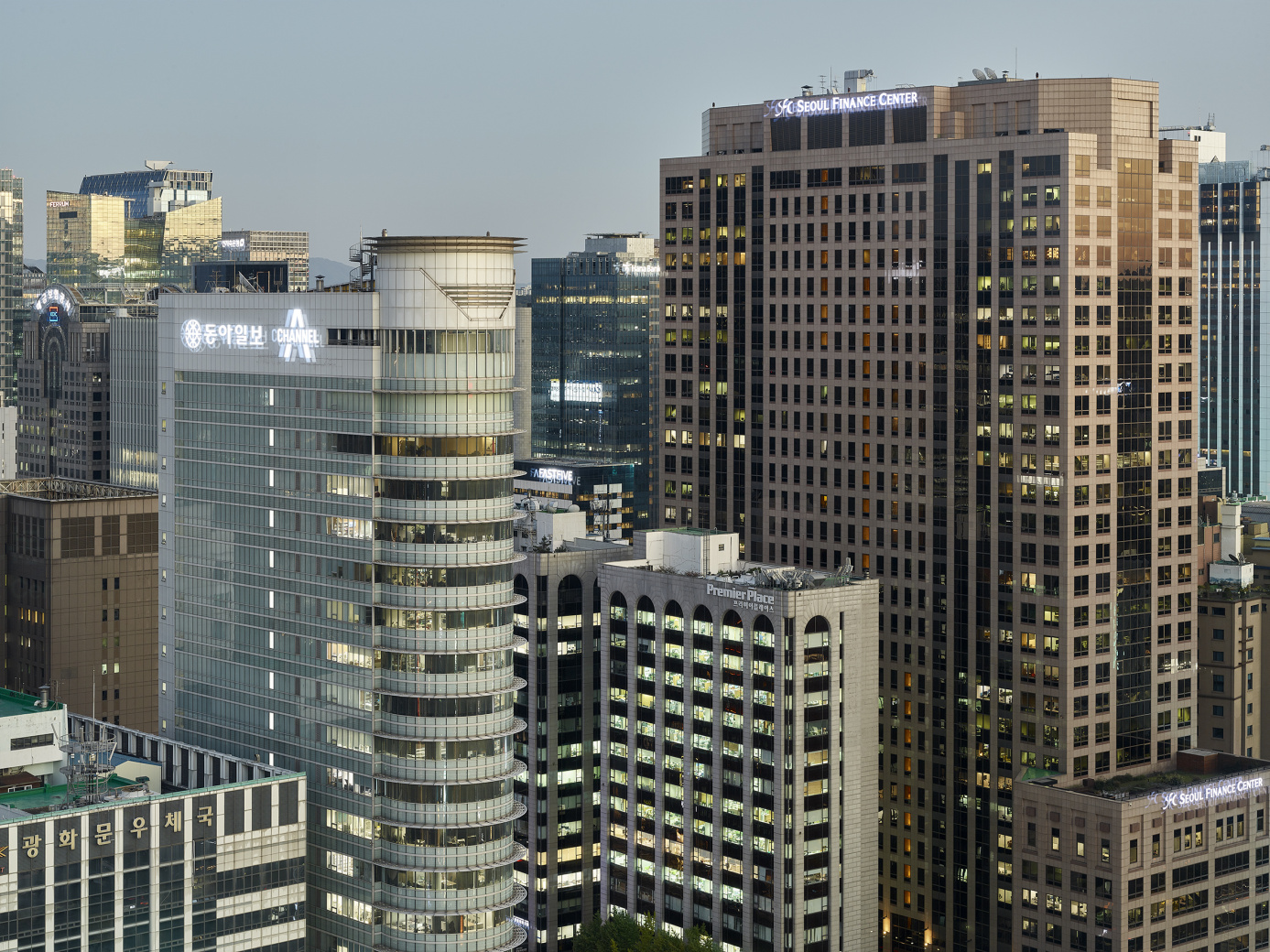
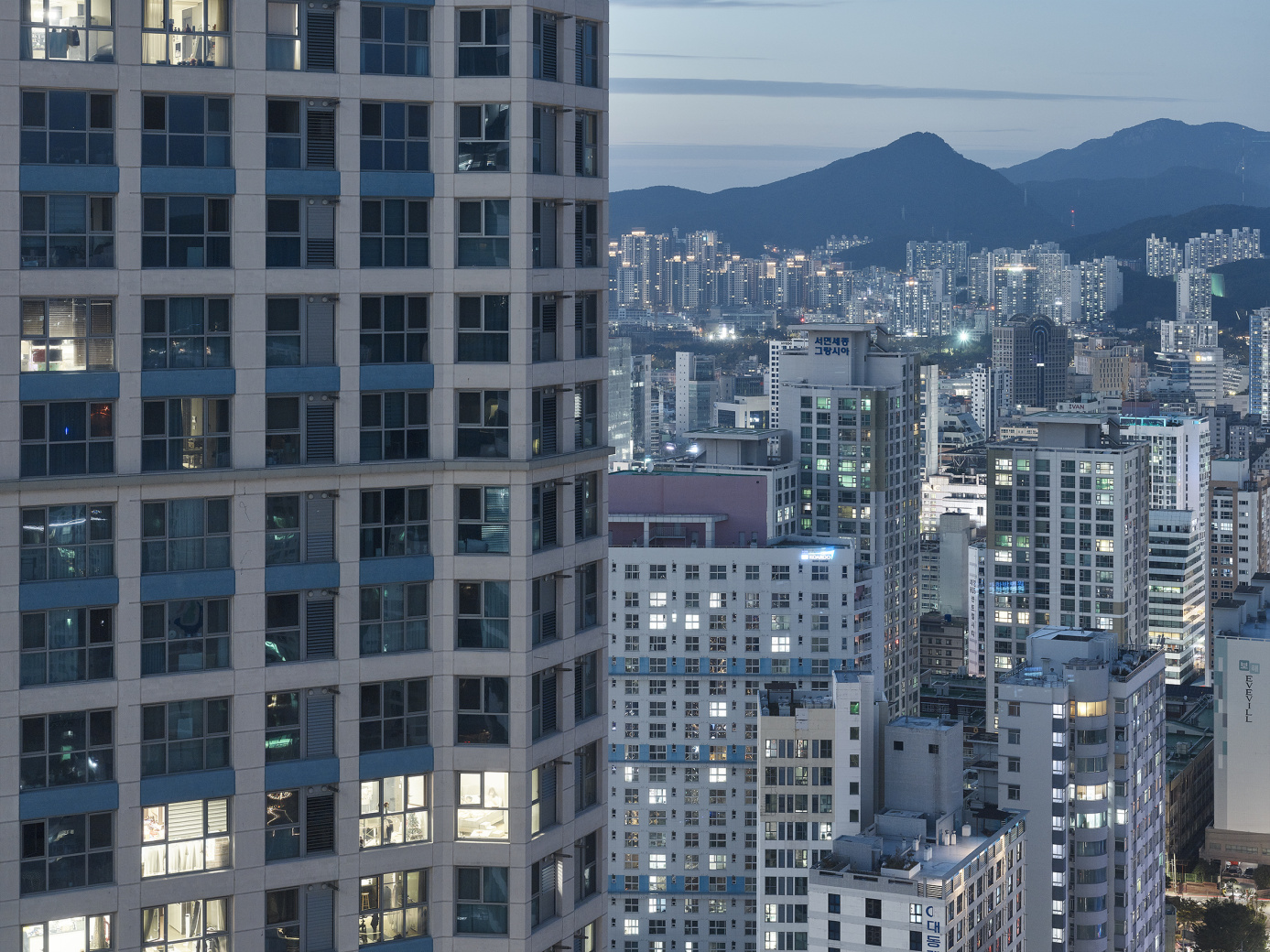
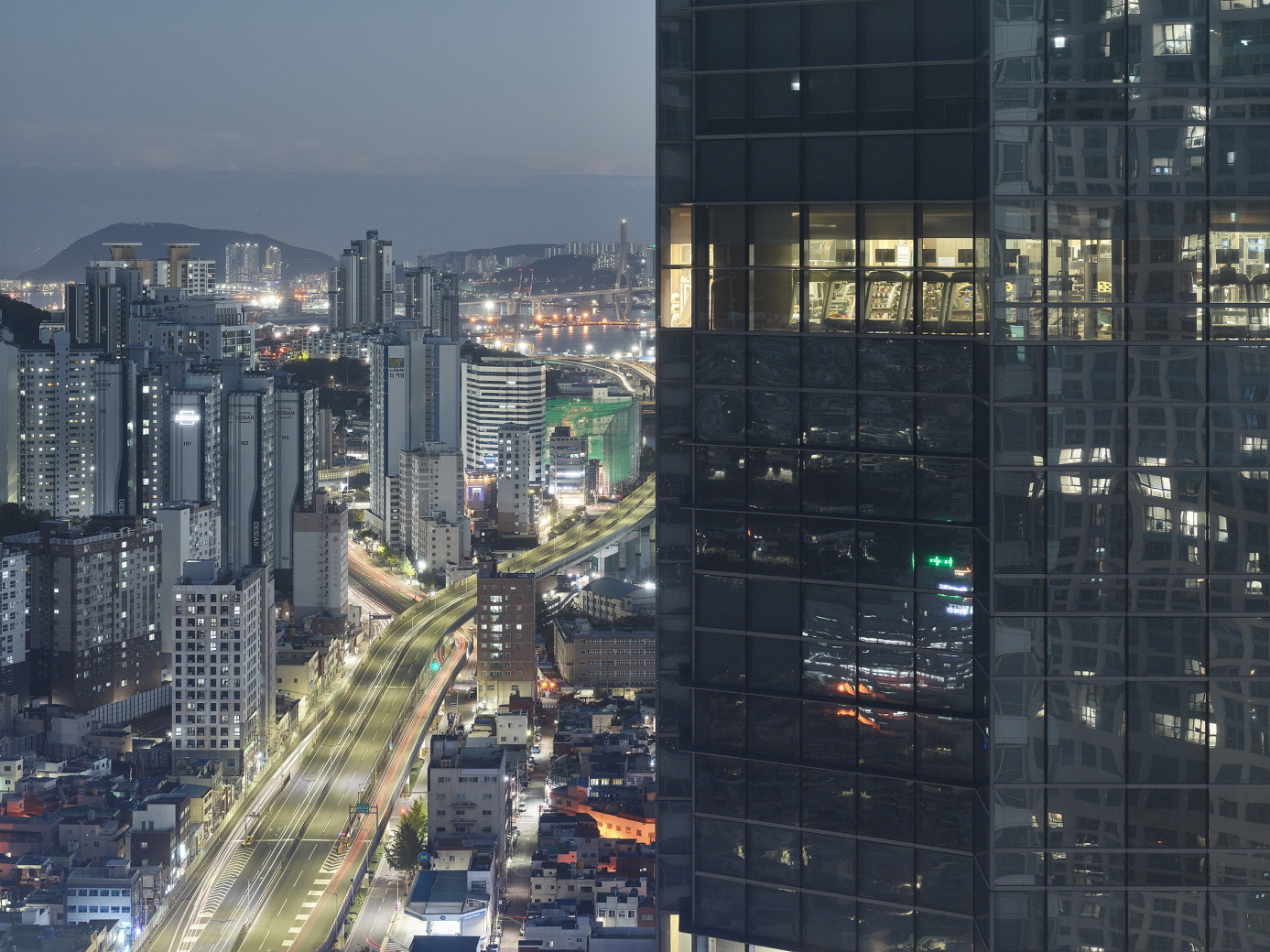
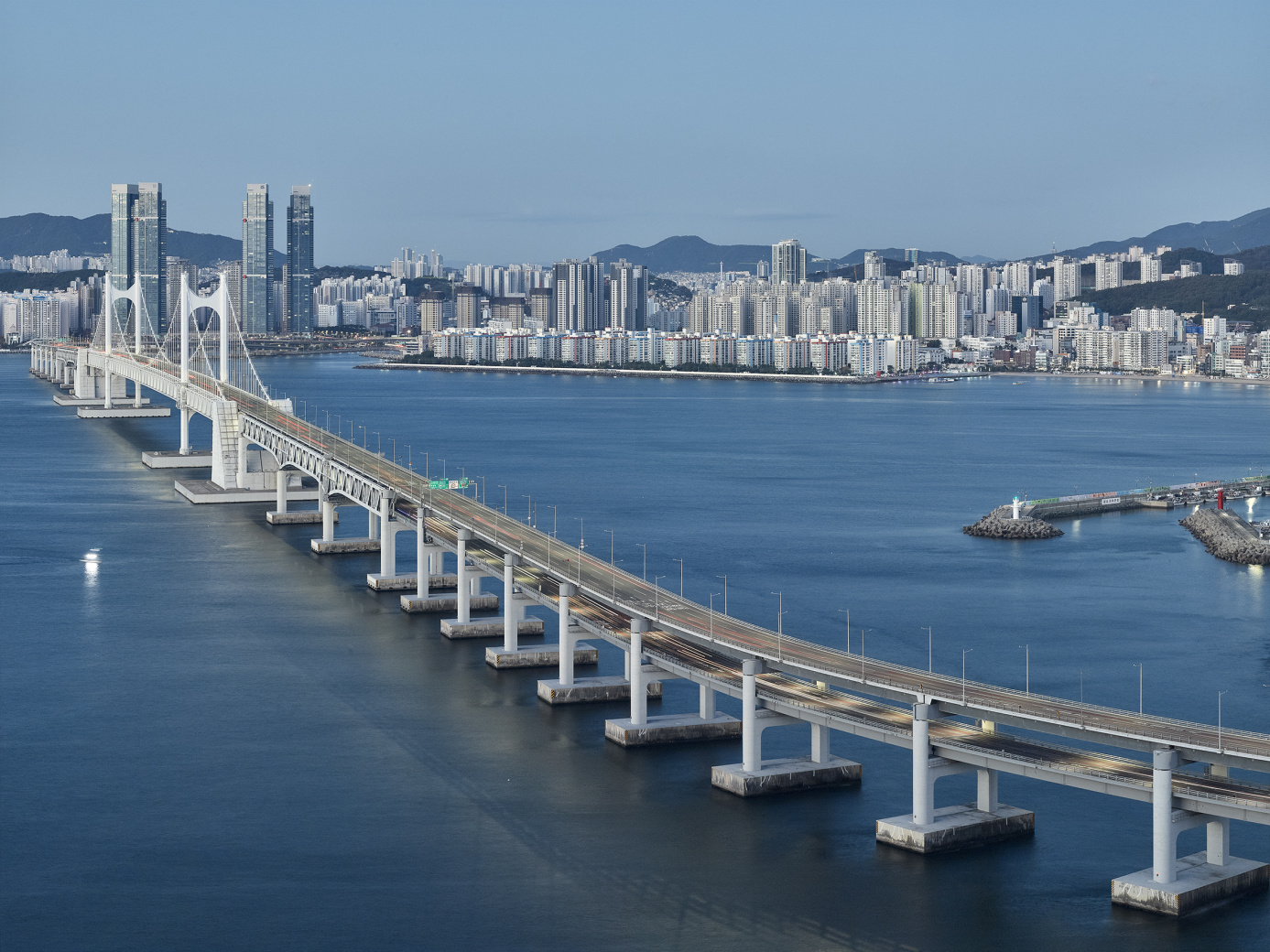
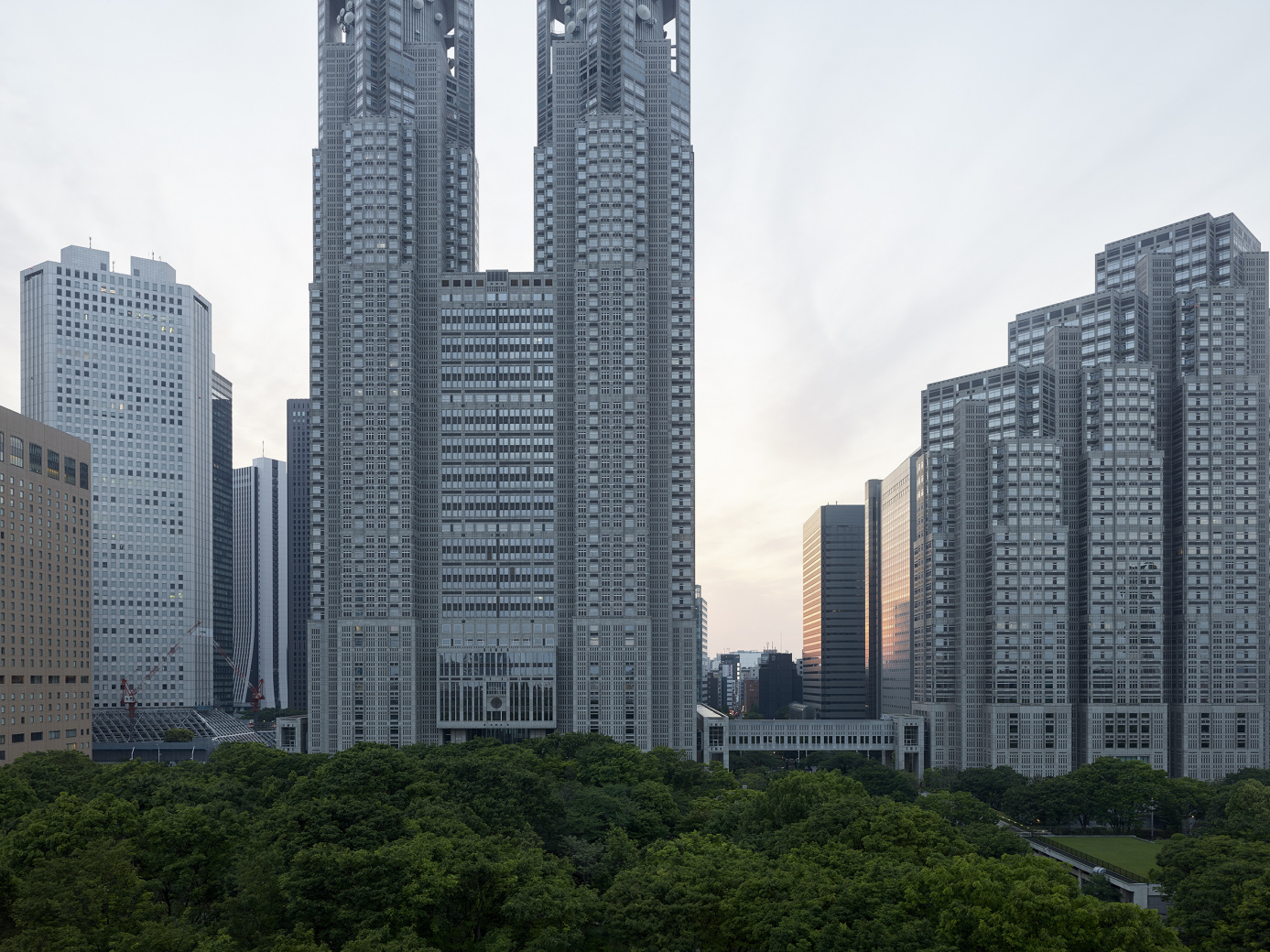
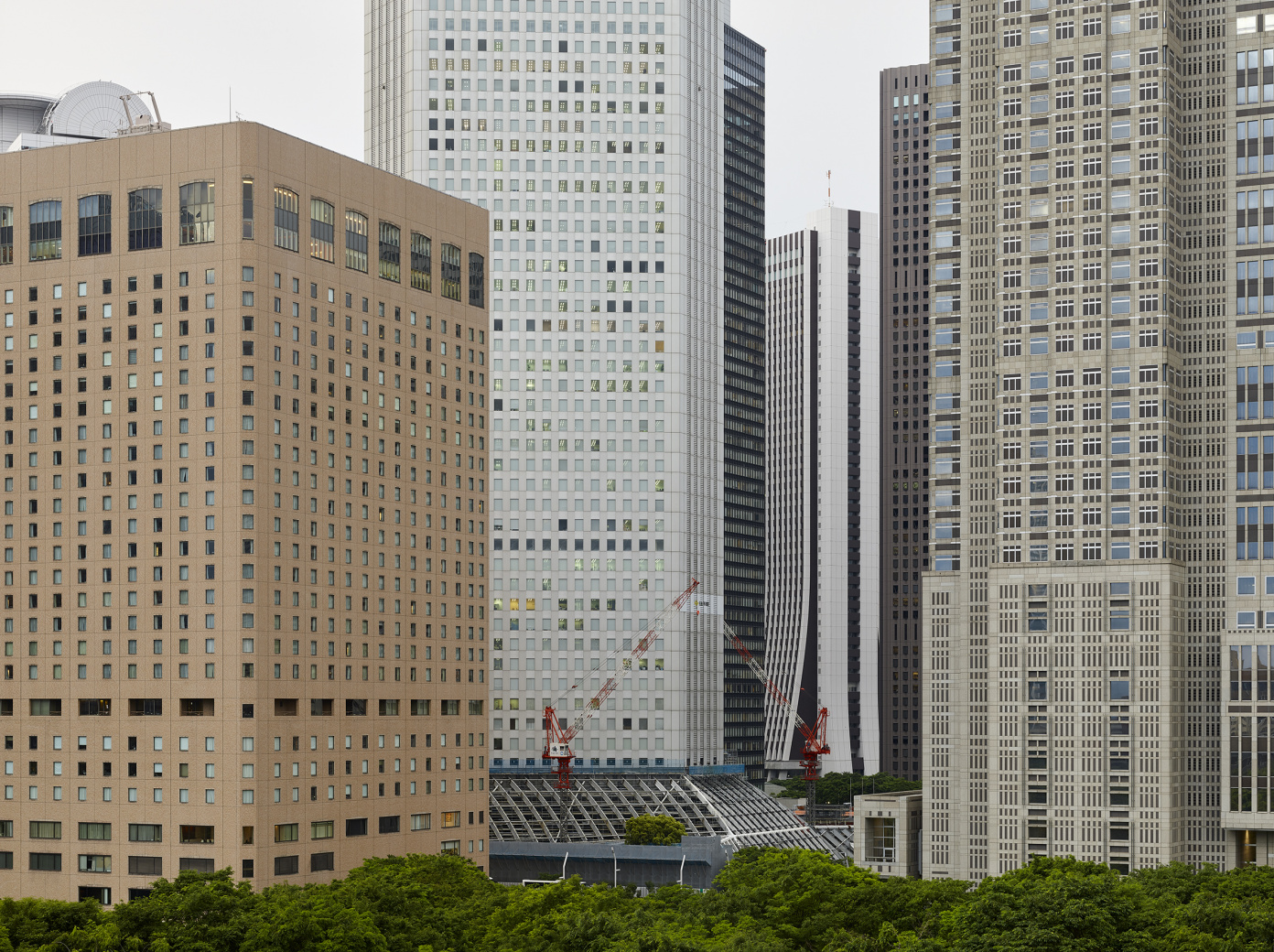
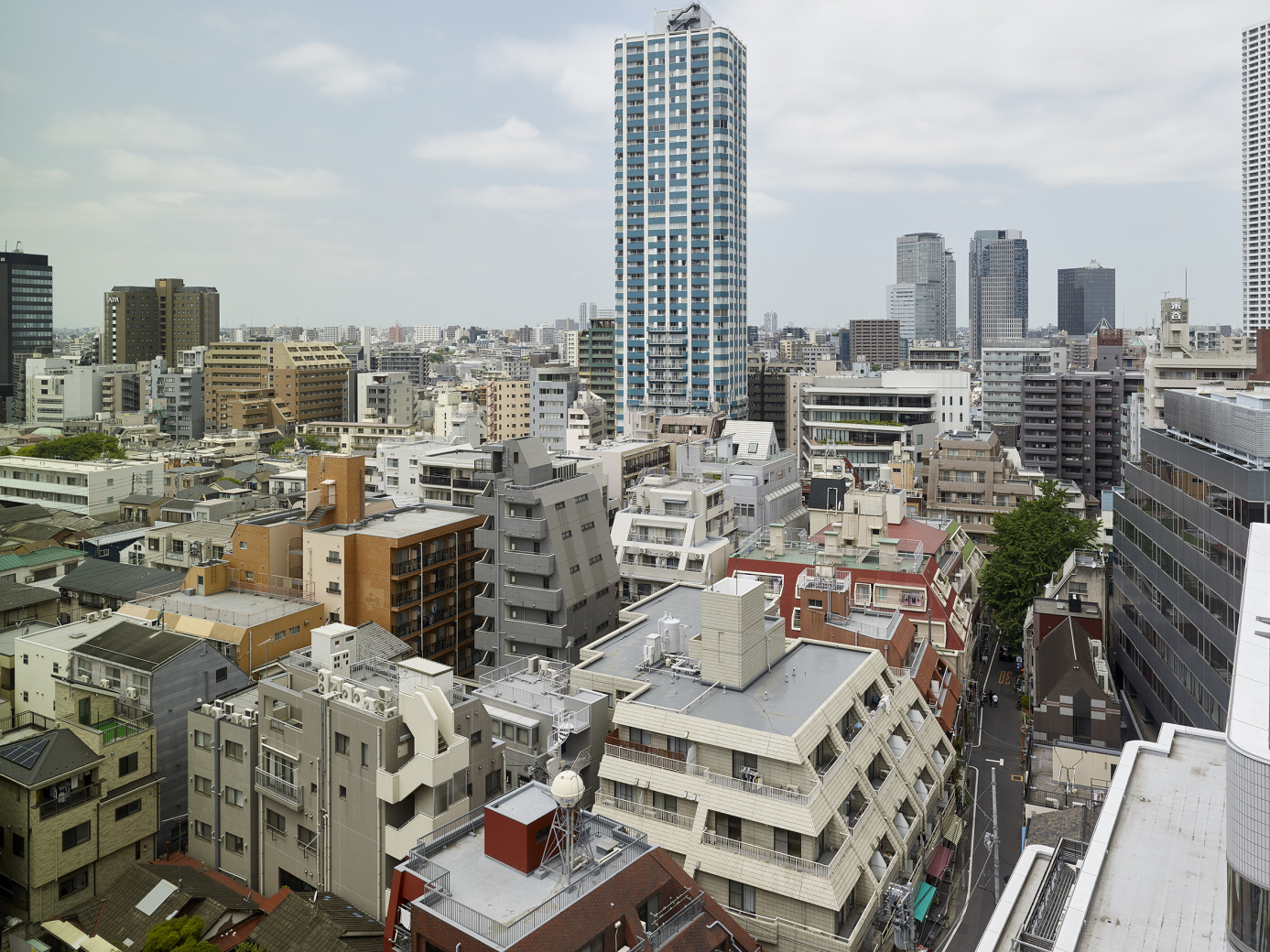
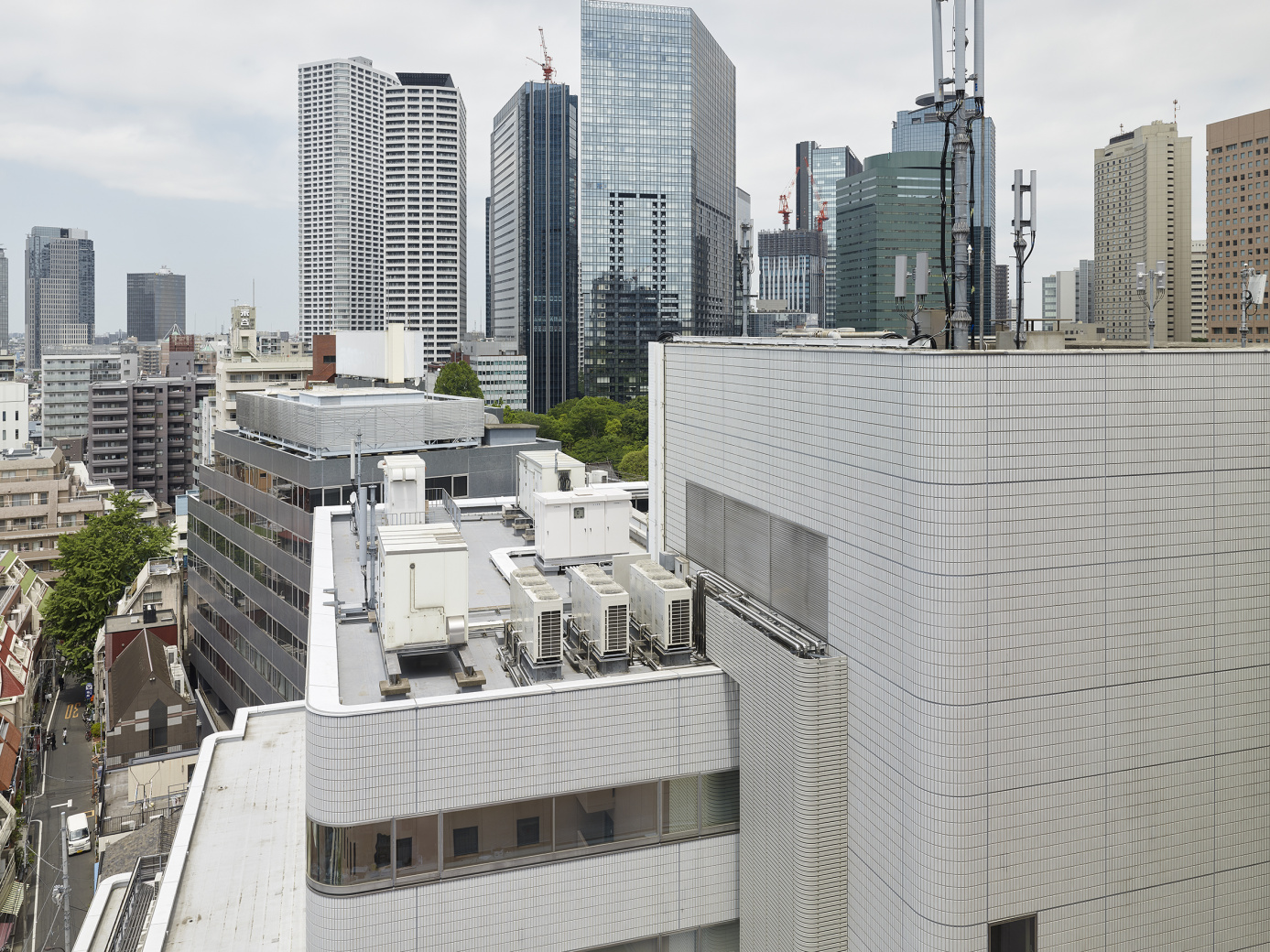
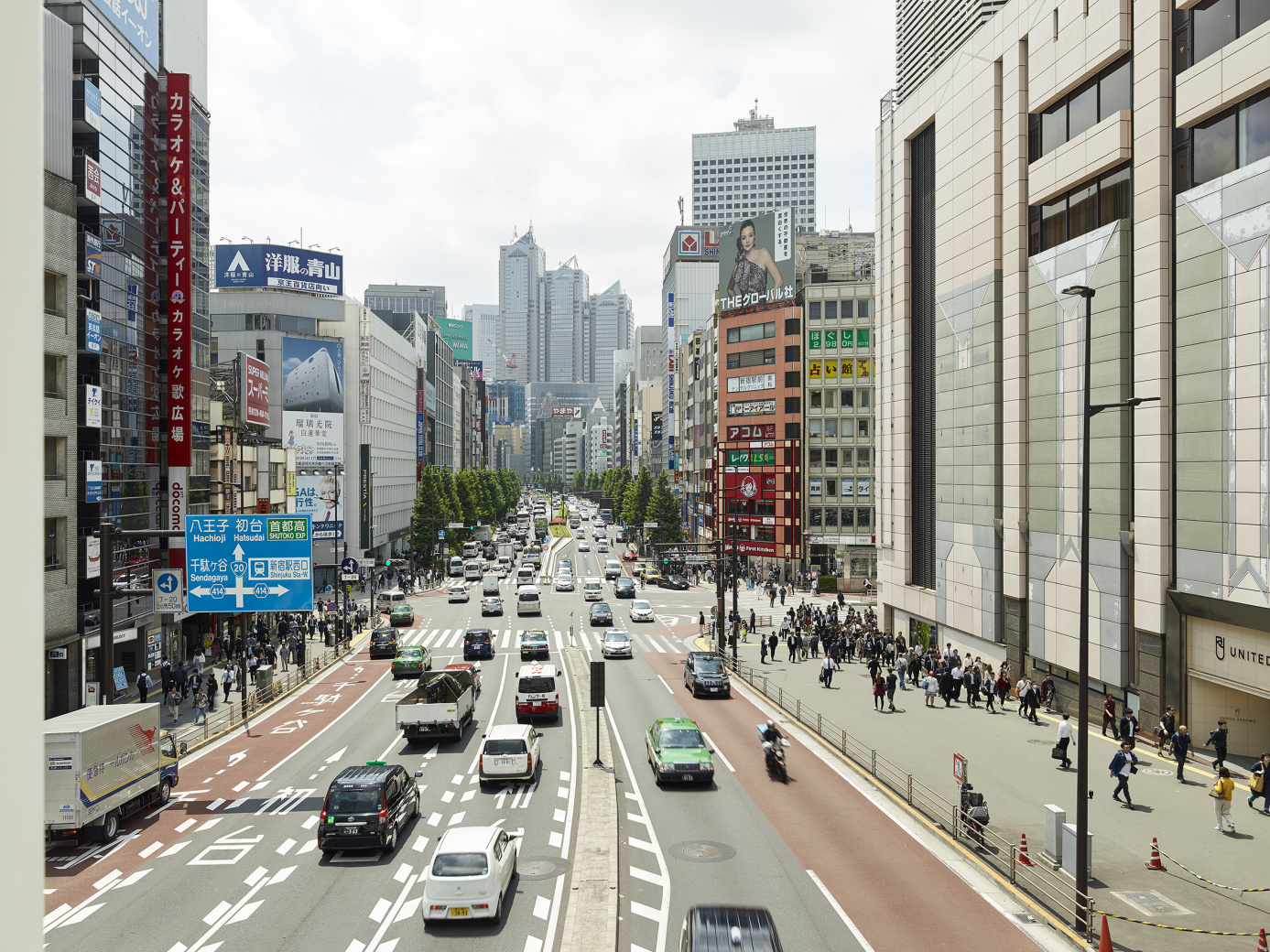
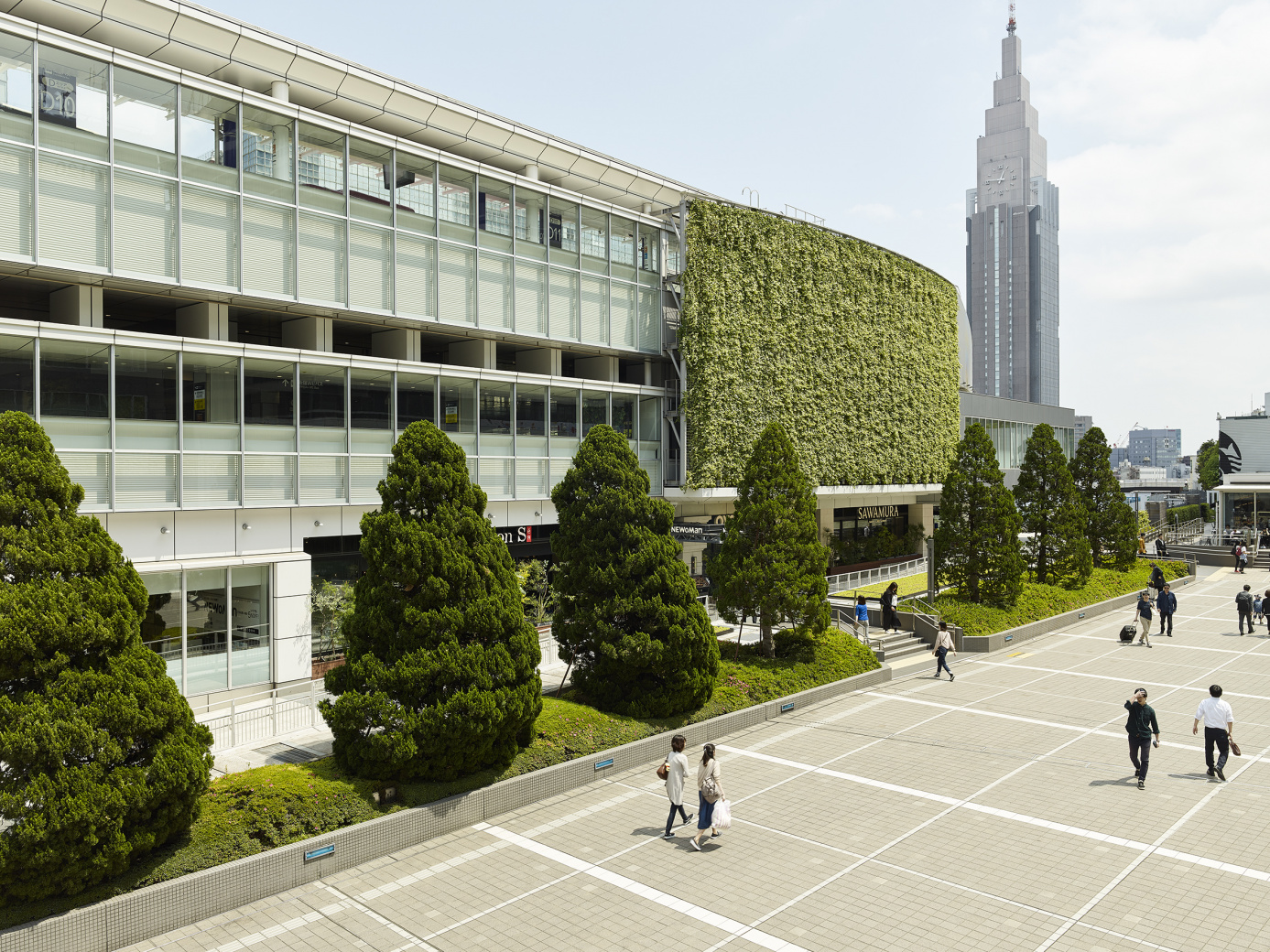
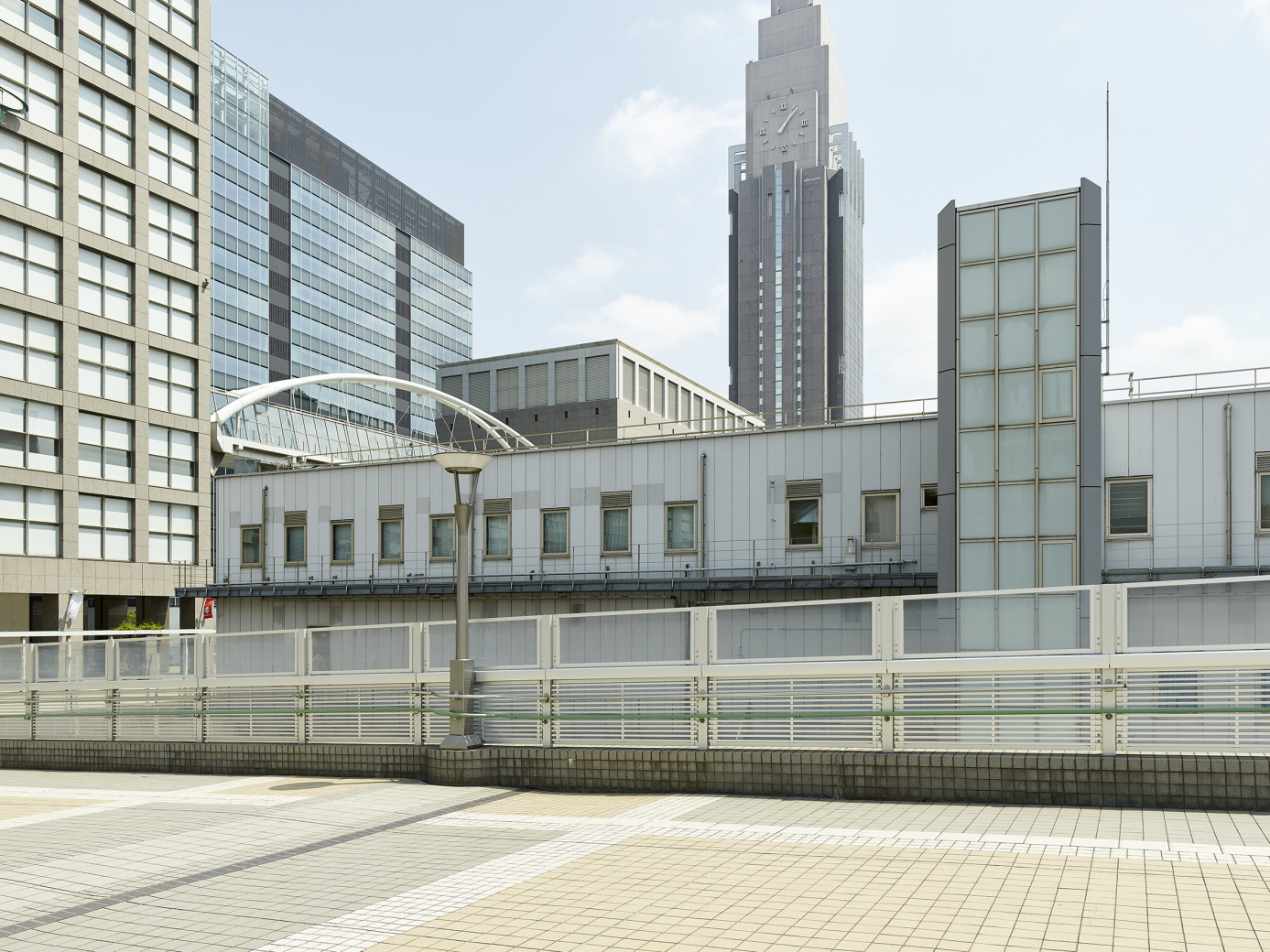
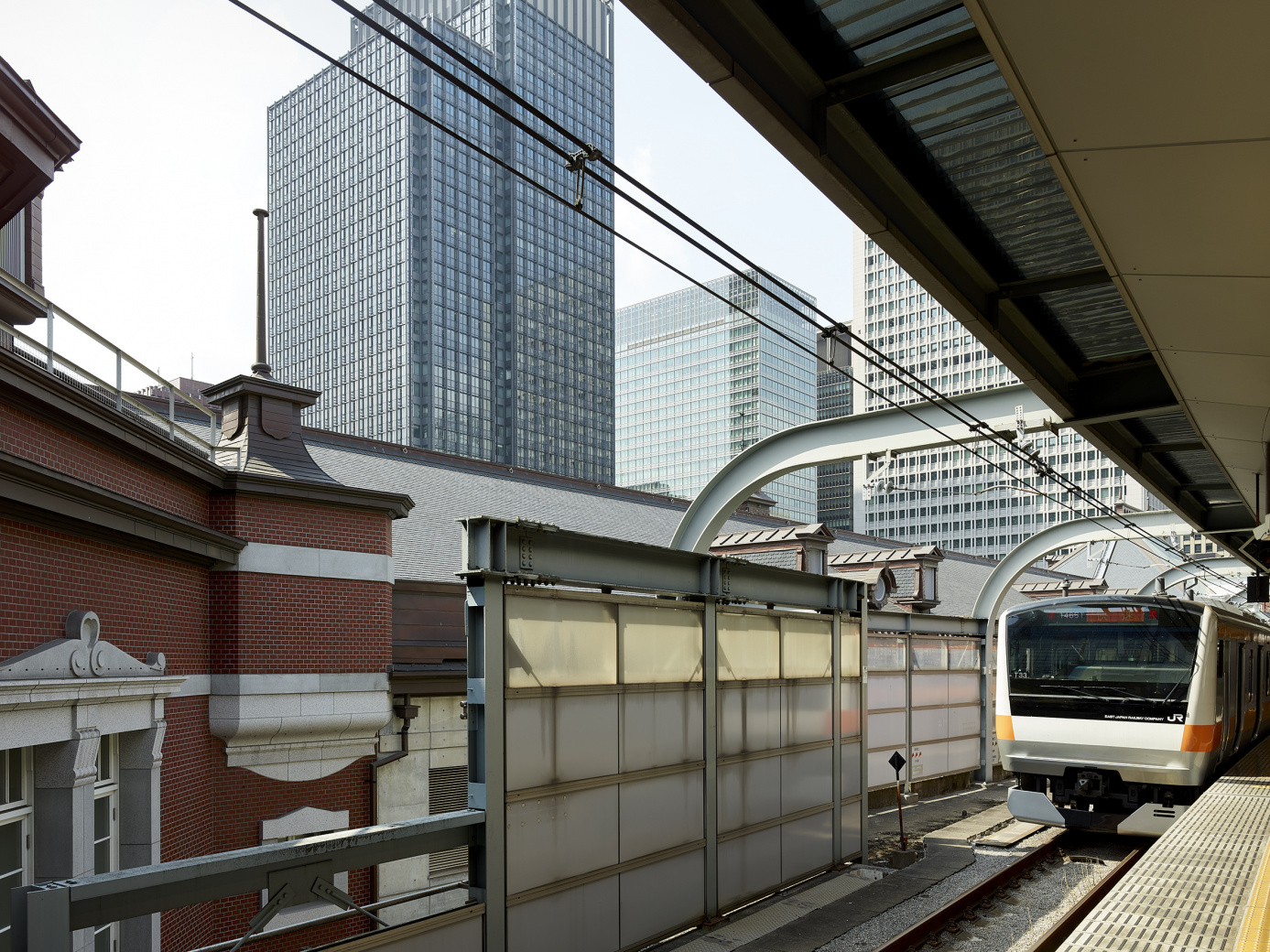
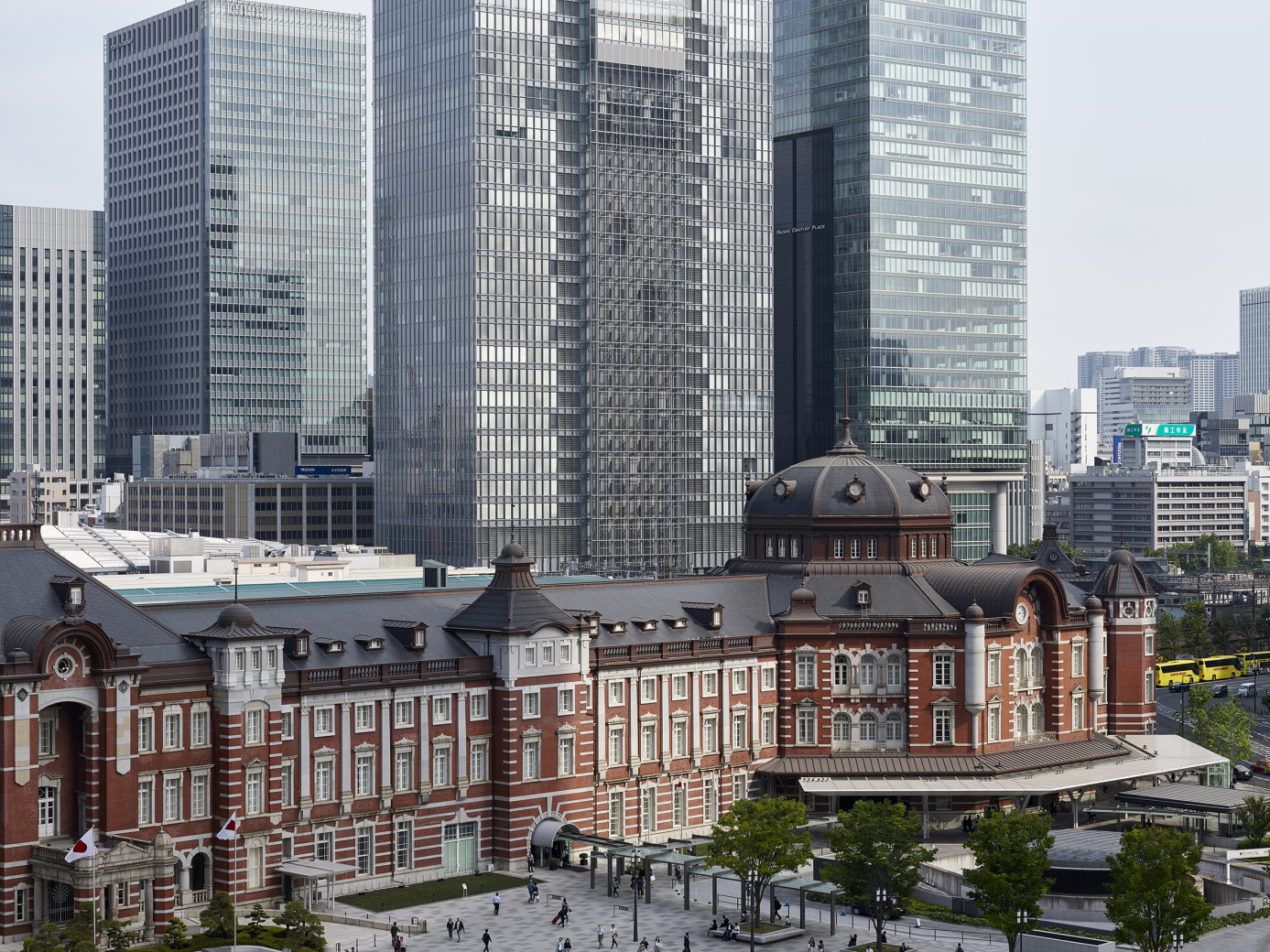
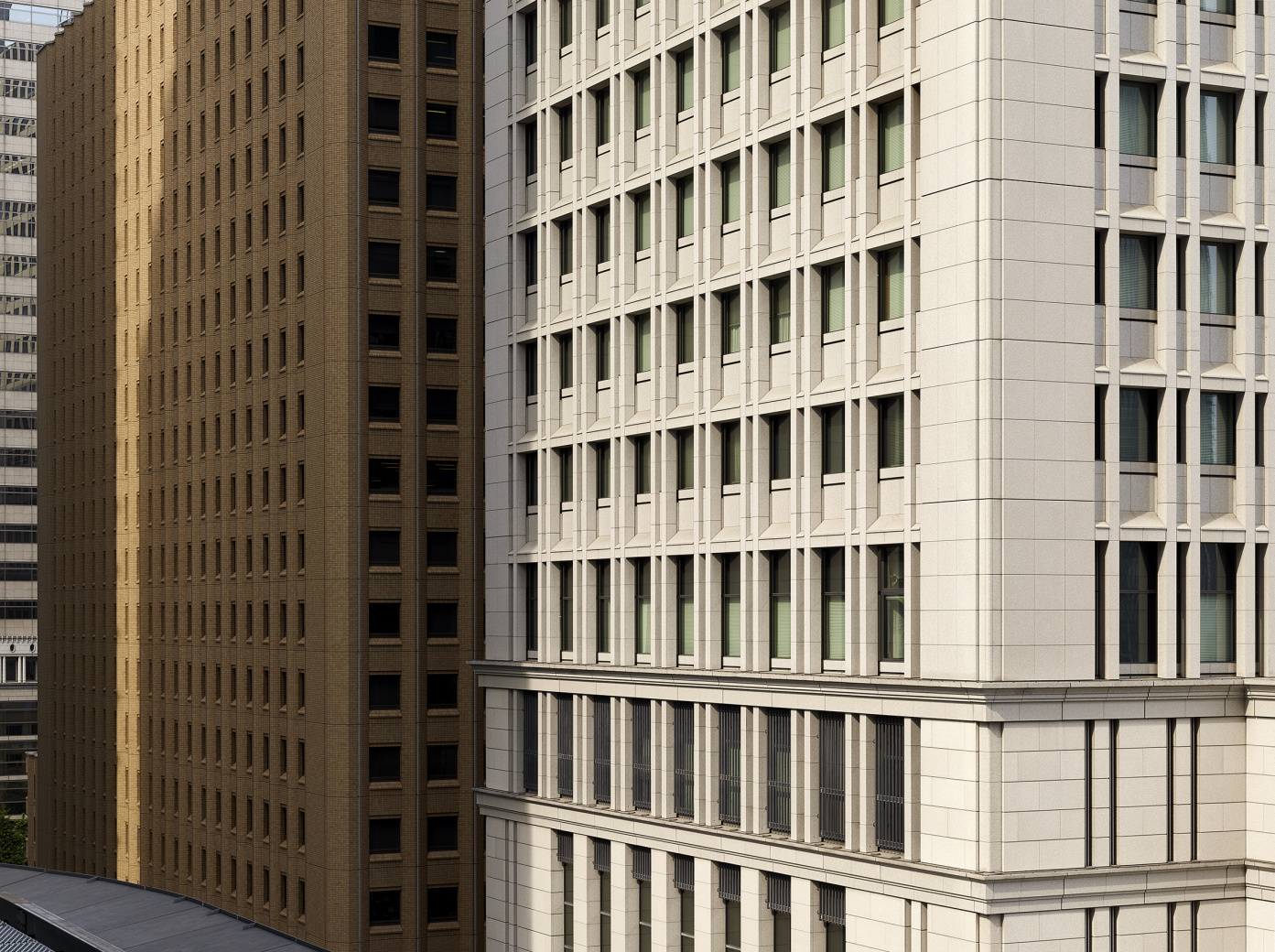
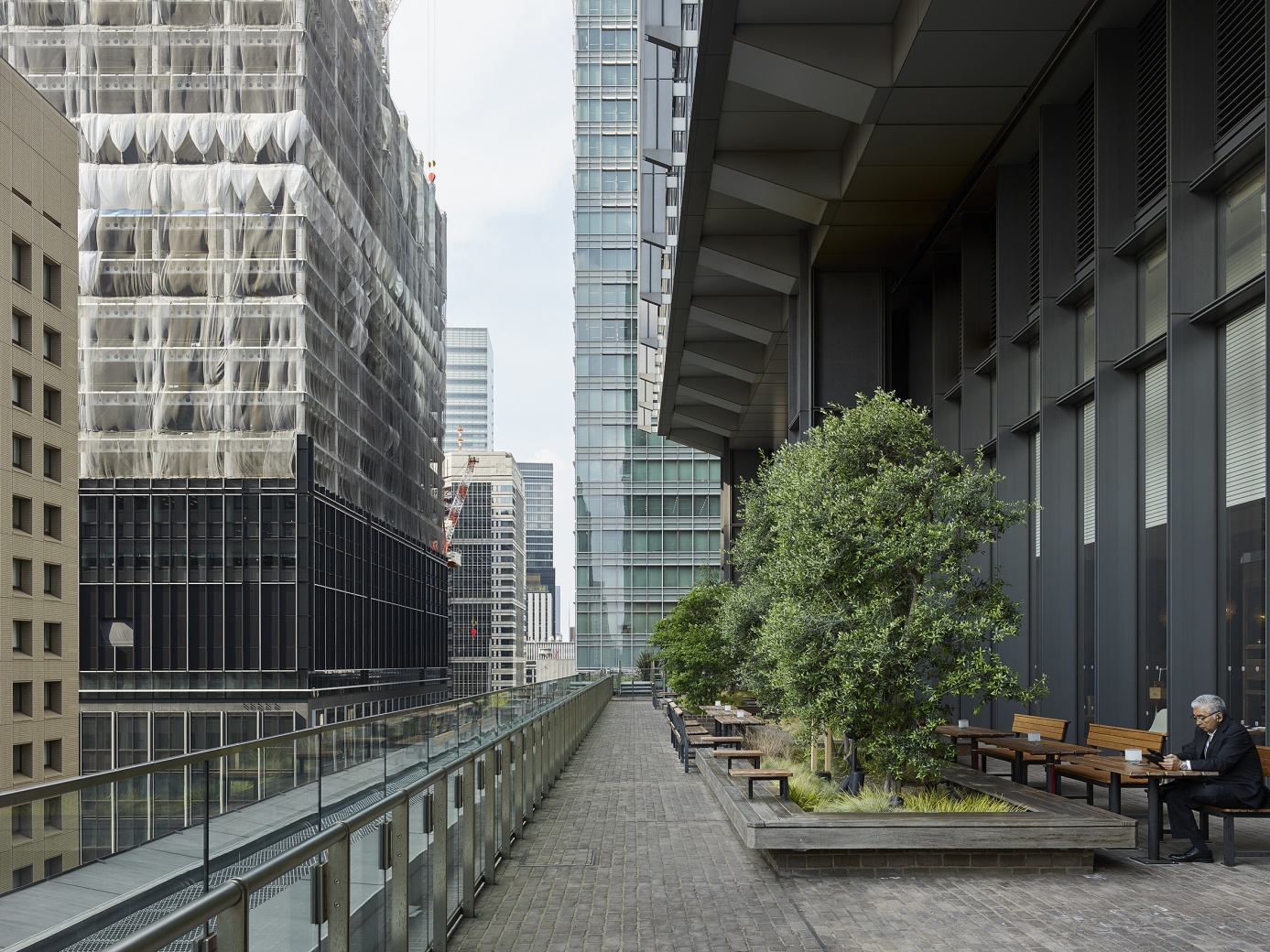
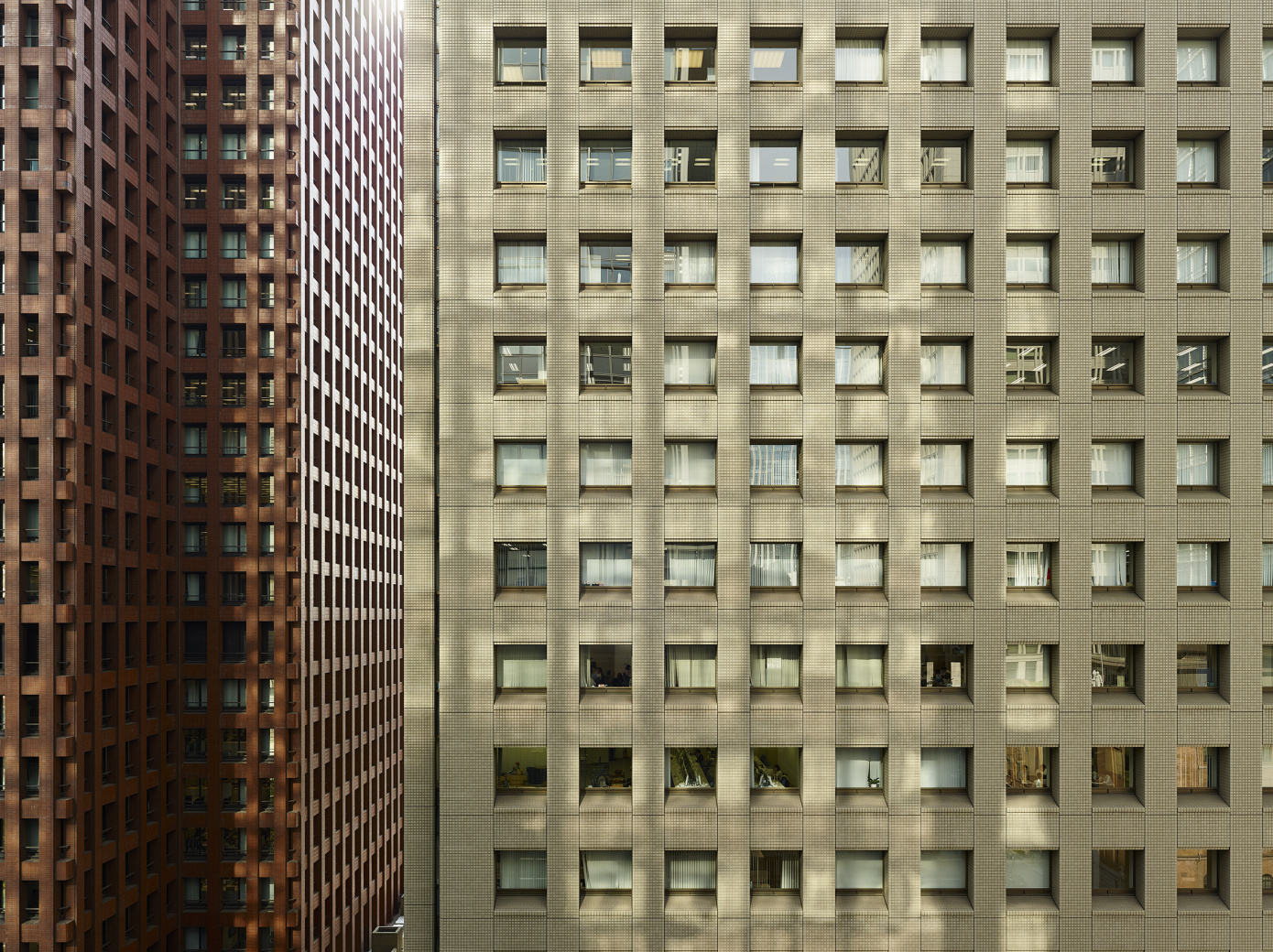
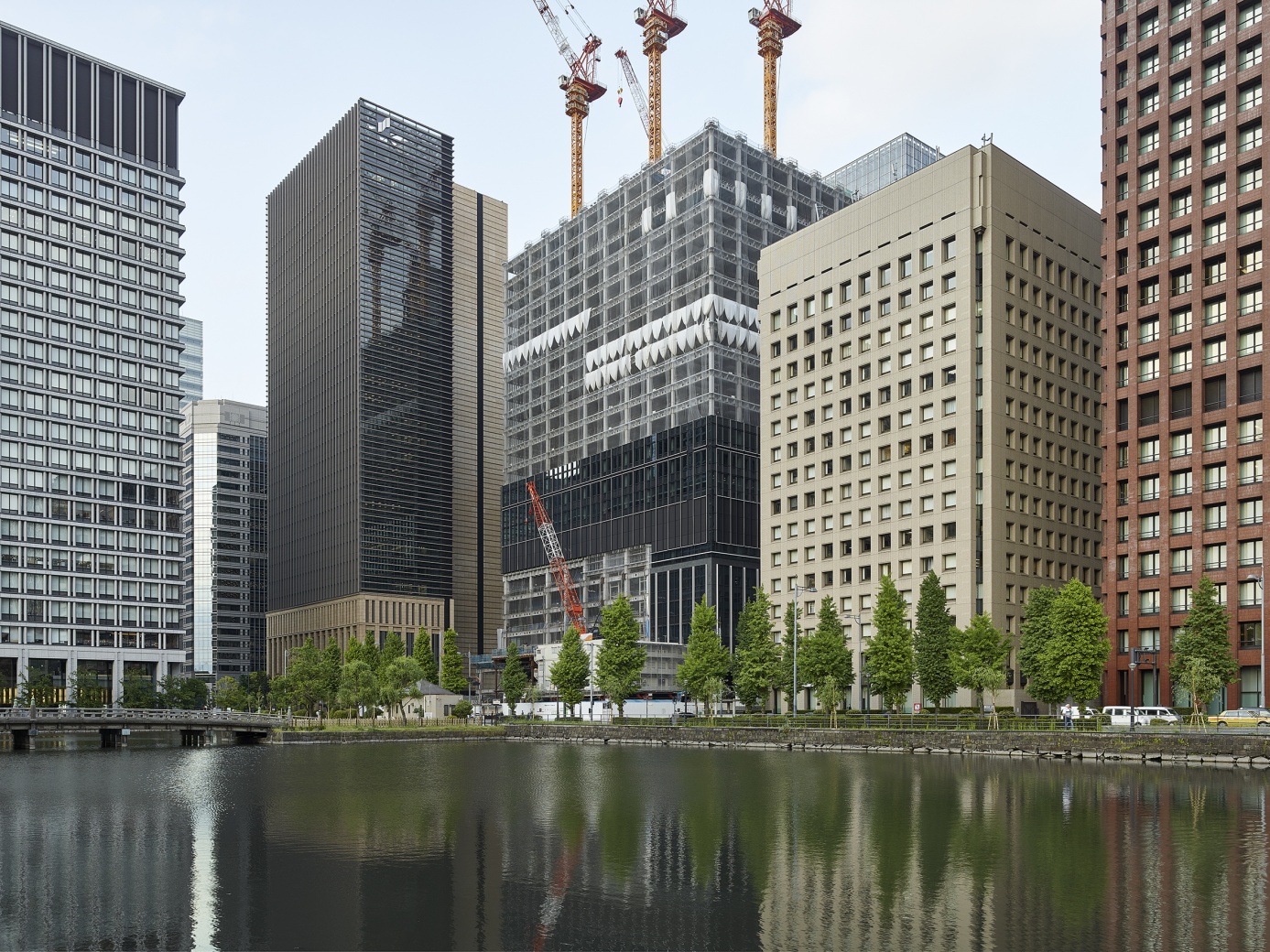
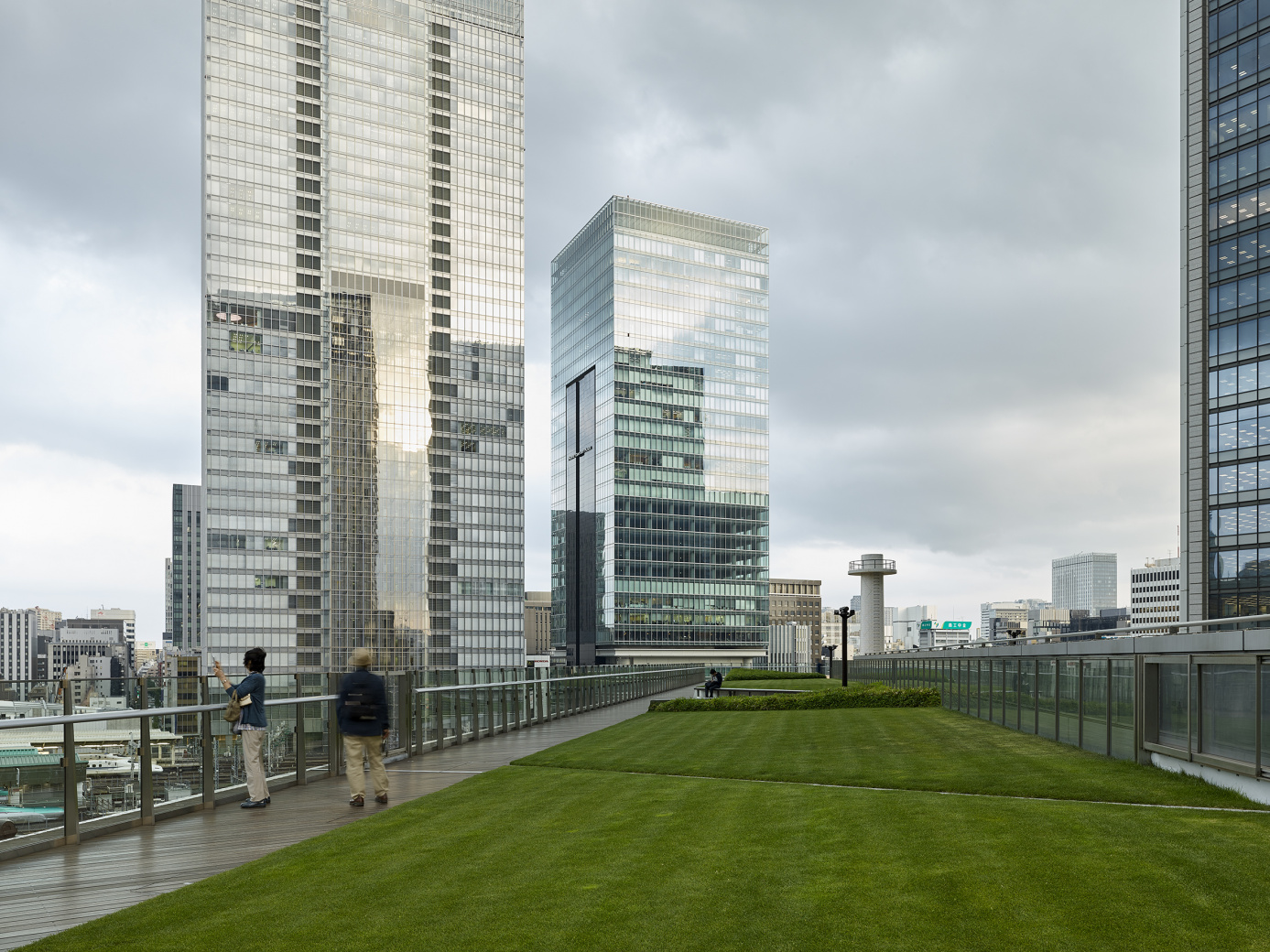
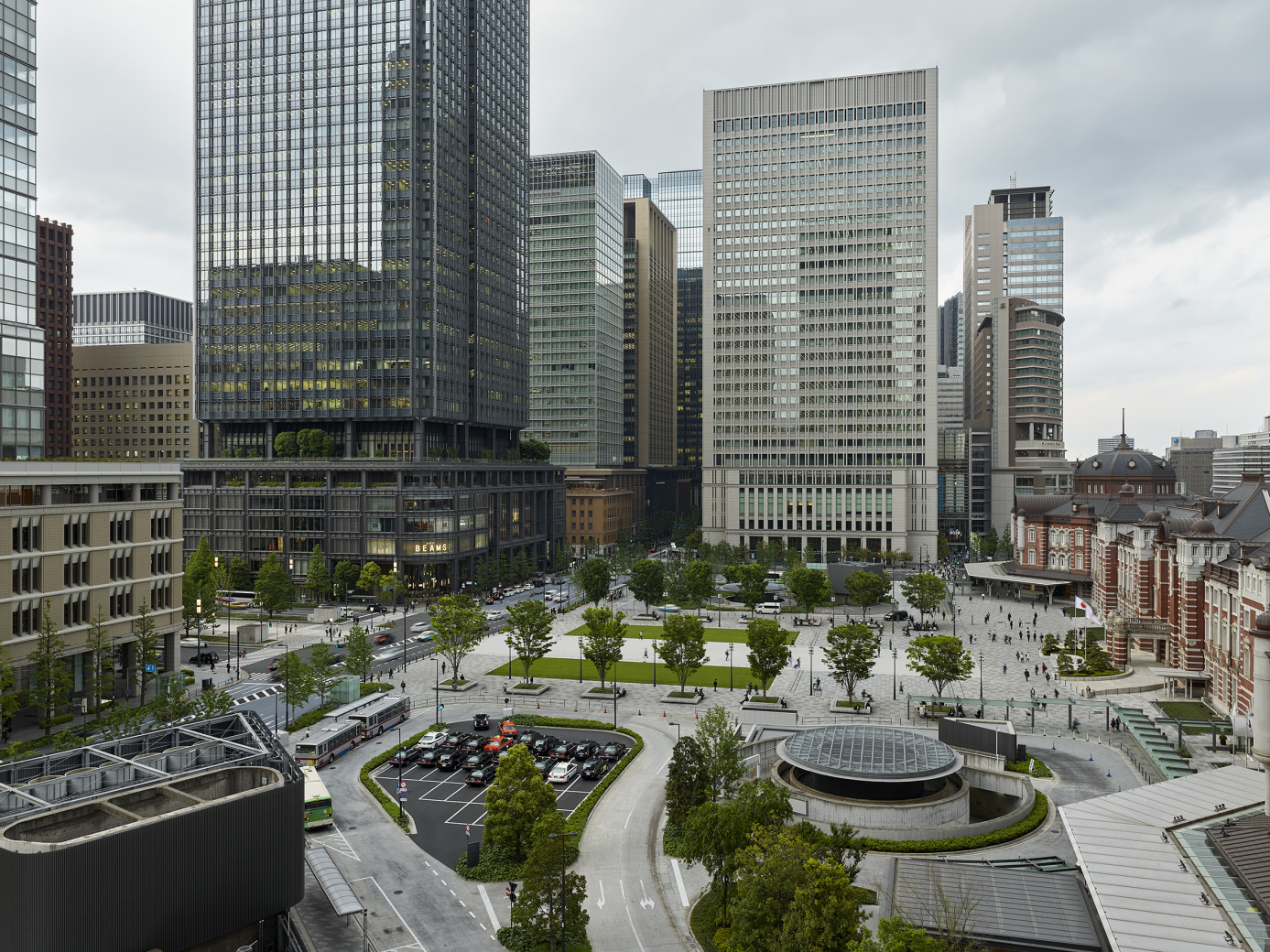
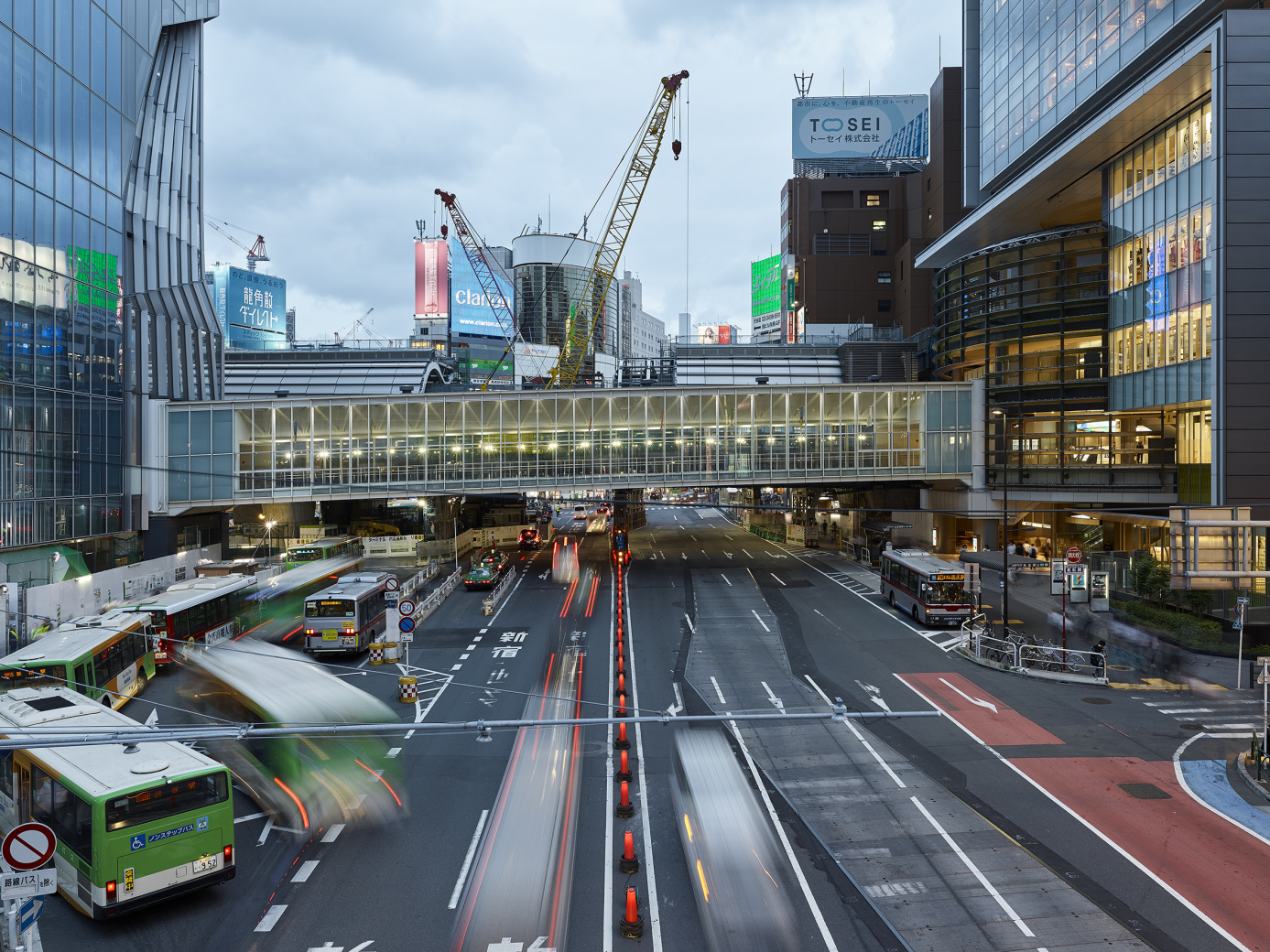
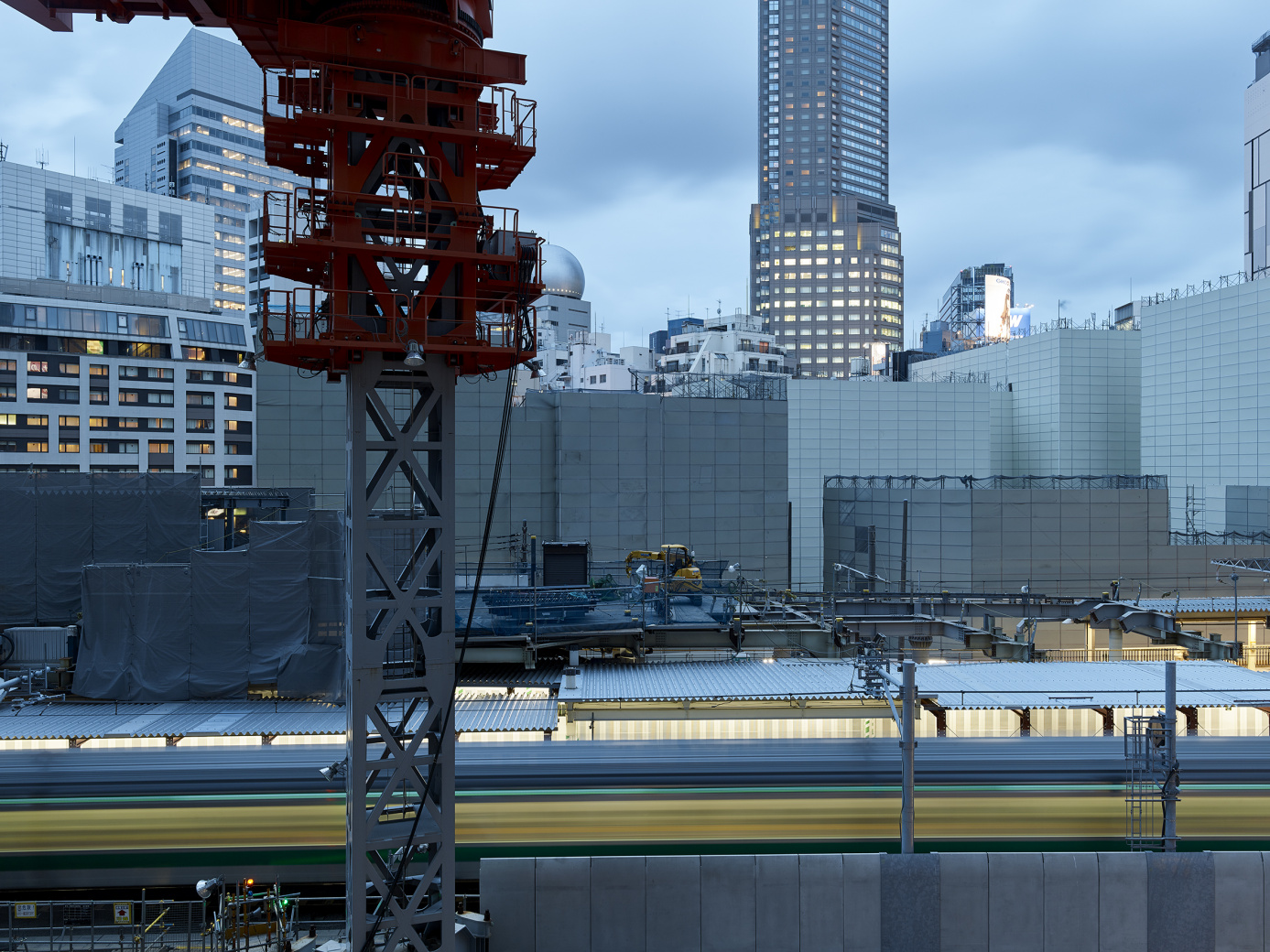
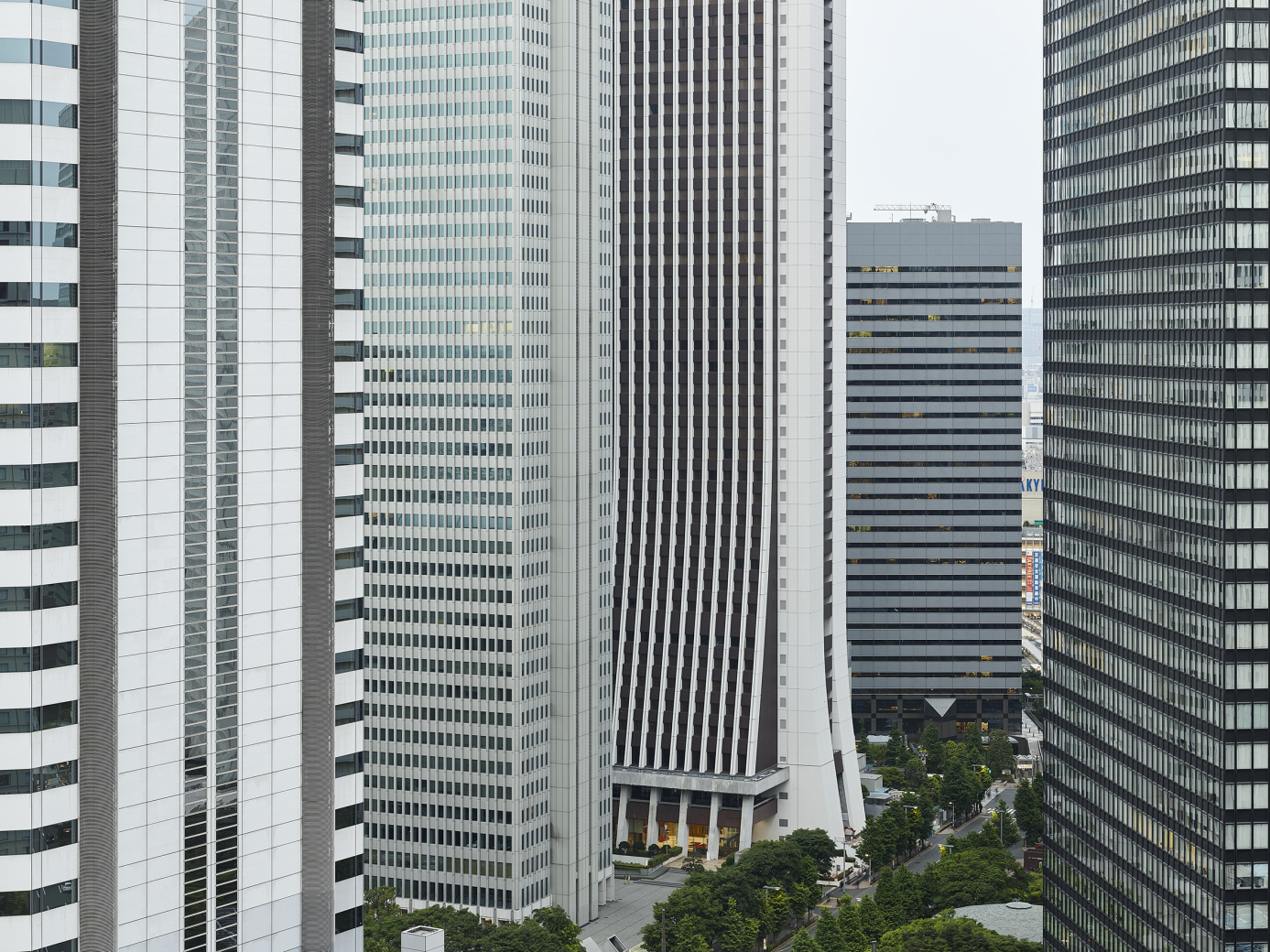
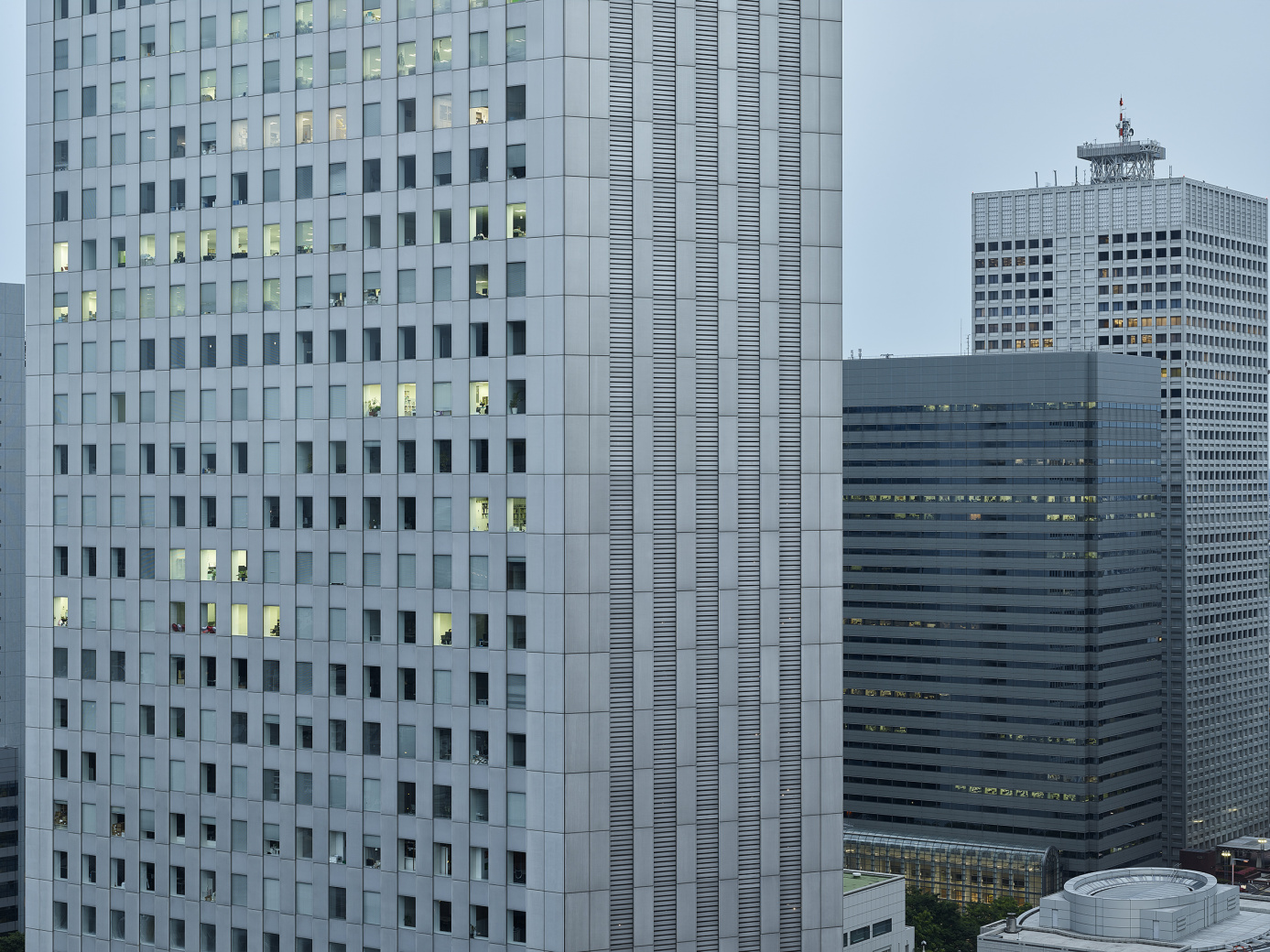
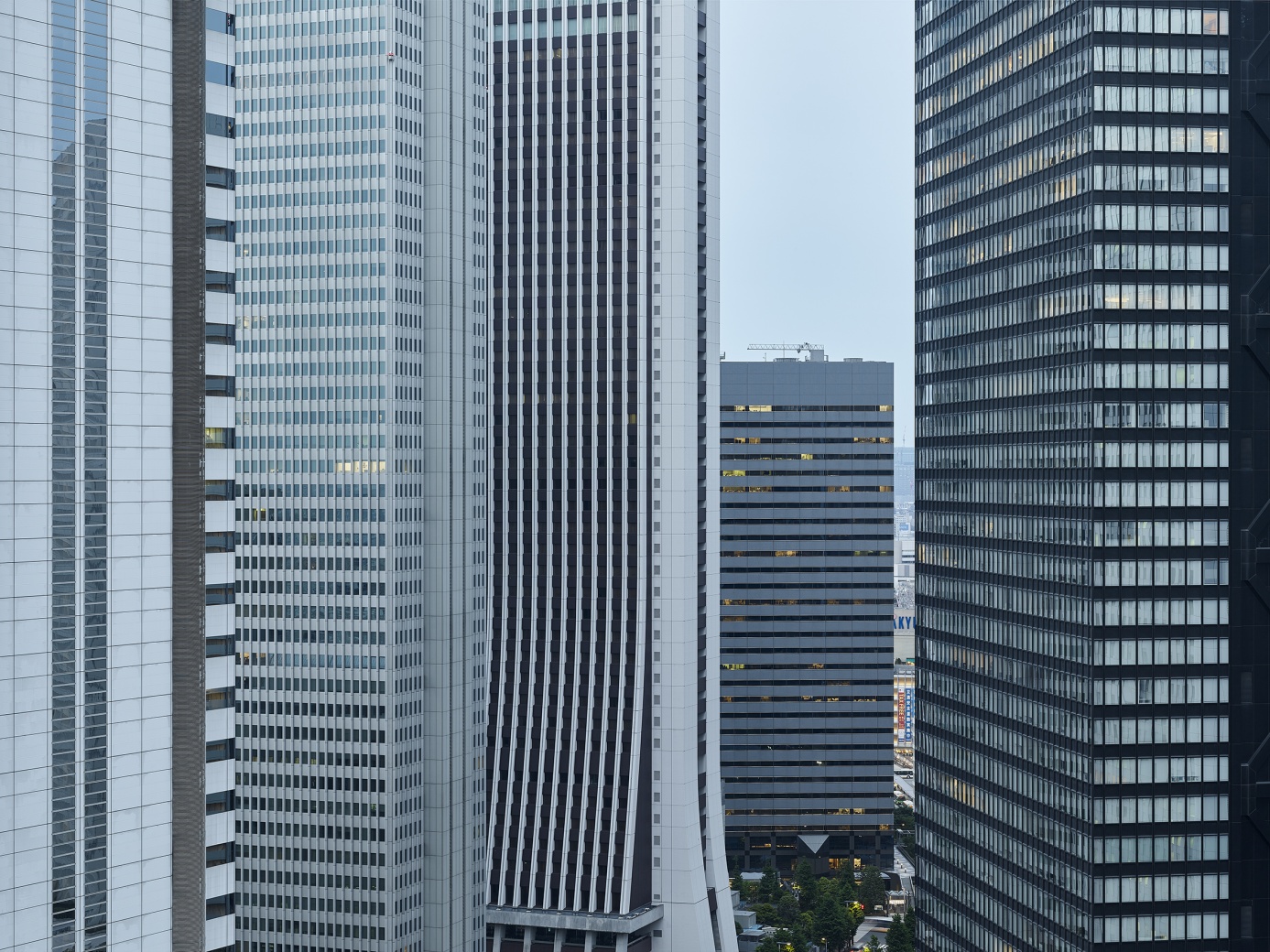
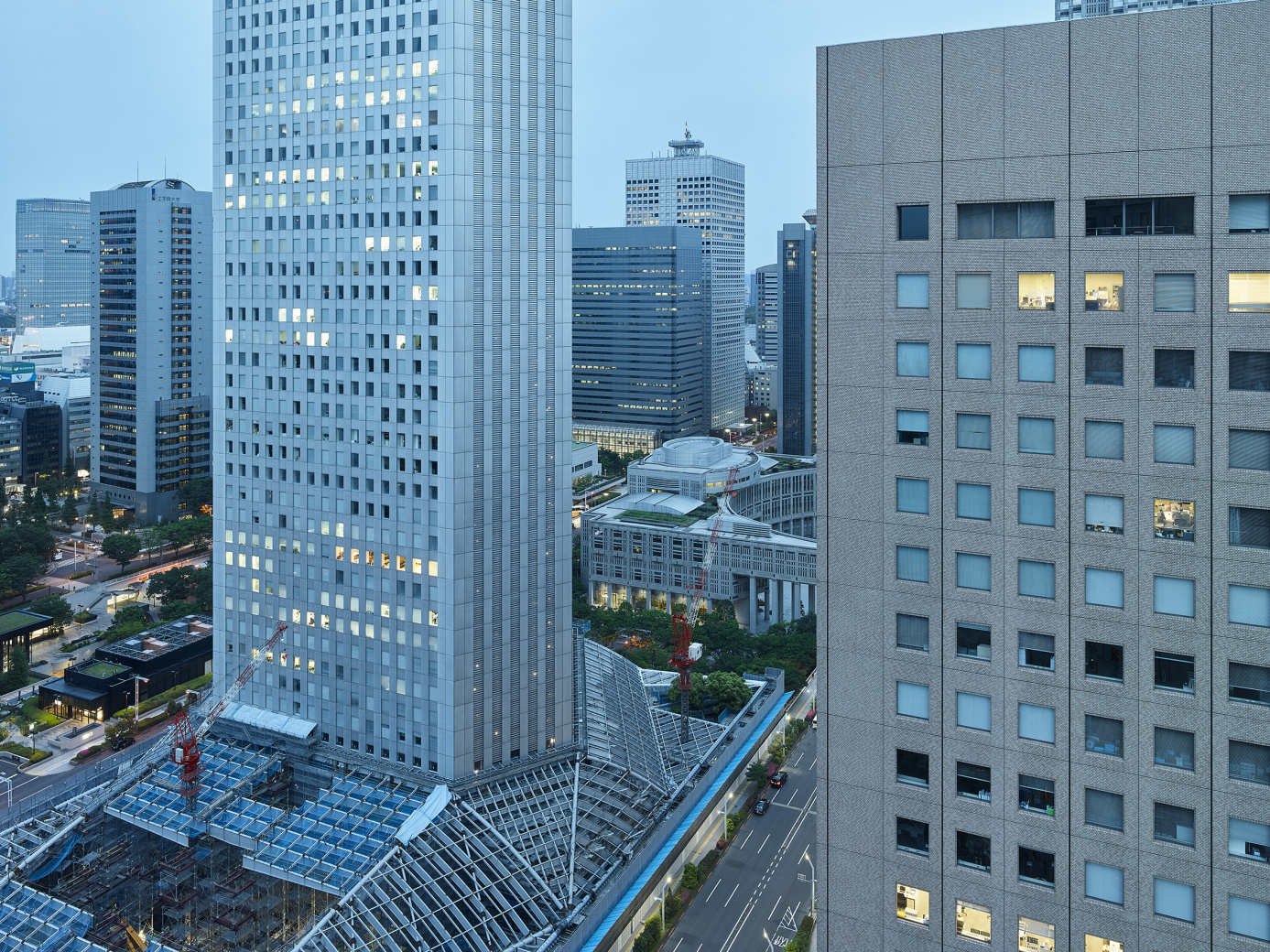
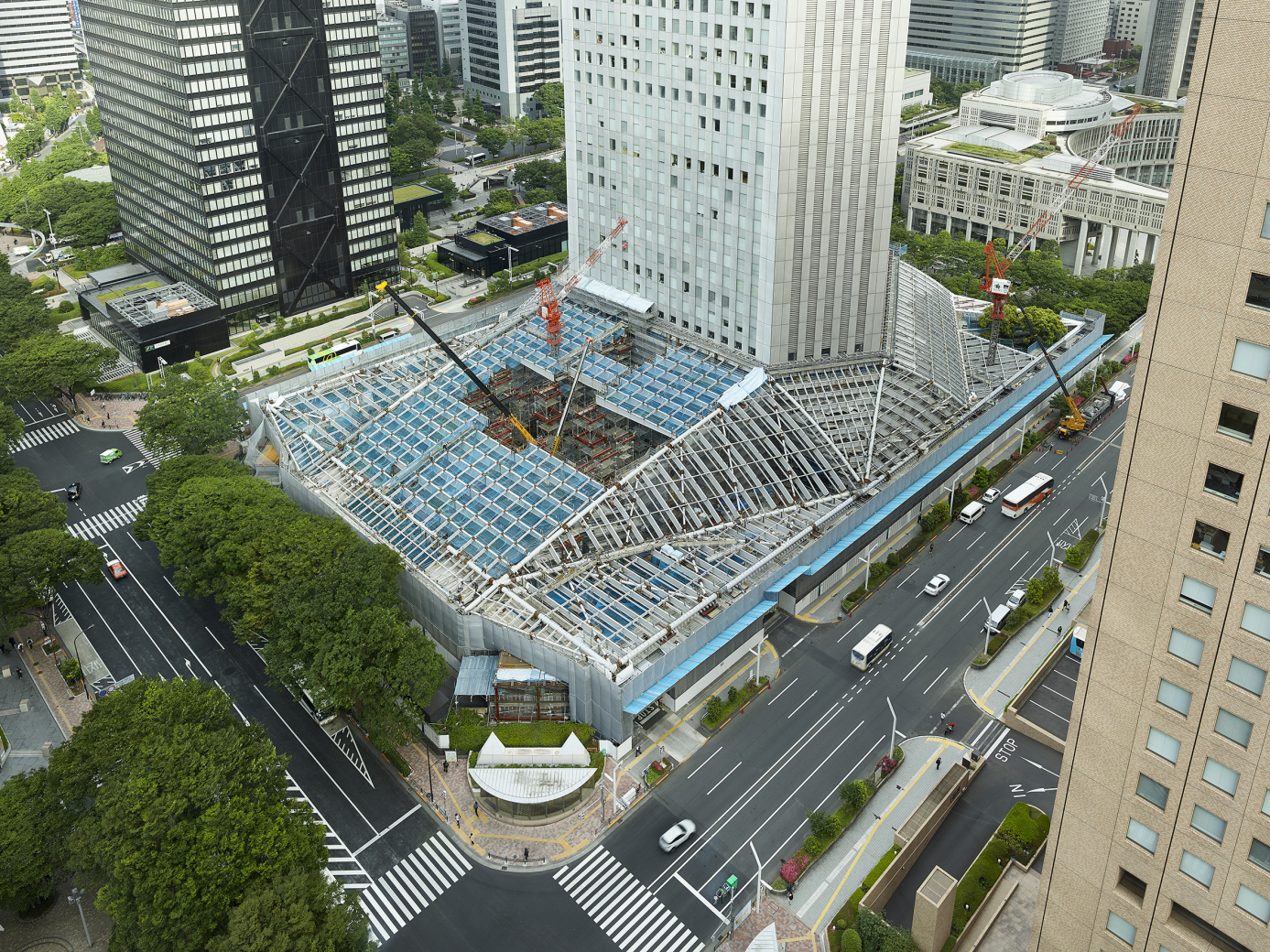
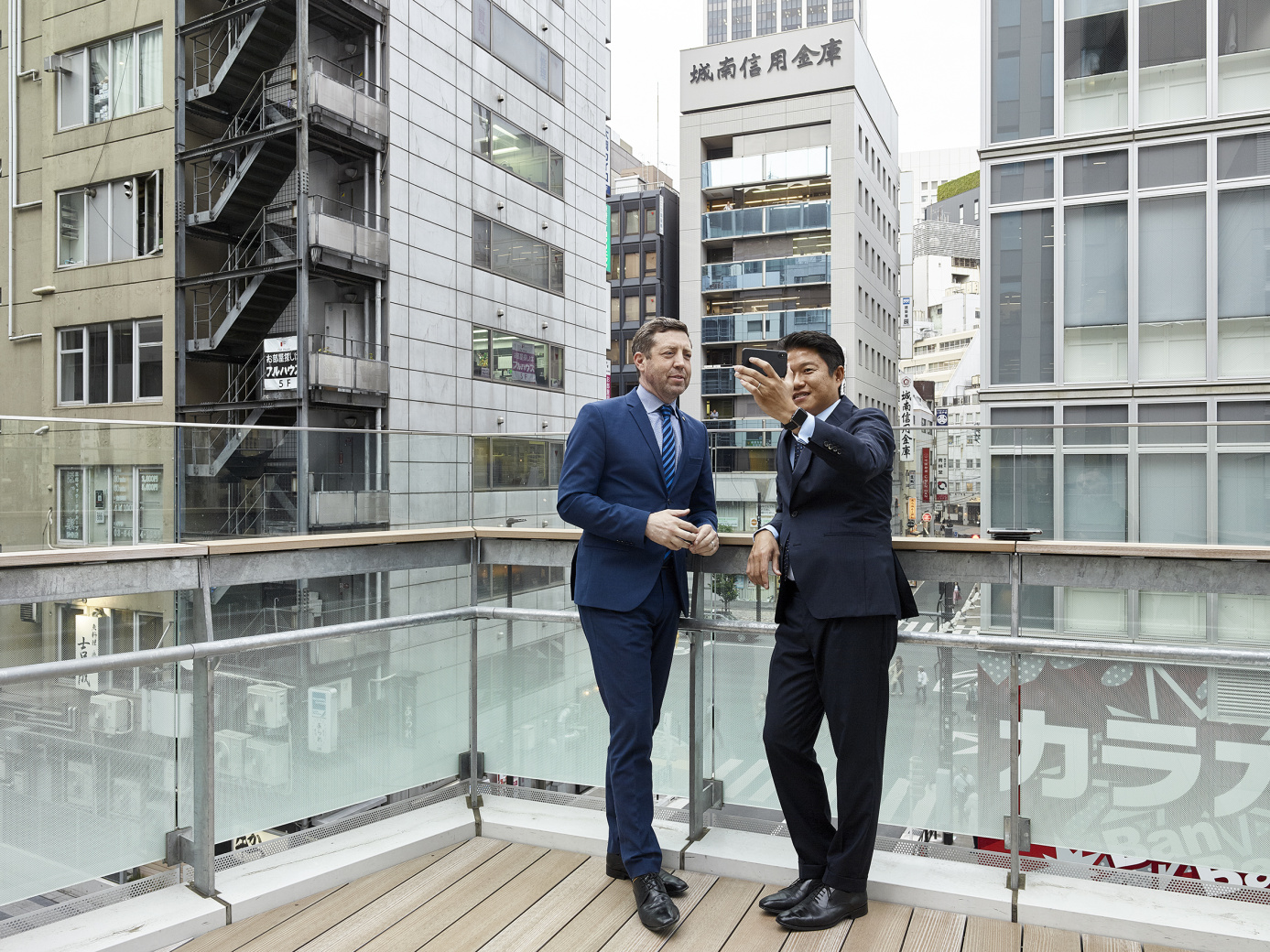
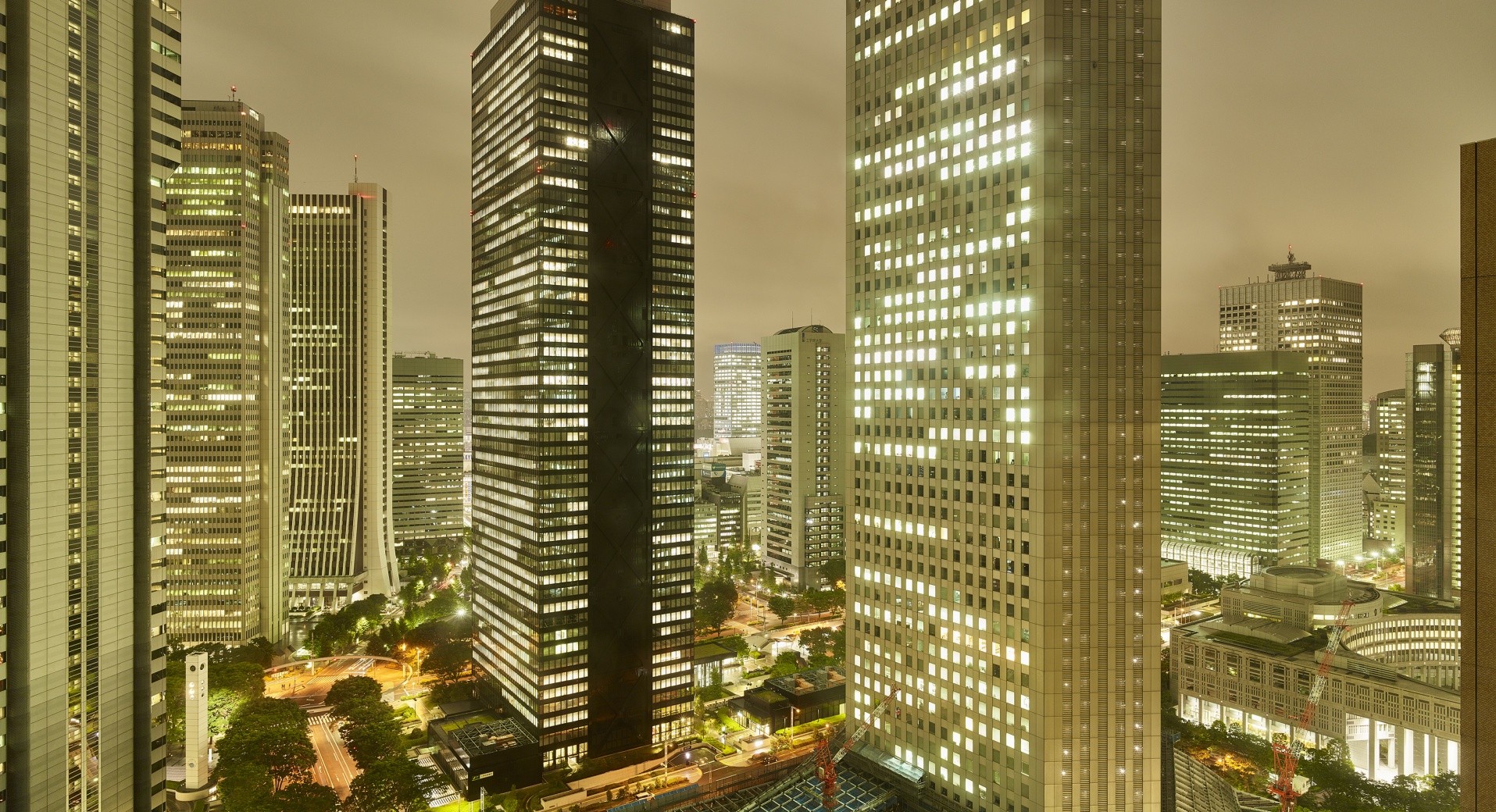
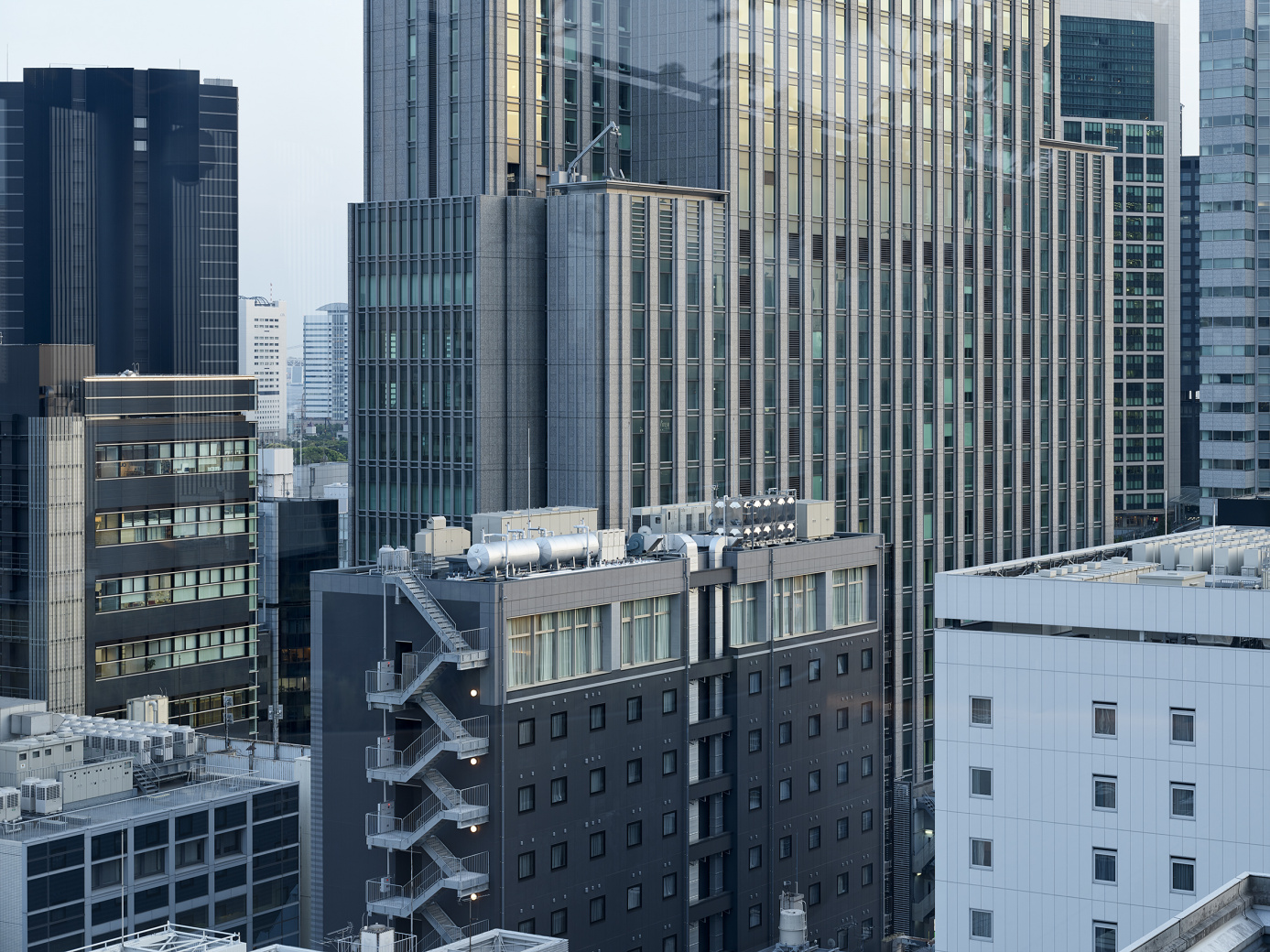
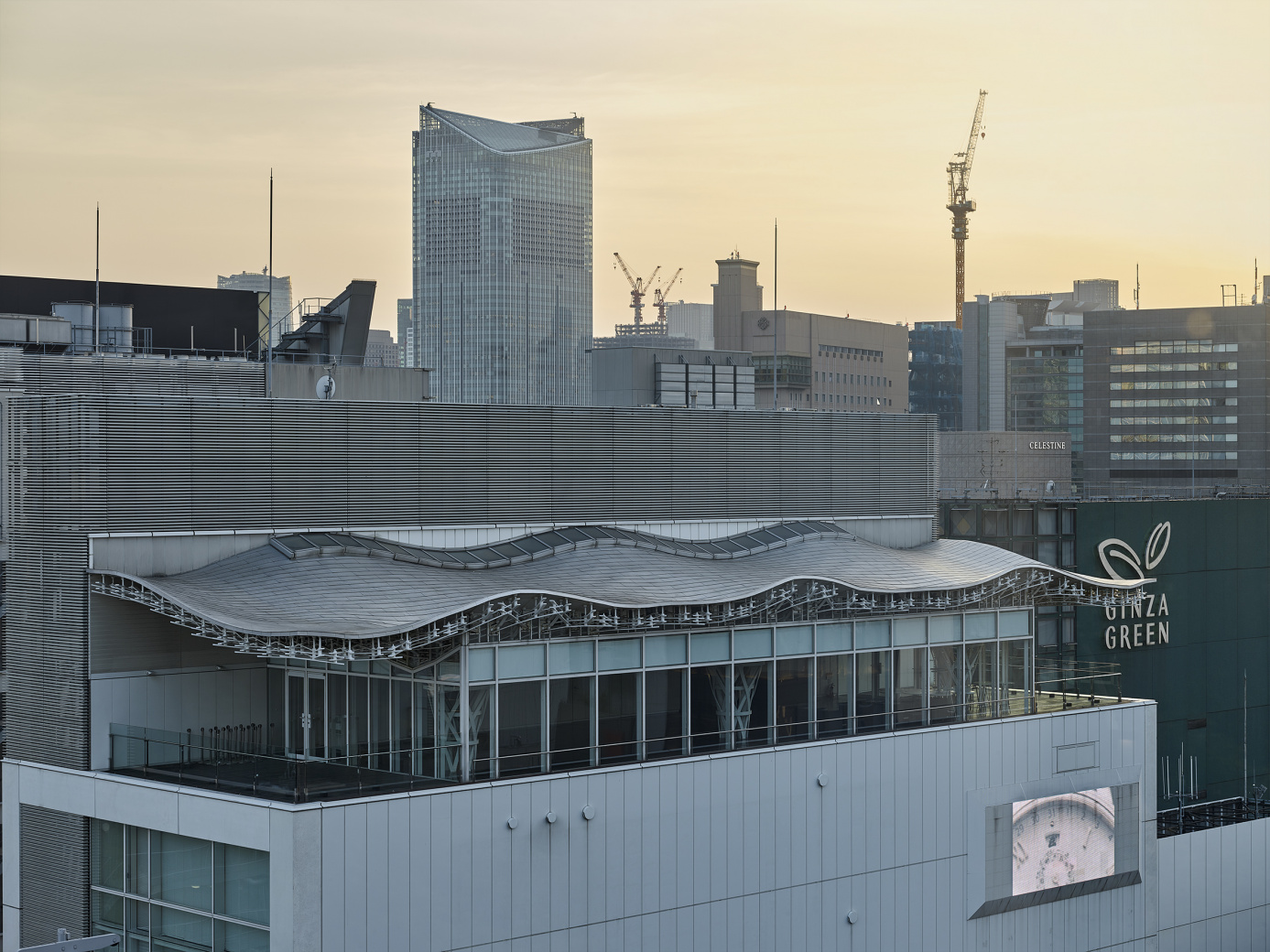
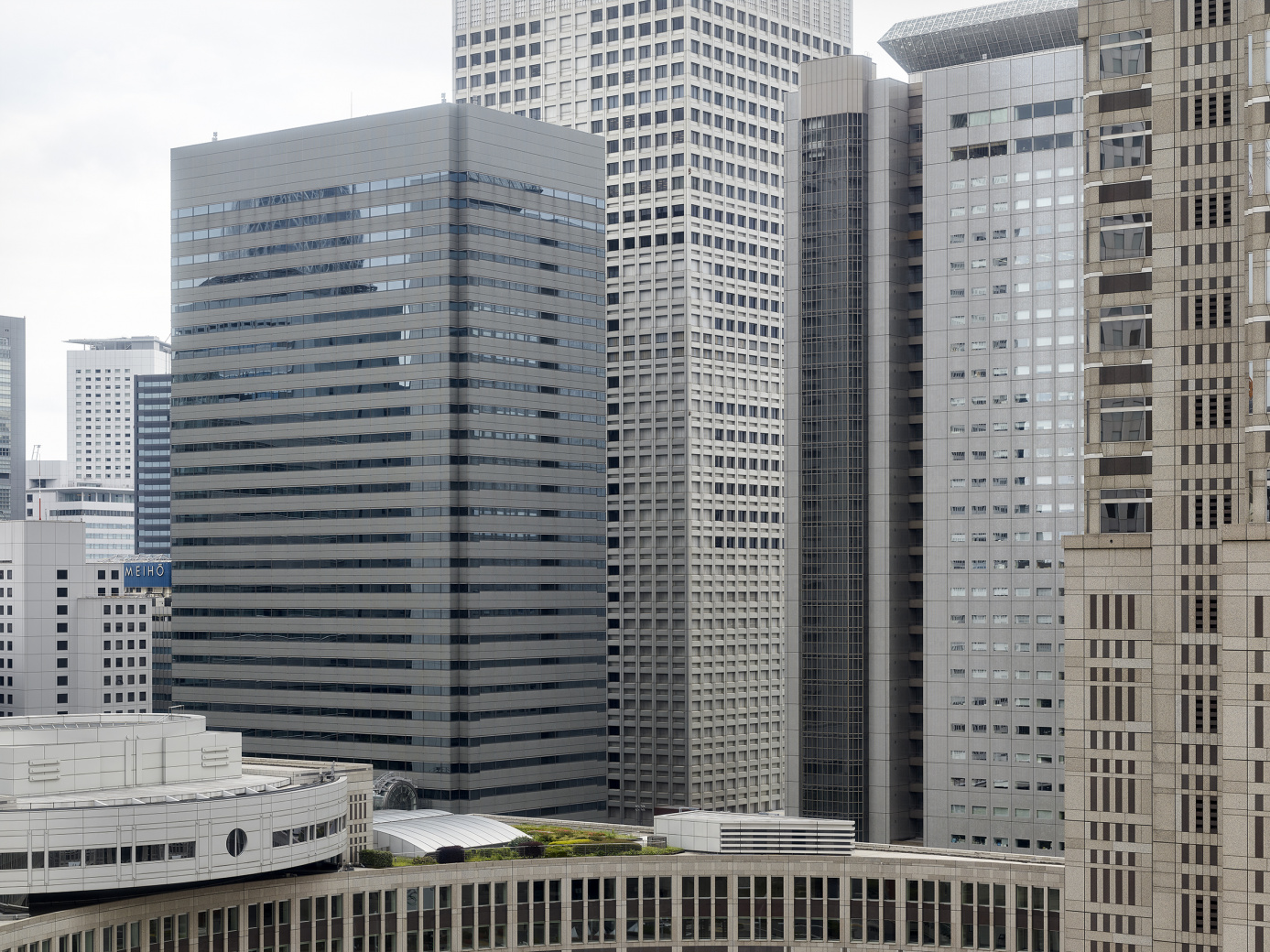
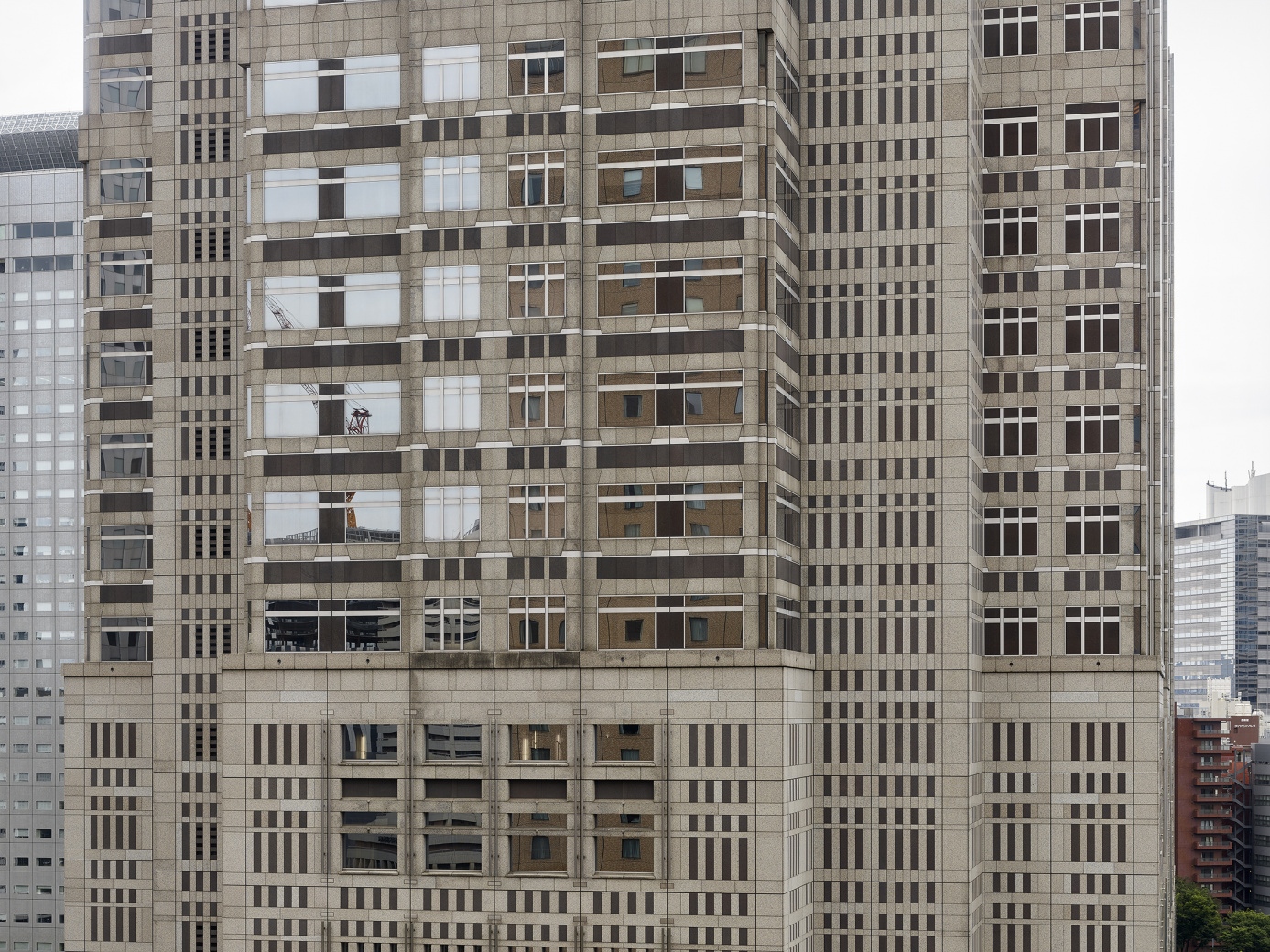
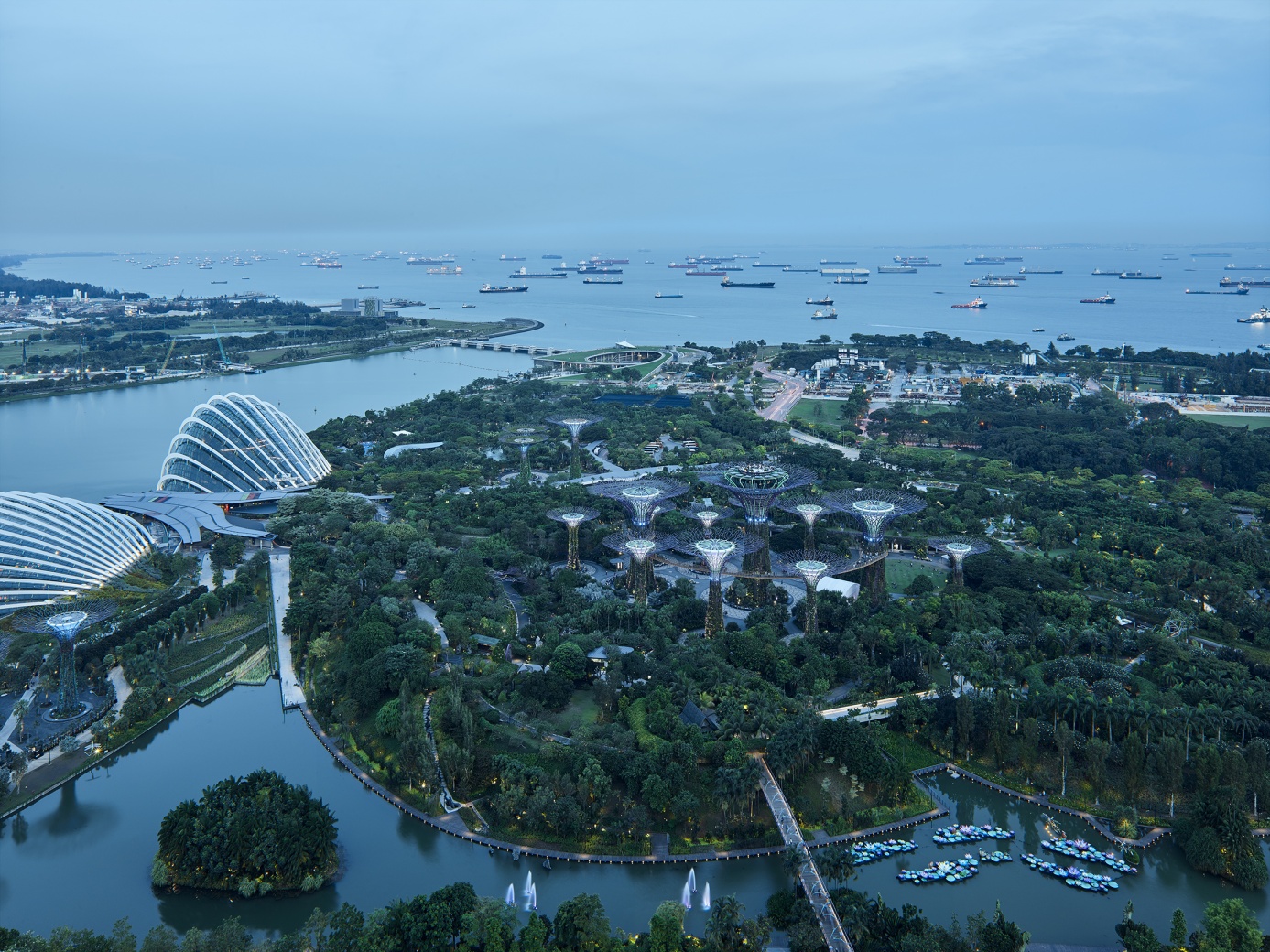
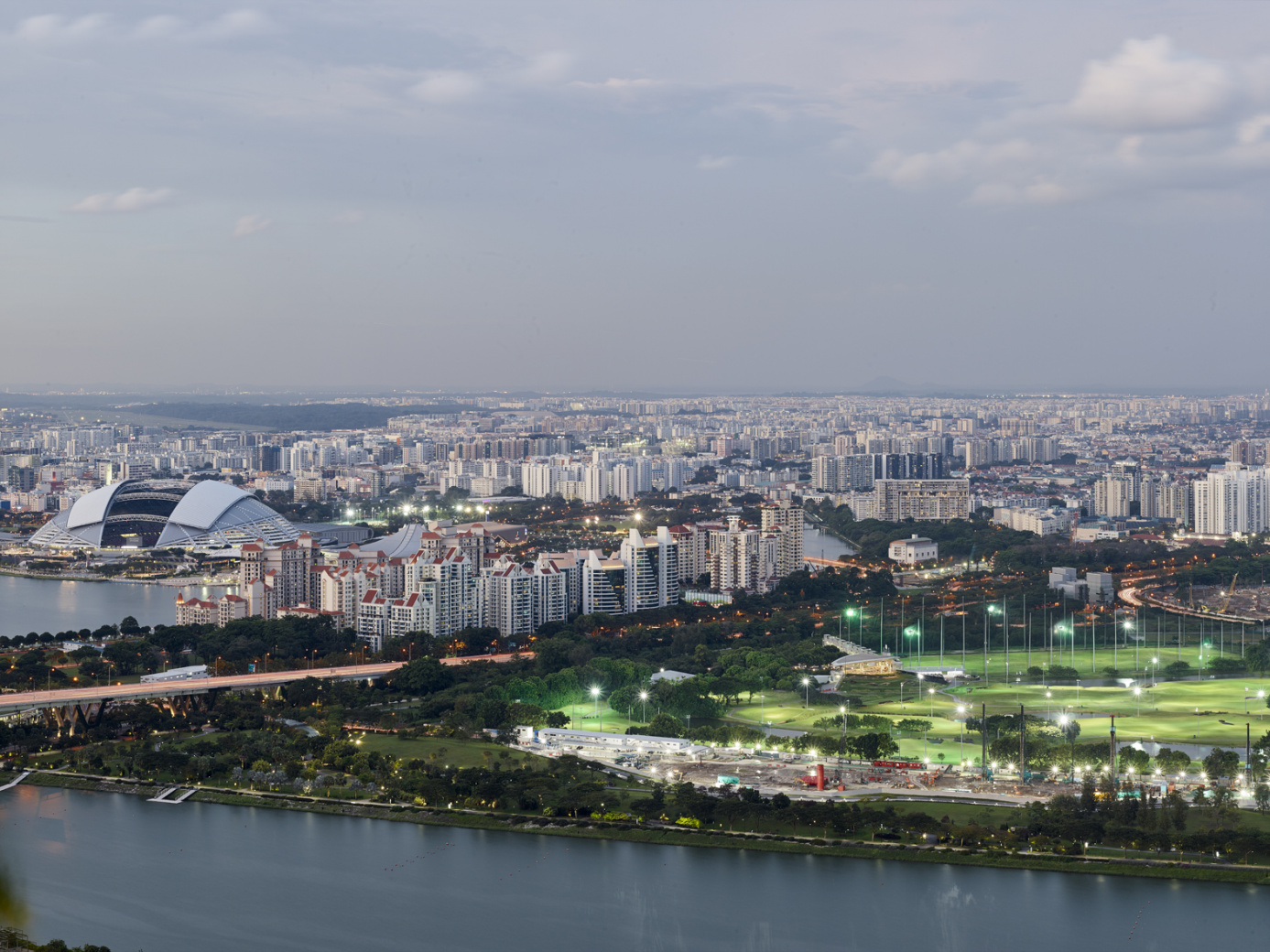
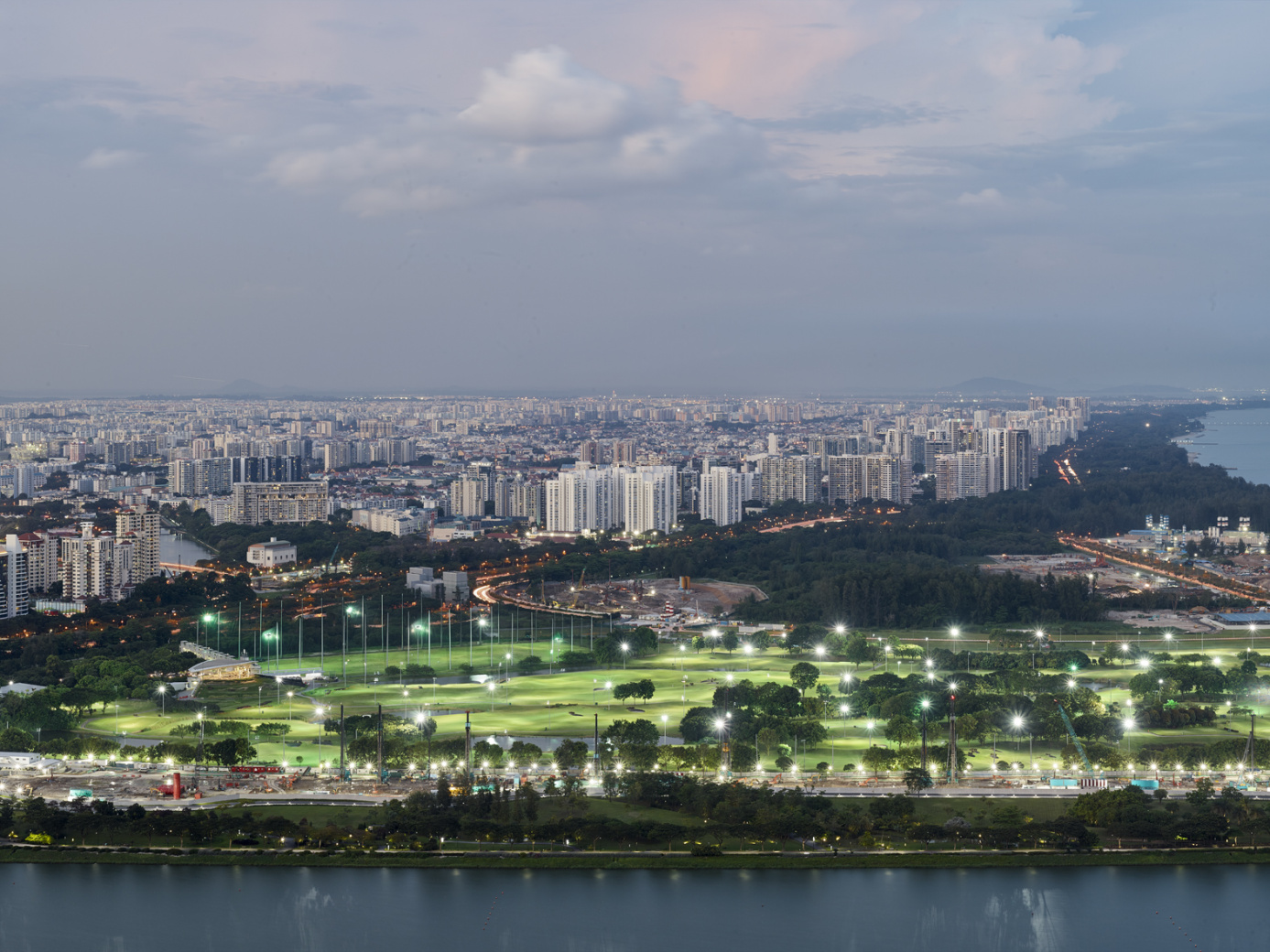
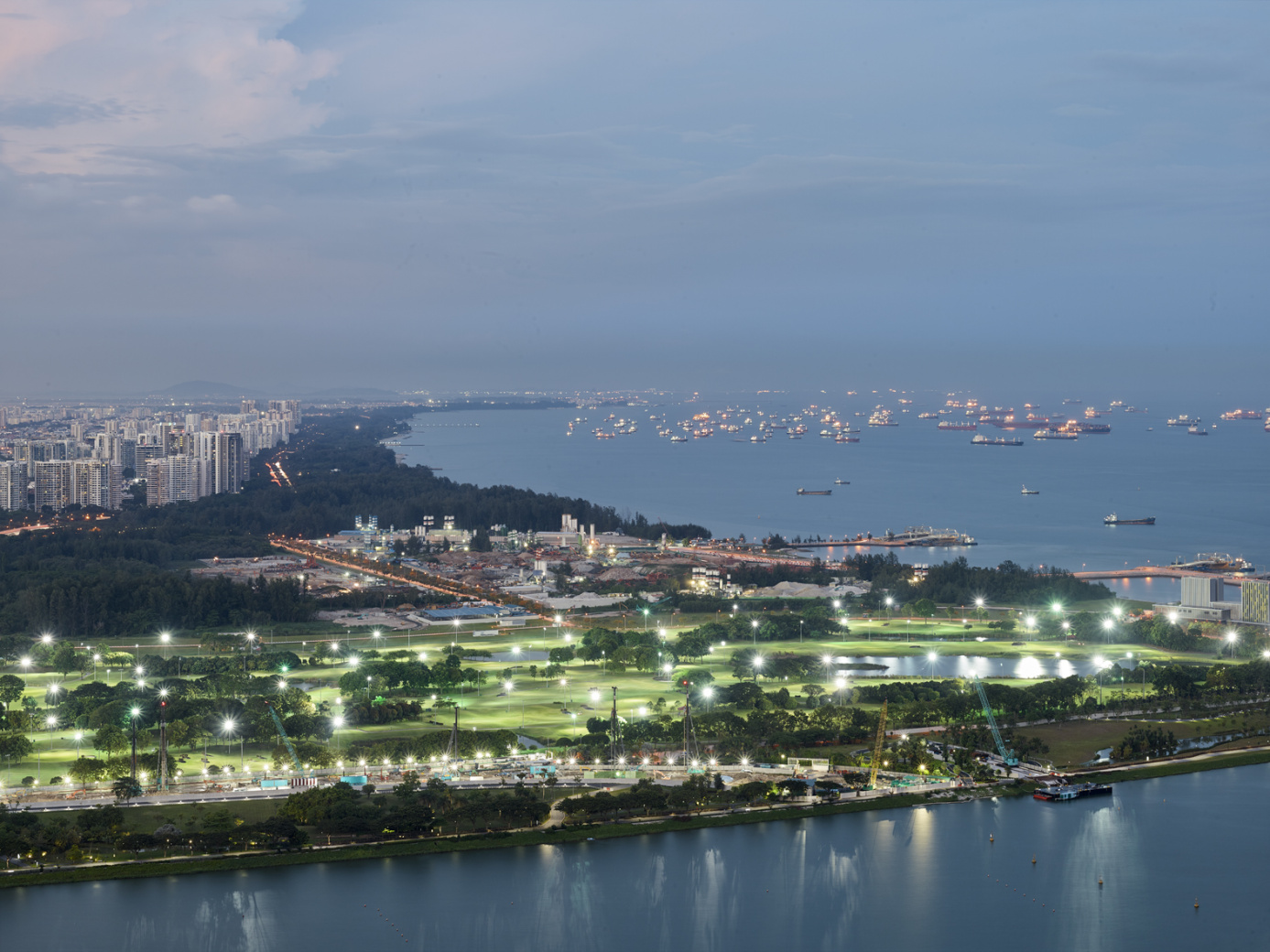
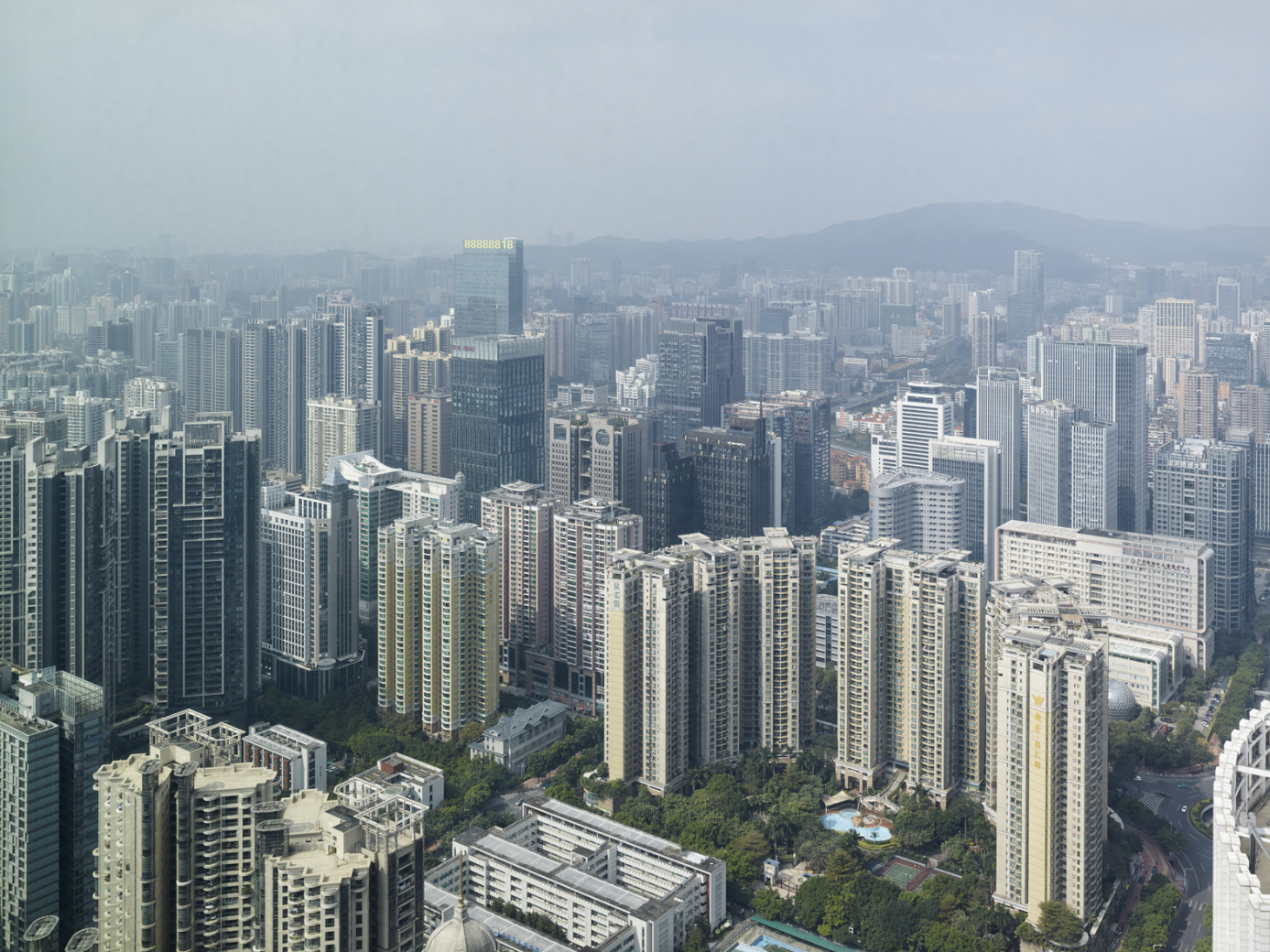
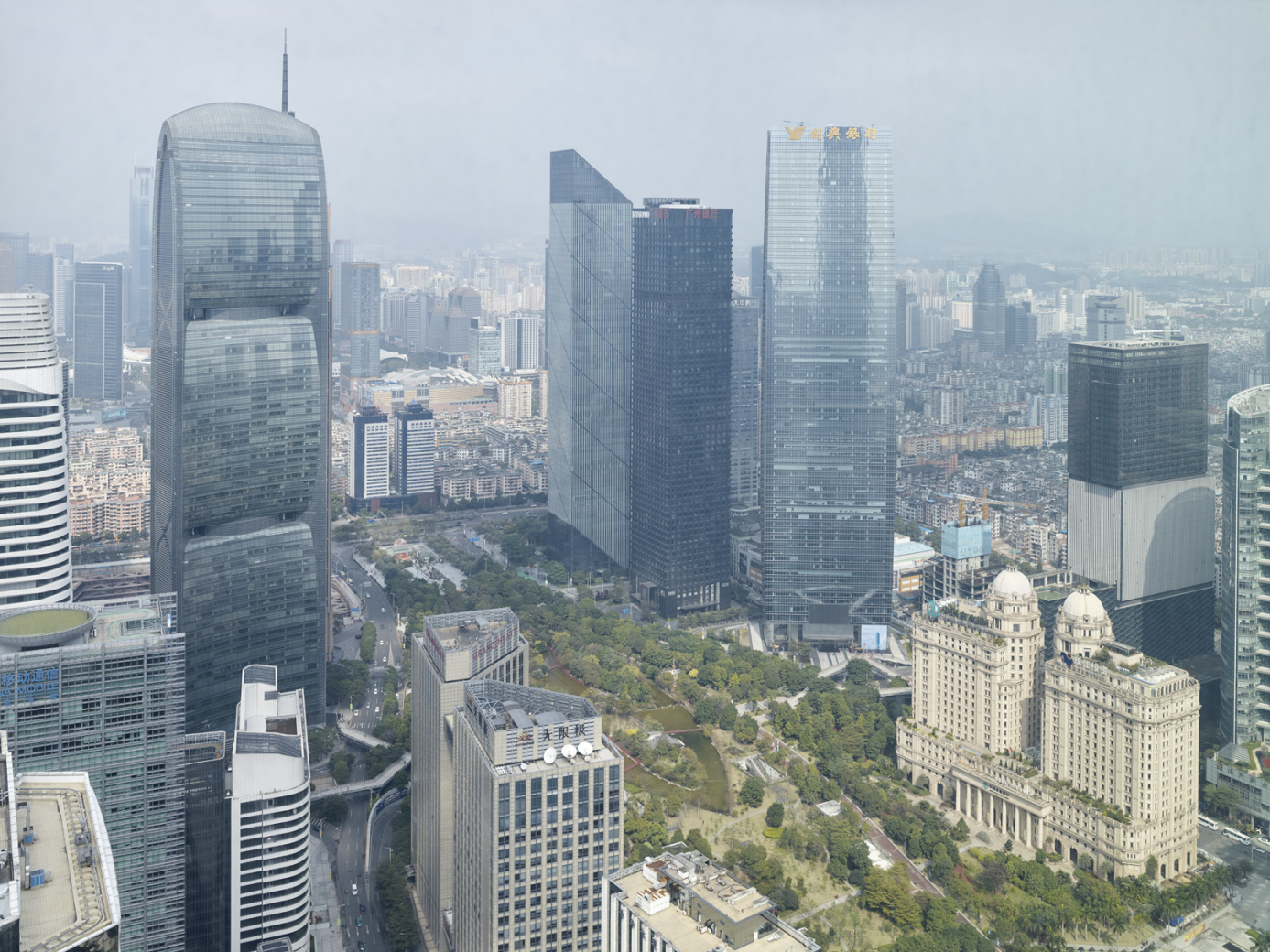
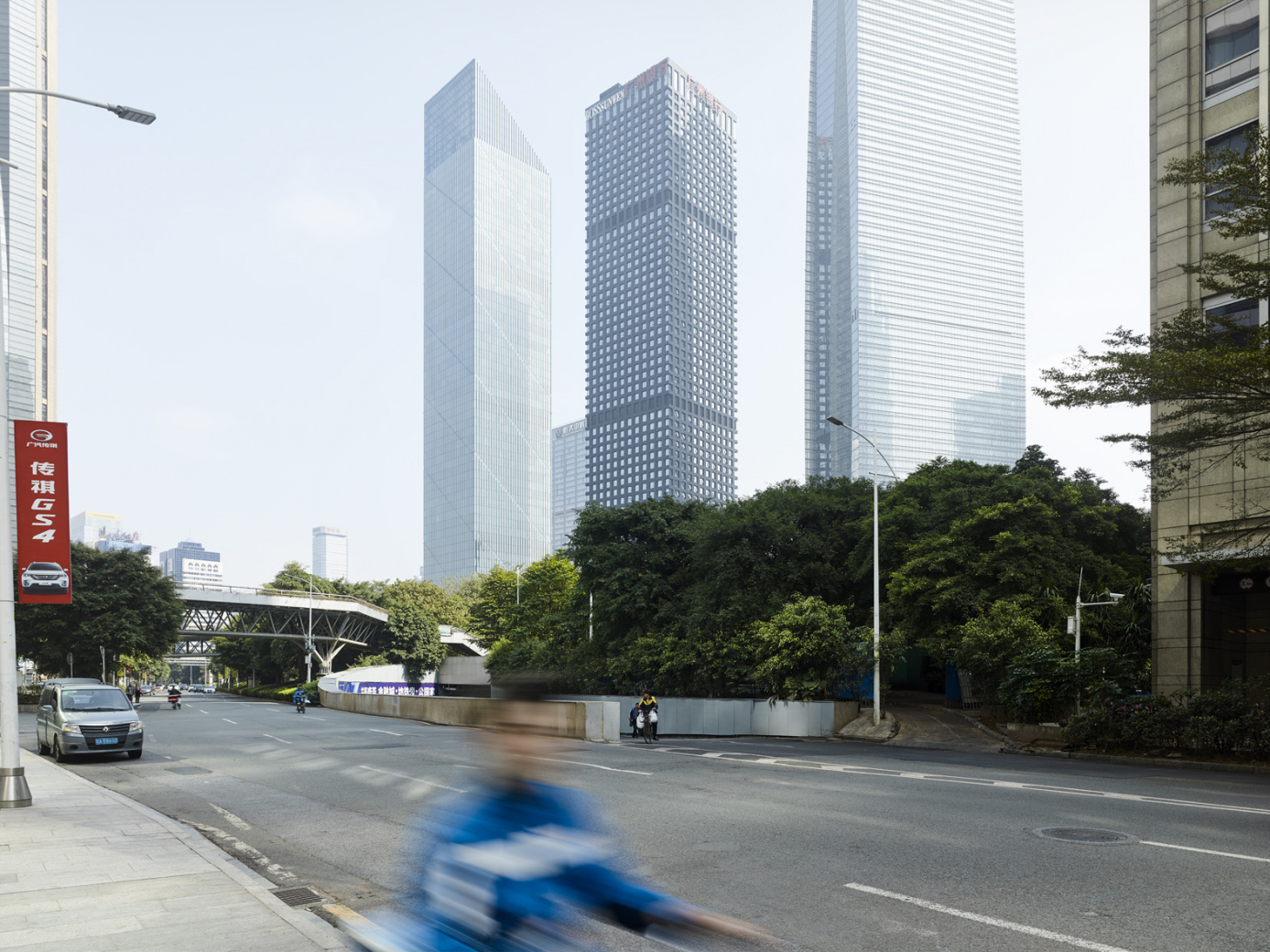
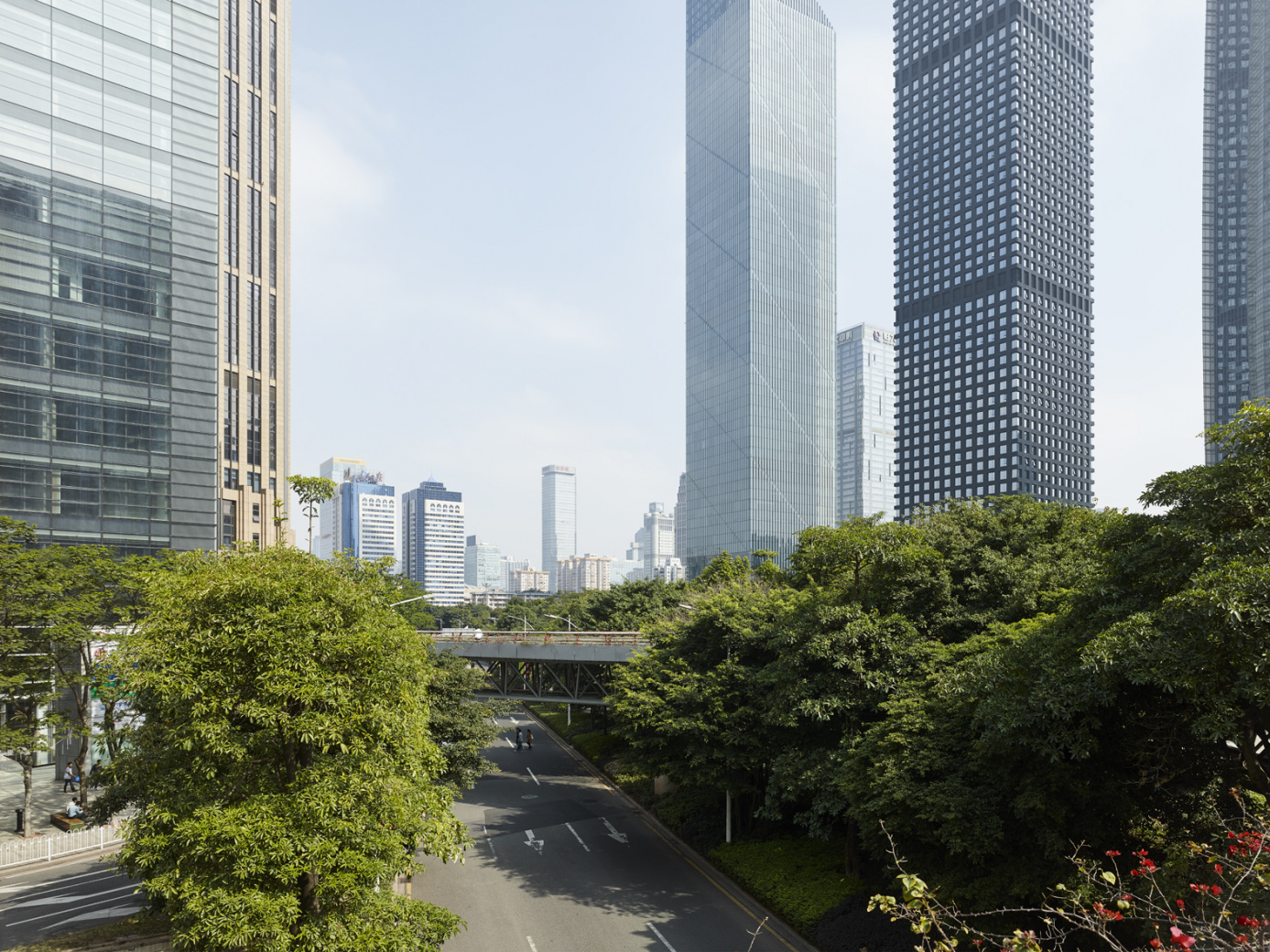
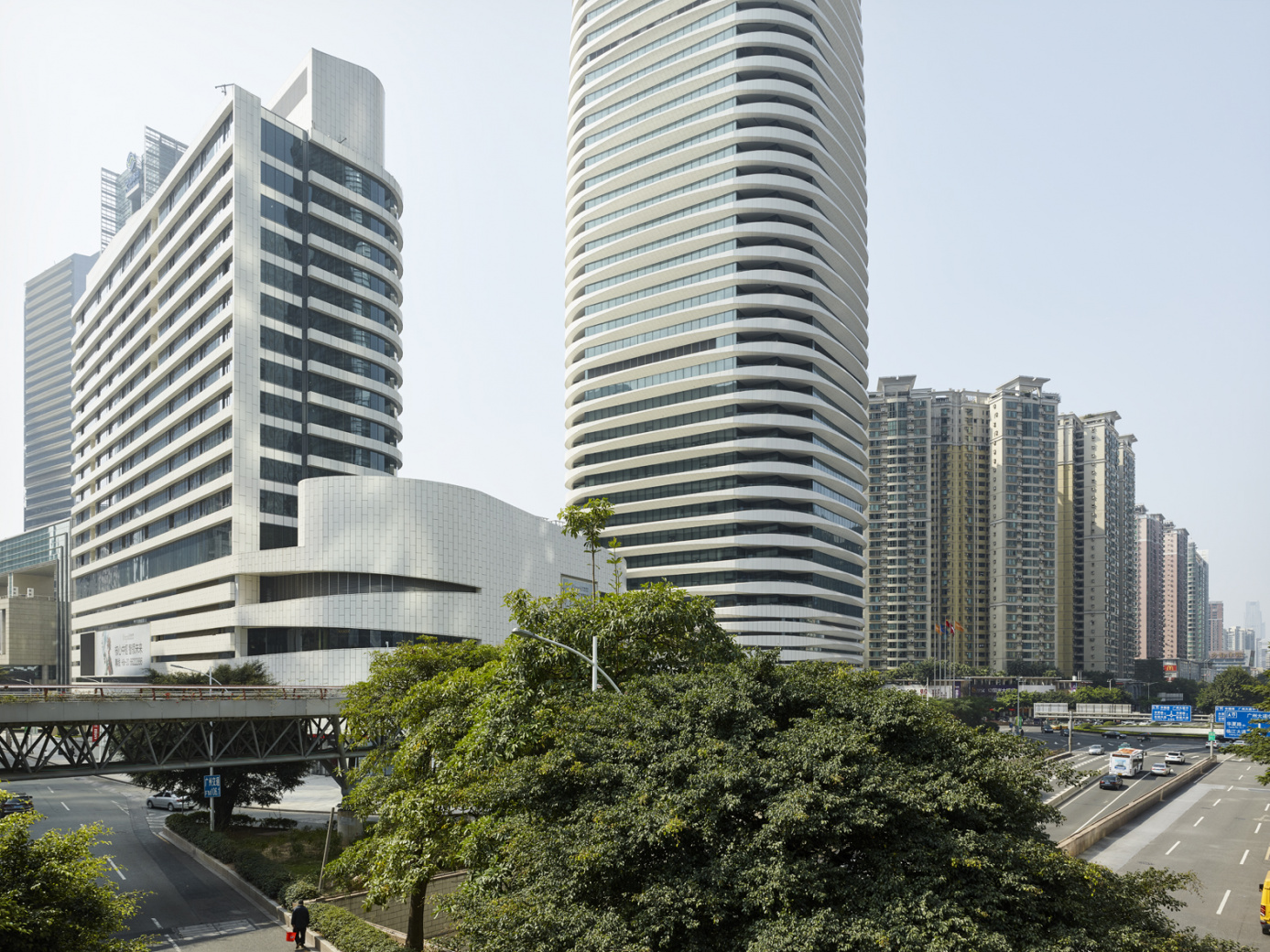
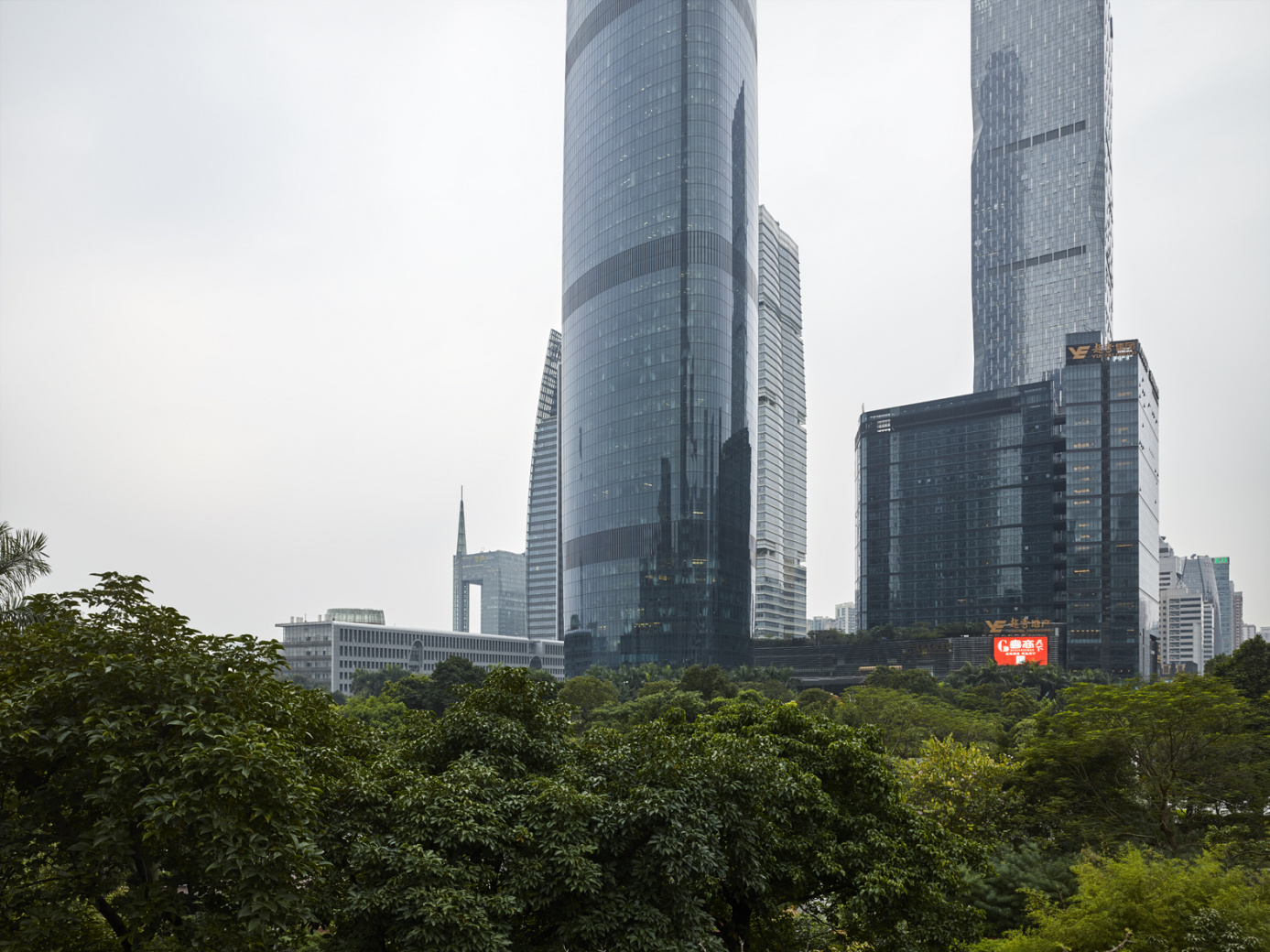
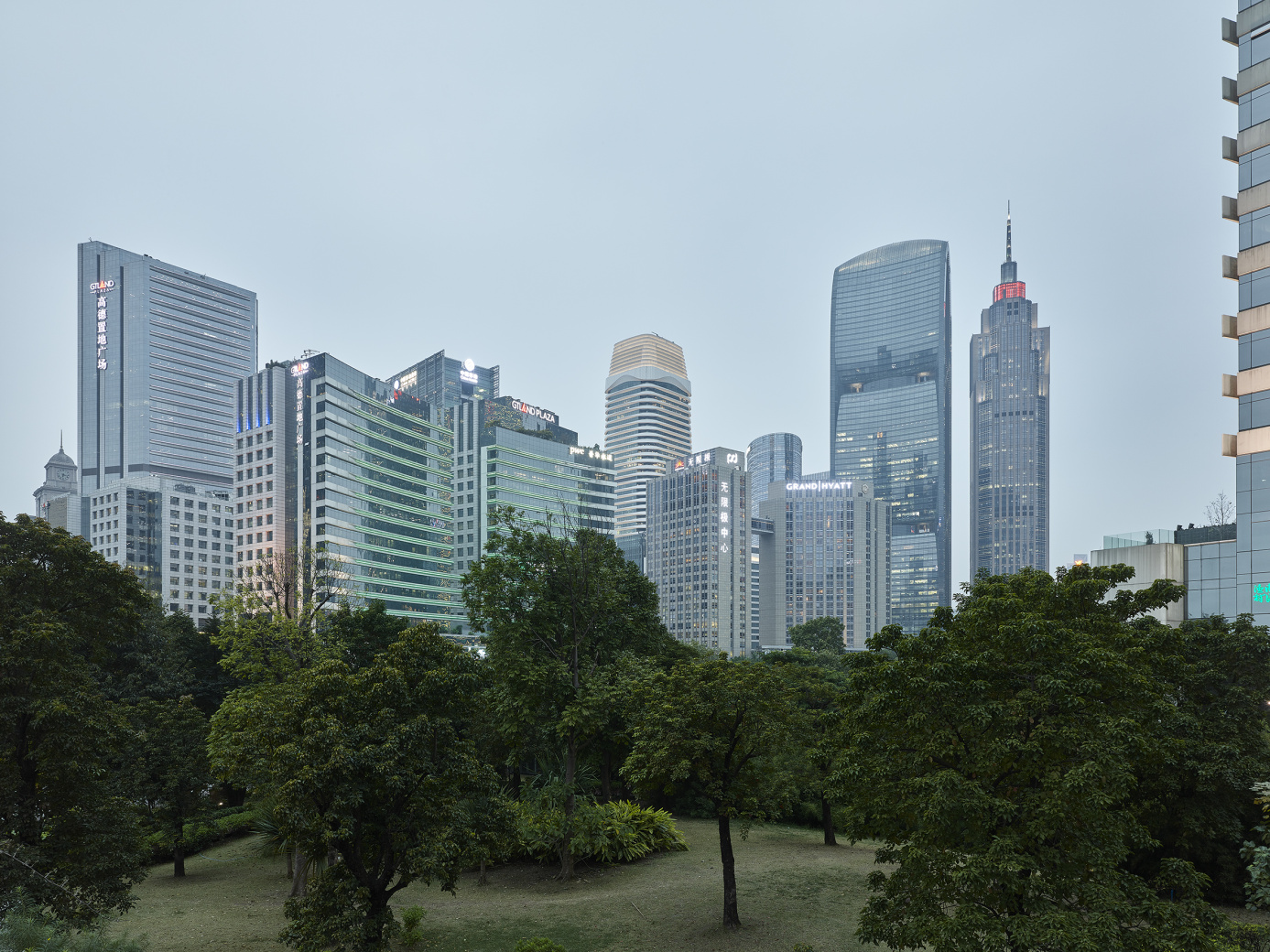
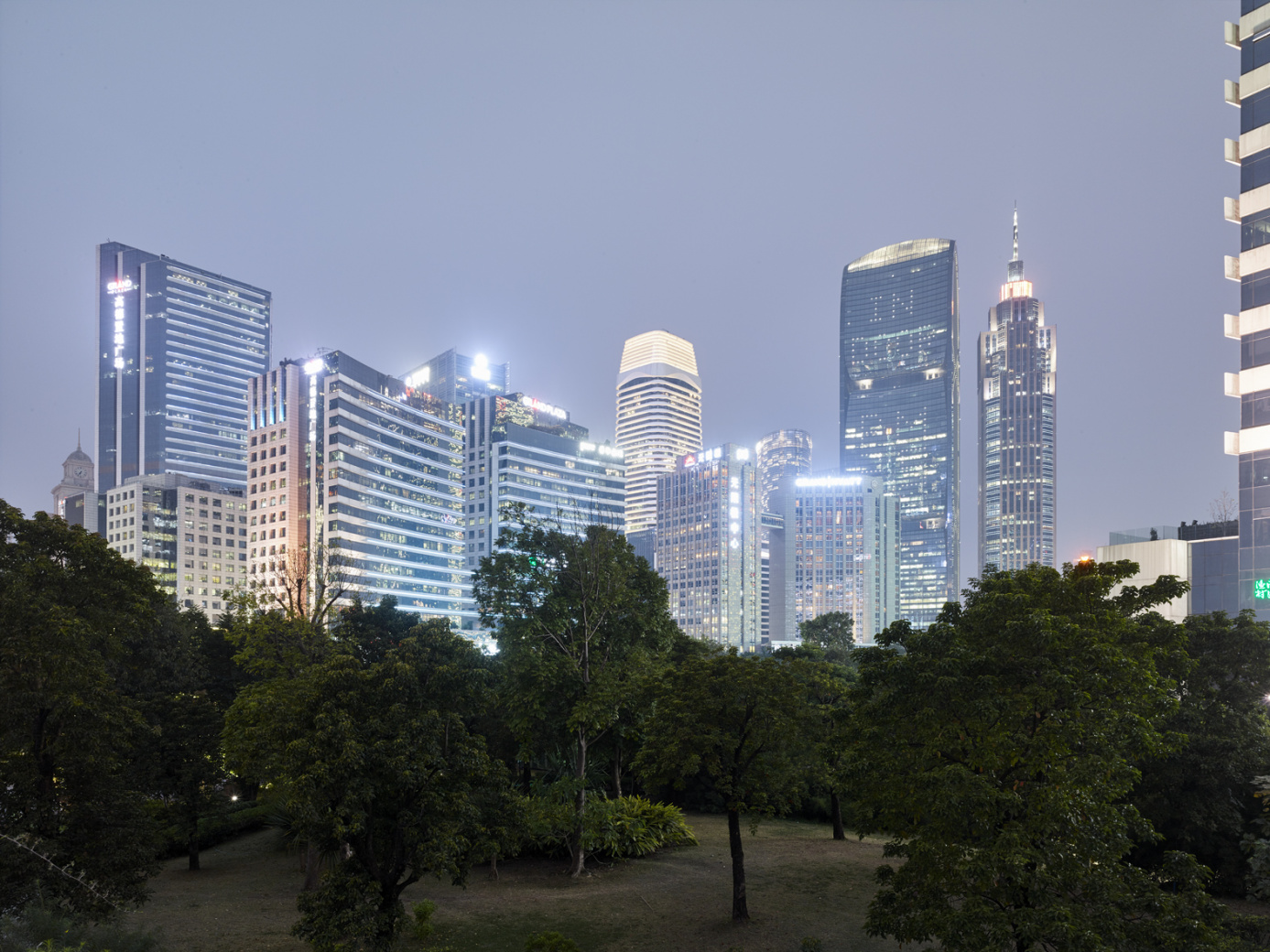
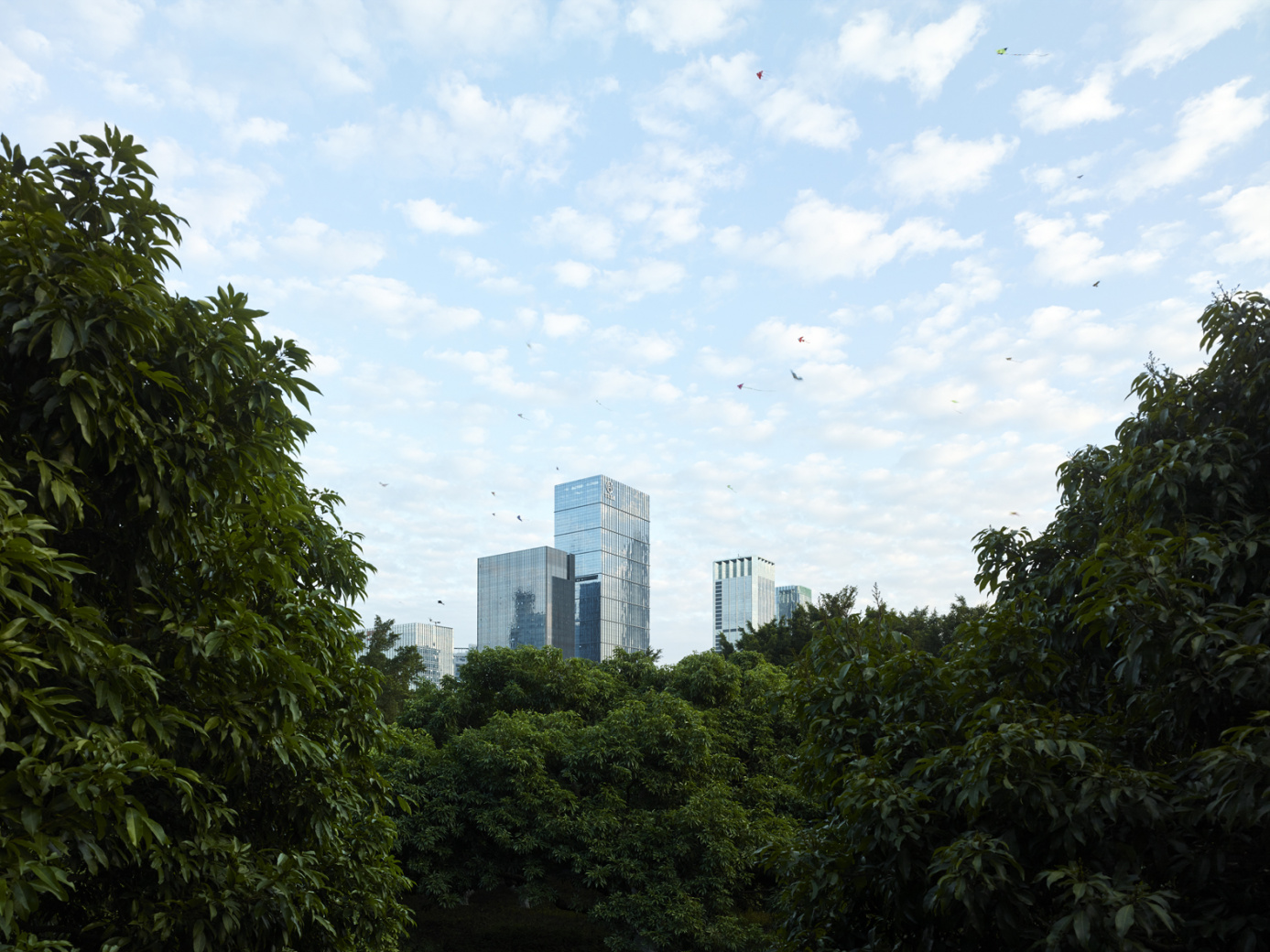
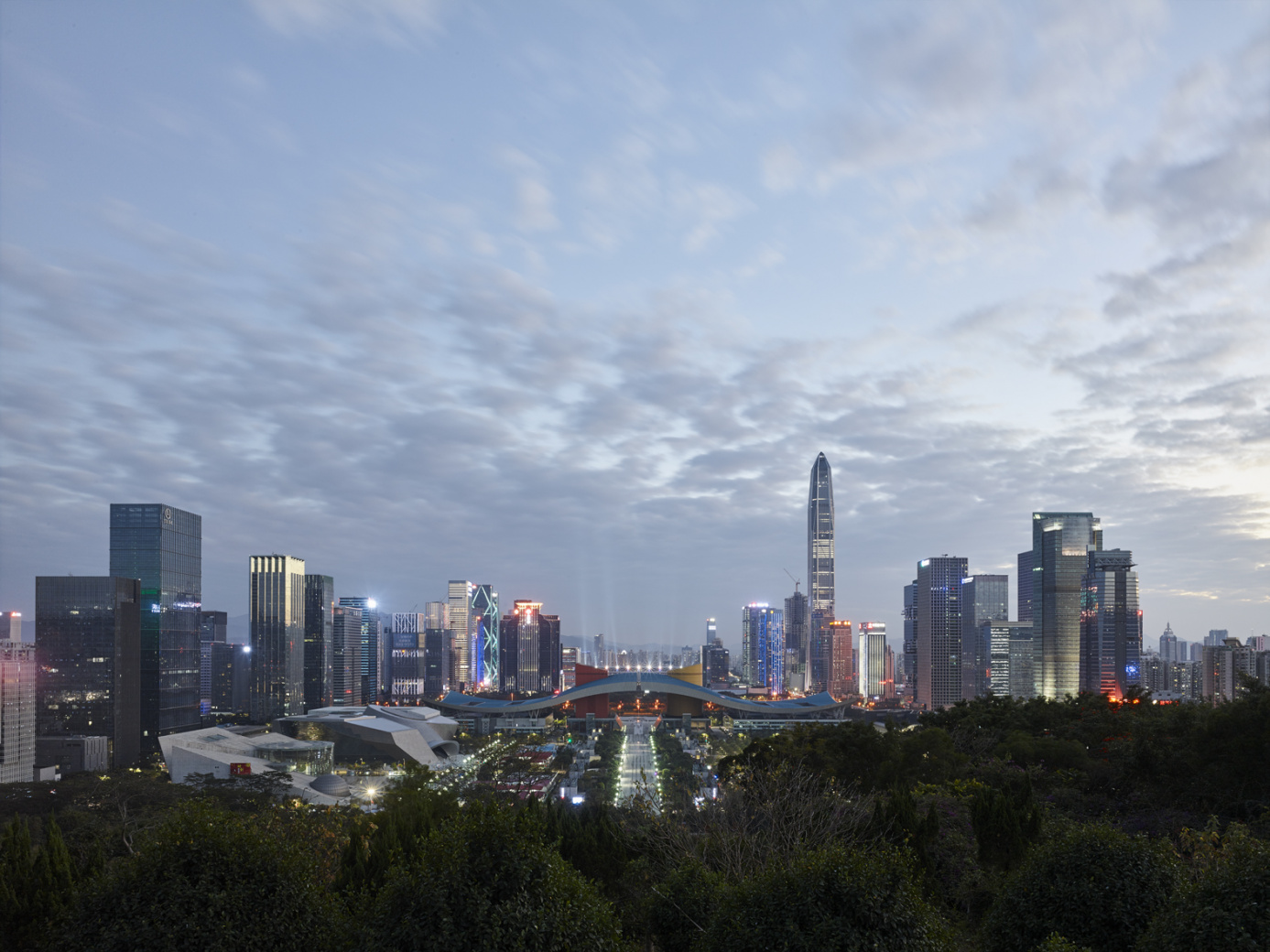
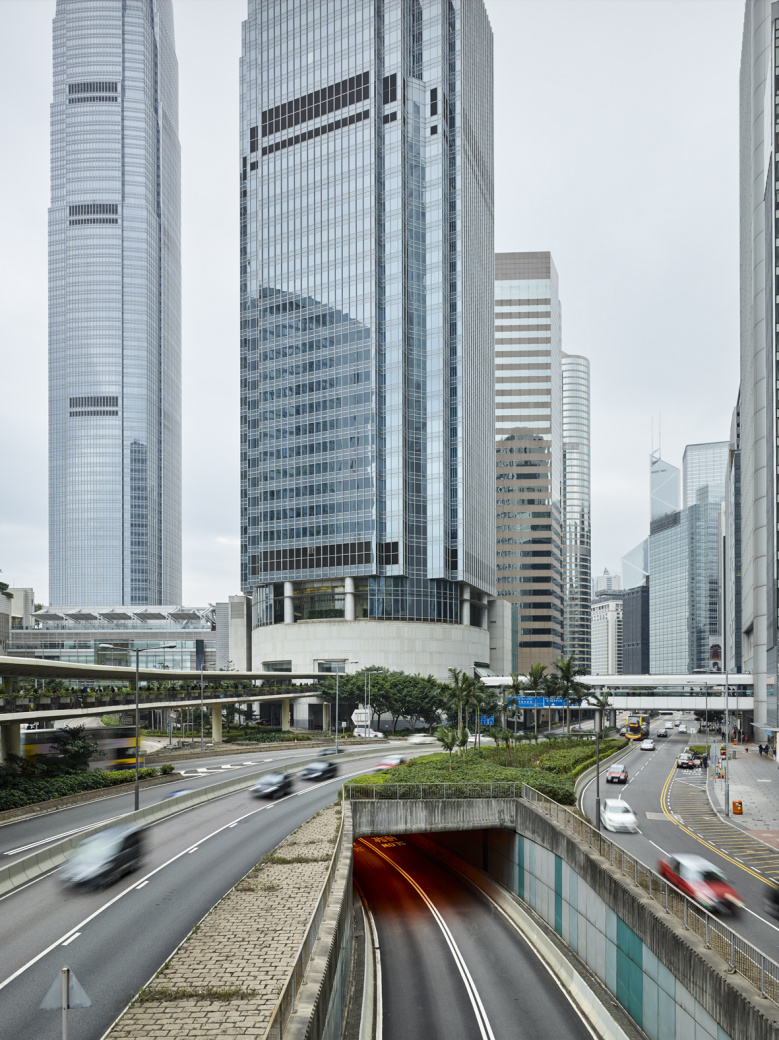
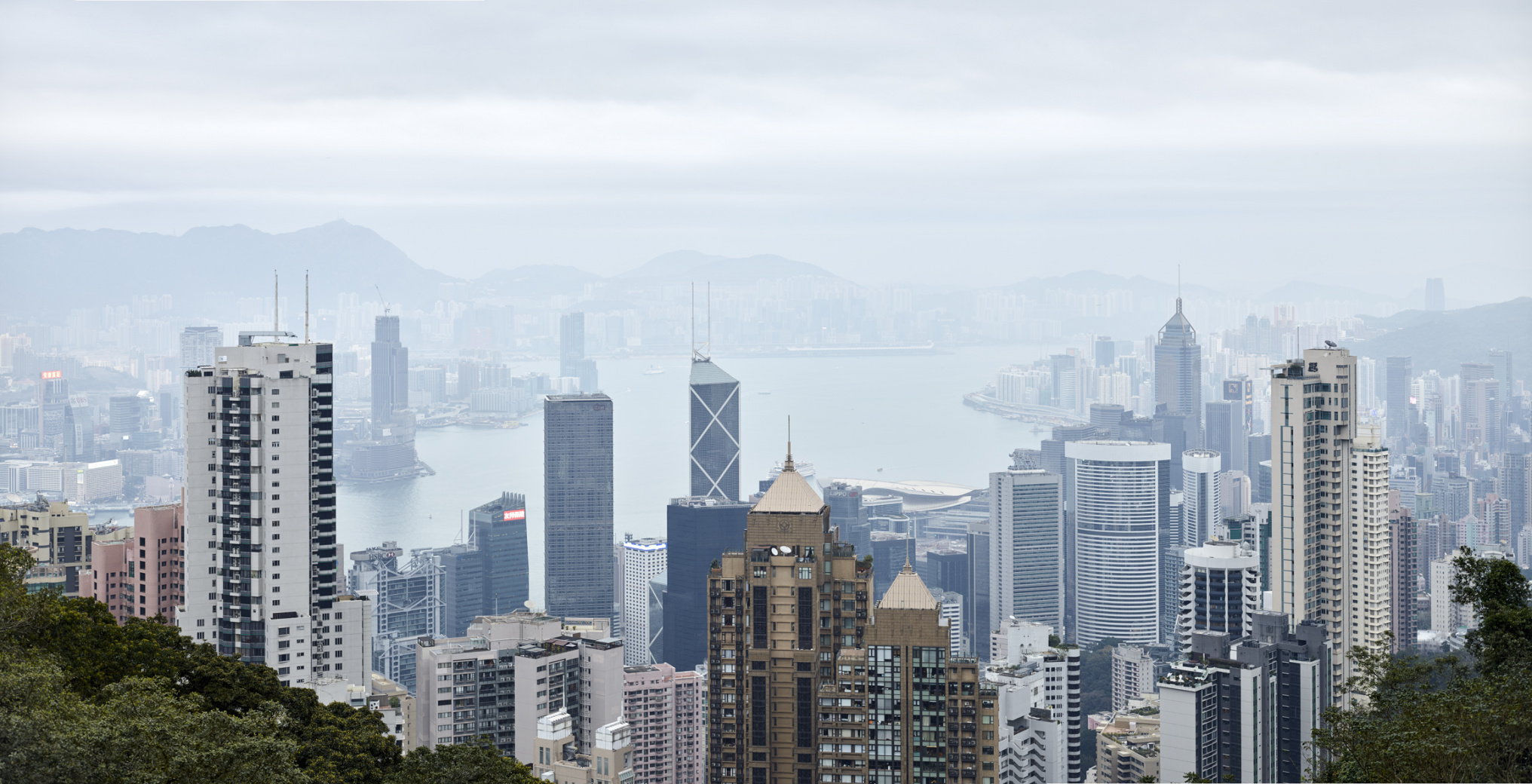
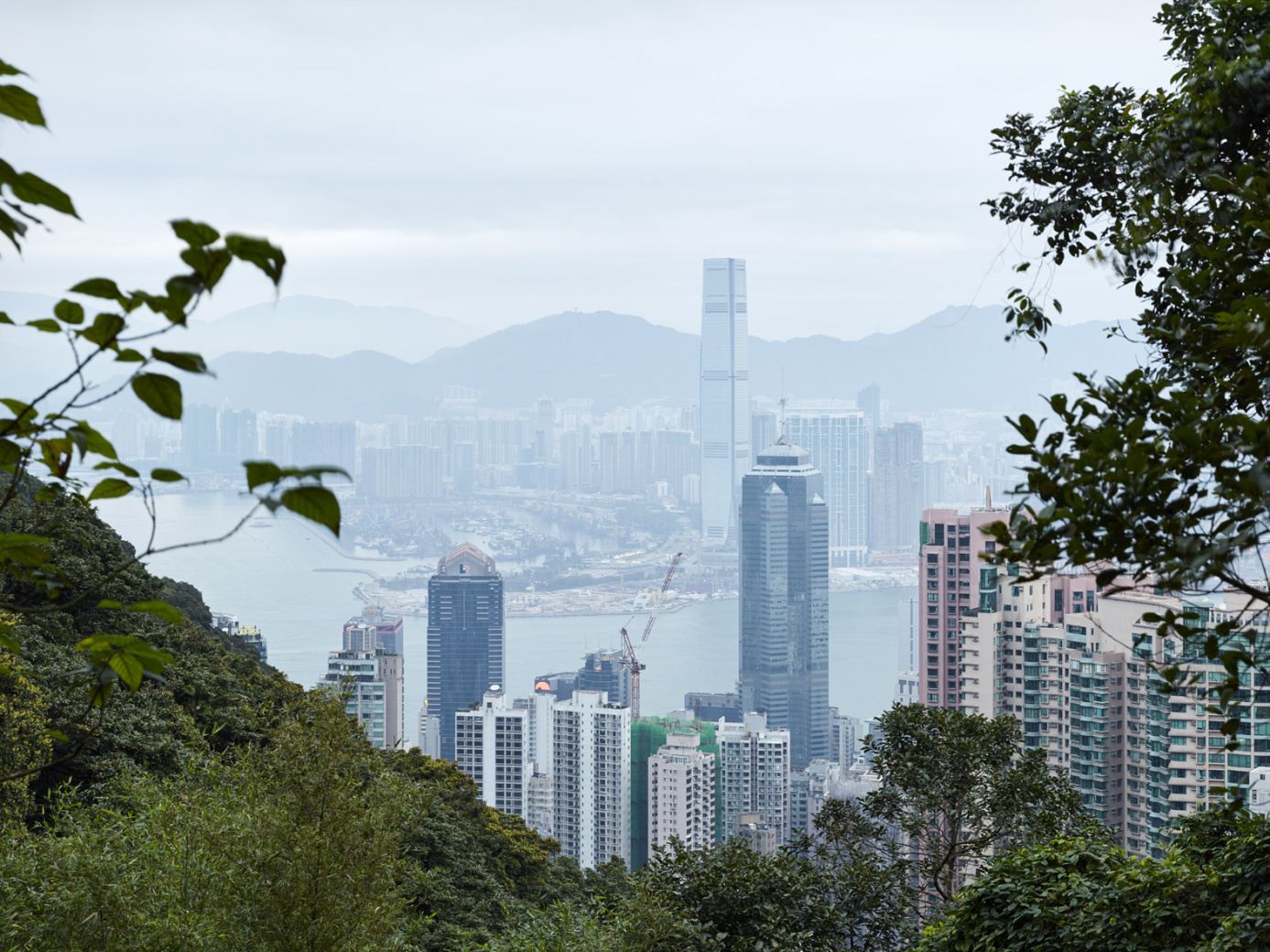
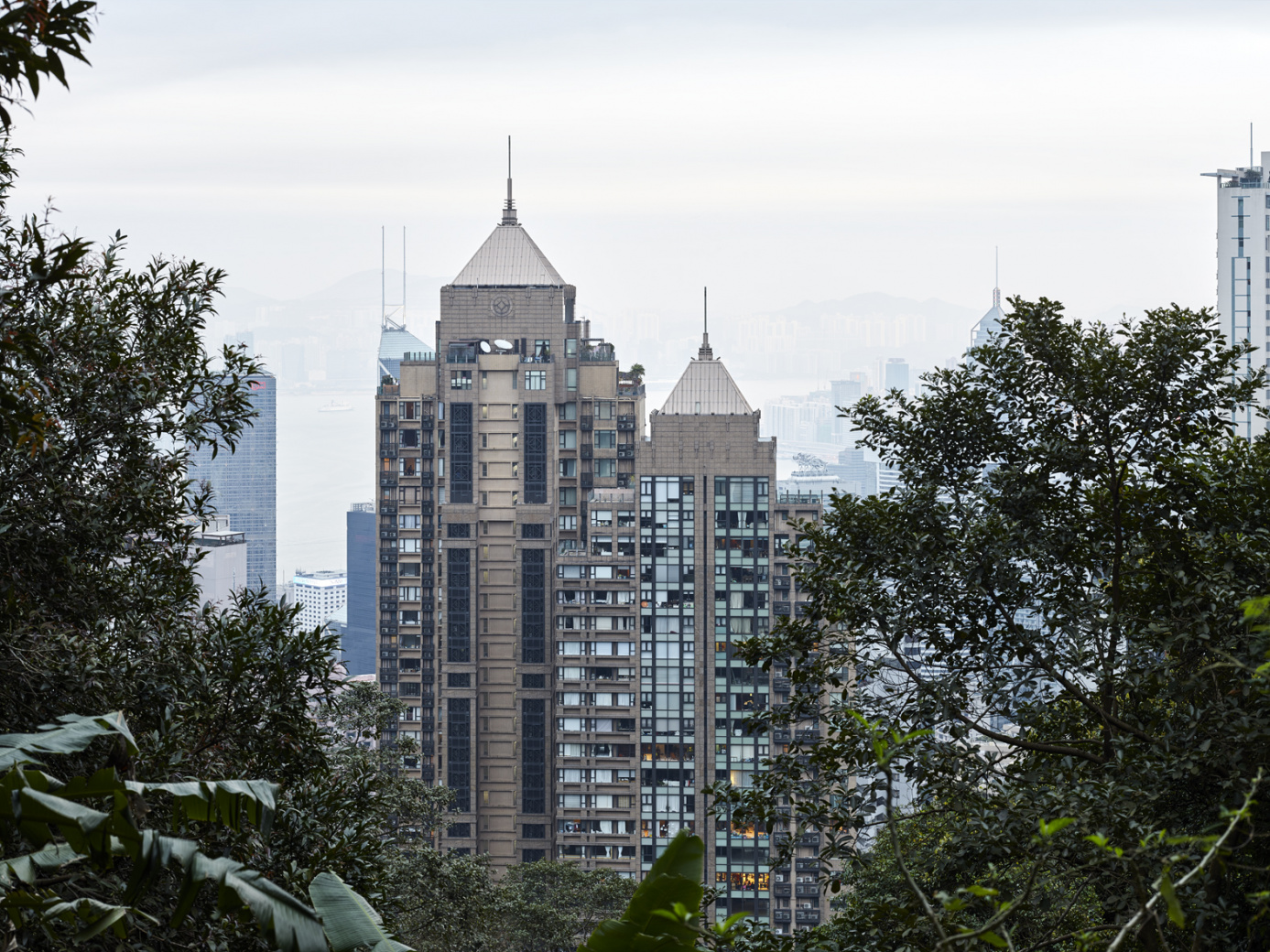
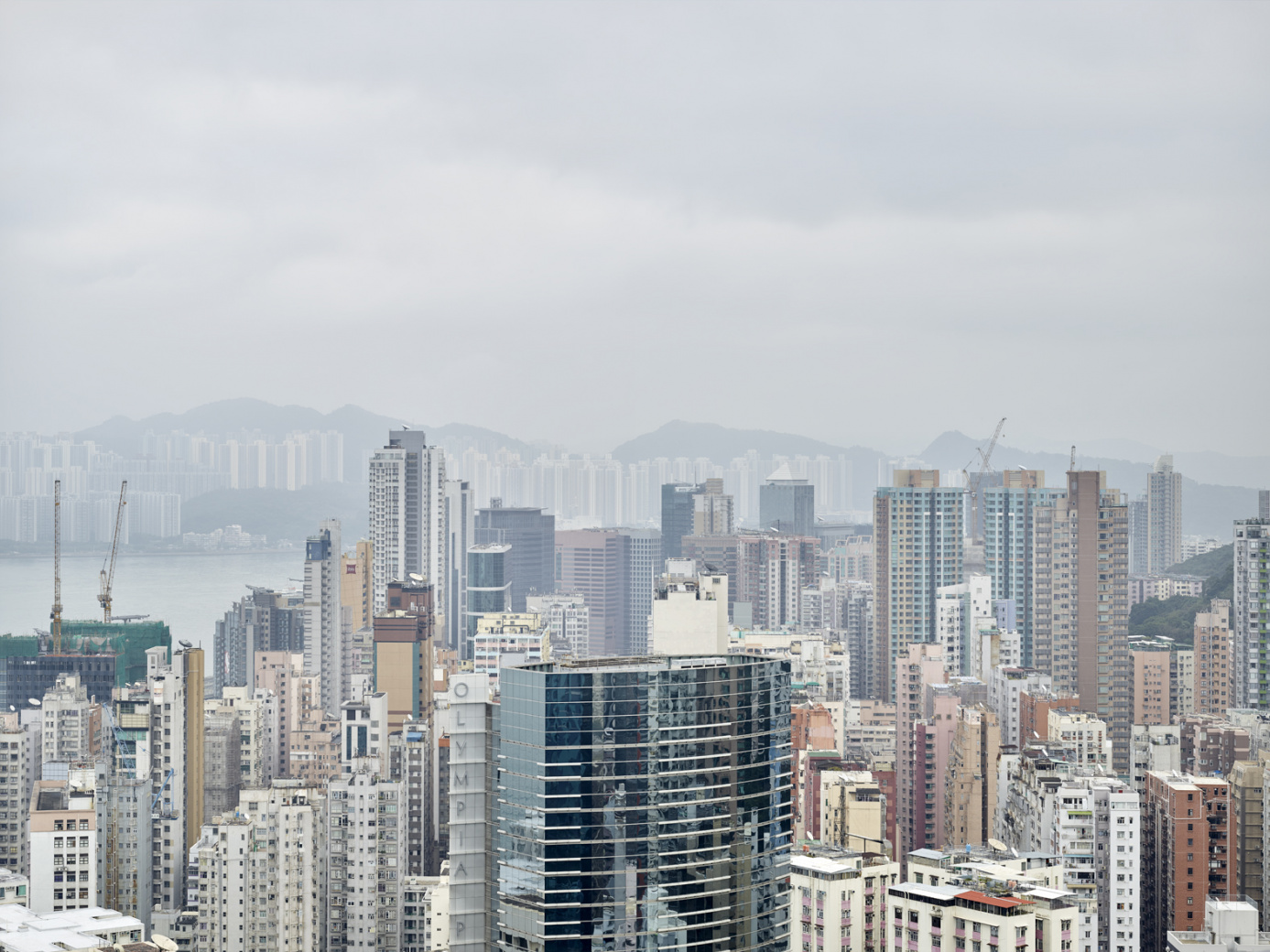
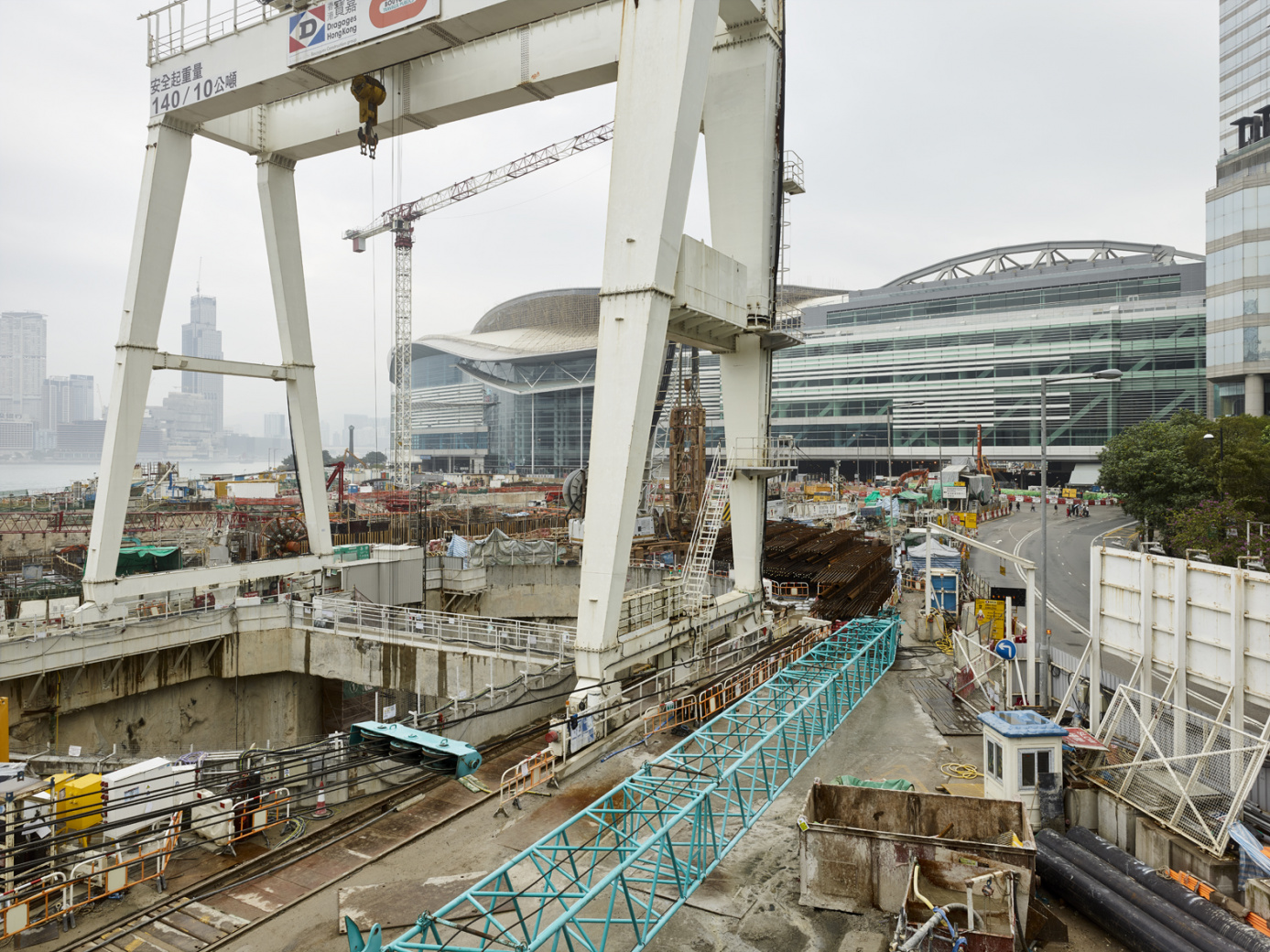
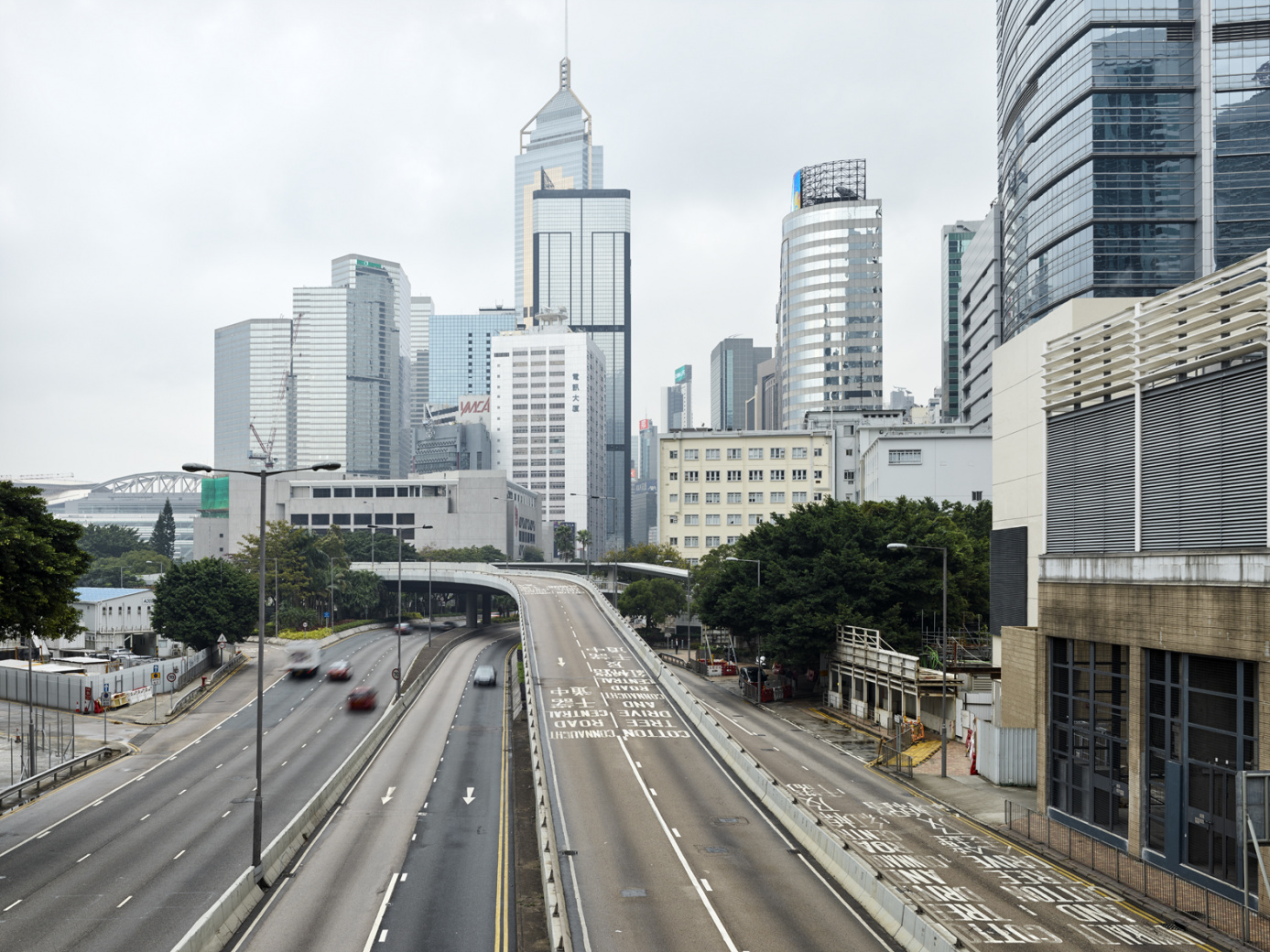
The photographs in this project move between two perspectives. From elevated viewpoints—hotel rooms, office towers, observation decks and residential high-rises—they reveal vast urban fields extending beyond the limits of vision. Seen from above, these cities appear almost abstract: intricate constellations of concrete, glass and light, shaped by collective ambition and continuous transformation.
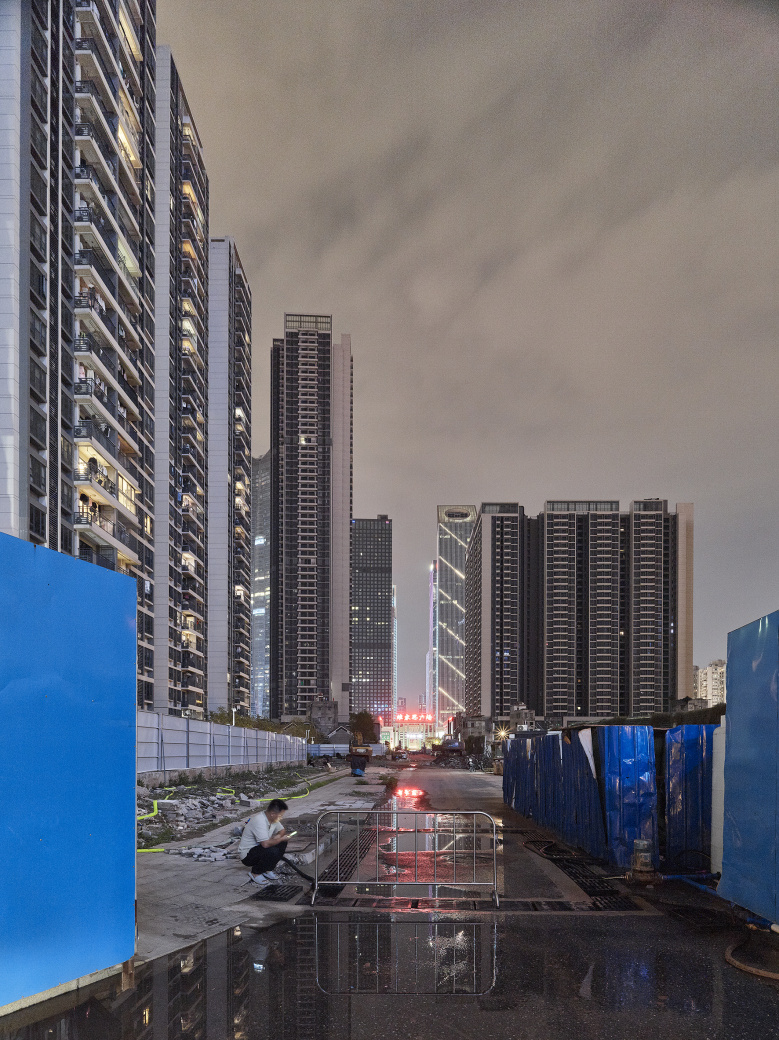
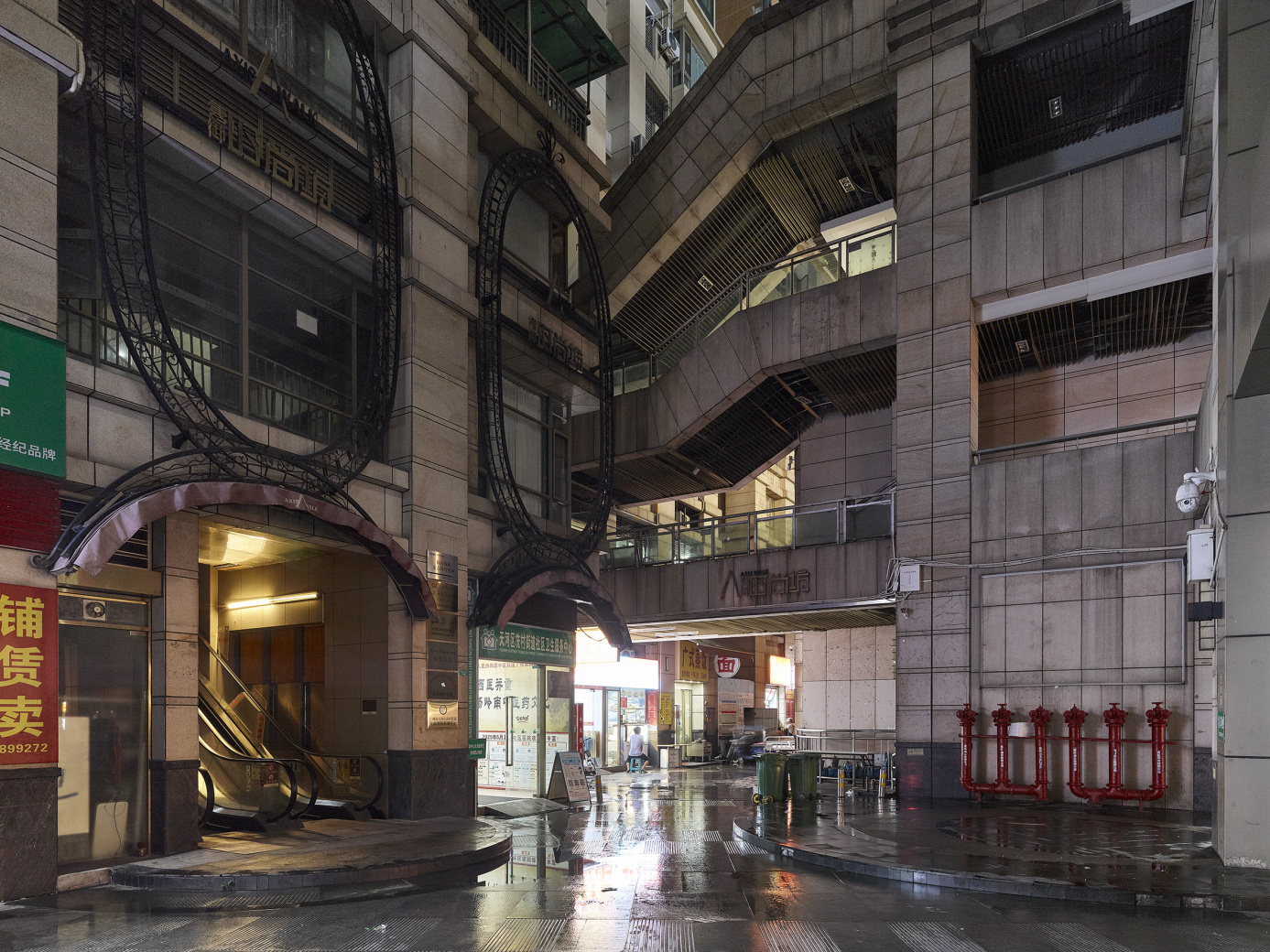
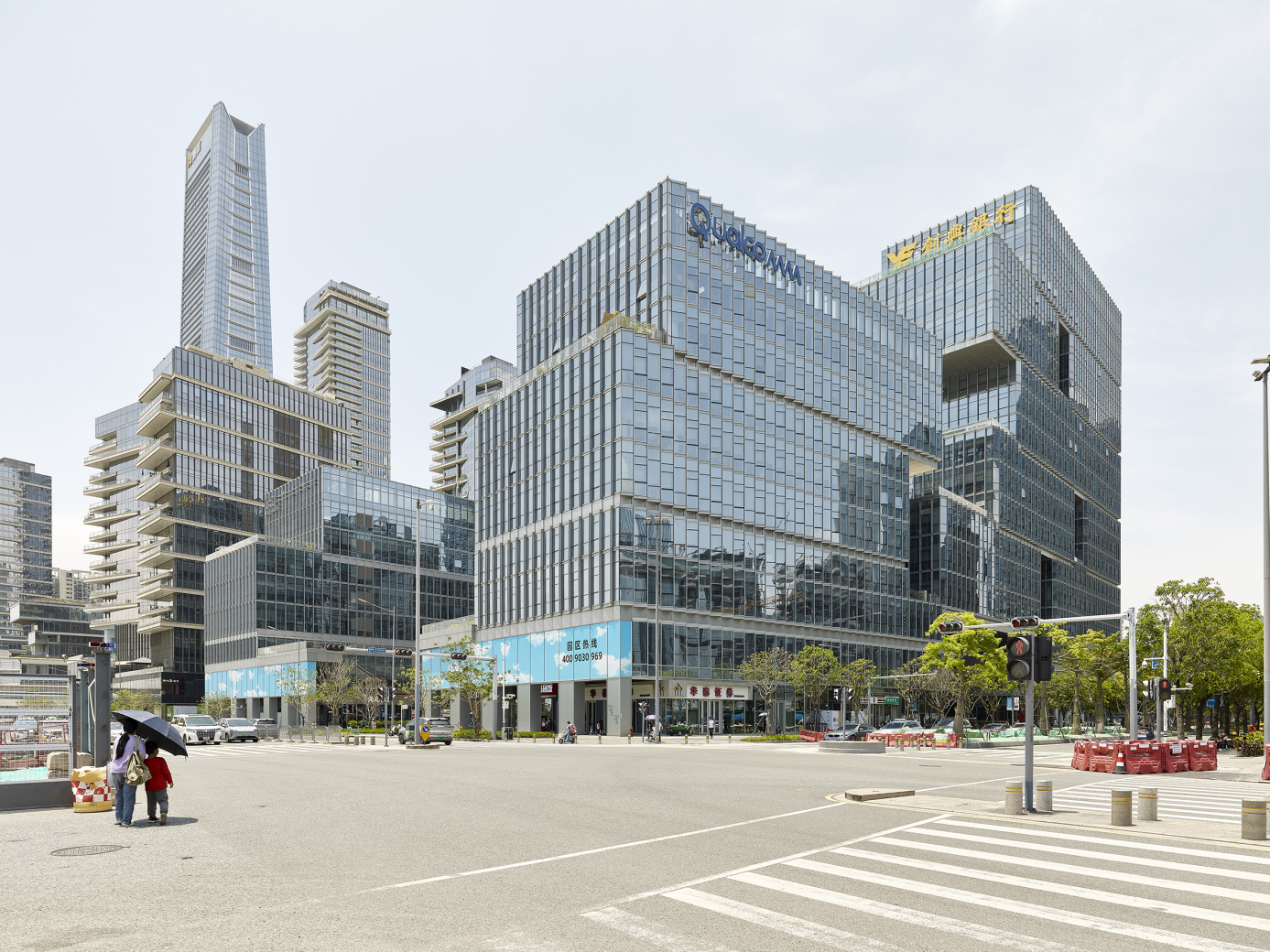
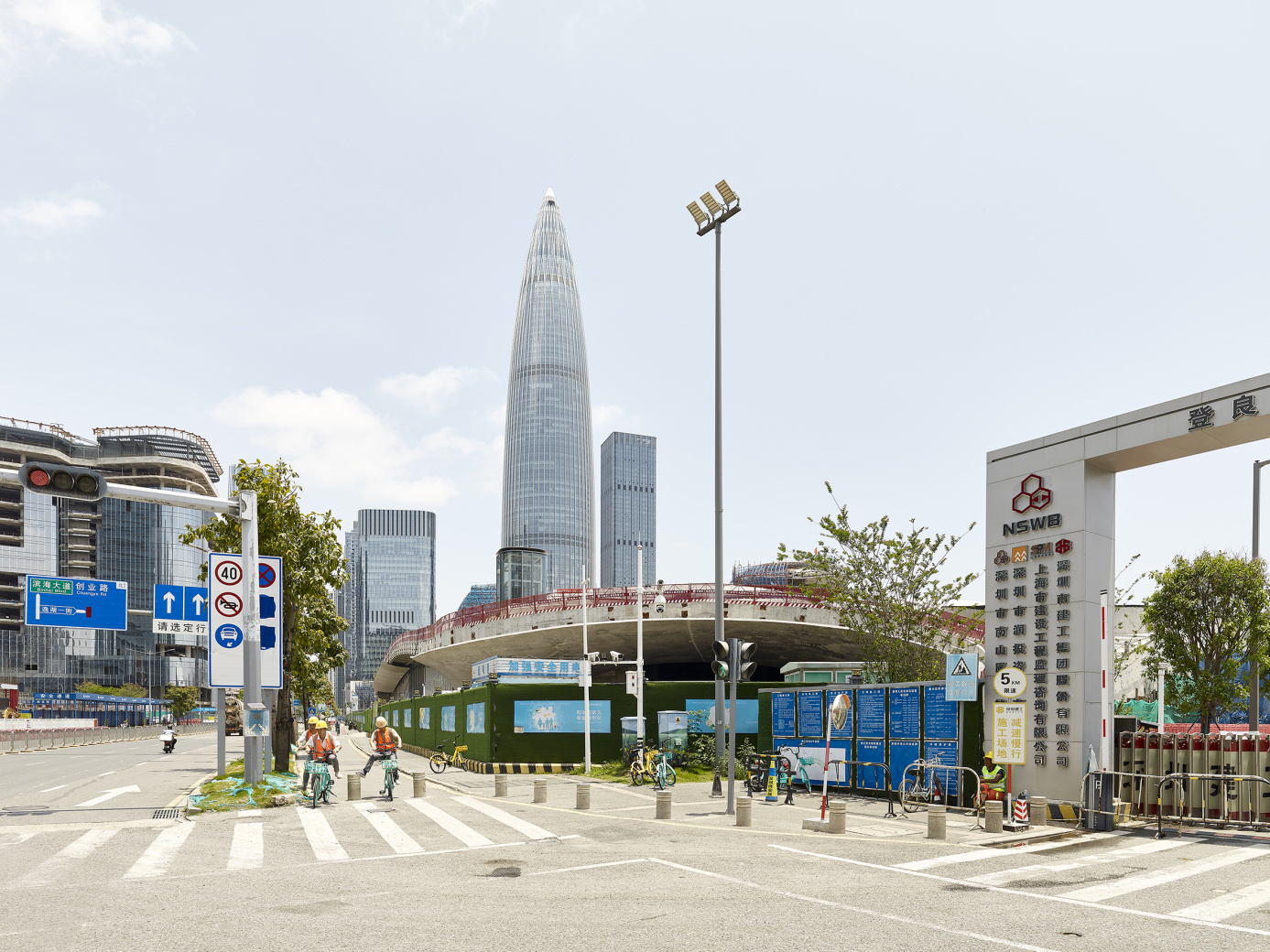
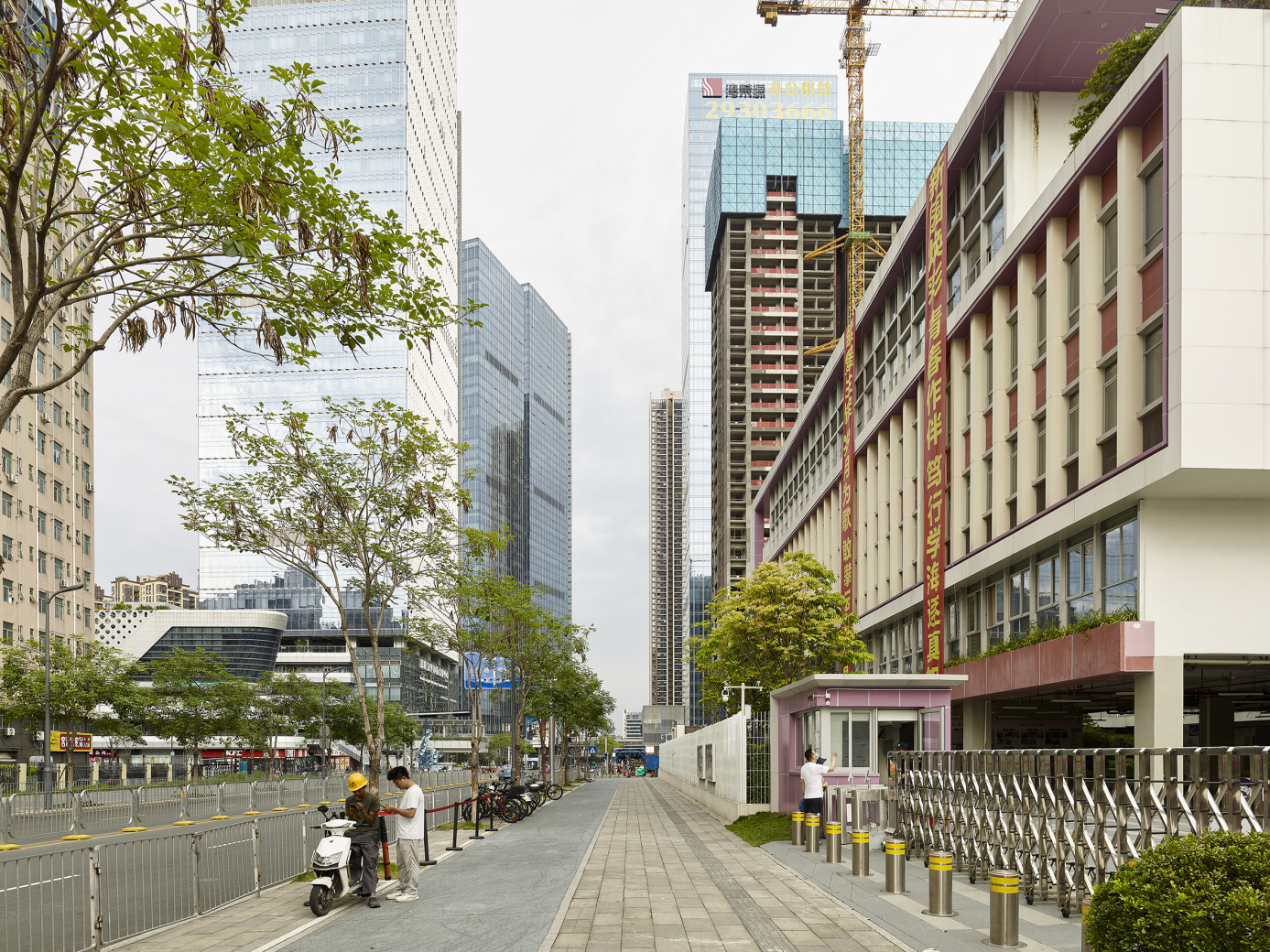
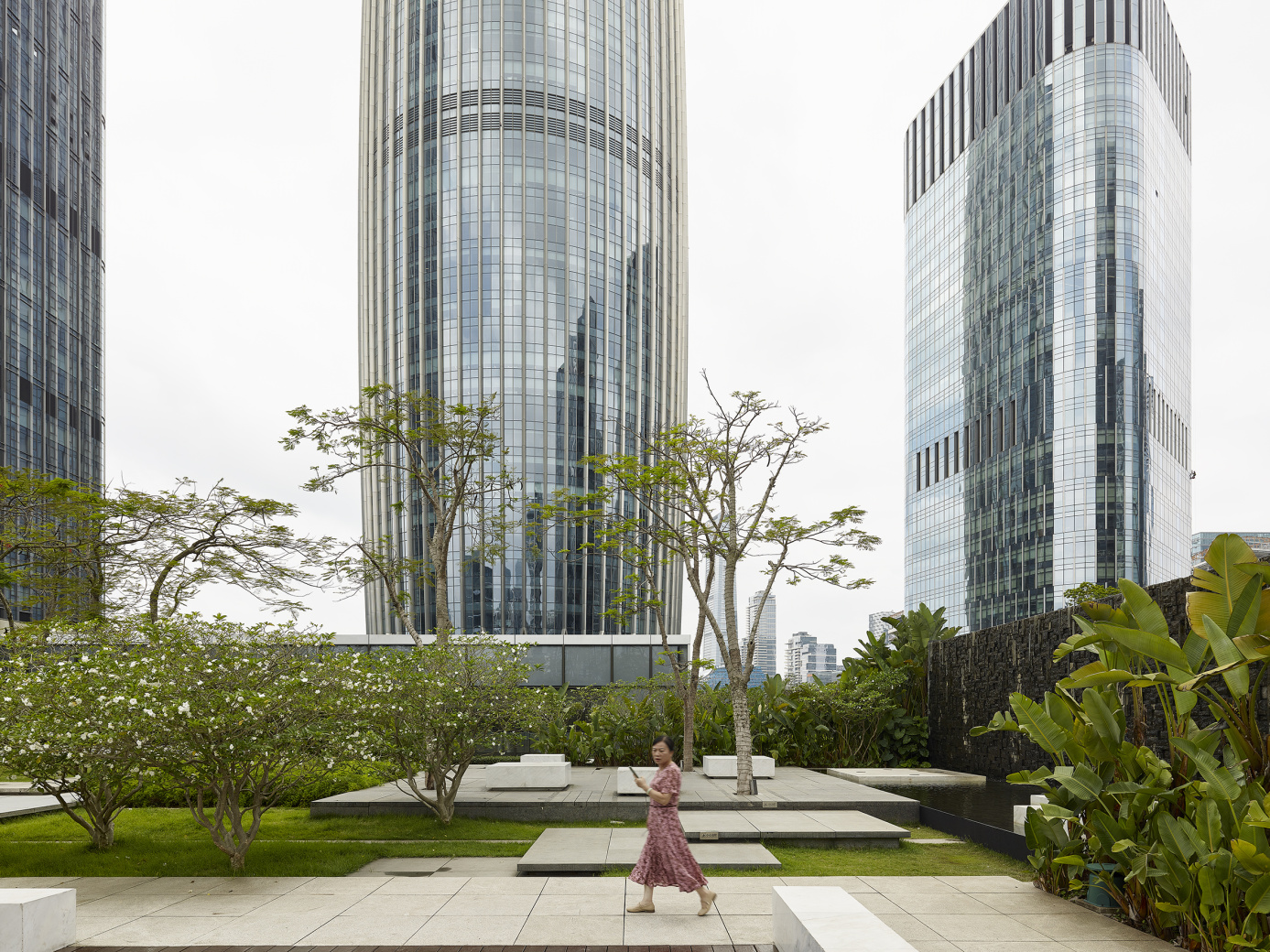
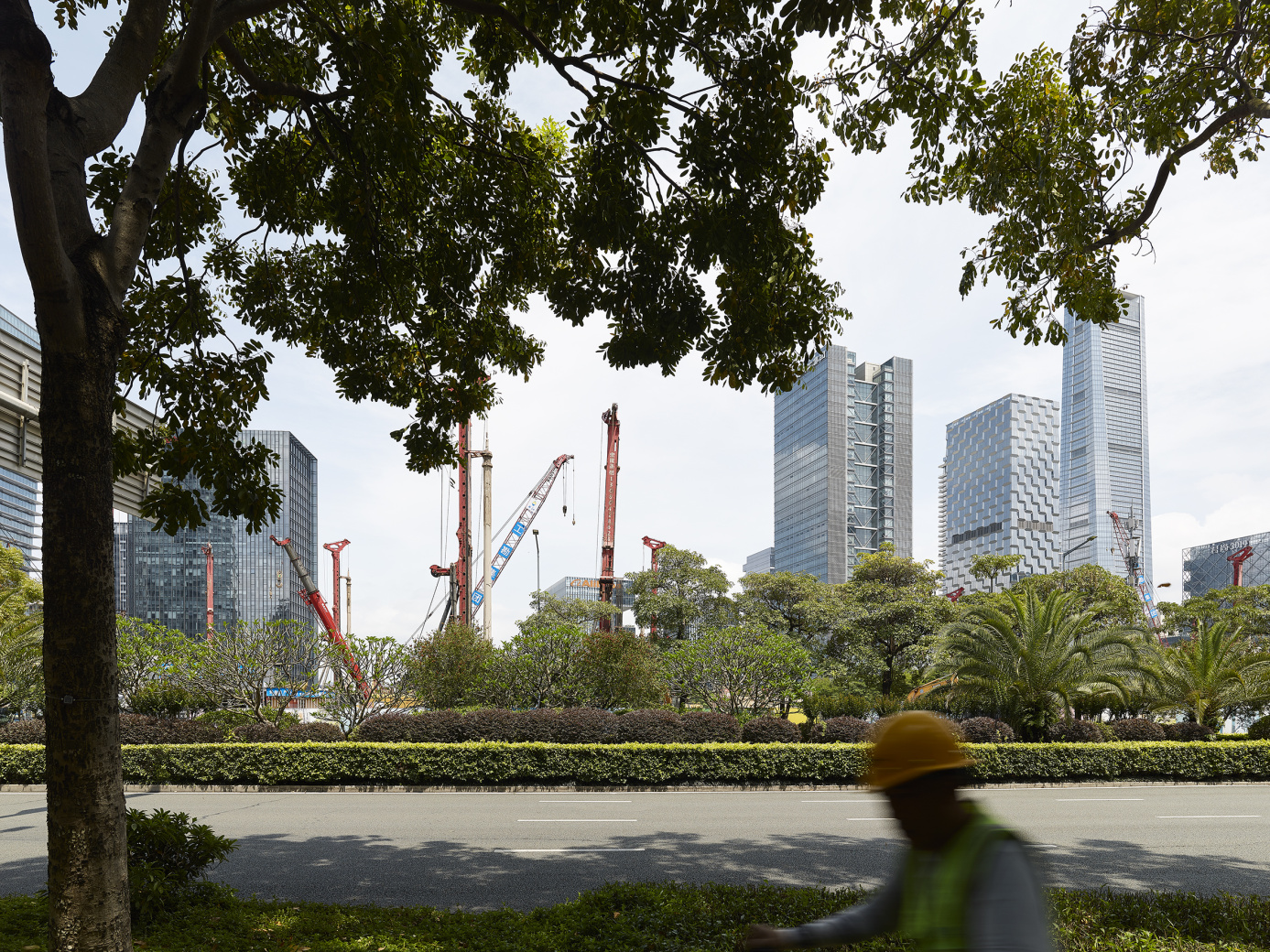
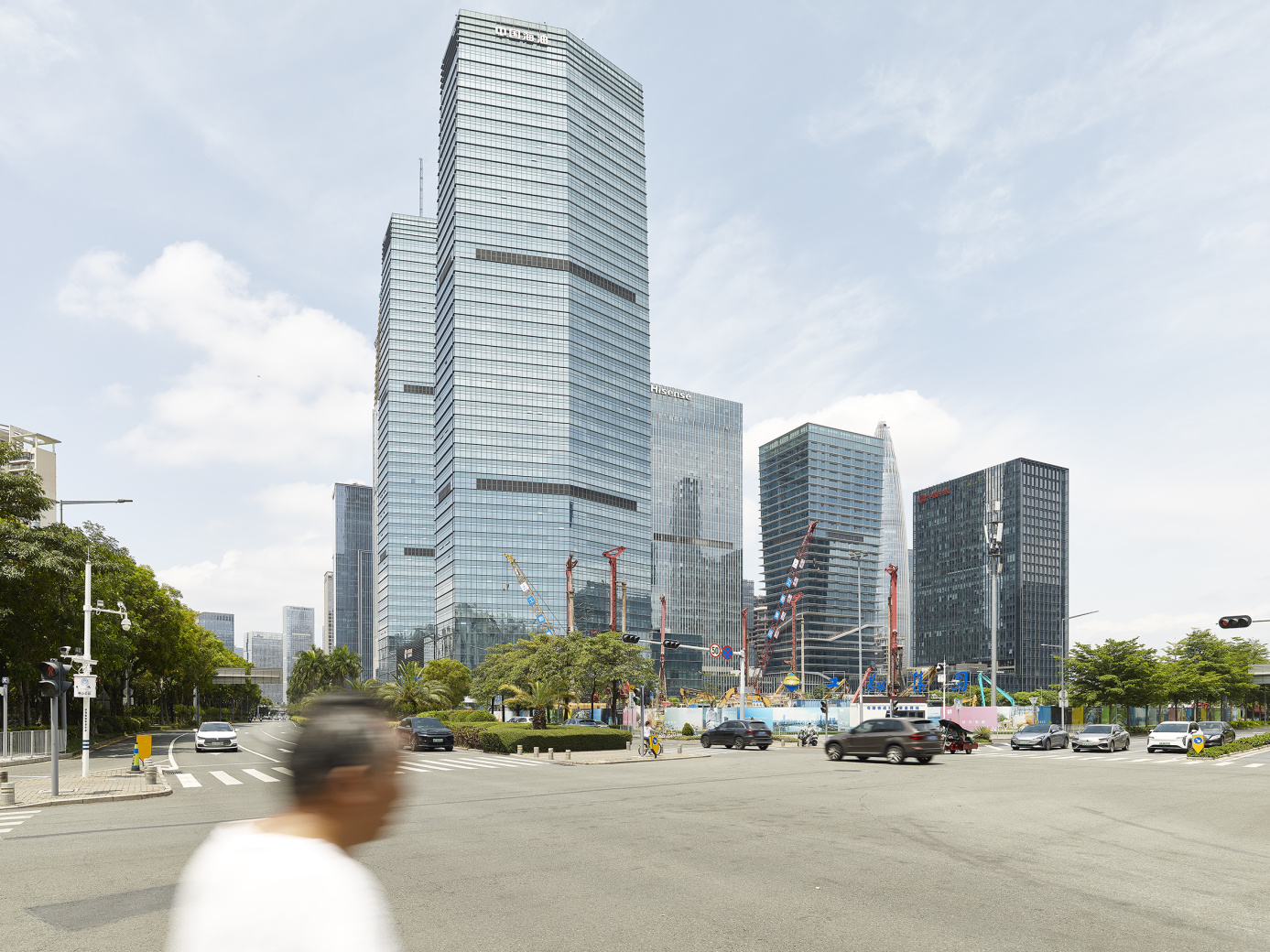
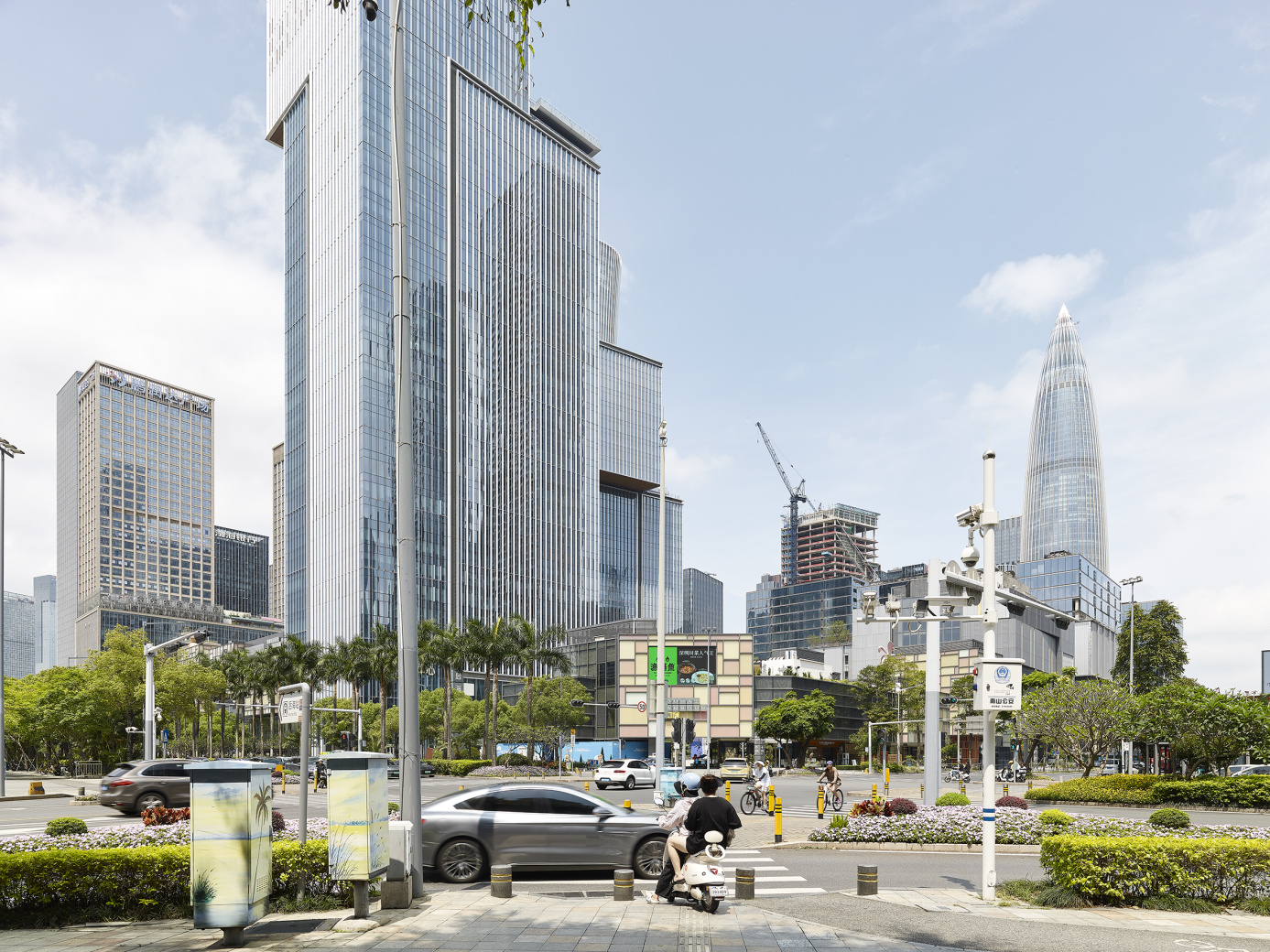
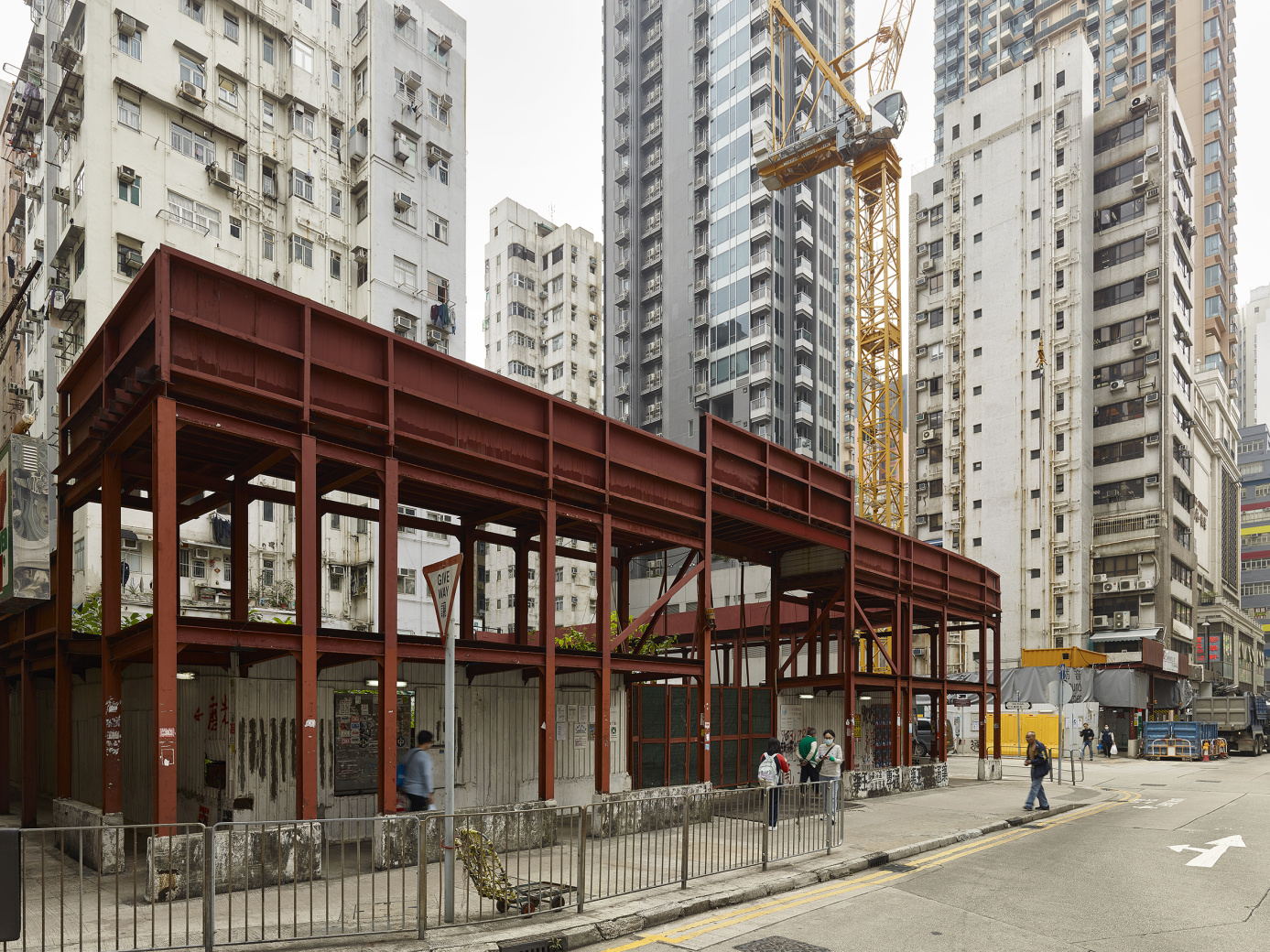
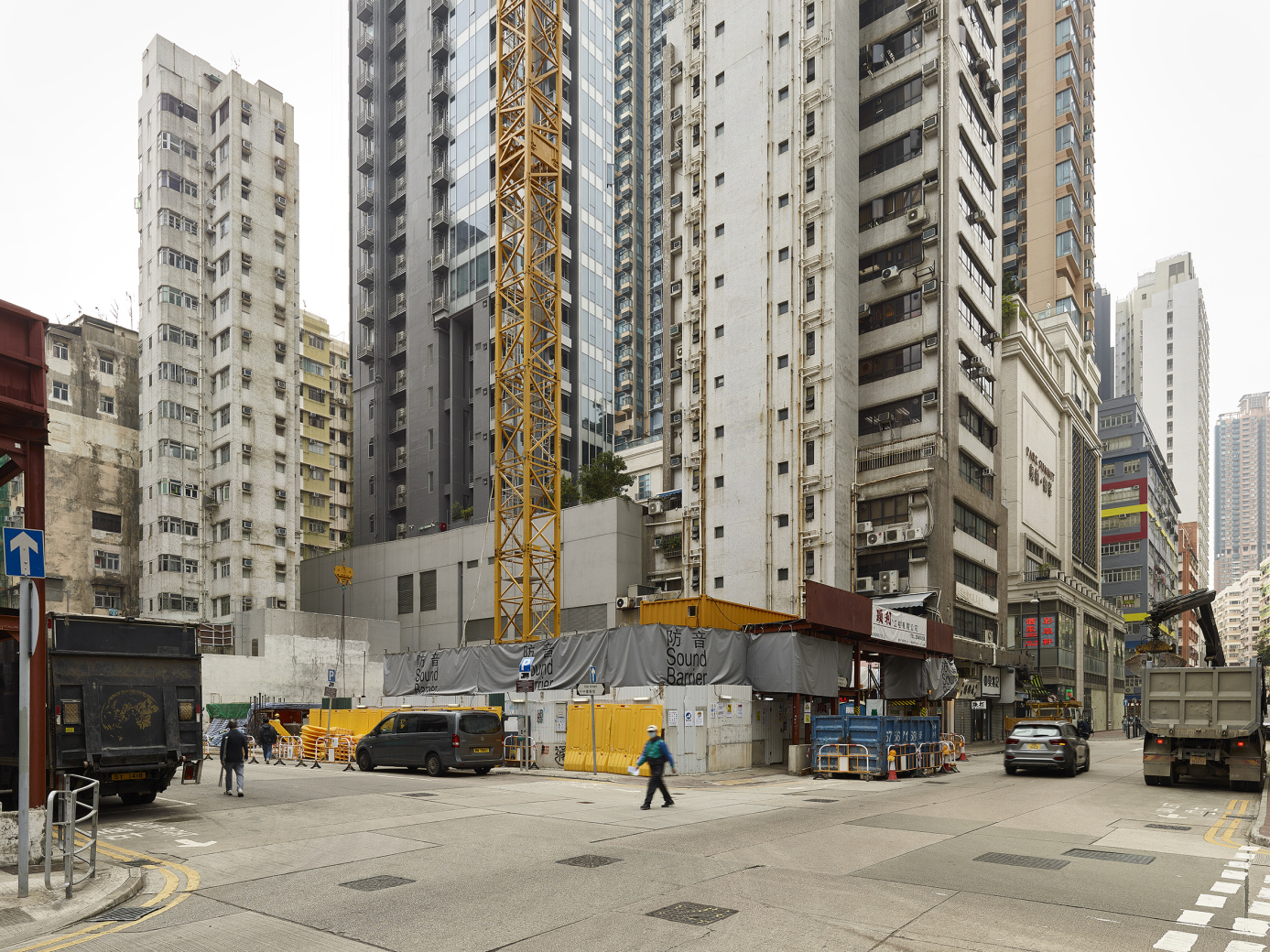
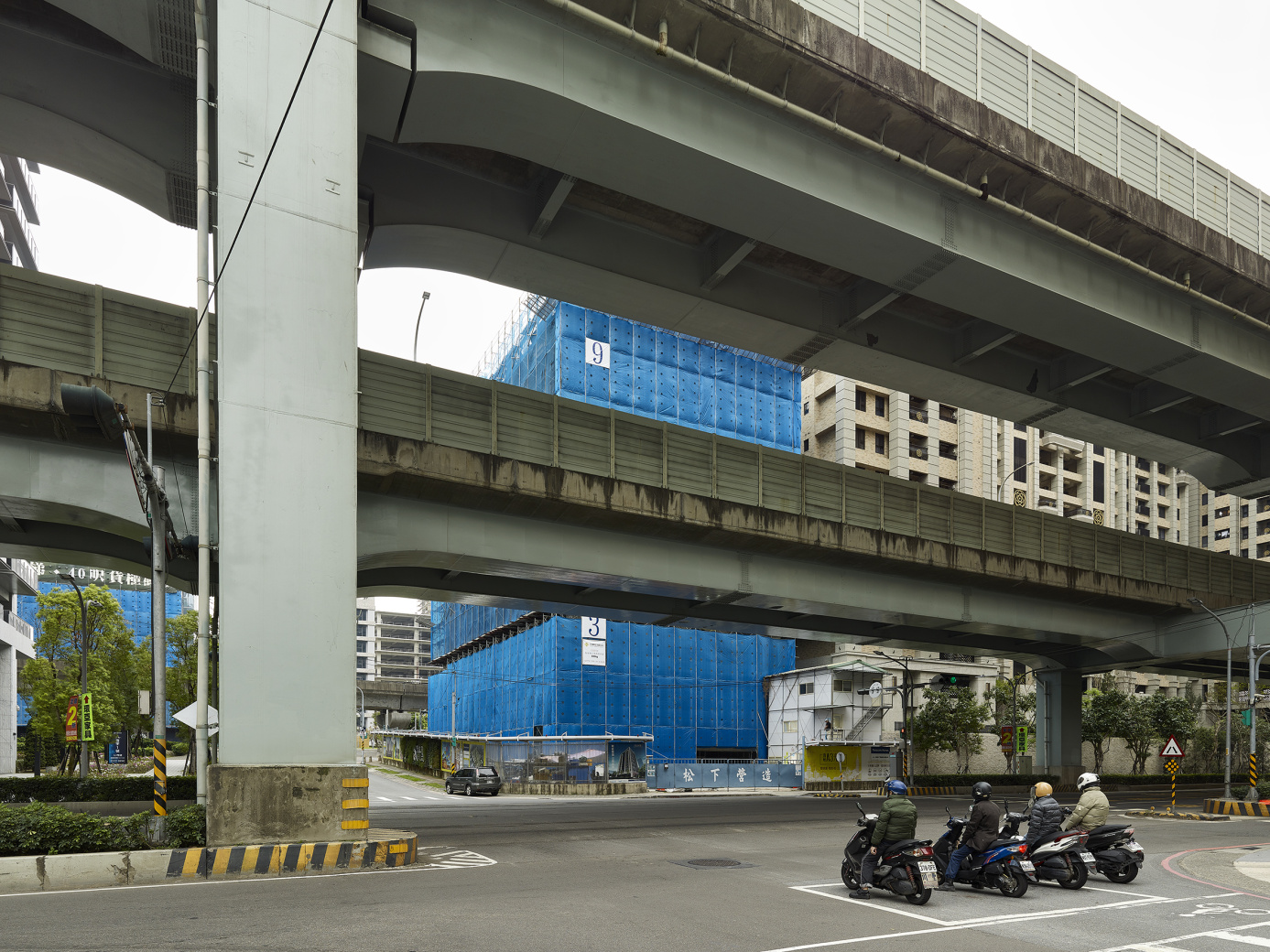
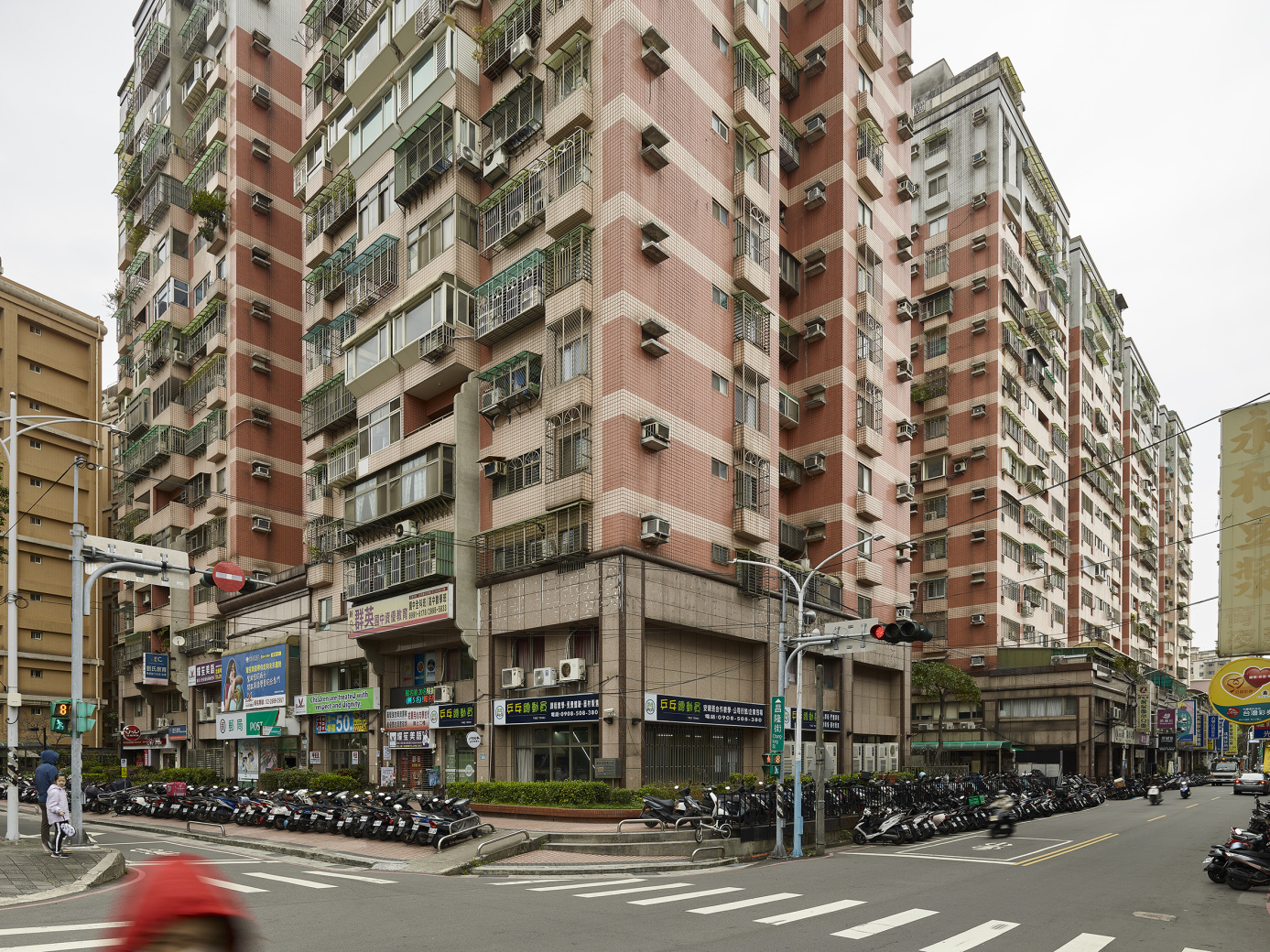
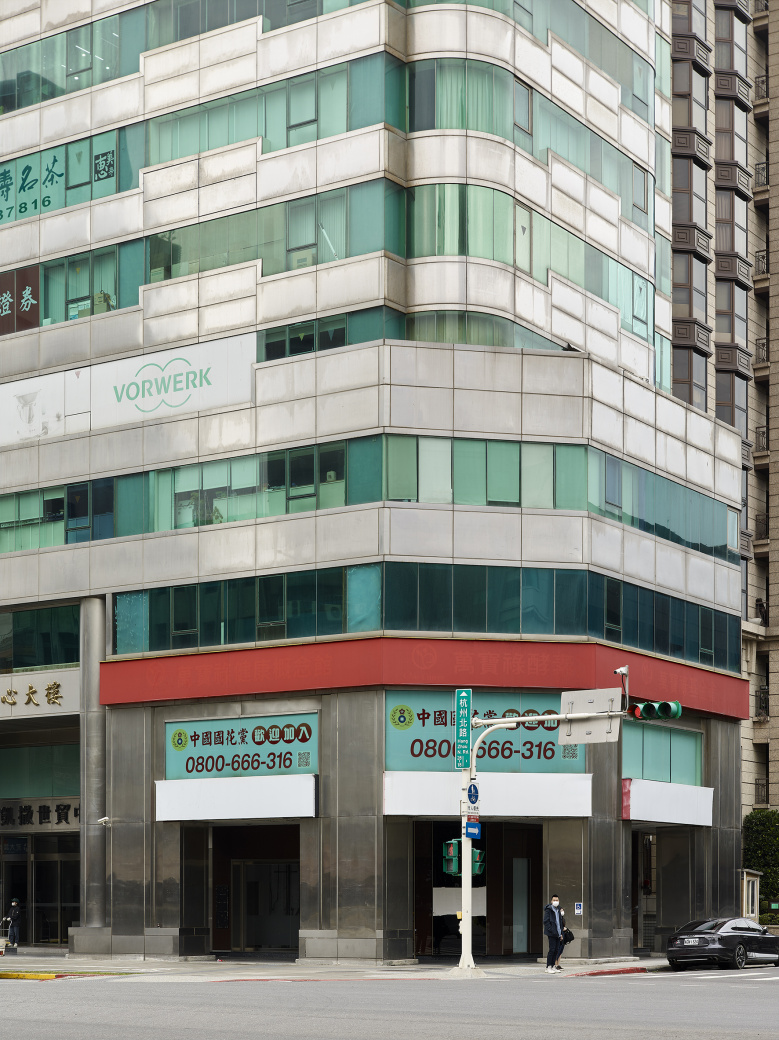
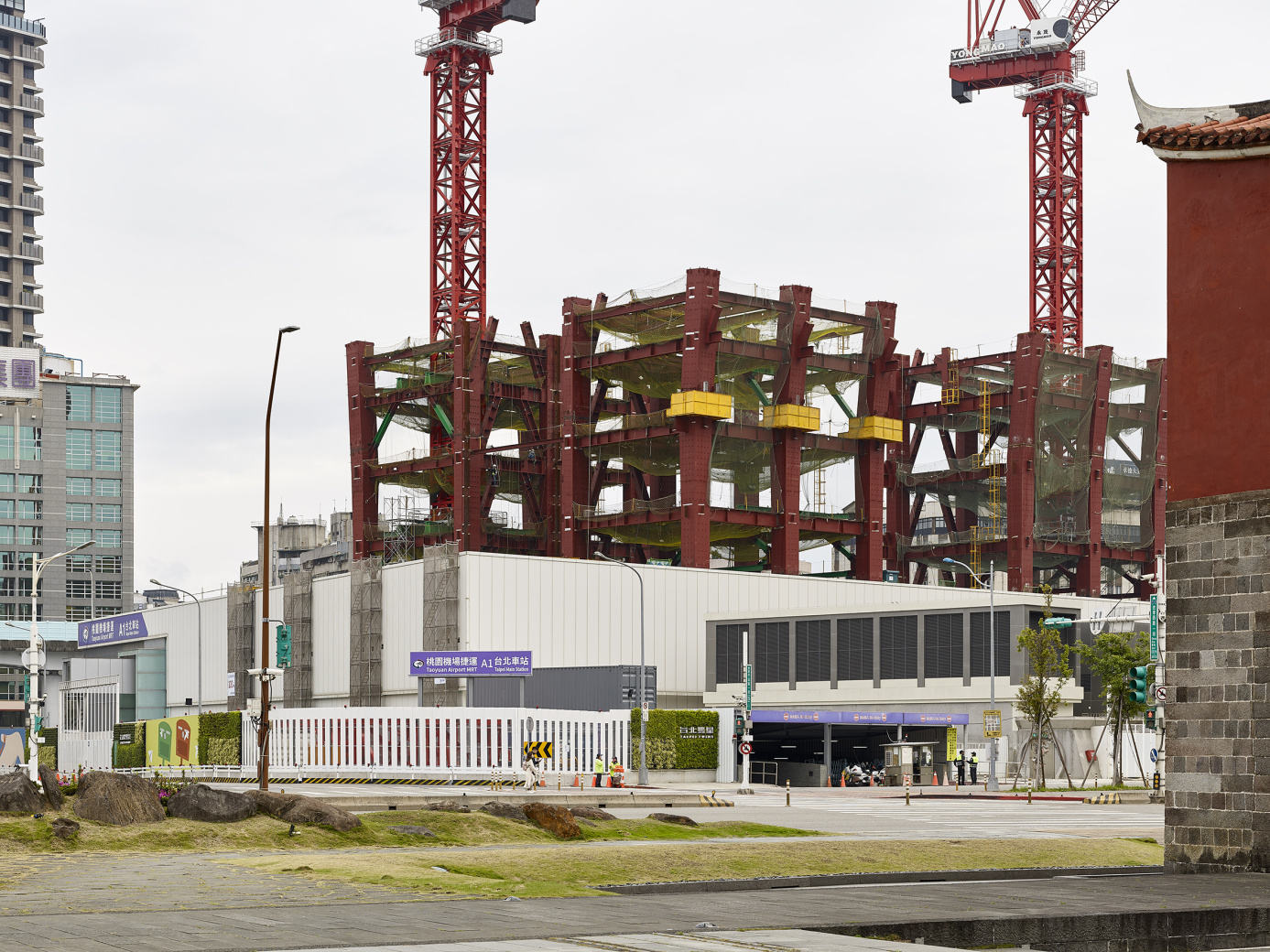
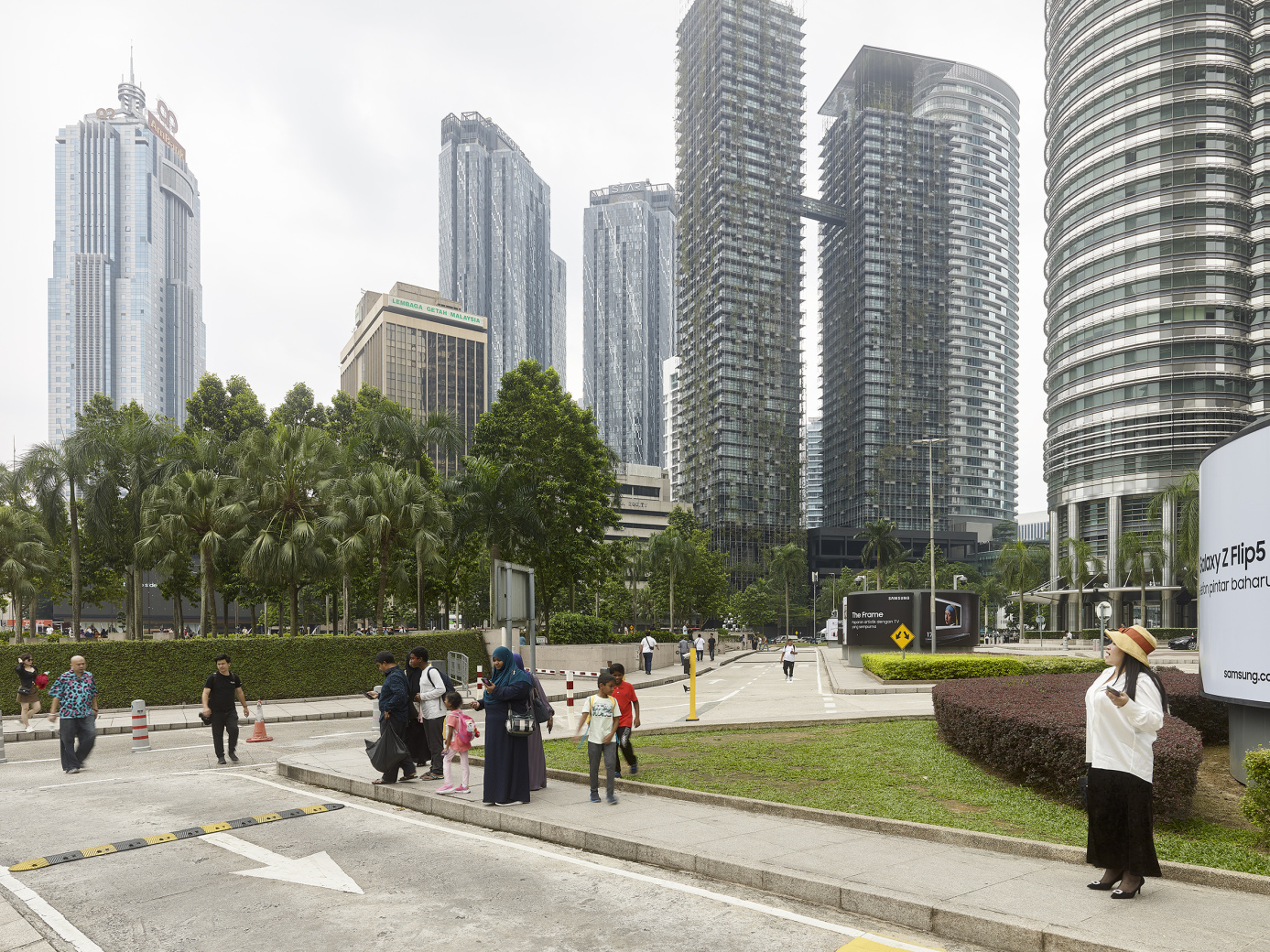
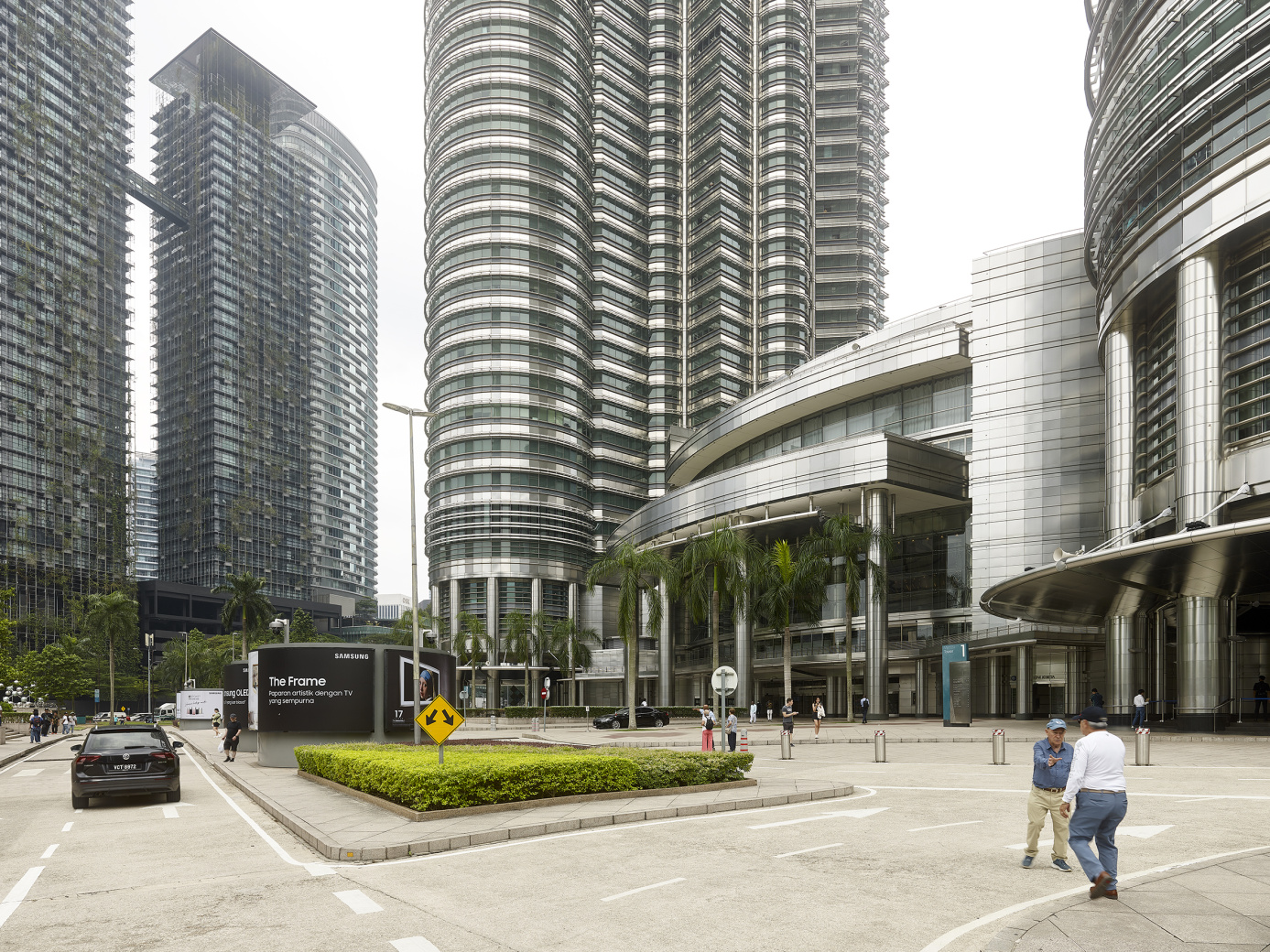
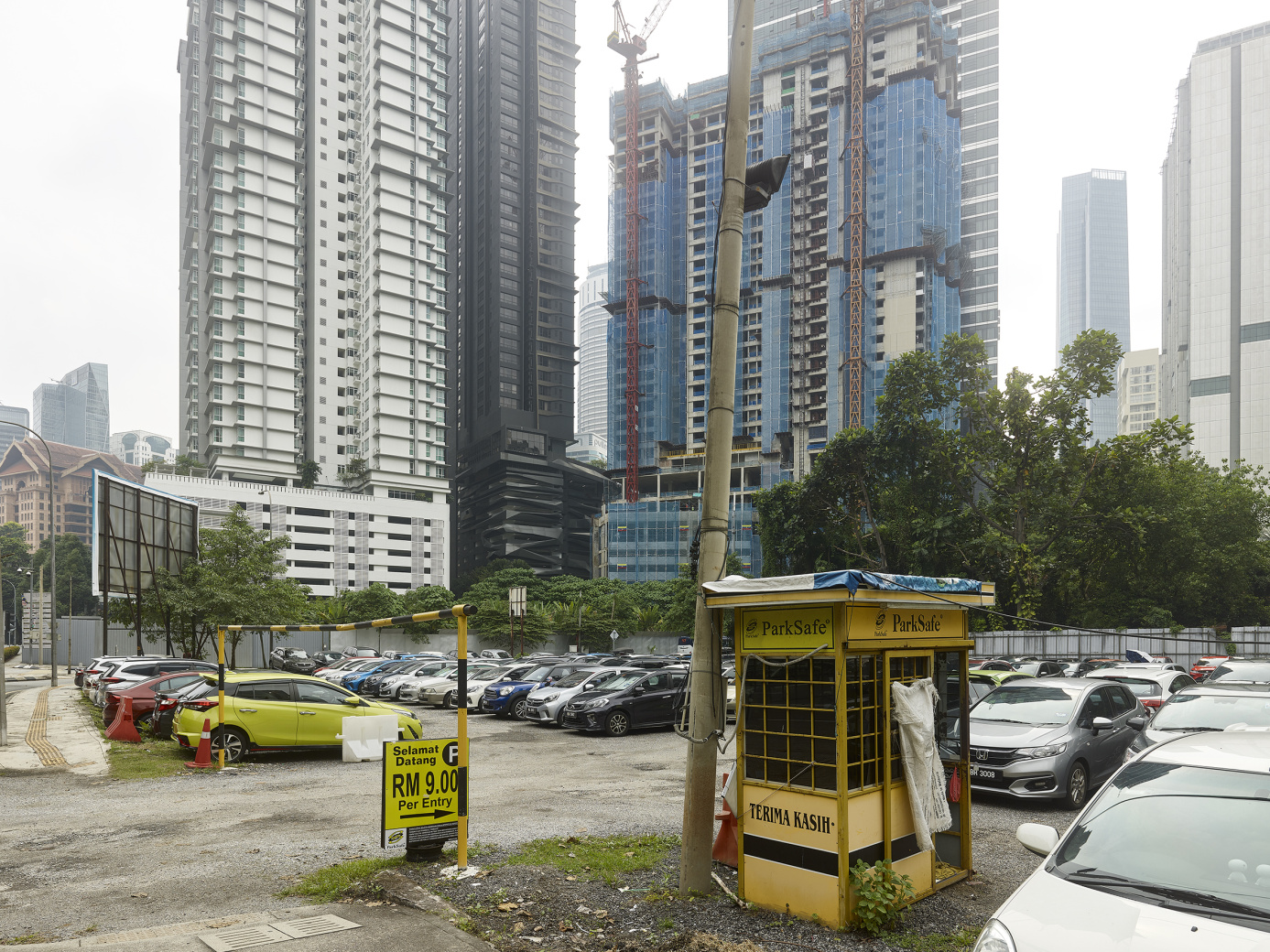
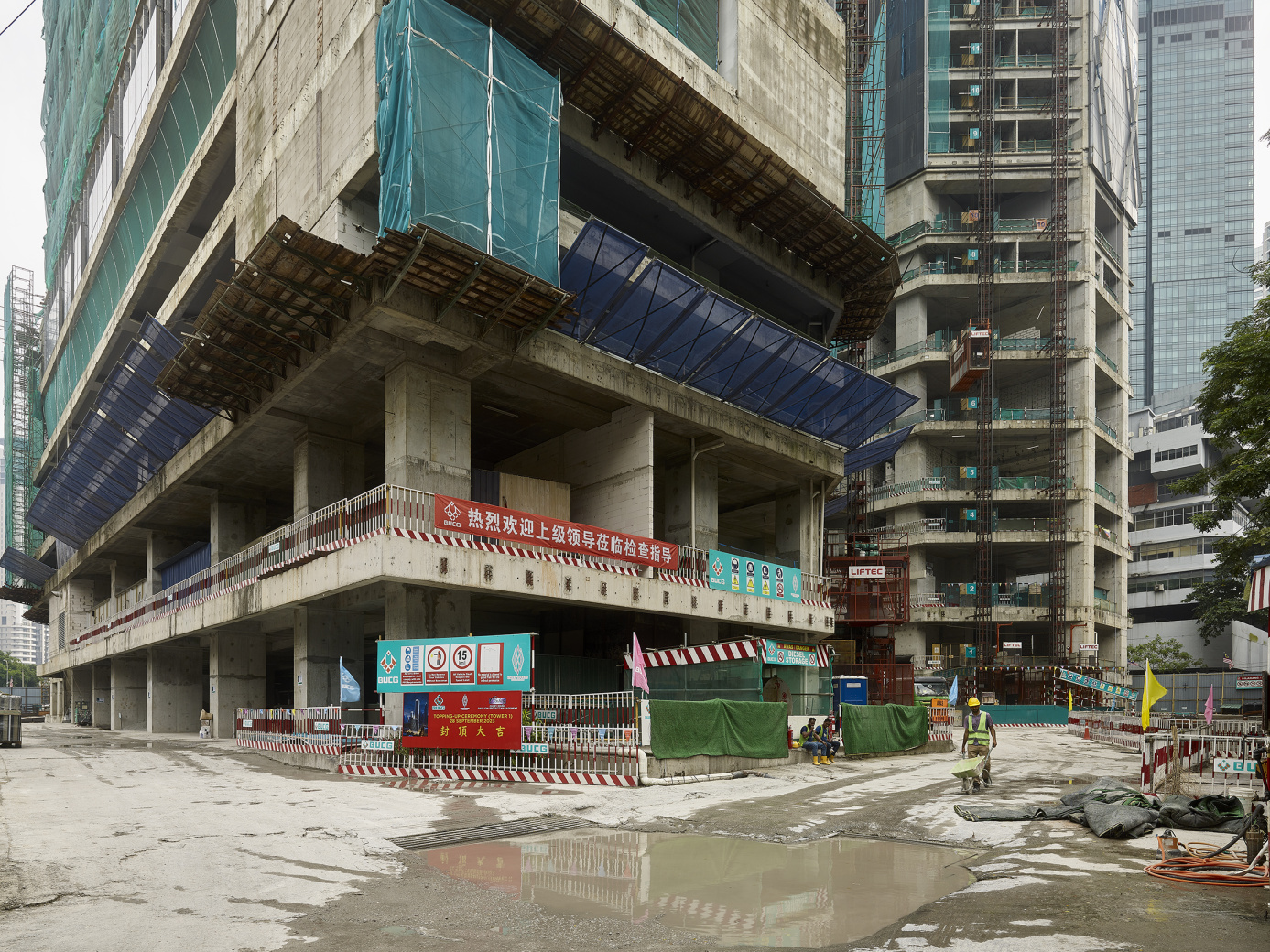
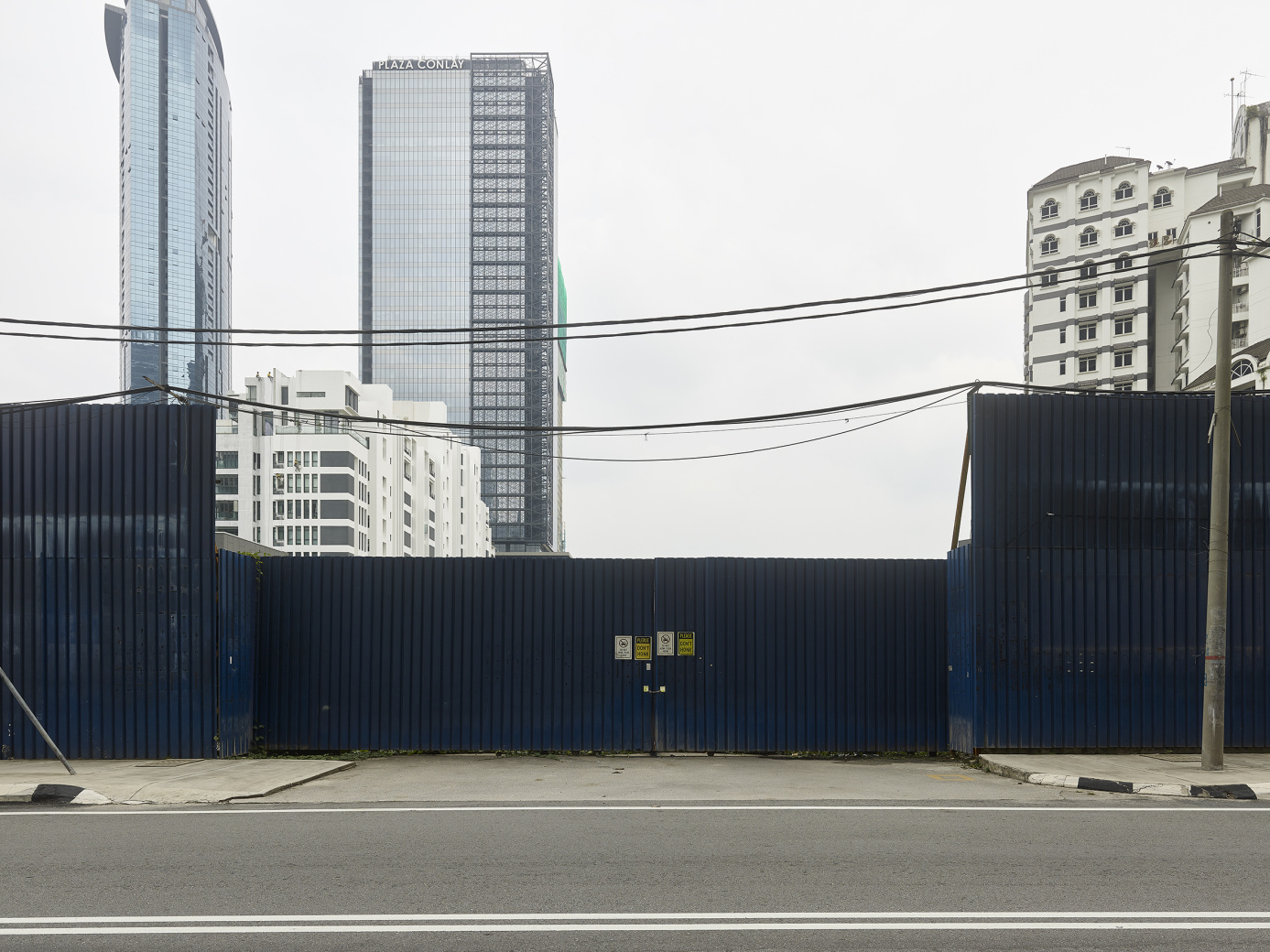
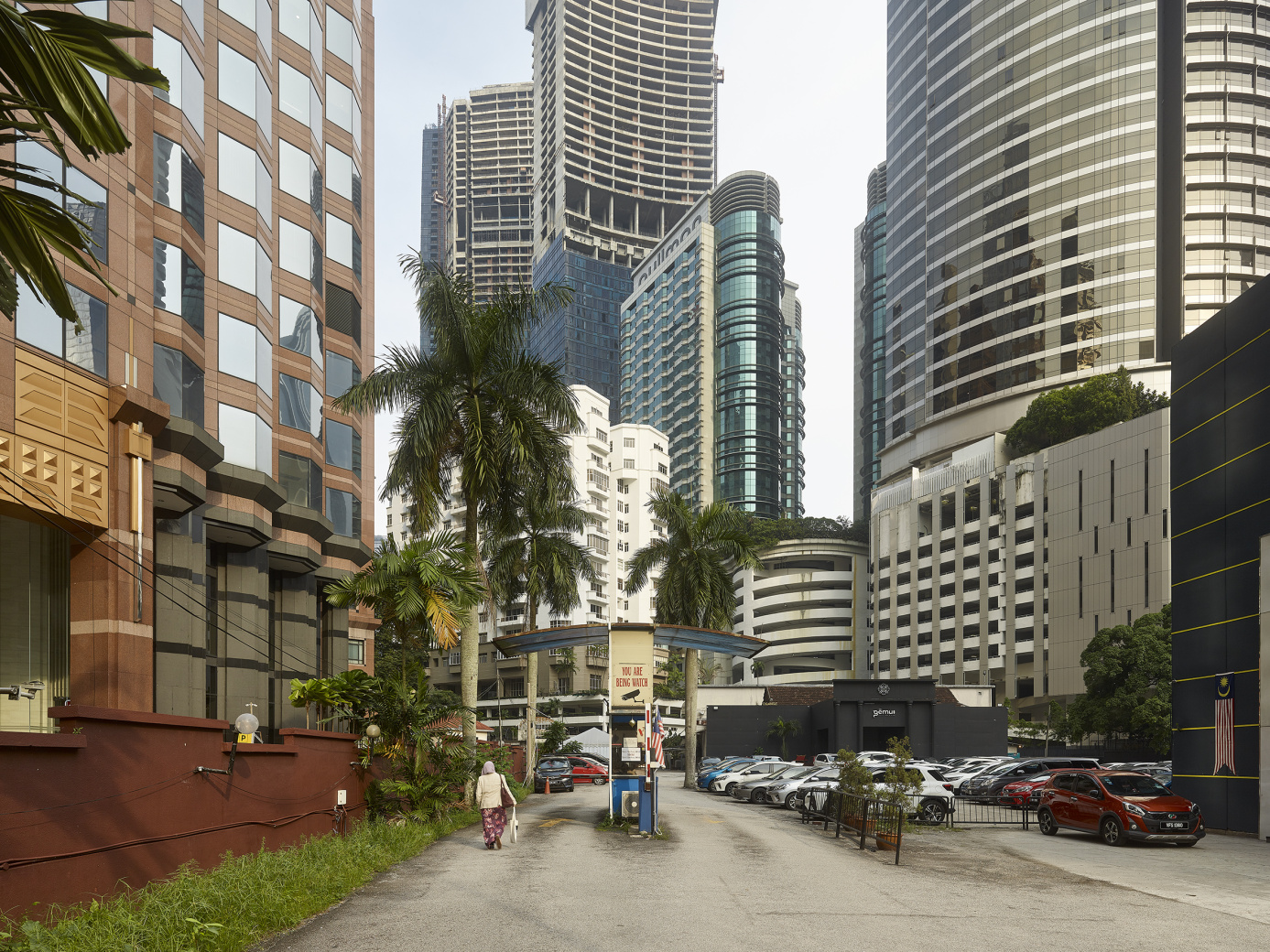
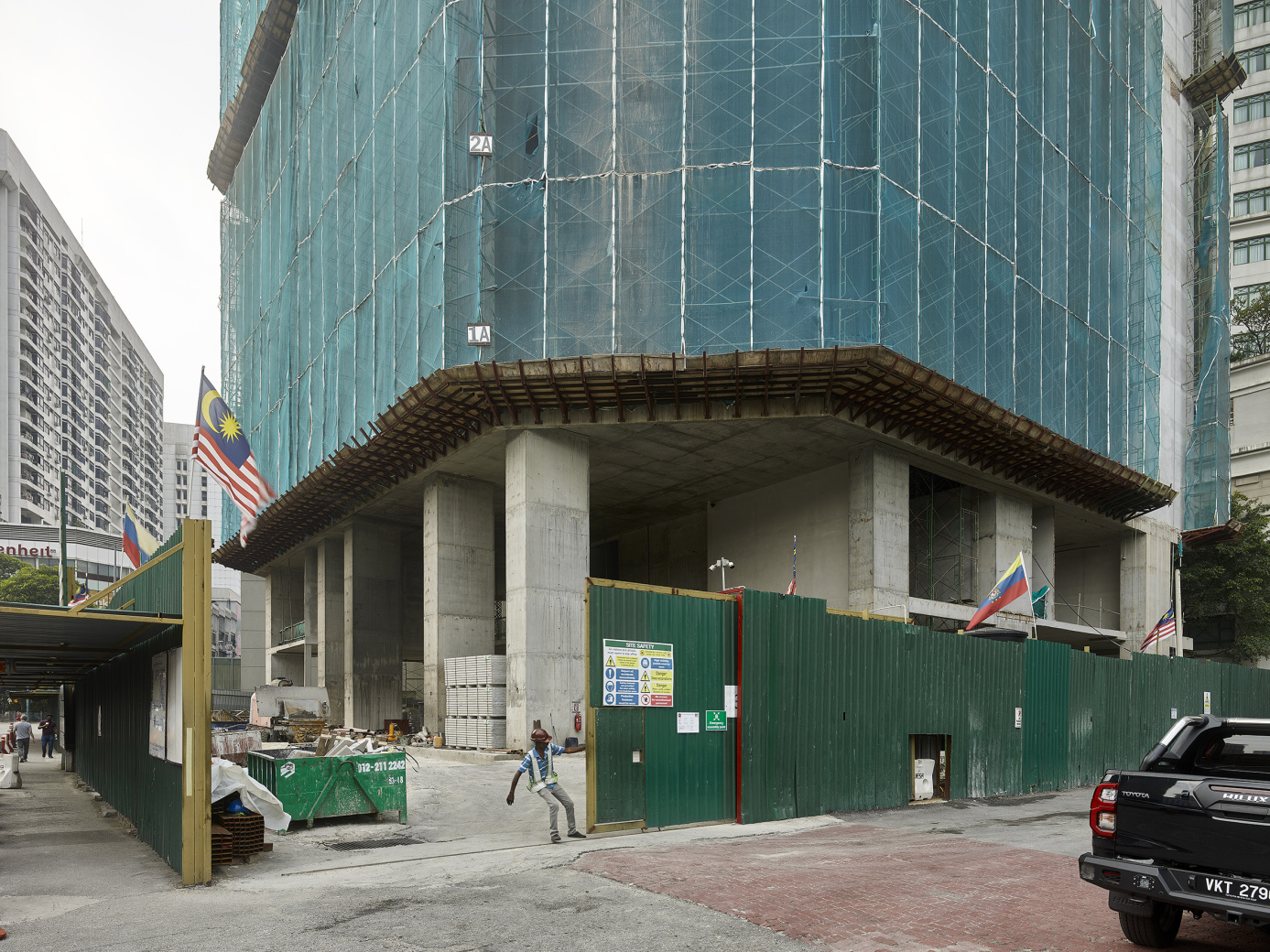
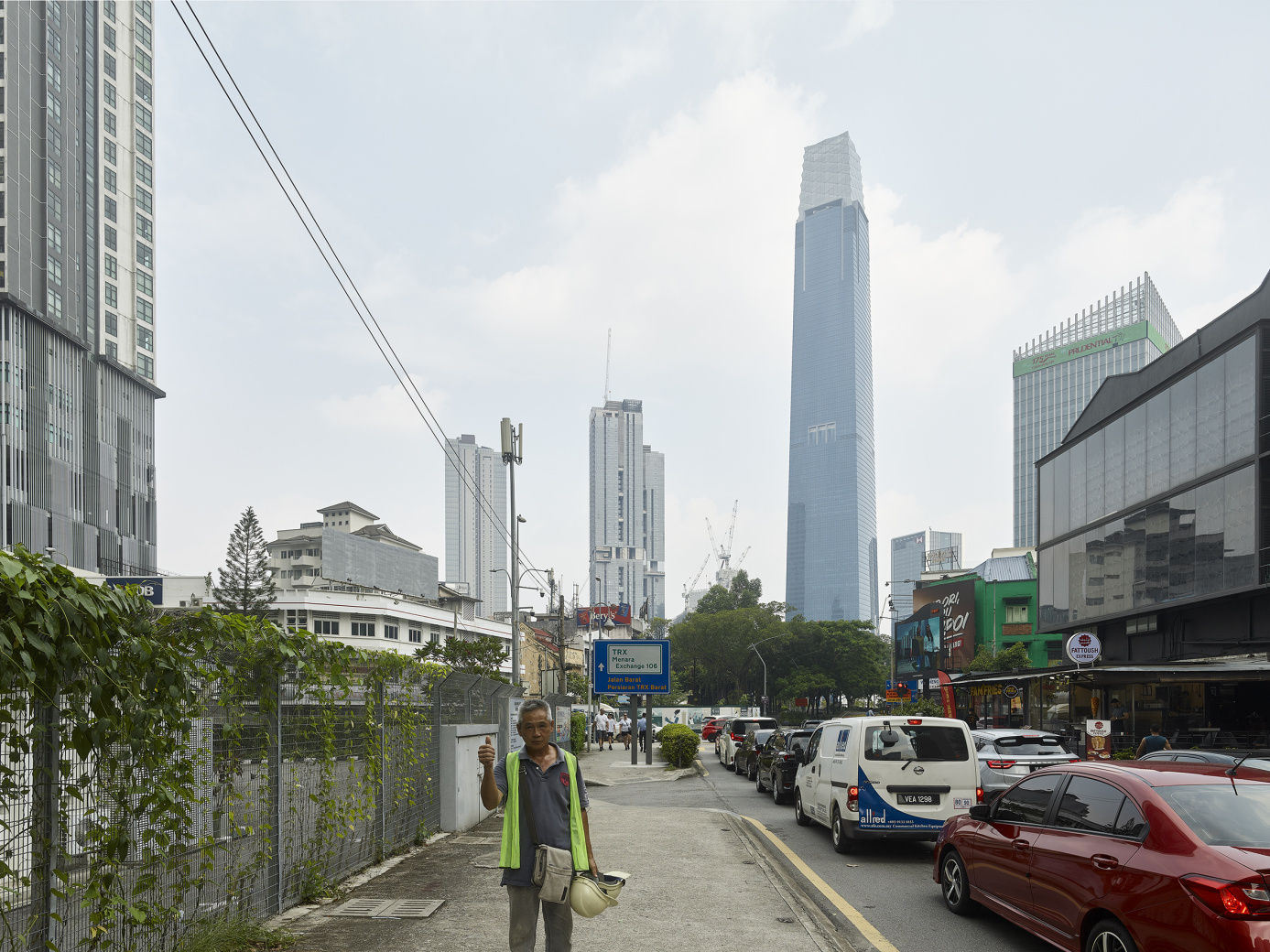
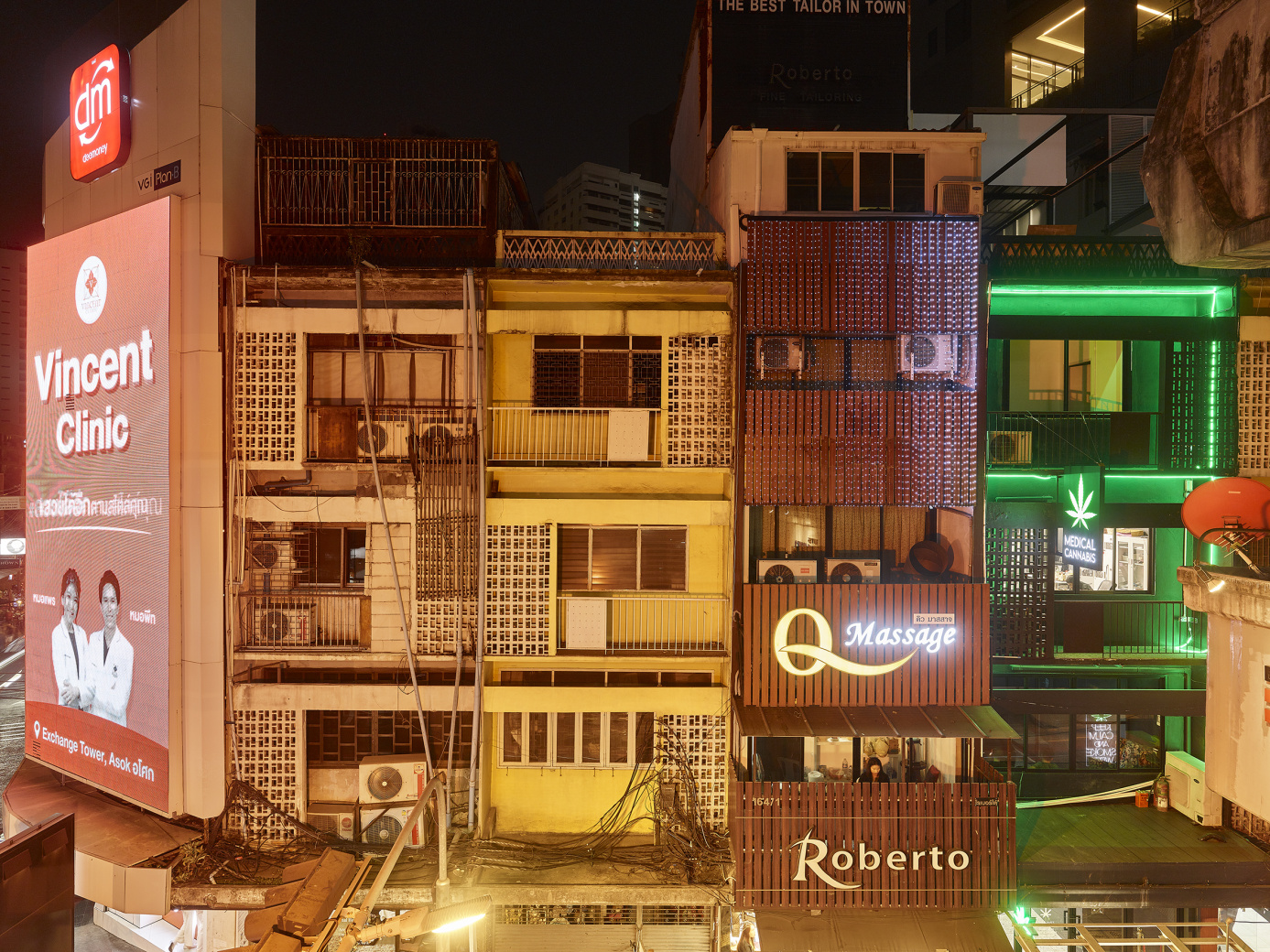
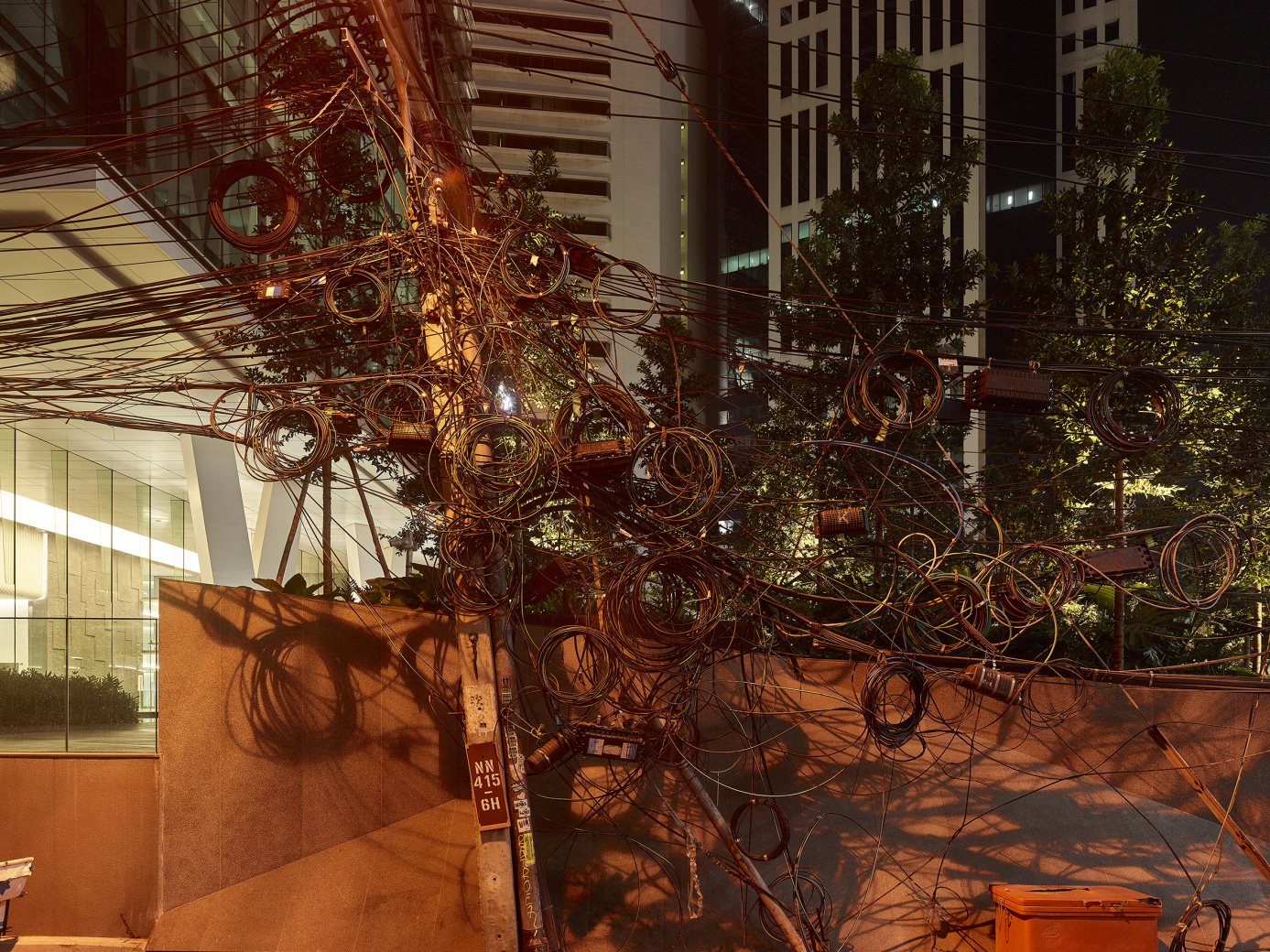
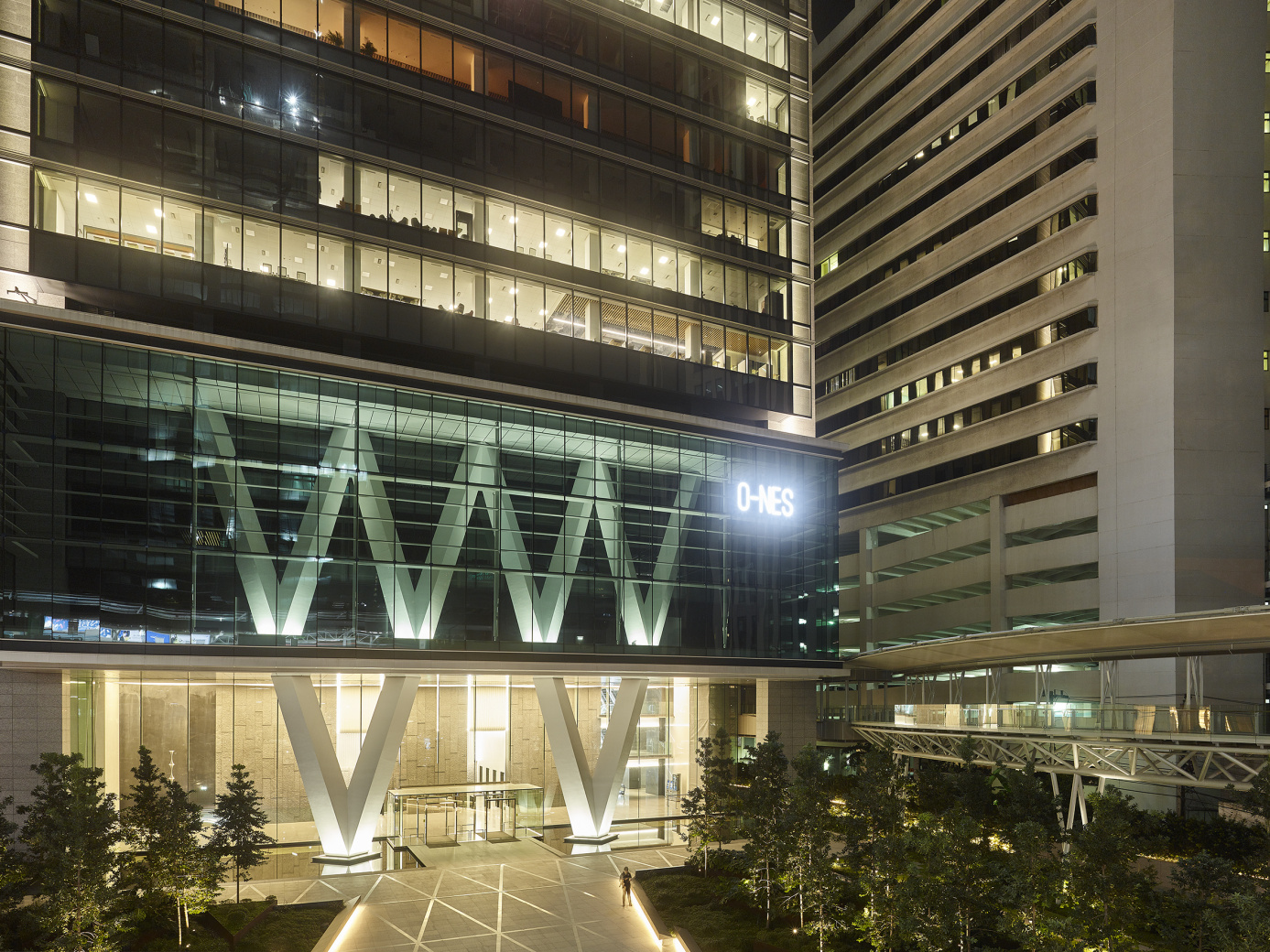
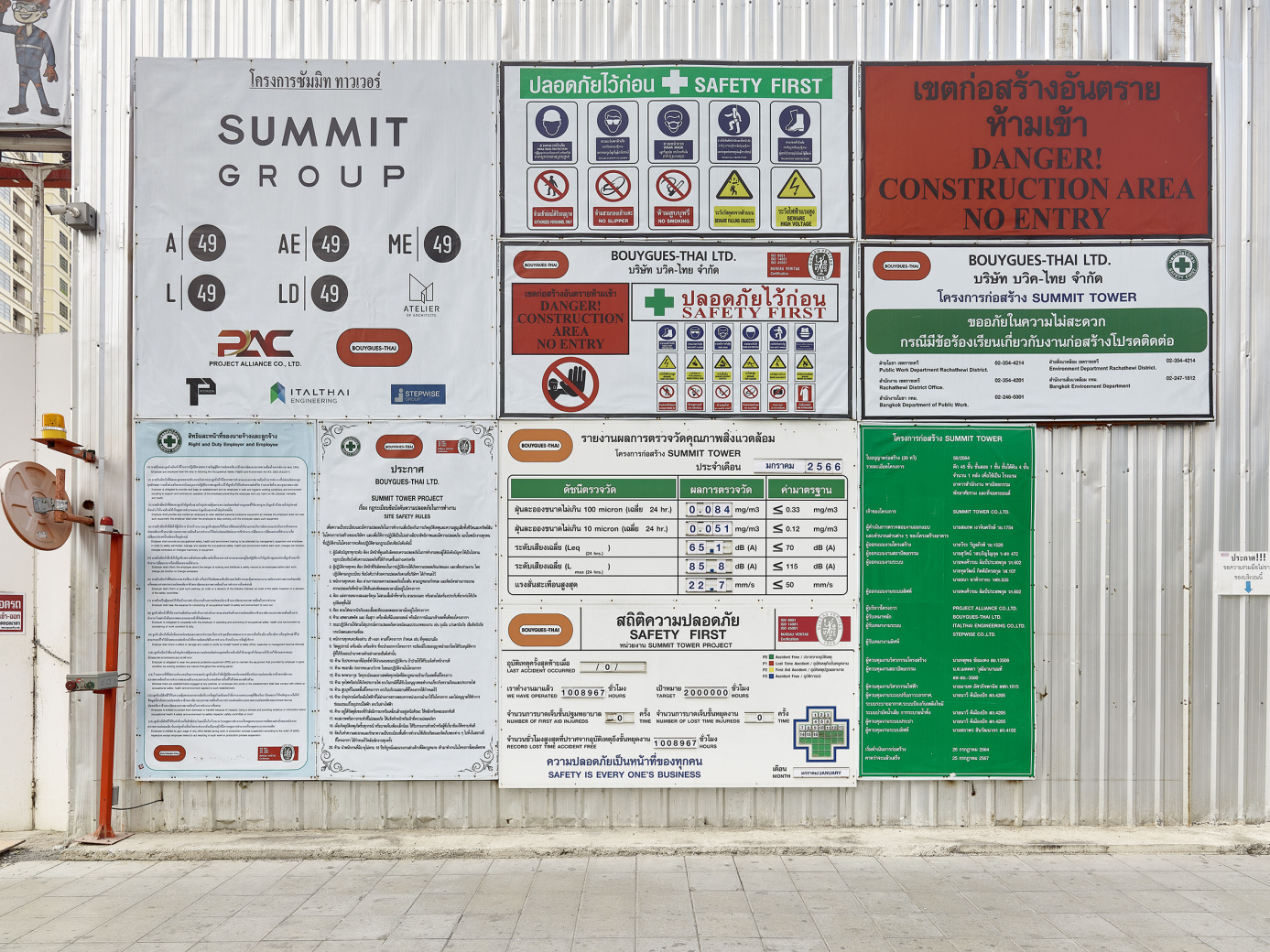
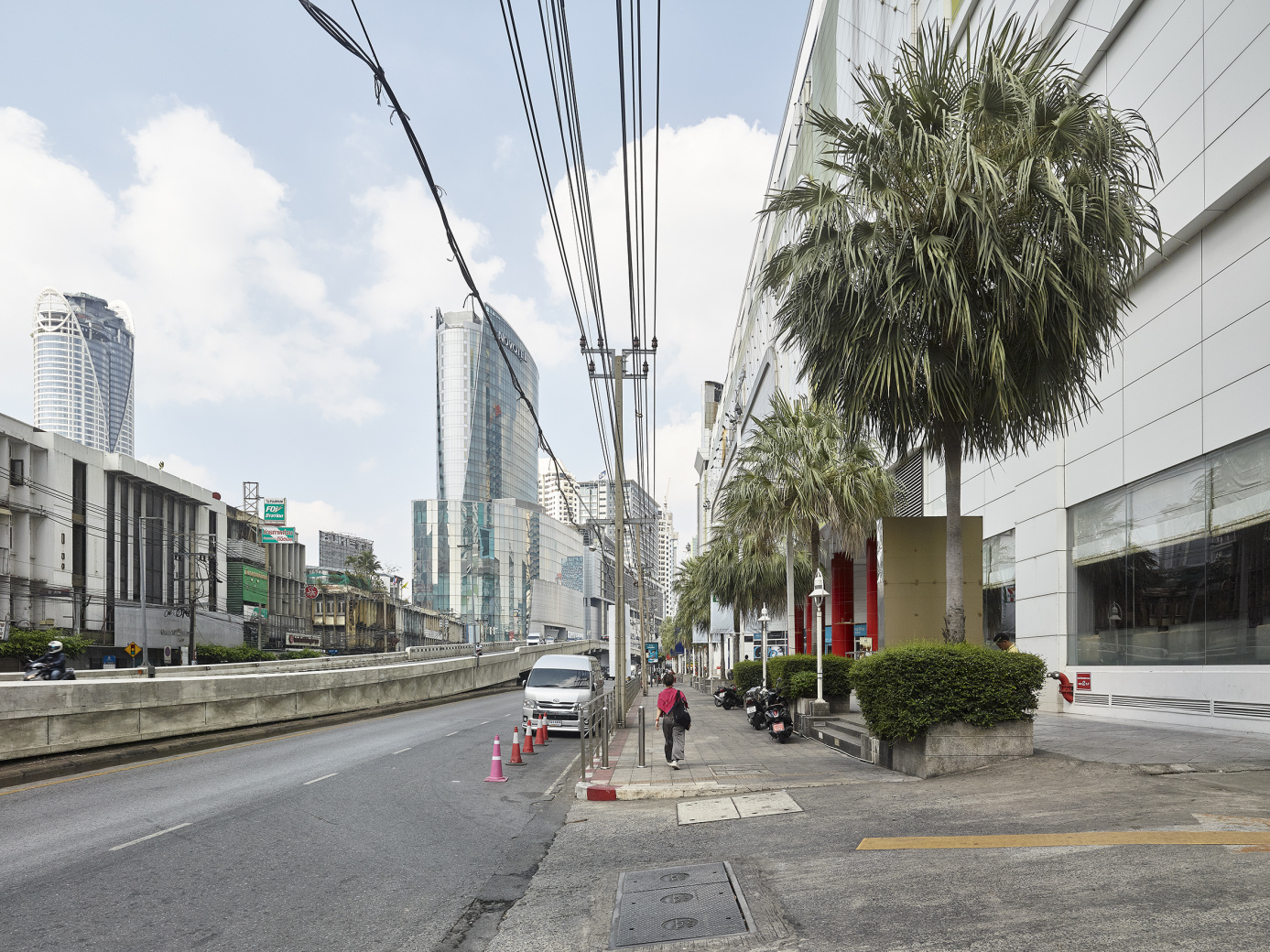
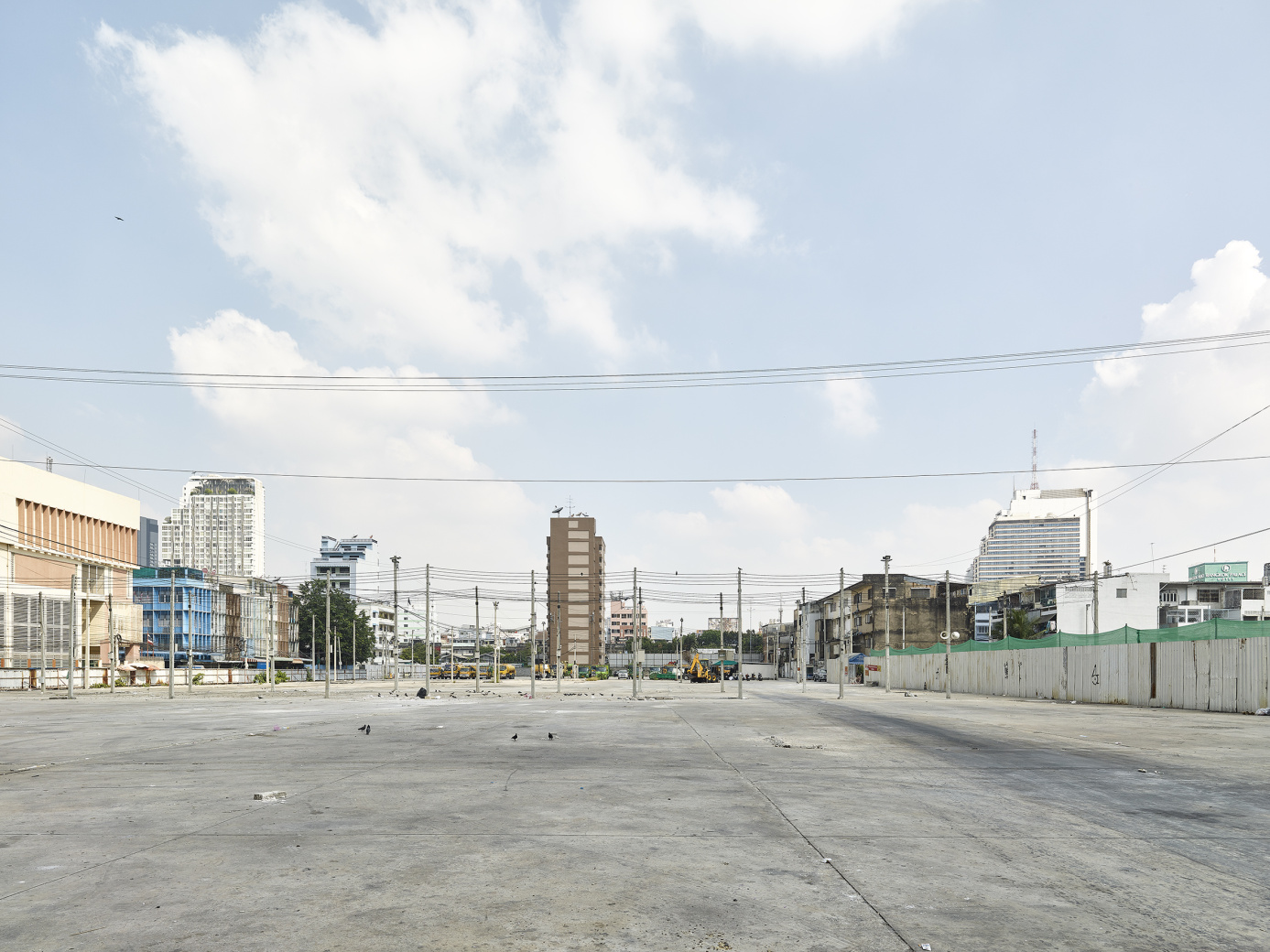
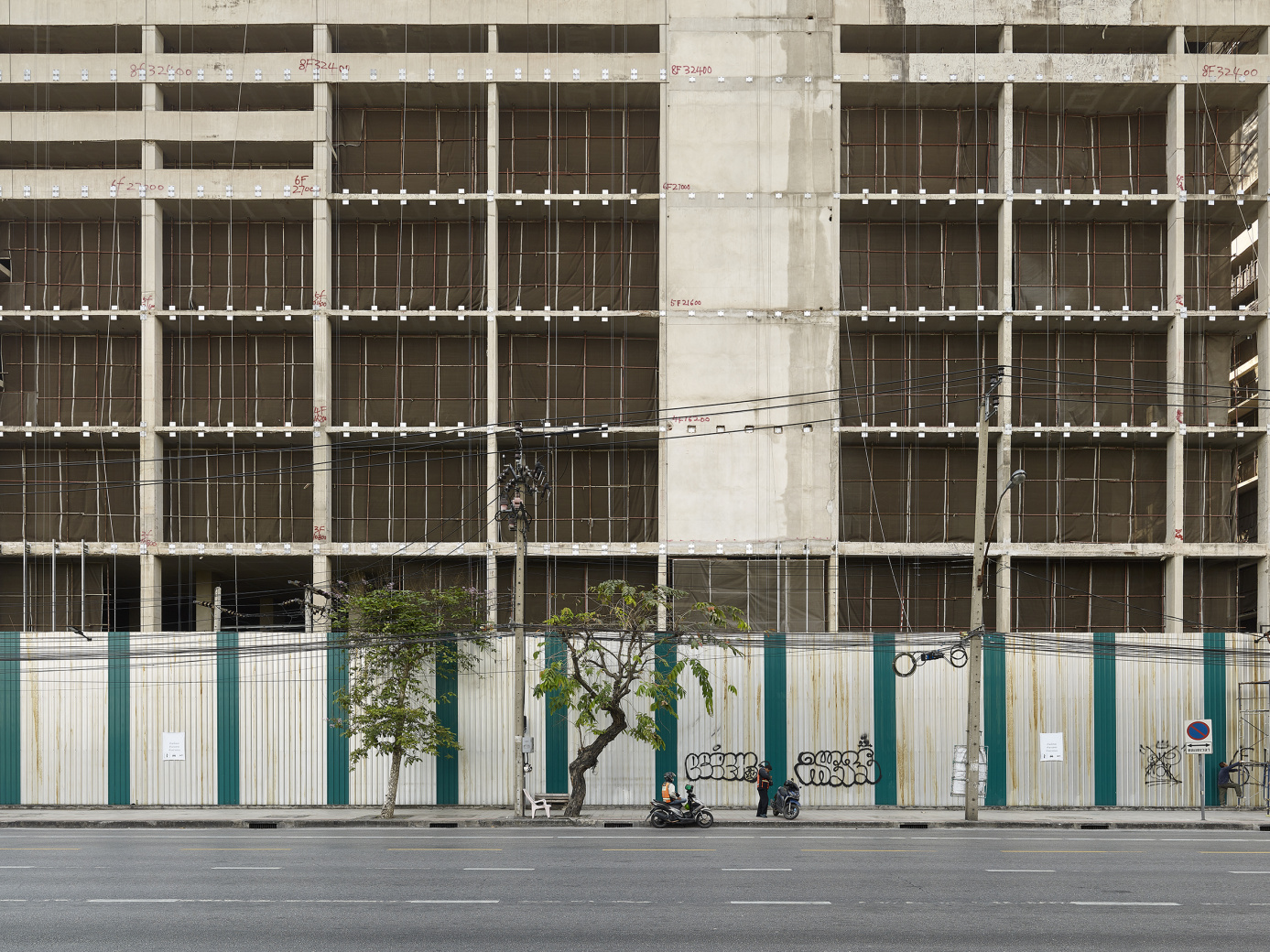
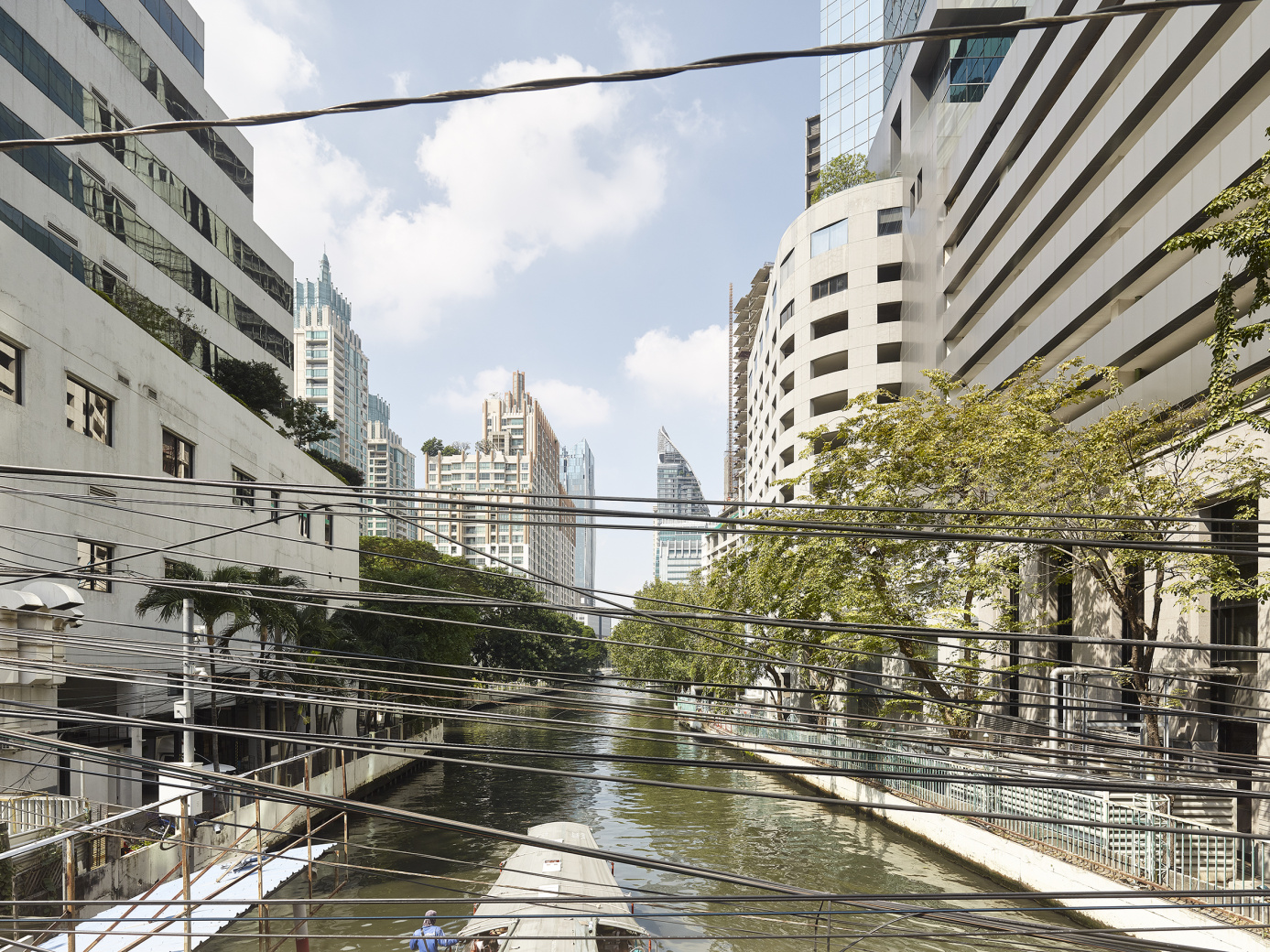
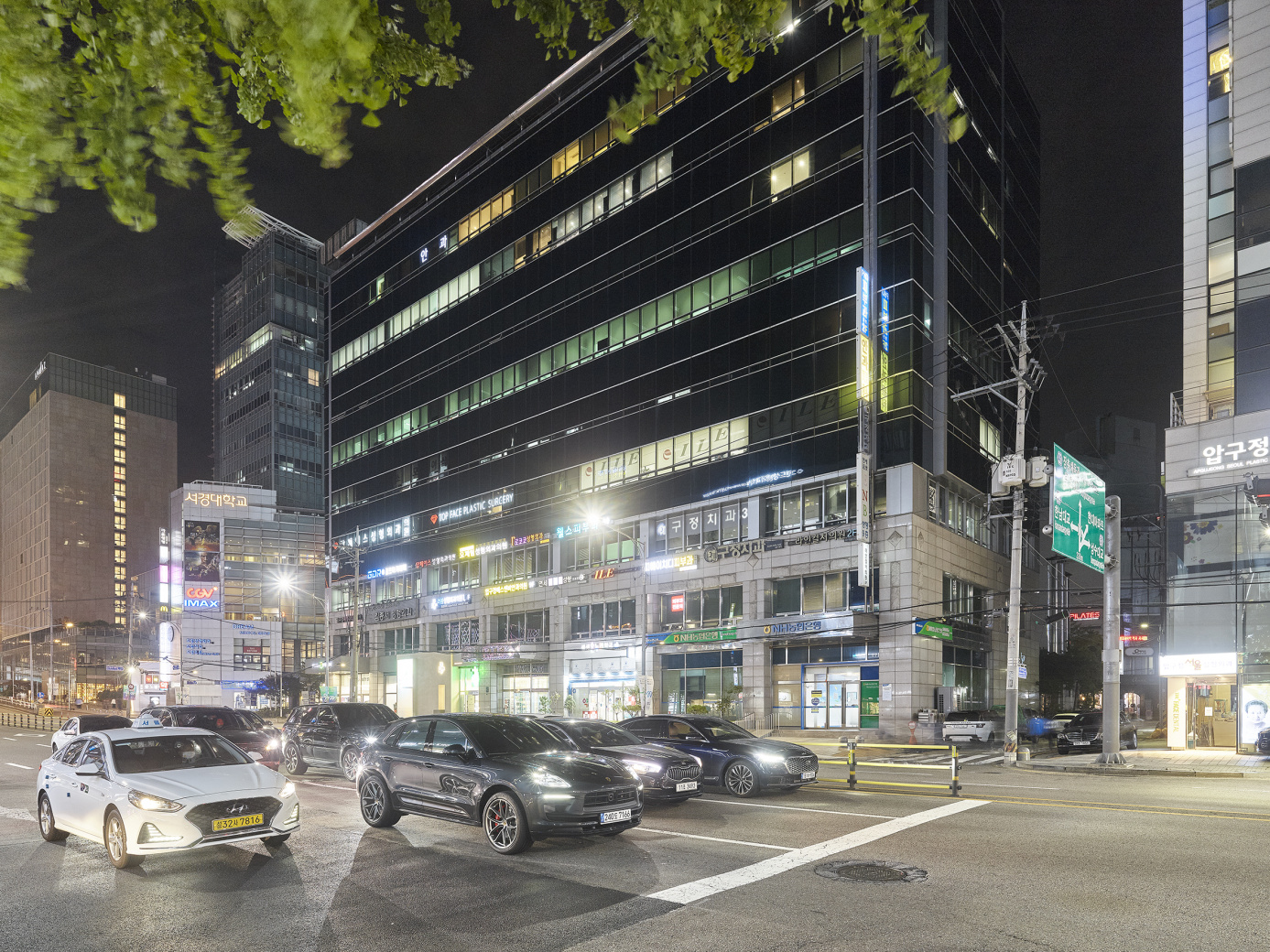
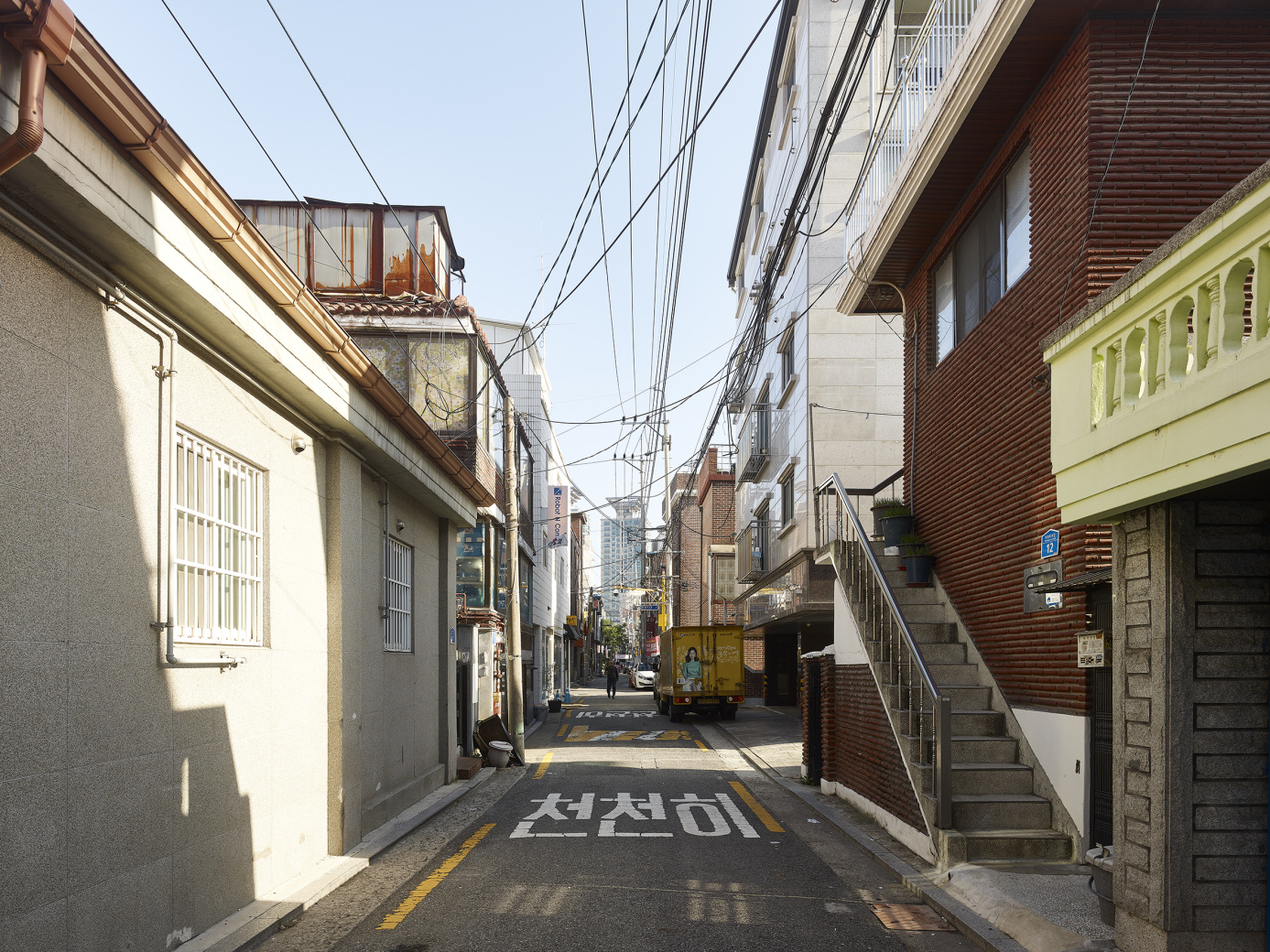
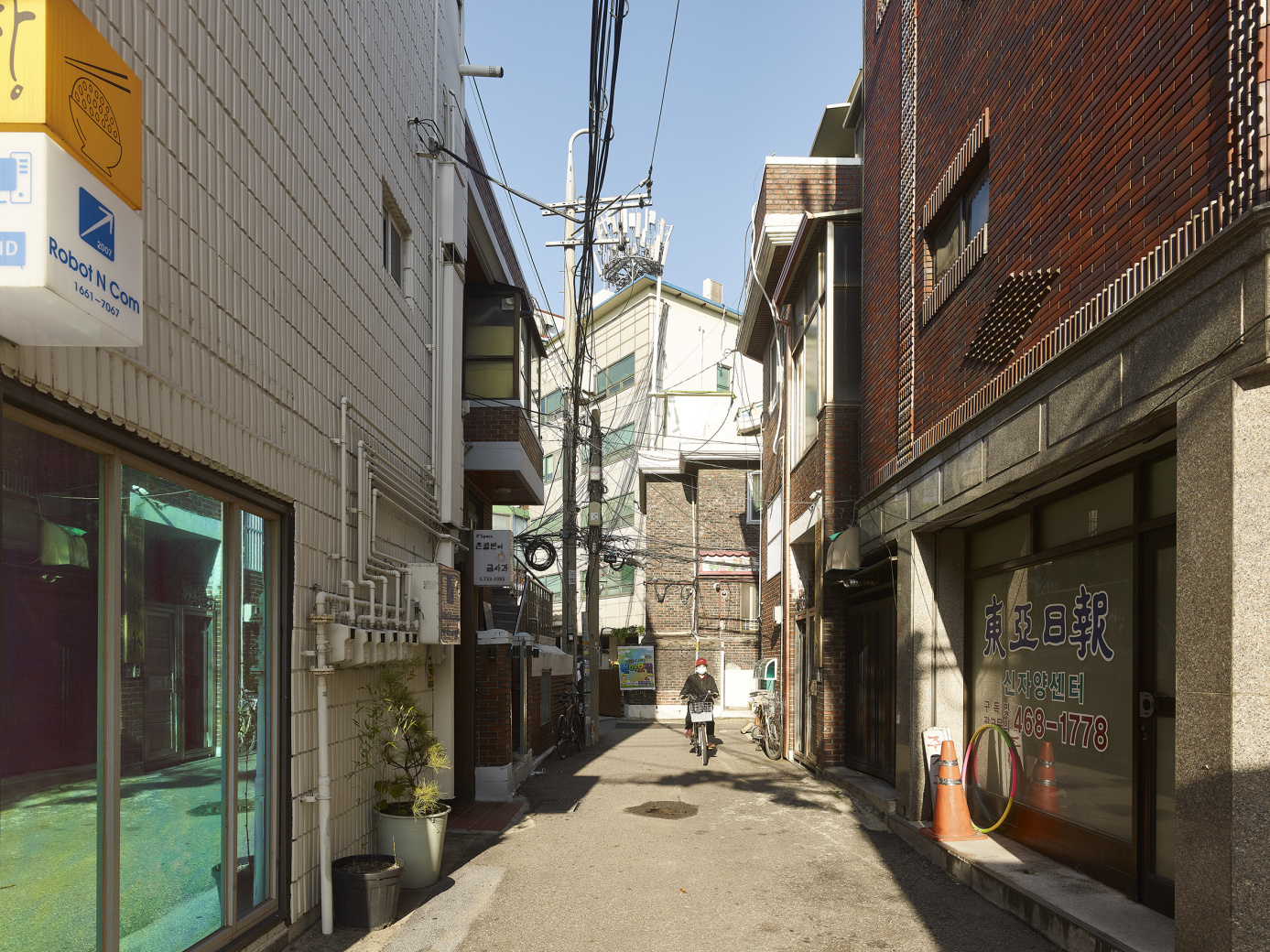
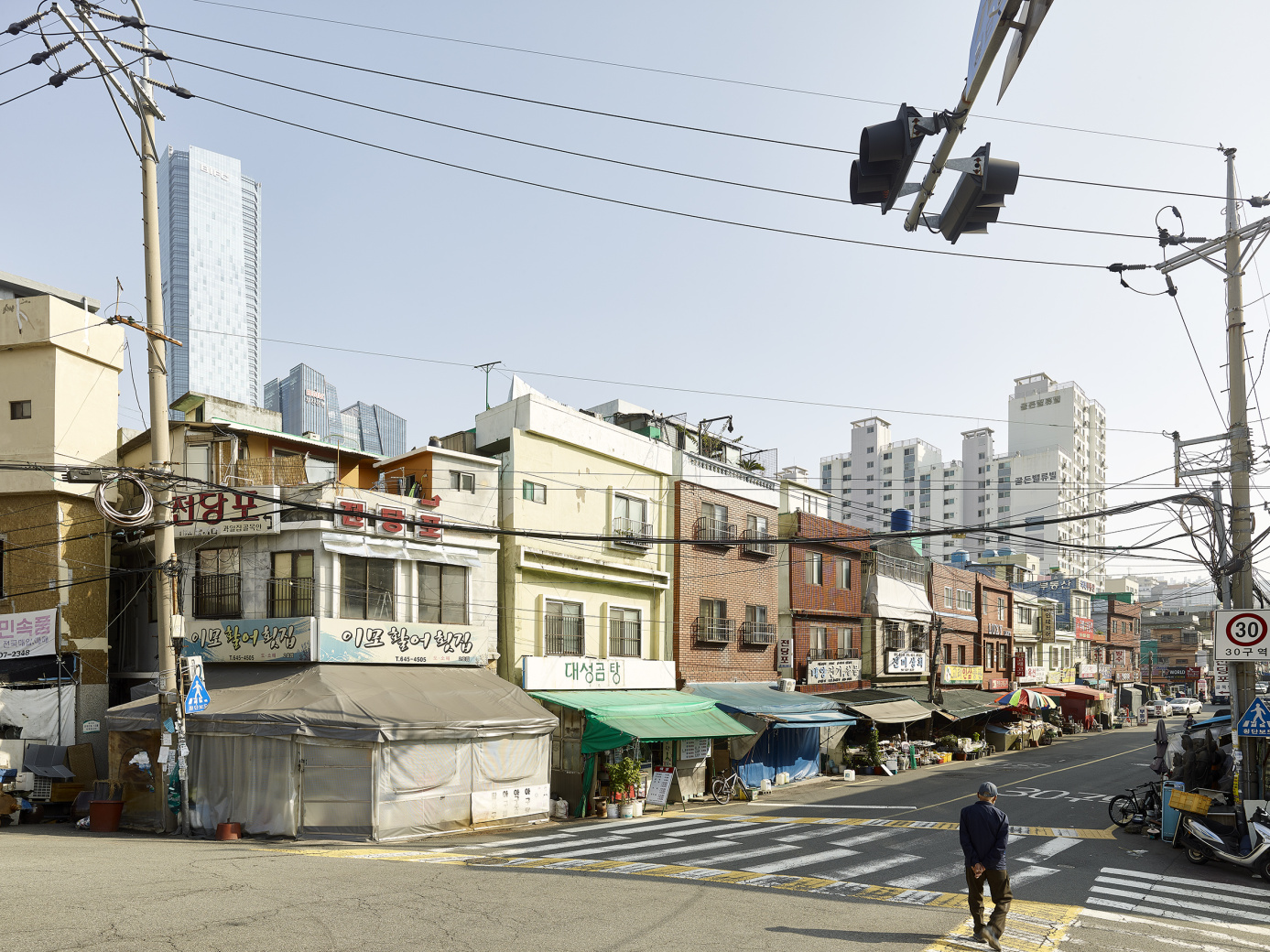
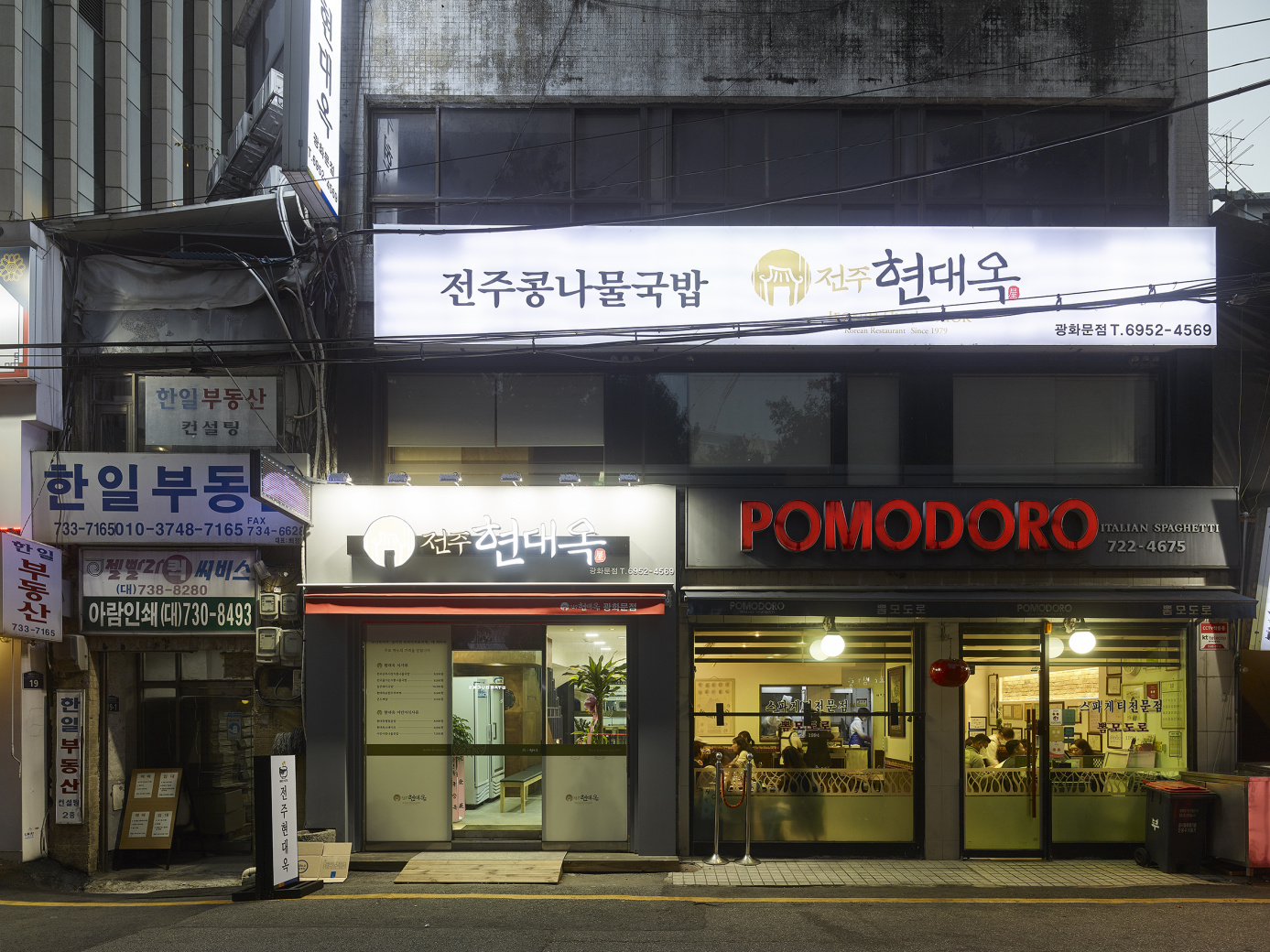
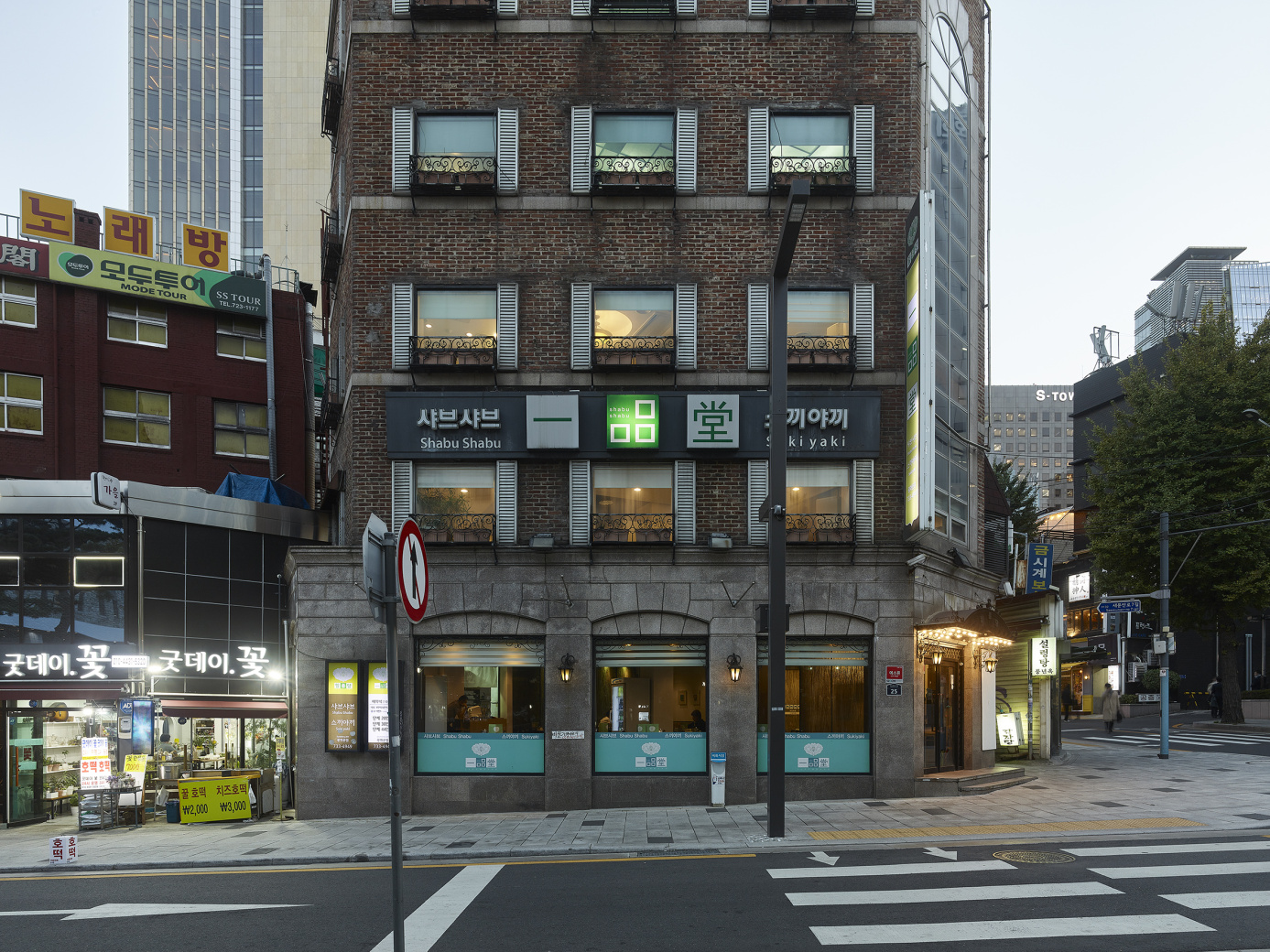
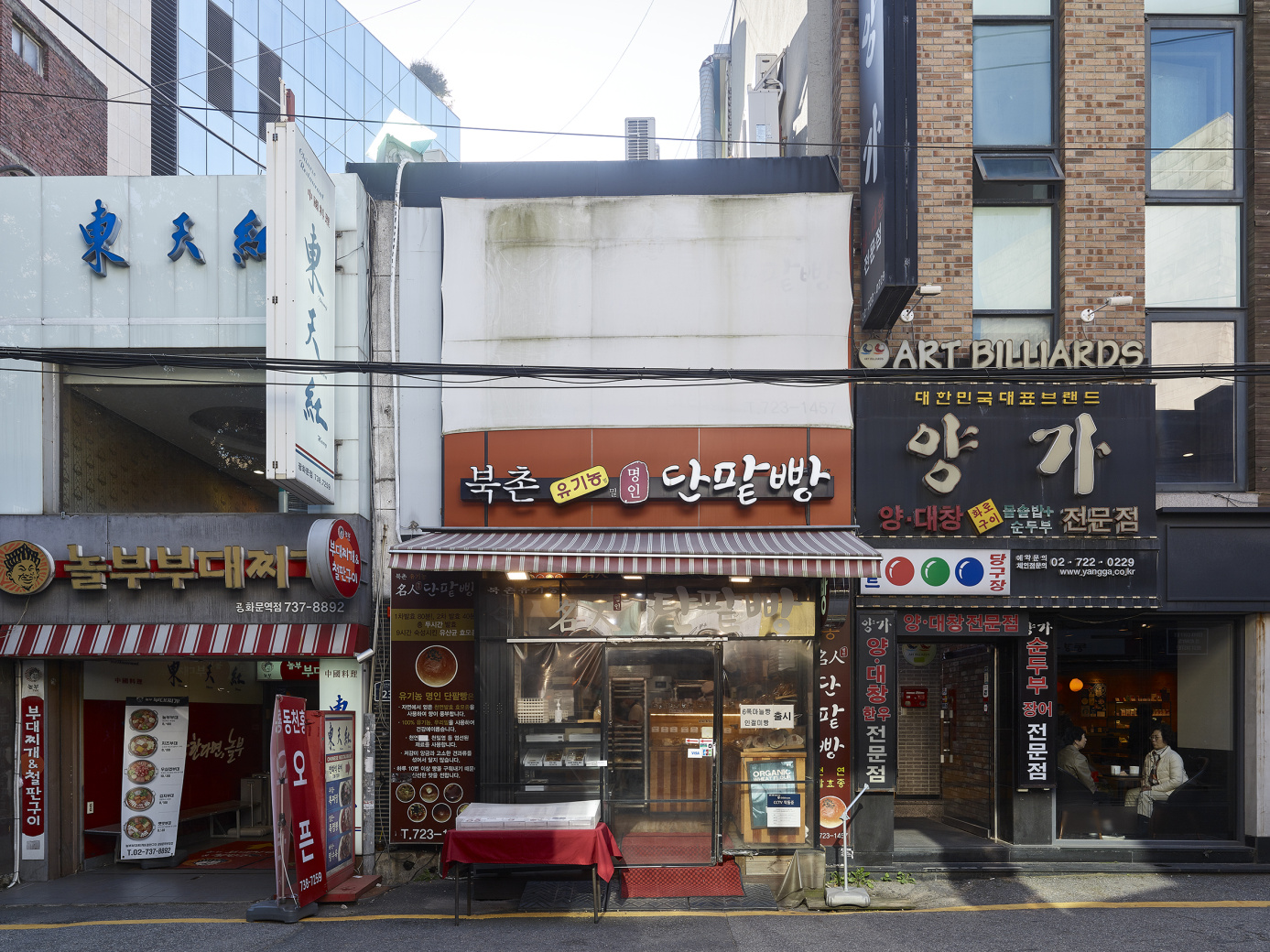
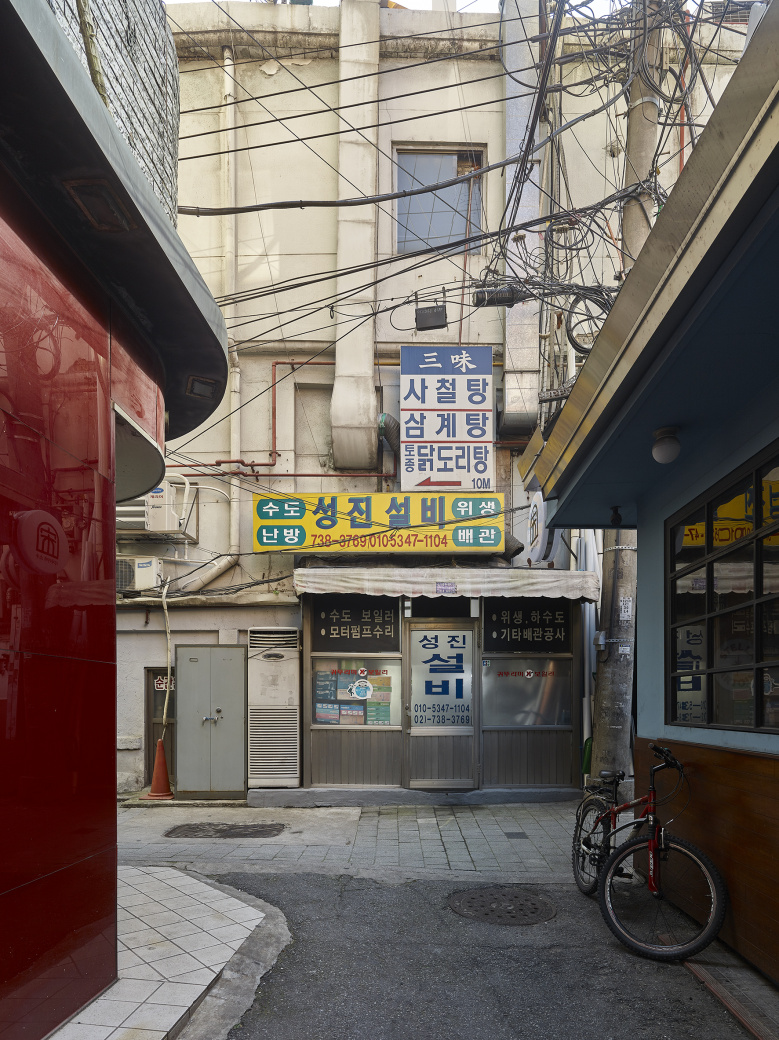
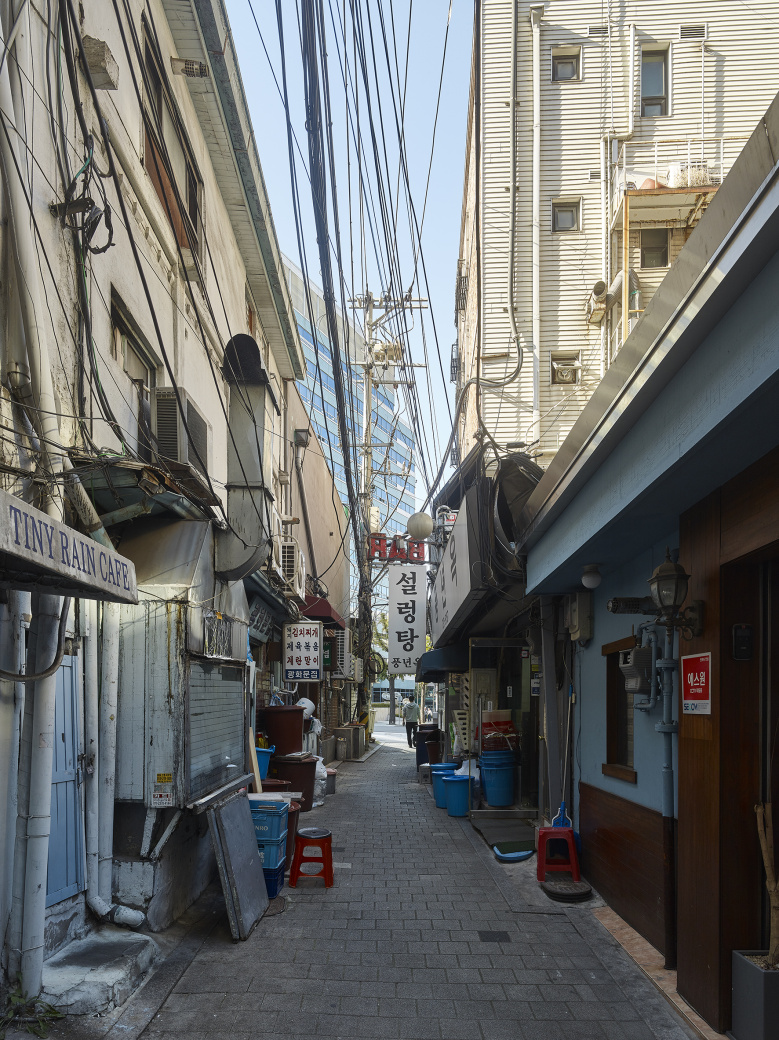
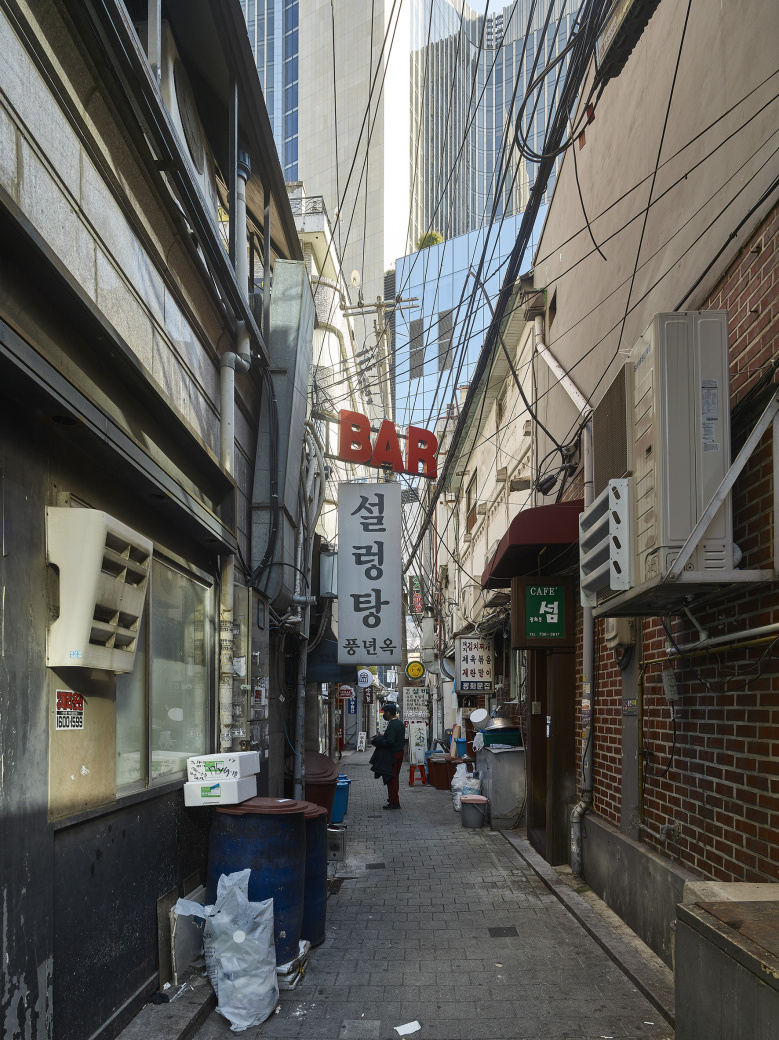
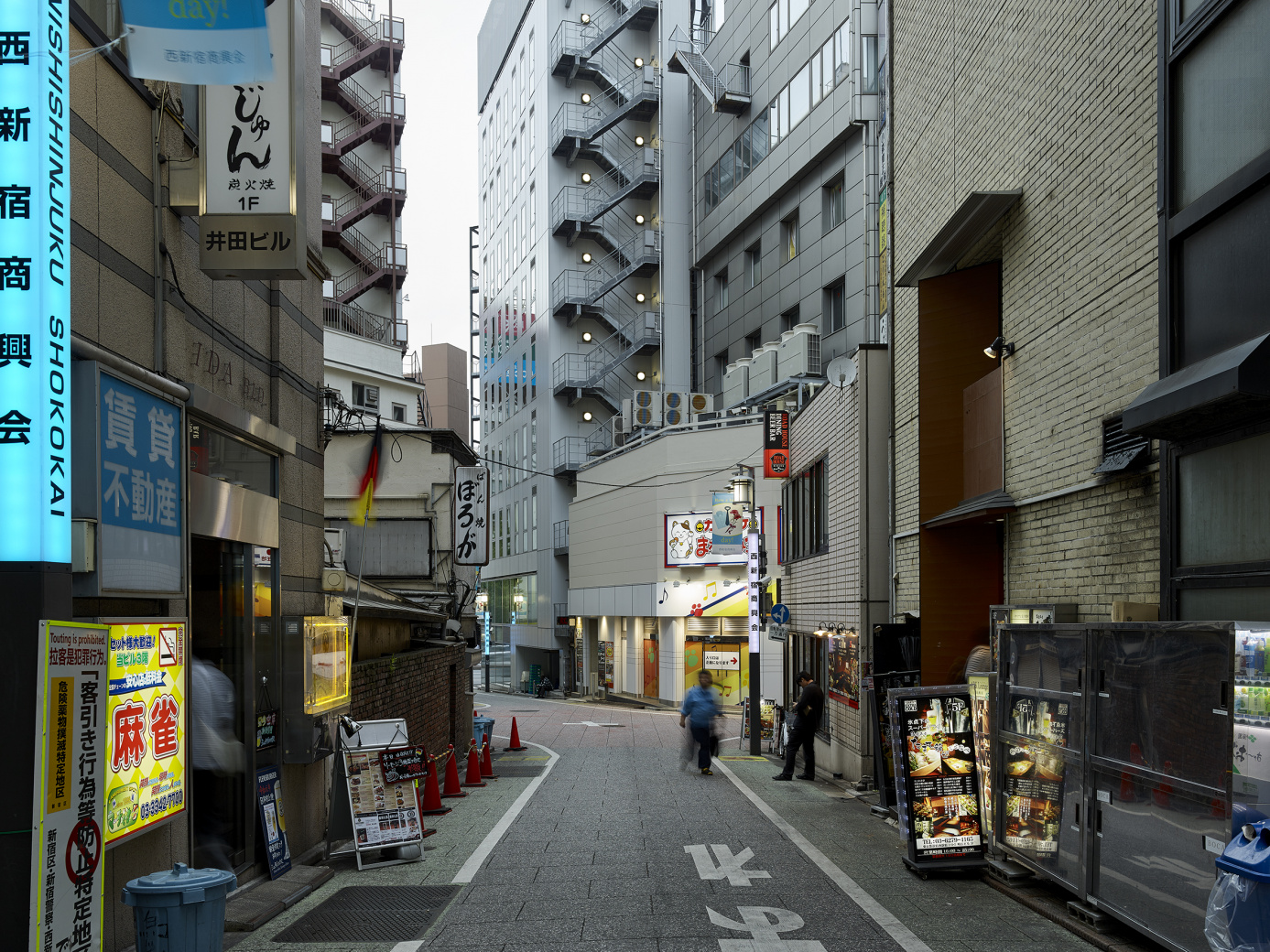
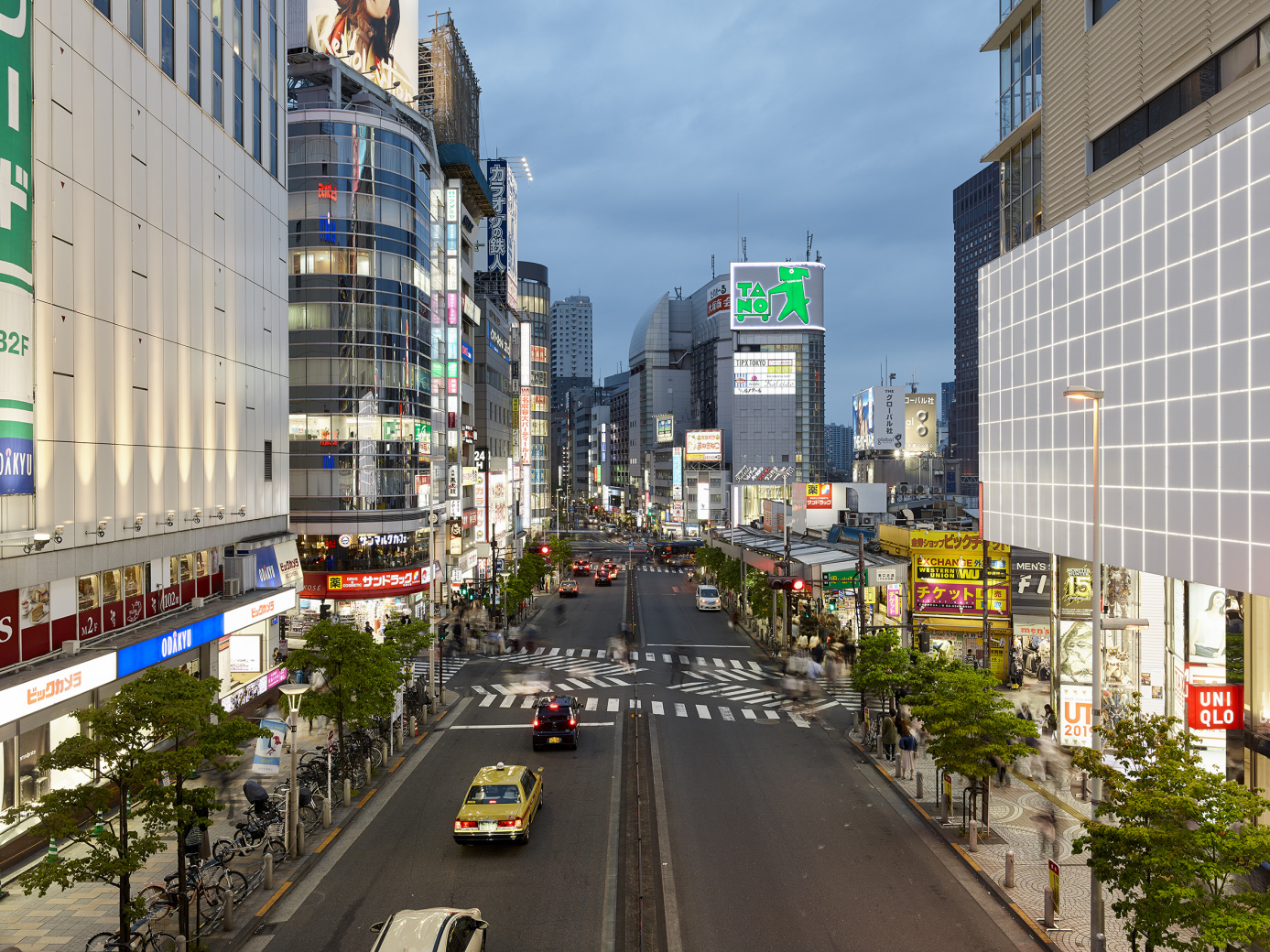
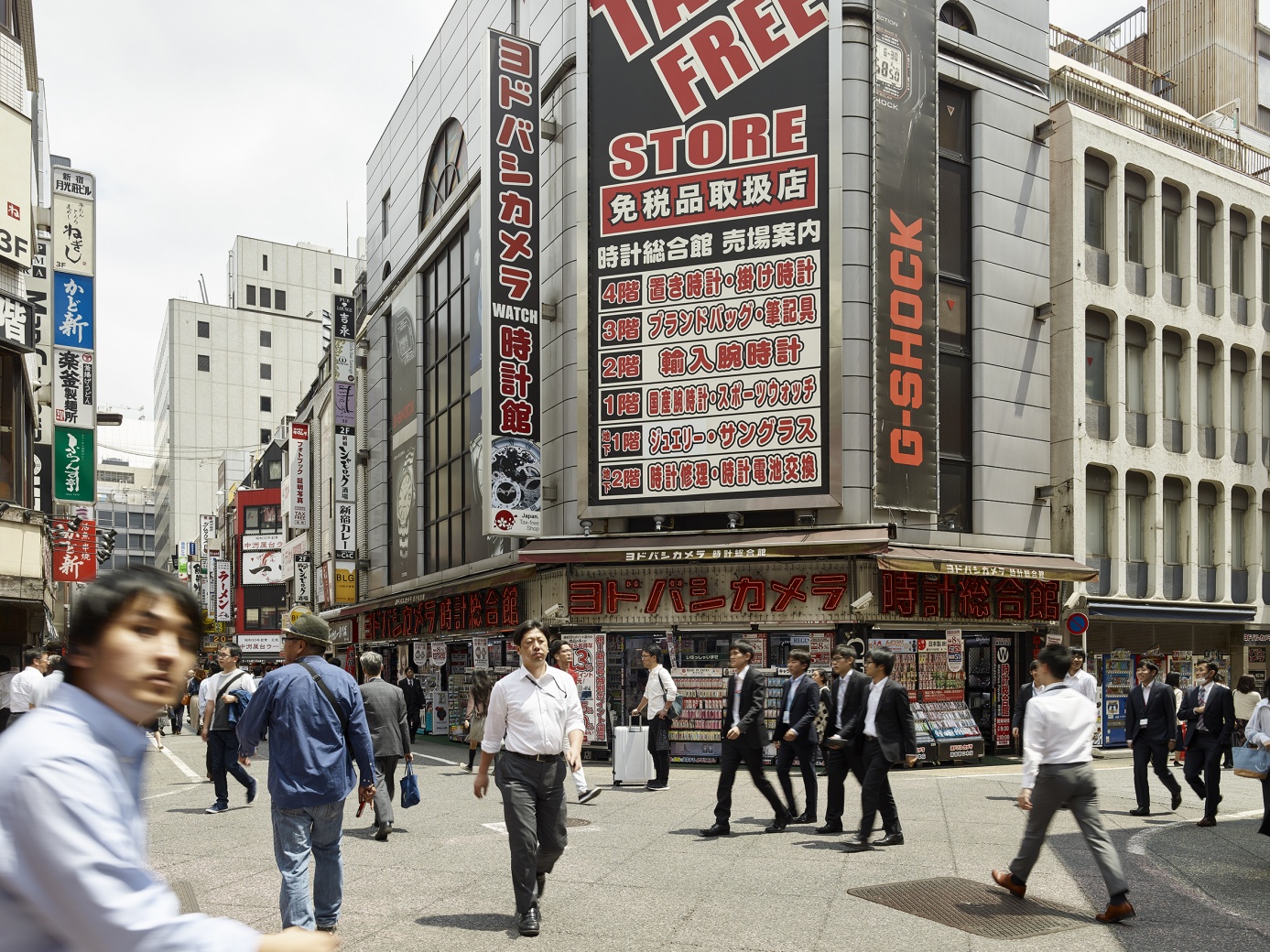
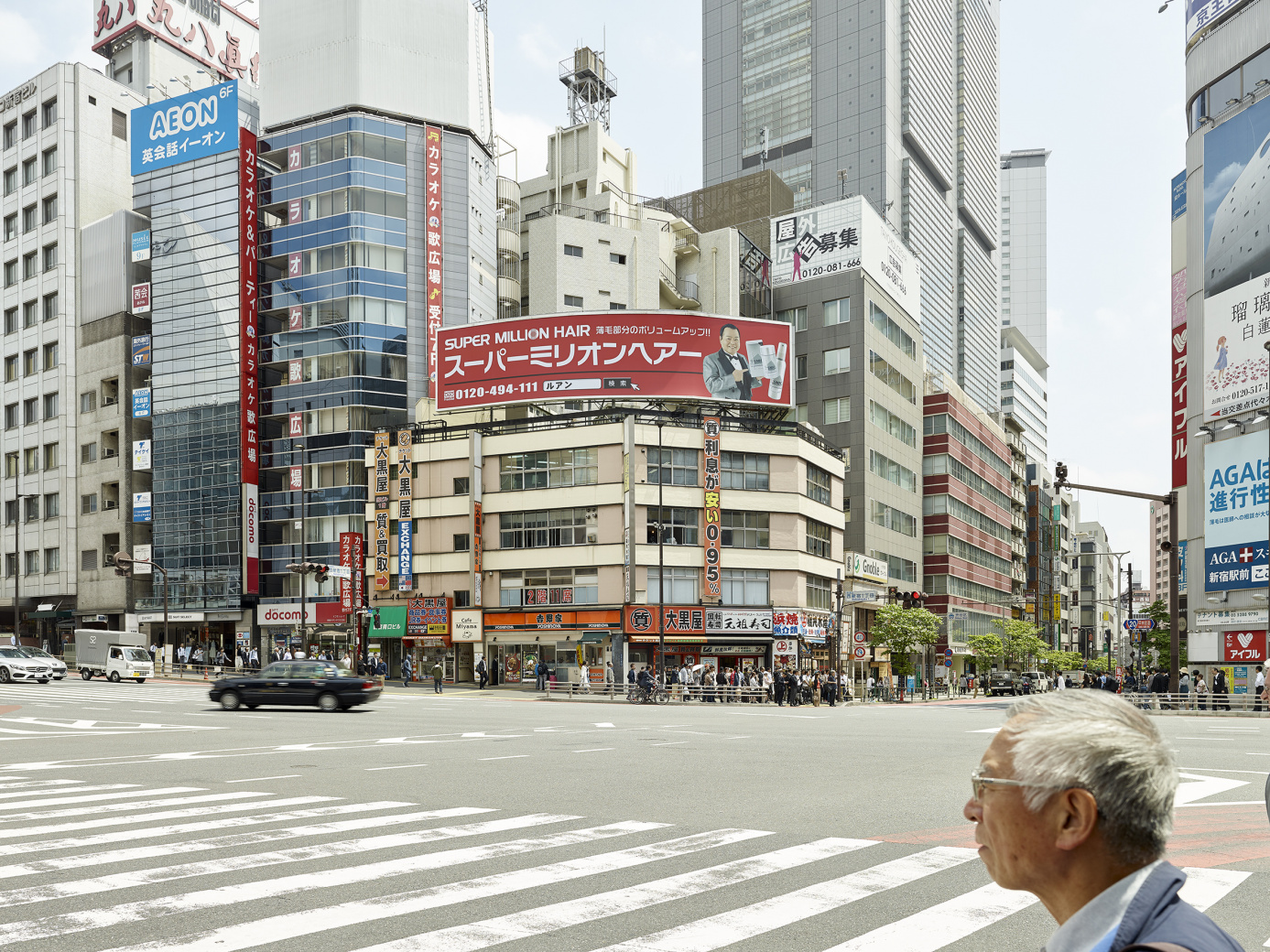
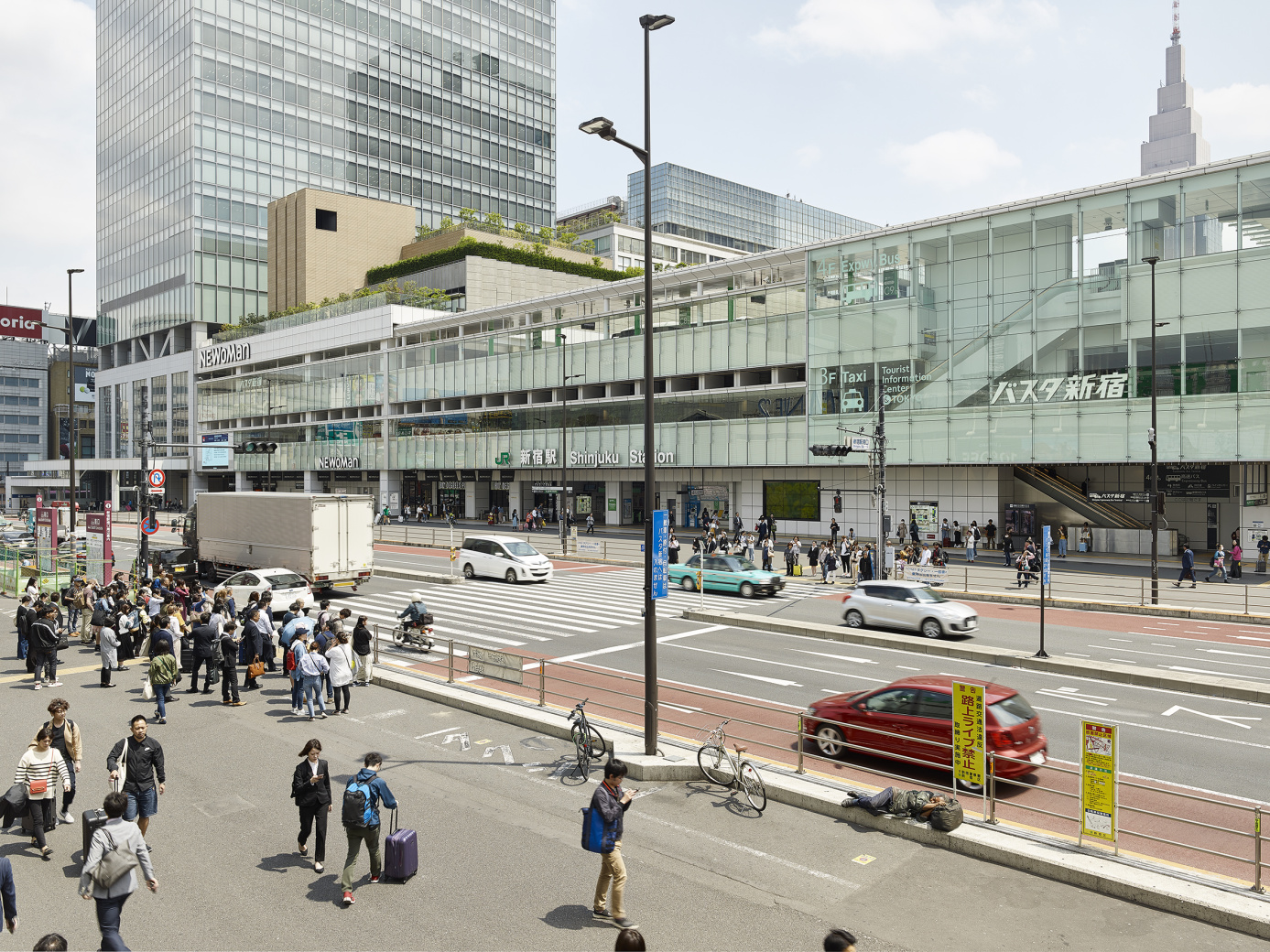
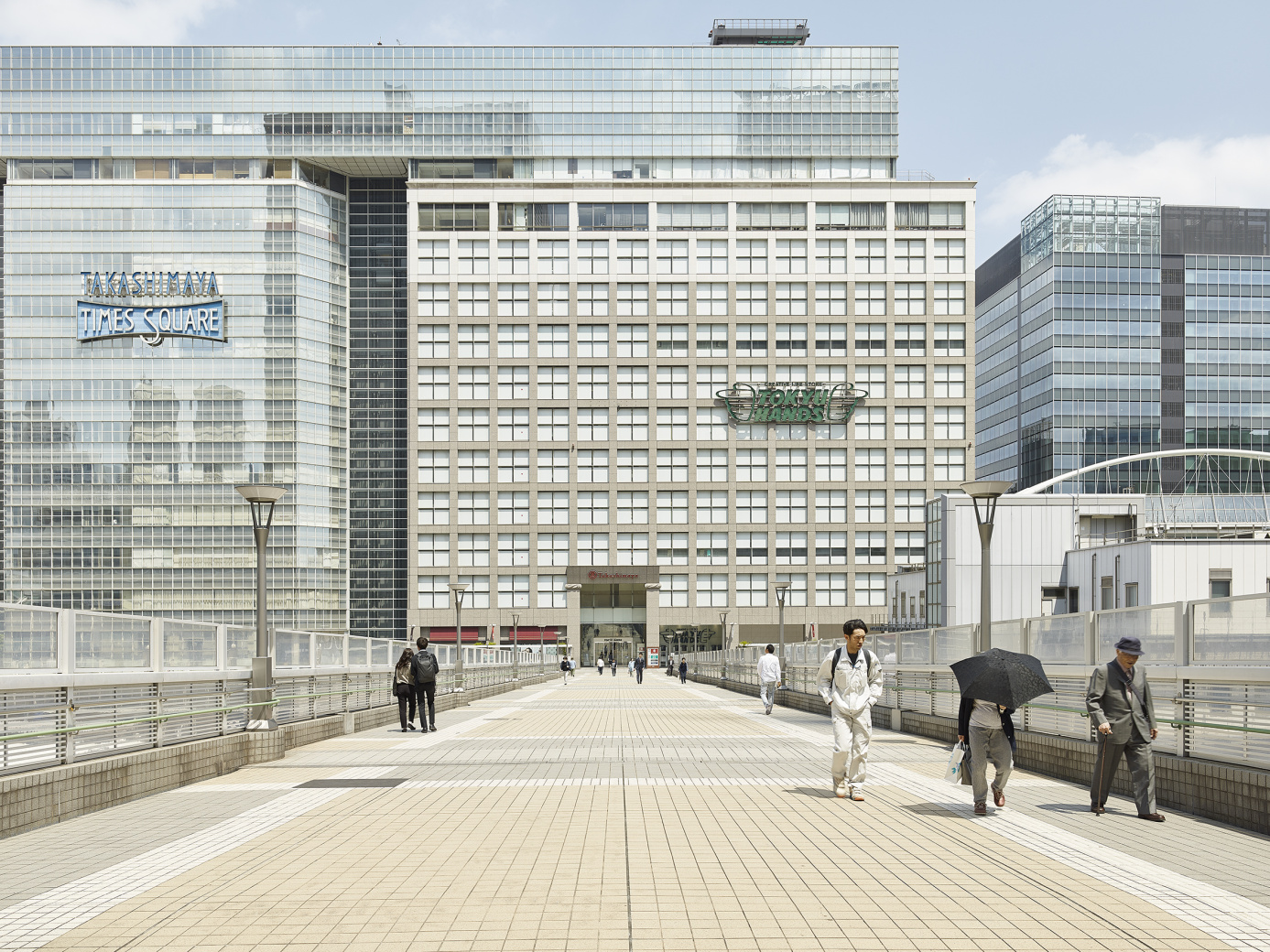
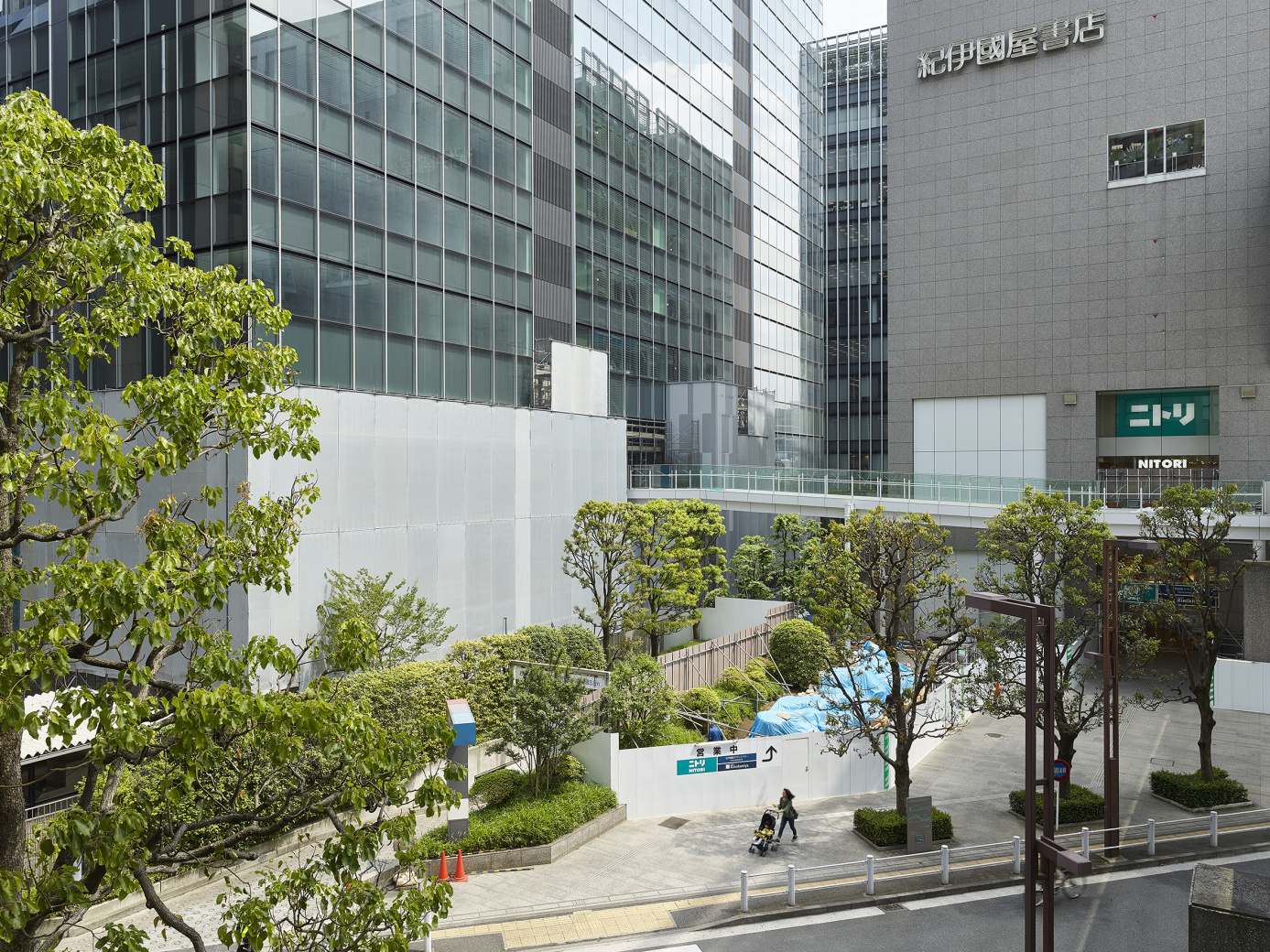
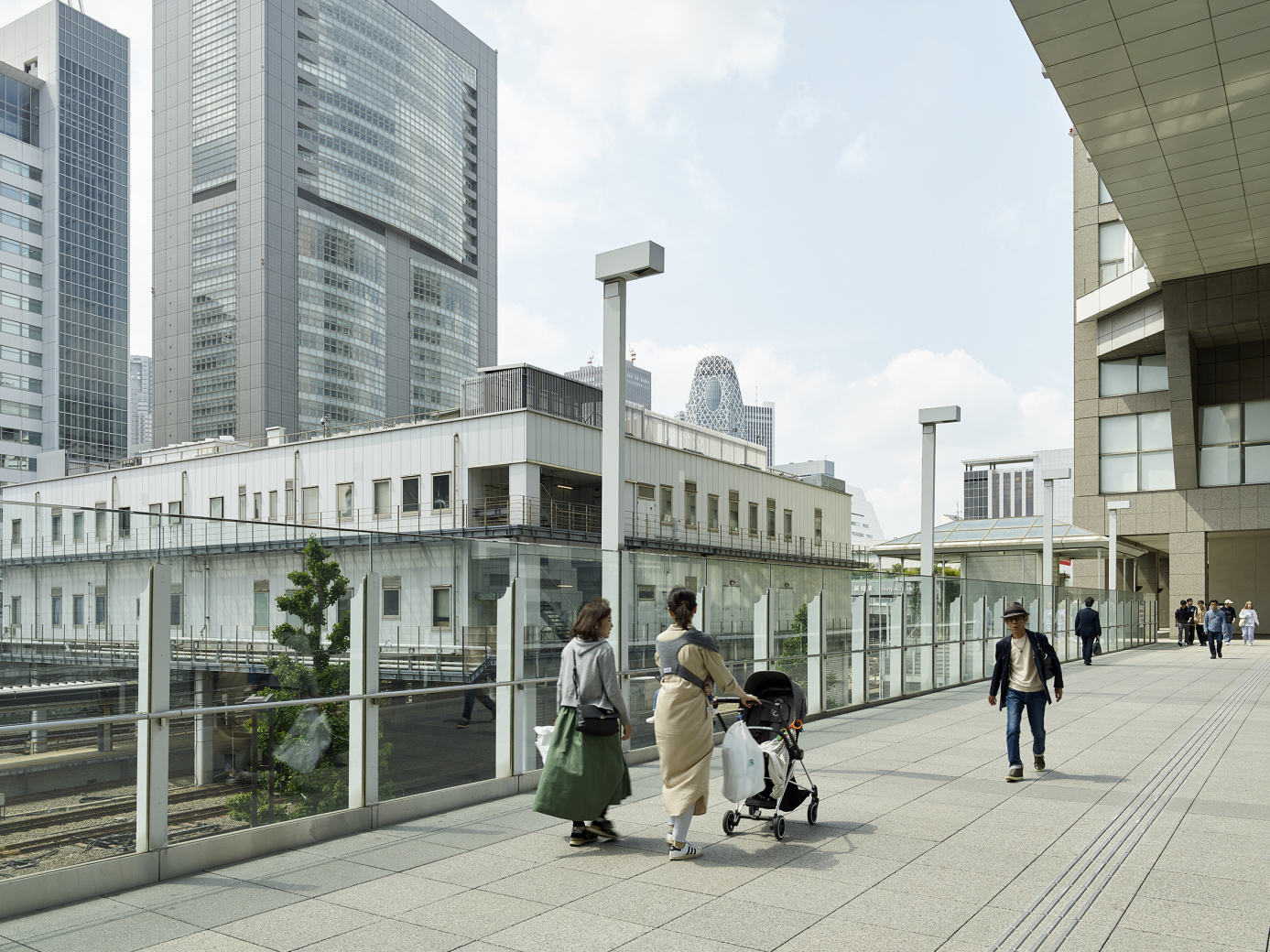
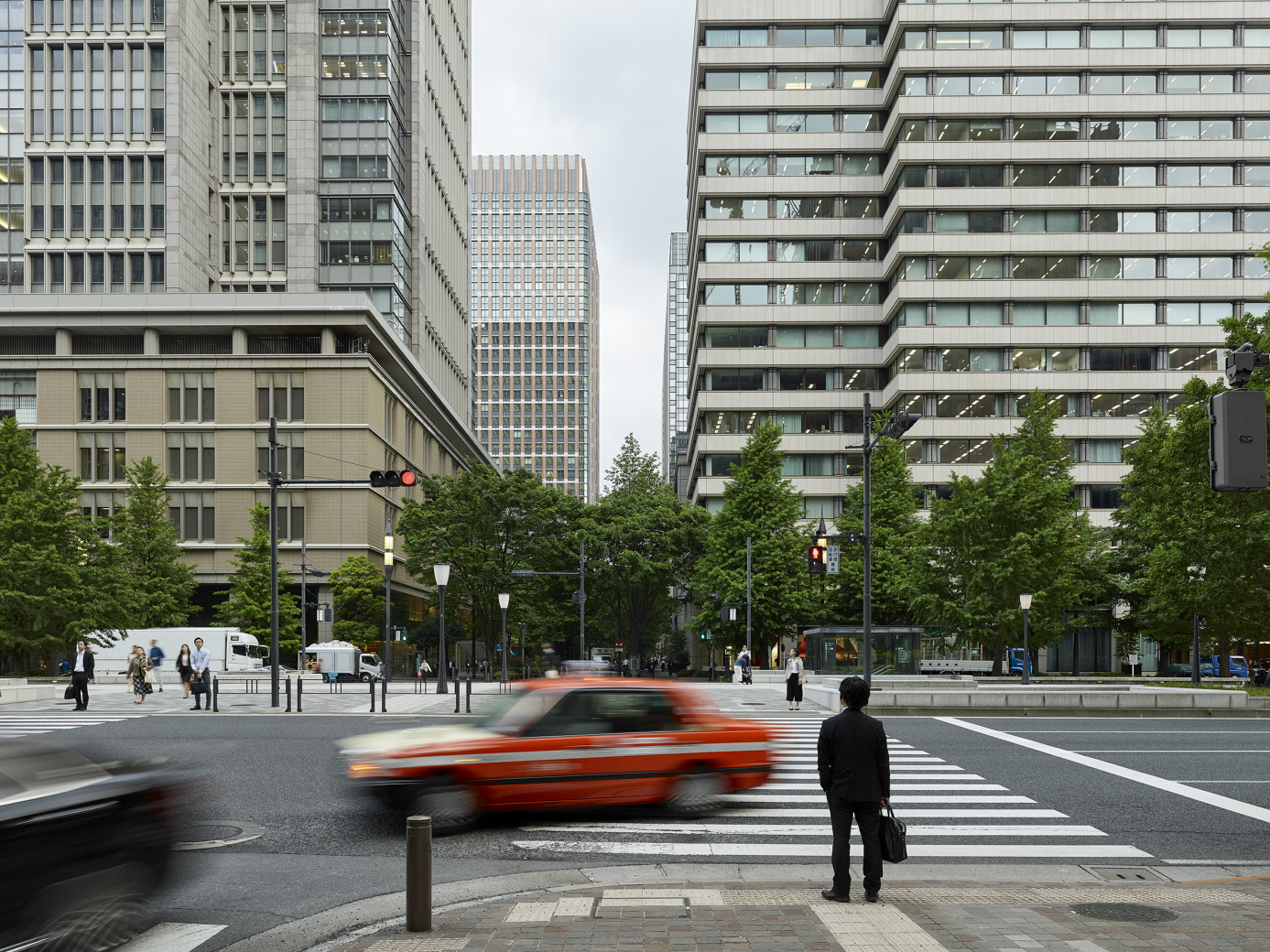
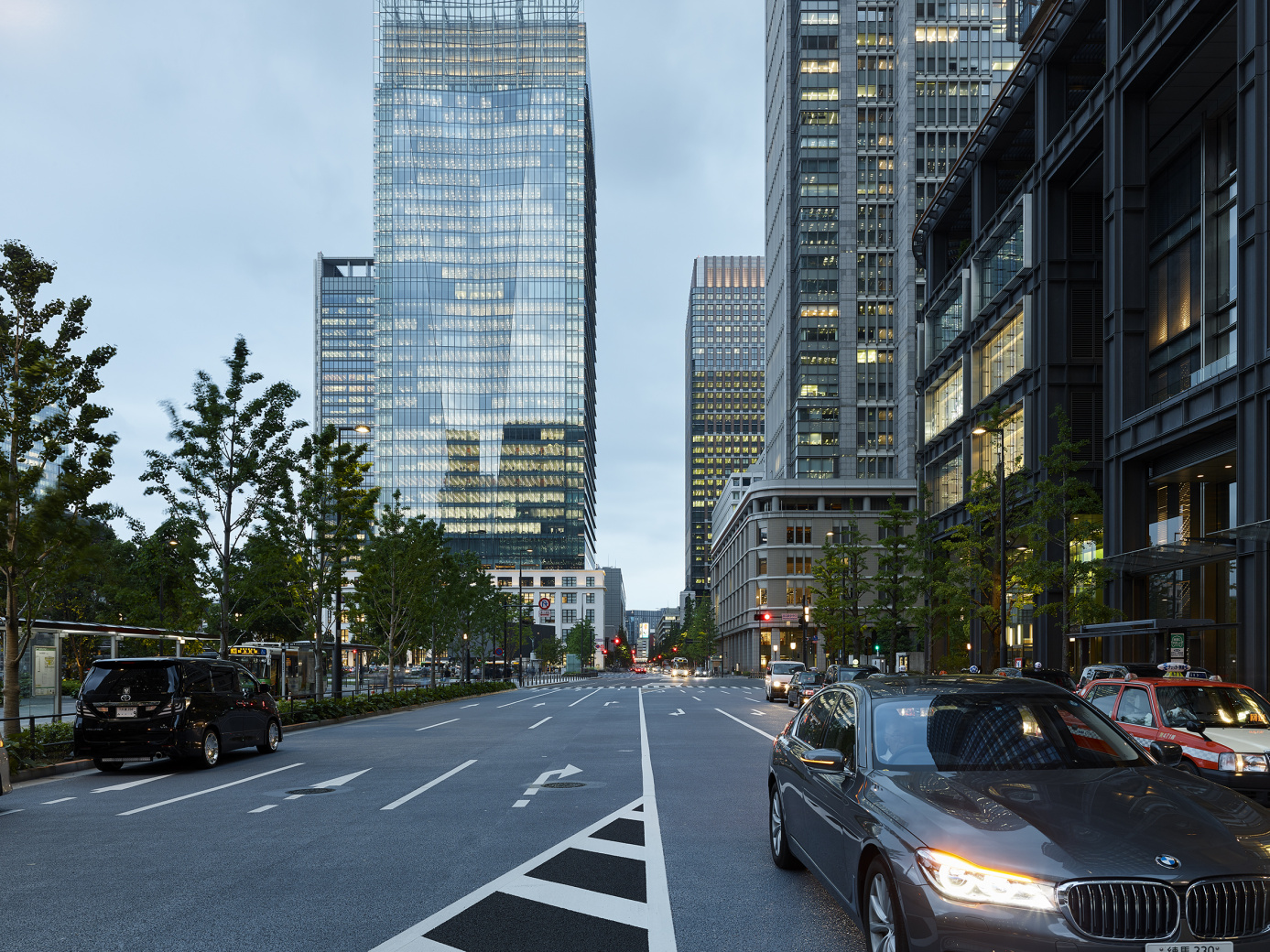
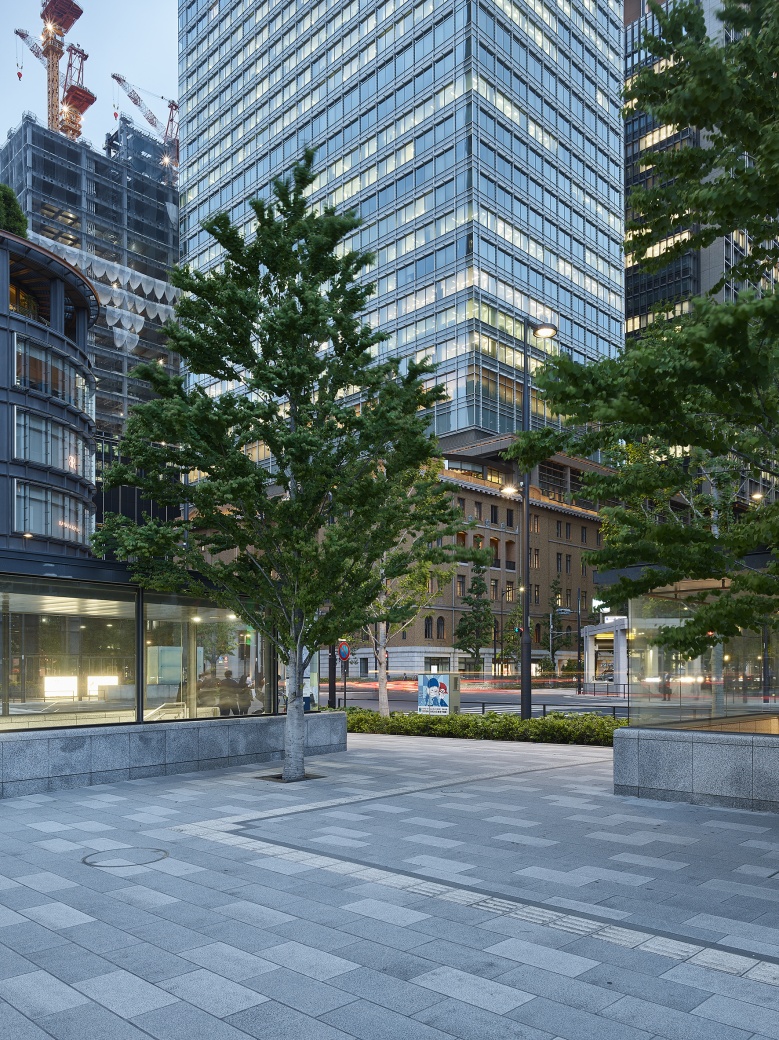
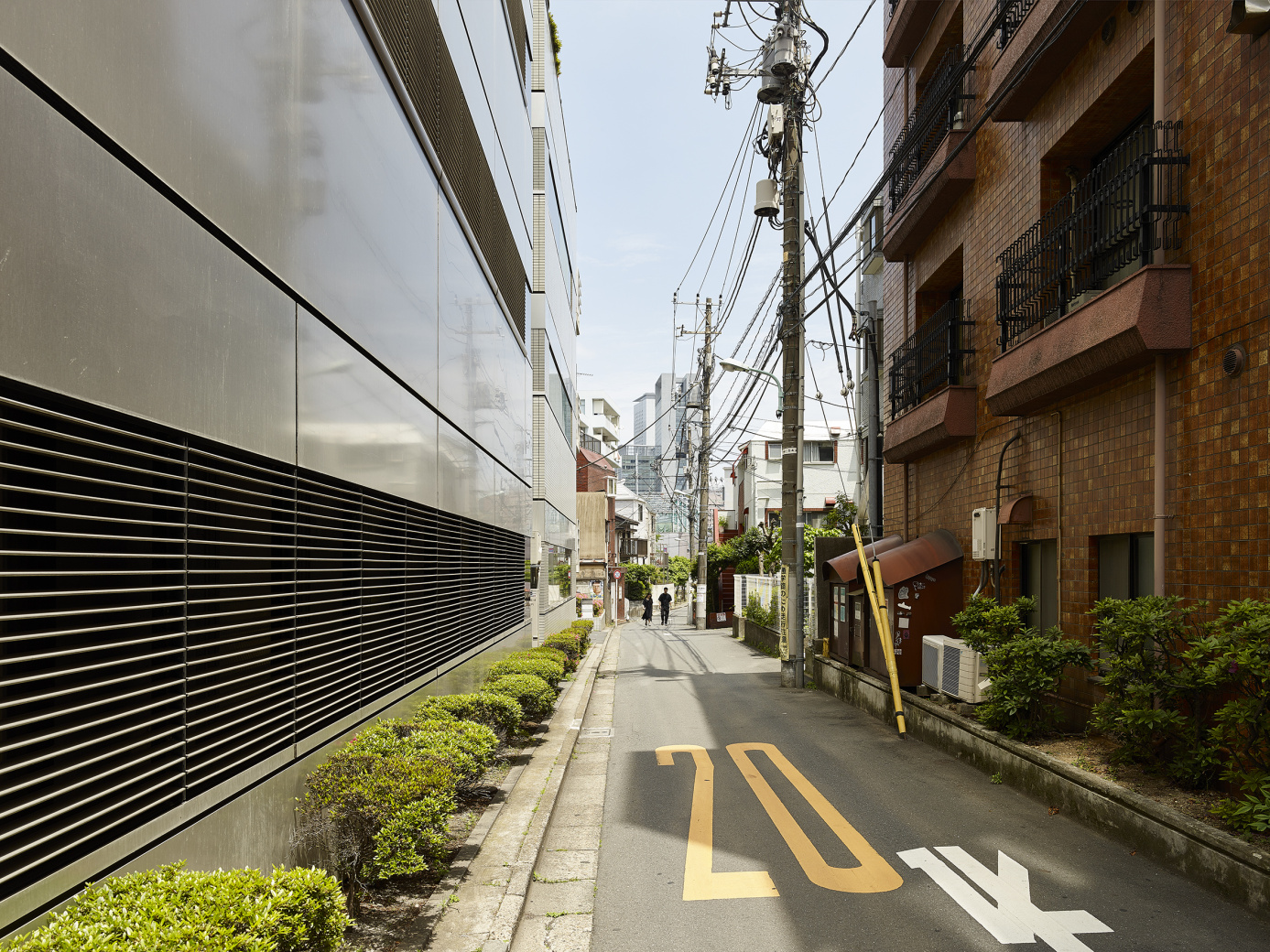
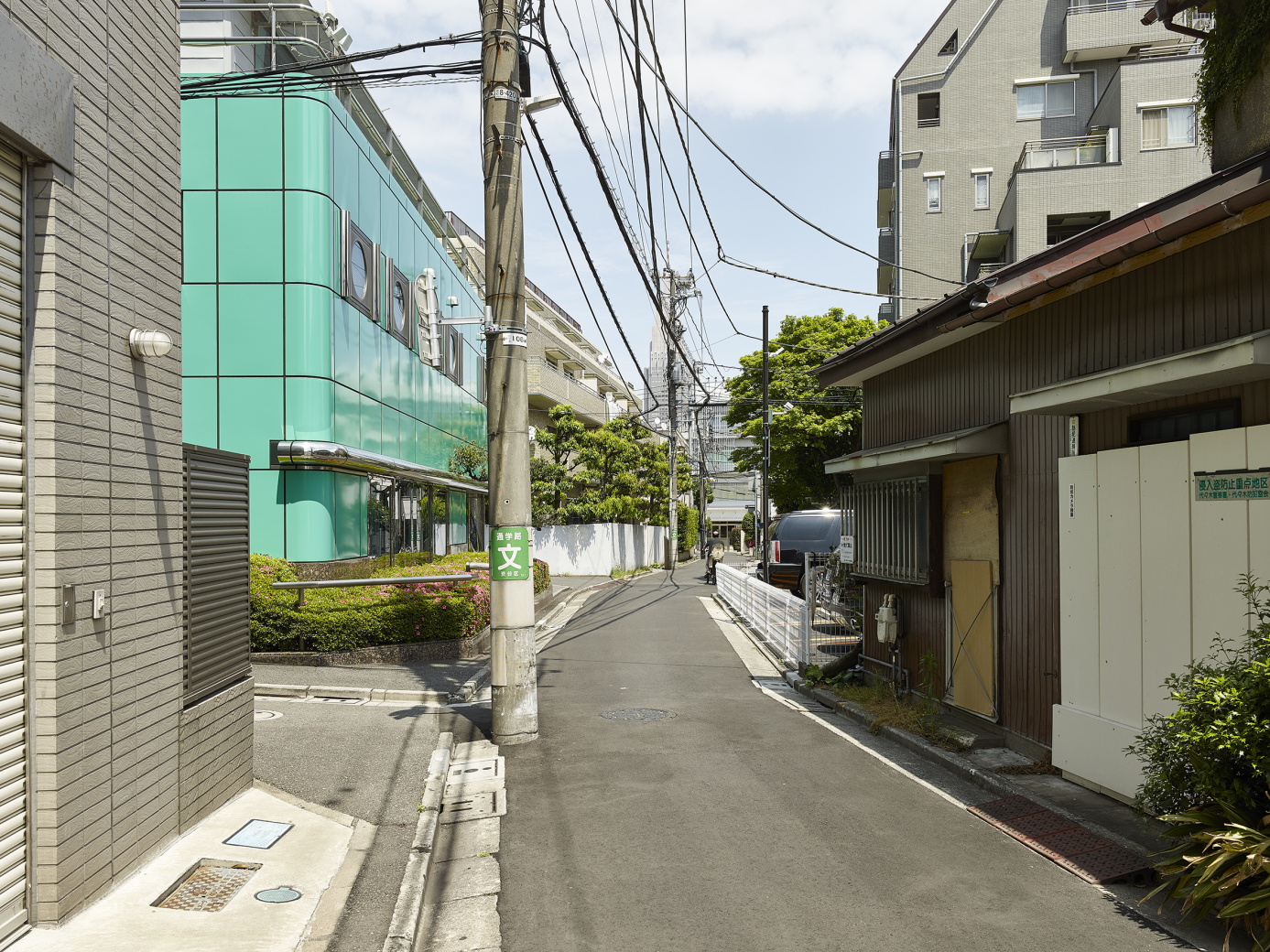
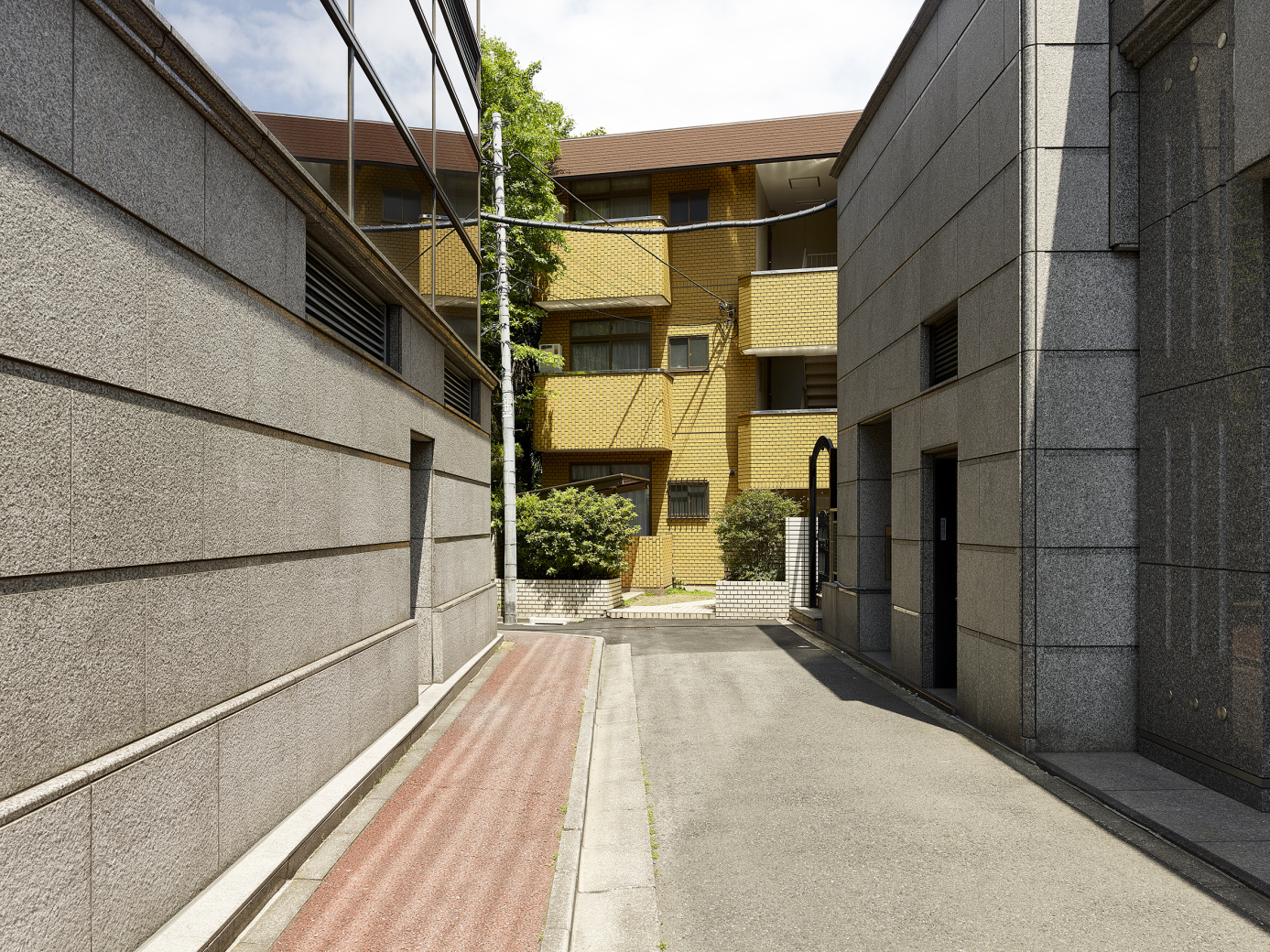
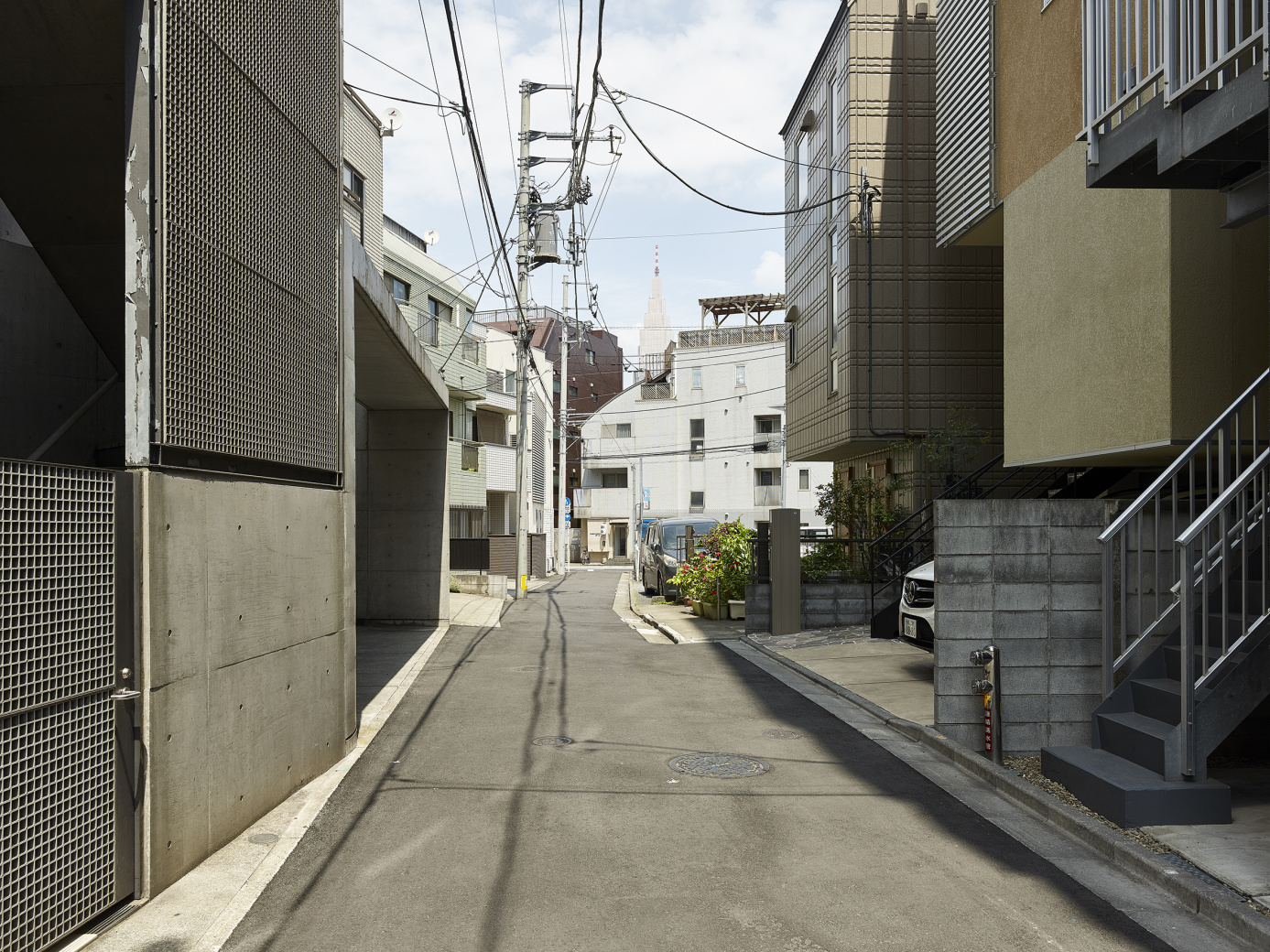
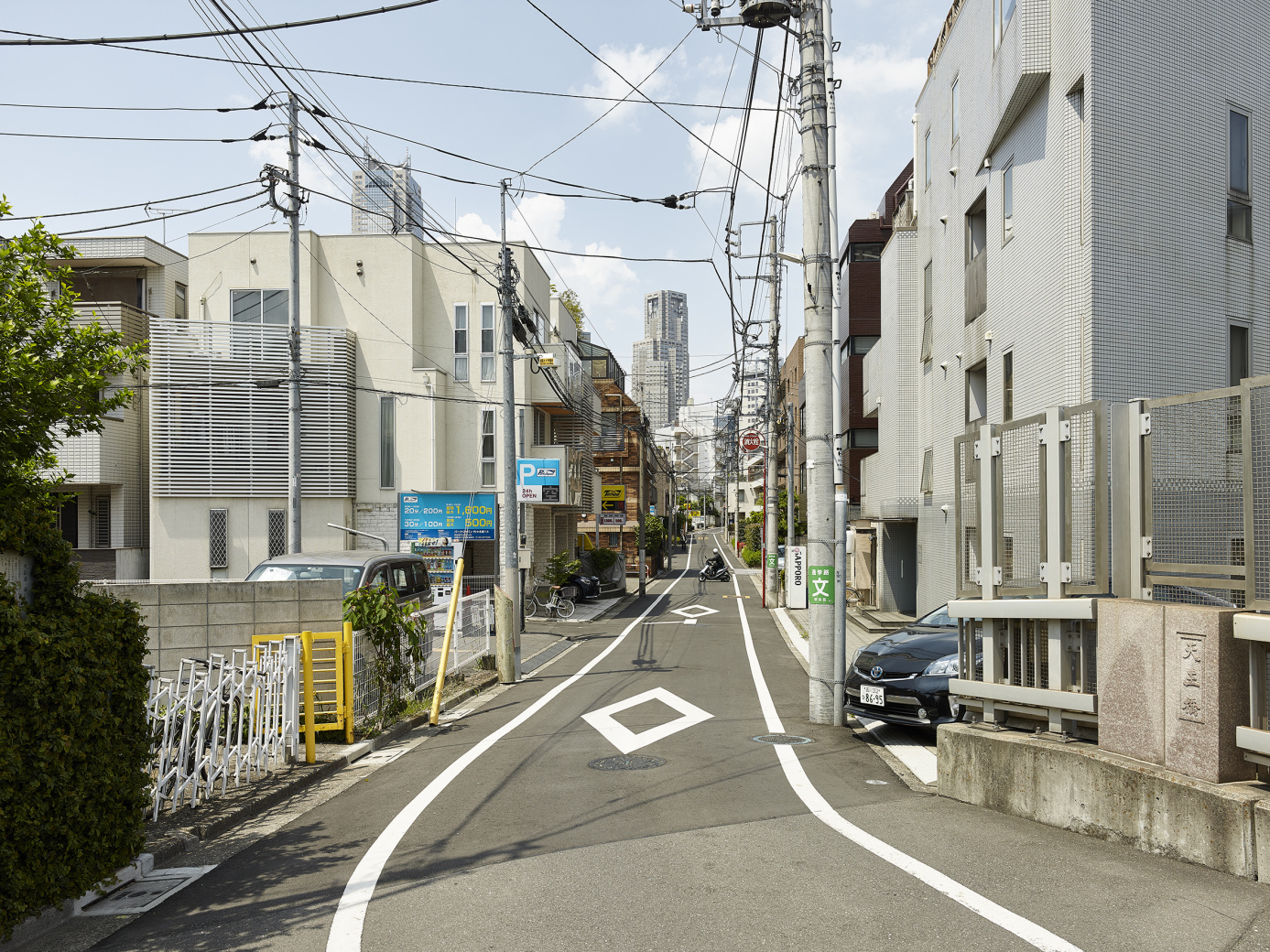
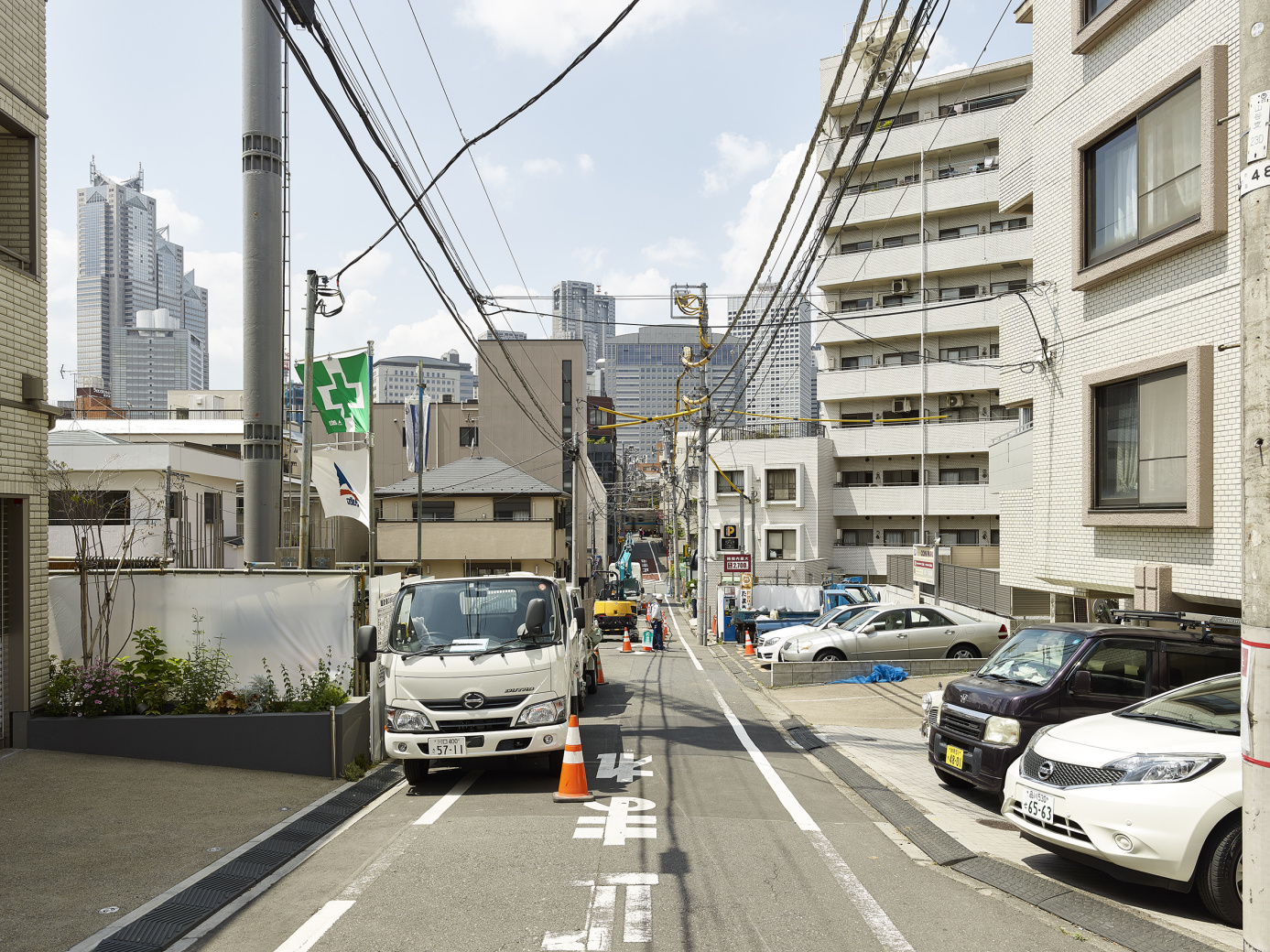
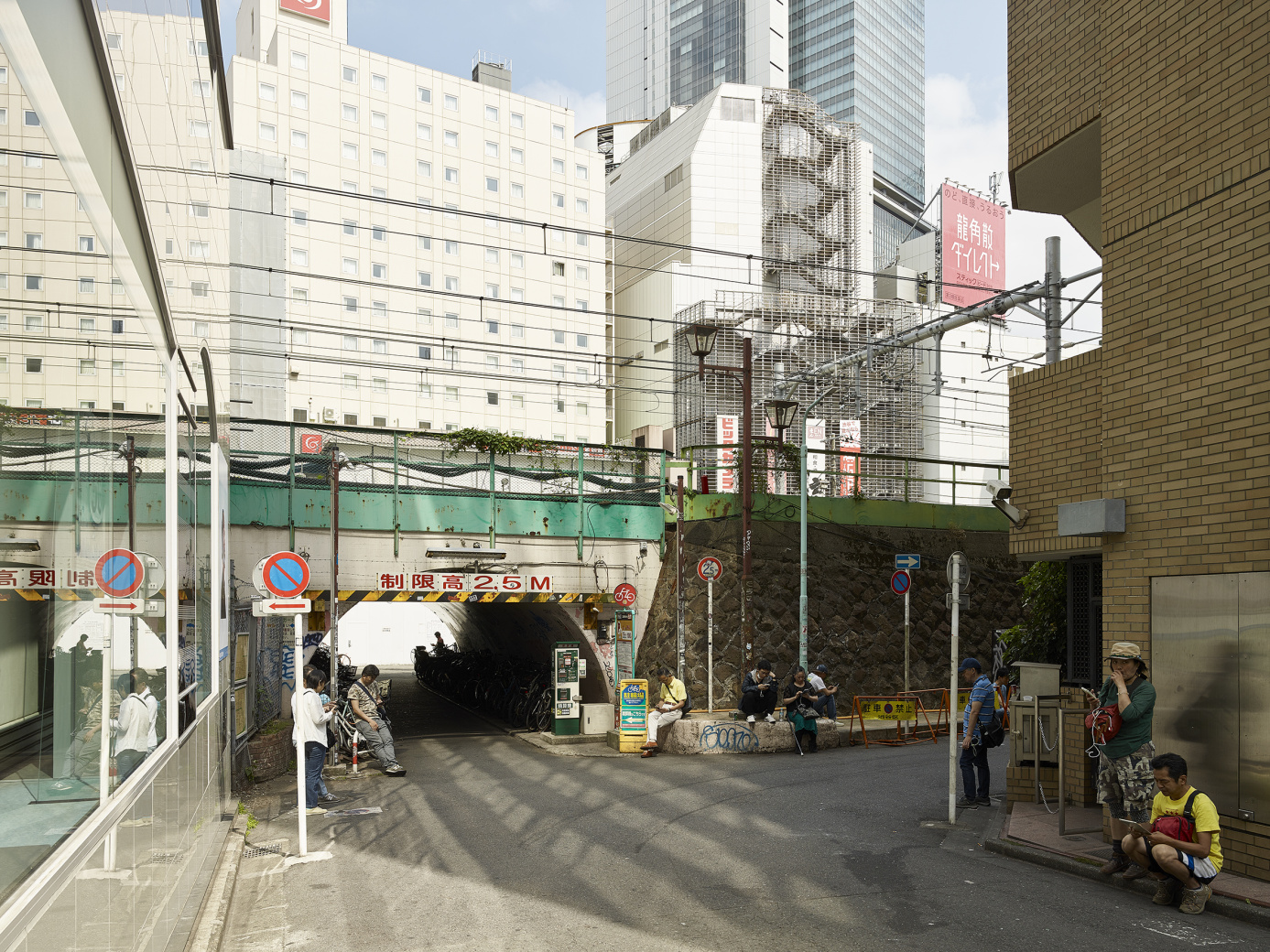
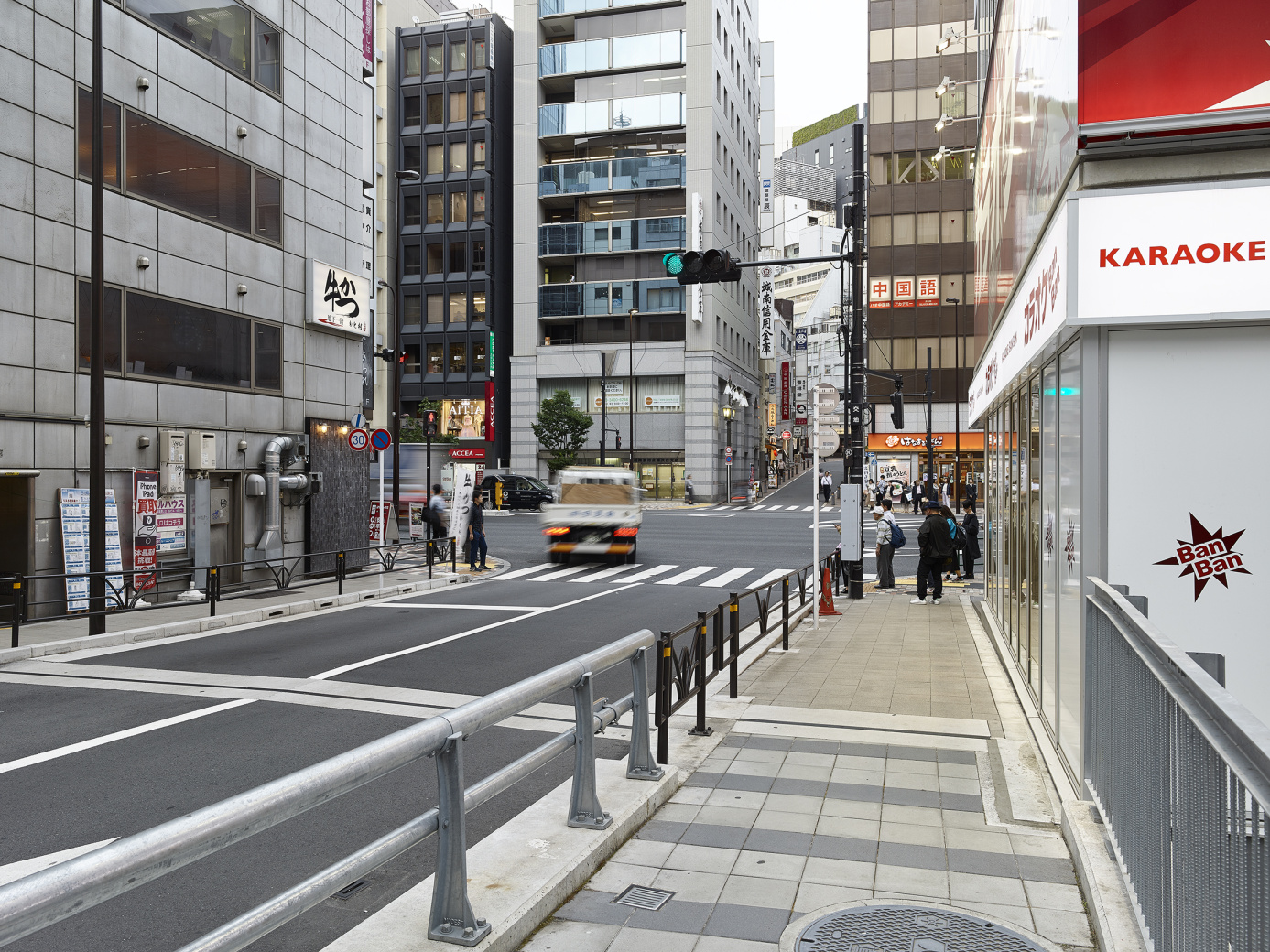
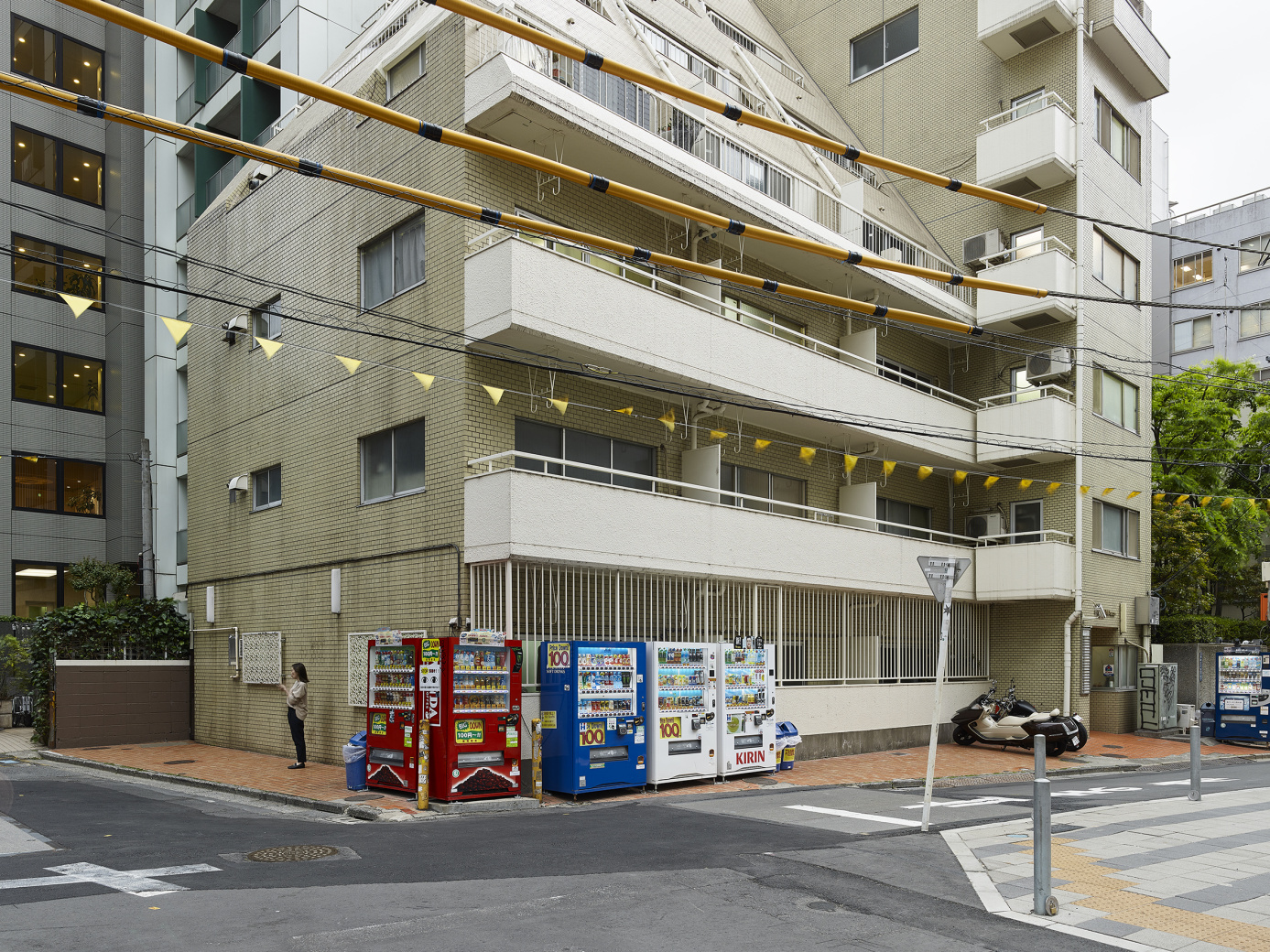
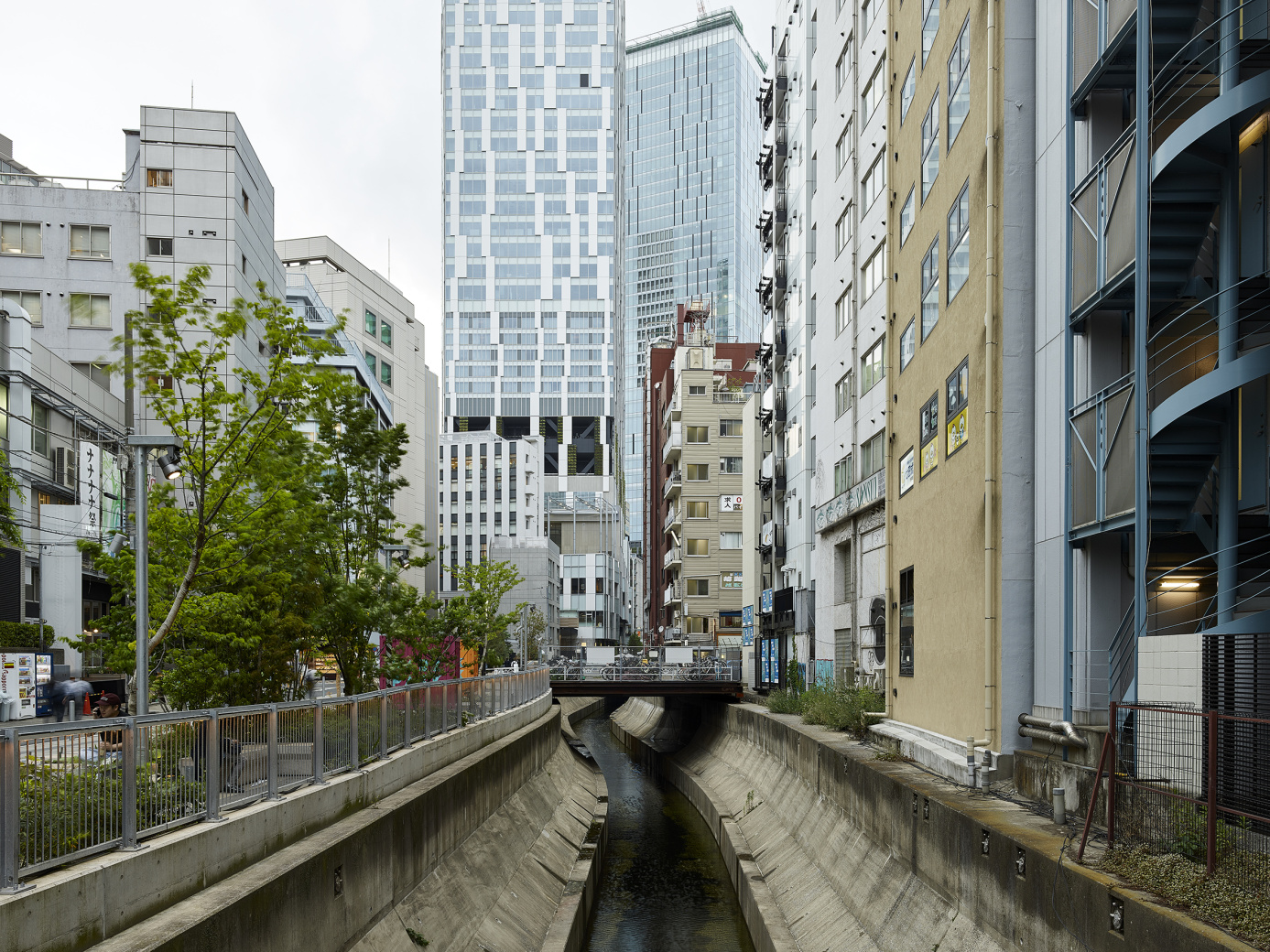
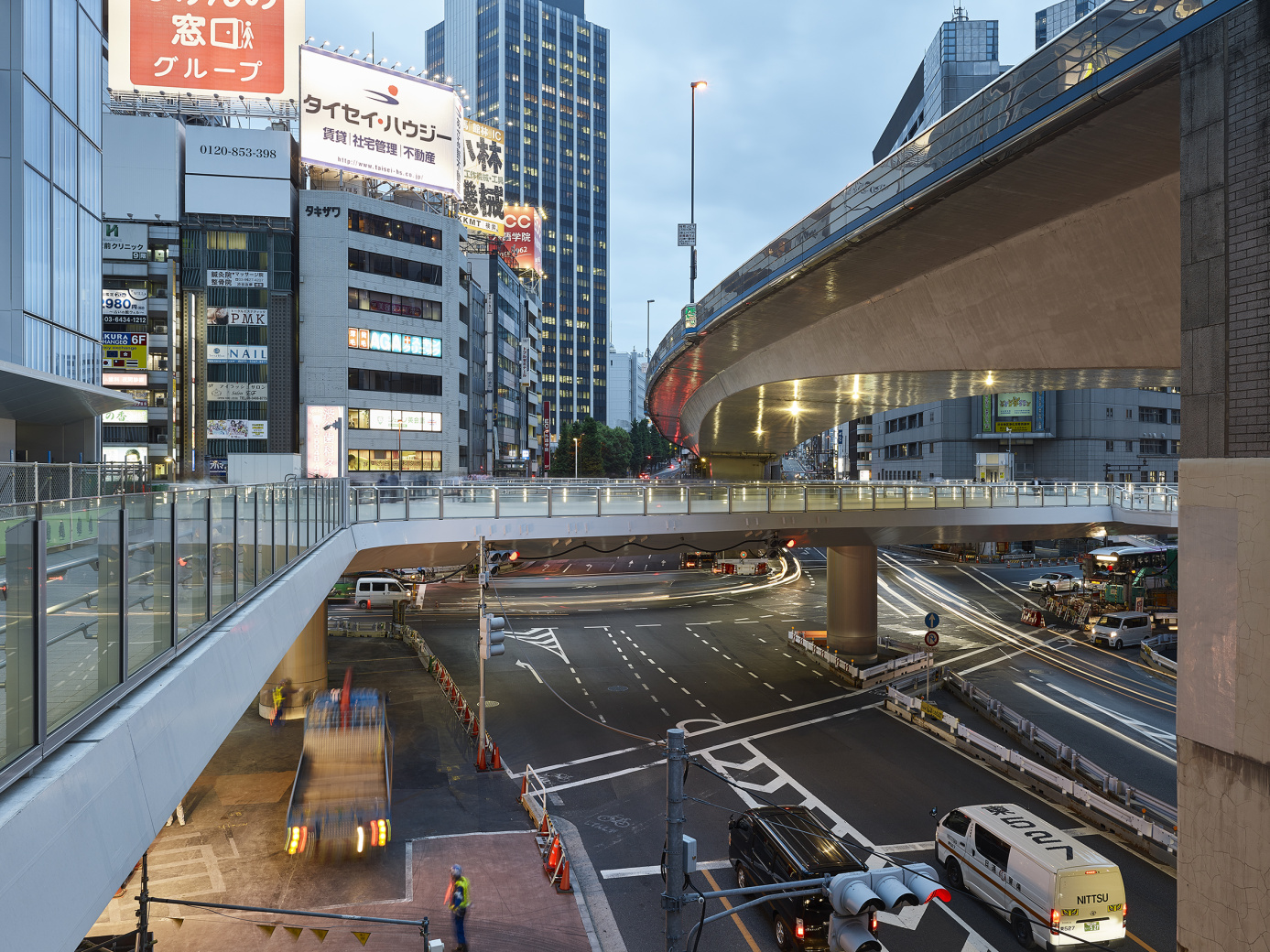
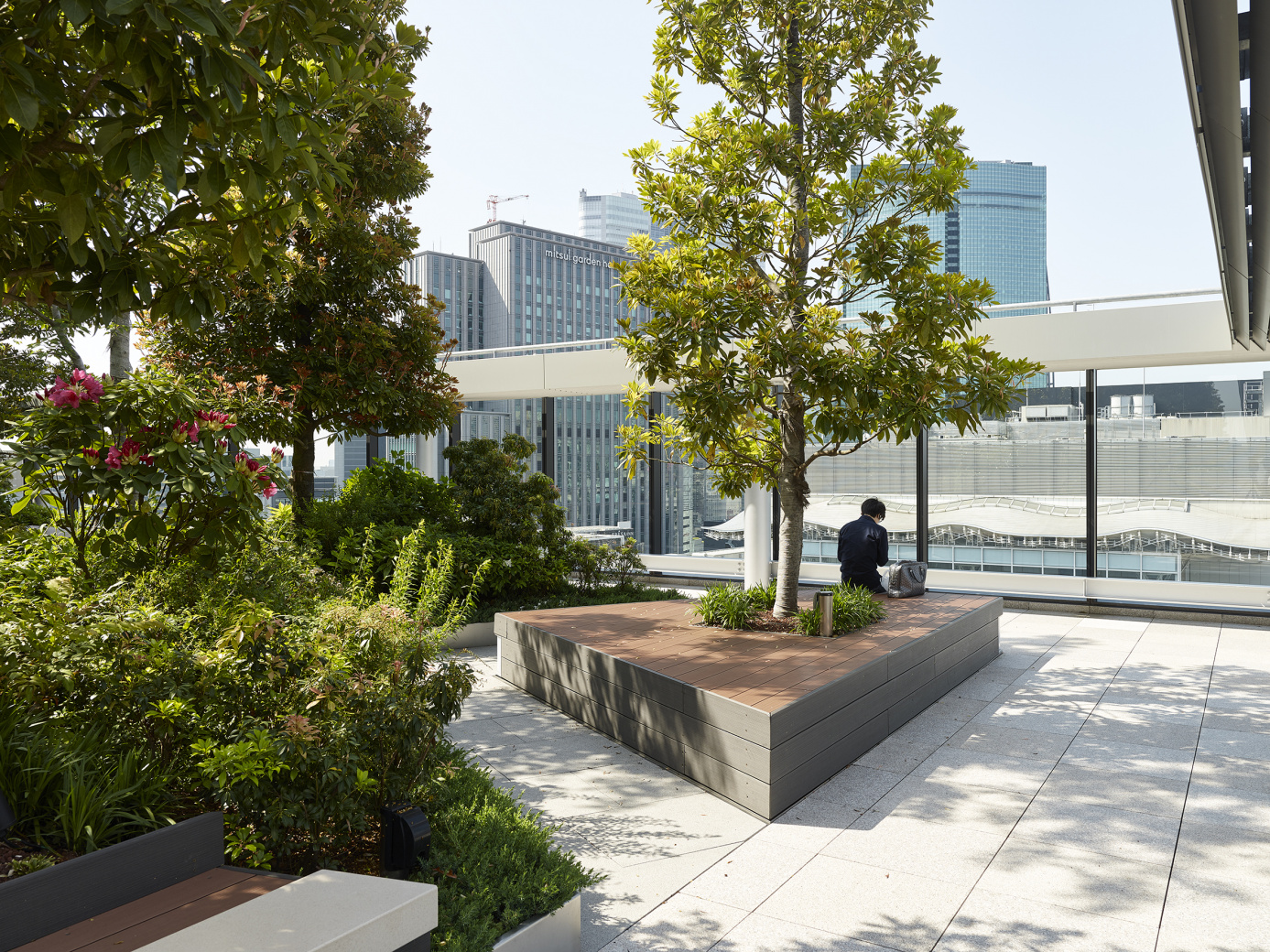
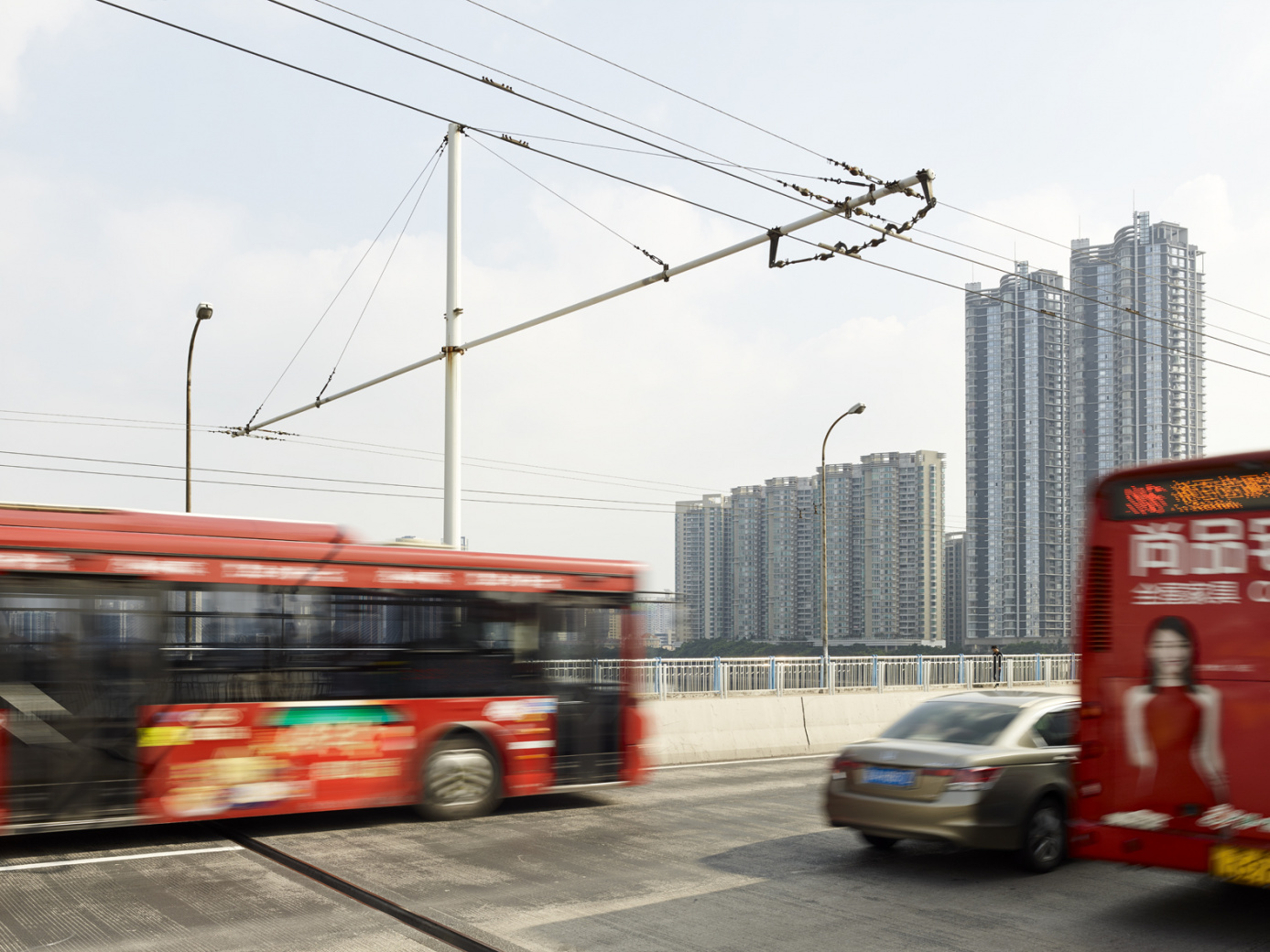
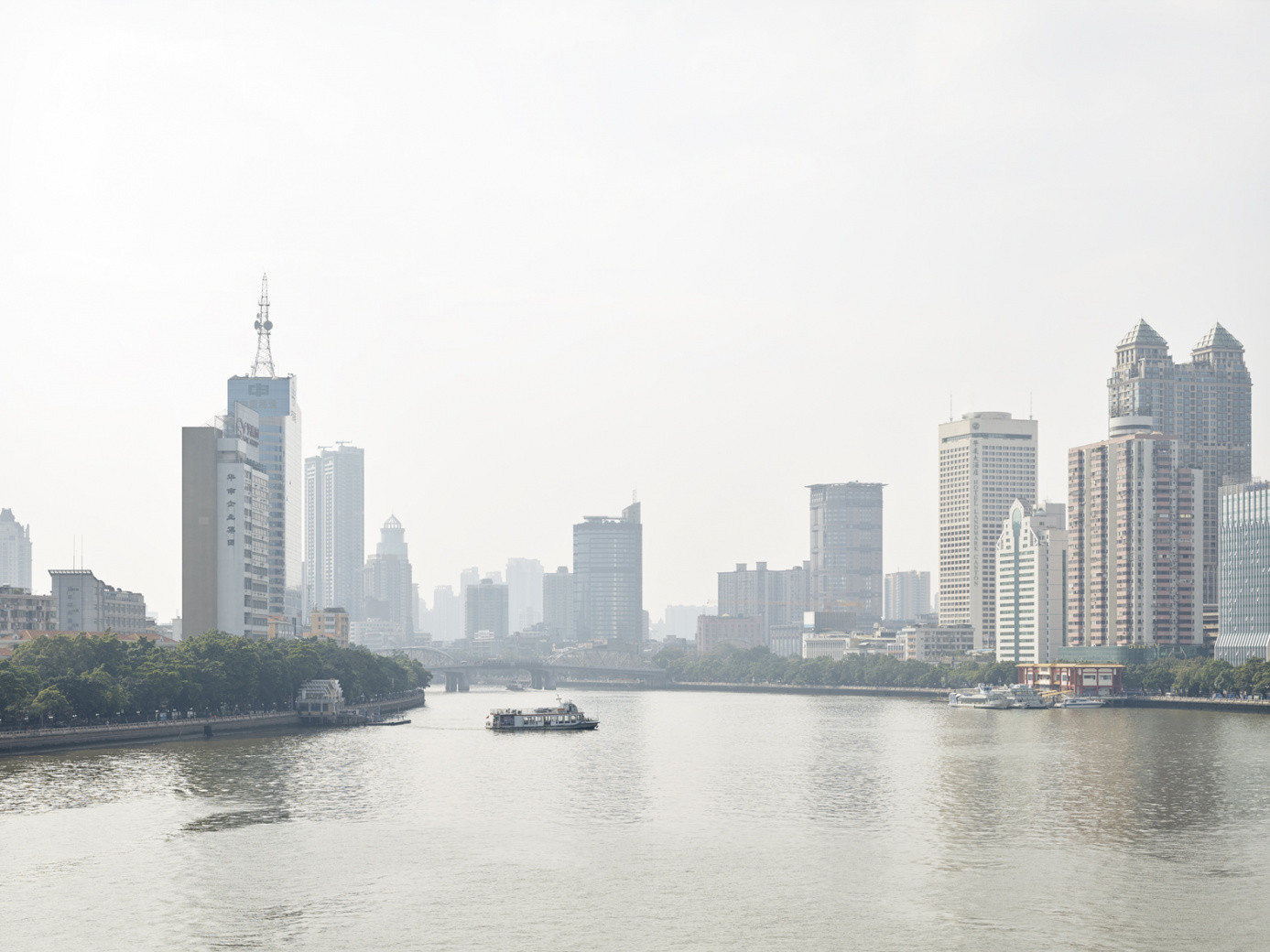
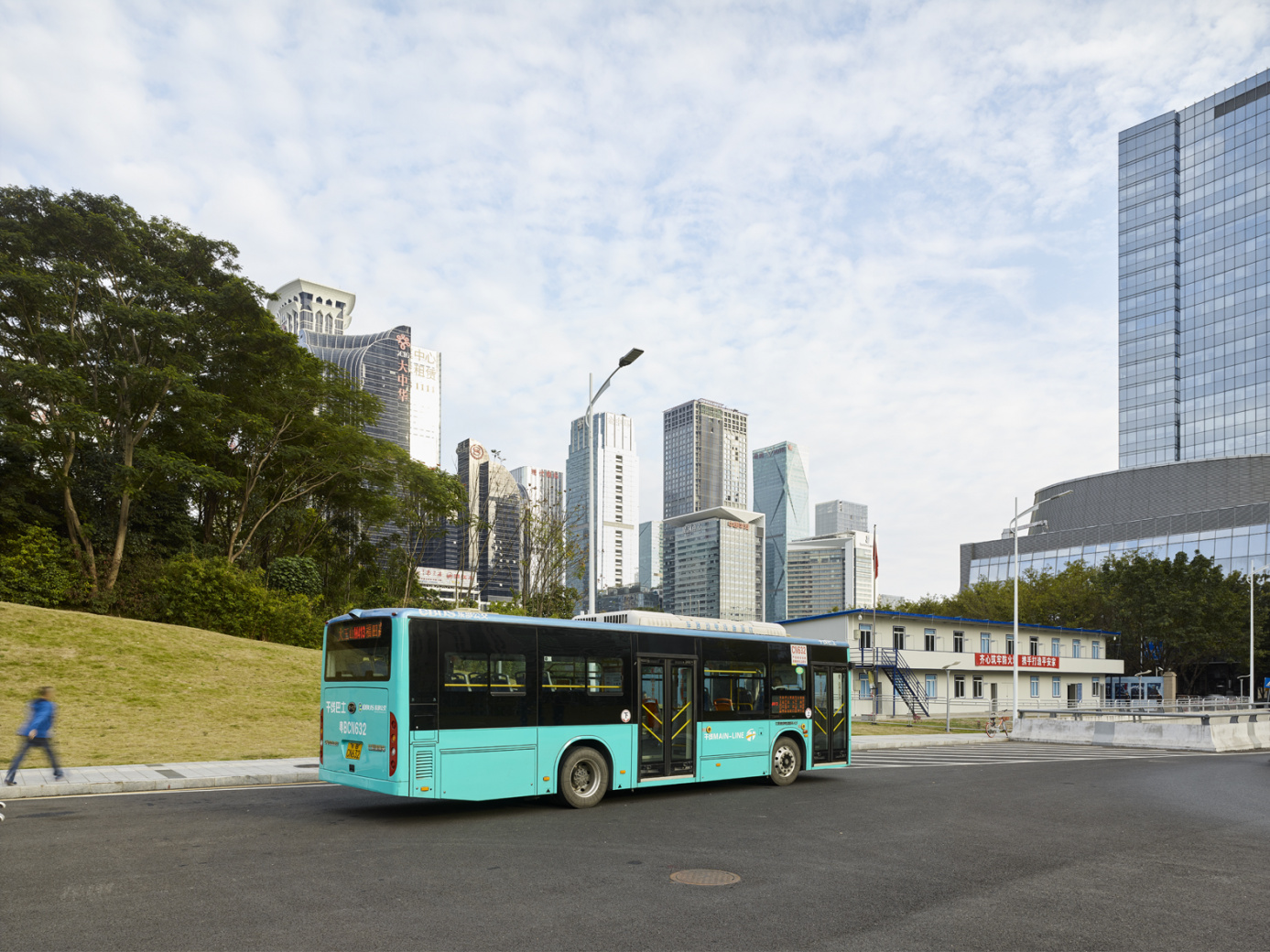
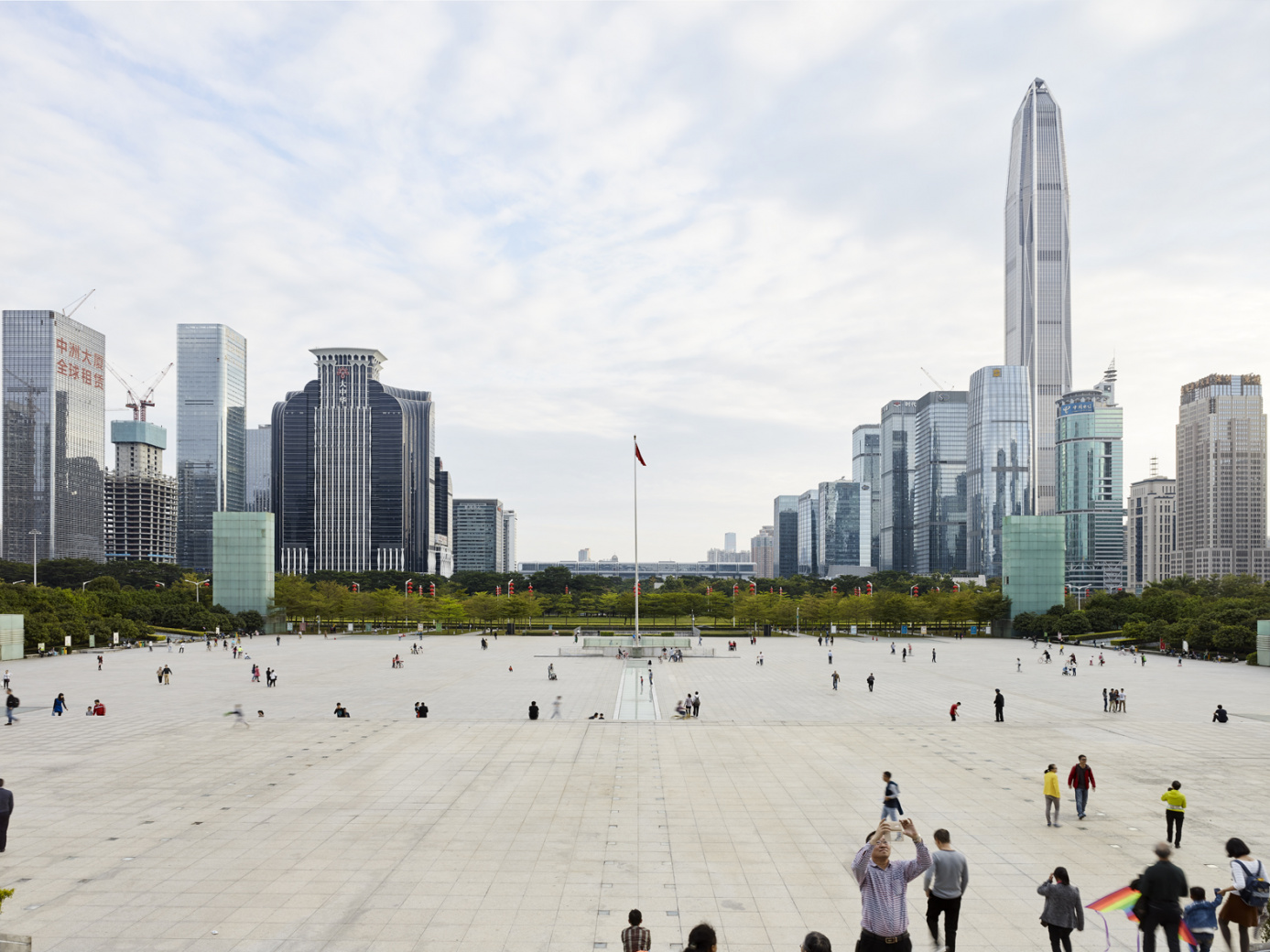
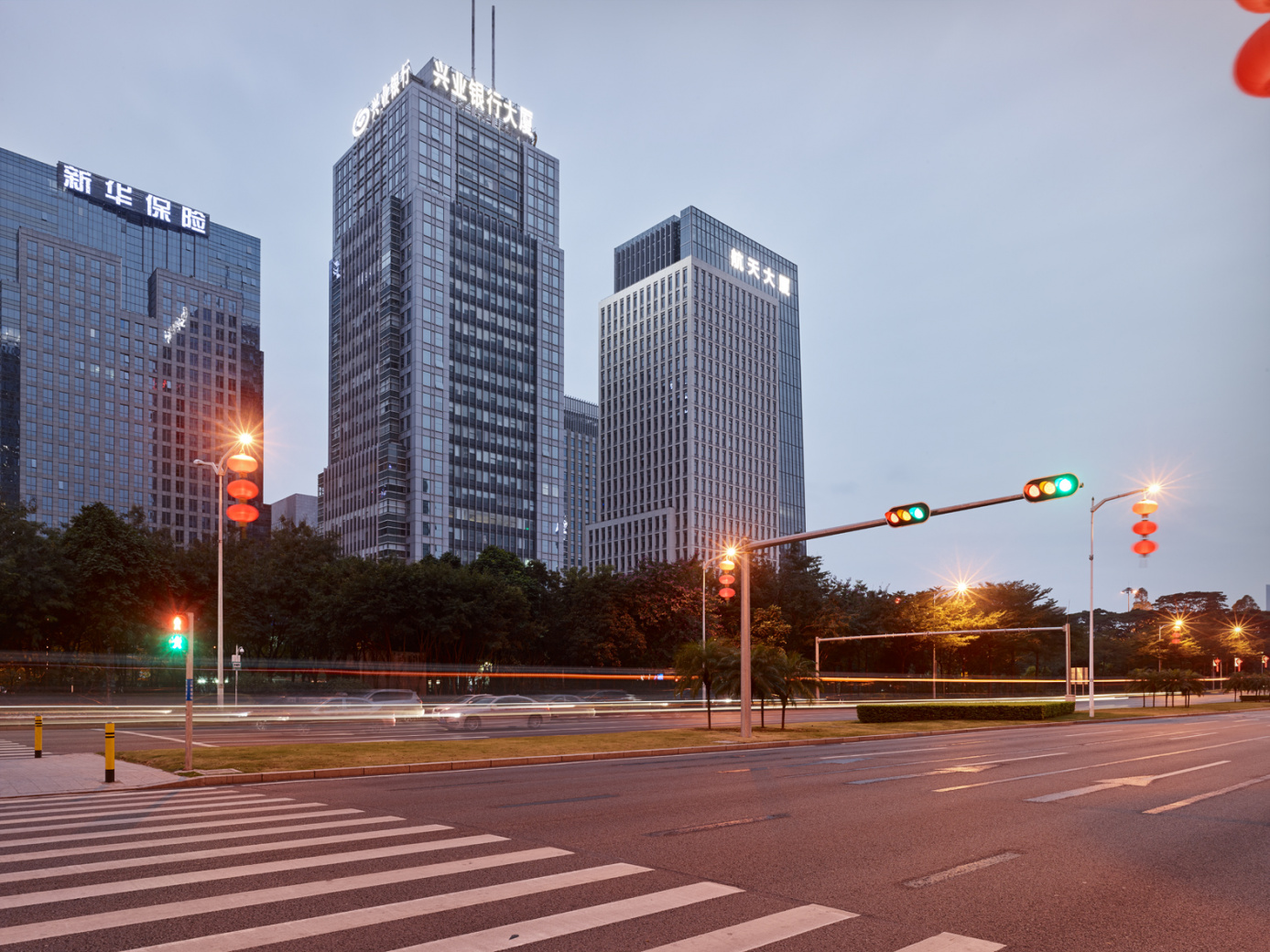
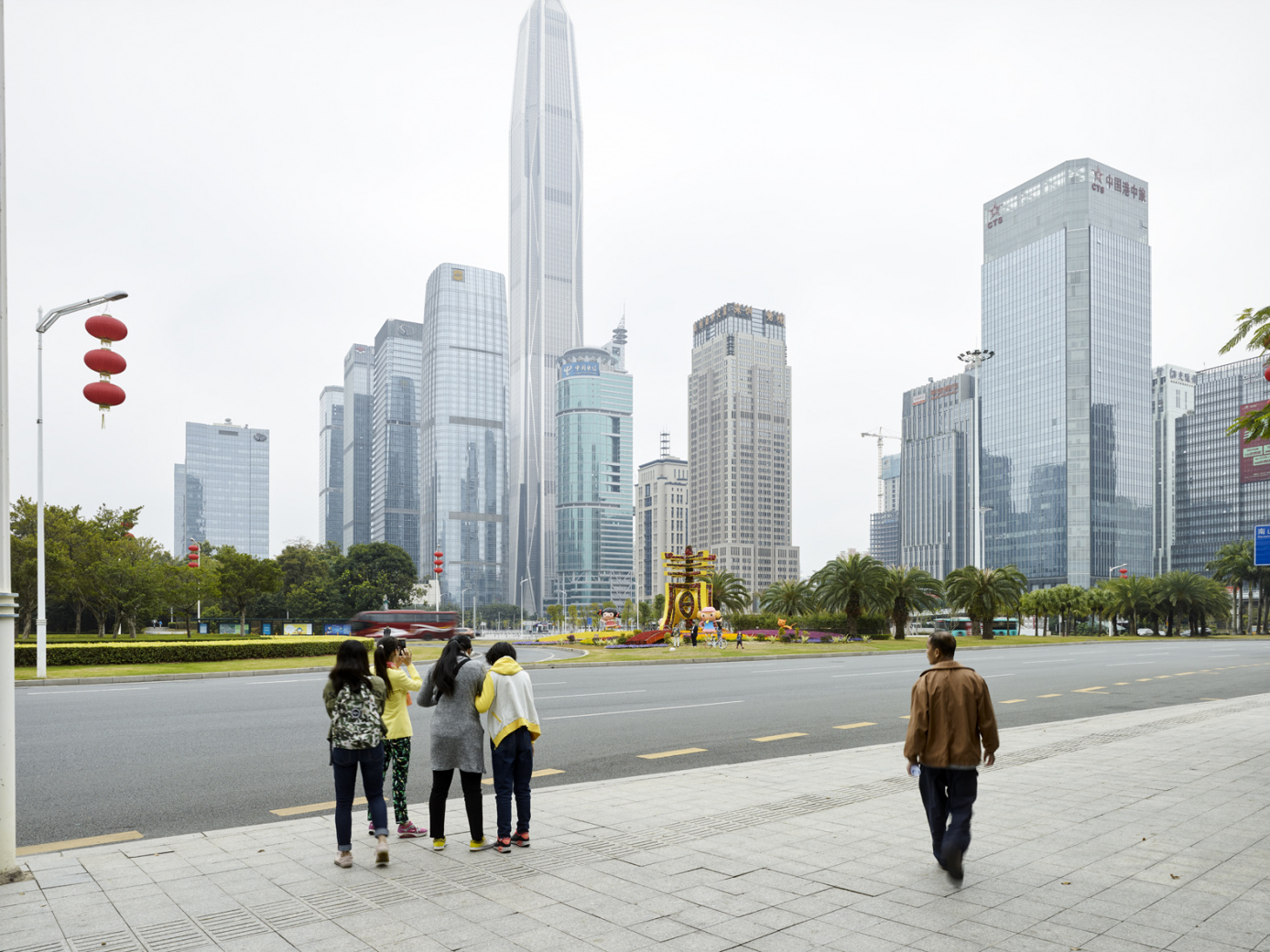
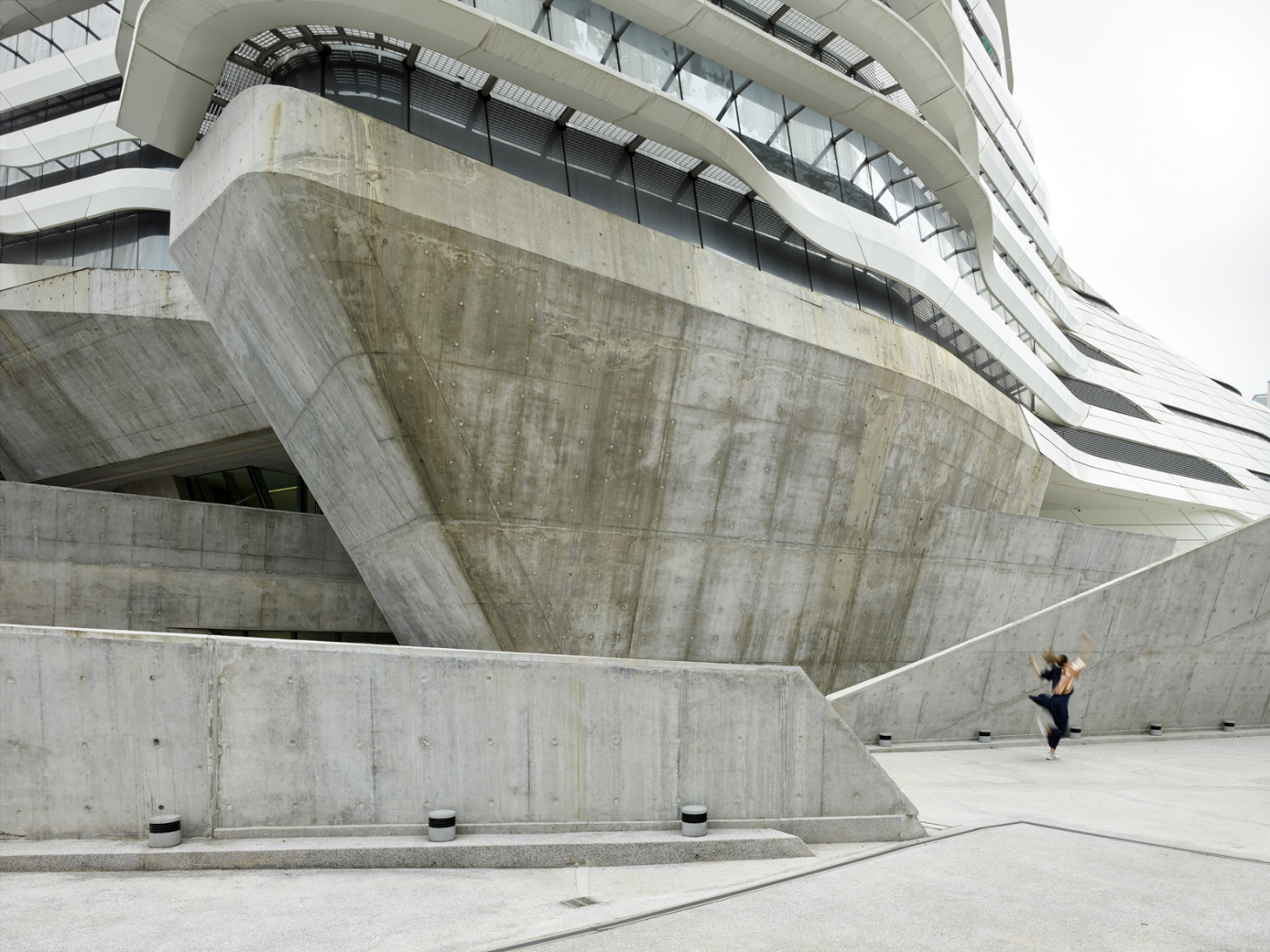
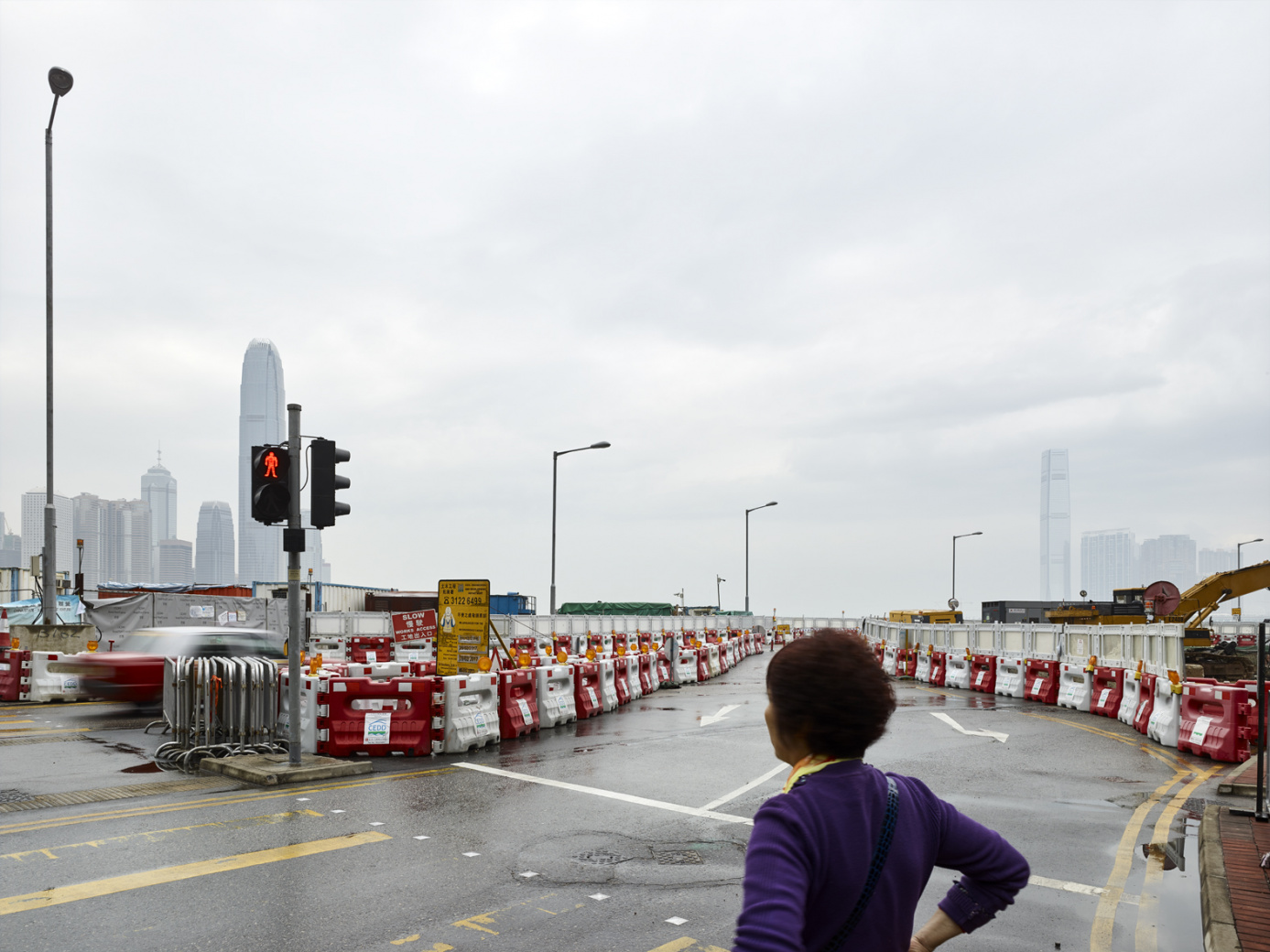
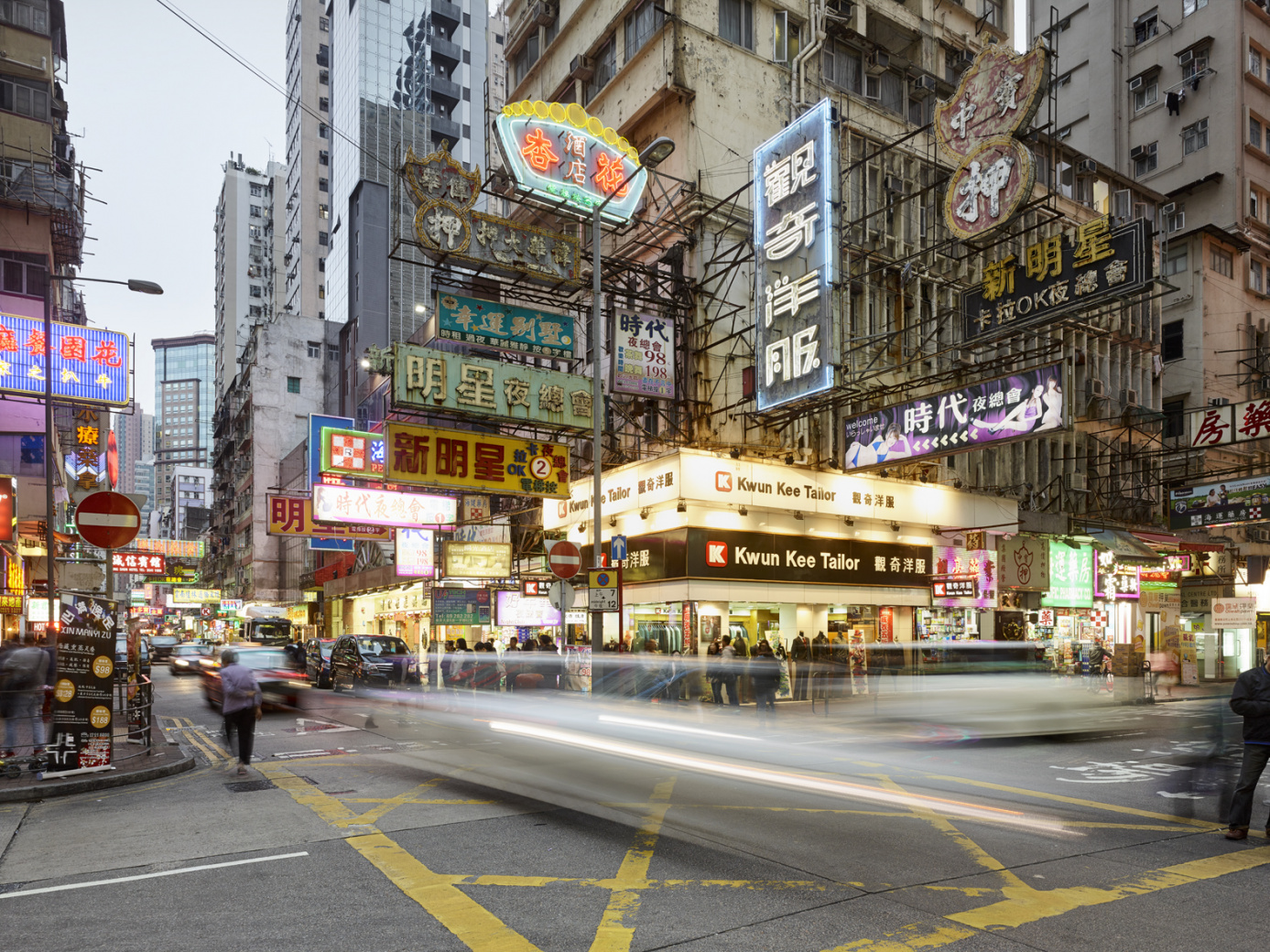
At street level, another reality emerges. Life unfolds in quieter, often overlooked moments. People occupy alleyways, side streets, crossings and small fragments of public space. They are rarely the central subject of the image, yet their presence gives these cities scale, rhythm and meaning. The human figure becomes a measure against which the enormity of the built environment can be understood.
The title of this work refers to one of photography's points of origin. In 1826, Joseph Nicéphore Niépce produced what is considered the first permanent photograph: a view from the window of his home in Burgundy. Nearly two centuries later, the simple act of looking out of a window remains both intimate and universal. Every city is experienced from a particular point of view. Every inhabitant carries their own view of the world.
For me, this perspective also has a personal dimension. Growing up in Zagreb, I spent countless hours looking out from the window of my childhood home, observing the life of the city below. The window became an instrument of curiosity: a threshold between private space and collective existence. This project returns to that experience, expanded onto an urban scale I could never have imagined.
The cities portrayed here differ profoundly in language, history and political systems. Yet they also reveal striking similarities. They demonstrate humanity's remarkable capacity to organise itself, to build, adapt and coexist in increasingly dense environments. They embody contradictions: anonymity and intimacy, efficiency and vulnerability, control and improvisation, isolation and connection.
Rather than offering a dystopian warning or a celebration of urban progress,The View Out of My Windowinvites contemplation. It asks how we wish to live together in the future, what forms of community may emerge within ever-growing urban environments, and what it means to remain human within landscapes of immense scale.
These photographs are not simply portraits of Asian megacities.
They are reflections on the world we are creating—and on the possibility that the future has already arrived, quietly visible from the window.
©Goran Potkonjak 2026