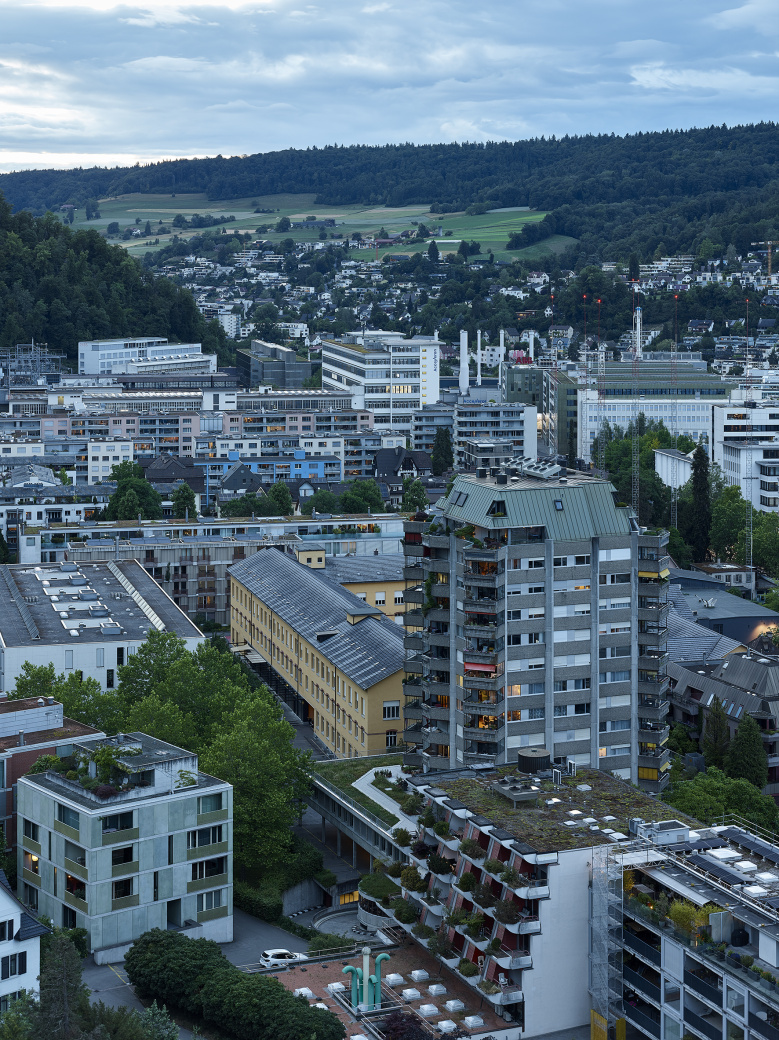
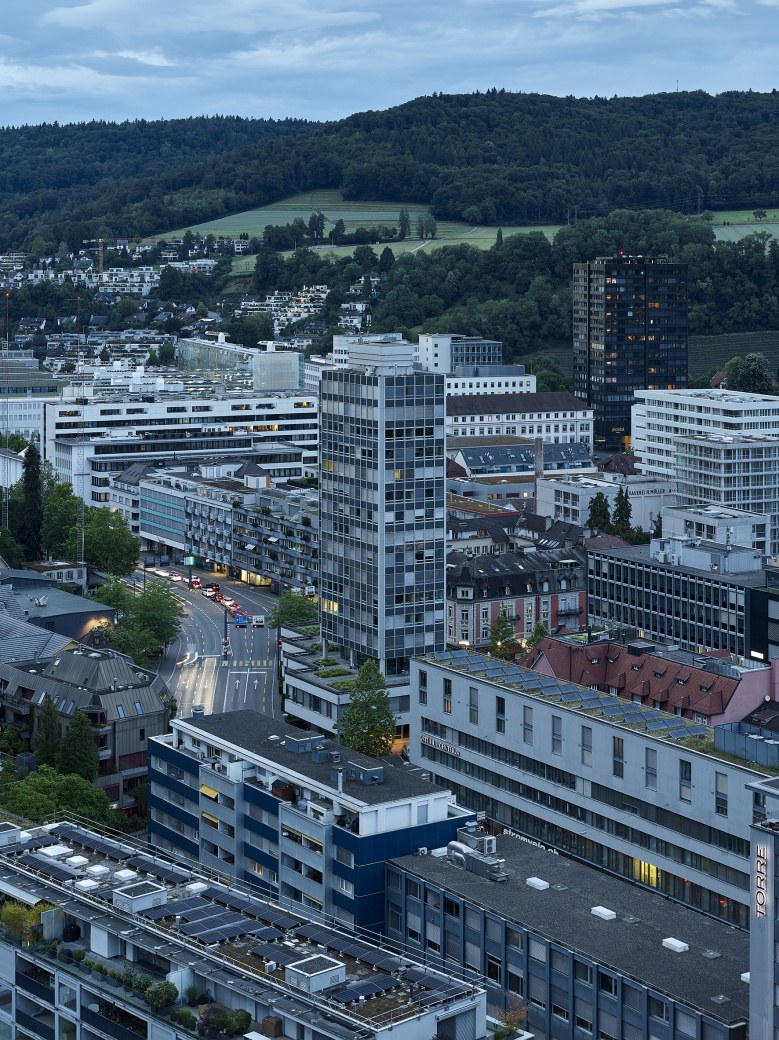
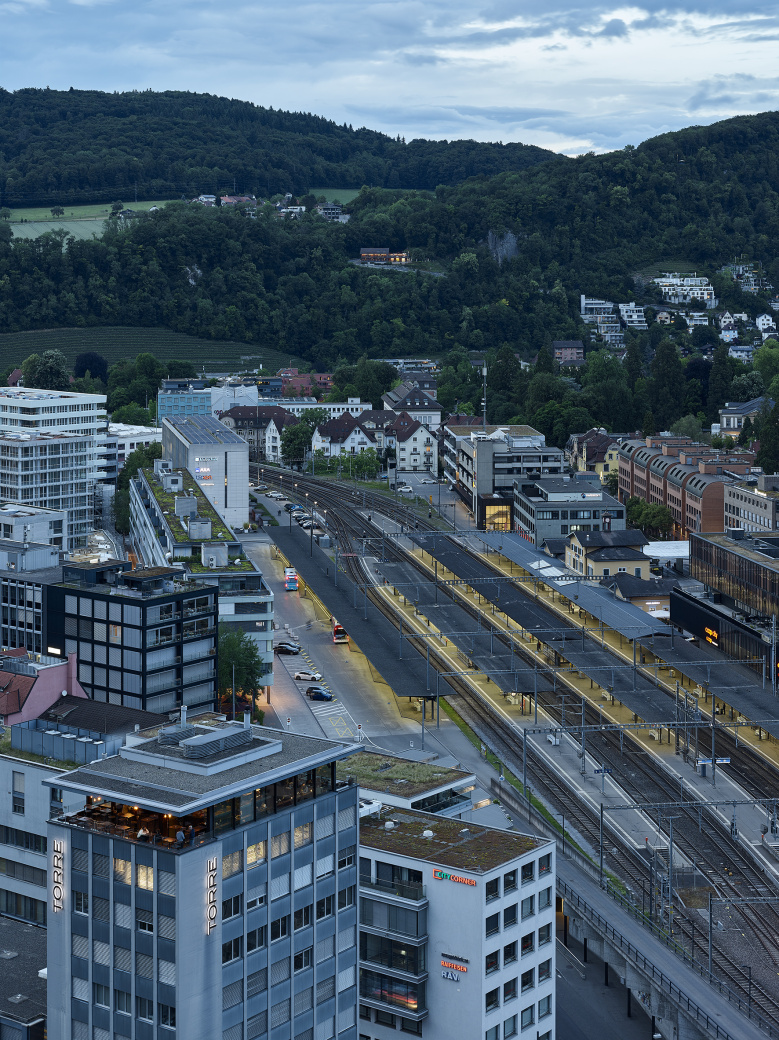
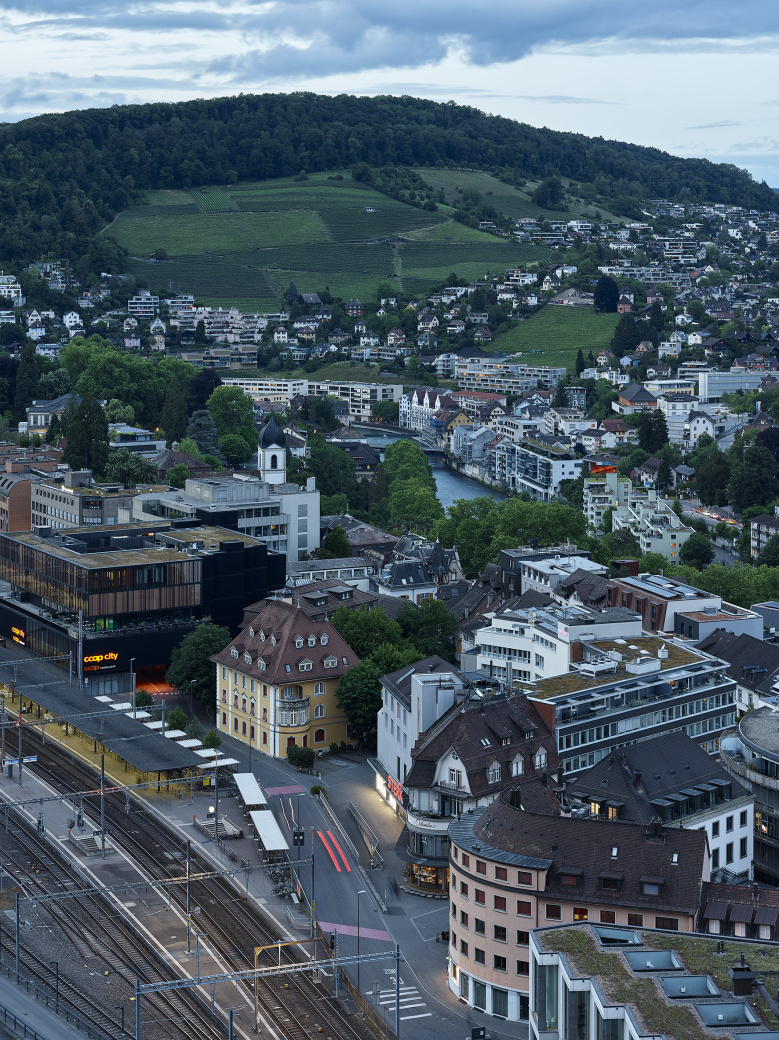
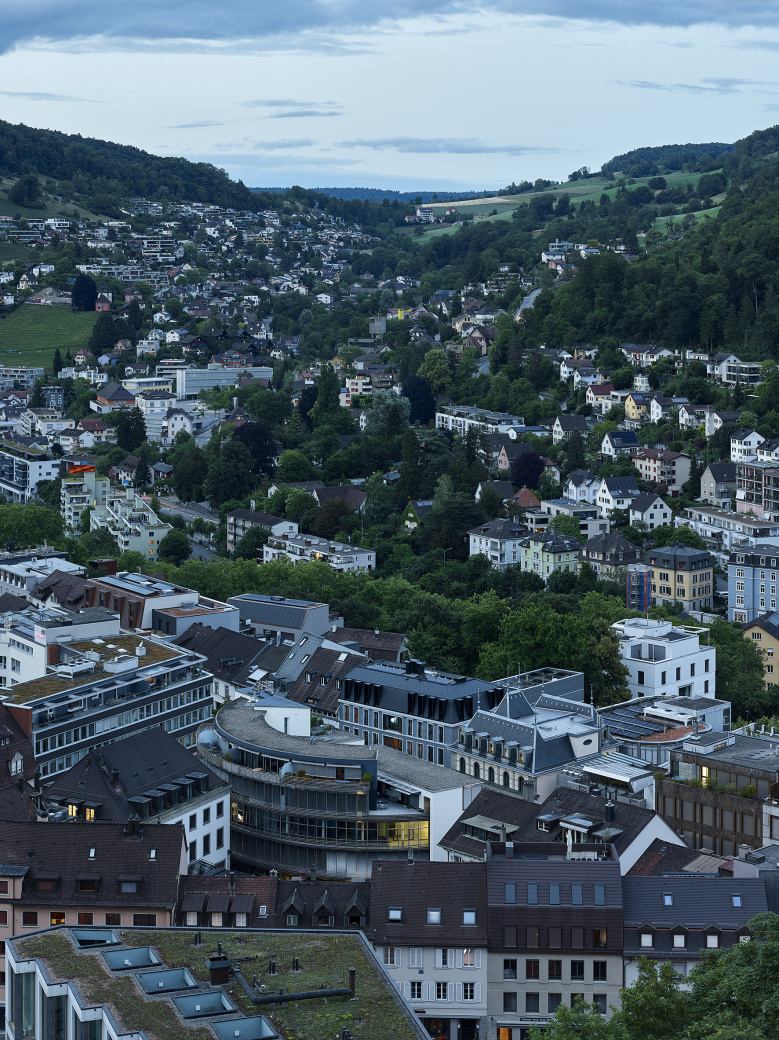
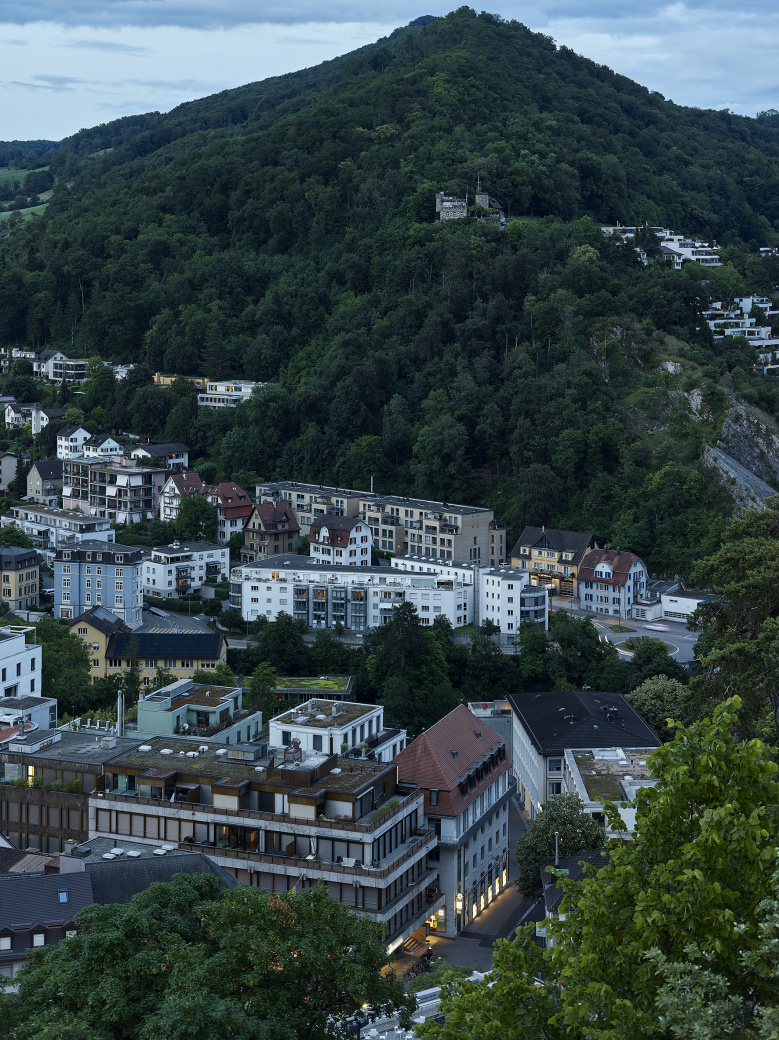
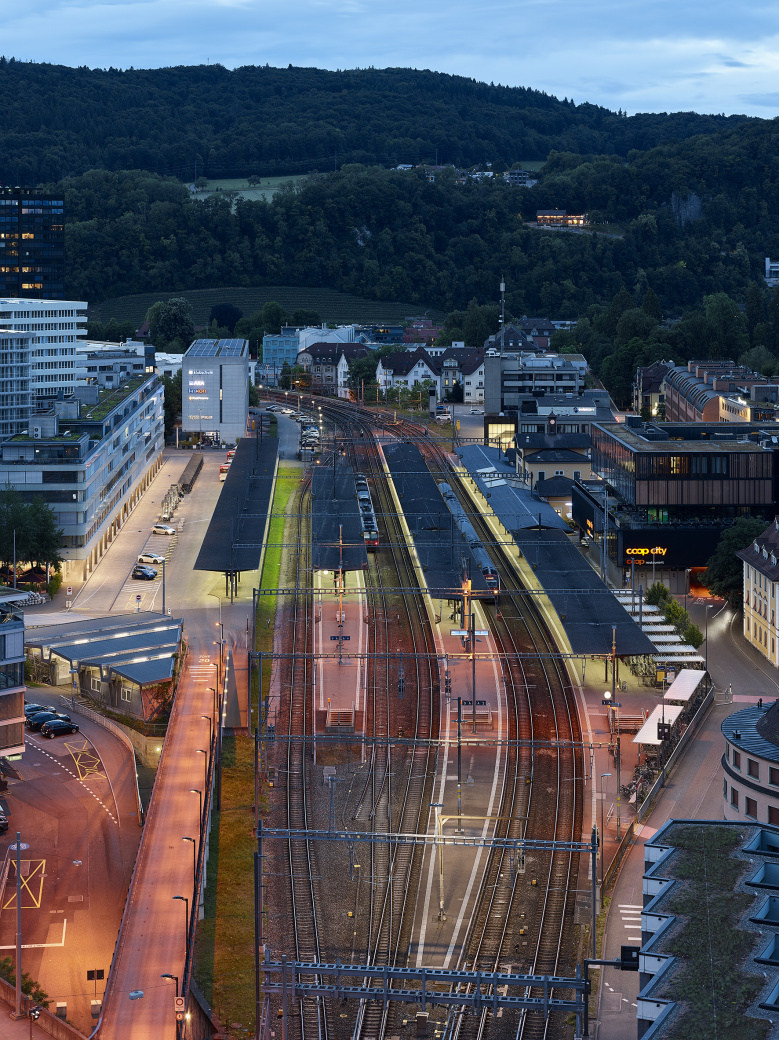
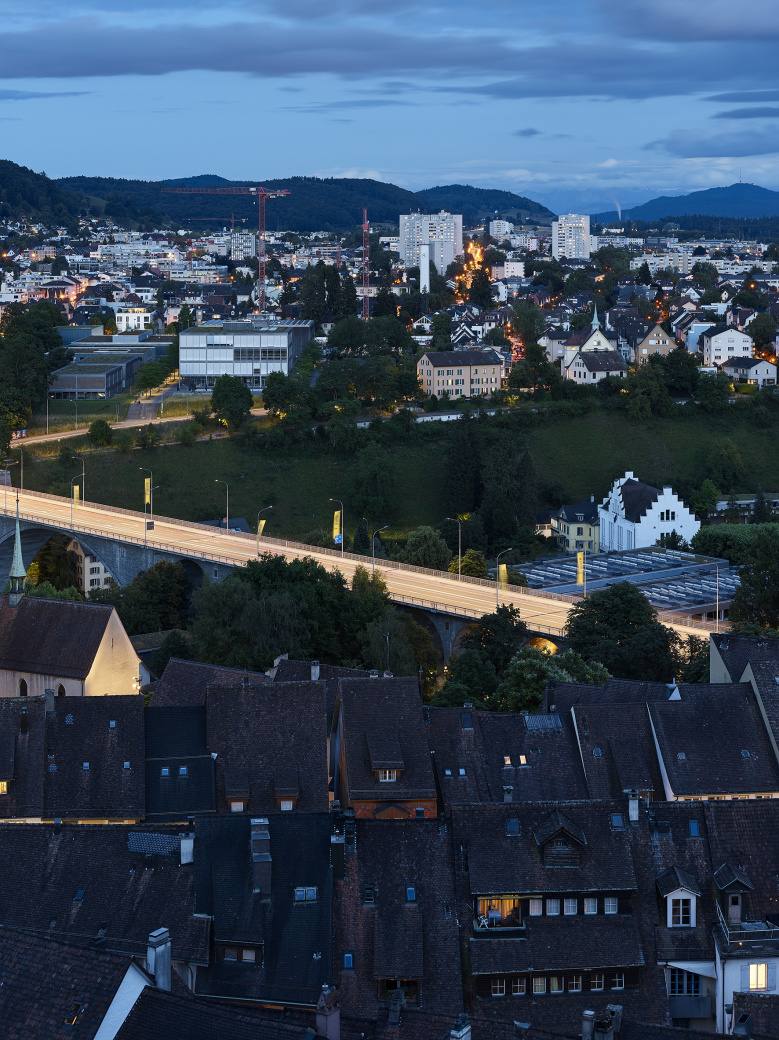
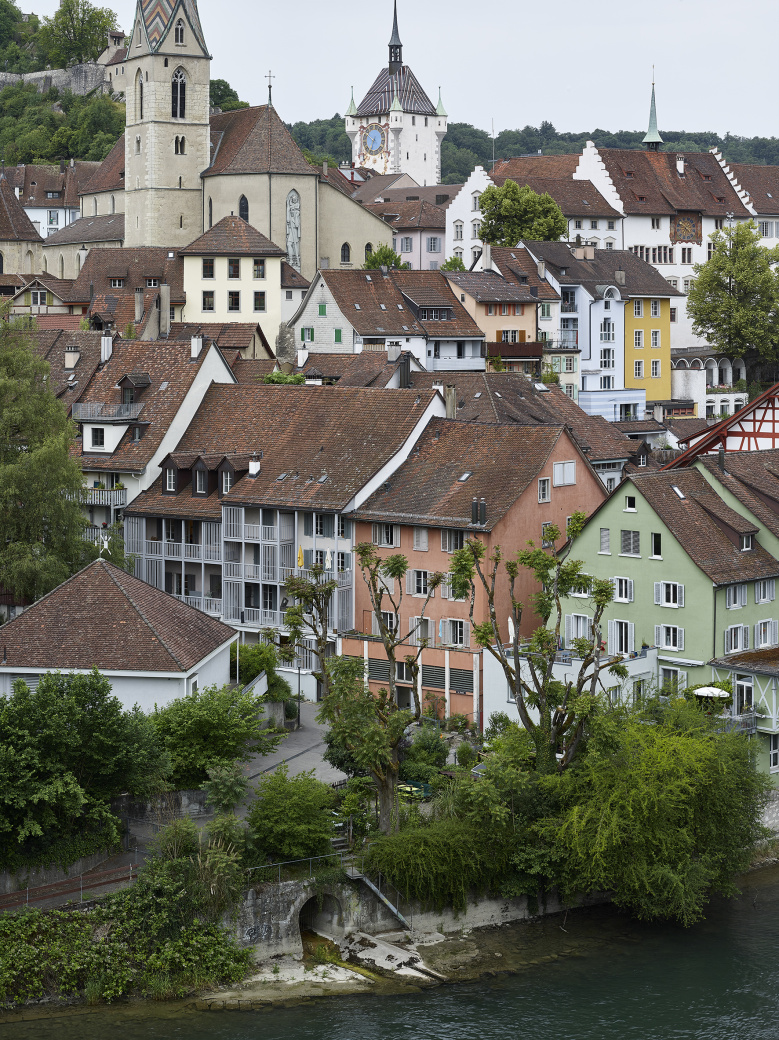
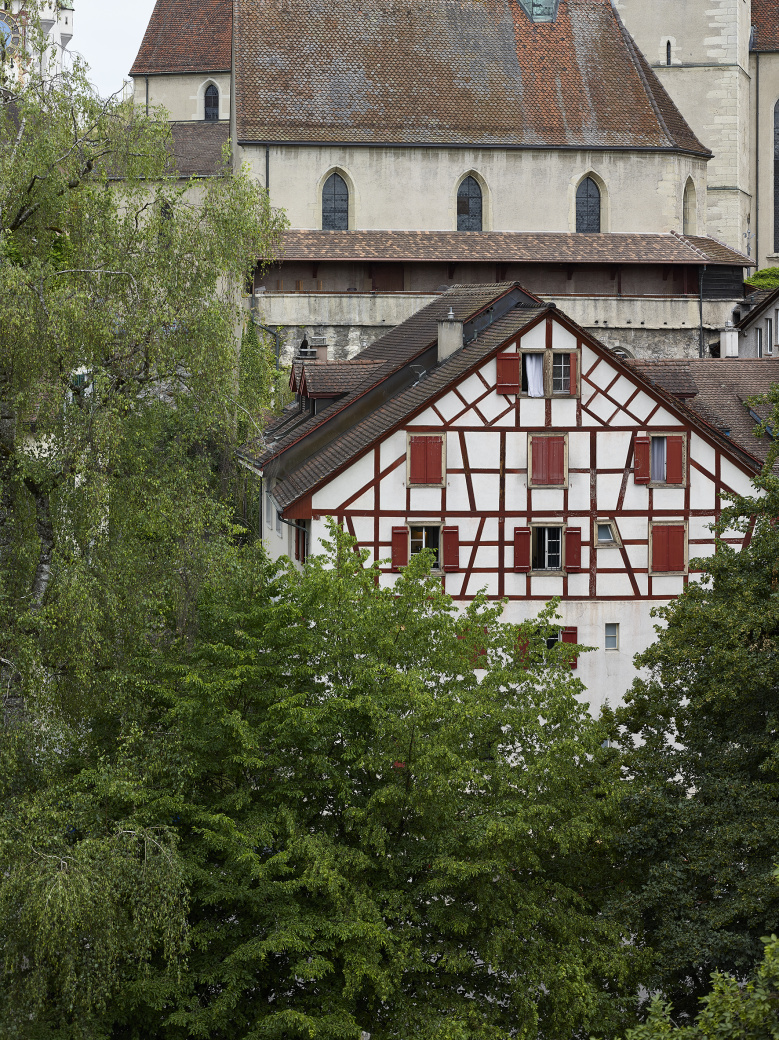
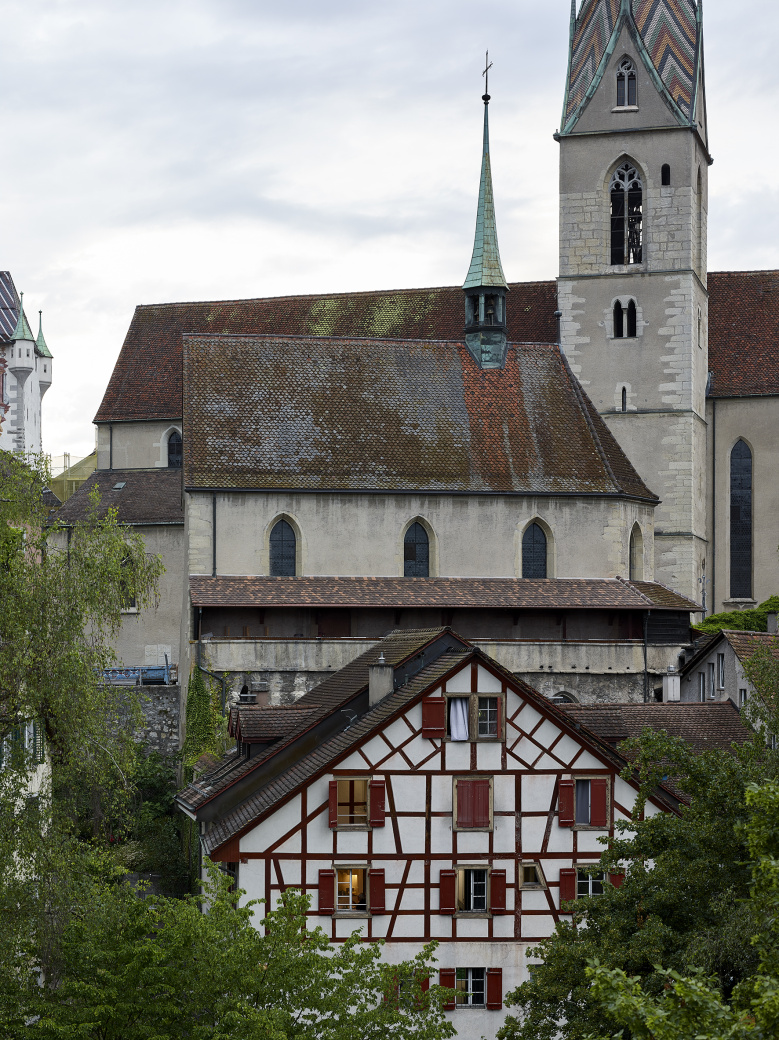
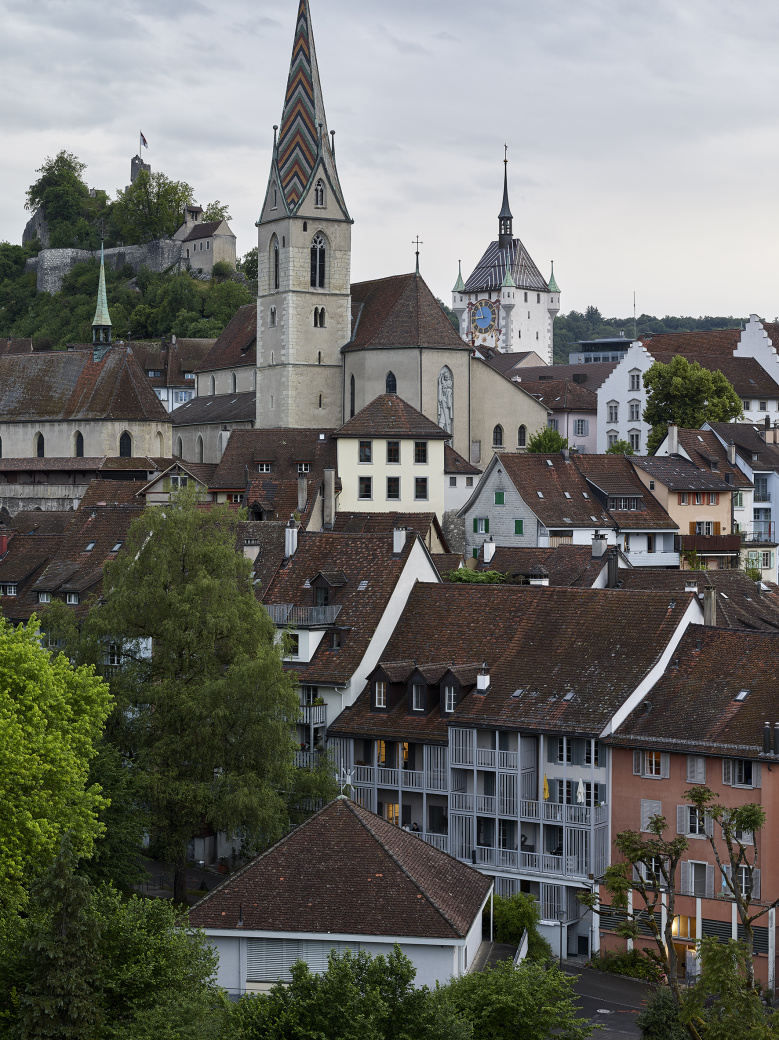
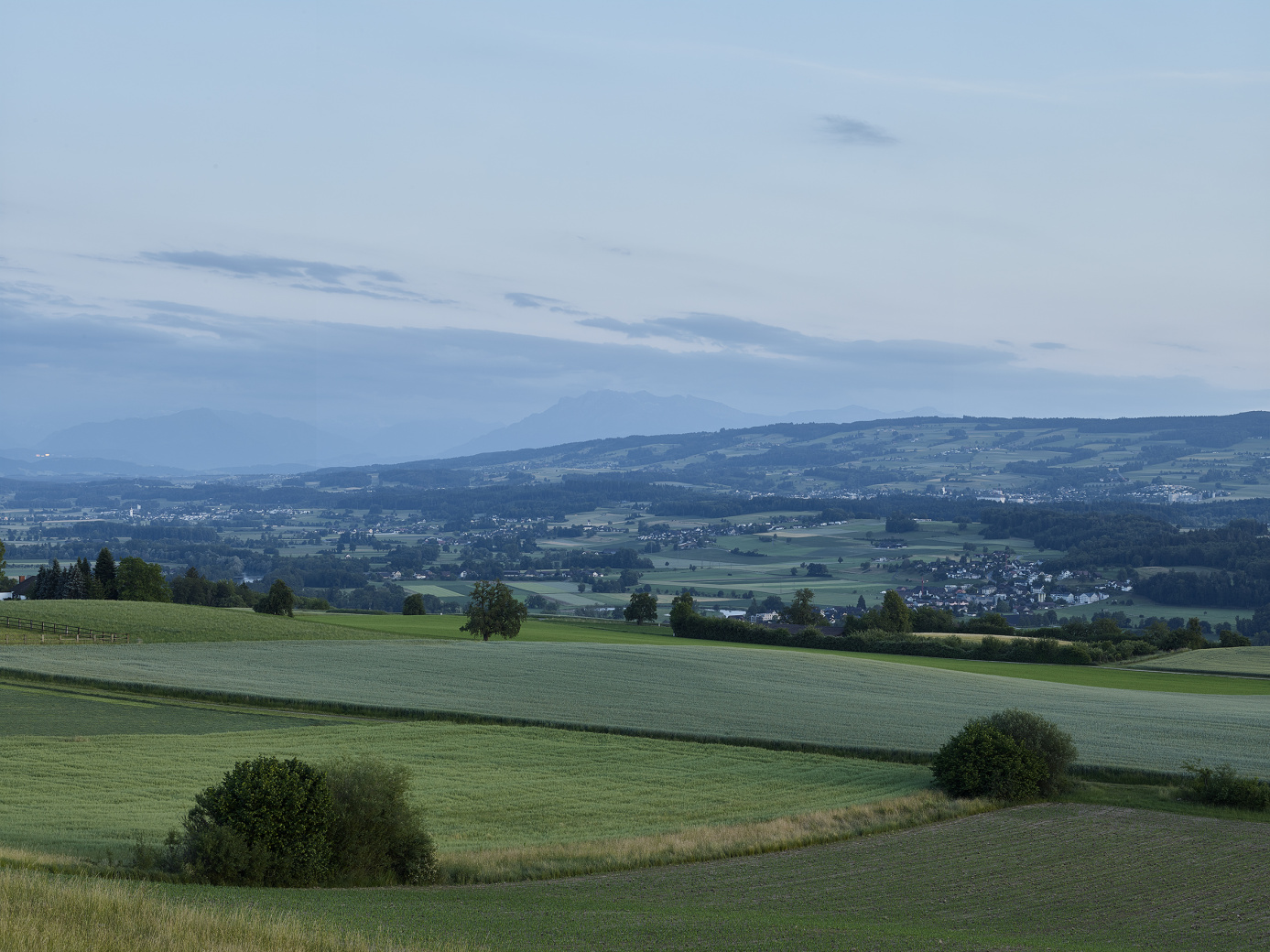
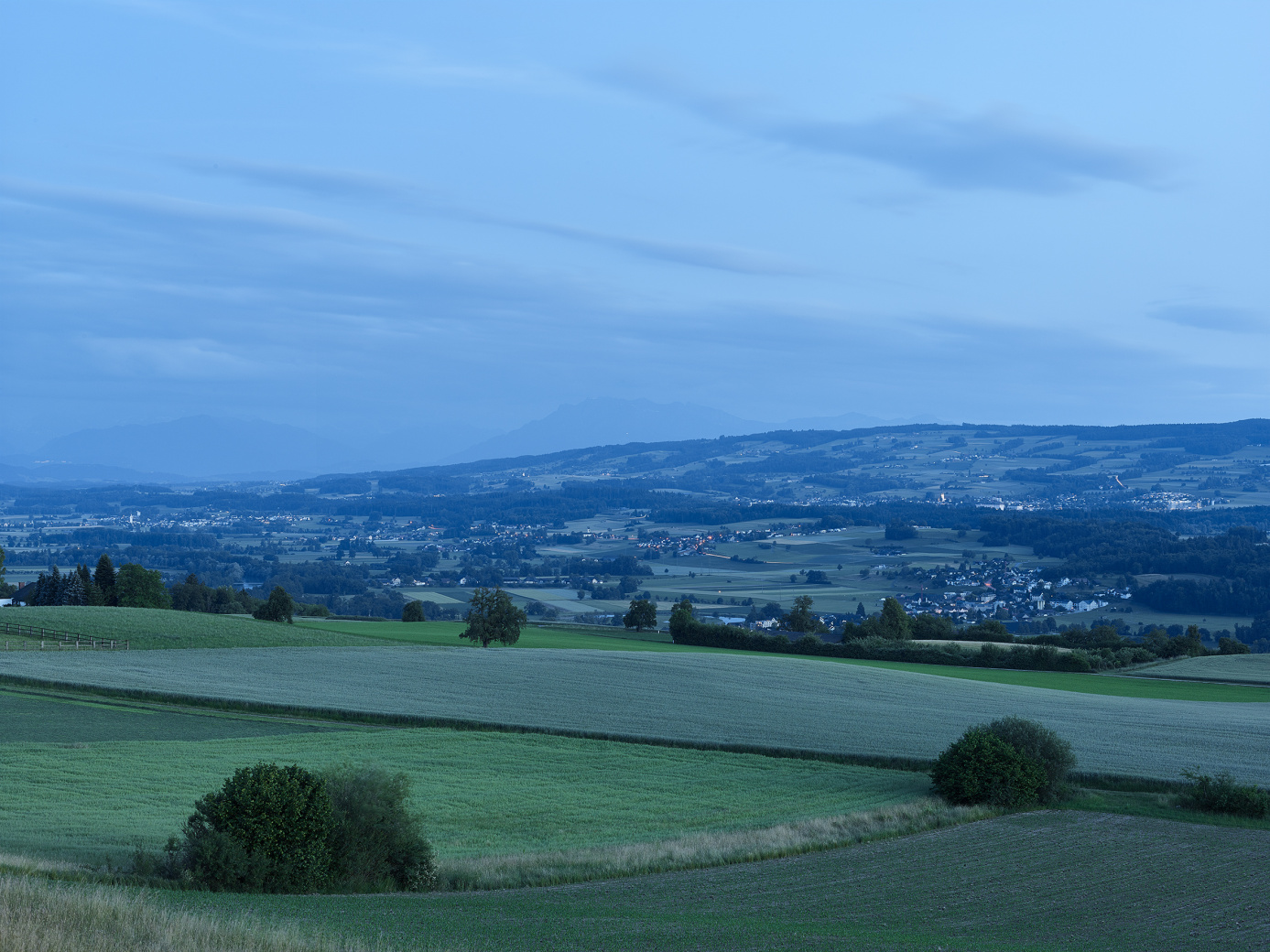
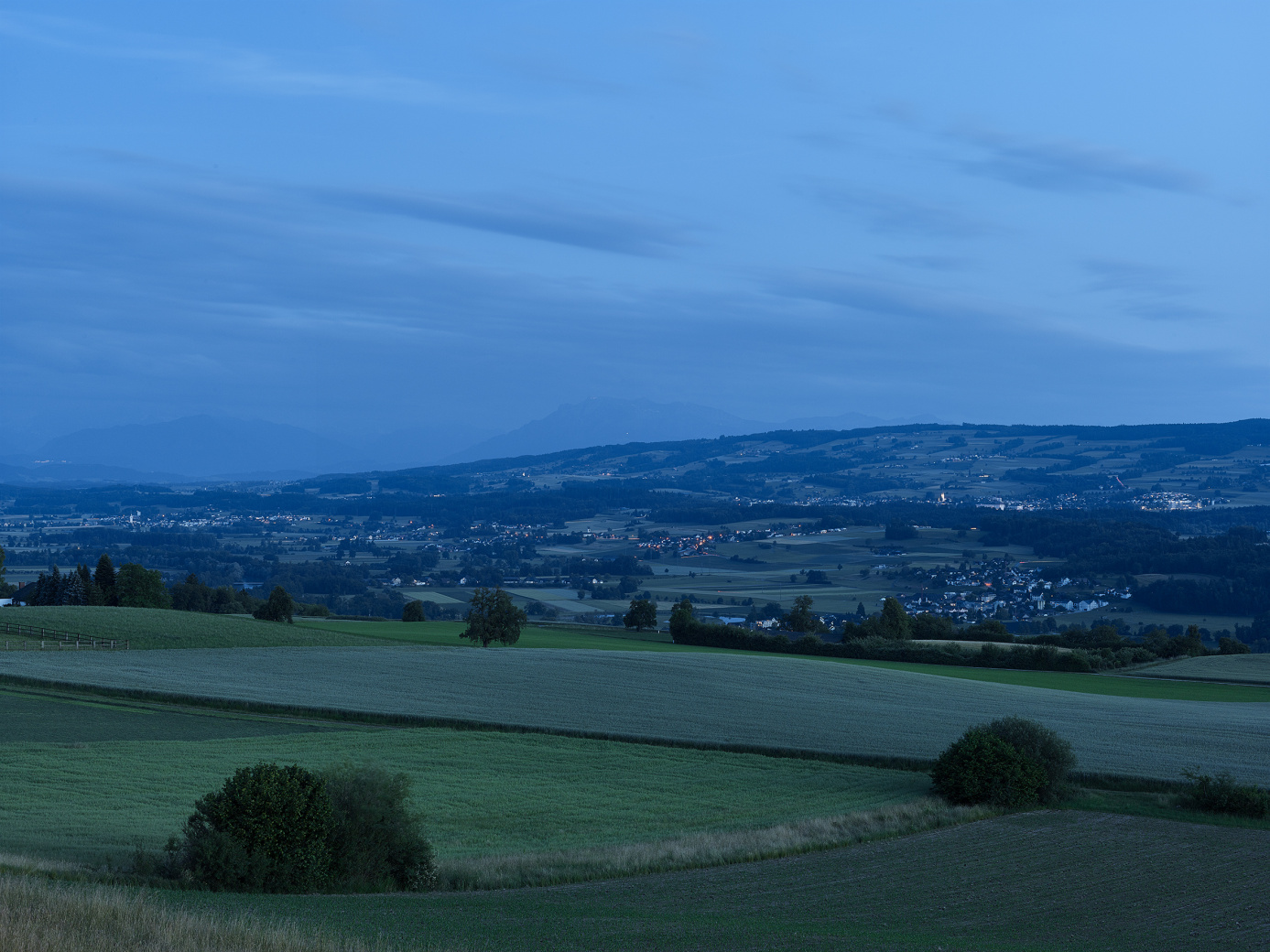
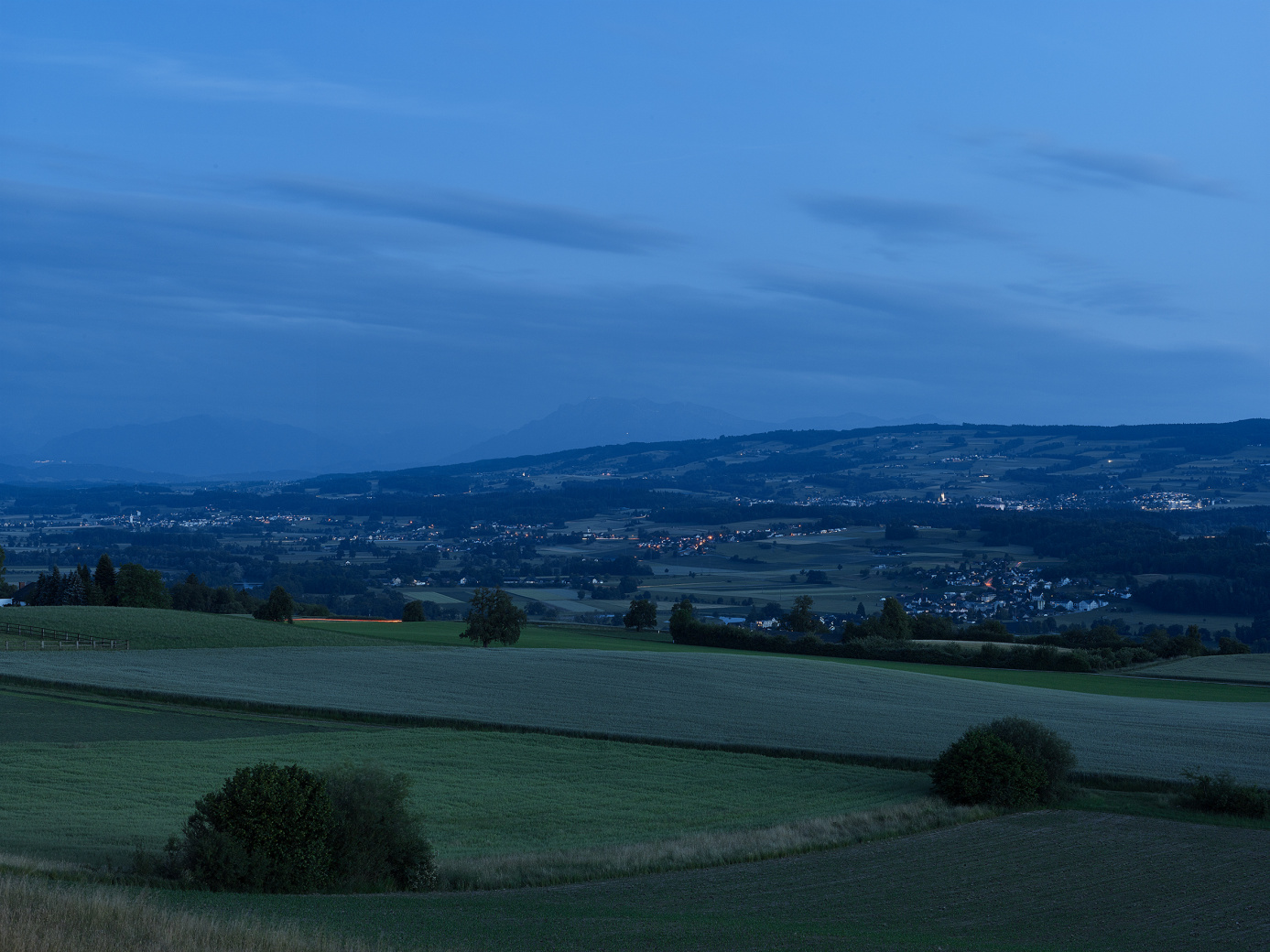
For centuries, Switzerland defined itself through the image of its landscape. Mountains, valleys, lakes, and villages formed the visual foundation of a national identity. Today, however, the vast majority of the population lives within the densely populated Swiss Plateau. Increasingly, the country functions as a continuous urban space—a network of cities, agglomerations, infrastructures, and transportation corridors.
At the same time, public debate revolves around a symbolic threshold: ten million inhabitants.
For me, this number carries a particular significance. During the eight years I spent photographing the megacities of East and Southeast Asia, ten million represented the minimum scale required to qualify as a megacity. Seoul, Guangzhou, Shenzhen, Bangkok, and Tokyo exceed this threshold many times over. There, the figure of ten million embodied density, urbanity, and a possible vision of humanity's future way of living.
Back in Switzerland, the same number takes on a completely different meaning. Here, it refers not to a city, but to an entire nation.
This project emerges from that inversion.
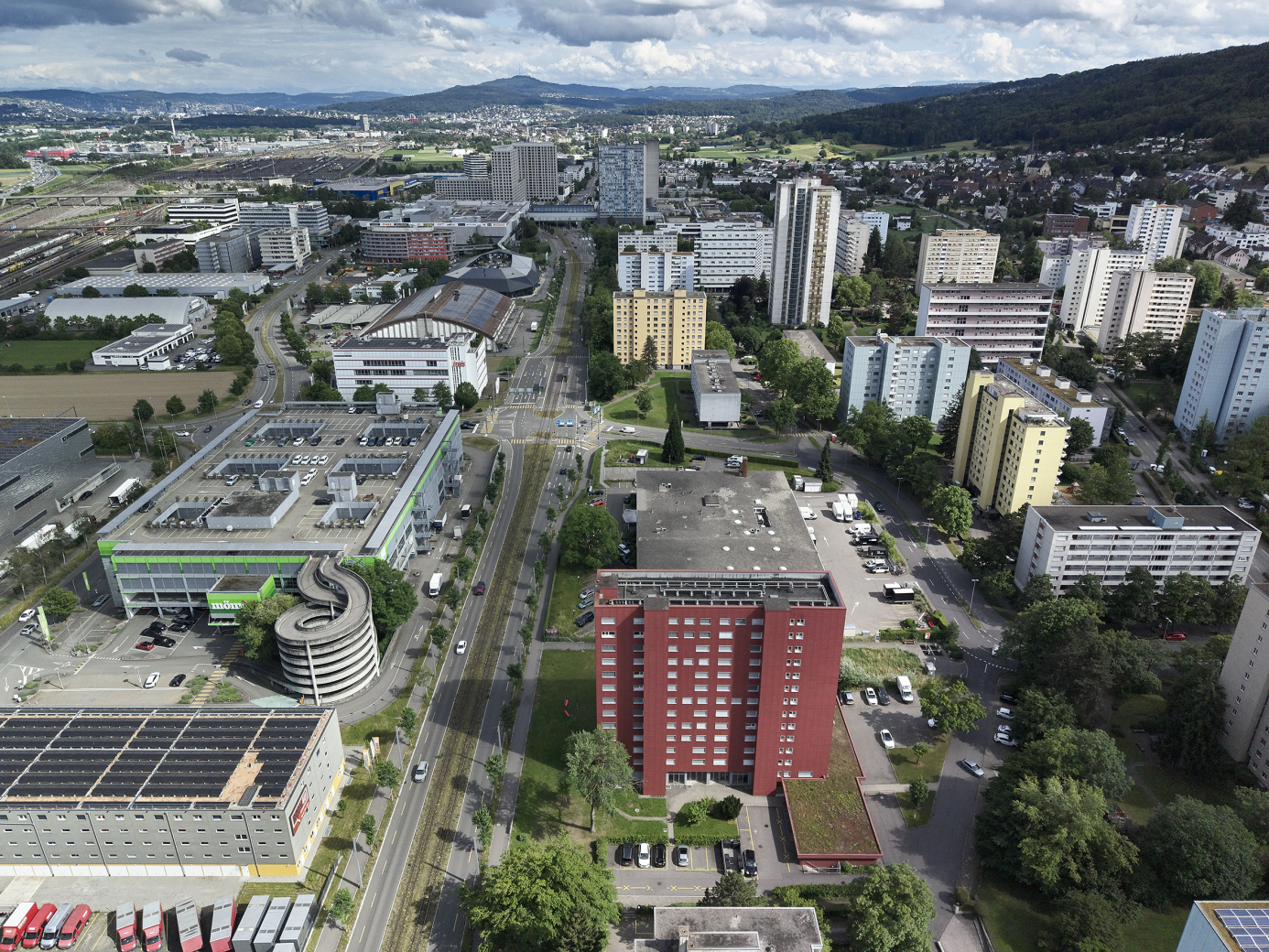
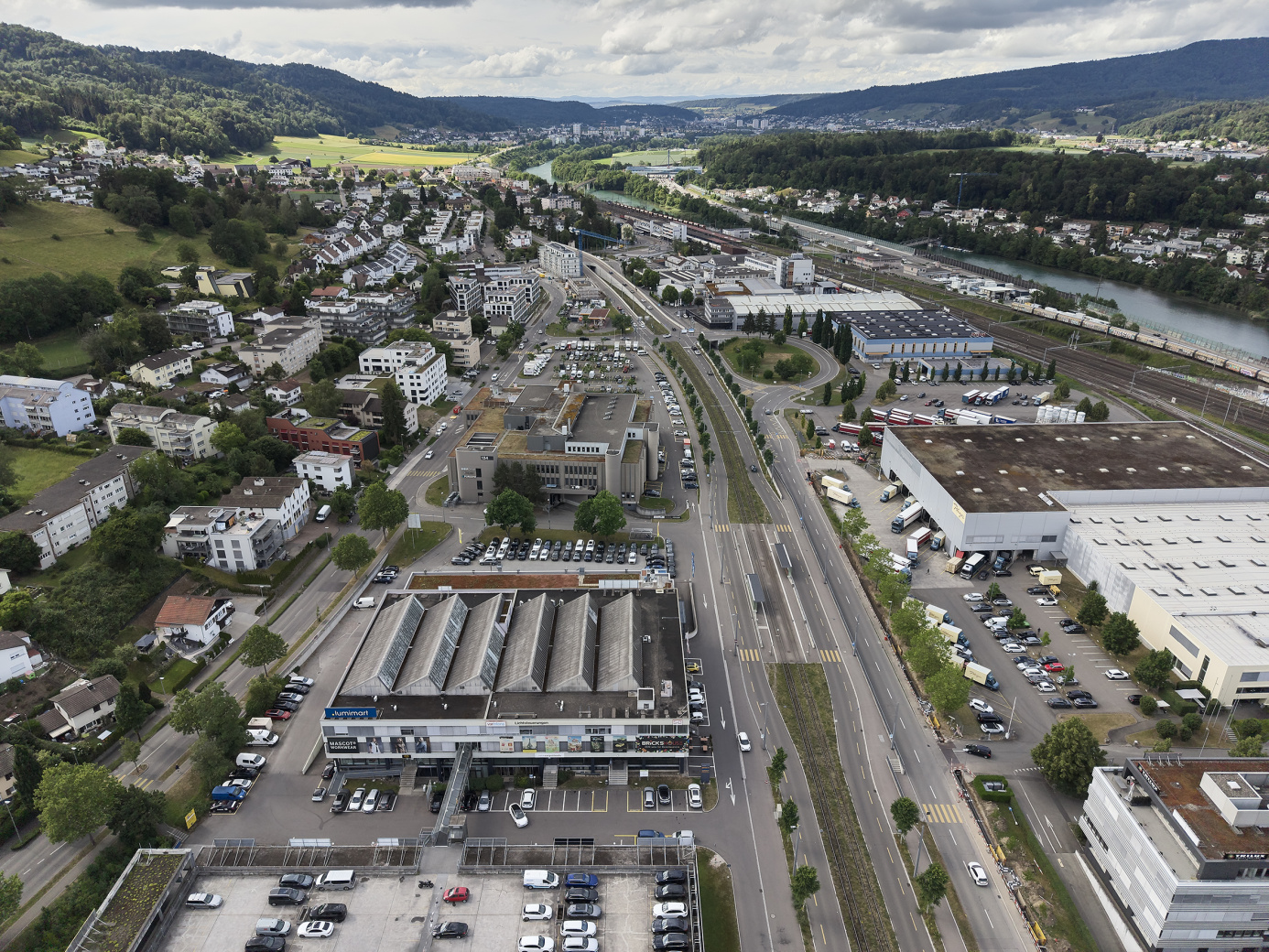
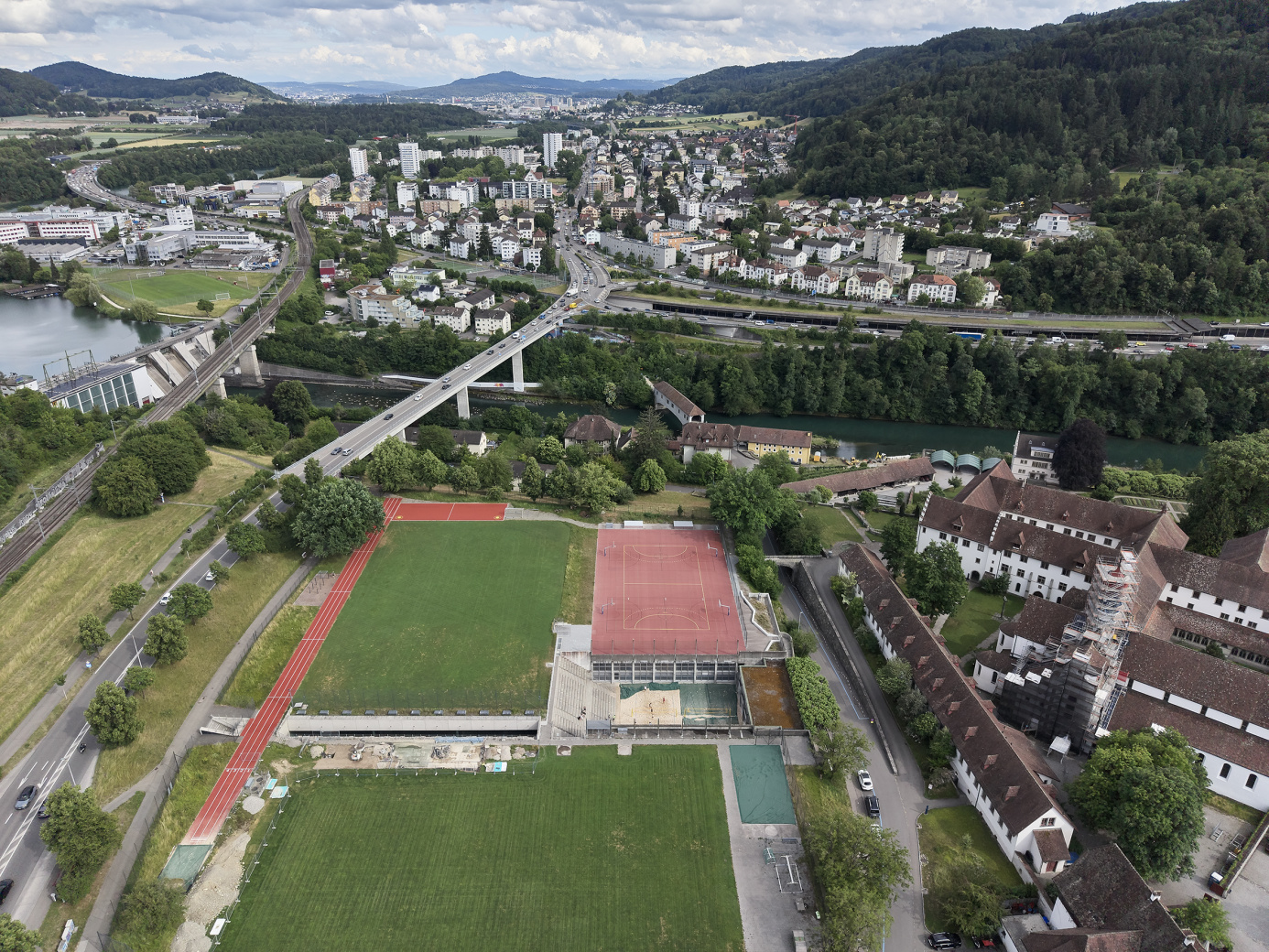
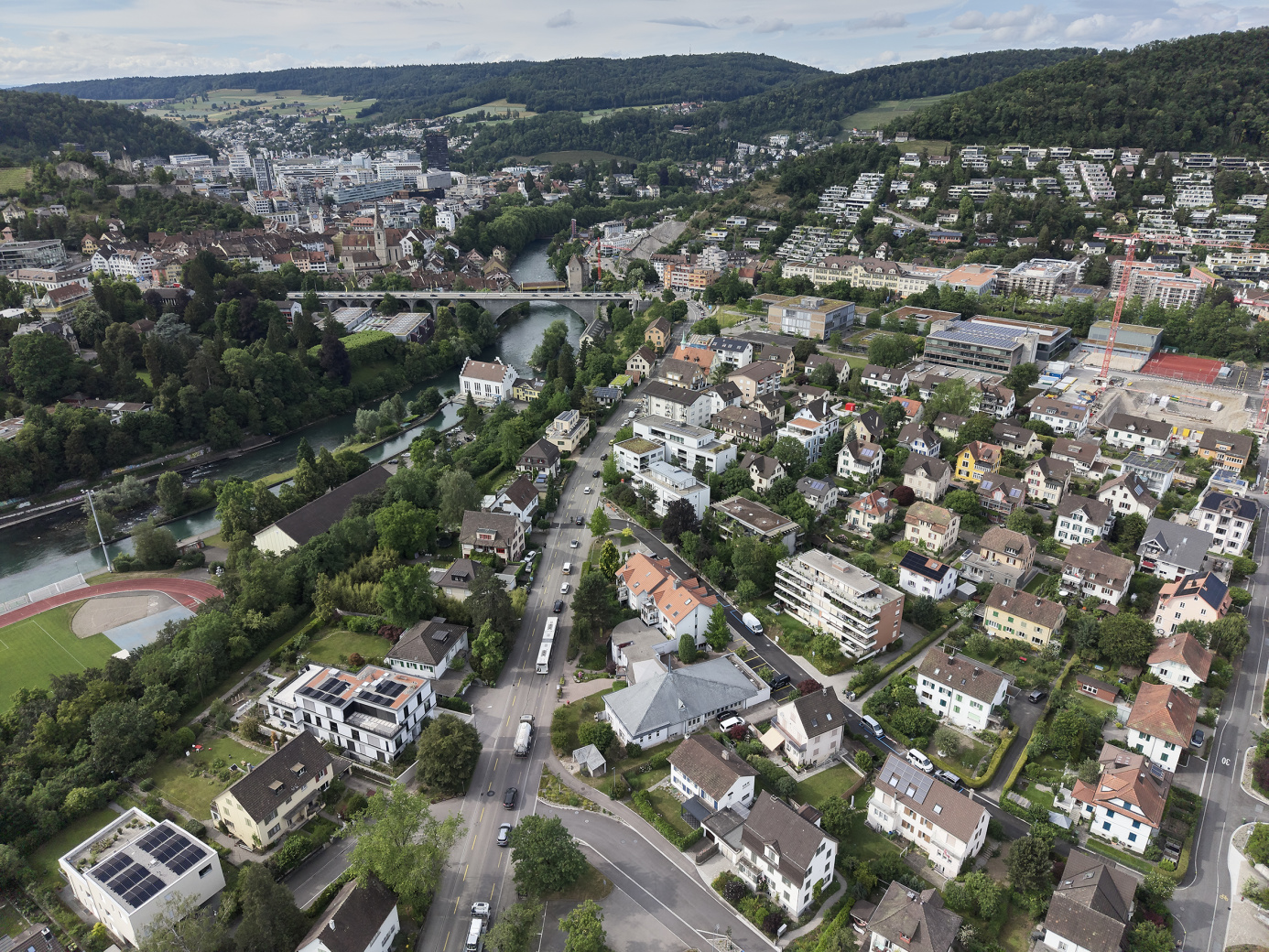
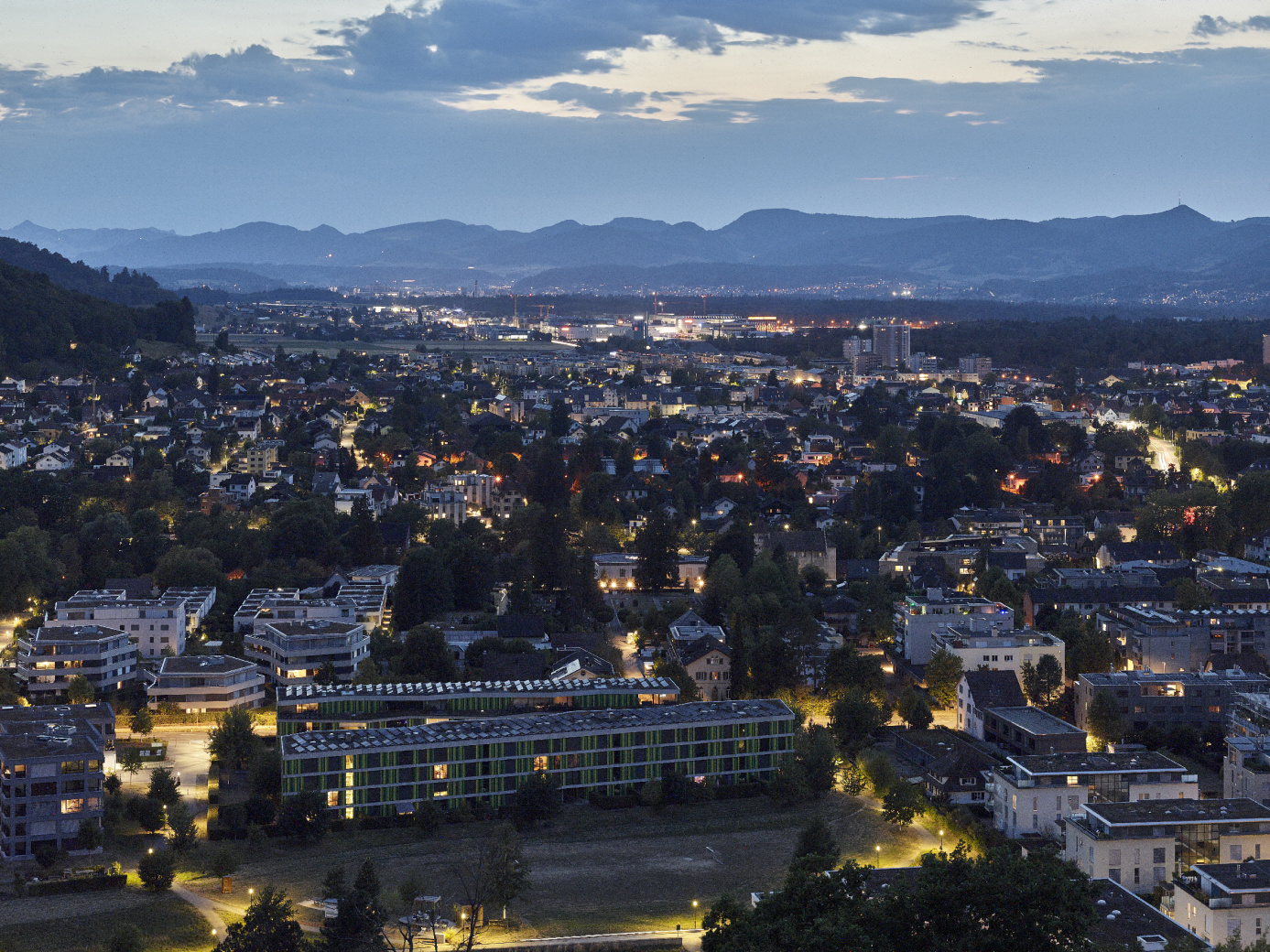
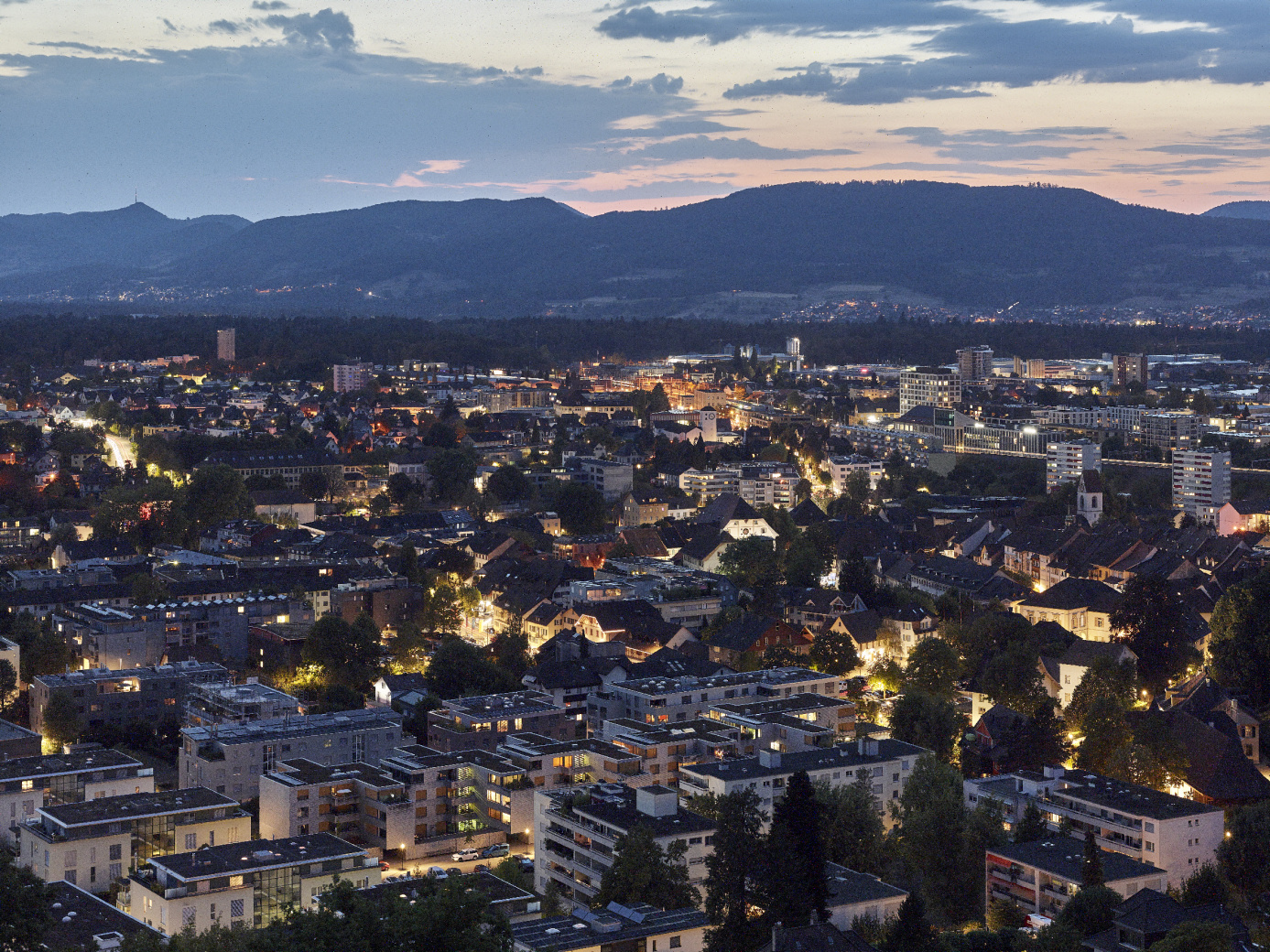
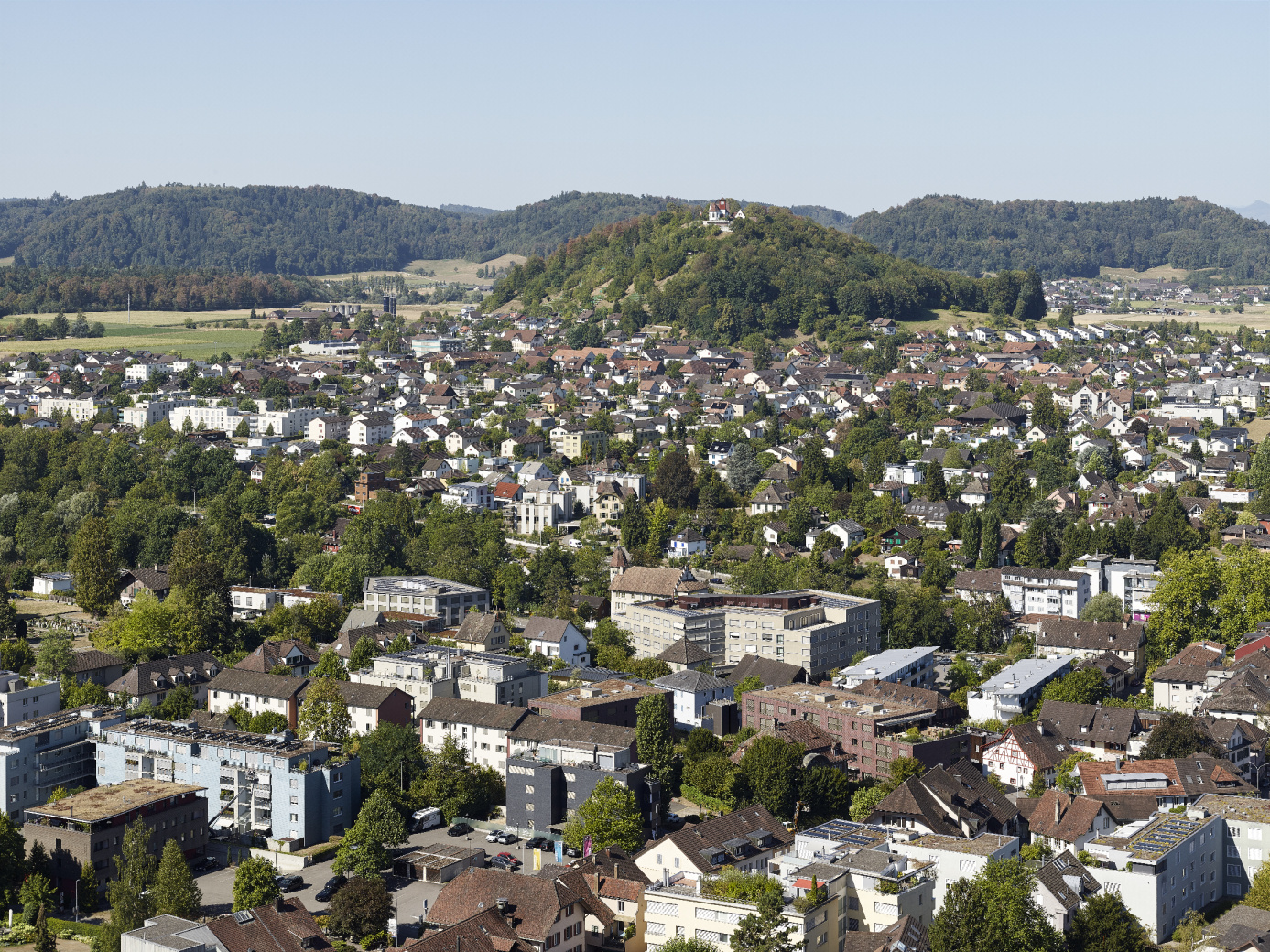
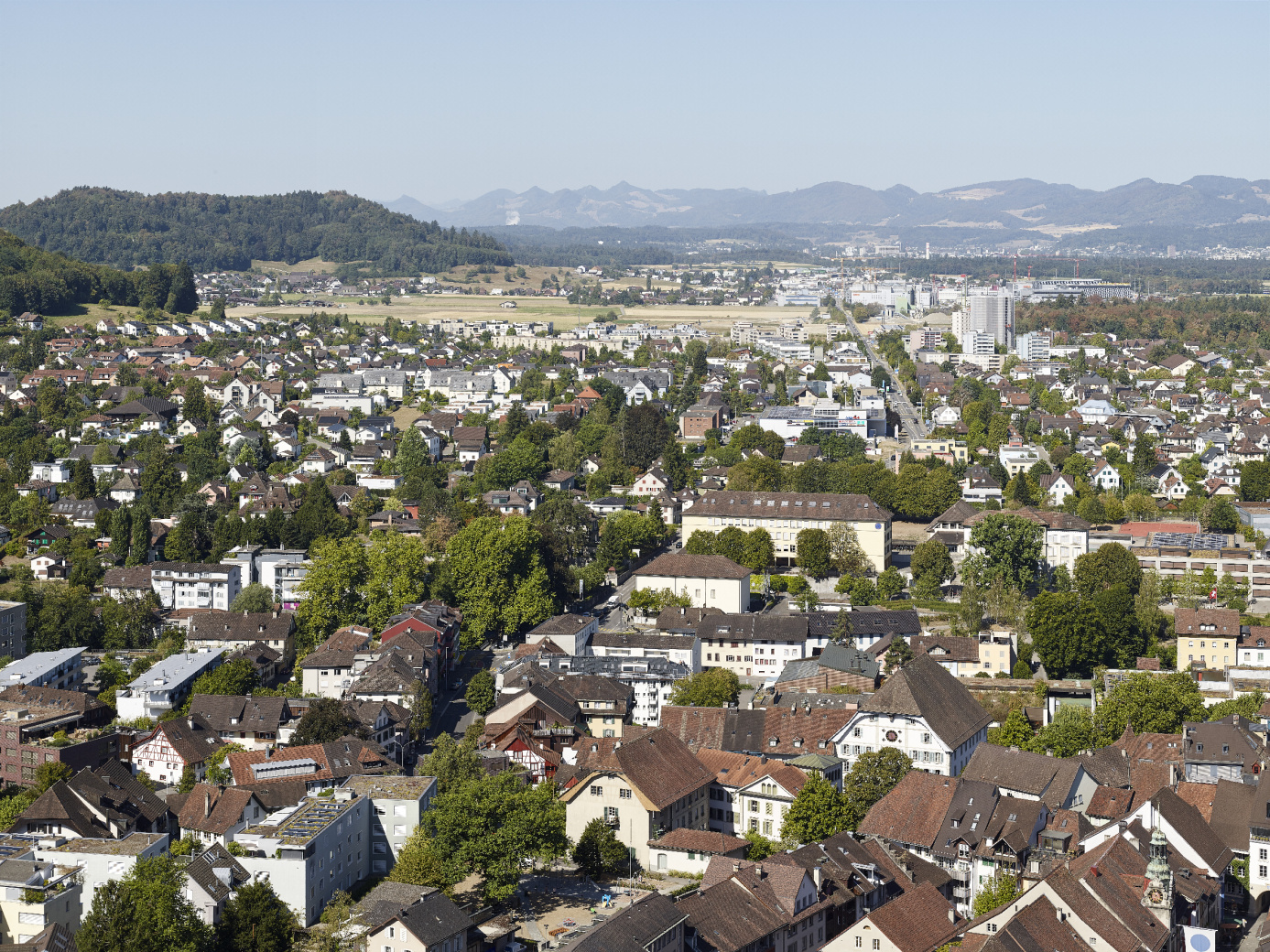
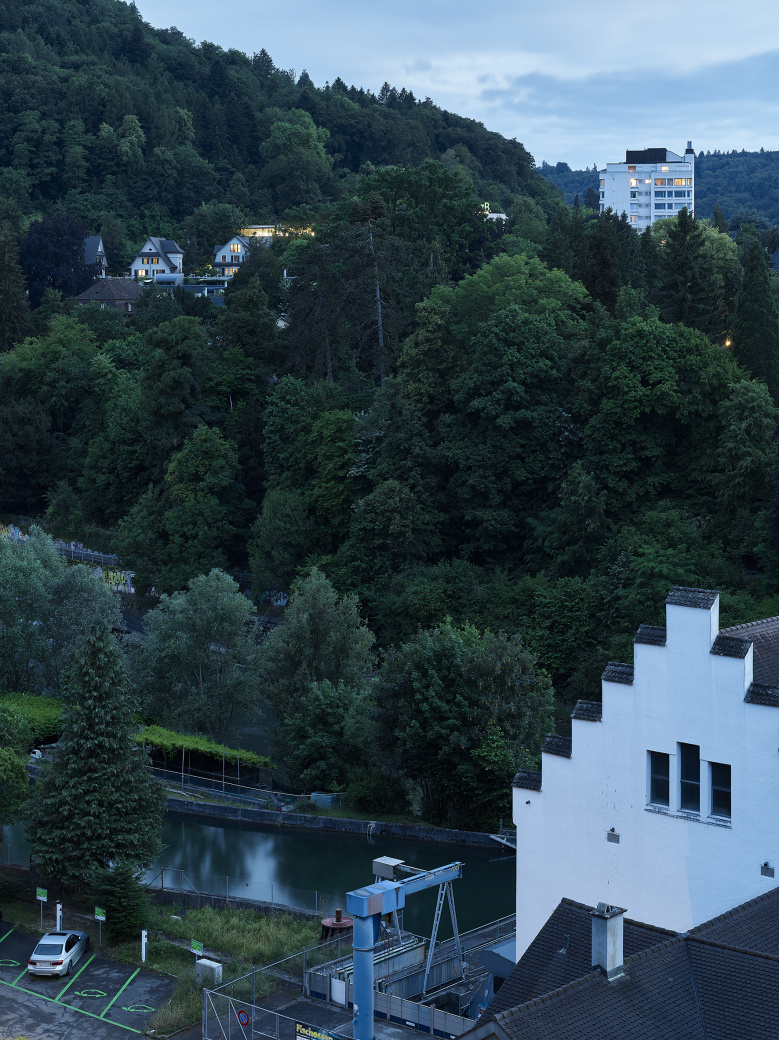
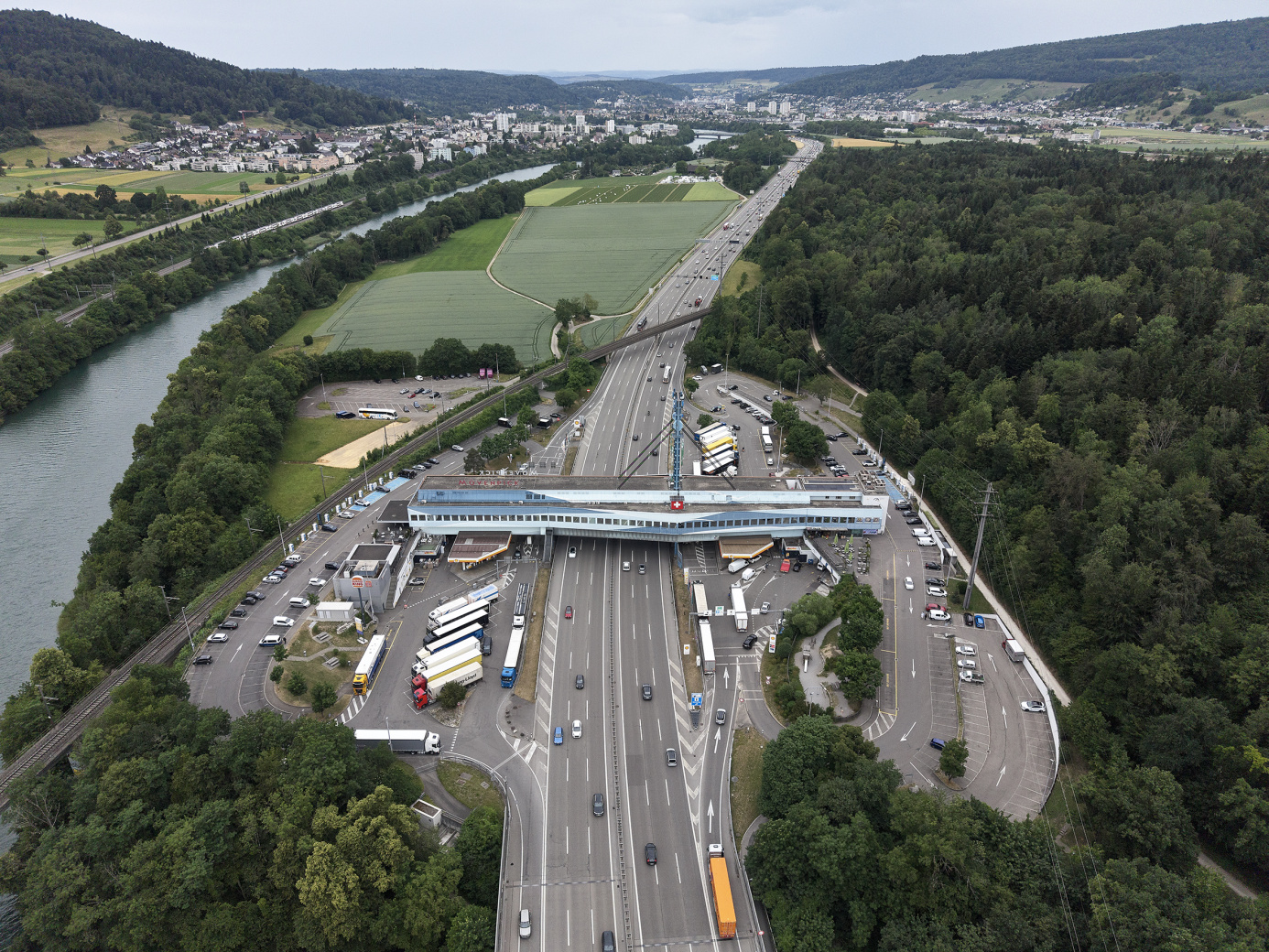
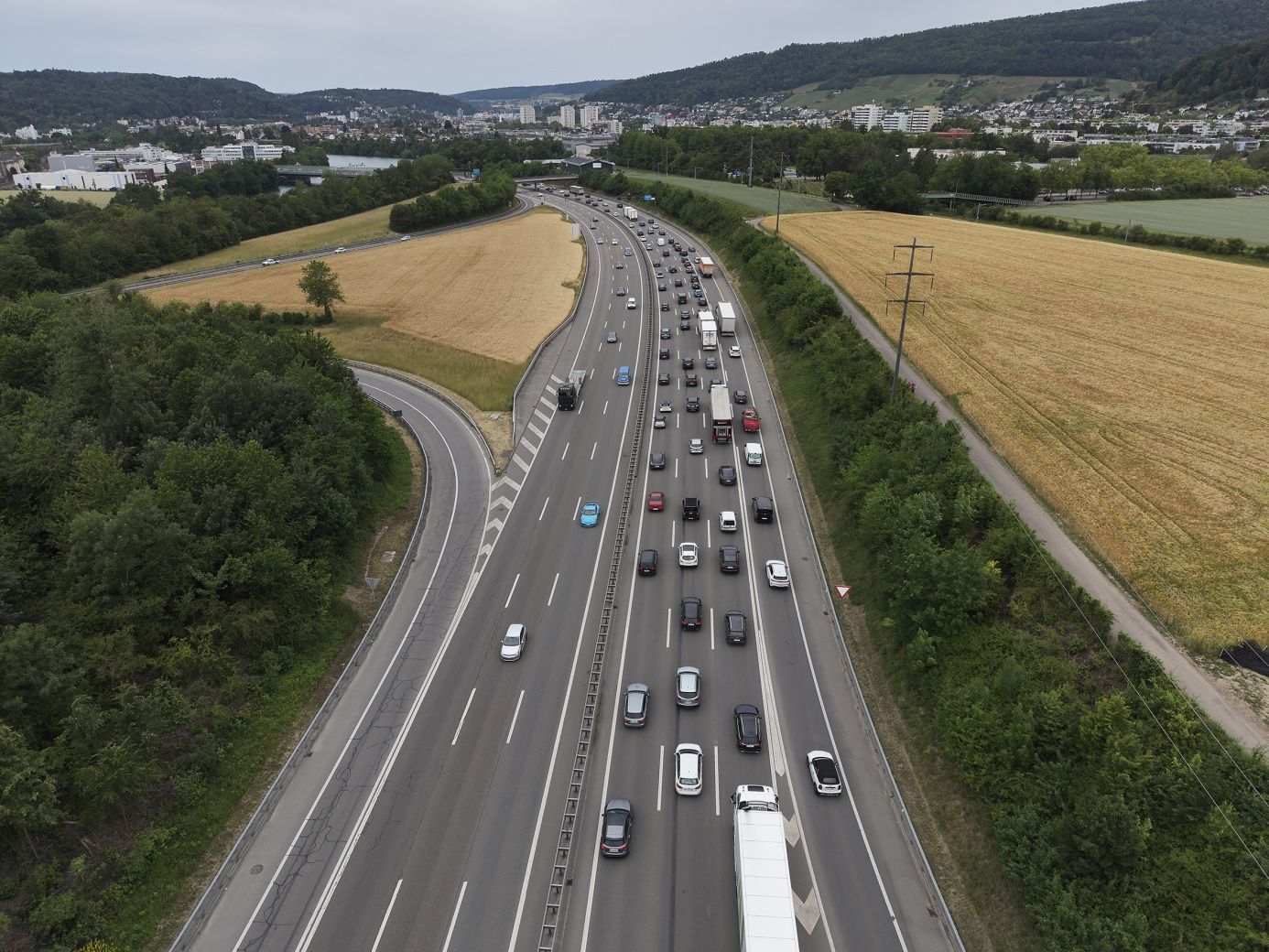
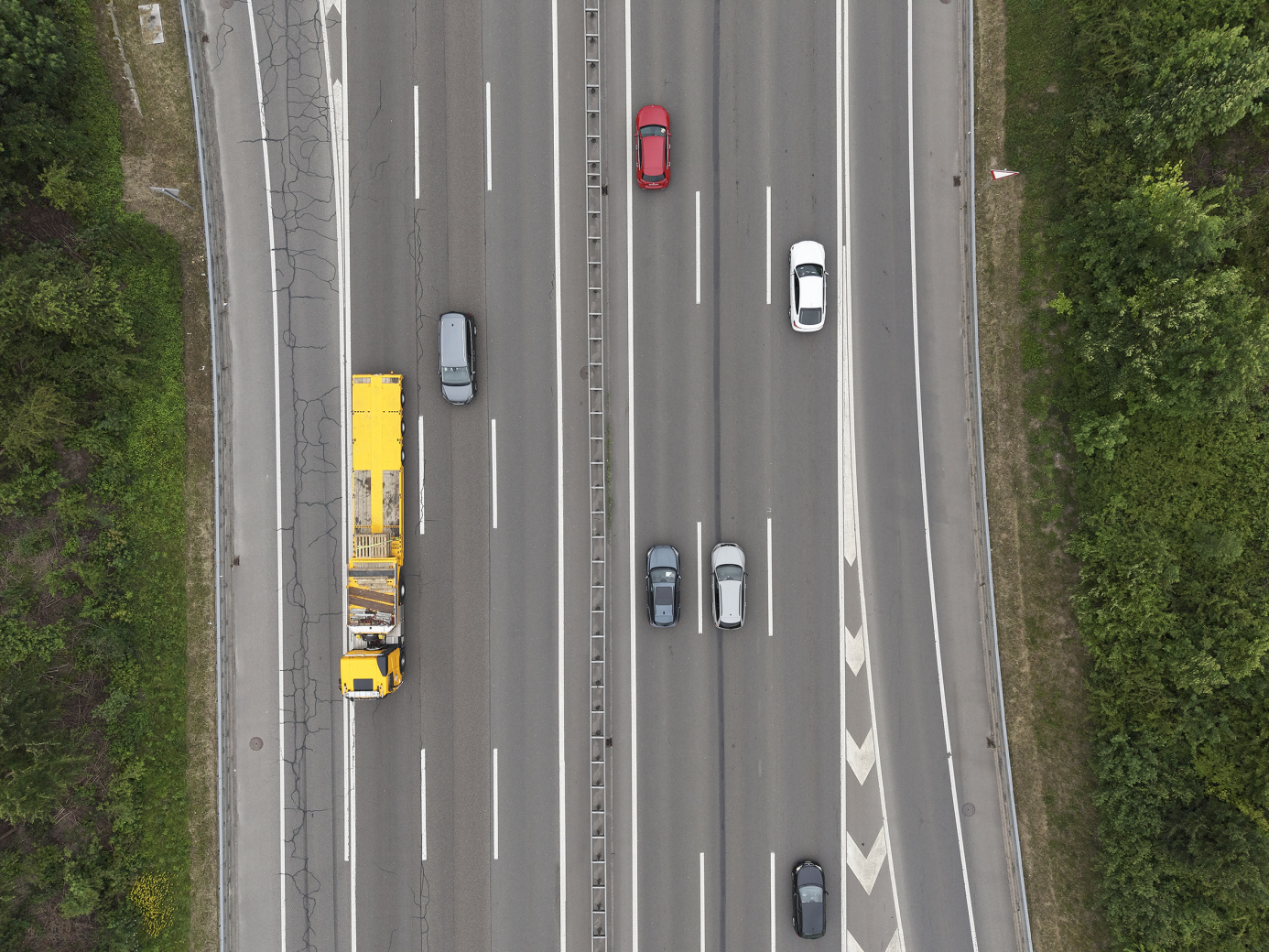
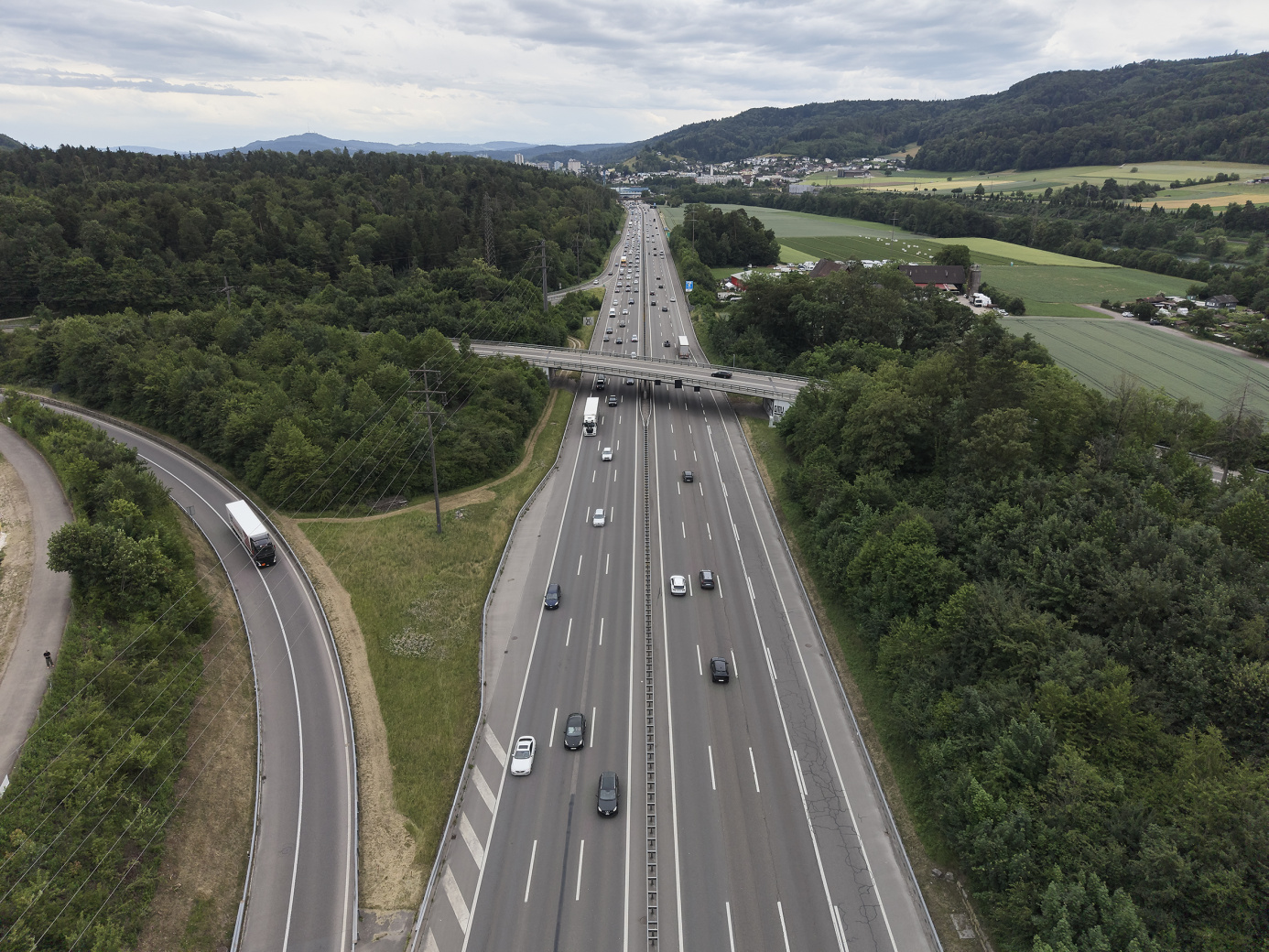
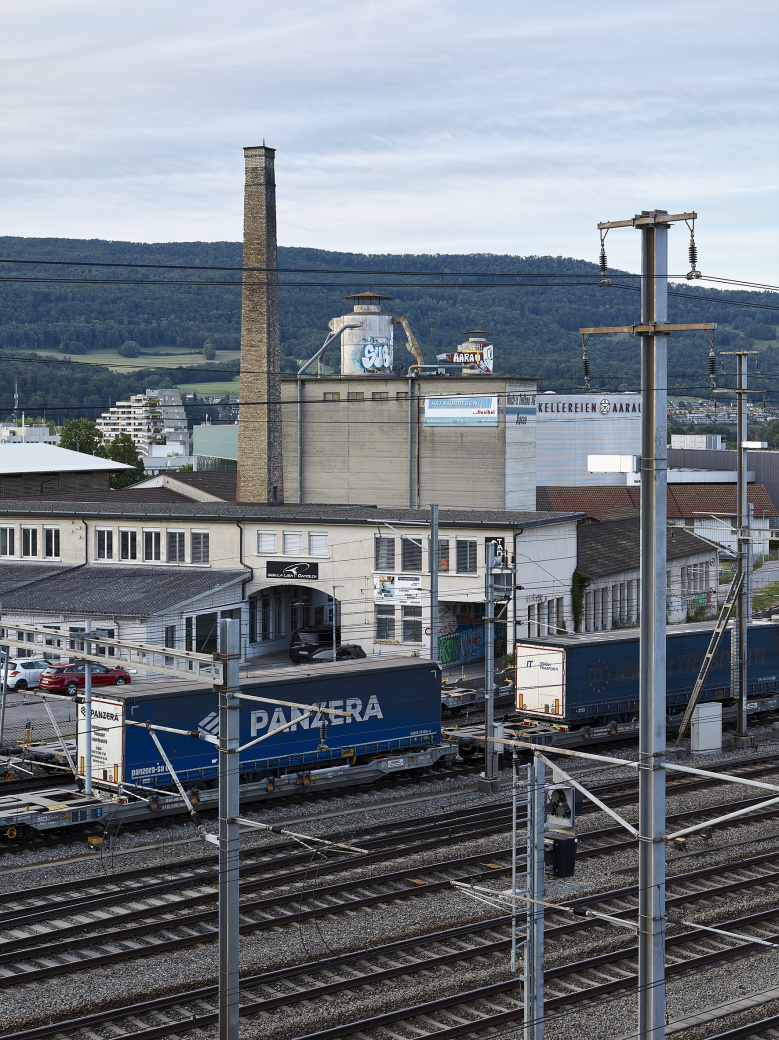
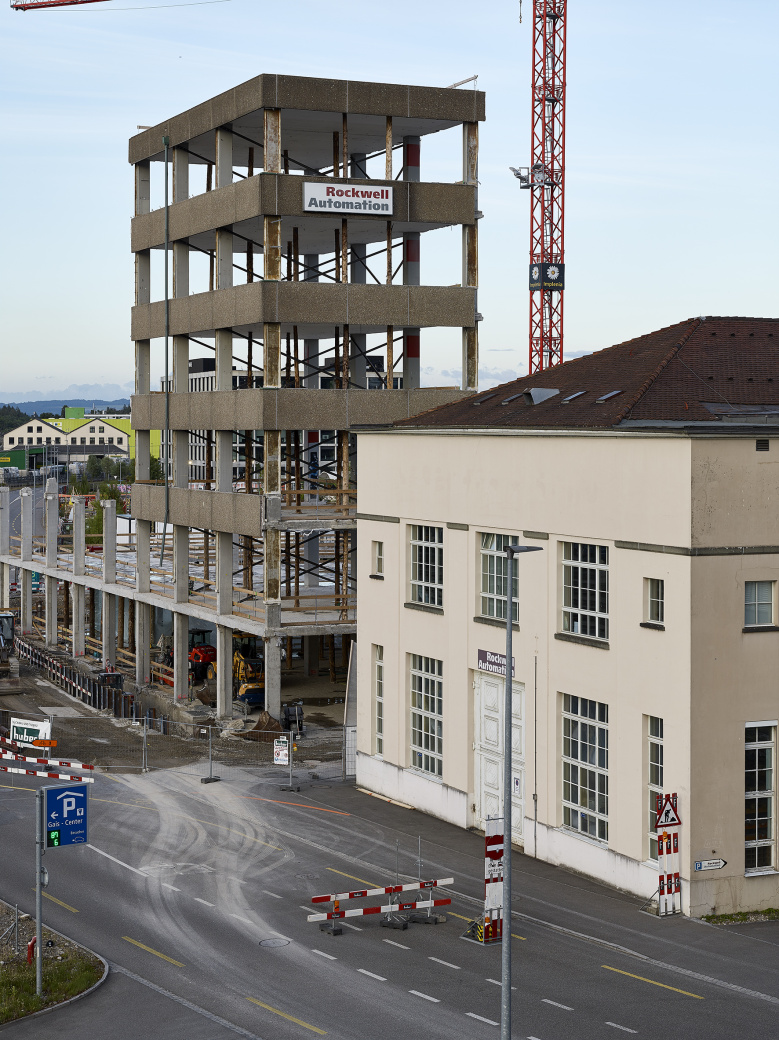
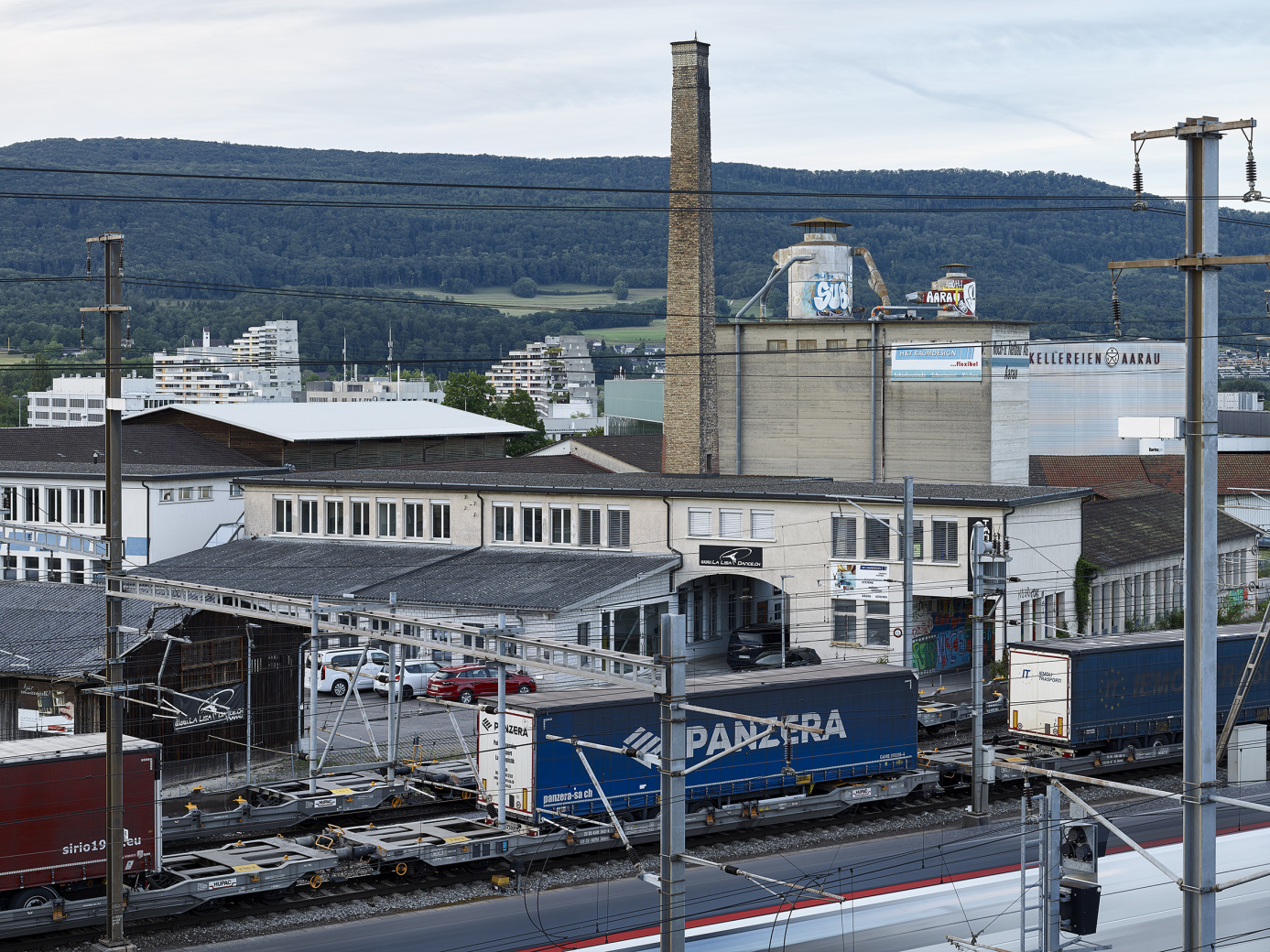
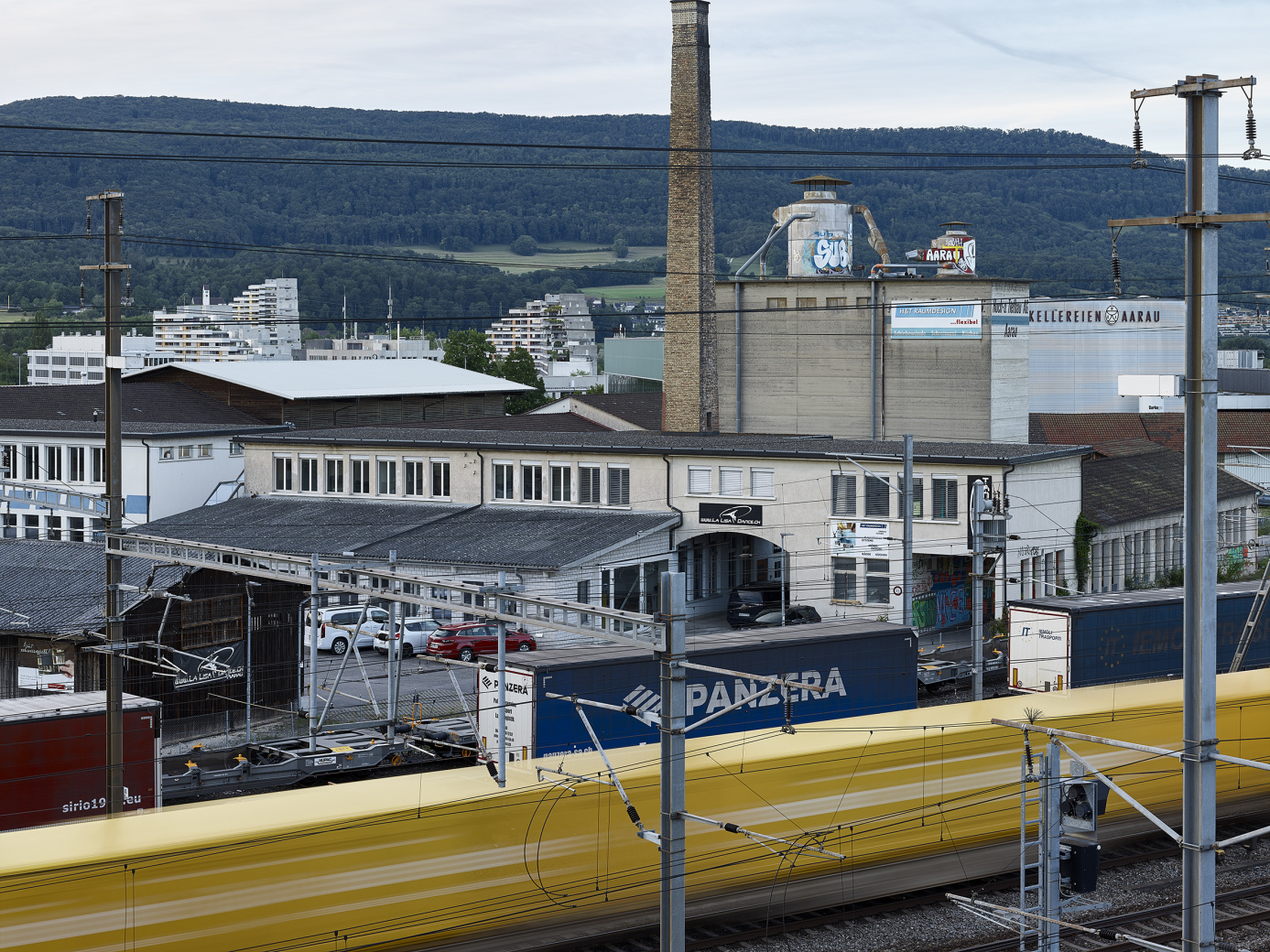
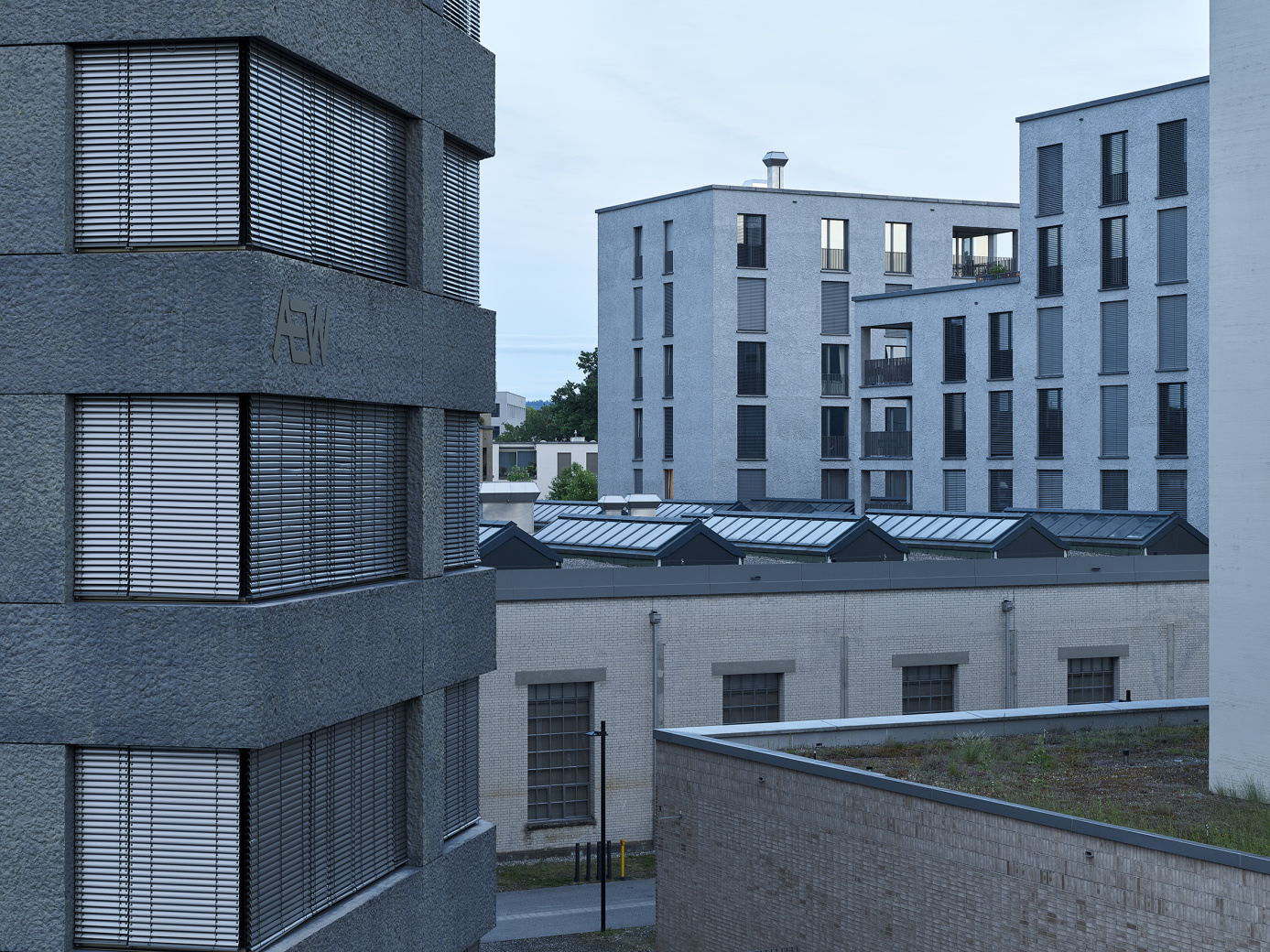
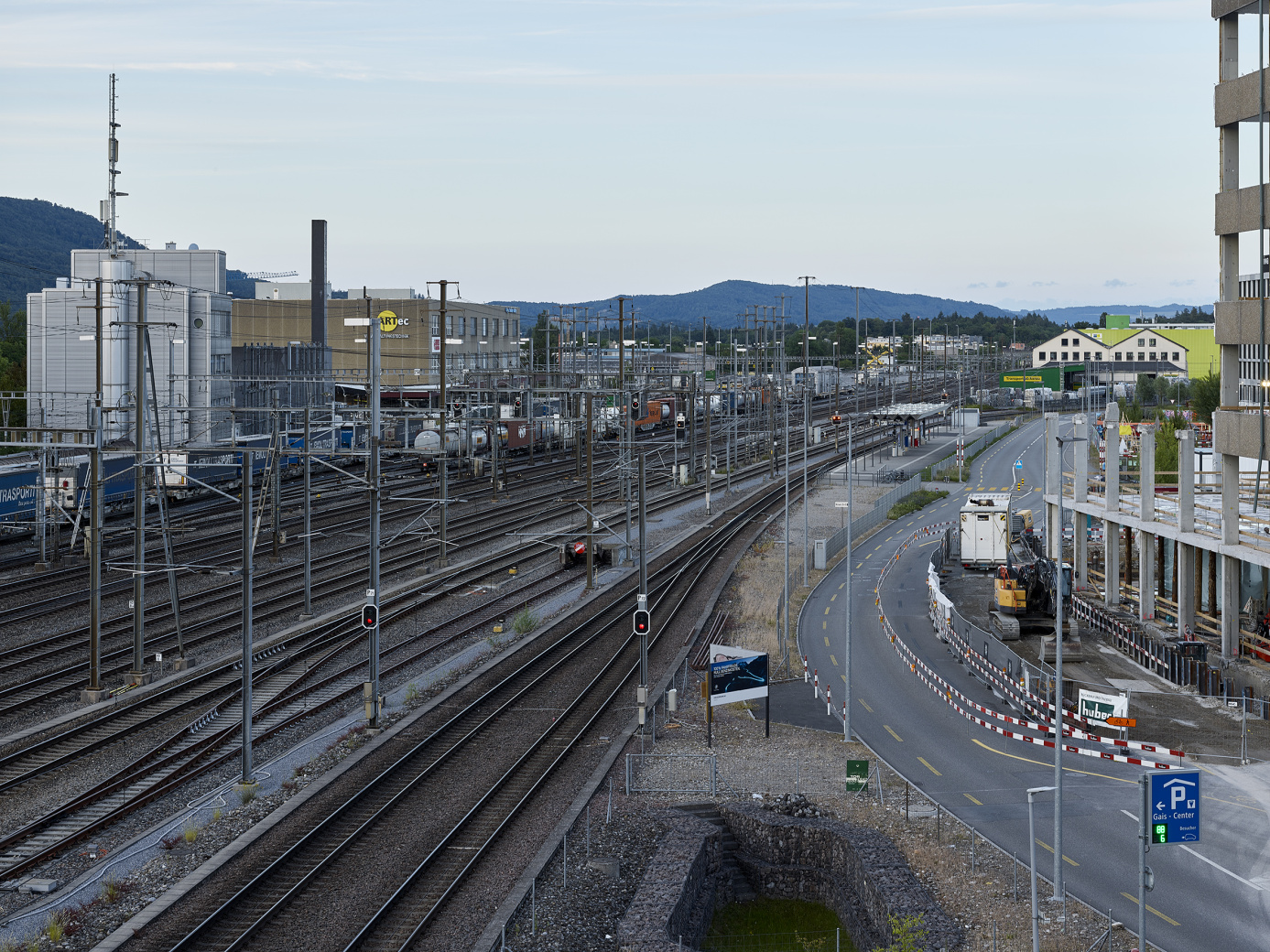
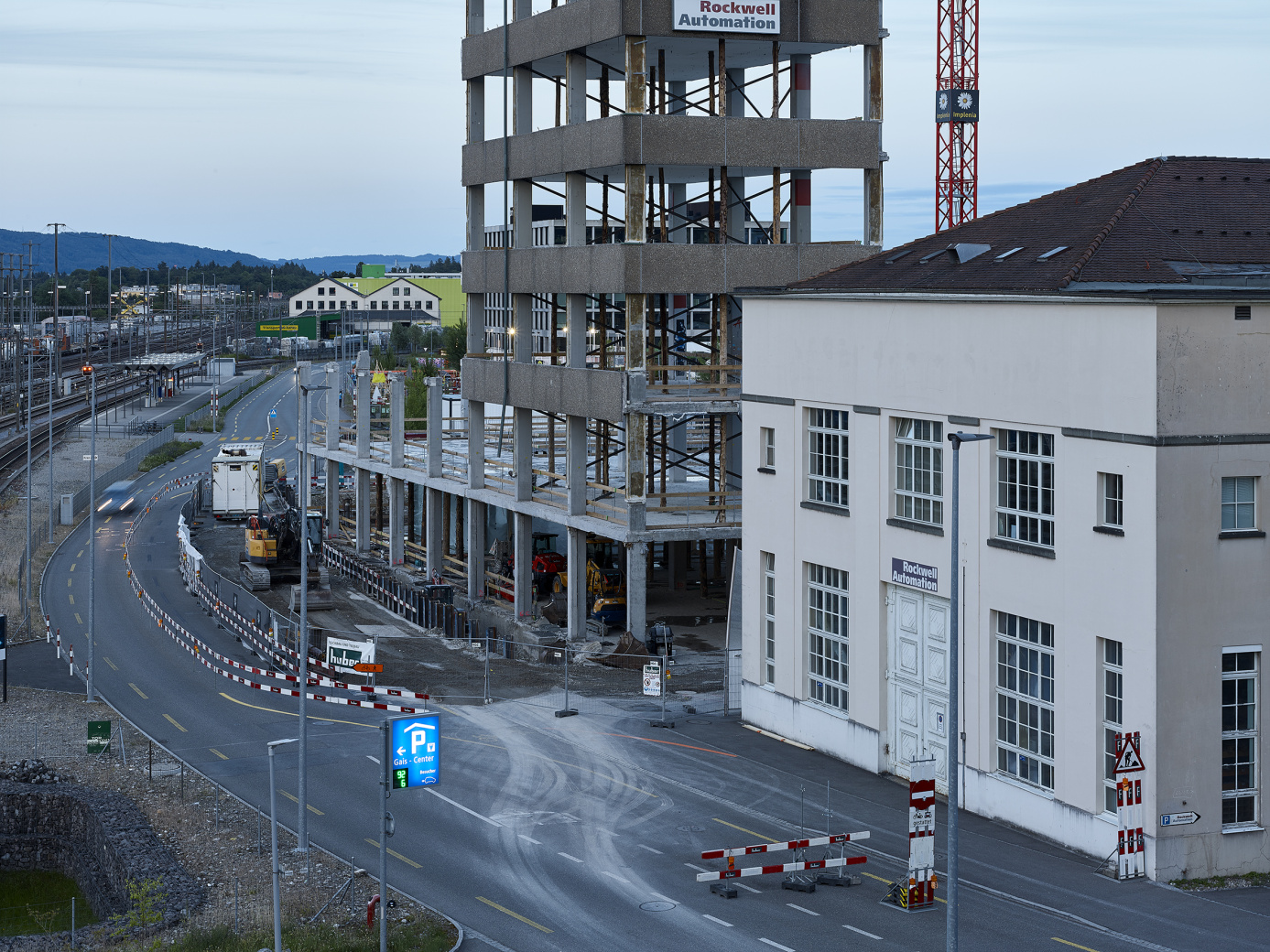
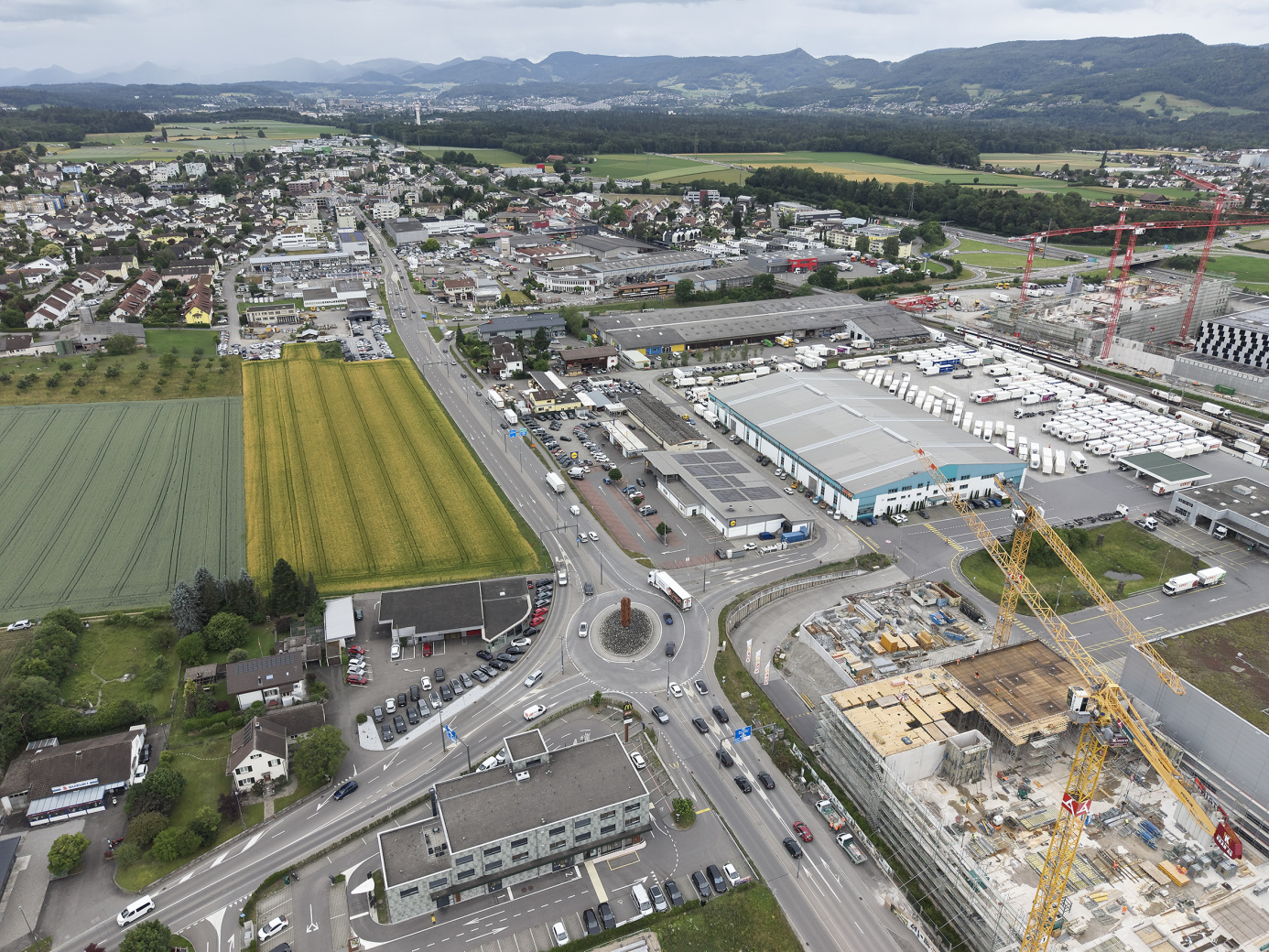
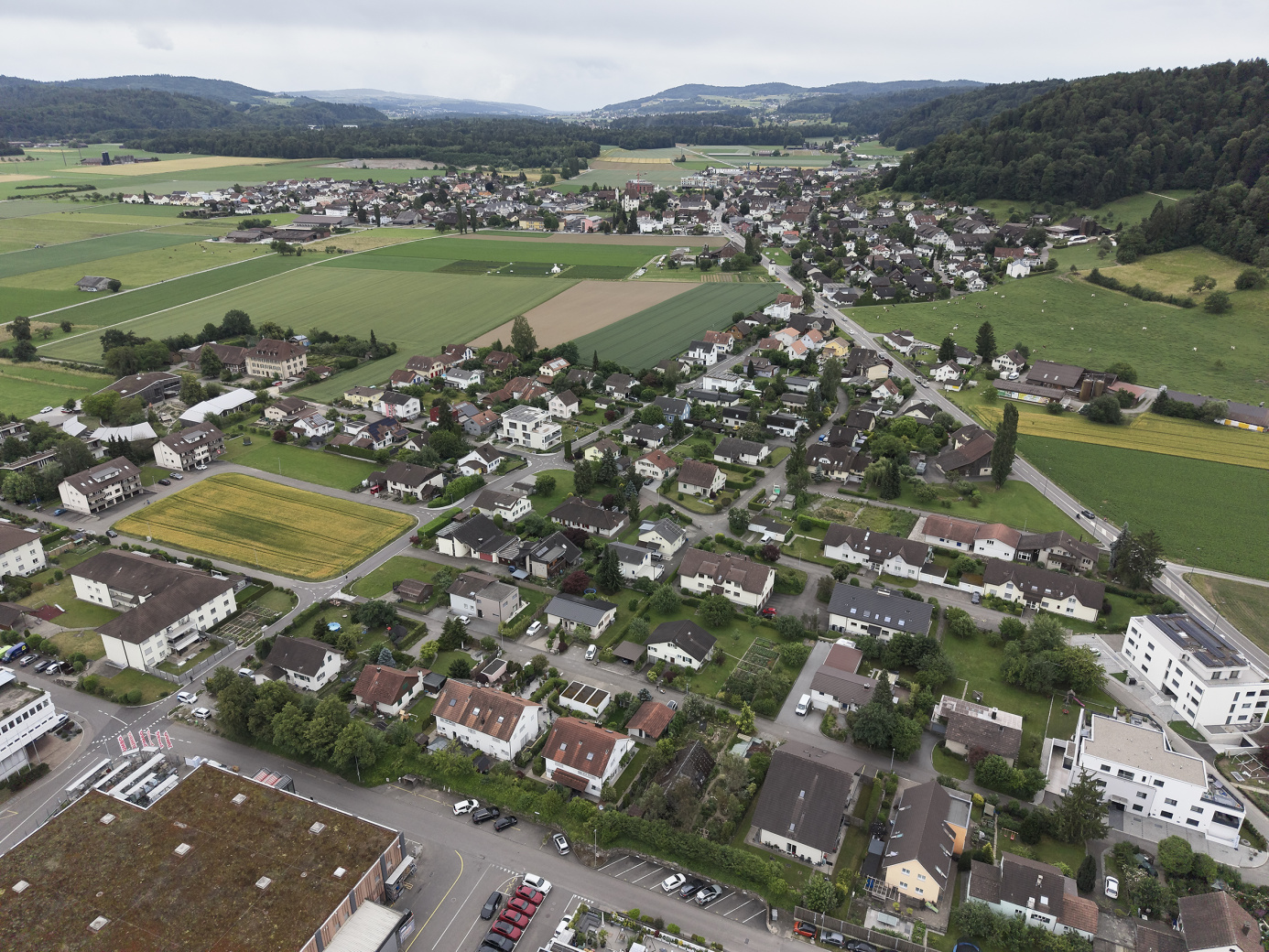
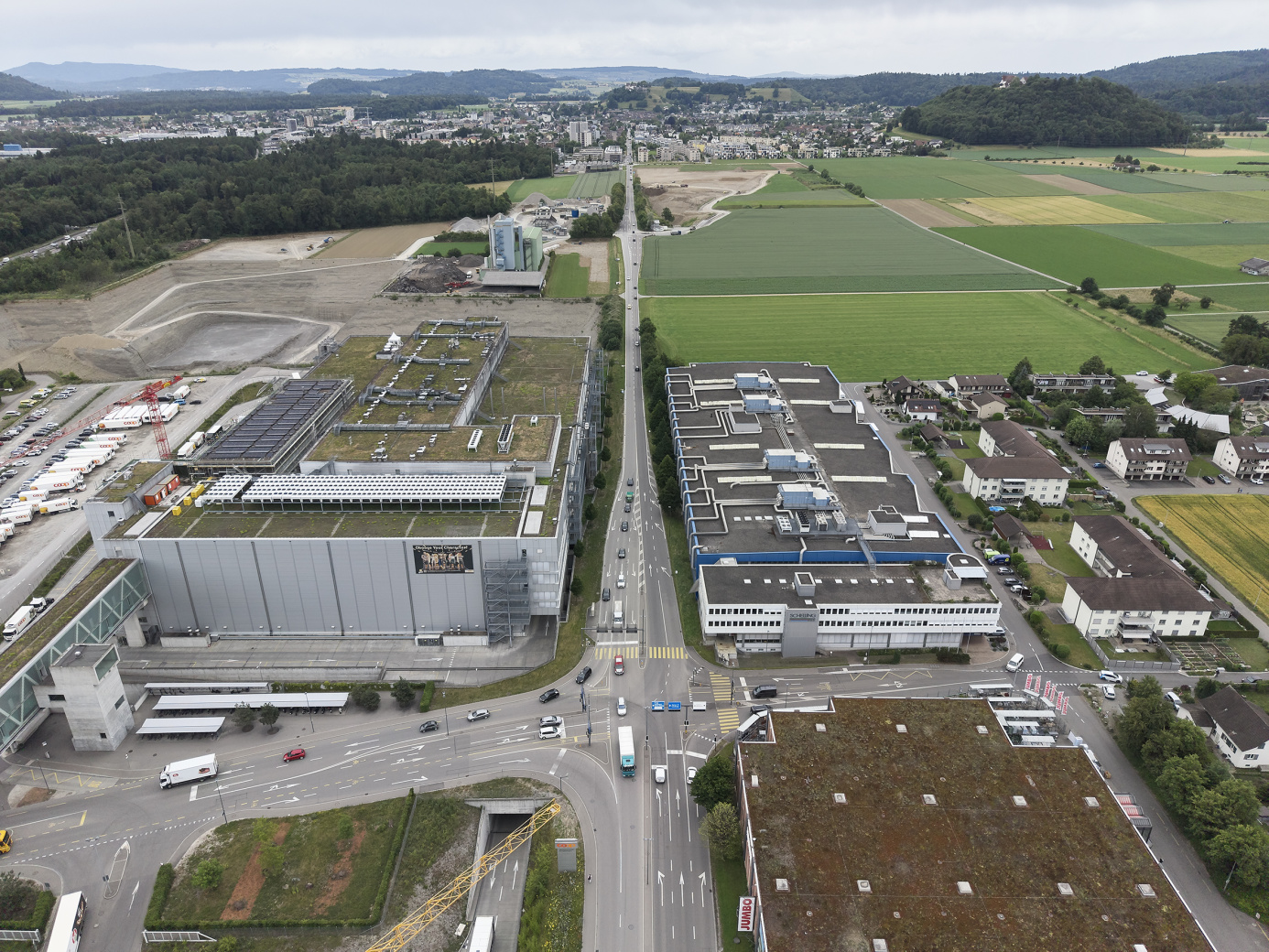
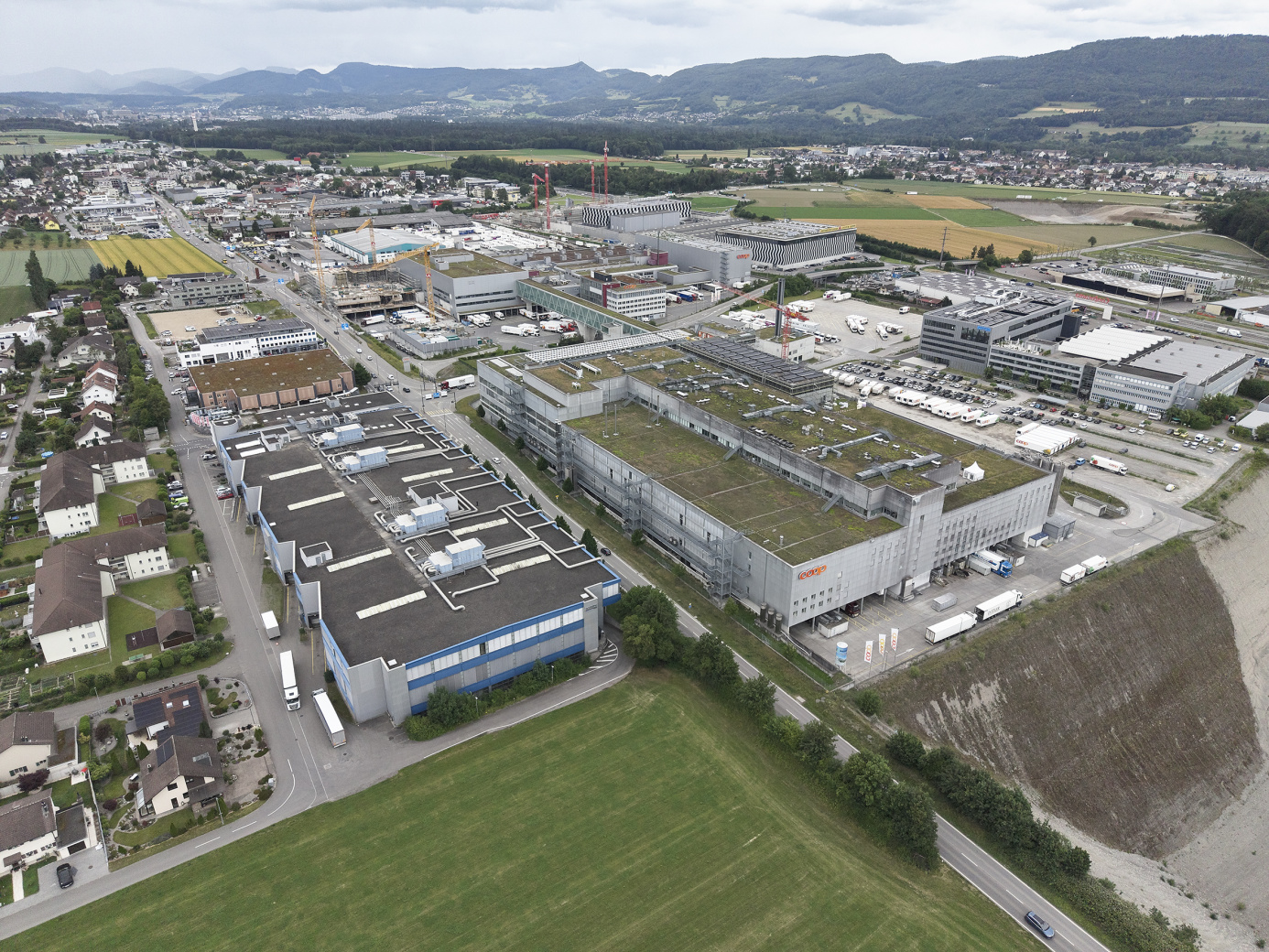
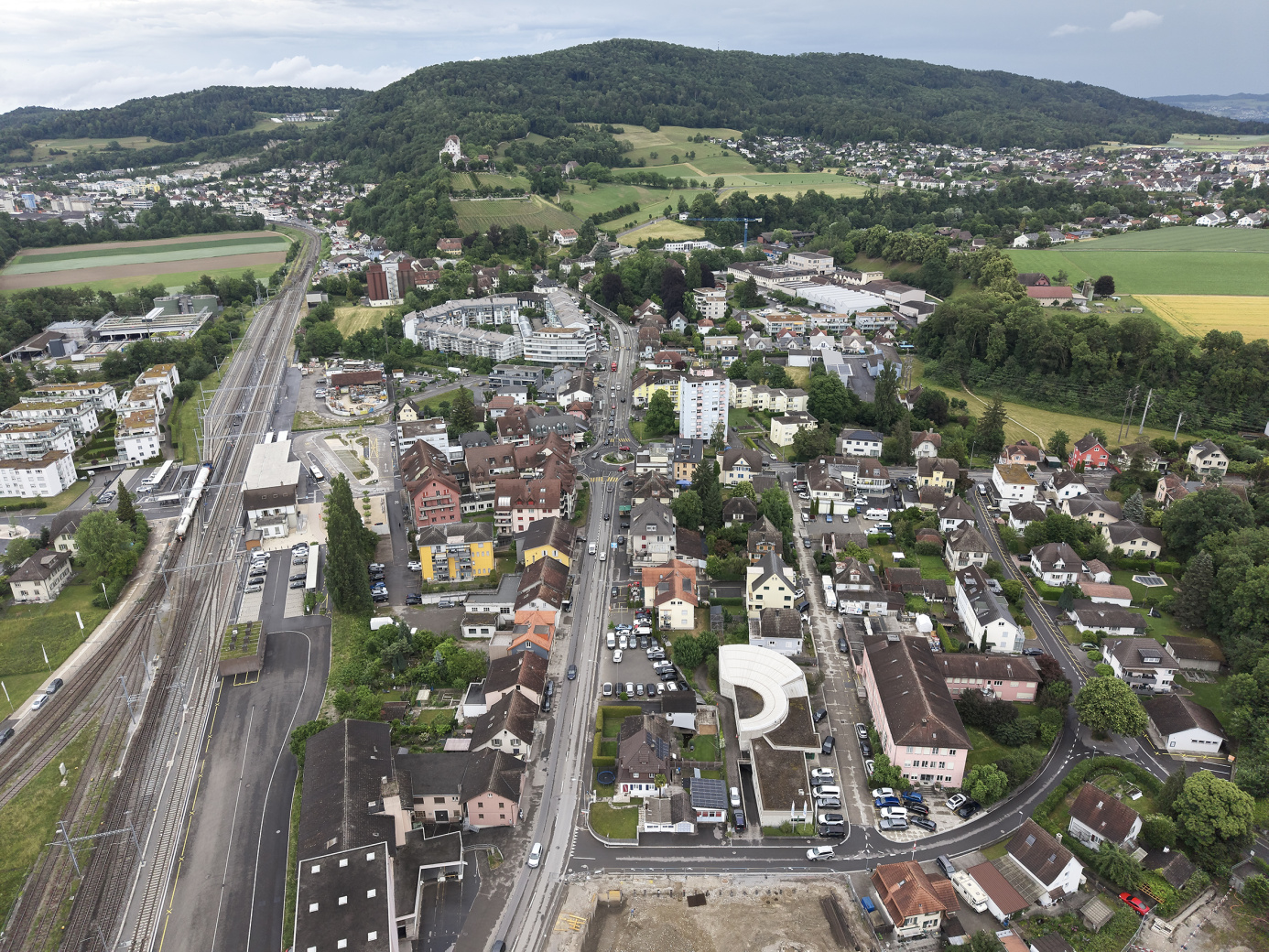
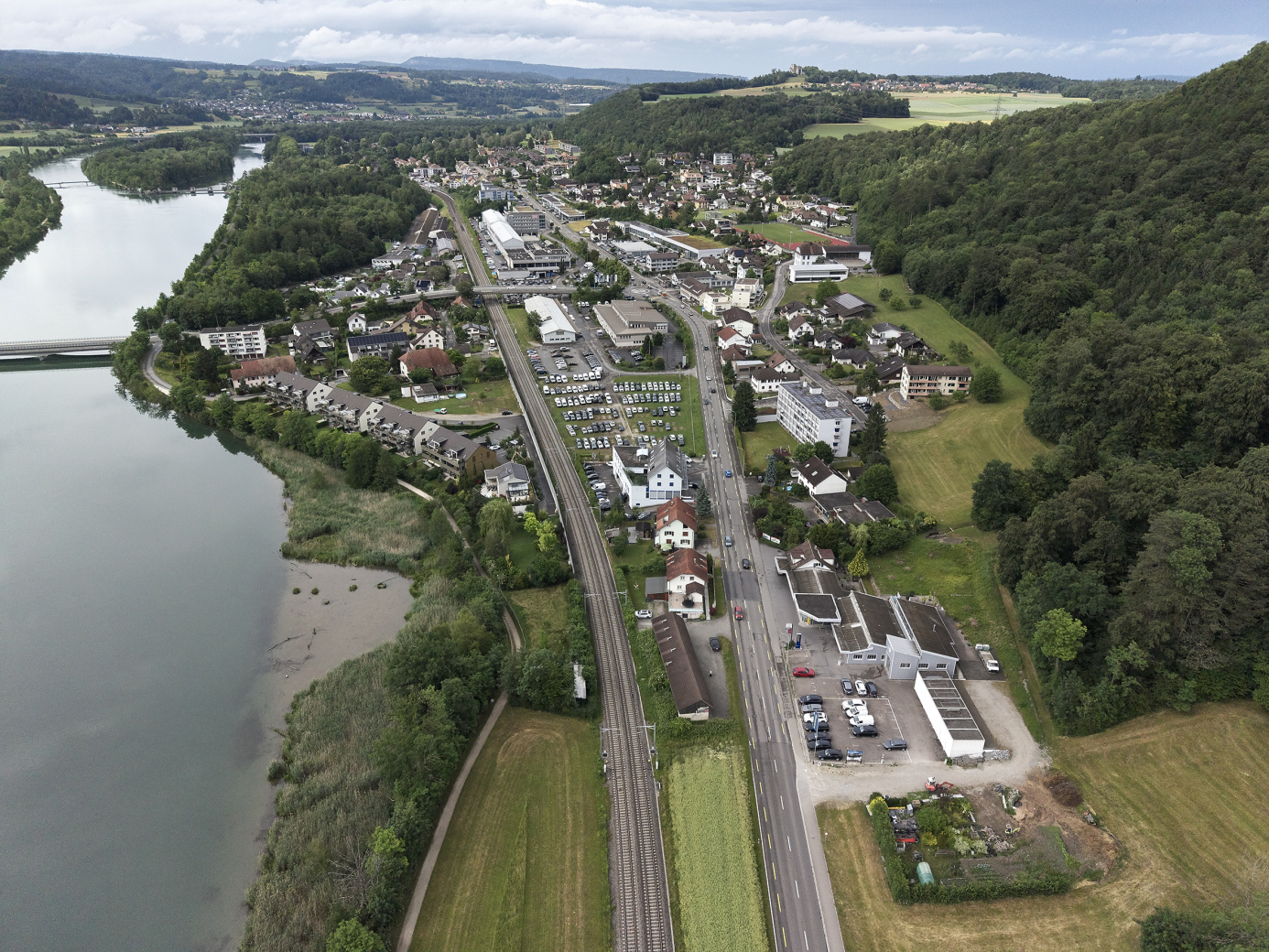
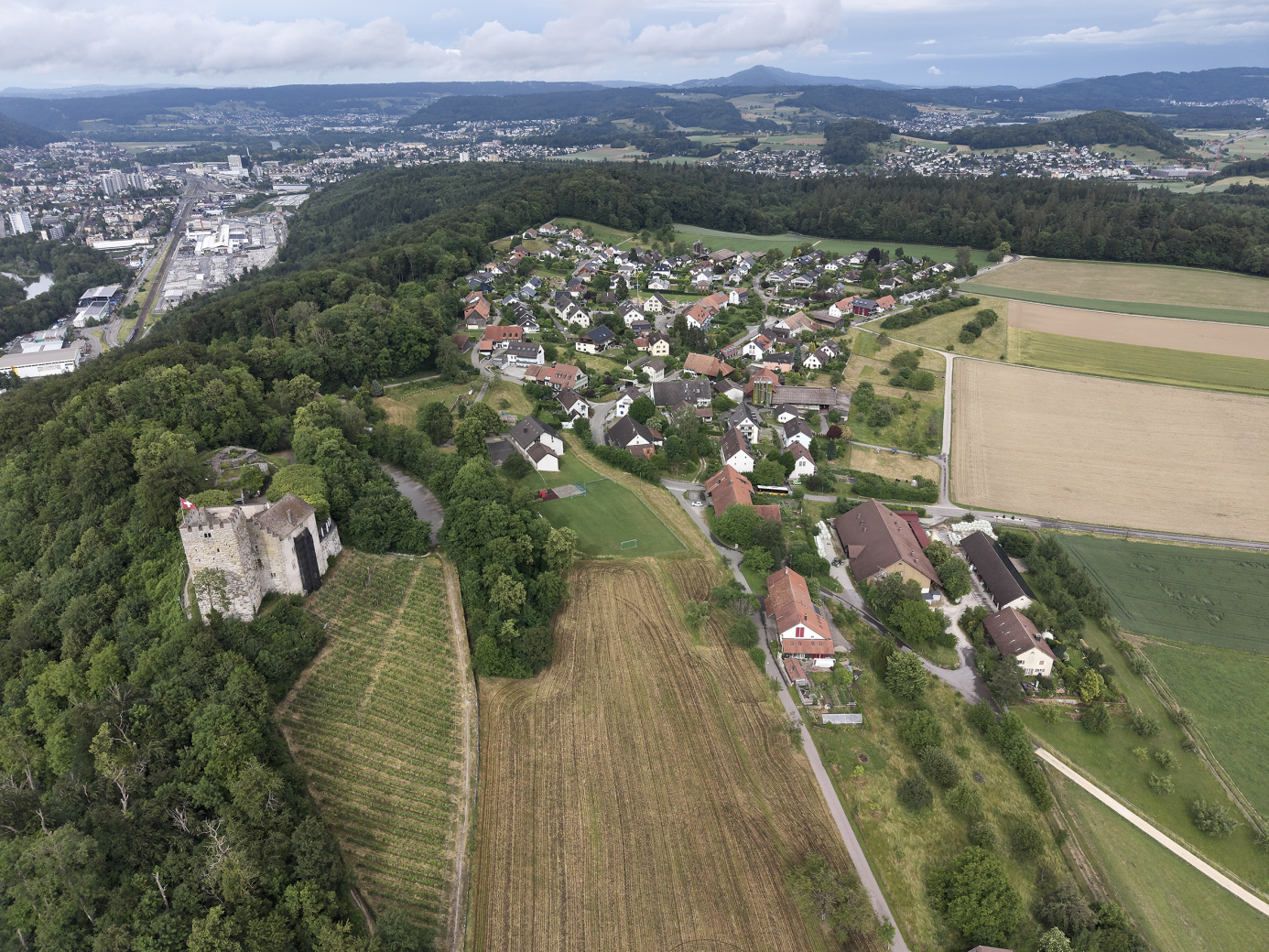
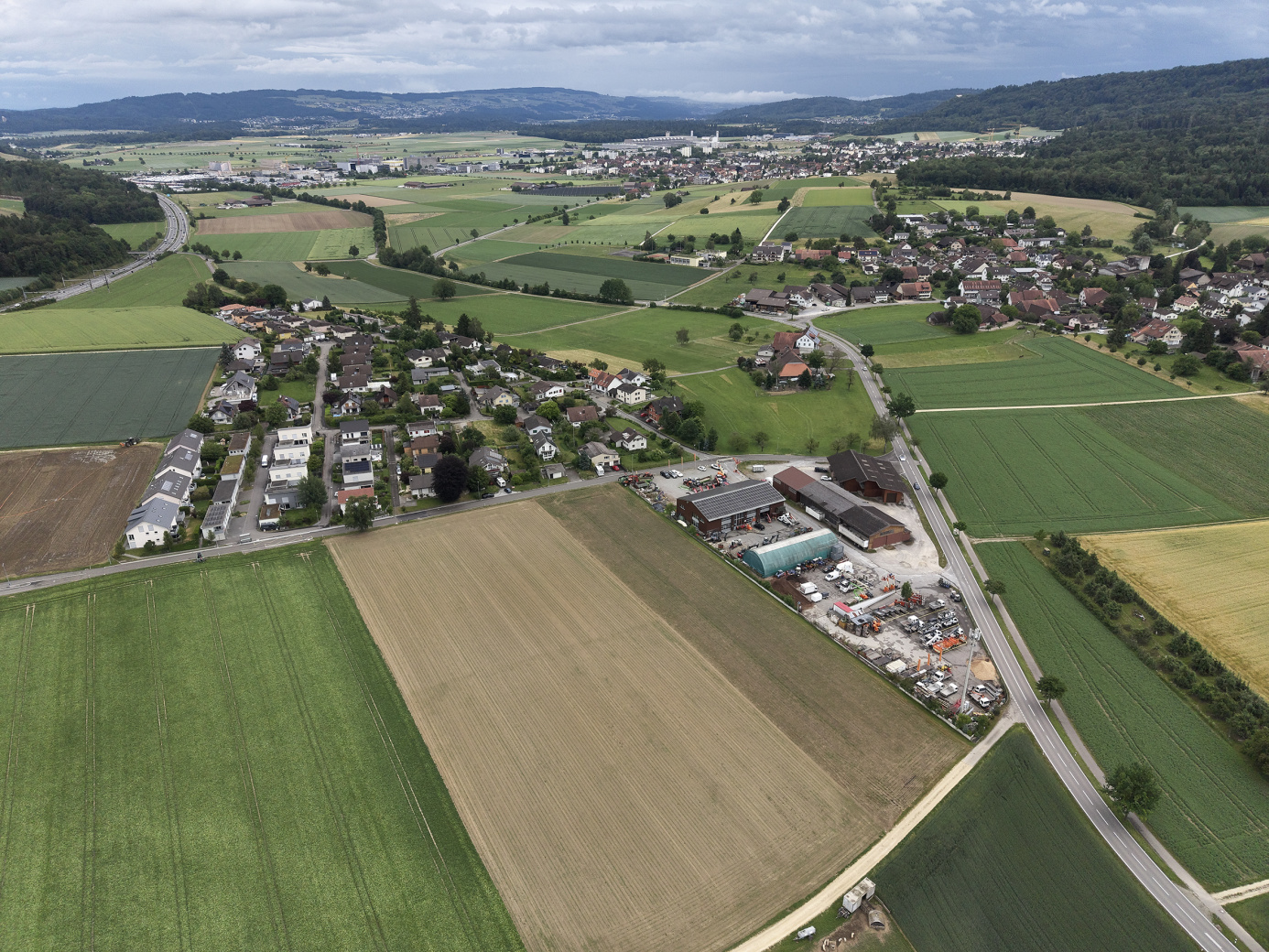
It approaches Switzerland not as the opposite of the city, but as part of a global development. Rather than discussing demographic change through statistics or political positions, it focuses on its visible traces: new residential districts, increasingly dense settlement patterns, transportation networks, transformed landscapes, and the gradual disappearance of clear boundaries between urban and rural space.
The city of Aarau and the canton of Aargau serve as an exemplary field of observation. Situated at the heart of the Swiss Plateau, they reveal a transformation taking place across much of the country. Urbanization here does not manifest itself through spectacular skyscrapers or monumental skylines, but through continuous densification, the merging of formerly separate communities, and the growing interconnectedness of everyday living environments.
This project does not ask whether Switzerland is becoming a megacity.
Rather, it asks whether the traditional distinction between city and countryside still holds meaning under the conditions of the twenty-first century.
After years of photographing the largest cities in Asia, the focus now shifts to my immediate surroundings. The perspective remains the same, but the scale changes. What does density mean in a country whose entire population is smaller than that of many Asian metropolises? How does growth alter our perception of space, landscape, and identity? And what kind of future is beginning to emerge behind the windows of Switzerland?
The answers are not found in numbers.
They are found in the images.
©Goran Potkonjak 2026