First I wanted to see more.
Then I began to question what I was seeing.
Now I am asking how little I need in order to see at all.
GORAN POTKONJAK
Photography

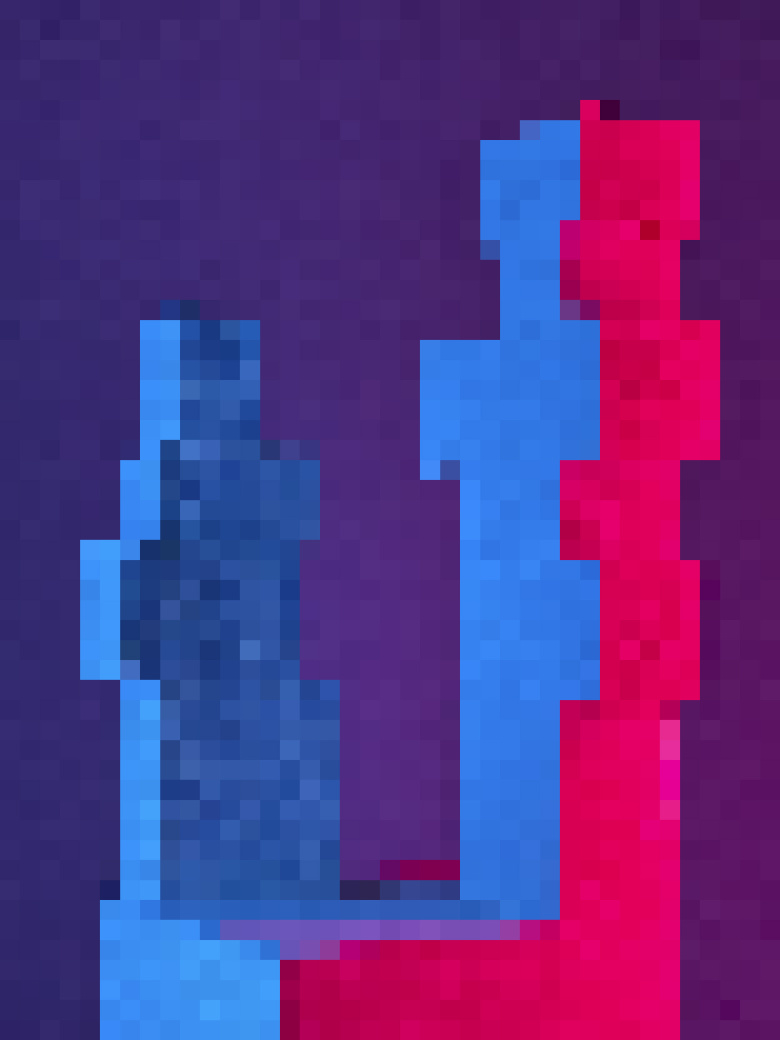




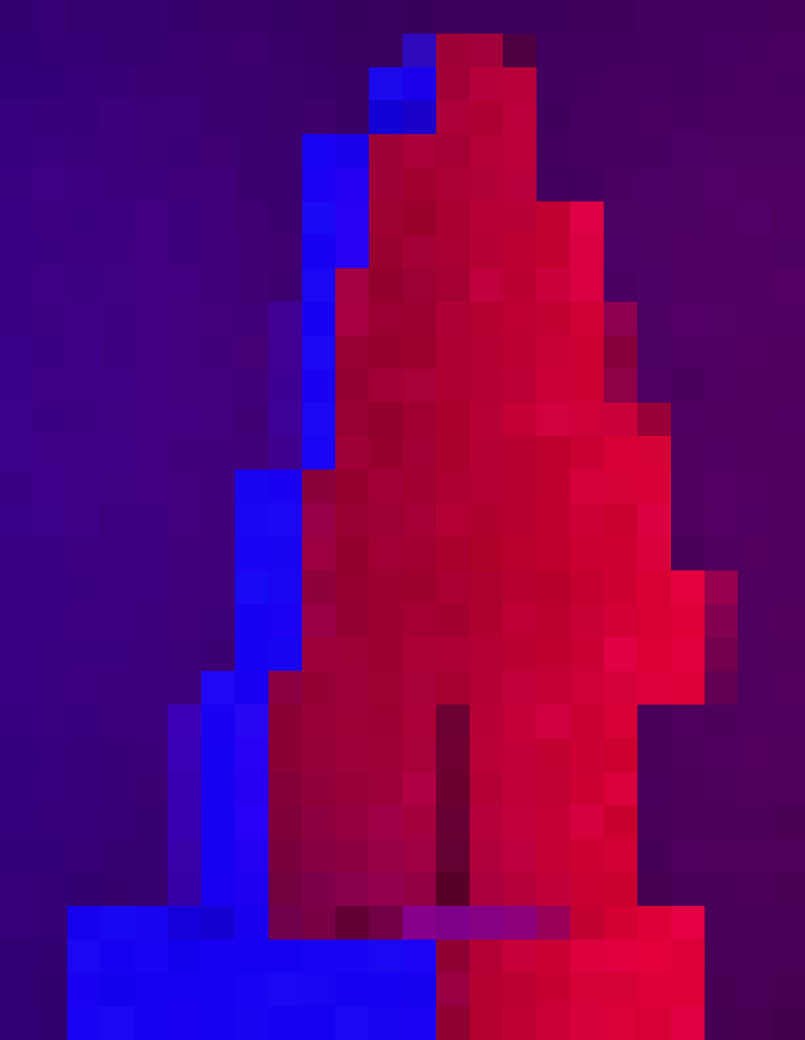
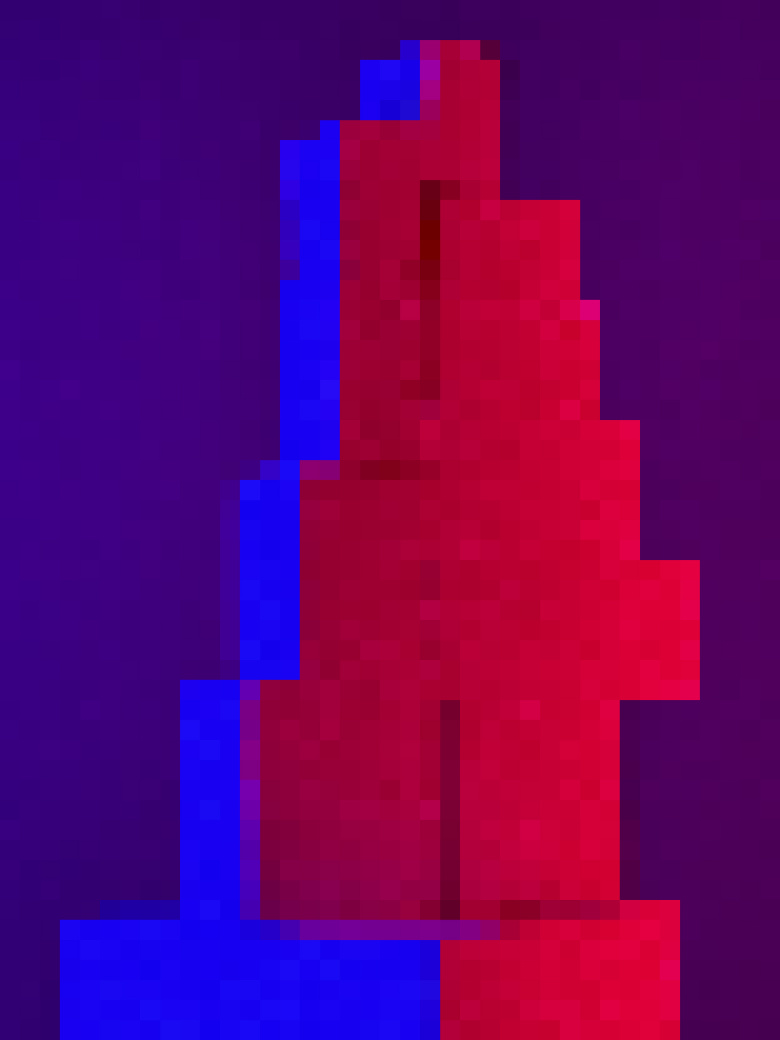

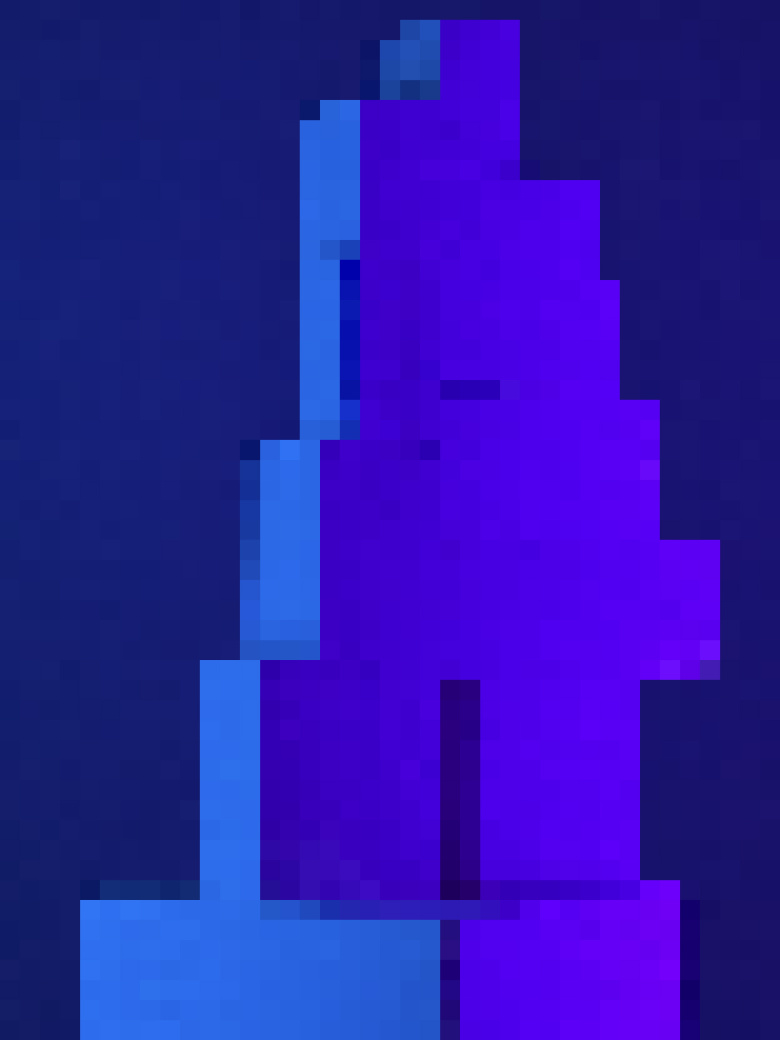
CONSTRUCTION. DESTRUCTION. RECONSTRUCTION. | , 11.9.2026







CONSTRUCTION. DESTRUCTION. RECONSTRUCTION. | , 26.8.2026




CONSTRUCTION. DESTRUCTION. RECONSTRUCTION. | , 25.8.2026


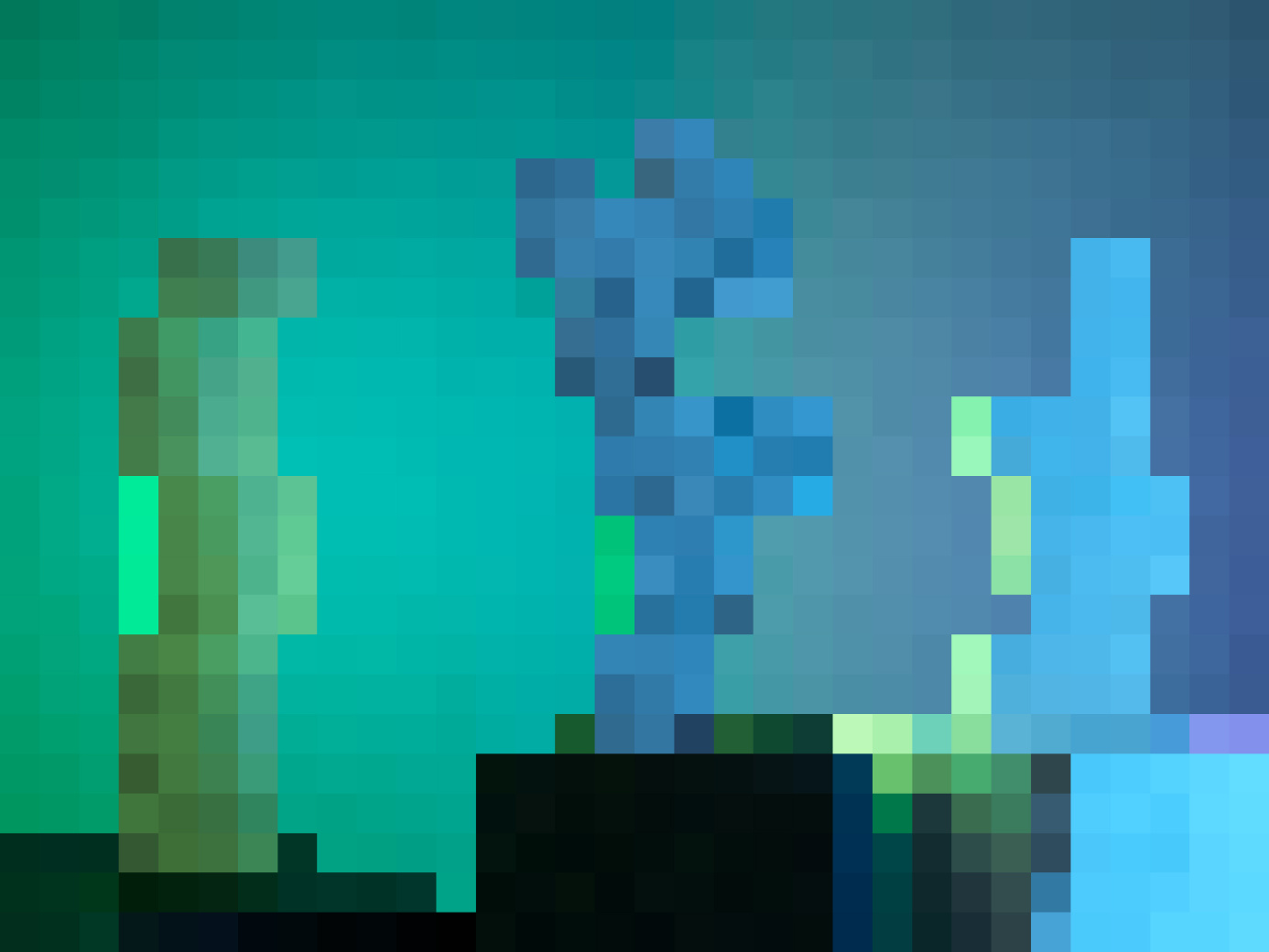
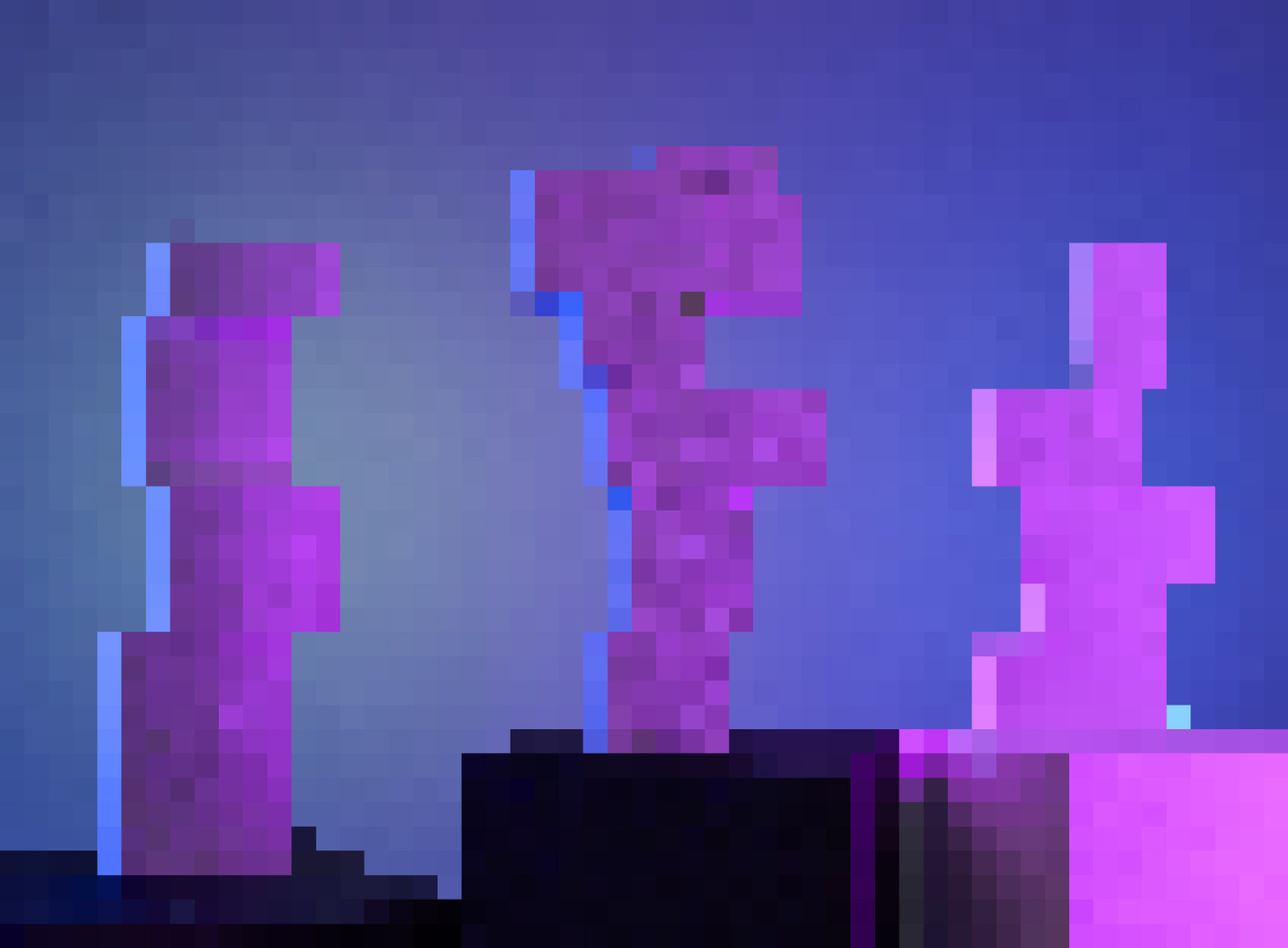

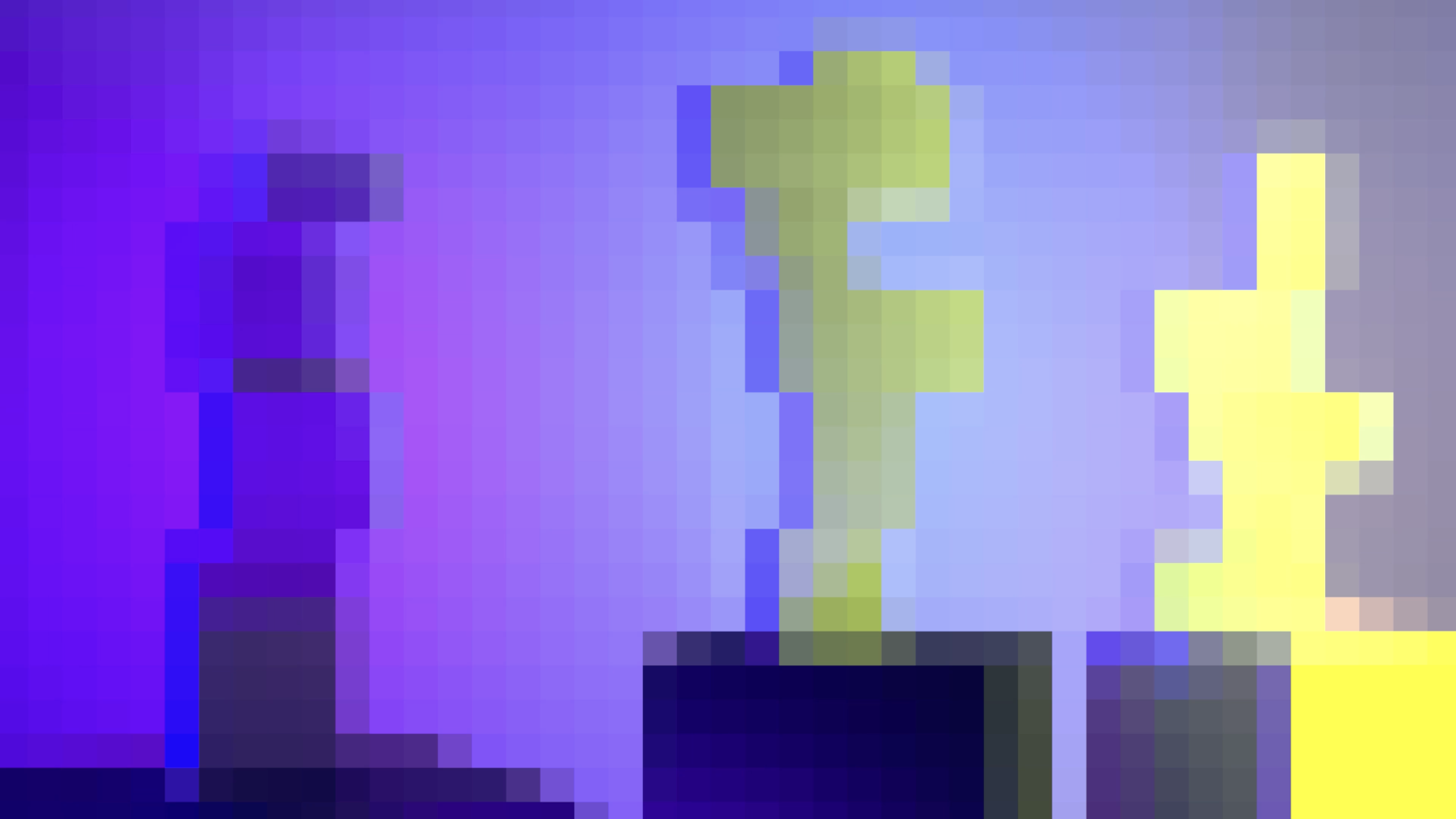
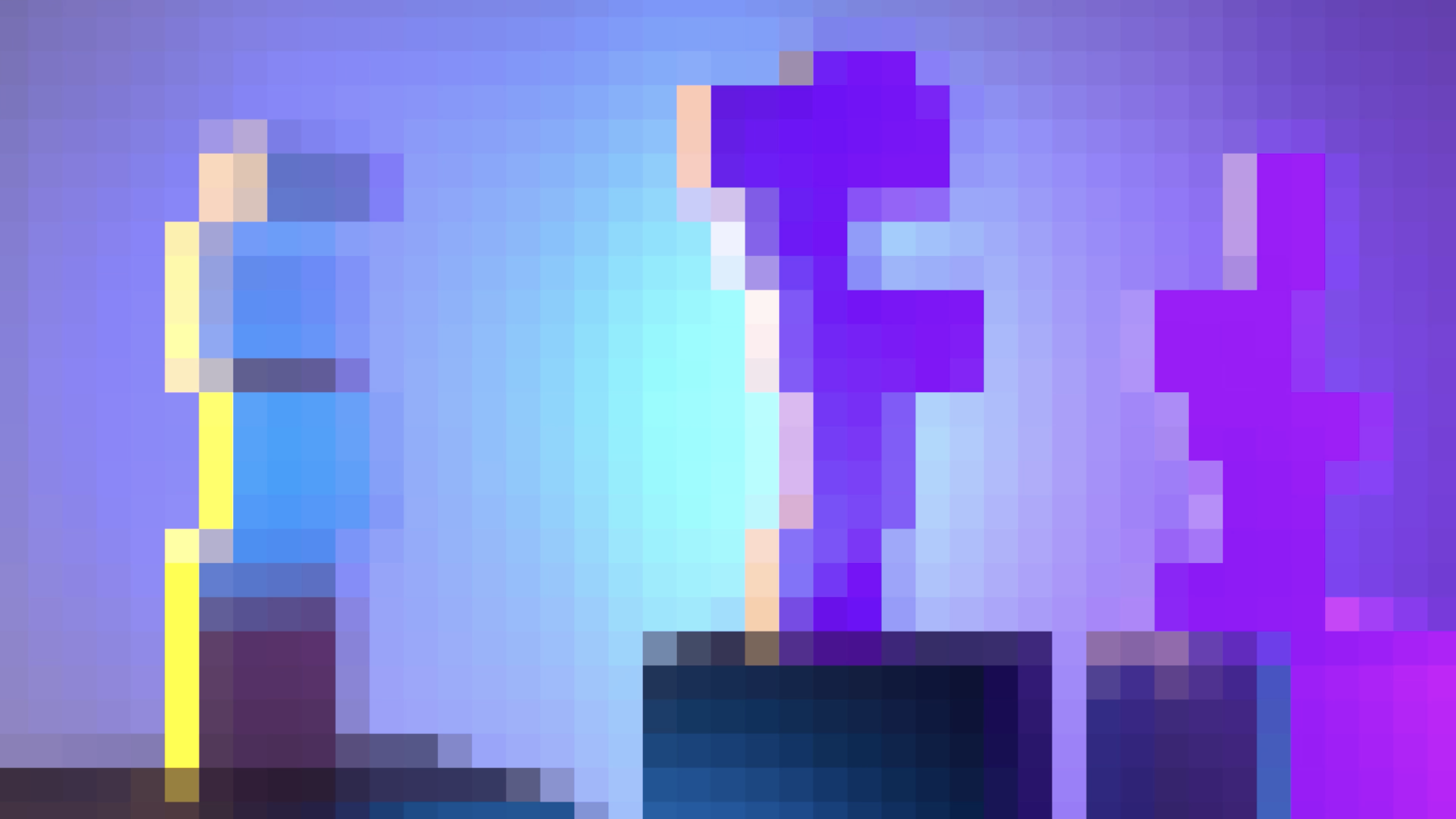

CONSTRUCTION. DESTRUCTION. RECONSTRUCTION. | , 24.8.2026





CONSTRUCTION. DESTRUCTION. RECONSTRUCTION., | 20.8.2026







CONSTRUCTION. DESTRUCTION. RECONSTRUCTION. | , 5.8.2026










CONSTRUCTION. DESTRUCTION. RECONSTRUCTION. | 2.8. / 20.8.2026




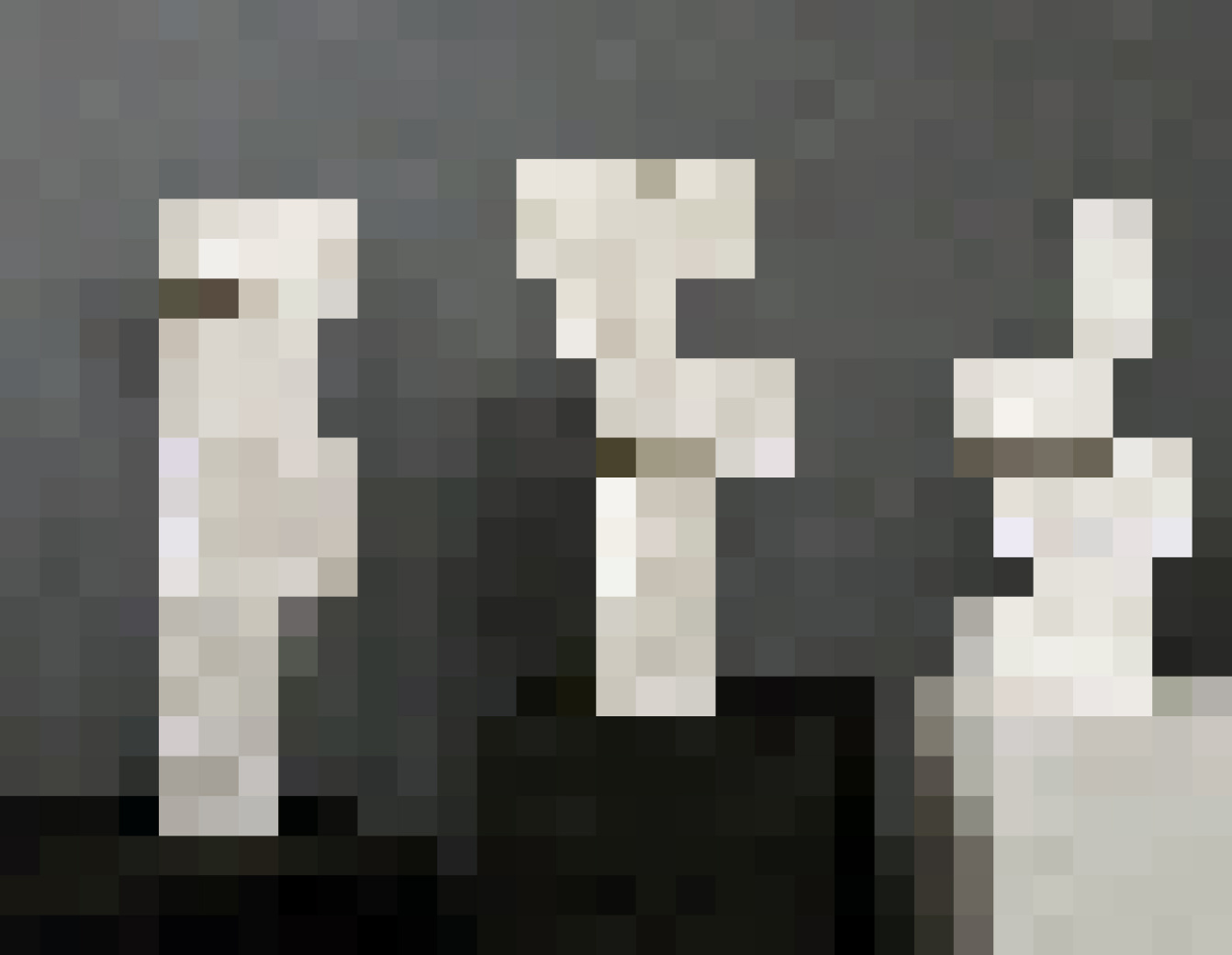
CONSTRUCTION. DESTRUCTION. RECONSTRUCTION.
Photography has always made a peculiar promise: that something was there.
A person stood before a camera. A building occupied a particular piece of ground. Light struck a surface at a particular moment. Somewhere, at some time, the world arranged itself in precisely this way, and the photograph became its witness.
But how much of that world must remain for the promise to survive?
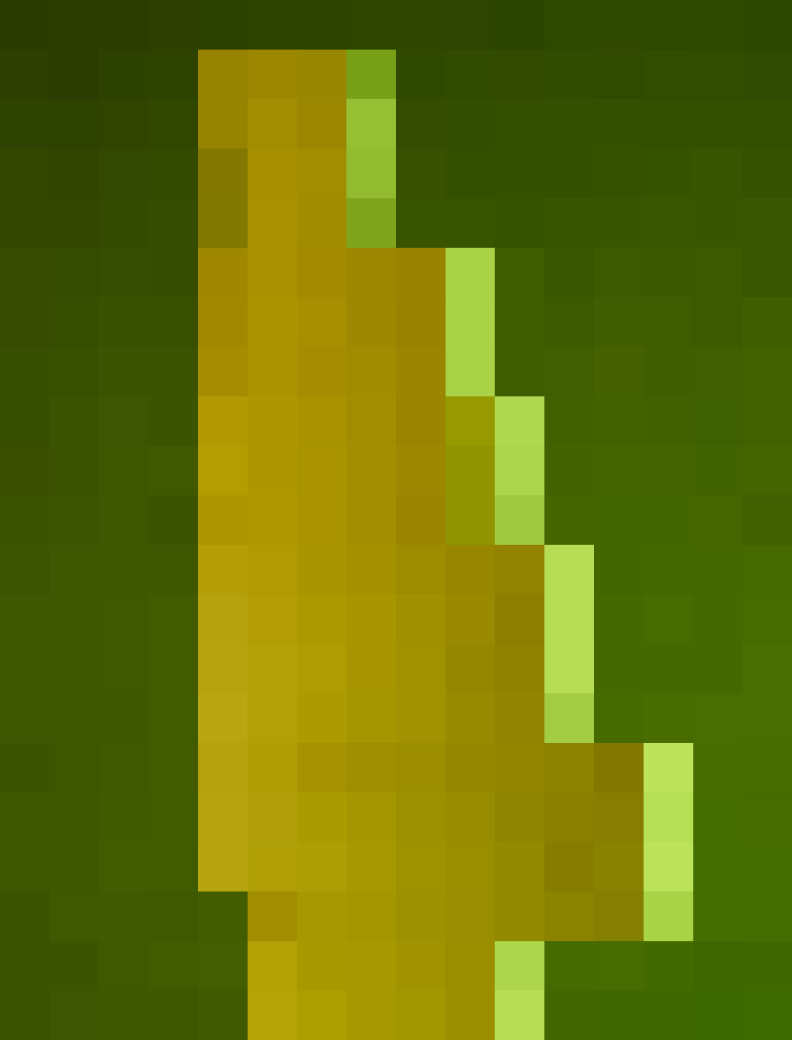
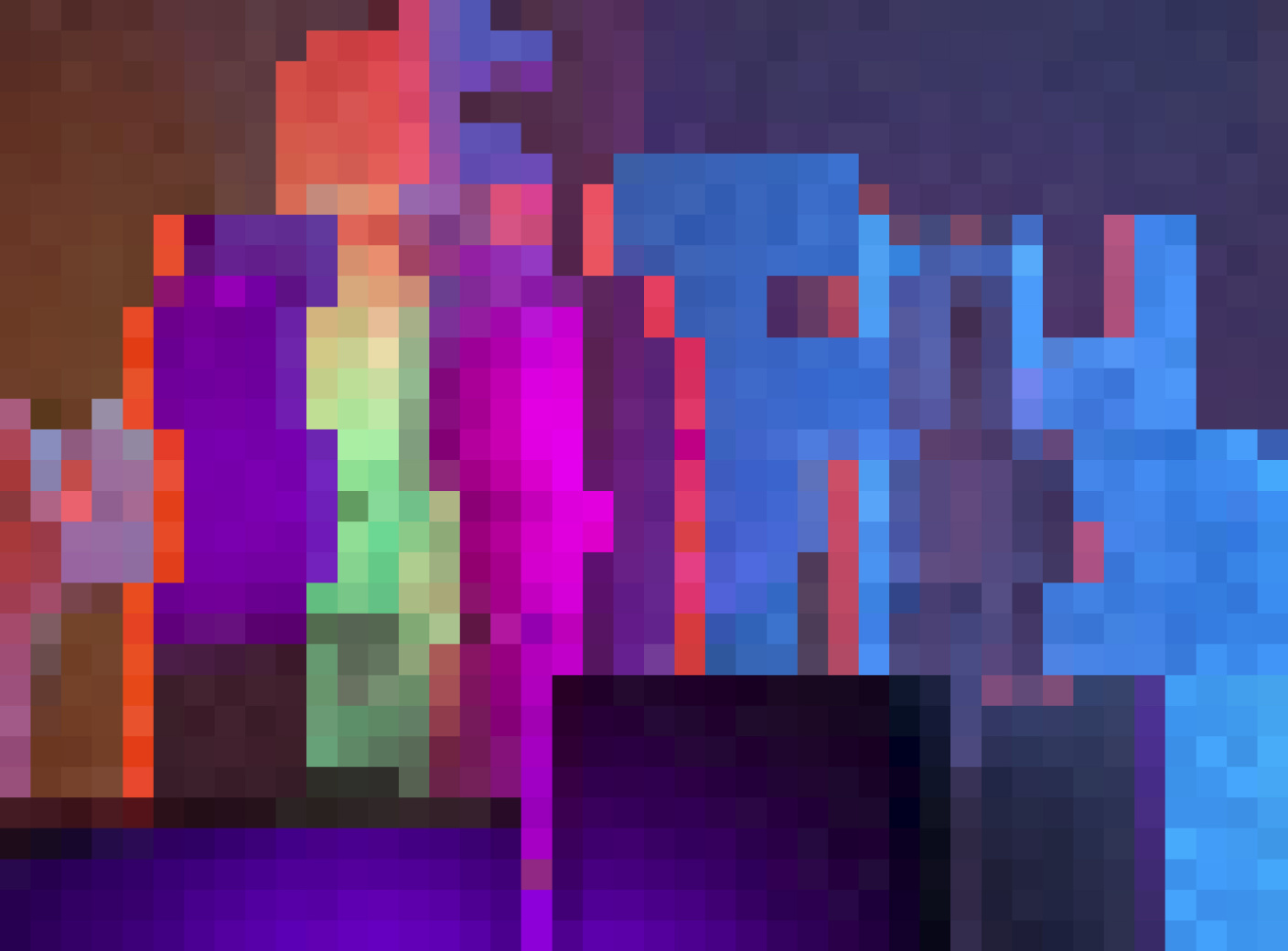
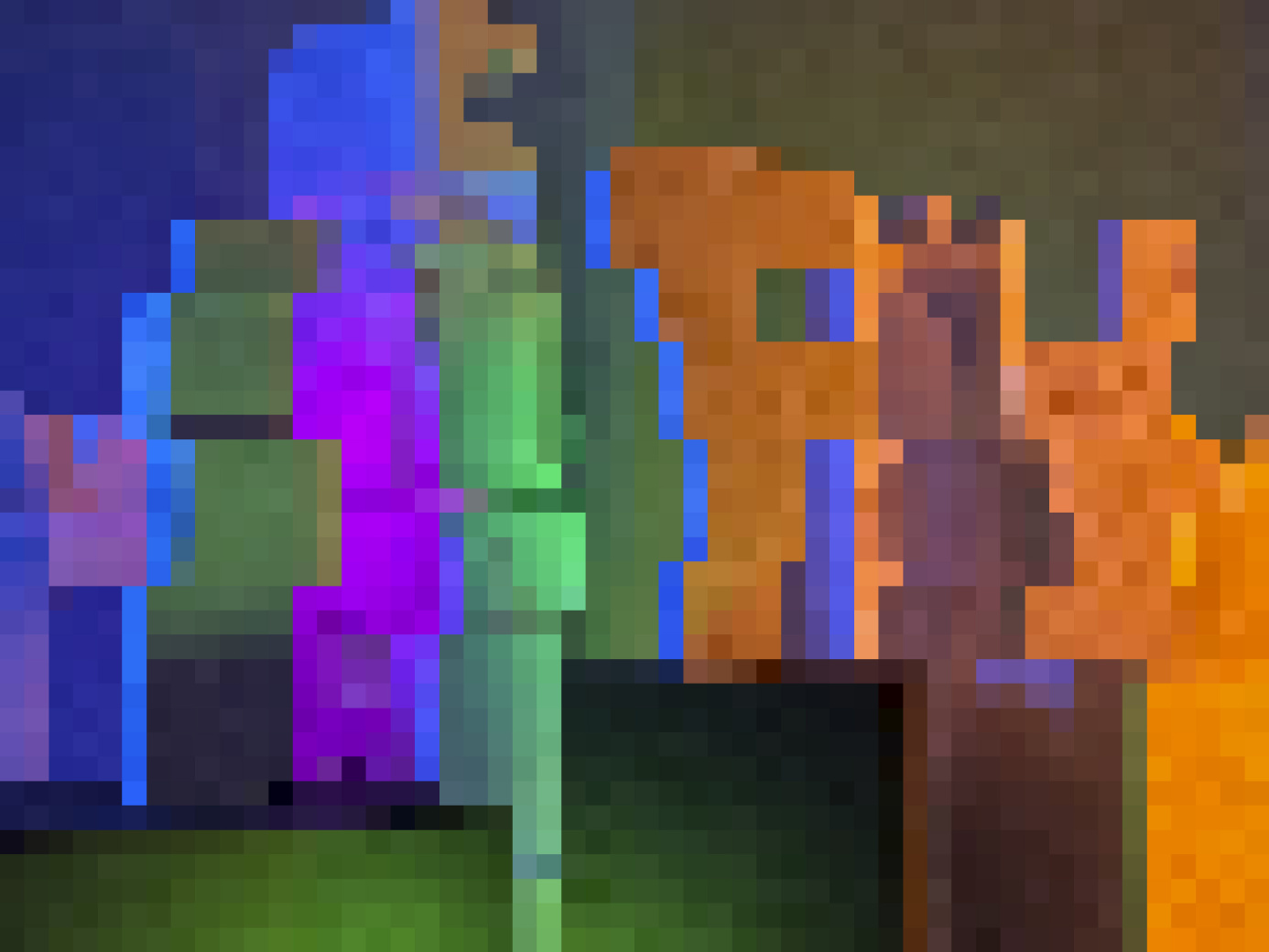
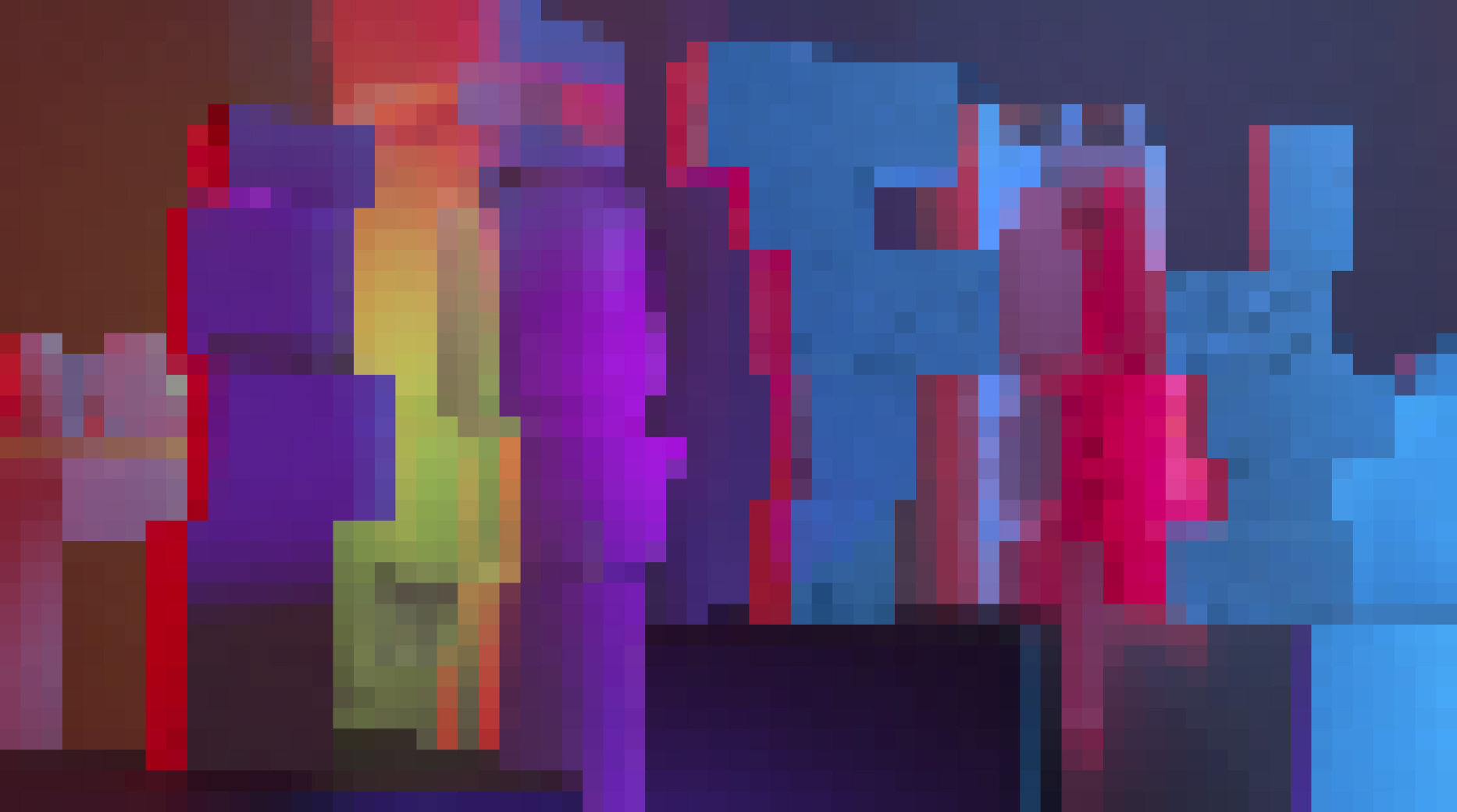
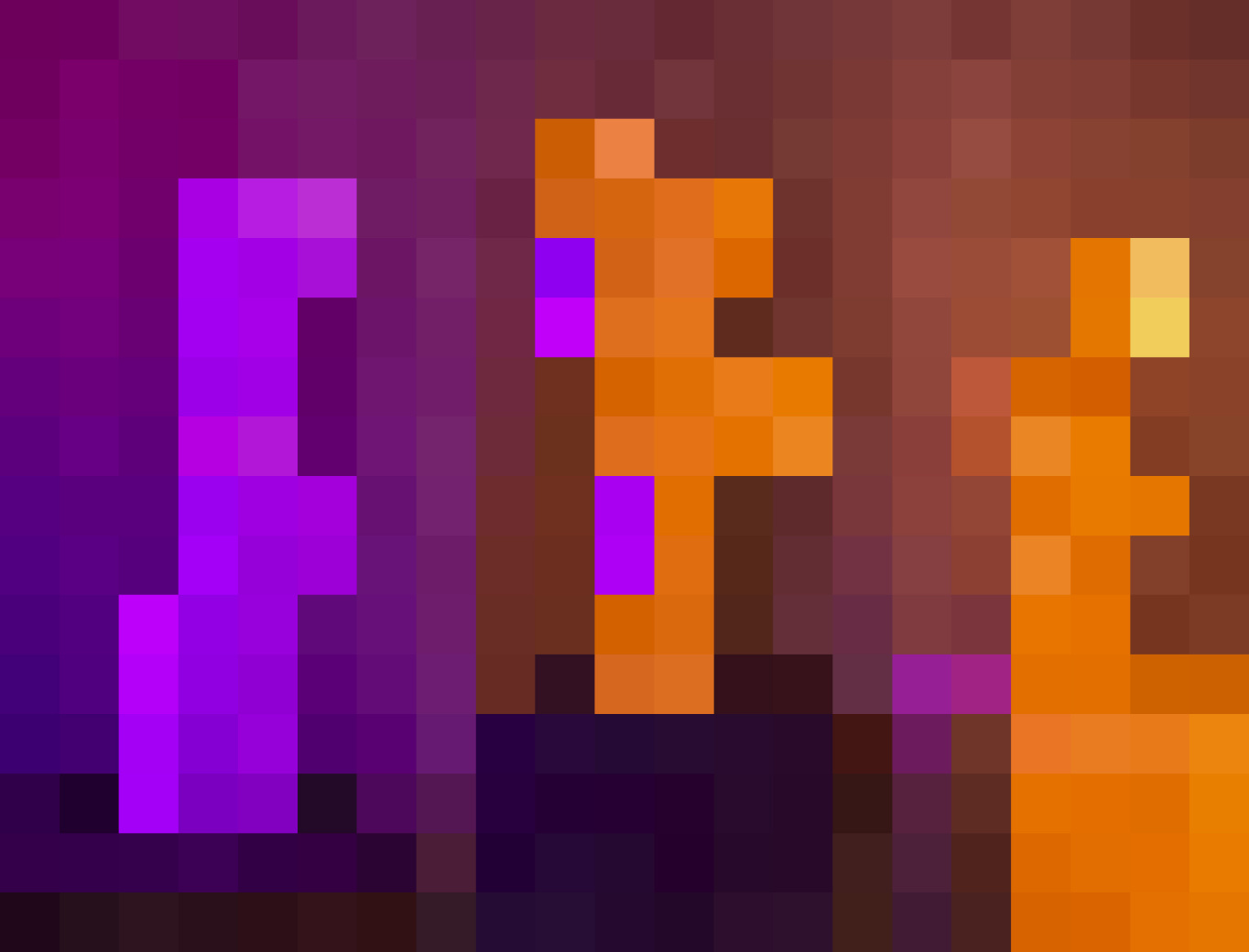
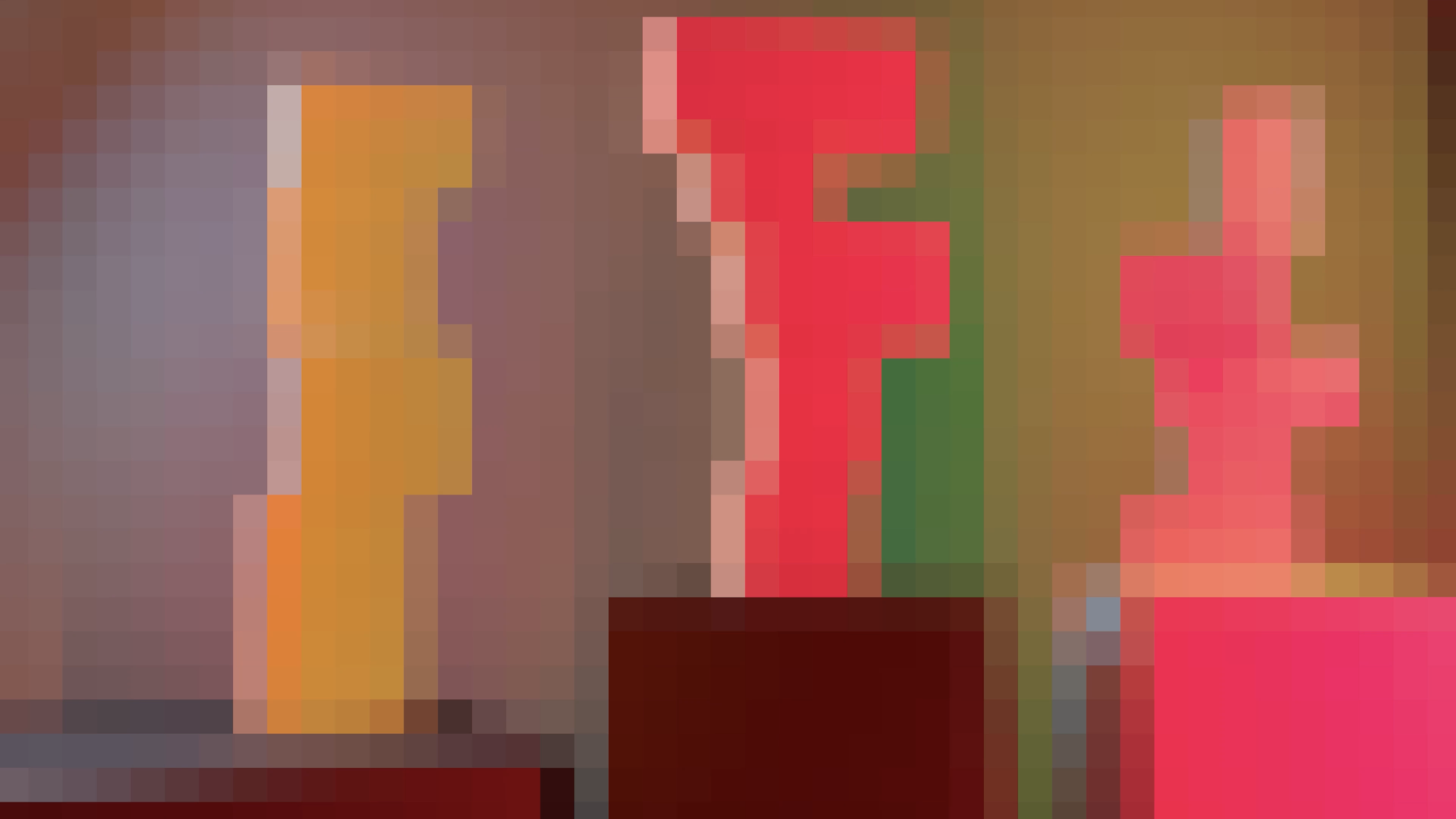
In Deconstructed, Goran Potkonjak begins with photographs and systematically removes the very quality by which photography usually establishes its authority: information. Detail disappears. Faces dissolve. Architecture loses windows, surfaces, joints and scale. Landscape abandons vegetation, geology and horizon. The continuous photographic image is dismantled until what remains is an elementary structure of coloured units.
The pixel, normally the smallest and least visible component of the digital photograph, becomes its principal subject.
This reversal is important. Contemporary photographic technology is engaged in an almost obsessive pursuit of resolution. Cameras promise ever more megapixels; lenses resolve ever finer structures; software sharpens, interpolates, reconstructs and increasingly invents missing information. The technical history of digital photography appears to move in one direction: towards more.
Potkonjak moves deliberately in the opposite direction.
He begins with information and throws it away.
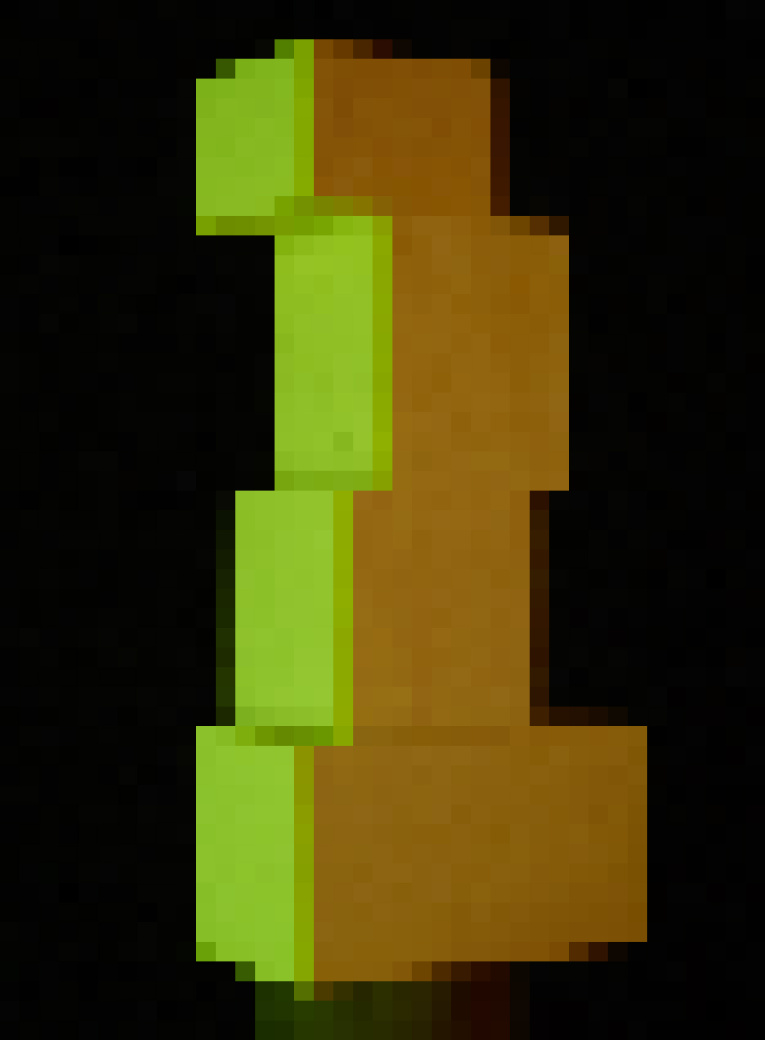
What at first appears to be destruction consequently becomes an act of construction. The photograph is not simply degraded. It is rebuilt according to another logic. A façade becomes a rhythm. A human figure becomes a vertical interruption. Artificial light becomes an incandescent rectangle. Sky, vegetation and concrete cease to describe objects and begin instead to establish relationships between colours.
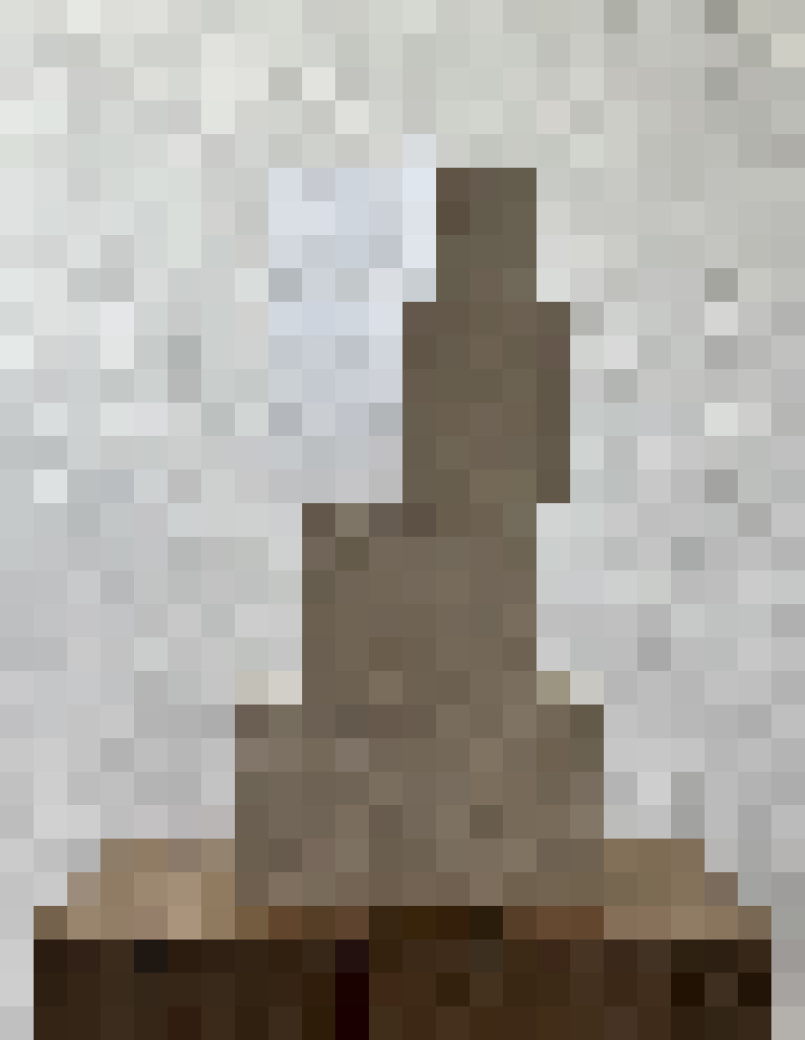
At sufficient distance from their origins, some of these works appear almost architectural themselves. Blocks support other blocks. Vertical elements rise from horizontal foundations. Colour establishes weight. Dark fields behave like voids; luminous ones like openings. In other images the geometry is unstable, fragmented, almost musical: a sequence of chromatic events whose original referent can no longer be confidently reconstructed.
And yet the photograph refuses entirely to disappear.
This is perhaps the strange condition at the centre of Deconstructed. We know that these images originate in the visible world. Consequently, we cannot look at them as pure abstraction. The eye begins searching. It attempts to rebuild what has been removed.
Is that a person?
A tower?
A tree?
A window?
A reflection?
The less information the image provides, the more actively the viewer participates in producing it.
Recognition becomes unstable.
A handful of pixels may suddenly assemble themselves into a human body, only to collapse again into colour. A dark vertical shape becomes a building because we decide that it is one. A luminous rectangle becomes a window. The brain reconstructs an image from insufficient evidence and, in doing so, exposes something fundamental about seeing itself: we do not merely receive images; we manufacture them.
The title Construction. Destruction. Reconstruction. therefore describes more than Potkonjak's working process.
Construction is the original photograph.
Destruction is the removal of its information.
Reconstruction happens in the mind of the viewer.
There is another paradox here. Digital images are ordinarily thought of as infinitely reproducible and perfectly stable mathematical objects. But the pixel is also the place where the photographic illusion can break down. Magnify the image far enough and the world disappears. A face becomes squares. A city becomes colour. Reality gives way to the grid upon which its representation has been constructed.
Potkonjak does not conceal this failure. He enlarges it.
What normally appears only when an image is damaged, compressed, enlarged beyond its limits or transmitted incorrectly becomes monumental. Error becomes form. Deficiency becomes abundance. The technological residue of photography becomes the photograph itself.
This places the works in an ambiguous territory between photography and painting. Their colours can recall modernist abstraction; their geometries can suggest Constructivism, Colour Field painting, mosaics or early digital graphics. But the resemblance is deceptive. These compositions were not invented on an empty surface. Every block of colour carries the residue of something that existed before it.
The abstraction is therefore never entirely abstract.
Behind each rectangle lies an object.
Behind each colour lies reflected light.
Behind each apparently autonomous composition lies a photograph.
And behind the photograph lies the world.
That chain matters.
It separates these images from paintings that begin with abstraction. Potkonjak arrives at abstraction by travelling through reality and then systematically dismantling its representation. The works contain their origins almost archaeologically. The original image survives not necessarily as something visible, but as something buried.
The result is an unusual tension between knowledge and perception. We may know that we are looking at a photograph while being incapable of saying what the photograph shows. Photography's traditional question—What is this?—is replaced by another:
How little can remain before seeing becomes believing?
That question has acquired particular urgency at a moment when the relationship between image and reality is becoming increasingly uncertain. Images are enhanced, compressed, manipulated, generated and reconstructed continuously. Artificial intelligence can now create photographic detail that never passed through a lens at all. Against this movement towards synthetic plausibility,Deconstructedperforms an almost inverse operation. Rather than manufacturing detail in order to make fiction appear real, Potkonjak removes detail from photographs of reality until certainty disappears.
The works do not fabricate more.
They insist on less.
And strangely, through that reduction, they make the mechanisms of the image more visible.
Perhaps this is why these pictures retain an emotional quality despite their severe geometry. Colour survives recognition. Proportion survives description. Light survives detail. Something of the original encounter persists after almost everything traditionally considered photographic has been taken away.
The photograph has been dismantled.
The subject has almost vanished.
And still, something remains.
Not documentation.
Not abstraction.
Not quite memory.
Perhaps only the stubborn residue of having seen.
Construction. Destruction. Reconstruction.
The world becomes a photograph.
The photograph becomes information.
The information becomes colour.
And colour asks us to construct the world again.
©Goran Potkonjak, October 2026